
1. He Answered Fan Letters By Hand
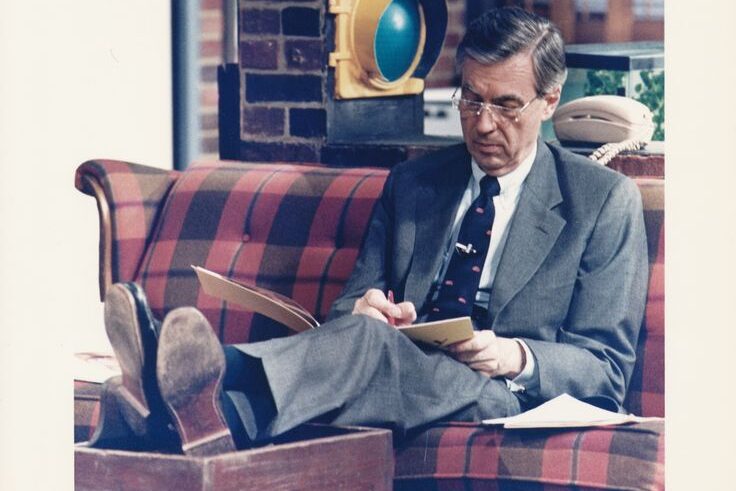
After Mister Rogers passed away in 2003, it became widely known that he had spent much of his mornings replying to fan mail by hand. These weren’t quick notes, either, his letters often included thoughtful drawings, heartfelt advice, or words of encouragement tailored to each person. Parents wrote about how he reassured them during difficult times, while children treasured his kind words for years. This small but steady act showed that Rogers viewed his viewers as more than just an audience. He saw them as individuals worth acknowledging and uplifting, one letter at a time. It was a quiet, daily ritual that perfectly matched his gentle and deeply personal approach to life.
2. He Quietly Paid for Kids’ Schooling
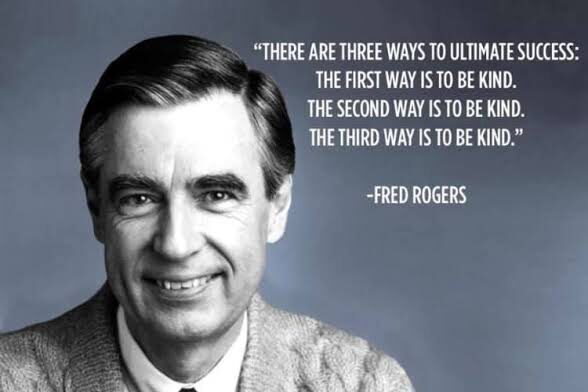
After Rogers’ death, families began sharing stories about anonymous financial help they had received. Some had tuition mysteriously covered, while others found surprise donations easing their financial struggles. It was later revealed that Mister Rogers had quietly stepped in, often without ever revealing himself as the benefactor. He never sought attention or credit, he simply wanted to give children the chance to learn and grow without added burdens. For many families, the truth only came out years later, when they realized who had been behind those acts of kindness. These stories added another layer to his legacy, showing that his care for children extended far beyond the television screen.
3. He Carefully Reviewed His Own Episodes
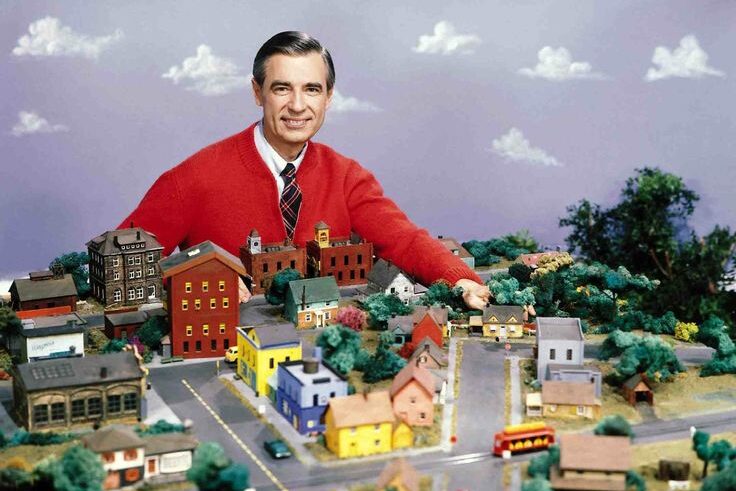
Unlike many TV hosts who rewatch their shows for mistakes, Rogers had a different purpose. He regularly watched Mister Rogers’ Neighborhood to carefully evaluate whether every word, gesture, and tone stayed true to his mission of helping children feel valued and understood. If something seemed off, he adjusted it to better reflect his philosophy of kindness and acceptance. This meticulous self-reflection showed how deeply he respected the responsibility of being a trusted voice for children. To him, even a small phrase could carry great weight, so he made sure his show lived up to the trust families placed in him.
4. Like All of Us, He Was Shaken by 9/11

The September 11 attacks left Mister Rogers deeply troubled. Friends revealed that he questioned whether he could continue in television at all, unsure of how to speak to children about such a devastating event. He even considered retiring early, feeling the weight of responsibility to comfort a grieving nation. But instead of stepping back, Rogers chose to return with quiet, heartfelt public service messages. In them, he reminded children, and adults, that despite tragedy, they were loved and never alone. His calm, steady words became a source of comfort, showing once again why he remained one of the most trusted figures on television.
5. He Wrote Letters to Just About Every Child He Met
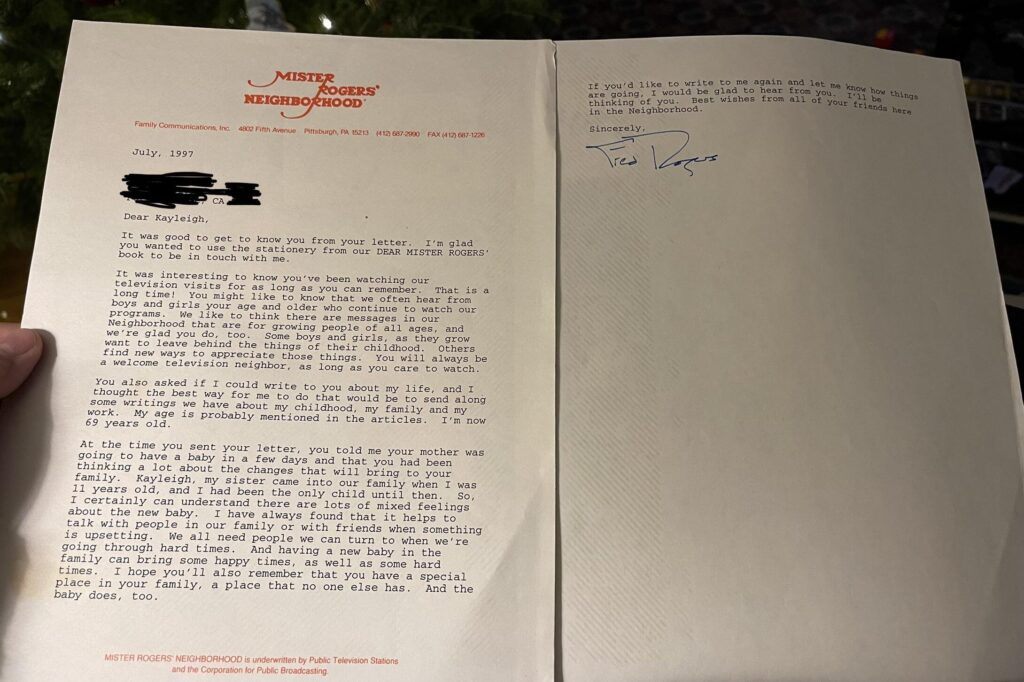
Whenever Mister Rogers met a child, whether in his studio, at a public event, or even on the street, he often followed up with a personal letter. These weren’t form notes; they were warm, thoughtful messages that reflected the conversation he’d had with the child. Parents later shared that their families treasured these letters for decades, often keeping them framed or tucked away like heirlooms. It was a small act that made a huge impact, showing that Rogers didn’t just perform kindness on television. He took the time to make children feel truly seen, carrying their stories with him long after the initial meeting.
6. His Sweaters Were Made by His Mother
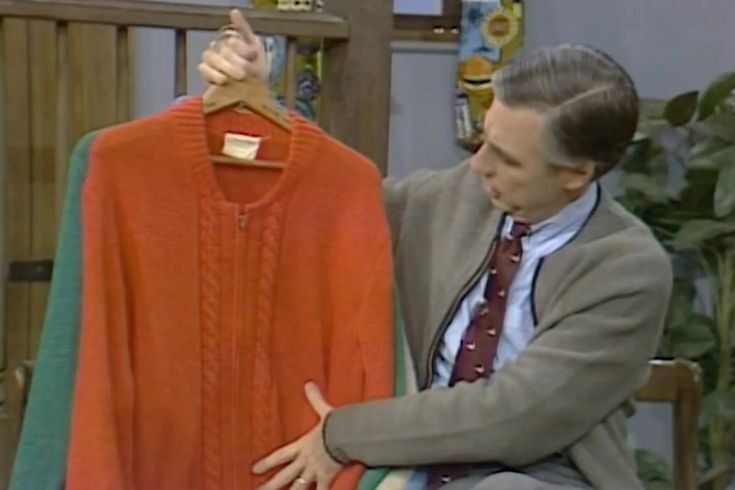
The zip-up cardigans Mister Rogers wore on every episode became his signature look, but few knew their origin until after his passing. Each one was hand-knit by his mother, Nancy Rogers, as a gesture of love and support. Over the years, the sweaters became symbolic of his warmth and comfort, almost like a hug children could count on each time they watched his show. After his death, one of the iconic red sweaters was donated to the Smithsonian, where it remains a treasured piece of American culture. That simple garment represented not only Rogers’ gentle persona but also the loving family roots that shaped him.
7. He Helped Save Public Television
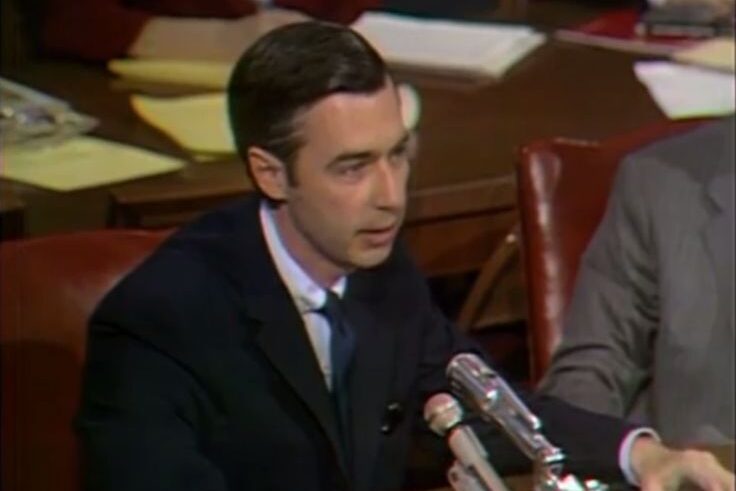
In 1969, public television funding was on the chopping block, and it was Mister Rogers who helped save it. He testified before the U.S. Senate, delivering a calm but powerful speech about the importance of nurturing children through quality programming. His sincerity and quiet conviction impressed even skeptical lawmakers, helping secure $20 million in funding for PBS. The clip resurfaced after his death, going viral and inspiring new generations with the reminder that soft-spoken kindness could be more persuasive than anger or force. It was a defining moment that not only protected public broadcasting but also solidified Rogers’ role as a trusted advocate for children.
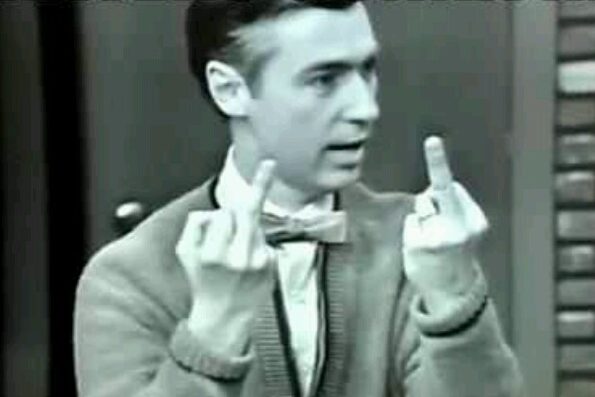
8. He Had a Private Temper (This Photo is NOT Showing His Temper!)
To the world, Mister Rogers seemed endlessly patient and gentle, but his personal journals told a fuller story. After his death, entries revealed that he sometimes wrestled with anger, frustration, and grief, especially in response to cruelty and injustice. He never let these emotions spill into his interactions with children, instead channeling them into self-reflection and prayer. Knowing he had those struggles only made his compassion more meaningful. It showed that his kindness was not effortless or naïve but a deliberate choice he made every day. His humanity, in all its complexity, deepened the respect people felt for him.
Please note: This photo does NOT intend to show Mr. Rogers losing his temper. We just felt that it was a good photo to use, cause we couldn’t find any showing him losing his temper so we took some creative liberties here. In actuality, he was singing “Where is Thumbkin” with children and, when he got to Tall-Man, he proudly displayed his middle fingers…because that’s how the song played out. Oh, and McFeely (Mr. McFeely was the “Speedy Delivery” guy) was Rogers’ middle name.
9. He Prayed for People by Name
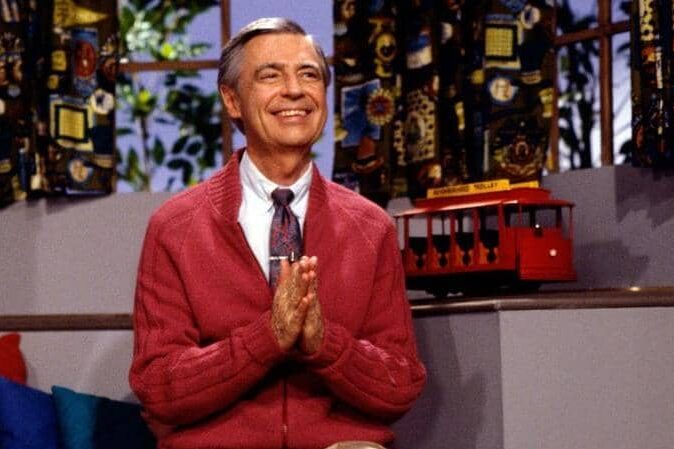
Rogers’ faith was deeply personal, and one of his daily rituals was prayer. Friends and fans often discovered later that he had prayed for them by name, sometimes writing their names in notebooks so he wouldn’t forget. This wasn’t a performance or a passing thought, he treated it as a responsibility, carrying the burdens and joys of others in quiet devotion. Those who learned of it after his death were moved to know that someone they admired so deeply had held them in his thoughts with such care. It was one more way he quietly gave love and attention to others without expecting anything in return.
This story Things We Only Learned About Mister Rogers After He Died was first published on Daily FETCH


