
Neil Young: Toy Trains That Became Real Innovation
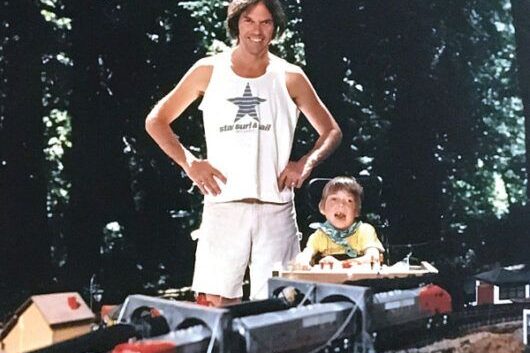
Sometimes celebrity businesses do not begin with strategy. They begin quietly, almost casually, the way hobbies grow at home. That is how Neil Young’s involvement with model trains started. What looked like a simple interest slowly became something more meaningful when he used model trains to connect with his sons. The experience deepened his curiosity, and before long, he was spending time understanding the mechanics and technology behind the trains. It was not about business at first. It was about connection, learning, and something that felt personal. Over time, that curiosity turned into a serious role with Lionel, a historic model train company that had been around for generations and quietly shaped childhood memories.
Young became more than a fan as he helped develop new control systems that allowed multiple trains to run simultaneously, improving how enthusiasts interacted with the hobby. He was eventually listed as co inventor on several patents related to model train technology. What makes this story feel human is how naturally it unfolded. A personal interest became a creative outlet, then slowly became a business involvement. It did not feel planned or flashy. It simply grew from curiosity, and that quiet growth is what makes it memorable and genuinely relatable.
Paul Newman: Salad Dressing That Built A Charity Empire
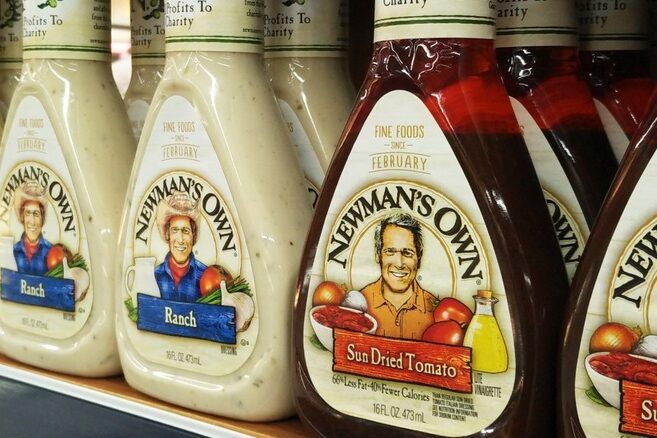
Paul Newman’s business story began in a kitchen, not a boardroom. He enjoyed making homemade salad dressing and started giving bottles to friends during the holidays. The feedback was warm and enthusiastic, and people kept asking for more. At first, it felt like a fun gesture rather than a serious idea. But the consistent response made Newman and his friend A. E. Hotchner consider bottling it properly. They decided to invest modestly and launch Newman’s Own, not expecting it to grow beyond a small project that simply shared something they enjoyed making together.
As the brand expanded, Newman made a decision that shaped everything. He chose to donate profits to charity rather than treat it as personal income. That choice turned a casual food product into something more meaningful. Over time, the brand expanded into sauces, snacks, and beverages, all while maintaining its charitable mission. What makes the story stand out is how ordinary it began. A homemade recipe shared among friends slowly became a company that reflected generosity and authenticity, and the simplicity of that beginning still feels grounded and sincere.
Jessica Alba: A Baby Product Company Born From Frustration

Jessica Alba’s business journey started with a personal concern that many parents understand. After becoming a mother, she began paying closer attention to household products and their ingredients. She struggled to find options that felt safe and transparent, which led her to research alternatives. That search slowly turned into curiosity about manufacturing, safety standards, and product sourcing. What began as personal research soon became a deeper interest in creating solutions that could make everyday life feel more secure for families.
This process eventually led to The Honest Company, focused on baby products, cleaning supplies, and personal care items. The company grew gradually, shaped by Alba’s focus on everyday needs rather than glamour. The business felt grounded because it addressed practical concerns. Over time, the brand developed a loyal audience drawn to its transparency and simplicity. What makes this venture unusual is how relatable it feels. It was not driven by fame or trends. It began with a personal frustration, and that authenticity helped shape its identity as it expanded into a widely recognized company.
George Clooney: A Tequila Hobby Worth A Billion Dollars
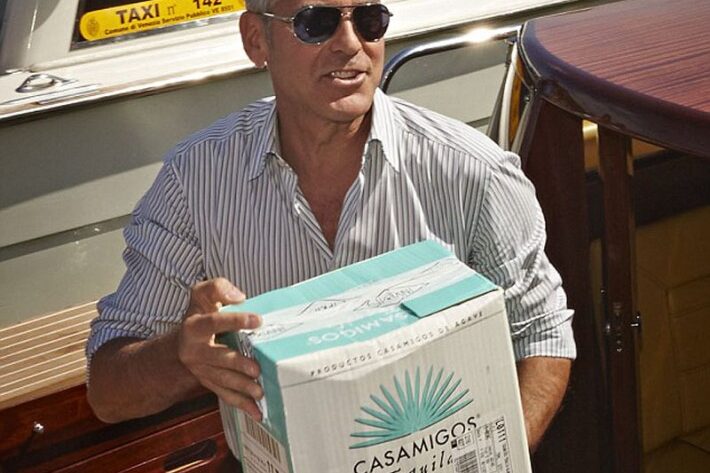
George Clooney’s tequila business began in a relaxed and unexpected way. While spending time in Mexico with friends, they started discussing how difficult it was to find tequila they truly enjoyed. Instead of searching endlessly, they decided to create their own version. Initially, the idea was purely personal. They worked with a distillery to produce tequila for their homes and gatherings. It was not meant for public release, and for a while, it remained a private project shared among friends and family who appreciated its smooth taste.
Eventually, the quality of the tequila sparked conversations about expanding the idea. That casual hobby became Casamigos, a brand that grew steadily over time. The success surprised even Clooney, who later admitted they never expected the company to become so large. The brand’s growth felt organic, driven by word of mouth and authentic interest rather than heavy marketing. What makes the story feel relatable is how naturally it unfolded. A shared interest turned into a business that quietly expanded into something significant.
Ashton Kutcher: A Hollywood Actor Turned Tech Investor

Ashton Kutcher’s business path developed quietly, almost in the background of his acting career. While audiences recognized him for television and film roles, he spent time learning about technology startups and emerging ideas. His curiosity led him to attend meetings, talk with founders, and understand how new companies developed. Over time, he began investing in businesses that interested him. It was not about publicity or building a new persona. It simply grew from his interest in innovation and entrepreneurship.
As his investments expanded, Kutcher became known within technology circles for identifying promising startups early. His approach focused on learning rather than promoting himself. What makes this journey unusual is how subtle the transition was. There was no dramatic shift from acting to business. Instead, he built experience gradually while continuing his entertainment career. Over time, the investments formed a serious portfolio that reflected thoughtful decision making and patient growth shaped by curiosity.
Francis Ford: Coppola From Films To Fine Wine
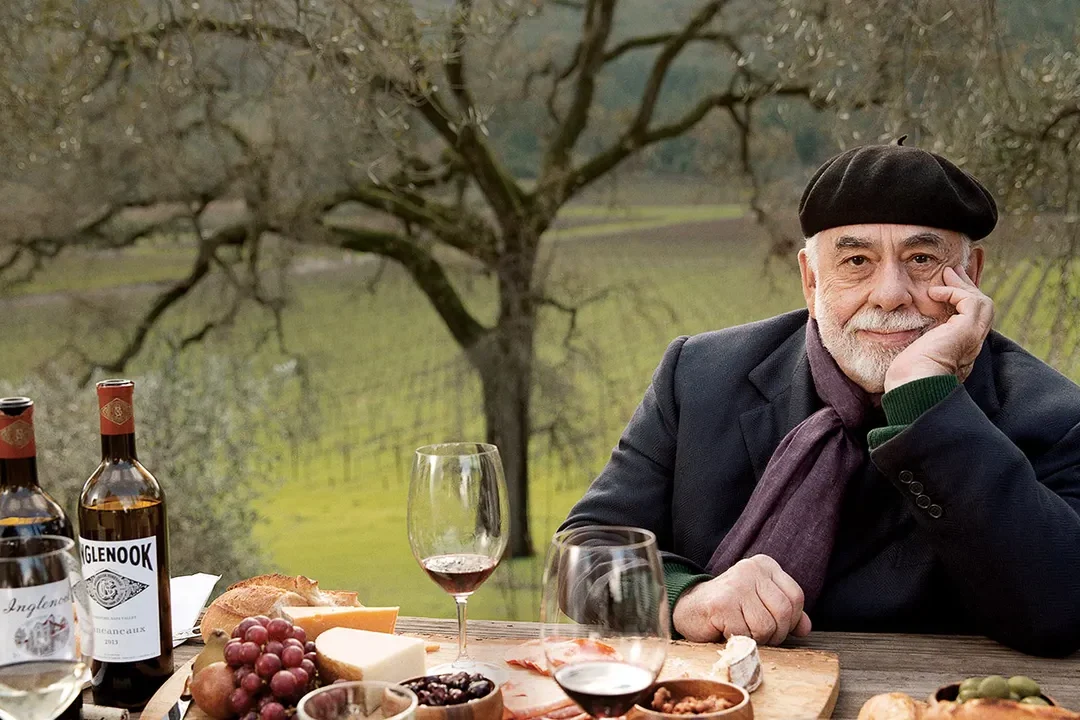
Francis Ford Coppola’s winery began as a personal passion that slowly grew into a business. After achieving success in filmmaking, he invested in vineyards in California during the 1970s. At the time, it was not about creating a celebrity brand. It was about exploring something new and learning about winemaking. The process required patience, attention to detail, and a willingness to adapt. Coppola embraced the slower pace, finding satisfaction in working with land and seasonal changes that shaped the wine.
Over time, the vineyard expanded and became known for both wine and hospitality. Visitors experienced storytelling through the setting, blending Coppola’s filmmaking background with winemaking. The business developed gradually, shaped by craftsmanship rather than rapid growth. What makes this venture stand out is how different it feels from Hollywood. It reflects a quieter form of creativity rooted in tradition and care, turning vineyards into a space where storytelling and craftsmanship meet naturally.
Dr Dre: Headphones That Changed Music Culture
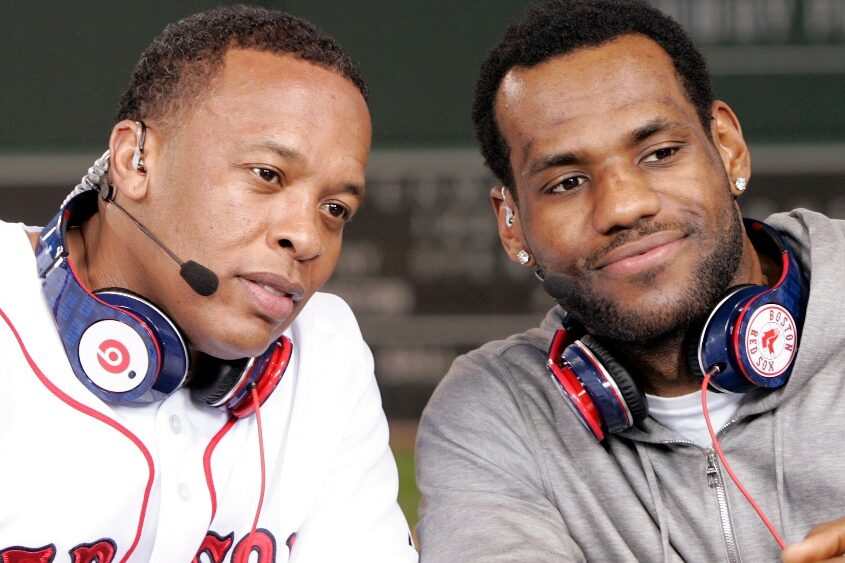
Dr Dre’s business idea started with a simple observation about sound quality. He believed listeners were not hearing music the way artists intended. This curiosity led him to explore how headphones could improve listening experiences. Working with collaborators, he helped create headphones designed to emphasize clarity and bass. The concept resonated quickly, especially among music fans who valued sound quality and wanted a richer listening experience.
As the brand expanded, the headphones became associated with style and identity, not just audio equipment. The business grew steadily, eventually attracting attention within the technology industry. What makes this venture unusual is how it bridged entertainment and consumer electronics. A musician helped shape a hardware product that influenced listening habits worldwide. The journey reflects how creative insight can lead to unexpected business opportunities built from a simple idea.
Ryan Reynolds: A Gin Brand With Humor At The Center
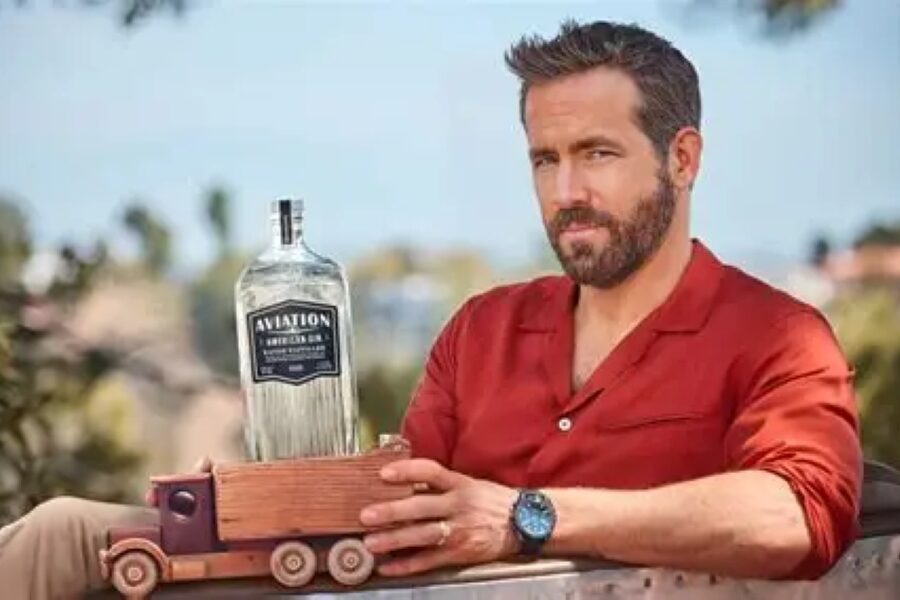
Ryan Reynolds did not approach business in the traditional celebrity way. His involvement with Aviation Gin felt more like a personal extension of his personality than a calculated venture. After investing in the brand, he began shaping its marketing and voice, often creating advertisements that felt conversational and relaxed. Instead of polished celebrity endorsements, Reynolds leaned into humor and storytelling. The tone made the brand feel approachable, almost like it was speaking directly to everyday consumers. This approach quietly set Aviation Gin apart in a crowded market where many brands relied on traditional advertising.
As the brand gained attention, Reynolds remained deeply involved in creative decisions and messaging. His campaigns often reflected everyday situations and playful observations, which helped the product feel relatable rather than exclusive. Over time, Aviation Gin grew steadily, eventually becoming part of a larger acquisition while Reynolds continued to stay involved creatively. What makes this venture unusual is how naturally it grew from personality rather than strategy. It felt less like a celebrity attaching a name to a bottle and more like someone building something that reflected his voice, humor, and everyday perspective.
Martha Stewart: Media Personality Turned Lifestyle Empire
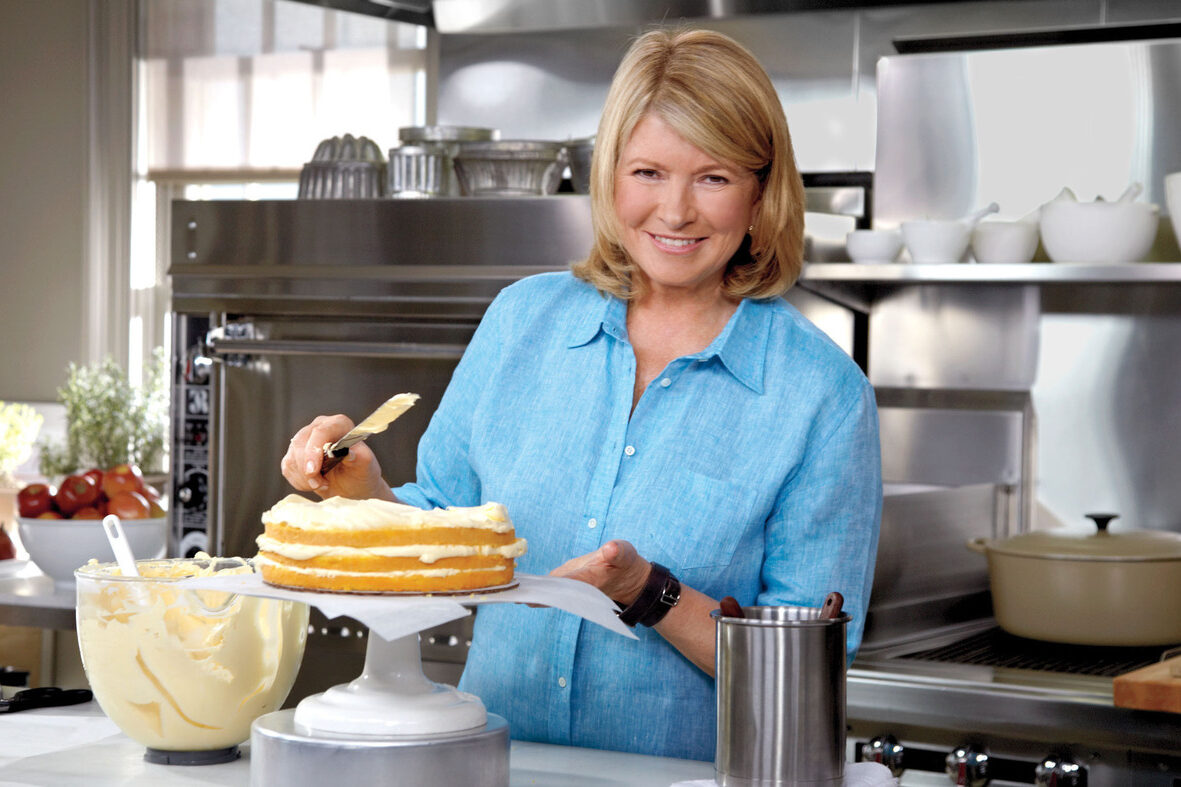
Martha Stewart’s business began with something simple and familiar. She enjoyed cooking, entertaining, and creating welcoming spaces at home. Friends and guests often admired her attention to detail, which slowly encouraged her to share those ideas more widely. Her early work focused on cookbooks and entertaining guides, offering practical advice that felt approachable. At a time when lifestyle branding was not common, Stewart quietly built a following around everyday living. Her ideas resonated because they felt achievable, not distant or overly polished.
As her audience grew, the business expanded into magazines, television, and household products. The brand developed gradually, shaped by routines people already understood. What made the venture unusual was how it centered around ordinary experiences like cooking dinner or decorating a table. Stewart transformed those moments into something thoughtful and intentional. Over time, her company became a lifestyle empire that reflected everyday creativity. The journey felt organic because it grew from genuine interest, turning simple home activities into a business that quietly influenced how people approached daily living.
Jay Z: Champagne And Cognac Ventures

Jay Z’s business ventures in champagne and cognac developed from a deeper interest in craftsmanship and culture. Rather than simply endorsing beverages, he became actively involved in shaping how the brands were presented. His approach focused on quality, storytelling, and presentation. The products were positioned thoughtfully, appealing to audiences who appreciated both tradition and modern influence. This careful approach allowed the brands to grow gradually, building recognition through consistency rather than sudden attention.
Over time, Jay Z’s involvement helped shape these beverages into respected names within luxury markets. The businesses reflected his interest in long term value rather than quick success. What makes this venture unusual is how it blended culture, heritage, and entrepreneurship. The brands were not created as celebrity novelties but as thoughtful investments in established traditions. This patient growth allowed the ventures to develop credibility and trust. The story feels grounded because it reflects a measured approach, showing how celebrity influence can quietly support craftsmanship while building something lasting over time.
Reese Witherspoon: A Media Company Focused On Women’s Stories

Reese Witherspoon’s business began with a simple observation about storytelling. She noticed that many stories centered on women were limited or underrepresented. That realization encouraged her to explore creating content that reflected broader experiences. This curiosity led to the founding of Hello Sunshine, a media company focused on films, television, and digital storytelling. The company’s mission felt personal, shaped by Witherspoon’s interest in meaningful narratives rather than traditional celebrity ventures.
As Hello Sunshine grew, the company produced content that connected with audiences looking for thoughtful storytelling. The business expanded gradually, attracting attention for its consistent focus and purpose. What makes this venture unusual is how it centered around storytelling rather than products or endorsements. Witherspoon’s involvement reflected creative interest and long term vision. Over time, the company developed into a respected media business that balanced creativity with entrepreneurship. The journey felt natural, built from curiosity and shaped by the desire to share stories that felt relatable and genuine.
Gwyneth Paltrow: Wellness Products
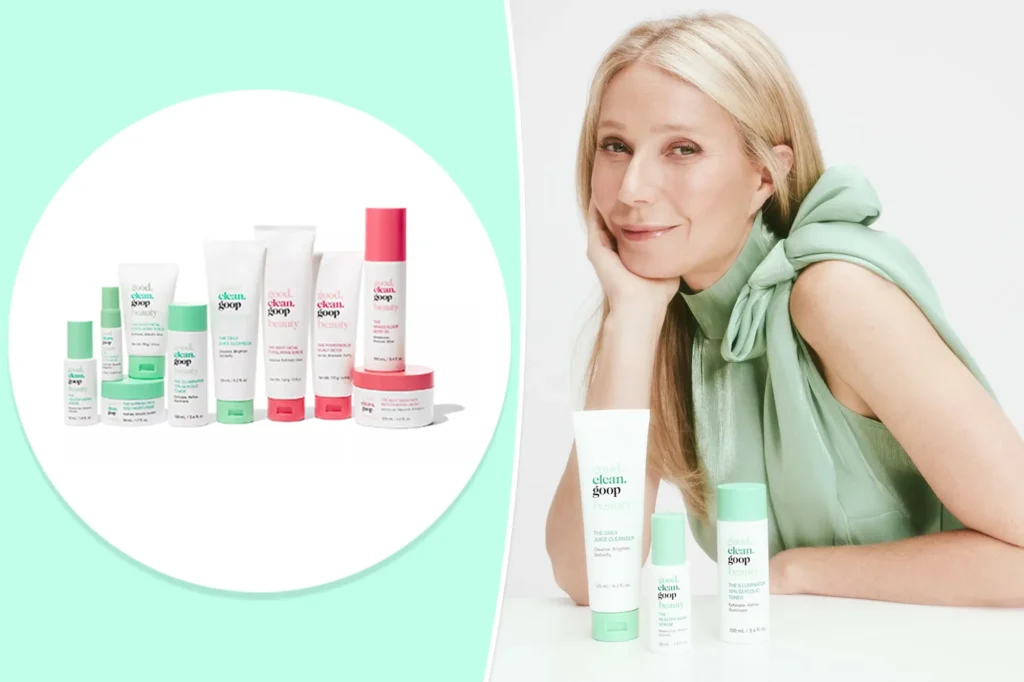
Gwyneth Paltrow’s Goop began quietly as a newsletter shared with a small audience. She wrote about personal interests, wellness routines, and lifestyle ideas that felt meaningful to her. The tone was conversational and reflective, which helped readers connect with her perspective. As interest grew, the newsletter expanded into a broader platform that included products and recommendations. What started as a personal outlet slowly evolved into a business shaped by curiosity and exploration.
Over time, Goop developed into a lifestyle brand with a loyal following. The company expanded into beauty, wellness, and content, all built around personal discovery and experimentation. What makes this venture unusual is how it developed from simple communication rather than formal planning. The brand reflected evolving interests rather than a fixed business model. This flexibility allowed it to grow naturally while maintaining a distinct identity. The story feels grounded because it started with conversation and gradually became something larger, shaped by curiosity and personal expression.


