
1. Russia
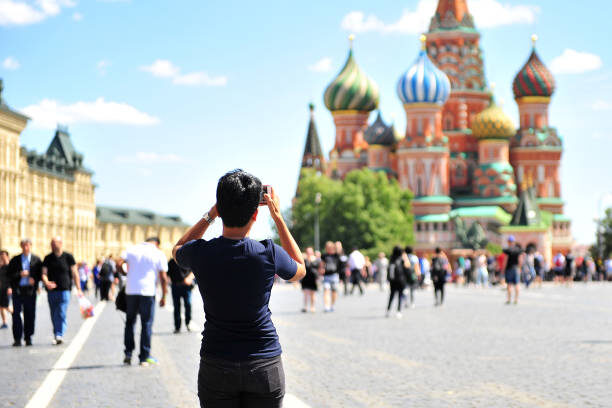
It’s one of those places people dream about seeing at least once, but when Americans land in Russia, the atmosphere can feel noticeably reserved. The tension isn’t always personal, but it can be felt in subtle ways, from cautious conversations to a certain distance in social interactions. Political history plays a big role here, and many travelers say they sense it in everyday moments. As one traveler shared online, “People weren’t rude, just distant, like they weren’t sure how to read me.” That feeling tends to linger, especially outside tourist-friendly zones.
At the same time, it’s important not to mistake formality for hostility. Russians are known for being warm once you get past that initial barrier. Still, Americans sometimes find the entry point harder than expected. Language differences, strict regulations, and a general lack of small talk can make things feel colder than they actually are. If you go, patience and humility go a long way. Over time, you may find that what first felt unwelcoming is simply a different rhythm of human connection, one that takes a little longer to unfold.
2. Cultural Friction in China
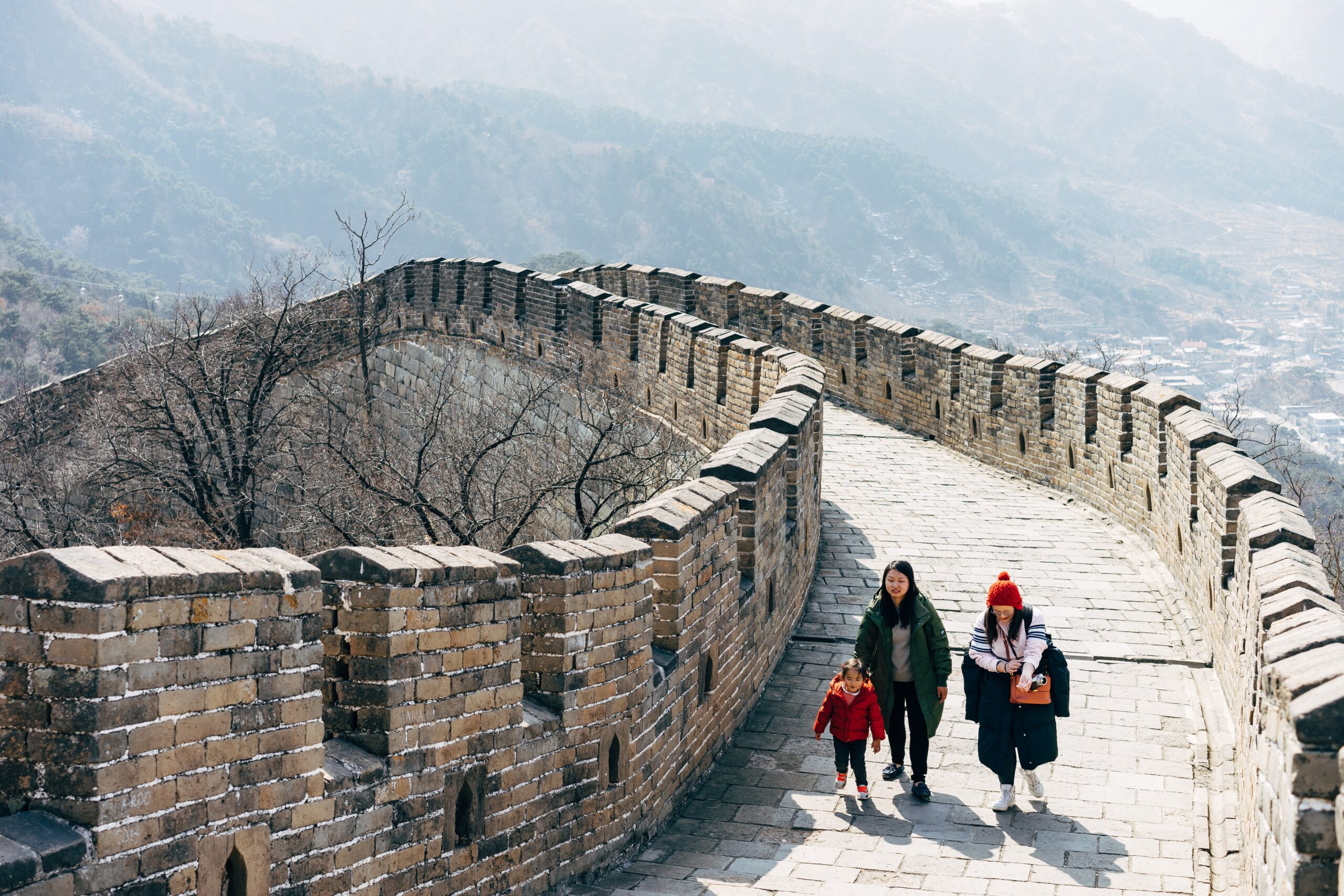
Traveling through China can feel like stepping into a completely different world, and for many Americans, that contrast can be both fascinating and challenging. While major cities are used to international visitors, there can still be moments where Americans feel watched or quietly judged. One traveler noted, “I got a lot of stares, not aggressive, just constant, like I stood out in every room.” It’s not necessarily hostility, but it can feel uncomfortable if you’re not used to it.
Beyond that, there’s a deeper layer tied to politics and national identity. Some locals may carry strong opinions about the United States, shaped by media and history. This doesn’t always come up directly, but it can influence interactions in subtle ways. Add in language barriers and different social norms, and things can occasionally feel tense or confusing. Still, many visitors also say that kindness shows up when you least expect it. The key is to approach the experience with openness, recognizing that curiosity goes both ways, even when it doesn’t immediately feel warm.
3. A Reserved Welcome in France
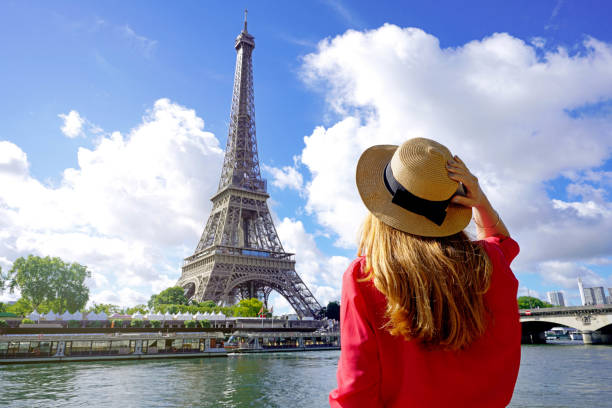
France, especially Paris, has long carried a reputation for being less than enthusiastic toward American tourists. It’s not something everyone experiences, but enough travelers mention it that the stereotype persists. A common observation goes something like, “It wasn’t that people were rude, but they weren’t eager to help either.” Much of this comes down to cultural differences, particularly around language and etiquette.
In France, making an effort matters. Jumping straight into English without a greeting can come across as dismissive, even if that’s not the intention. Americans who don’t follow local customs may feel brushed off, while those who try even a little French often report a completely different experience. The tone shifts quickly when respect is shown. So while it can feel like a cold start, it’s often more about mismatched expectations than genuine unfriendliness. With a bit of cultural awareness, many travelers find that France becomes not only welcoming but deeply memorable in the best way.
4. Underlying Tension in Iran
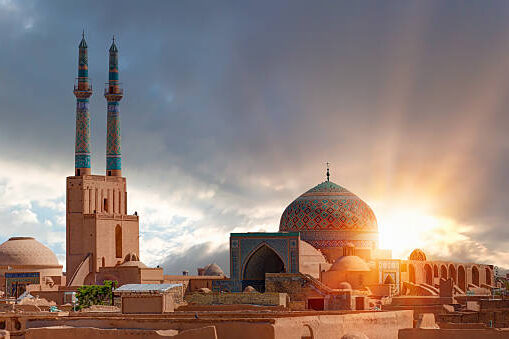
Iran is a place that surprises many American travelers, but not always in the ways they expect. On one hand, people often describe incredible hospitality at a personal level. On the other, there’s an undeniable political backdrop that shapes the experience. One widely shared sentiment captures it well: “The people were kind, but you could feel the weight of the politics in the air.” That contrast can be difficult to navigate.
For Americans, travel restrictions and scrutiny can add another layer of complexity. Being aware of how you’re perceived is part of the experience, whether in conversations or in public spaces. Still, it’s worth noting that many Iranians separate government tensions from individual people. Visitors often leave with stories of generosity and warmth, even if the overall environment feels cautious. It’s a place where human connection exists alongside political distance, and understanding that balance can make all the difference in how the trip unfolds.
5. Mixed Signals in Germany
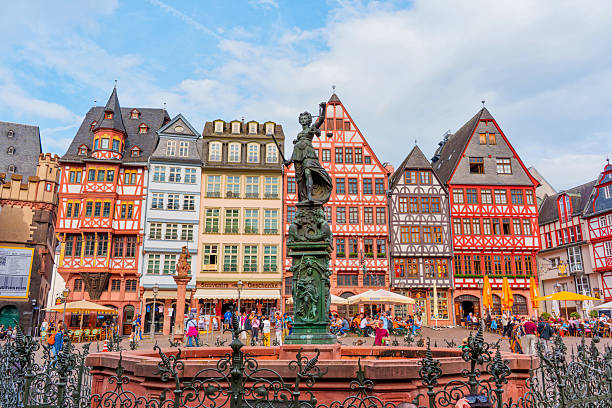
Germany doesn’t always make lists like this, but some American travelers report a certain bluntness that can feel unwelcoming at first. It’s not about hostility, but rather a communication style that’s direct and sometimes lacking the softness Americans are used to. As one visitor put it, “People were helpful, just not in a warm or chatty way.” That difference can catch people off guard.
There’s also a cultural emphasis on rules and order, which can feel strict if you’re not used to it. Small things, like crossing the street at the wrong time or speaking loudly in public, might draw attention. Still, many Americans come to appreciate this structure once they adjust. What initially feels cold often turns out to be efficiency and honesty. Over time, the experience becomes less about feeling unwelcome and more about learning a different way of interacting. It’s a reminder that sometimes, what feels distant at first is just unfamiliar, not unfriendly.
6. Quiet Distance in Japan
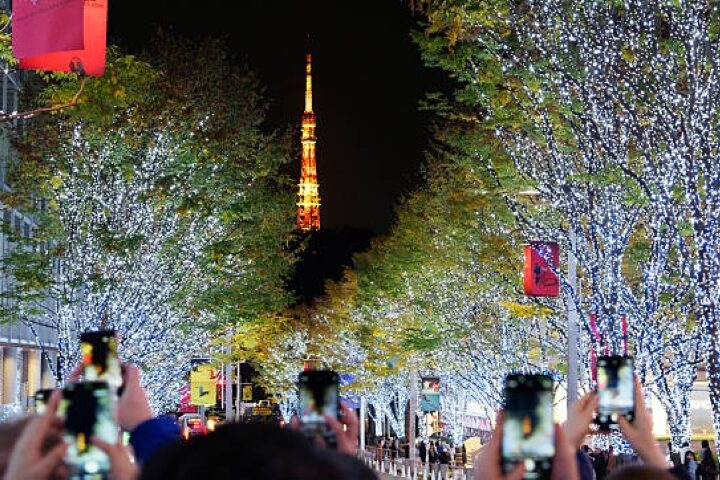
Japan often leaves American travelers in awe, but not always in a way that feels immediately warm. Everything runs smoothly, people are polite, and the environment is incredibly respectful, yet there can be a quiet emotional distance that some visitors notice. One traveler described it simply, “Everyone was kind, but it felt like there was an invisible wall between us.” That sense of separation isn’t meant to exclude, it’s more about deeply rooted cultural norms around privacy and social boundaries.
For Americans used to casual conversations with strangers, the lack of small talk can feel a bit isolating. There’s also a strong emphasis on doing things the “right” way, which can make visitors worry about making mistakes. Still, those who take time to observe and adapt often find that kindness reveals itself in quieter gestures, like someone walking you to your destination or patiently helping despite a language barrier. It may not feel openly welcoming at first, but Japan has a way of meeting you halfway if you approach it with respect and patience.
7. Lingering Tension in Turkey
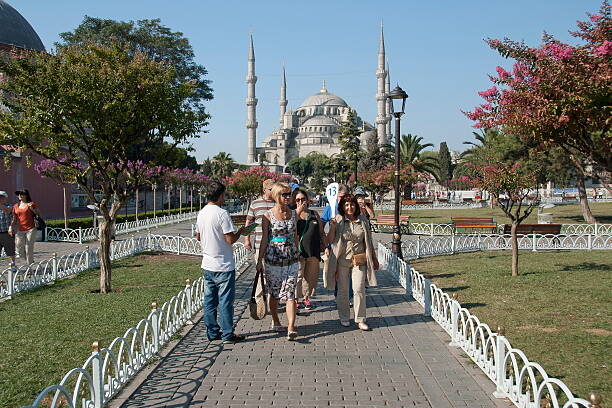
Turkey is a place where cultures meet, and so do perspectives, including mixed feelings about American visitors. Many travelers report warm hospitality in personal interactions, especially in smaller towns, but also note moments where political opinions quietly shape the atmosphere. As one traveler shared, “People were friendly, but conversations sometimes took a turn I wasn’t expecting.” That unpredictability can make the experience feel uneven.
There’s a strong sense of national pride, and discussions about global politics can come up more directly than some Americans are used to. In tourist-heavy areas, things tend to feel easier and more relaxed, but outside those zones, you may notice a shift in tone. Still, Turkey is far from unwelcoming overall. It’s more accurate to say it’s layered, where warmth and tension can exist side by side. If you listen more than you speak and show genuine curiosity, many locals respond with openness that feels real and memorable.
8. Subtle Friction in South Korea

South Korea is vibrant, modern, and increasingly global, but American travelers sometimes pick up on subtle social distance. It’s not something that’s openly expressed, but more of a feeling in certain interactions, especially outside major cities like Seoul. One visitor put it this way: “No one was rude, but I didn’t feel especially welcomed either.” That in-between space can be hard to interpret.
Part of this comes from cultural differences and part from historical and political layers that still influence perceptions. There’s also a strong emphasis on social harmony, which can make interactions feel more reserved with outsiders. Americans who expect quick friendliness may need to adjust their expectations a bit. Still, many travelers find that once you connect with people, even briefly, the warmth is genuine. It just takes a little more time to get there, and a willingness to meet the culture on its own terms.
9. Complex Impressions in Egypt
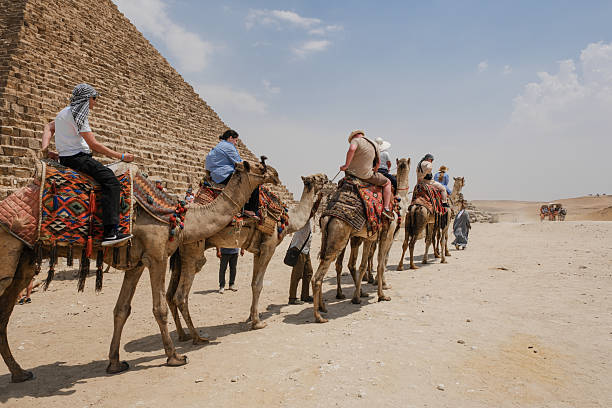
Egypt is full of history and energy, but for some American tourists, the experience can feel overwhelming rather than welcoming. It’s not uncommon to hear about persistent vendors or interactions that feel a bit too intense. One traveler noted, “It wasn’t unfriendly, just exhausting at times.” That constant attention can make it hard to relax, especially if you’re not used to it.
There are also moments where misunderstandings happen, often tied to language or expectations around money and services. While many locals are genuinely kind and helpful, the overall experience can feel uneven depending on where you go and how you navigate it. Still, those who travel with awareness and a bit of patience often come away with meaningful connections. It’s a place that asks a little more from you as a visitor, but in return, it offers experiences that are hard to forget, even if they don’t always feel easy in the moment.
10. Reserved Energy in Switzerland

Switzerland is known for its beauty and precision, but when it comes to social interactions, some Americans describe it as quietly distant. It’s not about being unwelcome, but more about a lack of outward warmth that travelers from the US might expect. One common reflection is, “Everything worked perfectly, but people kept to themselves.” That reserved energy can feel a bit isolating at first.
There’s a strong respect for personal space and privacy, which shapes how people interact with strangers. Small talk isn’t as common, and friendliness often shows up in more subtle ways. For Americans who are used to open conversations and quick connections, this can take some getting used to. Still, many visitors come to appreciate the calm and order that define the Swiss experience. Over time, what first feels distant can start to feel peaceful, like a different kind of welcome that doesn’t rely on words as much as it does on quiet respect.
11. Careful Interactions in Saudi Arabia

Saudi Arabia is opening up more to tourism, but for American visitors, the experience can still feel a bit guarded. It’s not about open hostility, but more about navigating a space where cultural expectations are clearly defined and closely observed. One traveler shared, “I didn’t feel unwelcome, just very aware of myself the entire time.” That sense of needing to be cautious can shape how relaxed you feel during your stay.
There are also differences in social norms, especially around dress, behavior, and public interactions, that may take some adjustment. Americans who aren’t familiar with these expectations might find themselves second-guessing small things. At the same time, many locals are curious and quietly kind, even if they don’t express it in ways that feel familiar. The welcome here is often subtle, and understanding that can make the experience smoother. It’s less about warmth on the surface and more about respect beneath it, which, once recognized, begins to feel meaningful in its own way.
12. Political Undertones in Venezuela
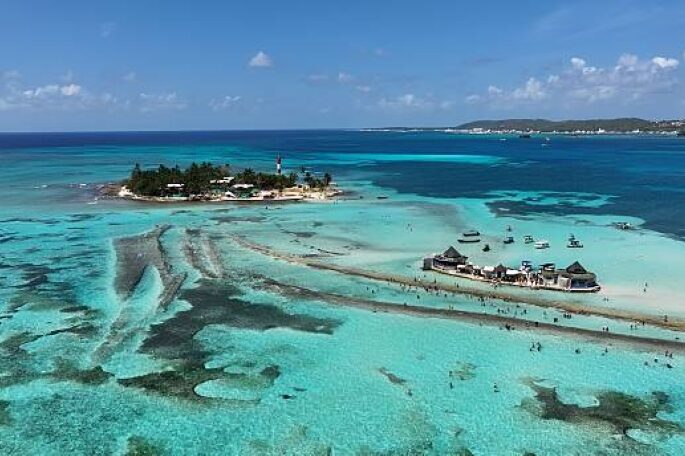
Traveling to Venezuela can come with a noticeable layer of political awareness, especially for Americans. While individual interactions can be warm and genuine, there’s often an undercurrent shaped by years of tension between governments. One visitor described it as, “People were kind, but sometimes conversations carried a weight I couldn’t ignore.” That mix of friendliness and caution can be hard to read at times.
Economic challenges and infrastructure issues can also affect the overall travel experience, sometimes making things feel less accessible or comfortable. It’s not necessarily about being unwelcome, but more about navigating a complex environment where perceptions matter. Still, many Americans who visit say they encounter moments of real connection that stand out. It’s a place where the human side often shines through despite the broader context, but it does ask for a bit more awareness and sensitivity along the way.
13. A Measured Welcome in Morocco
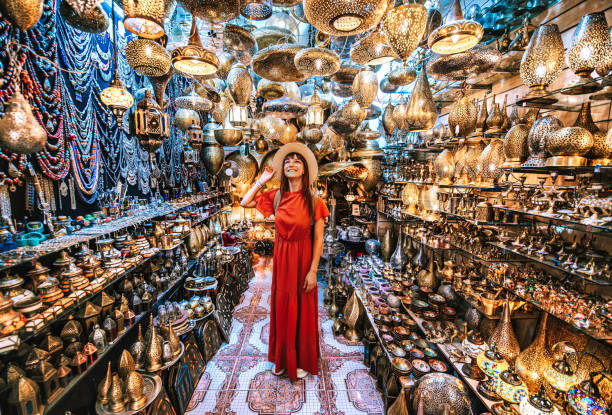
Morocco draws travelers with its color and culture, but for some Americans, the welcome can feel inconsistent. In busy areas, especially markets, interactions can feel transactional or persistent. One traveler noted, “It felt like I was being approached constantly, and it was hard to tell what was genuine.” That can make it difficult to settle into the experience at first.
At the same time, outside those high-traffic spots, many visitors describe warm and generous encounters that feel completely different. The contrast can be surprising, almost like two sides of the same place. Cultural differences, especially around communication and negotiation, play a big role in how interactions unfold. Americans who take the time to understand these dynamics often find the experience becomes more comfortable and rewarding. It’s a place that might test your patience early on, but it often gives back in meaningful ways once you find your rhythm within it.
14. Subdued Hospitality in Finland
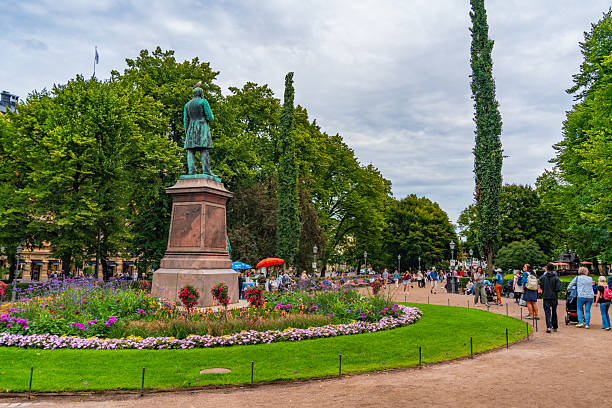
Finland is peaceful, beautiful, and deeply private, which can sometimes come across as distant to American travelers. It’s not about being unwelcome, but more about a cultural preference for quiet and personal space. One visitor put it simply, “No one bothered me, but no one really engaged either.” That low-key approach can feel unfamiliar if you’re used to more expressive interactions.
Small talk is minimal, and people tend to keep to themselves in public spaces. For Americans who associate friendliness with conversation, this can feel like something is missing. But over time, many travelers begin to see it differently. The respect for boundaries, the calm environment, and the absence of pressure to interact can actually feel refreshing. It’s a quieter kind of hospitality, one that doesn’t draw attention to itself but is still present in its own steady way.
15. Edges of Experience in India
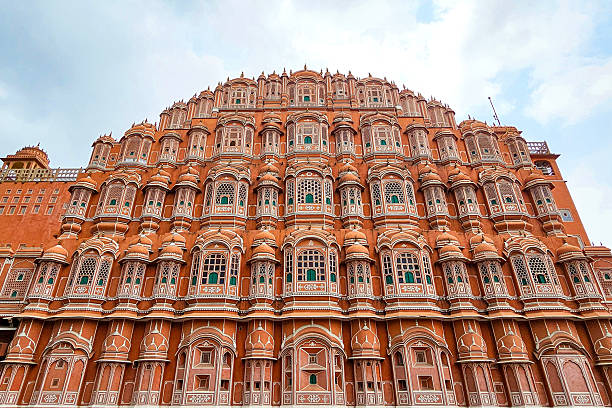
India is one of those destinations that stays with you long after you leave, but for some American travelers, the experience can feel intense in ways they didn’t fully expect. It’s not about being unwelcome, but about the sheer pace, closeness, and constant movement that can make everything feel amplified. One traveler shared, “It was incredible, but I never really felt at ease, like I had to stay alert the whole time.” That feeling can shape how the welcome is perceived.
There are also cultural differences in personal space, communication, and everyday interactions that can take some getting used to. In busy areas, the attention from vendors or curious onlookers can feel overwhelming at first. Still, many visitors also speak of deep kindness that shows up in quieter moments, someone offering help, sharing a story, or simply checking in. India doesn’t always greet you in a gentle way, but it often leaves a lasting impression that goes beyond comfort. By the time you reflect on it, you start to realize that not every welcome needs to feel easy to be meaningful, and sometimes the most layered journeys are the ones that stay with you the longest.


