
Wonder Woman Star
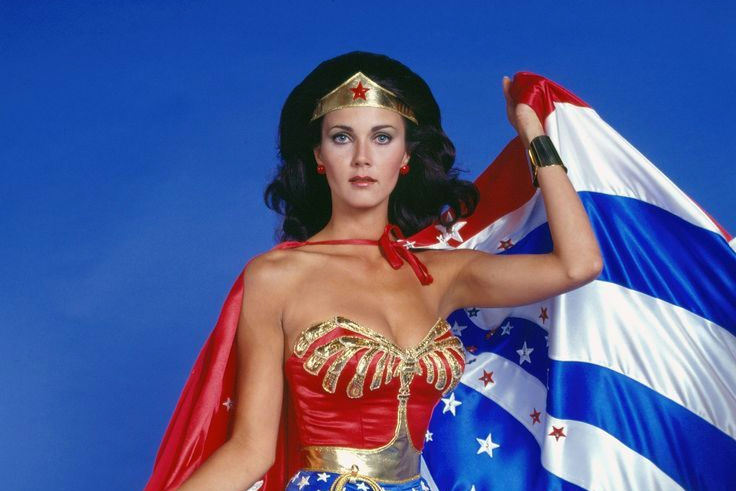
Lynda Carter became a permanent fixture in pop culture history when she landed the lead role in Wonder Woman, which aired on television from 1975 to 1979. Before she was a household name, she won the title of Miss World USA in 1972, a victory that provided the perfect springboard for her Hollywood ambitions. Her portrayal of Diana Prince was revolutionary for the time because it successfully combined physical strength with a genuine sense of warmth. At a time when female-led action series were almost nonexistent, Carter stepped up to prove that a woman could lead a major franchise while remaining both powerful and relatable to a global audience.
Beyond the iconic gold tiara and the action-packed sequences, Carter’s appeal was rooted in her calm, expressive acting style and her undeniable poise. Throughout the late 70s, she was consistently voted one of the most beautiful women in the world, appearing on countless magazine covers and promotional posters. However, she was more than just a face; she was a versatile performer who balanced her acting career with a successful singing path and numerous variety show appearances throughout the 1980s. For many fans, she represented the perfect harmony of elegance and grit, making her one of the most respected and enduring crushes of the twentieth century.
First Charlie’s Angels Icon
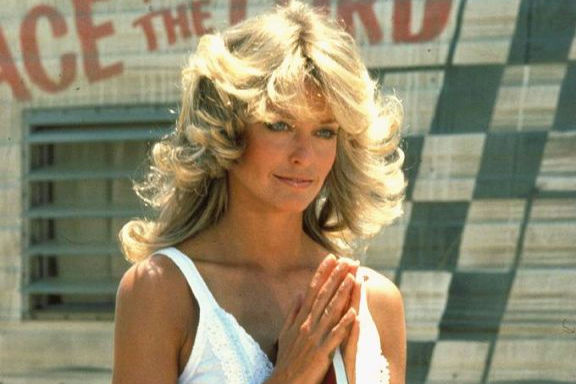
Farrah Fawcett experienced a level of fame that few stars ever achieve when Charlie’s Angels premiered in 1976. Her role as Jill Munroe made her an international sensation almost overnight, but her impact on the decade went far beyond the small screen. In 1976, she released a legendary poster featuring a simple red swimsuit that went on to sell over 12 million copies. This single image became the best-selling poster in history, cementing her status as the ultimate 1970s pop culture icon. Every aspect of her look was scrutinized and admired, leading to a massive cultural shift in how women approached style and beauty.
Her famous feathered hairstyle became a global phenomenon, with millions of women visiting salons to recreate the “Farrah” look throughout the late 70s and early 80s. While she was initially celebrated as a glamour girl, Fawcett worked hard to prove she was a serious actress with incredible range. She shocked critics and won over skeptics with her raw, powerful performance in the 1984 film The Burning Bed, which earned her Emmy and Golden Globe nominations. By transitioning from a pin-up symbol to a deeply respected dramatic performer, she earned a level of lasting admiration from audiences that few of her contemporaries could ever hope to match.
Grease Sweetheart
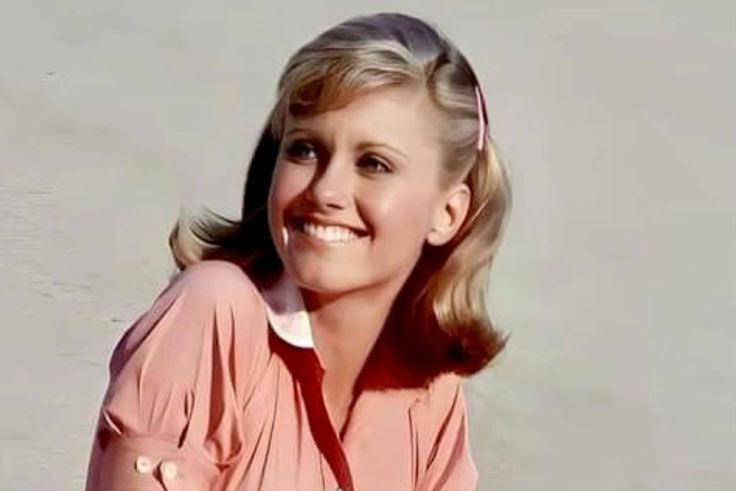
Olivia Newton-John won the hearts of millions when she took on the role of Sandy Olsson in the 1978 hit film Grease. While she had already established herself as a chart-topping singer with multiple Grammy Awards, the movie version of the Broadway musical transformed her into a cinematic legend. Her character’s journey from a shy, innocent exchange student to a confident, leather-clad powerhouse became one of the most iconic transformations in film history. The chemistry she shared with co-star John Travolta was electric, and the film’s soundtrack remains one of the best-selling albums of all time, further boosting her massive public profile.
As the calendar turned to the 1980s, Newton-John continued to dominate the entertainment world with projects like the 1980 film Xanadu and her hit single “Physical” in 1981. Unlike many other stars of the era who leaned into a gritty or rebellious image, she maintained a wholesome and kind-hearted reputation that appealed to people of all ages. This unique balance of sweetness and star power allowed her to remain a beloved figure for decades. Whether she was singing a soft ballad or dancing on screen, she possessed a natural charm that felt authentic, securing her a permanent spot as one of the most cherished celebrities of her generation.
Blue Lagoon Star
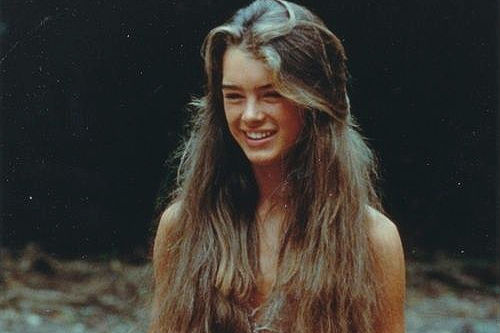
Brooke Shields became one of the most famous teenagers on the planet during the early 1980s. Her starring role in the 1980 film The Blue Lagoon brought her immediate international fame and turned her into a symbol of natural, youthful beauty. Even before her cinematic breakthrough, Shields was already a seasoned veteran of the industry, having started her career as a child model. By the age of 14, she was appearing on the cover of Vogue and starring in controversial, high-profile advertising campaigns for Calvin Klein jeans that made her the most recognizable face of the decade’s early years.
What made Shields stand out was the way her fame sparked intense public conversations about the nature of celebrity and the transition from childhood to adulthood. Despite the heavy media scrutiny, she managed to navigate her career with a level of grace and intelligence that impressed her fans. She eventually took a break from the Hollywood spotlight to pursue an education at Princeton University, graduating in 1987, which added a layer of intellectual depth to her public image. For many who grew up during this era, she represented an ideal of timeless beauty and sophistication that defined the visual aesthetic of the early 1980s.
Teen Film Queen
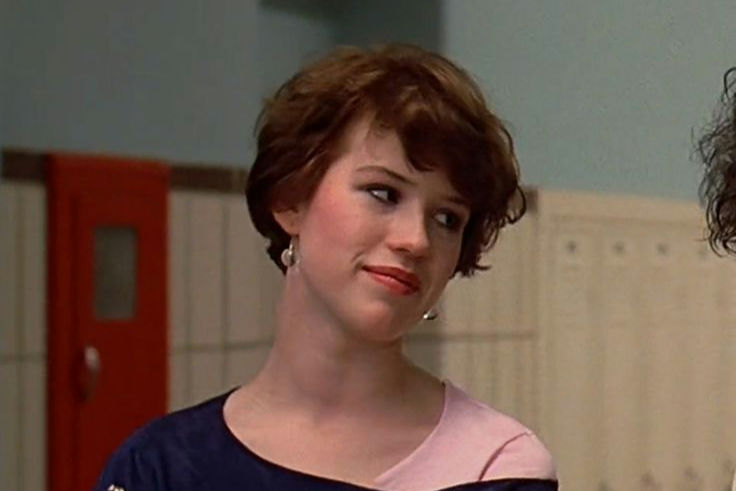
Molly Ringwald was the undisputed queen of 1980s cinema, specifically within the “coming-of-age” genre. Her legendary collaborations with filmmaker John Hughes resulted in a string of classics, including Sixteen Candles in 1984, The Breakfast Club in 1985, and Pretty in Pink in 1986. These movies didn’t just entertain; they captured the real, messy emotional lives of teenagers in a way that had never been done before. Ringwald’s ability to portray vulnerability and sincerity made her the voice of a generation, as audiences felt a deep, personal connection to the characters she played on the big screen.
With her signature red hair and stylish, thrift-store inspired outfits, Ringwald offered a different kind of Hollywood appeal. She wasn’t just a distant, glamorous star; she felt like a best friend or the girl next door who truly understood the struggles of high school life. This relatability made her a unique kind of celebrity crush, one based on personality and emotional resonance rather than just a manufactured image. During the mid-80s, she was a frequent cover star for magazines like Time and Rolling Stone, proving that her influence on the youth culture of the decade was both profound and incredibly widespread.
Charlie’s Angels Successor
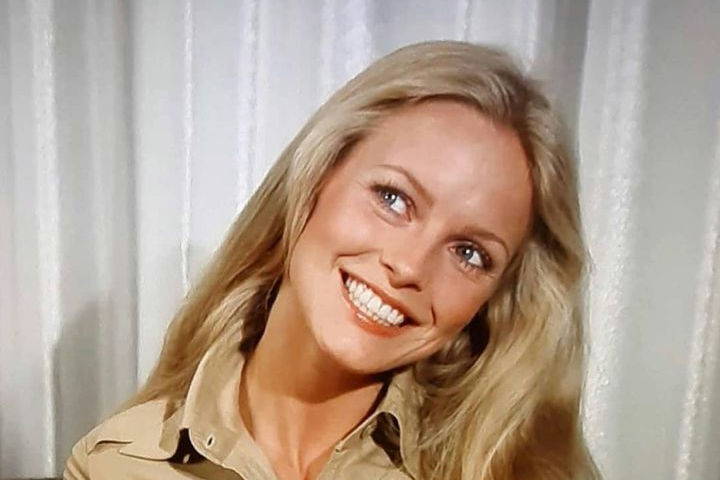
Cheryl Ladd took on one of the most difficult jobs in television history when she joined the cast of Charlie’s Angels in 1977. She was brought in to replace the departing Farrah Fawcett, a task that many thought would be impossible given Fawcett’s massive popularity. However, Ladd stepped into the role of Kris Munroe with a natural confidence and a bright, infectious energy that won over the audience almost immediately. She proved to be a vital addition to the show, helping to maintain its high ratings and staying with the series until its final episode aired in 1981.
Her success on the hit detective show allowed her to build a steady and impressive career throughout the 1980s. Beyond her acting work, Ladd was also a talented singer, releasing several albums and performing in musical specials that showcased her artistic range. Her public image was defined by a sense of warmth and approachability, making her a favorite for television movies and commercial endorsements. Although she started her journey in the shadow of another star, she emerged as a powerhouse in her own right, earning a place in the hearts of fans who appreciated her talent, beauty, and professional longevity.
Beach Film Fame
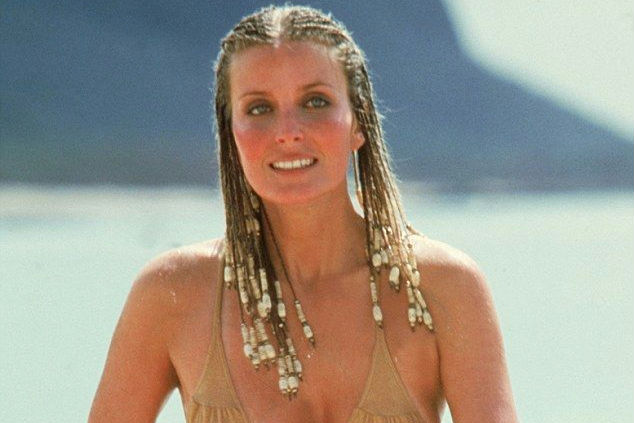
Bo Derek became an overnight sensation in 1979 following the release of the romantic comedy 10. The scene featuring her running across a beach in a tan swimsuit with her hair in intricate cornrow braids became an instant classic and one of the most analyzed cinematic moments of the era. This single role transformed her into a global symbol of glamour and desirability, launching a career that would make her one of the most photographed women of the early 1980s. Her look inspired fashion trends and beauty standards that were seen everywhere from high-end magazines to local neighborhoods.
Following her breakout success, Derek continued to star in films like Tarzan, the Ape Man in 1981 and Bolero in 1984. While critics often focused more on her visual appeal than her dramatic range, there was no denying her massive impact on popular culture. She possessed a rare kind of cinematic presence that commanded attention, and her image was synonymous with the high-gloss aesthetic of the early 80s. For many viewers of that period, Bo Derek represented a specific type of Hollywood magic, the kind that turns a relatively unknown performer into a legendary figure through a single, unforgettable moment on the silver screen.
Sitcom Favourite
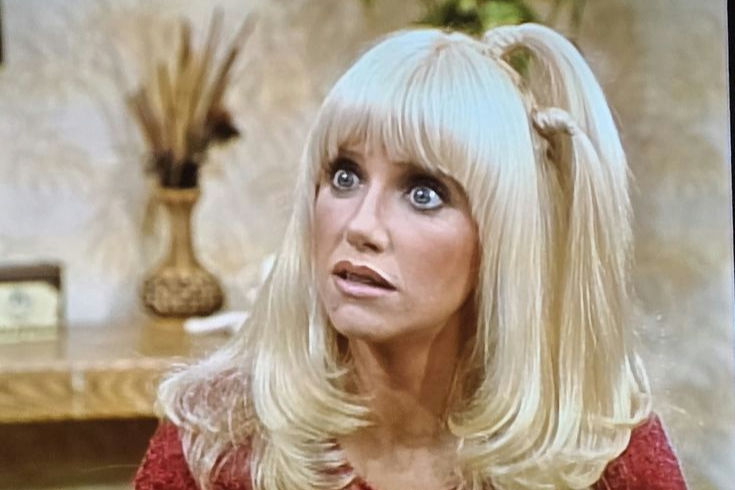
Suzanne Somers became one of the most recognizable faces in America thanks to her role as the bubbly Chrissy Snow on the hit sitcom Three’s Company. Starting in 1977, her perfect comedic timing and “dumb blonde” persona made her a standout star in a show already filled with talent. Audiences loved her cheerful energy and the physical comedy she brought to every episode. At the height of the show’s success, she was a true media darling, appearing on countless covers and becoming a primary reason why millions of viewers tuned in every Tuesday night.
Even after her highly publicized departure from the series in 1981, Somers proved to be a master of reinvention. She transitioned into the world of fitness and business, famously becoming the spokesperson for the ThighMaster in the late 80s, which became a multi-million dollar success. Her ability to pivot from a sitcom actress to a lifestyle mogul kept her in the public eye for decades. Somers was much more than just a television star; she was a savvy entrepreneur who understood how to maintain a connection with her audience. Her legacy as a 1970s favorite and an 1980s business icon remains a fascinating chapter in entertainment history.
Rising Film Star
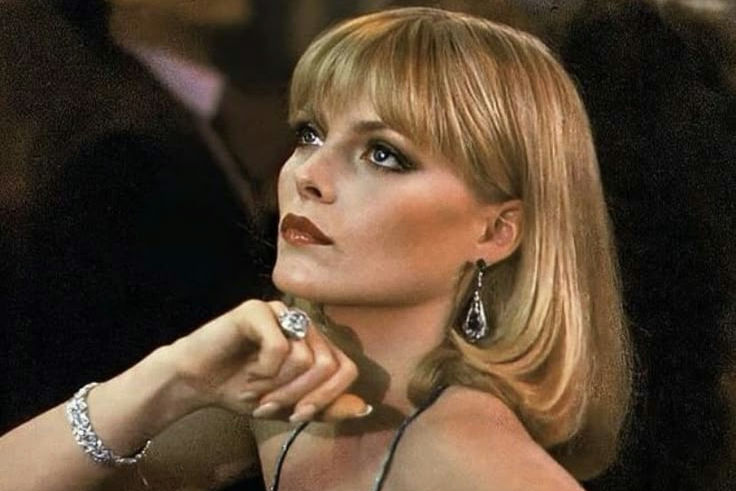
Michelle Pfeiffer first caught the world’s attention in the early 1980s, but it was her role as Elvira Hancock in the 1983 classic Scarface that made her a superstar. Playing the cool, detached wife of a drug kingpin, she brought a sophisticated and mysterious elegance to a film known for its intense violence. This performance proved that she was much more than just a beautiful face; she had the acting chops to hold her own alongside legends like Al Pacino. Her performance in Scarface remains one of the most stylish and iconic female roles of the 1980s cinema landscape.
As the decade continued, Pfeiffer’s career reached even greater heights with roles in films like The Witches of Eastwick in 1987 and Married to the Mob in 1988. She consistently chose characters that were complex and challenging, earning her first Academy Award nomination for Dangerous Liaisons in 1988. Her appeal was unique because it combined a classic, old-Hollywood beauty with a very modern sense of intelligence and edge. For audiences in the 80s, she represented the gold standard of acting talent and grace, making her one of the most admired and sought-after actresses of her time and setting the stage for her legendary career in the 90s.
Horror Film Favourite
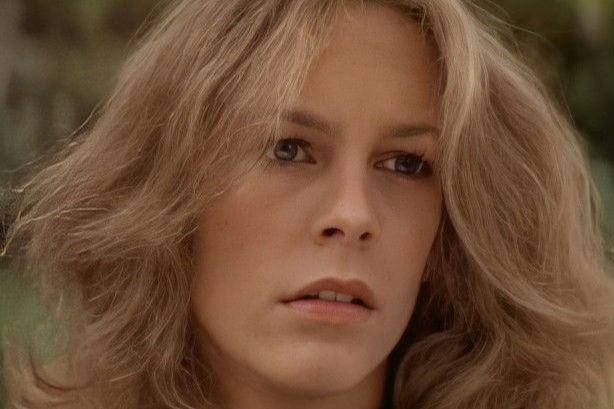
Jamie Lee Curtis earned the title of “Scream Queen” following her cinematic debut in the 1978 horror masterpiece Halloween. Her portrayal of Laurie Strode was groundbreaking because it introduced a new type of horror protagonist, one who was intelligent, resourceful, and capable of fighting back. The film’s massive success turned her into the face of the genre, leading to starring roles in other cult classics like The Fog and Prom Night in 1980. For many fans of late 1970s cinema, she represented a relatable kind of bravery that made her an instant favorite.
As the 1980s progressed, Curtis successfully broke out of the horror mold to showcase her incredible range in comedy and drama. Her performance in the 1983 hit Trading Places alongside Eddie Murphy proved she had impeccable comedic timing, while her role in 1988’s A Fish Called Wanda earned her international acclaim and a BAFTA nomination. By blending her natural charisma with a down-to-earth personality, she maintained a strong connection with her audience that lasted far beyond her early days in slasher films. For many viewers, her transition from a vulnerable teenager to a sophisticated leading lady made her one of the most enduring and respected crushes of the decade.
Comedy Gold Favourite
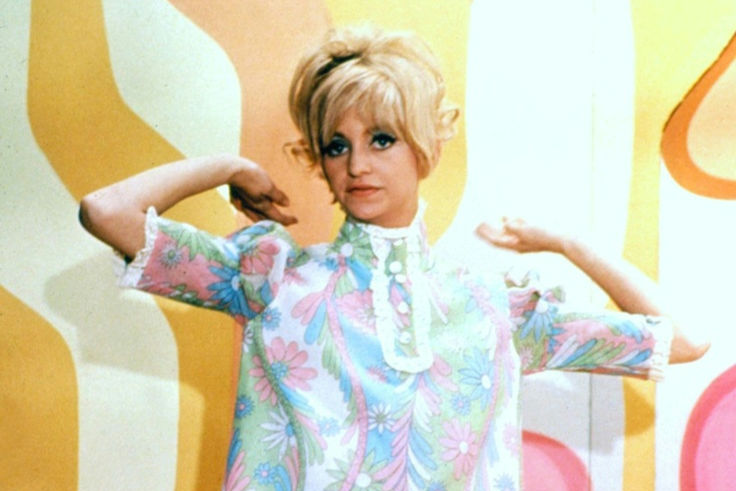
Goldie Hawn first captured the public’s imagination on the sketch comedy show Rowan & Martin’s Laugh-In during the late 1960s, but she truly blossomed into a global superstar during the 1970s and 1980s. Her infectious energy and natural wit helped her win an Academy Award for Cactus Flower in 1969, setting the stage for a decade of hits. By 1980, she reached a new career peak with Private Benjamin, a film she also produced, which earned her another Oscar nomination. This role proved she was a powerhouse who could carry a major film with both humor and heart.
What set Hawn apart from other stars of the era was her ability to make audiences feel like they were in on the joke. She possessed a unique lightness on screen that made even her most glamorous characters feel approachable and authentic. Throughout the 1980s, movies like Overboard in 1987 reinforced her status as a beloved icon of romantic comedy. Rather than relying on a distant or icy image, she built her legacy on warmth and a legendary smile that lit up the screen. For millions of fans, she represented pure joy, ensuring her place as one of the most cherished and relatable actresses of her generation.
Sitcom Sweetheart
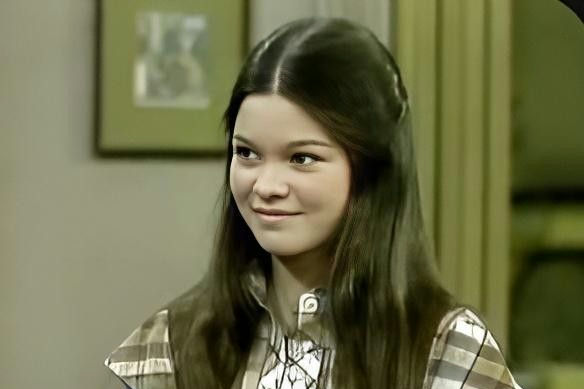
Valerie Bertinelli became a beloved fixture in American living rooms through her role as Barbara Cooper on the long-running sitcom One Day at a Time, which aired from 1975 to 1984. Because she joined the show as a young teenager, the public essentially watched her grow up on television, creating a unique emotional bond that lasted for years. Her performance was noted for its sincerity and charm, making her the ultimate “girl next door” for a generation of viewers. By the early 1980s, she was one of the most popular young stars in the country, frequently appearing on the covers of teen magazines.
Her appeal was rooted in a sense of genuine authenticity that made her feel like a peer to her younger fans and a daughter to older ones. While other stars of the era were often presented with high-fashion glamour, Bertinelli felt like someone you might actually know in real life. This grounded personality helped her transition into a successful career in television movies throughout the mid-to-late 1980s. Even after her sitcom concluded, she remained a household name, admired for her talent and her ability to navigate fame with her feet firmly on the ground. For many who came of age during this period, she remains a defining symbol of 1980s television.
Star Wars Princess
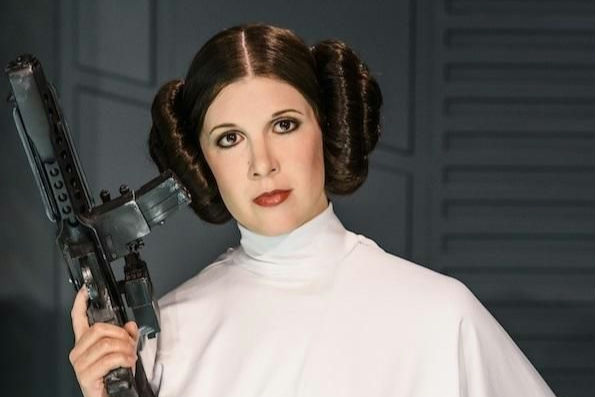
Carrie Fisher became a global icon the moment she appeared as Princess Leia Organa in 1977’s Star Wars. Her character was a revelation for the time because she was a leader, a soldier, and a diplomat who often had to rescue the men around her. Fisher brought a sharp wit and a fierce intelligence to the role that resonated deeply with audiences worldwide. With the release of The Empire Strikes Back in 1980 and Return of the Jedi in 1983, she solidified her place as the most famous woman in science fiction history, inspiring a generation of fans.
Beyond her legendary “cinnamon bun” hairstyle and iconic costumes, Fisher’s personal strength and candid nature made her a hero off-screen as well. She was a gifted writer and a sharp intellectual who brought a sense of reality to the fantasy world of Hollywood. Throughout the 1980s, she also appeared in acclaimed films like The Blues Brothers and When Harry Met Sally, proving her versatility beyond the galaxy far, far away. For many, she was more than just a celebrity crush; she was a symbol of independence and resilience. Her legacy continues to inspire modern fans, reminding us that a true princess is defined by her courage and her voice.
80s Screen Darling
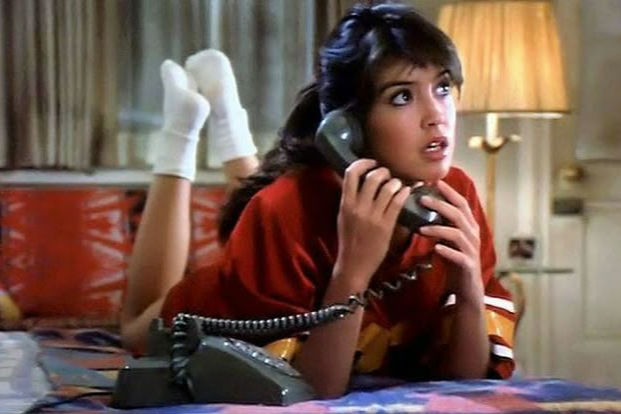
Phoebe Cates became one of the most talked-about actresses of the early 1980s, largely due to her unforgettable role in the 1982 cult classic Fast Times at Ridgemont High. The film captured the authentic spirit of youth culture, and Cates’ performance immediately turned her into a major star. She followed this success with the 1984 blockbuster Gremlins, where her role as Kate Beringer showcased her ability to balance drama and comedy in a high-stakes adventure. These films made her a regular feature in the media and a favorite among young audiences who appreciated her natural screen presence.
Cates possessed a quiet, captivating confidence that didn’t rely on over-the-top performances, making her stand out in a decade known for excess. She moved effortlessly between teen comedies and more serious miniseries like 1984’s Lace, where her famous line became a pop culture catchphrase. Although she chose to step away from the Hollywood spotlight in the 1990s to focus on her family, her impact on the 1980s film landscape remains undeniable. For many who grew up in that era, she represented a perfect blend of youthful charm and classic beauty, making her one of the most memorable and beloved faces of her generation.
Elegant Angel Star
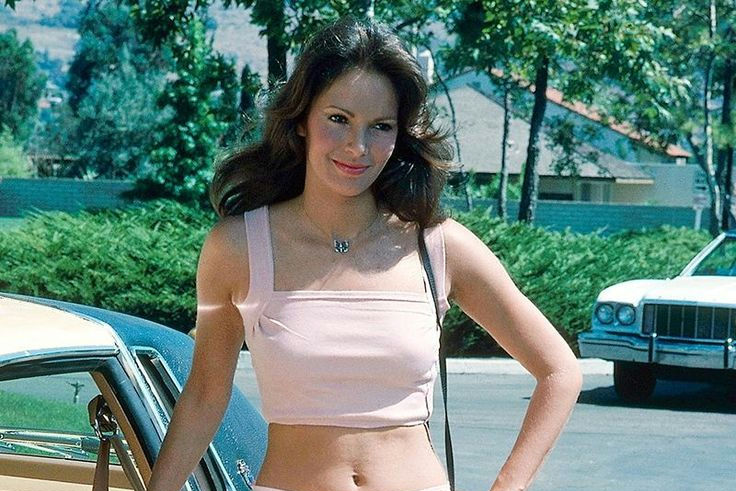
Jaclyn Smith brought an unmatched level of sophisticated elegance to the 1970s television landscape as Kelly Garrett on Charlie’s Angels. Appearing in the series from its premiere in 1976 until its conclusion in 1981, she was the only “Angel” to stay for the entire five-season run. This longevity allowed her to build a deep and lasting connection with her audience, who admired her character’s calm intelligence and poise. Smith’s presence provided a steady, grounded center for the show’s high-energy action, making her a favorite for millions of viewers who appreciated her refined acting style.
In the 1980s, Smith proved she was a pioneer in the business world by launching her own clothing and fragrance line in 1985. This move was revolutionary at the time, as she was one of the first major actresses to successfully transition into a global lifestyle brand. While she continued to star in highly-rated television movies and miniseries throughout the decade, her business savvy showed she was much more than a screen star. For many fans, she represented a timeless ideal of grace and professional success. Her ability to balance a legendary television career with an entrepreneurial spirit makes her one of the most respected and enduring figures of the era.


