
1. The Silent African Basenji
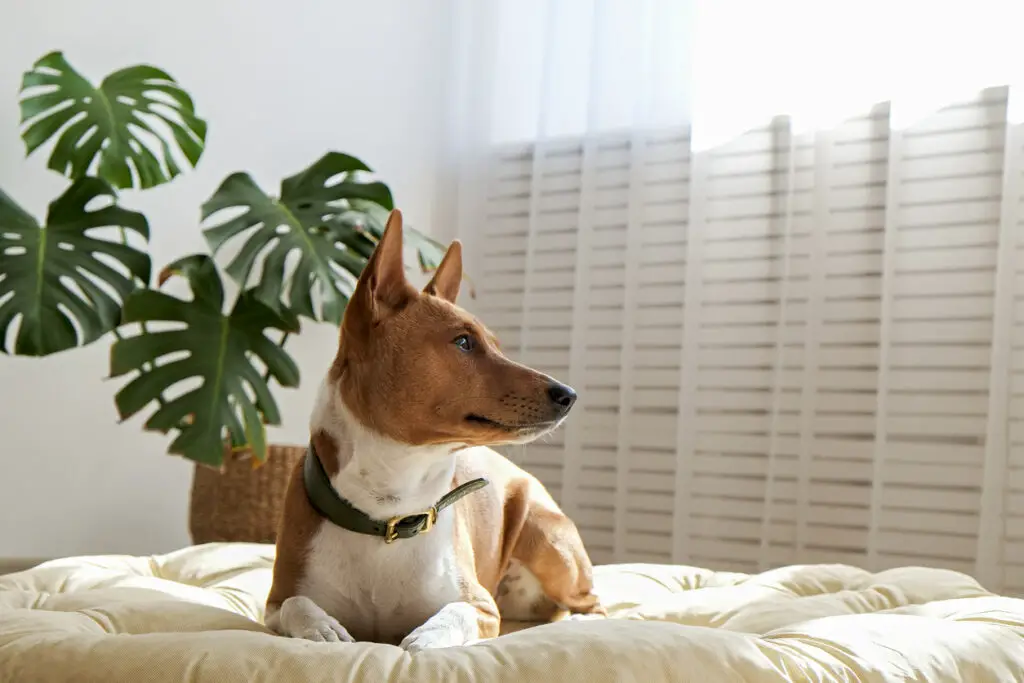
Choosing the right canine companion often comes down to their vocal range because a peaceful home life is something many of us truly value when we are settling down after a long day. The Basenji stands out as a unique marvel in the canine world as they are famously known as the barkless dog originating from central Africa. Instead of the typical sharp alerts you might expect from a hound, these elegant creatures produce a sound that is often described as a yodel or a warble because of the unusual shape of their larynx. They were first brought to Europe in the late nineteenth century and have fascinated owners ever since with their cat-like grooming habits and remarkably independent spirits. While they might not bark in the traditional sense, they are certainly not silent and will let you know exactly how they feel through a series of whimpers and those famous melodic howls that can be quite surprising if you are not prepared for a vocal performance.
These dogs are ancient hunters and were originally prized by tribes in the Congo for their speed and silence while they were tracking prey through dense forests. Because they lack the typical canine bark, many people mistakenly assume they are passive or quiet but the truth is that they are highly energetic and require a significant amount of mental stimulation to stay happy. They possess a stubborn streak that can make training a bit of a challenge for first-time owners and yet their loyalty is unmatched once you have earned their trust. You will find that they are incredibly clean animals who often clean themselves much like a feline would do and this makes them wonderful house pets for those who prefer a tidy environment. Even though they do not bark, their expressive faces and unique vocalisations ensure that communication is never lacking in a household that welcomes one of these dignified African hunters into the family fold.
2. Vocal Beagles on The Hunt

Beagles are perhaps one of the most beloved breeds in the United Kingdom and yet they are also among the most vocal because their hunting heritage is deeply ingrained in their DNA. Originally bred for tracking small game like rabbits, these hounds use a distinct three-toned vocalisation known as a bay to alert their human companions to a scent. This sound is much more than a simple bark because it is a long and resonant cry that carries over great distances and can be quite startling in a quiet suburban street. Historians suggest that these dogs have been popular since the days of Queen Elizabeth I and their personality is just as large as their voice. They are incredibly social animals who thrive on companionship and yet that same need for interaction means they will often howl or bay if they are left alone for too long during the day or if they feel they are missing out on the action.
While their big brown eyes and floppy ears make them look incredibly sweet, you must be prepared for a dog that likes to have the final word in every conversation. Training a Beagle requires a lot of patience and plenty of treats because they are driven by their noses and will easily ignore a command if they catch a scent of something interesting nearby. Their barking is usually a sign of excitement or a way to signal that they have found something worth investigating and this makes them excellent watchdogs even if they are a bit too friendly to be actual guard dogs. You should expect a lot of noise during playtime or when a stranger walks past the front window because these dogs truly believe that their voice is their best asset. Living with a Beagle means embracing a bit of chaos and a lot of noise but most owners find that their cheerful disposition and unwavering affection make every single loud bay completely worth the effort in the end.
3. The Stentorian German Shepherd

The German Shepherd is a breed that is synonymous with bravery and intelligence and they are also well known for being incredibly vocal when it comes to protecting their home and family. Developed in the late nineteenth century by Max von Stephanitz, these dogs were designed to be the ultimate working breed and that includes a very powerful bark used for herding and guarding duties. They are naturally wary of strangers and will use their voice as a primary tool to alert their owners to anything that seems out of the ordinary or suspicious. Because they are so highly attuned to their environment, a German Shepherd will often bark at the slightest change in the neighbourhood and this requires consistent training to ensure they do not become nuisance barkers. Their vocal range is quite impressive as they can transition from a low and protective growl to a piercing bark that commands immediate attention from everyone within earshot.
Beyond their role as guardians, these dogs are also very communicative with their families and will often use various whines and groans to express their needs or desires. They are incredibly loyal and want to be involved in every aspect of family life and so they might bark out of pure excitement when they see their lead or when it is time for their dinner. Because they are so intelligent, they can sometimes use their voice to manipulate their owners if they realise that barking gets them the attention they crave. It is essential to provide them with plenty of exercise and mental challenges because a bored German Shepherd is often a loud German Shepherd and they will find ways to entertain themselves with their own voice. Despite their noise, they remain one of the most popular breeds in the world because their protective nature and deep bond with their humans provide a sense of security that is truly unparalleled by any other canine companion.
4. Loud and Proud Chihuahuas
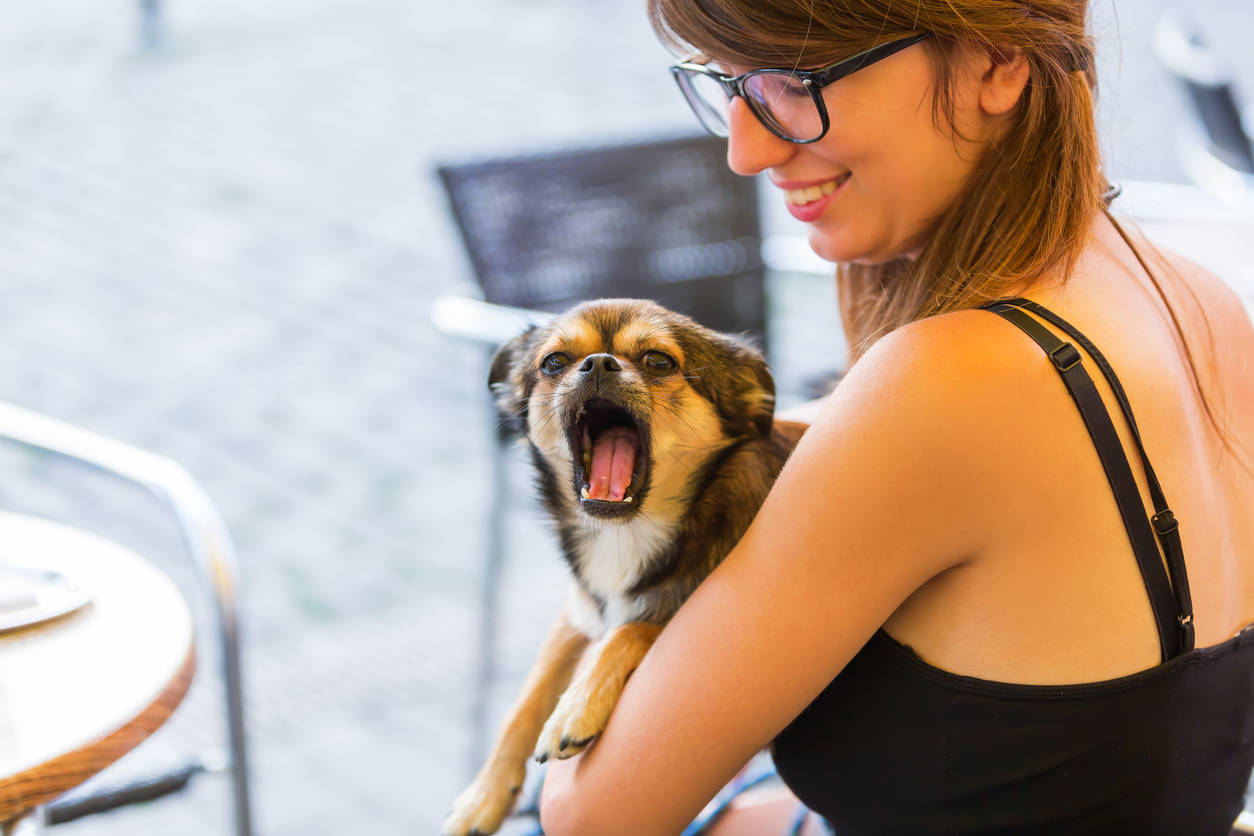
Small in stature but massive in personality, the Chihuahua is a breed that definitely has a lot to say and they are not afraid to use their voice to make their presence known. Originating from Mexico and named after the state of Chihuahua, these tiny dogs have a history that stretches back to ancient civilisations where they were often considered sacred. Today, they are known for being fiercely loyal to a single person and they will often bark incessantly at strangers or other dogs to protect their favourite human. This “big dog” attitude in a tiny body means they often don’t realise their size and will fearlessly challenge anything they perceive as a threat through a series of high-pitched and rapid barks. Because they are so sensitive to their surroundings, even the smallest noise like a leaf blowing past the window can trigger a vocal response that belies their diminutive physical frame.
Managing the vocal tendencies of a Chihuahua requires early socialisation and firm boundaries because they can easily become the boss of the household if they are allowed to bark at everything. They are very affectionate with their owners and will often use little yips and whimpers to ask for cuddles or treats and this can be very charming until it becomes a constant demand. While they are excellent for apartment living due to their size, their tendency to bark at neighbours in the hallway can sometimes lead to friction with the people living next door. It is important to remember that their barking is often rooted in a desire to protect and stay close to their pack and so providing them with a secure and calm environment is key to keeping the noise levels down. They are spirited and entertaining companions who prove that you do not need to be big to have a very loud and influential voice in the world.
5. The Vocal Siberian Husky
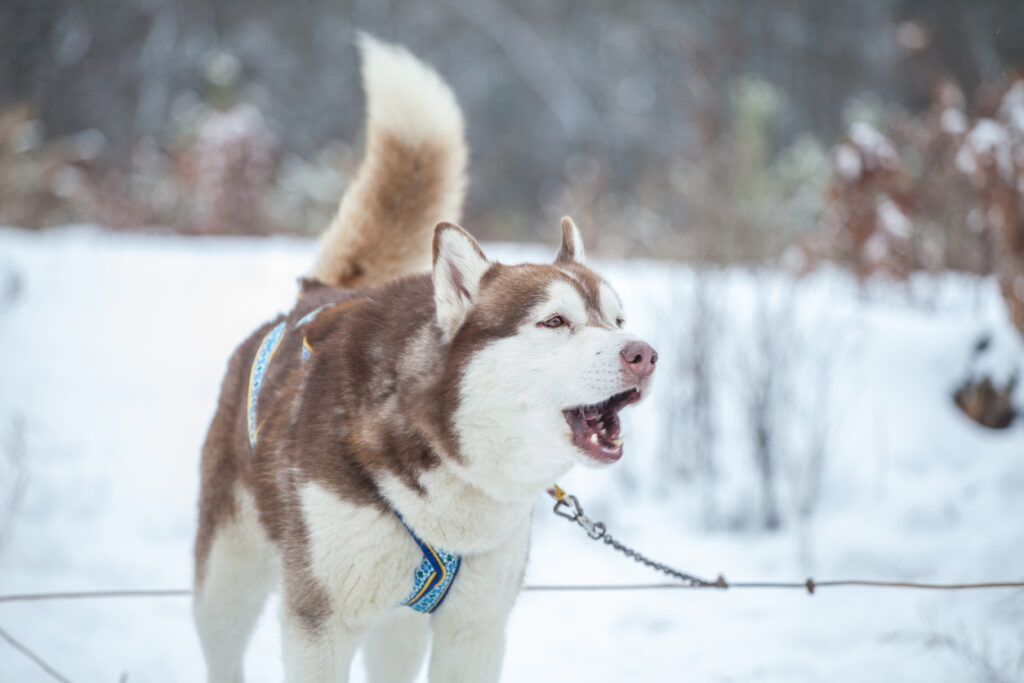
If you are looking for a dog that will literally talk back to you, then the Siberian Husky is the breed that will certainly keep the conversation going for hours on end. These stunning dogs were bred by the Chukchi people of Siberia for pulling sleds over vast distances and they have developed a very sophisticated way of communicating with their pack. They are famous for their “talking” which sounds like a mixture of a howl, a moan, and a human-like mumble and they will often use this to argue with their owners when they are told to do something they don’t want to do. Huskies rarely bark in the traditional sense but they are incredibly vocal and will howl at sirens, music, or simply because they feel like joining in a group song. Their voices are hauntingly beautiful and yet they can be quite loud and persistent especially if they are feeling bored or energetic.
Owning a Husky means accepting that your home will rarely be quiet because these dogs have an opinion on everything and they are not afraid to share it loudly. They are high-energy animals that require a massive amount of exercise and if they do not get enough physical activity they will express their frustration through long and dramatic howling sessions. This breed is also known for being quite the escape artist and their vocal nature often helps them find friends or alert the neighbourhood to their latest adventure. They are incredibly social and do not like being left alone and this often results in “separation howling” which can be heard from several houses away. While their talkative nature is one of their most endearing traits, it requires a dedicated owner who understands that a Husky’s voice is a vital part of their personality and a sign of their ancient and wild heritage that still runs deep.
6. The Miniature Schnauzer’s Alert

Miniature Schnauzers are spirited little dogs that were originally bred in Germany to be farm dogs and ratters and this history has left them with a very keen sense of awareness and a loud bark. They are naturally alert and consider themselves the official doormen of their homes and so they will bark at anyone or anything that approaches their territory. Their bark is sharp and persistent and it is designed to get the attention of their owners immediately which makes them fantastic watchdogs for families. They are highly intelligent and quick to learn but they can also be quite stubborn when it comes to quietening down once they have sounded the alarm. Because they are so focused on their surroundings, they can sometimes become obsessive barkers if they are not given enough mental stimulation or if they are allowed to believe that every passerby is a genuine threat to the household security.
These dogs have a very charming and outgoing personality and they often use their voice to express their joy during playtime or when they are greeting their favourite people at the door. They are known for being very affectionate and they thrive on being part of the family action which means they will often “bark-talk” to you to get involved in whatever you are doing. Training is essential from a young age to teach them a “quiet” command because their natural instinct is to keep barking until the perceived intruder has gone away. Despite their vocal nature, they are incredibly popular pets because they are hypoallergenic and have a wonderful sense of humour that keeps their owners entertained. A Miniature Schnauzer will always let you know what is happening in the world outside your front door and while it might be loud at times, you will never have to worry about a surprise visitor when you have one of these bearded sentinels on duty.
7. Pomeranians and Their Persistence
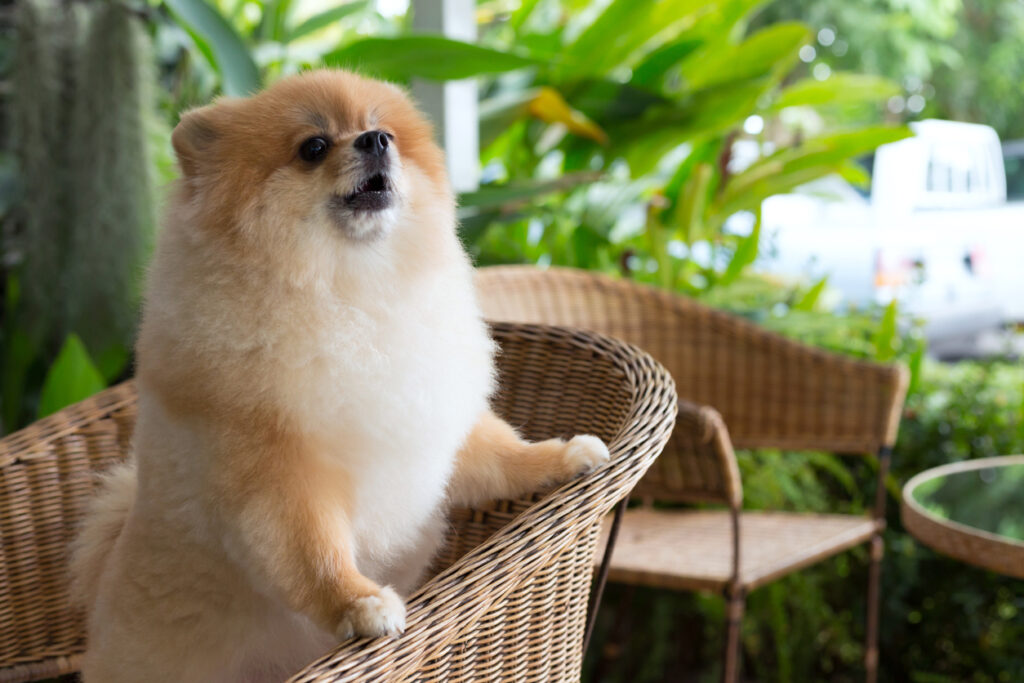
The Pomeranian might look like a tiny puff of fur but they possess a bark that is surprisingly loud and they are not afraid to use it to command the attention of everyone in the room. Descended from large sled dog breeds, these “Poms” have retained the brave and alert nature of their ancestors and they often act as if they are ten times their actual size. They are very sensitive to changes in their environment and will bark at the sound of a doorbell, a car door slamming, or even a bird landing on the porch. This breed is known for being very extroverted and they love being the centre of attention and so they will often bark to ensure that all eyes are on them. Because they are so small, they can easily be carried around but they would much rather stand on their own four feet and tell the world exactly what they think about everything.
Living with a Pomeranian involves a lot of vocal interaction because they are very expressive and will use different types of barks to signal different needs. They can be prone to “small dog syndrome” where they believe they are the leader of the pack and this can lead to excessive barking if they are not given proper guidance and training. They are very intelligent and can be taught to control their barking but it requires consistency and a gentle hand because they can be quite sensitive to harsh corrections. Poms are wonderful companions for those who live in smaller spaces as long as the owners are prepared to manage their vocal outbursts and provide them with plenty of play. Their vivacious spirit and beautiful coats make them a joy to behold and their frequent barking is simply their way of making sure that their big personalities are never overlooked by anyone they meet.
8. The Yappy Yorkshire Terrier
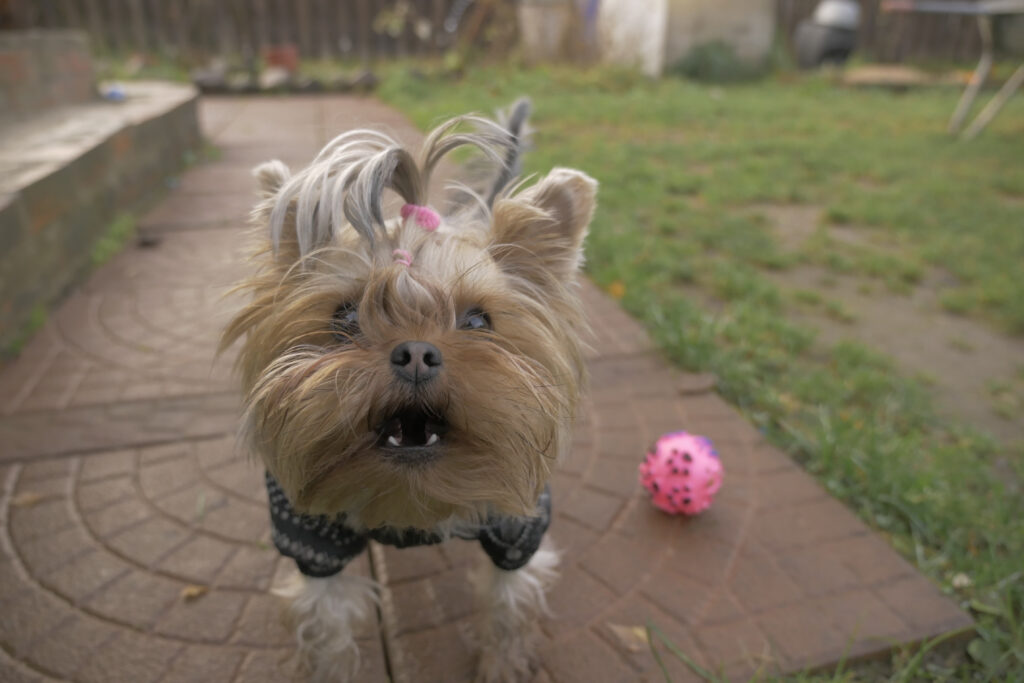
Yorkshire Terriers are another small breed with a very big voice and they were originally used in clothing mills to catch rats which required a dog that was both brave and vocal. These “Yorkies” are very protective of their owners and will often bark at anything they find suspicious or new which can include anything from a stranger to a new piece of furniture. Their bark is high-pitched and can be very repetitive and they are known for being quite “yappy” if they are not given enough exercise or attention. They are very brave little dogs and will not hesitate to bark at dogs much larger than themselves which often leads to their owners having to step in and manage the situation. Despite their vocal tendencies, they are incredibly affectionate and love nothing more than snuggling up on a lap after a long day of guarding the house and barking at the postman.
Training a Yorkie to be quiet can be a bit of a challenge because they are very independent and can be a little bit bossy if they think they can get away with it. They respond best to positive reinforcement and need to be kept busy with toys and games to prevent them from barking out of boredom. Because they are so small and portable, they often go everywhere with their owners and this exposure to different environments can help reduce their barking if they are socialised properly from a young age. They are truly big dogs in small packages and their voice is a testament to their terrier heritage which prizes tenacity and alertness above all else. While they might be loud, their devotion to their families is unquestionable and they will always be the first to let you know if someone is approaching the home. Their beautiful silky coats and spirited nature make them a favourite among dog lovers who don’t mind a bit of noise in exchange for a lot of love.
9. The Westland Highland White Terrier

The West Highland White Terrier, affectionately known as the “Westie,” is a sturdy and confident little dog from Scotland that definitely knows how to use its voice. Bred for hunting foxes and badgers, these dogs needed a loud and piercing bark so that their hunters could find them if they got stuck underground in a burrow. This instinct remains very strong today and a Westie will bark at almost anything that moves in the garden from squirrels to wind-blown leaves. They are very independent and possess a typical terrier temperament which means they are bold, social, and very vocal when they want something. They are not the type of dog to sit quietly in a corner because they want to be in the middle of whatever is happening and will use their bark to make sure they are included in the family fun.
Westies are very intelligent but they can also be quite stubborn which makes training them to stay quiet a bit of a lifelong project for many owners. They are very friendly and generally get along well with people and other dogs but they will always be the first to sound the alarm if they sense something is amiss. Because they are so energetic, they need plenty of walks and play sessions to tire them out because a tired Westie is much more likely to be a quiet Westie. They are wonderful family pets who are very hardy and adaptable and they bring a lot of character and noise to any household they join. Their iconic white coats and dark eyes give them a very sweet appearance but don’t let that fool you into thinking they are quiet lap dogs. They are full of fire and personality and their bark is just one of the many ways they show the world that they are ready for any adventure that comes their way.
10. The Vocal Fox Terrier
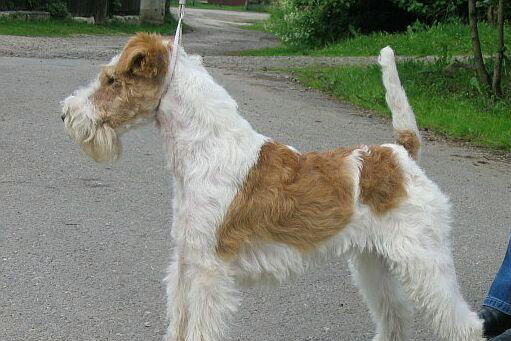
Fox Terriers, both the Smooth and Wire-haired varieties, are energetic and highly vocal dogs that were originally bred to flush foxes out of their dens during hunts. This job required a dog that was fearless and capable of making a lot of noise to alert the hunters and the hounds to the location of the prey. As a result, Fox Terriers are very prone to barking at anything that catches their eye and they have a very high prey drive that keeps them constantly on the lookout for movement. They are very active and intelligent dogs that require a lot of stimulation and if they are left to their own devices, they will often bark at the television, birds in the trees, or even shadows on the wall. They are very spirited and can be a bit of a handful for inexperienced owners because their energy levels and vocal outbursts can be quite intense and constant.
Managing a Fox Terrier’s barking requires a lot of patience and a good sense of humour because they are very persistent and will often bark just because they enjoy the sound of their own voice. They are very affectionate with their families and make excellent companions for active people who can take them on long hikes or involve them in dog sports like agility. They are very alert watchdogs and will never miss a thing which can be a great asset for home security but a bit of a nuisance for the neighbours. Early training and socialisation are vital to ensure that their barking doesn’t become a problem and they respond well to tasks that challenge their minds and bodies. These dogs are full of life and their vocal nature is simply a reflection of their historical role as the loud and brave members of the hunting pack. While they may be one of the noisier breeds, their enthusiasm and loyalty make them a truly unique and rewarding addition to any home.
11. The Persistent Cairn Terrier
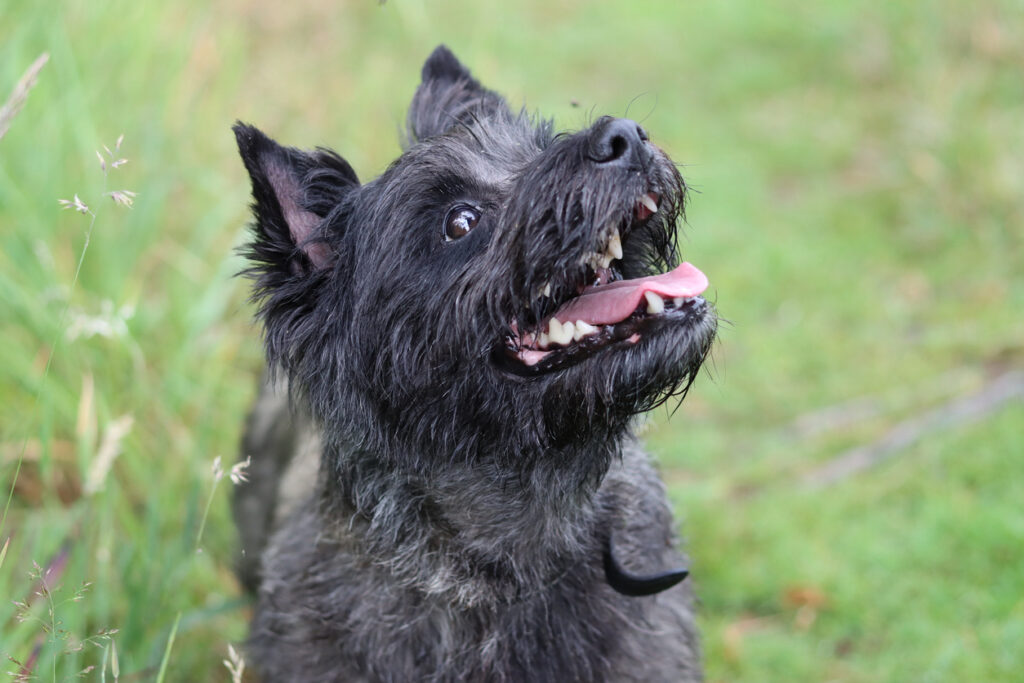
Hailing from the rugged Highlands of Scotland, the Cairn Terrier is a scrappy and sensible little soul who originally earned their keep by hunting vermin amongst the stone piles known as cairns. Because their work often took them deep into rocky crevices where they were invisible to their human partners, they developed a sharp and persistent bark to signal their location and success. This vocal heritage remains incredibly strong in the modern pet because they still feel it is their professional duty to announce every squirrel, passing car, or rustling leaf they encounter during their daily watch. They are remarkably sturdy and brave for their size and yet they possess a sensitive side that makes them very attuned to the emotions of their owners. You will find that they are not just barking at the wind but are often trying to engage you in a conversation about what they have discovered in the garden or the hallway.
Living with a Cairn means accepting that you have a tiny, furry security guard who takes their job very seriously indeed because they are naturally suspicious of anything out of the ordinary. They are highly intelligent and remarkably quick to learn new tricks and yet that same intelligence means they can be a bit cheeky and will bark to get your attention if they feel they are being ignored. Since they were bred to work independently, they can be a trifle stubborn when you ask them to be quiet and so it is essential to start training with positive reinforcement from a very early age. They thrive on activity and love nothing more than a long walk in the woods where they can put their keen noses and loud voices to good use. While they might be one of the more talkative breeds on our list, their cheerful disposition and rugged charm make them a delightful addition to any household that enjoys a bit of spirited Scottish personality.
12. The Dachshund’s Big Announcement

The Dachshund is perhaps one of the most recognisable breeds in the world with its long body and short legs and yet many people are surprised by the sheer volume of the bark that emerges from such a low-slung dog. Originally bred in Germany to hunt badgers, these “sausage dogs” needed a deep and booming voice that could be heard from underground burrows to alert hunters to their position. Because of this specific breeding, they possess a lung capacity and a vocal resonance that you would typically expect from a much larger hound like a Doberman or a Labrador. They are incredibly courageous and often have no idea that they are small and so they will fearlessly bark at anything they perceive as an intruder or a threat to their family. Whether they are the smooth-haired, long-haired, or wire-haired variety, they all share a common trait of being very vocal about their likes, dislikes, and general observations of the world.
Caring for a Dachshund involves understanding that their barking is often a sign of their deep-seated loyalty and their desire to protect their home territory at all costs. They are very social creatures who form intense bonds with their owners and this can sometimes lead to separation anxiety which manifests as persistent barking or howling when they are left alone for too long. Because they are so clever, they can easily become “demand barkers” if they realise that making a noise results in a treat or a lap to sit on and so consistency in training is vital to keep the noise levels manageable. They are wonderfully entertaining companions with a bit of a stubborn streak and yet their affectionate nature and comical antics usually win over even the most noise-sensitive owners. Choosing a dog often feels like a gamble on the peace and quiet of your home but embracing the unique voice of a breed like the Dachshund ensures that your life will always be full of character.
Relying on just one trait like silence or a loud bark when choosing a companion can be limiting because it is the entire personality and history of the breed that truly shapes our daily lives together.
Like this story? Add your thoughts in the comments, thank you.


