
10. Safe Place: Switzerland
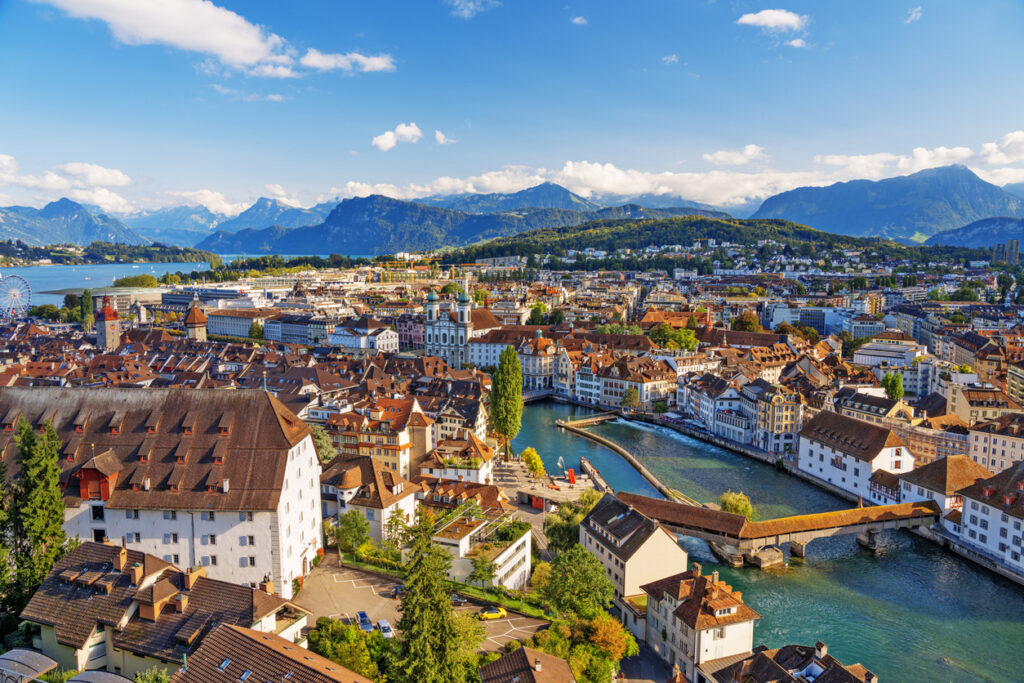
If you travel through Switzerland, one thing becomes clear quite quickly. Life here moves with a steady rhythm that many people associate with safety and order. Cities like Zurich and Geneva are busy but rarely chaotic. Trains arrive on time, neighborhoods feel well cared for, and even late evening walks through city streets tend to feel comfortable. That quiet reliability is often what people remember most after spending time here. It is not loud or dramatic. It simply works, and people trust that it will continue working tomorrow. Visitors often notice how peaceful public spaces feel, whether it is a train station, a park, or a busy street filled with cafés.
Switzerland’s stability comes from several things working together over many years. Strong institutions, a stable economy, and a culture that values responsibility all play a part. Residents tend to respect public spaces and shared rules, which keeps everyday life predictable. You see it in small moments like orderly train platforms or peaceful parks filled with families. Safety here is rarely something people actively think about. Instead it becomes part of the background of daily life. That steady environment places Switzerland among the safer countries in the world, even if locals often describe it simply as normal life.
9. Denmark: Trust As A Way Of Life
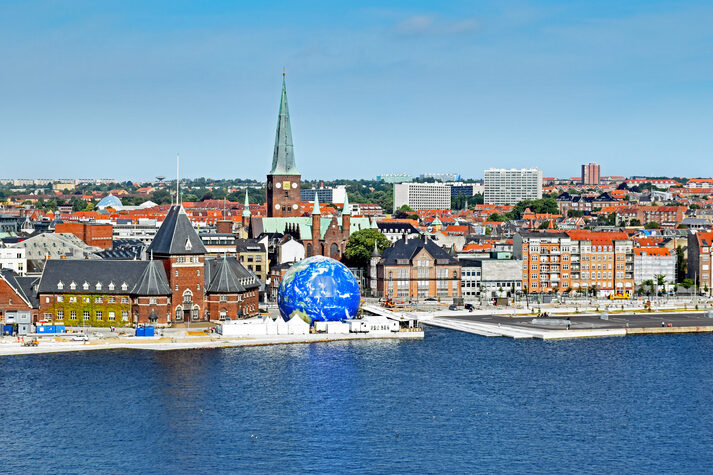
Denmark often feels like a place where trust quietly shapes everyday life. Walk through Copenhagen and you might see bicycles leaning outside cafés, children riding to school on their own, and commuters chatting comfortably on trains. The atmosphere feels open and relaxed. Visitors often notice that people seem confident moving through the city at any time of day. Streets stay lively without feeling tense, and public transport feels orderly even during the busiest hours. It creates a calm feeling that stays with you long after you leave.
Much of this sense of safety grows from strong social systems and a culture that values cooperation. People tend to trust their government, their communities, and the institutions that keep society running. Public services work well, and there is a general belief that rules apply fairly to everyone. When that kind of trust builds over time, it changes how people interact with their surroundings. Streets feel friendlier, neighborhoods feel stable, and daily routines unfold without much tension. Denmark shows how safety can grow from something deeper than enforcement. It grows from a shared confidence that society will take care of its people.
8. Japan: Order That Shapes Everyday Safety
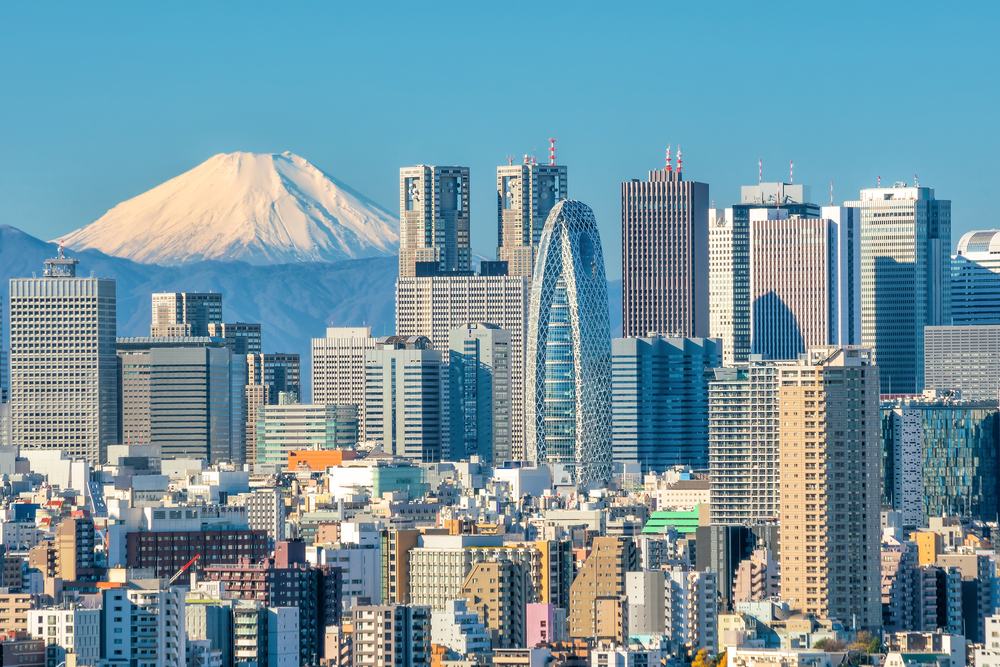
Japan’s cities are among the busiest in the world, yet they rarely feel overwhelming. Tokyo alone holds millions of people moving through train stations, sidewalks, and neighborhoods every single day. Despite that density, there is a calm sense of order that makes the environment feel secure. Visitors often notice how quiet trains are, how clean public spaces remain, and how organized everyday life appears to be. Even in crowded areas, people move with patience and awareness of those around them.
Part of this safety comes from cultural habits that emphasize respect for shared spaces. People tend to follow rules naturally, whether that means standing in orderly lines or keeping noise levels low on public transport. Communities also place strong value on responsibility toward others. These everyday behaviors quietly shape the atmosphere of entire cities. When millions of people cooperate in these small ways, the result is a place that feels structured but comfortable. Walking through Tokyo late at night can feel surprisingly normal. That balance between busy urban life and social order helps explain why Japan is often considered one of the safest places in the world.
7. New Zealand: Calm Landscapes Calm Communities
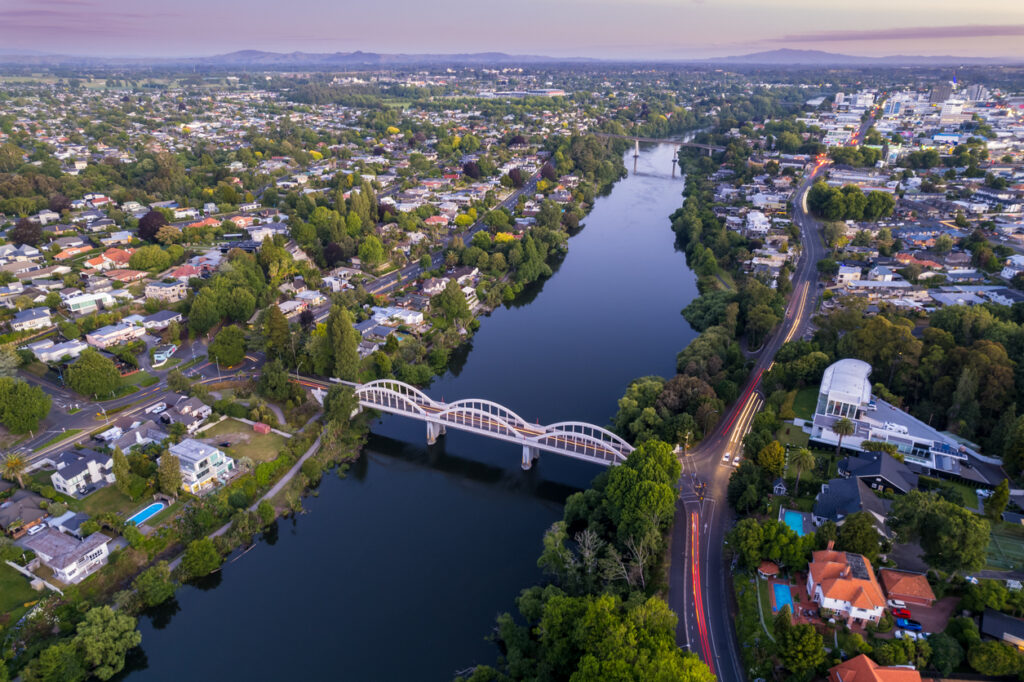
New Zealand has a reputation for wide open landscapes and relaxed communities, and that feeling often extends into everyday safety. Cities like Wellington and Auckland are lively but rarely tense. People spend time outdoors, gather along waterfronts, and move through neighborhoods at an easy pace. Visitors often describe the country as peaceful in a way that feels genuine rather than staged. The natural surroundings seem to shape the mood of daily life in subtle ways.
Community plays a strong role in that atmosphere. Neighborhood connections remain important, and people often know those who live nearby. This creates a quiet sense that someone is always looking out for the area. Public spaces feel welcoming, and many towns maintain a small community spirit even as cities grow. Families gather in parks, weekend markets draw crowds, and evening walks along the harbor feel routine. When a society builds strong relationships between people and public life, safety becomes something that grows naturally. New Zealand shows how a balanced pace of life and connected communities can shape an environment where people simply feel at ease.
6. Singapore: Safety Built Into The System
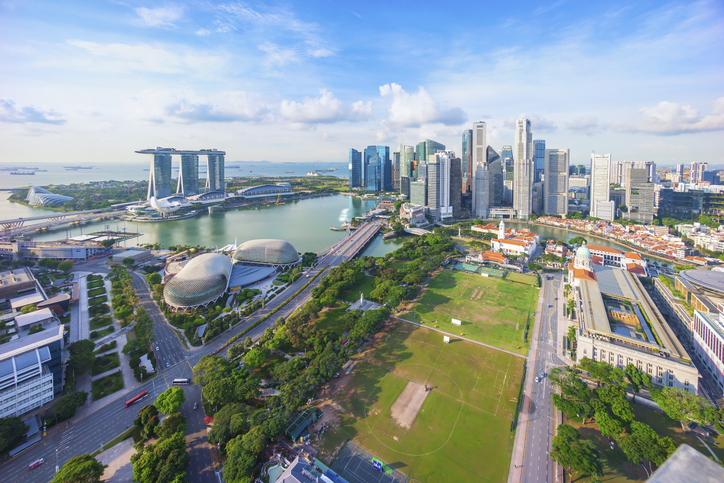
Singapore often feels like a city designed with safety in mind. From the moment you step into the airport or board the metro, everything appears organized and carefully maintained. Streets remain clean, public transportation runs efficiently, and people move through the city at all hours without much hesitation. Even in busy districts filled with restaurants and shops, the atmosphere stays calm. Visitors often notice how comfortable it feels to explore different neighborhoods late into the evening.
This environment comes from a combination of strict laws, strong governance, and urban planning that prioritizes public order. Rules are clear and widely respected, and enforcement tends to be consistent. Over time this has shaped a culture where people expect public spaces to remain orderly. Residents often mention how comfortable they feel traveling across the city late at night or leaving belongings on a café table while ordering food. The system works because it blends enforcement with social expectations. Singapore shows how thoughtful planning and shared discipline can create a city where safety becomes part of everyday routine rather than something people worry about.
5. Austria: Stability At The Center Of Europe
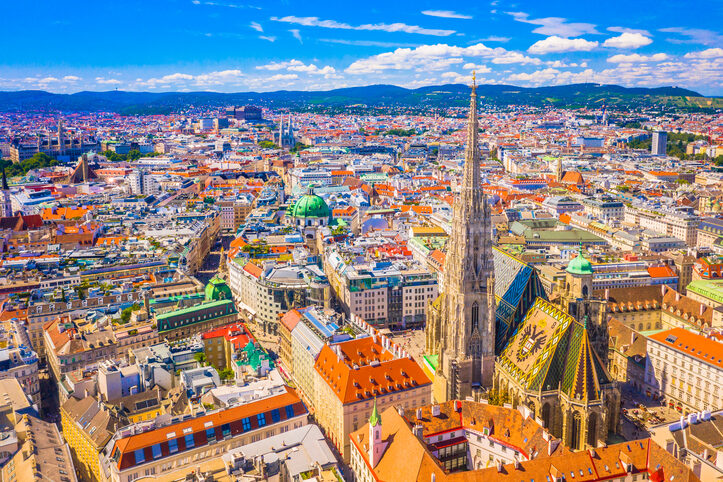
Austria often feels like a place where history and modern life balance each other comfortably. Walking through Vienna, you see grand historic buildings beside lively cafés and efficient public transportation. The city feels busy but rarely chaotic. Streets remain orderly, public parks attract families and musicians, and neighborhoods carry a sense of calm that many visitors find refreshing. Even in crowded tourist areas, the atmosphere tends to stay relaxed and approachable.
Austria’s stability grows from a combination of strong governance, reliable infrastructure, and a high standard of living. Public institutions function consistently, and social systems provide support that helps maintain balance within society. Residents often describe their cities as places where people can focus on daily life without constant worry about safety. Local communities remain active through markets, festivals, and neighborhood gatherings that bring people together. This environment creates a sense of normalcy that many travelers quickly notice. Austria may not always dominate headlines about safety, but its steady and predictable way of life quietly places it among the world’s most secure countries.
4. Finland: Quiet Security In Everyday Life
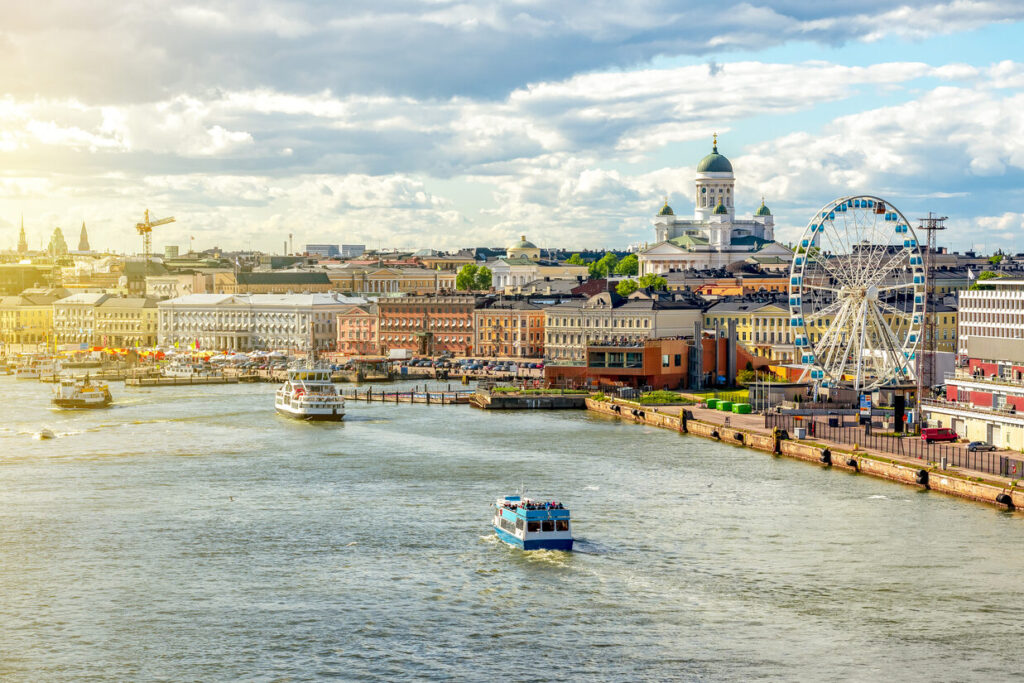
Finland rarely draws attention for dramatic reasons, yet it consistently appears near the top of global safety rankings. Cities like Helsinki feel calm and structured, with clean streets and reliable public transport that make daily routines predictable. People commute, shop, and spend time outdoors with little sense of urgency or tension. Even during busy hours the atmosphere tends to remain peaceful and orderly.
A strong education system, effective governance, and social equality contribute to this environment. When people feel supported by their institutions and communities, public life tends to stabilize. Finnish society also places high value on personal responsibility and respect for shared spaces. This shows up in small but meaningful ways, such as orderly neighborhoods and well maintained parks. Residents often describe safety not as something extraordinary but simply as the normal condition of their surroundings. Finland demonstrates how long term investment in social well being can quietly shape a society where everyday life unfolds with a sense of confidence and calm.
3. Norway: Security Among Stunning Landscapes
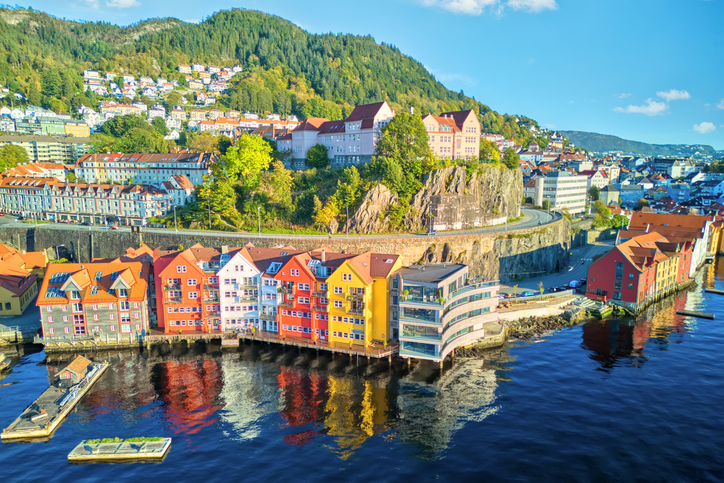
Norway is famous for its dramatic fjords and mountain landscapes, yet many people quickly notice another quality that defines the country. Life feels secure. Cities such as Oslo combine modern urban life with a strong sense of public order. People commute on clean trains, spend weekends hiking in nearby forests, and gather in lively but relaxed public spaces. The environment encourages both independence and community.
The country’s stability comes partly from its strong social safety net and economic structure. Public services are well funded, and there is a strong emphasis on equality within society. When people feel supported and respected, communities often become more stable. Norway’s smaller population also helps maintain a close connection between local governments and the people they serve. Neighborhoods tend to feel familiar and approachable rather than anonymous. Walking through an Oslo park or along a waterfront promenade often feels peaceful even in the middle of a busy city. Norway shows how prosperity, social trust, and natural beauty can combine to create an environment where safety feels deeply rooted.
2. Ireland: Friendly Streets And Community Spirit
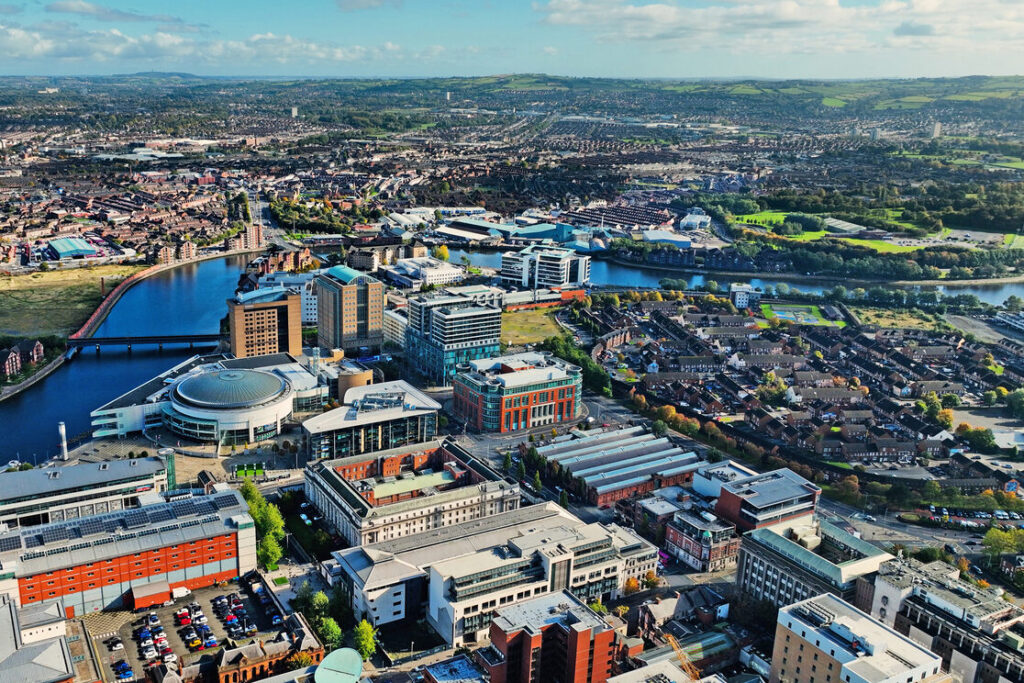
Ireland’s charm is often described through its culture, music, and storytelling, but safety is another quiet part of the experience. Cities like Dublin are energetic yet approachable, filled with busy pubs, street performers, and lively markets. Despite the crowds, the atmosphere often feels welcoming rather than tense. Visitors quickly notice how easy it is to move through neighborhoods and public spaces.
A strong sense of community helps shape that environment. Irish culture places value on social connection, and that warmth often extends to everyday interactions between strangers. Neighbors talk to each other, shop owners know their regular customers, and public life feels open rather than guarded. Of course, like any country Ireland faces occasional challenges, but the overall rhythm of daily life remains stable. Evening walks through city streets or small town squares often feel relaxed and sociable. The country shows how friendliness and social trust can quietly support a sense of safety that visitors and residents alike tend to notice.
1. Iceland: The Safest Feeling In The World
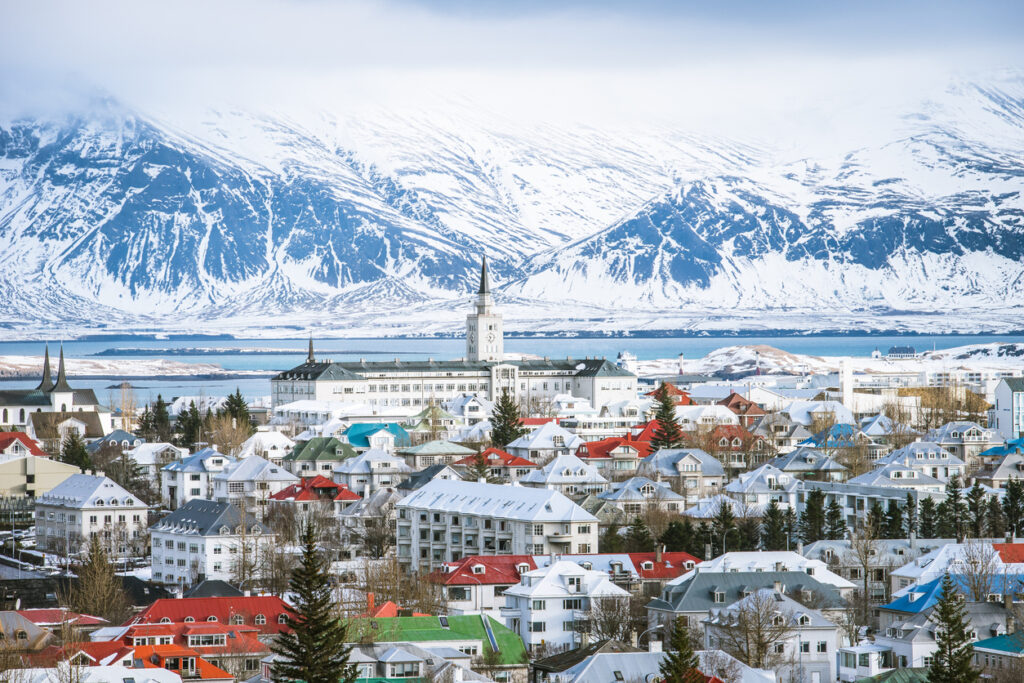
Among the many countries known for stability, Iceland consistently stands out as the one people point to when discussing global safety. Life there feels calm in ways that visitors sometimes find surprising. Police rarely carry firearms, violent crime remains extremely uncommon, and communities maintain a strong sense of trust between neighbors. Even in the capital city, people often describe the atmosphere as relaxed and approachable.
What truly defines Iceland’s safety is the combination of strong institutions and a deeply connected society. With a smaller population, people often feel personally responsible for the well being of their communities. Schools, healthcare systems, and public services operate smoothly, which strengthens that trust even further. When systems function reliably, people naturally feel more secure in their surroundings. Iceland’s example shows how safety can grow from cooperation and shared responsibility rather than constant enforcement. Looking across the world’s safest places, the pattern becomes clear. Societies that invest in trust and stability often create environments where peace quietly becomes part of everyday life.
10. Dangerous Place: Mexico
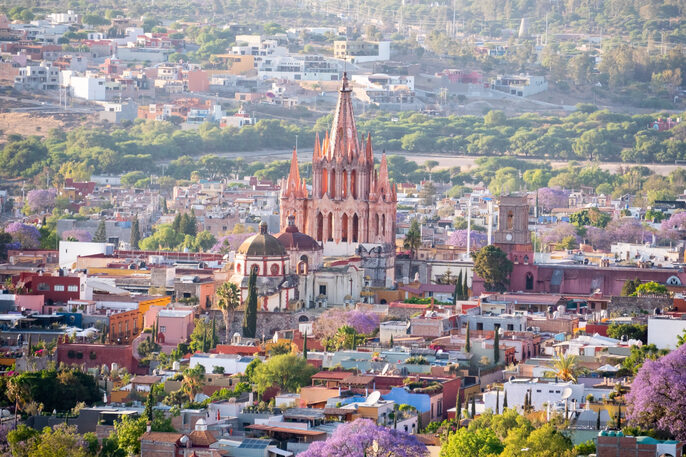
Mexico is a country that often surprises people with its contrasts. On one side there are colorful cities, historic towns, and lively markets that reflect deep cultural traditions. On the other side, certain regions struggle with crime linked to organized groups, which has shaped how people think about safety. For many visitors, daily life still feels vibrant and welcoming, especially in places where tourism and local communities work together to keep neighborhoods lively and active.
For residents, the picture is more complex. Some cities remain peaceful and community focused, while others continue to deal with security concerns that require caution. Families still gather in plazas, street vendors sell food late into the evening, and festivals bring entire neighborhoods together. Everyday life continues in ways that reflect the country’s strong social culture. Mexico’s situation shows how safety can vary widely within the same country. While challenges remain in certain areas, the warmth of its communities and the strength of its traditions continue shaping daily life across much of the country.
9. Haiti: Instability Close To Home
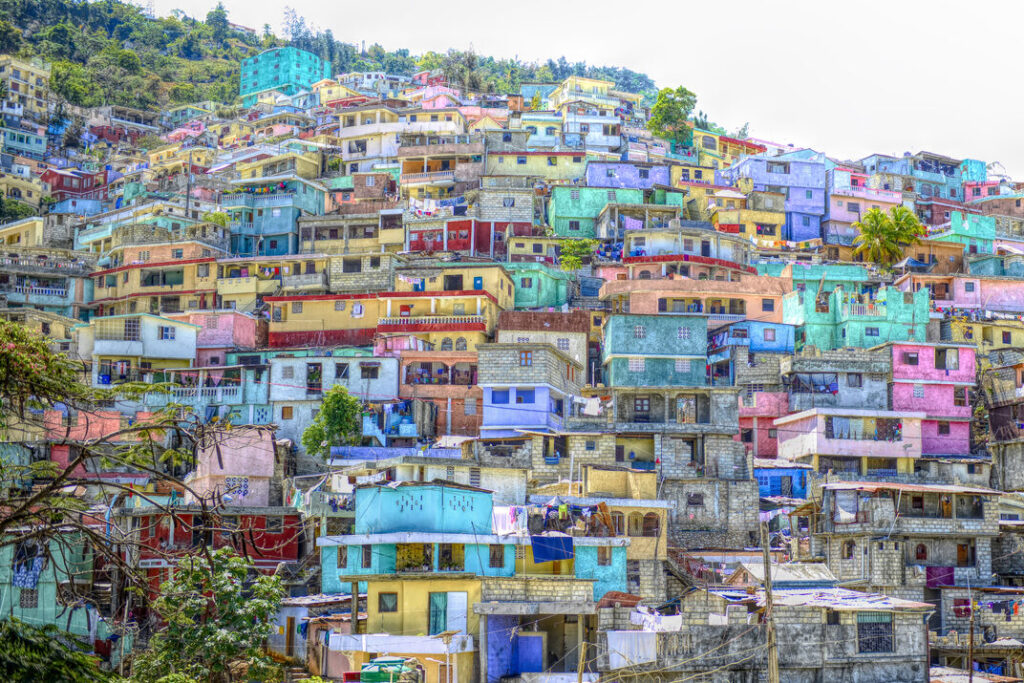
Haiti has faced a series of challenges that have shaped its security situation over many years. Political instability, economic struggles, and the effects of natural disasters have all played a role in creating difficult conditions for many communities. In parts of the capital, Port au Prince, gang activity has made some neighborhoods feel unpredictable. This has affected daily routines for many residents trying to go about their lives.
Despite these difficulties, the resilience of Haitian communities stands out clearly. Local markets still open early each morning, churches gather people together, and families rely strongly on one another for support. Neighborhood connections often become the backbone of everyday survival. Even when formal systems struggle to function effectively, community groups step in to help neighbors navigate daily life. Haiti’s story is not only about hardship but also about determination. People continue finding ways to maintain normal routines, celebrate cultural traditions, and support each other while hoping for greater stability in the years ahead.
8. Venezuela: Crime And Economic Strain
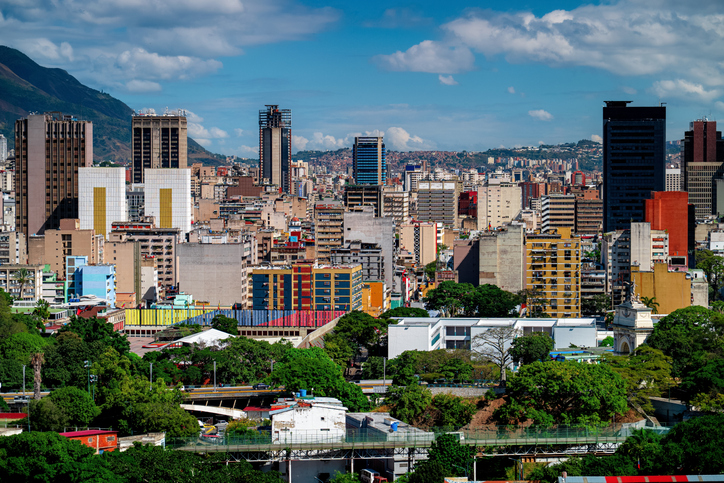
Venezuela has experienced years of economic instability that have affected many parts of society. Inflation, shortages, and political tension have created challenges for institutions and everyday life. In some cities, rising crime has become a serious concern for residents trying to maintain a sense of security. These pressures have led many families to look for opportunities abroad while staying connected to loved ones back home.
Yet everyday life continues through strong community ties and cultural traditions. Local markets remain important gathering points, music still fills family celebrations, and neighbors often rely on each other for support. Venezuelan communities have developed ways of adapting to difficult circumstances, sharing resources and helping one another navigate uncertainty. While economic recovery remains an ongoing challenge, the social fabric of families and neighborhoods continues to provide stability for many people. Venezuela’s story reflects both the impact of long term economic strain and the resilience of communities that continue finding ways to carry on with daily life.
7. Yemen: Conflict And Humanitarian Crisis
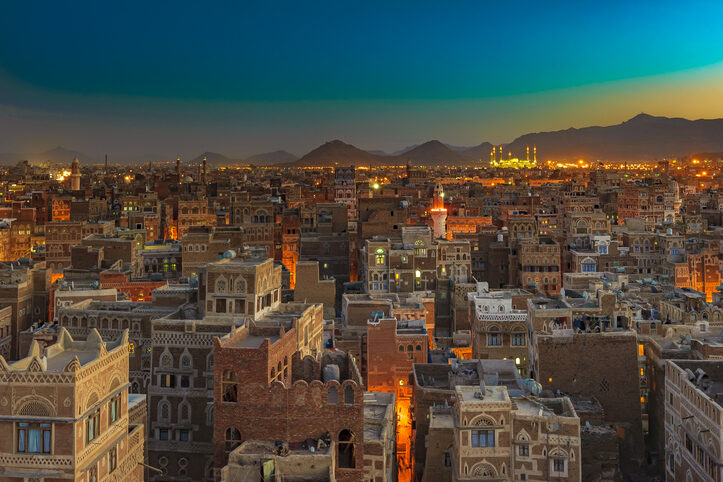
Yemen has faced years of conflict that have reshaped daily life for millions of people. Fighting between different groups has damaged infrastructure, weakened the economy, and made access to essential services difficult in many regions. In some areas families must travel long distances just to find food, clean water, or medical care. These conditions naturally affect how safe everyday life feels.
Even in these circumstances, communities continue supporting one another in remarkable ways. Families share resources, neighbors organize aid within their neighborhoods, and local leaders help coordinate assistance wherever possible. Cultural traditions remain strong, offering moments of connection and normal life despite the challenges. Weddings, religious gatherings, and family celebrations still take place whenever conditions allow. Yemen’s situation shows how deeply conflict can affect daily routines, yet it also highlights the strength of communities determined to support one another while hoping for a more stable future.
6. Syria: A Nation Still Recovering
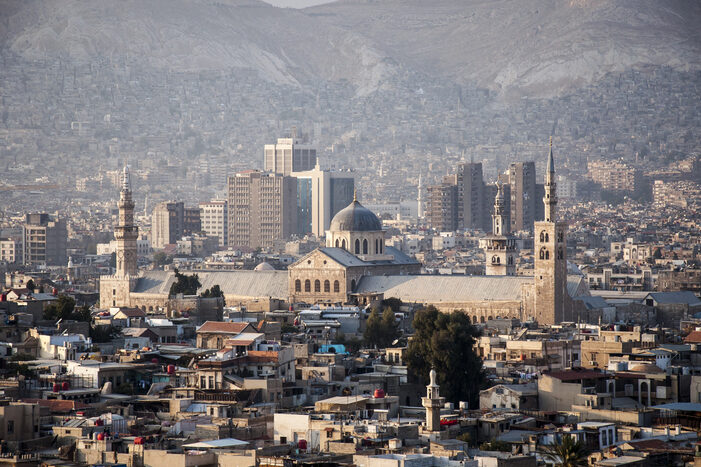
Syria’s modern history has been deeply shaped by the civil war that began in 2011. The conflict changed cities, displaced millions of people, and damaged infrastructure across large parts of the country. Even in areas where fighting has slowed, the effects of those years remain visible in buildings, neighborhoods, and the lives of the people who stayed or later returned.
Rebuilding a country after such conflict is a slow process. Families returning to their hometowns often find that schools, hospitals, and businesses must be restored piece by piece. Communities work to rebuild routines that once felt ordinary, reopening shops and gathering again in local markets. Children return to classrooms, and families try to recreate the everyday rhythms that were interrupted for years. While progress continues in some areas, the broader environment remains fragile. Syria’s recovery will likely take many years, but the determination of people to rebuild their lives continues shaping the future of the country.
5. South Sudan: Struggles Of A Young Nation
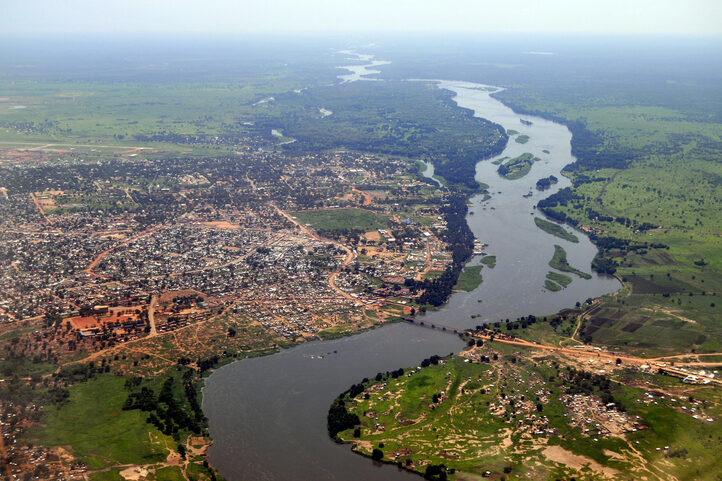
South Sudan became the world’s newest country in 2011, bringing hope for a peaceful future after decades of struggle. However, political tensions and internal conflict soon created challenges that affected stability across many regions. In some communities these tensions have made daily life uncertain, especially when access to services and security becomes limited.
Despite these difficulties, the people of South Sudan continue working toward rebuilding their country. Agriculture remains central to many communities, with families farming land and gathering at local markets to trade goods. Social traditions and community gatherings still play an important role in maintaining connections between neighbors. Local leaders often work toward peace agreements and cooperation between groups, hoping to create stronger foundations for the future. South Sudan’s story reflects both the struggles of a young nation and the determination of its people to build stability over time.
3. Democratic Republic Of Congo: Rich Land Facing Hard Realities
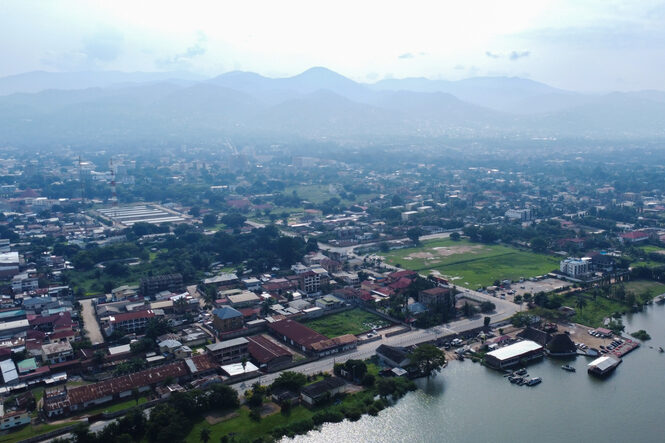
The Democratic Republic of Congo is a country filled with natural resources, vast forests, and vibrant cultures. Yet despite its immense potential, decades of political instability and armed conflict have created serious challenges for everyday safety in many regions. Certain areas of the country continue to experience violence linked to armed groups competing for power and control of valuable resources. These conditions make daily life uncertain for many communities.
Even within these challenges, people continue building their lives through local markets, agriculture, and strong community networks. Cities remain full of energy, with music, food, and trade shaping everyday routines. Families rely on extended relatives and neighbors for support when formal systems struggle to provide stability. The country’s story reflects both hardship and resilience. Many Congolese communities continue working toward peace while hoping for stronger institutions and long term stability. The Democratic Republic of Congo shows how a nation can carry both extraordinary cultural richness and difficult security challenges at the same time.
3. Somalia: Security Challenges On The Horn Of Africa
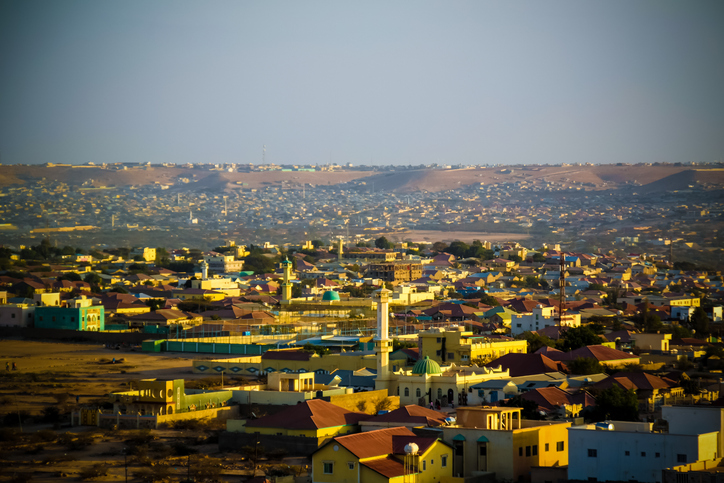
Somalia has faced many years of instability connected to political conflict and the presence of armed groups in some regions. These challenges have affected governance, infrastructure, and everyday security in different parts of the country. In certain areas people must remain cautious while going about normal activities such as travel or business.
At the same time Somali society continues to demonstrate remarkable adaptability. Local markets remain active, trade routes support regional commerce, and community networks often provide structure where national systems face difficulties. Families rely strongly on clan connections and long standing social traditions that help maintain order within communities. These relationships often play a crucial role in daily life. Somalia’s future will likely depend on strengthening national institutions while building on the resilience already present within its society. Even in uncertain environments, people continue working, raising families, and sustaining their communities.
2. Central African Republic: Life In A Fragile Security Environment
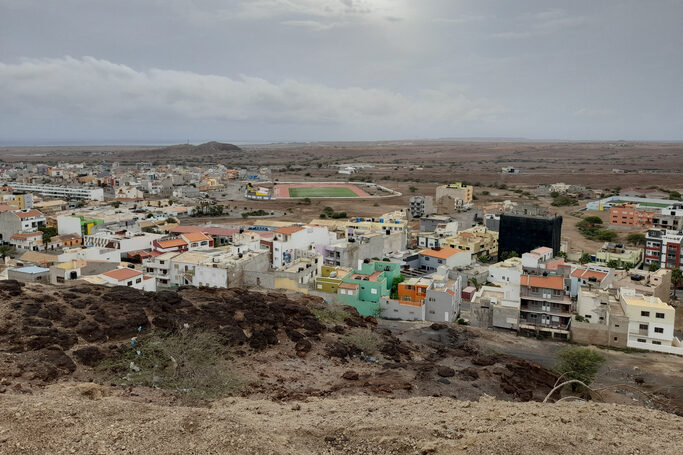
The Central African Republic is a country with deep cultural traditions and vast natural landscapes, yet years of political instability have made everyday life difficult for many communities. Armed groups still operate in parts of the country, and this has affected travel, trade, and basic services in several regions. In some towns people must carefully plan their daily activities, especially when moving between villages or larger cities where security conditions can shift quickly.
Despite these challenges, daily life continues through strong community ties and local resilience. Markets still open with traders selling produce, fabrics, and household goods, while families gather for meals and religious services that remain central to social life. Many communities rely on local cooperation to maintain stability when formal systems struggle to reach remote areas. The Central African Republic shows how people continue adapting even in fragile environments. While long term stability will depend on stronger institutions and peace efforts, everyday life continues through determination, cultural traditions, and the strong relationships that hold communities together.
1. Afghanistan: One Of The World’s Most Dangerous Environments
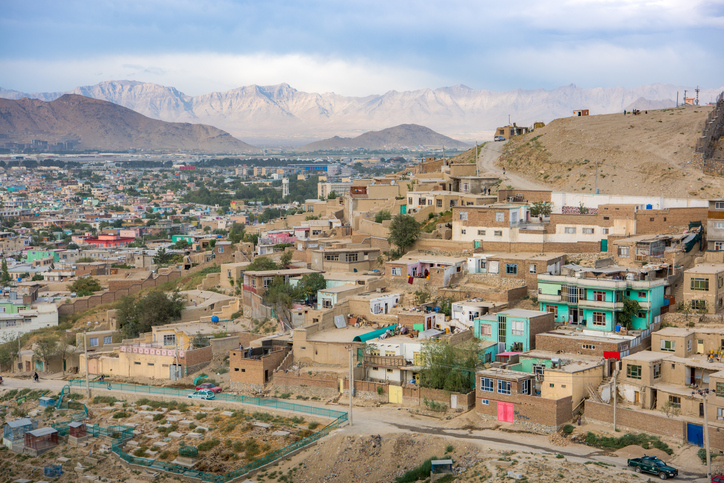
Among countries facing long term instability, Afghanistan is often described as one of the most challenging places in terms of safety. Decades of conflict, political shifts, and economic hardship have created an environment where security conditions remain uncertain in many areas. Travel between cities may require caution, and communities often rely on local knowledge to navigate changing circumstances.
Even in these conditions Afghan society continues to endure. Families maintain deep cultural traditions, community elders often help resolve disputes, and markets still serve as gathering places for daily commerce. Life moves forward through resilience and cooperation between neighbors. Looking across both the safest and most dangerous places in the world highlights how stability grows from strong institutions, economic opportunity, and social trust. When those elements weaken, safety can quickly become fragile. Understanding these differences reminds us how valuable stability can be and why many societies continue striving to build peaceful environments for future generations.


