
Pull up close enough to reach the pump
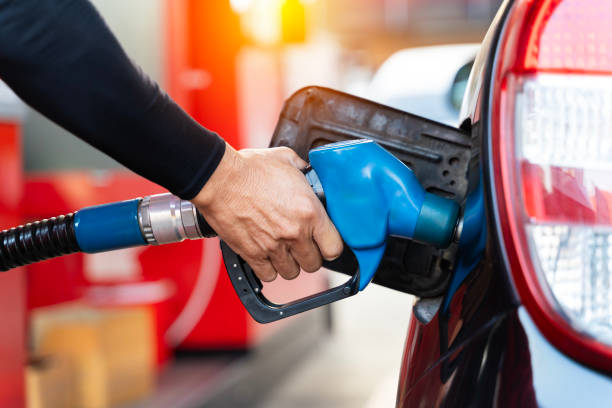
Most drivers instinctively stop their cars so the fuel door lines up neatly with the pump. This habit reduces wasted time and avoids stretching the hose, which can damage equipment or slow down the line. Many modern stations design hoses long enough to reach either side, but socially, pulling in correctly is still seen as considerate. Drivers who park too far away often have to reposition, creating small delays that ripple through busy stations. This rule became more important as gas stations grew more compact, especially in urban areas where space is limited. Over time, people learned that precise positioning is part of being efficient and respectful. Even new drivers quickly pick it up by watching others and noticing how smoothly the process goes when everyone parks properly.
Turn off your engine while fueling
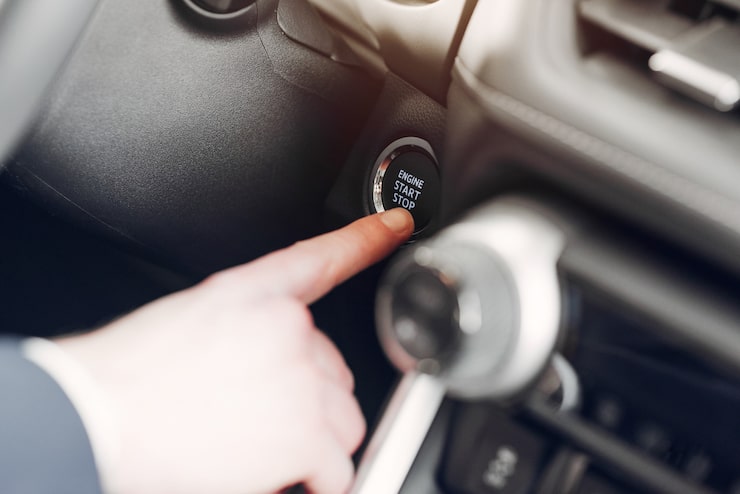
Shutting off the engine before fueling is one of the most widely followed safety habits at gas stations. Although modern vehicles are safer than older models, the rule remains rooted in fire prevention. Gasoline vapors are highly flammable, and turning off the engine minimizes ignition risks. Most drivers follow this automatically, even when they are in a hurry, because it has been reinforced for decades through signage, driver education, and shared awareness. This practice became standard as stations transitioned from full-service to self-service, placing more responsibility on drivers. The habit is so ingrained that seeing someone fuel with the engine running often triggers discomfort or concern from nearby customers, reinforcing the social expectation.
Don’t block a pump if you’re not fueling
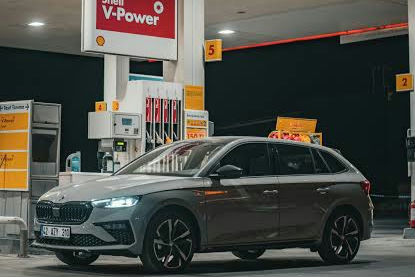
Drivers generally know that once fueling is done, it’s time to move the car. Staying parked at the pump while shopping inside or checking a phone is quietly frowned upon. Pumps are shared resources, and blocking one slows everyone else down, especially during peak hours. This unwritten rule became stronger as gas stations added convenience stores, tempting drivers to linger. Regular customers quickly learned that courtesy means freeing the pump first, then parking elsewhere if more time is needed. Even without confrontation, social cues like impatient glances or cars lining up reinforce the expectation. Over time, most drivers internalize that pumps are for fueling only, not extended stops.
Queue patiently when all pumps are full
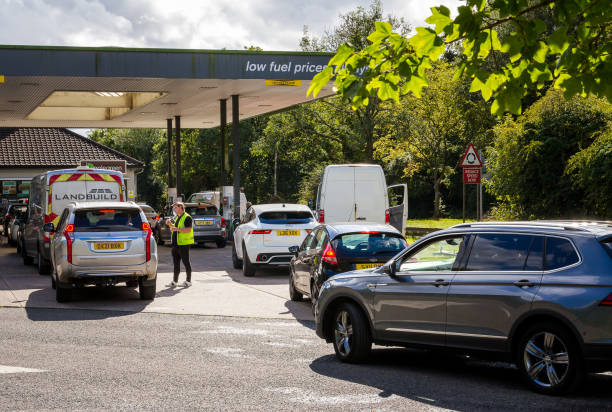
When every pump is occupied, most drivers naturally form a loose queue instead of squeezing in randomly. This informal line keeps order and prevents confusion or arguments. The practice mirrors broader driving etiquette, where fairness and turn-taking are valued. At busy stations, especially during holidays or fuel shortages, this rule becomes essential. Drivers often watch closely to see which pump will free up next, inching forward carefully. Even without painted lines, people understand that cutting ahead is unacceptable. The shared patience helps reduce tension in a space that could easily become chaotic, making the experience smoother for everyone involved.
Avoid using your phone while pumping
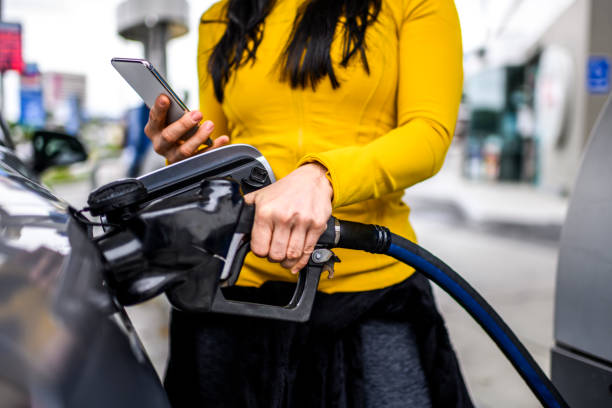
Although studies on phone-related ignition risks are mixed, the habit of keeping phones away during fueling remains strong. Many drivers comply simply because it has long been associated with safety. Signs warning against phone use reinforce the behavior, but social awareness plays a role too. People tend to mirror what others do, and since most drivers focus on fueling rather than scrolling, the norm persists. This unwritten rule also helps keep attention on the task at hand, preventing spills or mistakes. Over time, the combination of caution, tradition, and visible reminders has made phone avoidance feel like the responsible choice.
Pay attention and move quickly when finished
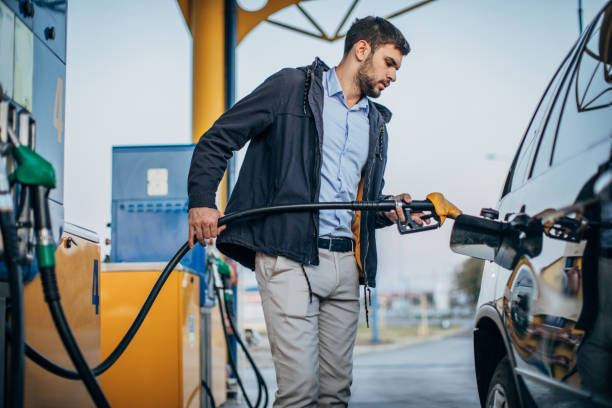
Once the tank is full, drivers are expected to wrap up promptly. Lingering while the pump clicks off can slow down the flow of cars, especially during busy periods. This habit developed as stations shifted toward self-service, where efficiency became a shared responsibility. Most drivers automatically return the nozzle, close the fuel door, and drive off without delay. The expectation is not about rushing dangerously, but about being mindful of others waiting. Small actions, repeated daily by millions of people, create a rhythm that keeps gas stations functioning smoothly.
Choose a pump that matches your fuel type
Drivers instinctively check fuel grades before pulling in, even when stations are crowded. Selecting the right pump avoids confusion and prevents costly mistakes. This habit is reinforced by vehicle manuals, dashboard labels, and past experiences. Over time, people learn to glance quickly at pump labels and align their choice with their car’s requirements. Socially, using the wrong pump and holding up the line while correcting the error is embarrassing, so most drivers double-check in advance. This quiet diligence helps maintain steady flow and reduces stress for everyone nearby.
Keep spills minimal and clean up if needed
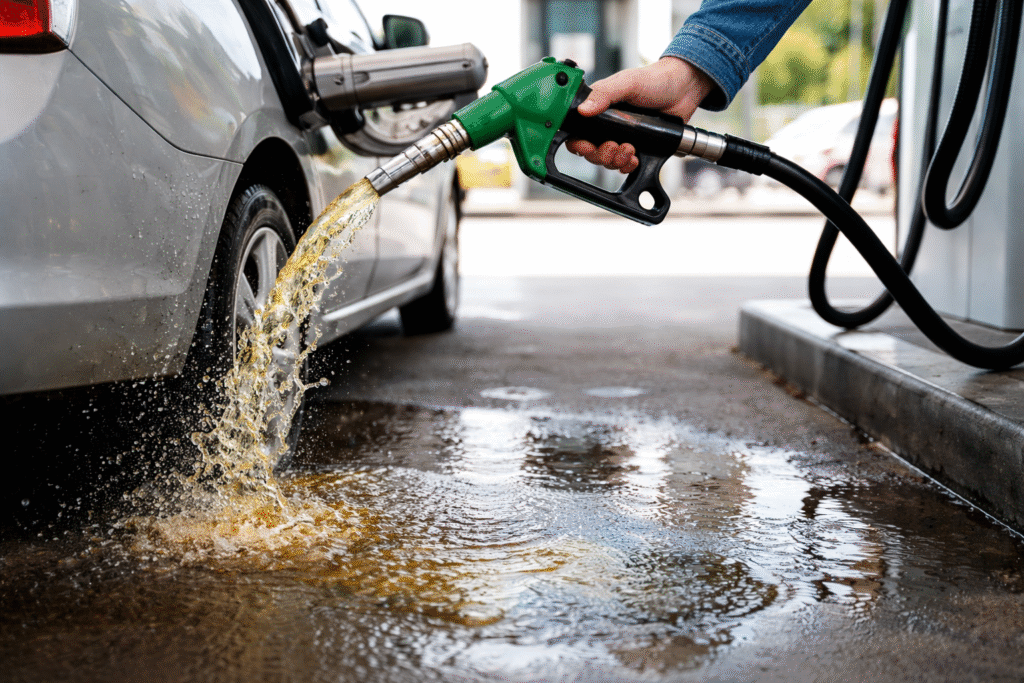
Fuel spills happen occasionally, but most drivers try hard to avoid them. When small spills occur, people often alert staff or use provided materials to clean up. This behavior stems from safety awareness and shared responsibility. Gasoline fumes can be hazardous, and slippery surfaces pose risks. Over time, drivers learned that leaving a mess is not only unsafe but socially unacceptable. Even without enforcement, the expectation to leave the area as clean as possible remains strong, reinforced by the knowledge that others will use the same space moments later.
Respect personal space at the pump
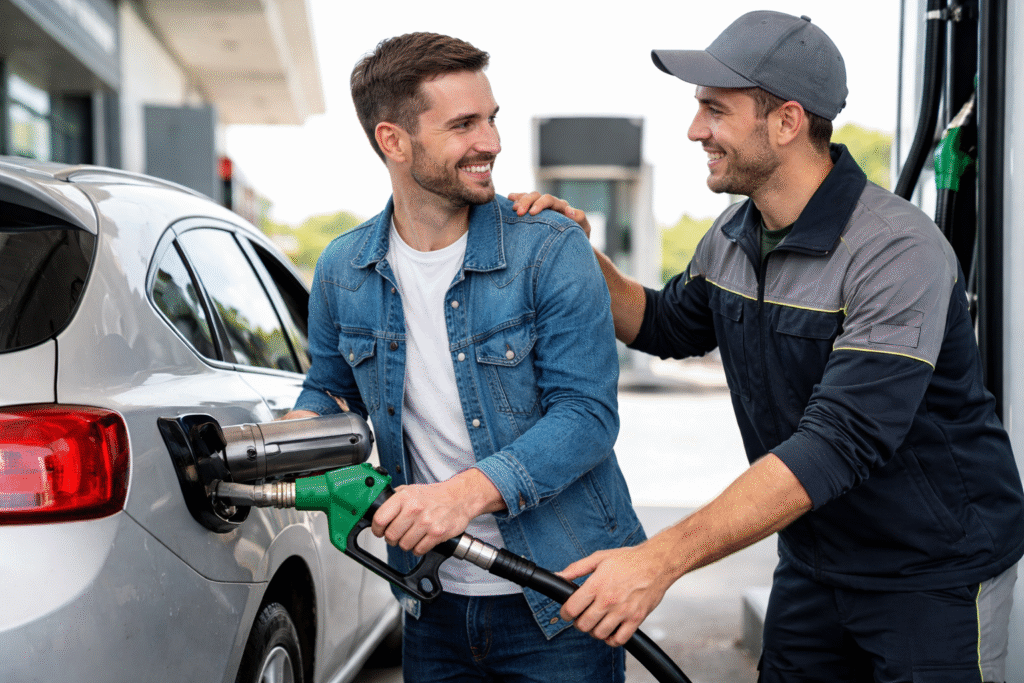
At gas stations, people naturally give each other space. Standing too close or hovering near another car feels intrusive. This unwritten rule mirrors broader social norms about personal boundaries. Drivers typically focus on their own vehicle and avoid unnecessary interaction unless help is needed. The habit helps everyone feel comfortable and reduces tension in a shared environment. Over years of routine visits, this quiet respect has become second nature, making gas stations feel orderly despite the constant flow of strangers.
Follow local habits during shortages or rush periods
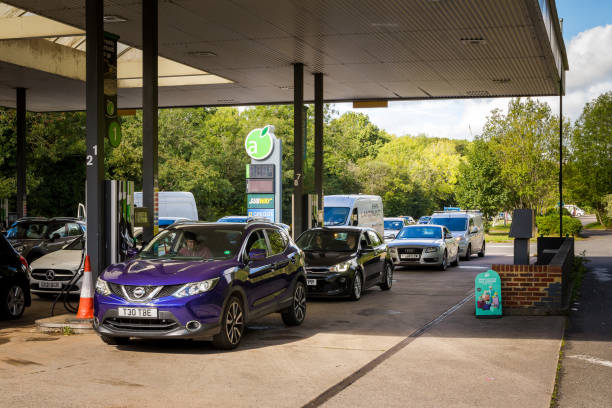
During fuel shortages or high-demand periods, local customs become especially important. Drivers quickly adapt to posted limits, unofficial line systems, or time-based access without much protest. These behaviors often spread through observation and word of mouth rather than formal instruction. People understand that cooperation helps everyone get through a stressful situation. Over time, communities develop shared expectations for fairness, such as limiting how much fuel to buy or waiting patiently. These unwritten rules help maintain calm and prevent conflict when resources are strained.
Pre-check inside the store

Before you fuel, many regulars do a quick run into the convenience store to buy a drink, check the restroom, or confirm payment methods, and they do it without monopolizing the pump. This small habit prevents awkward back-and-forth where someone pays inside while their car blocks a pump, or returns to find a line has formed. It’s especially common at stations where pay-at-pump options are limited or card readers are flaky. People learn that a quick inside check keeps the process smooth: if you need more time shopping, park away from the pumps; if you only need to fuel, stay by your car. The rule balances personal convenience with basic consideration for others waiting to use the same resource.
Don’t siphon or tamper with other cars
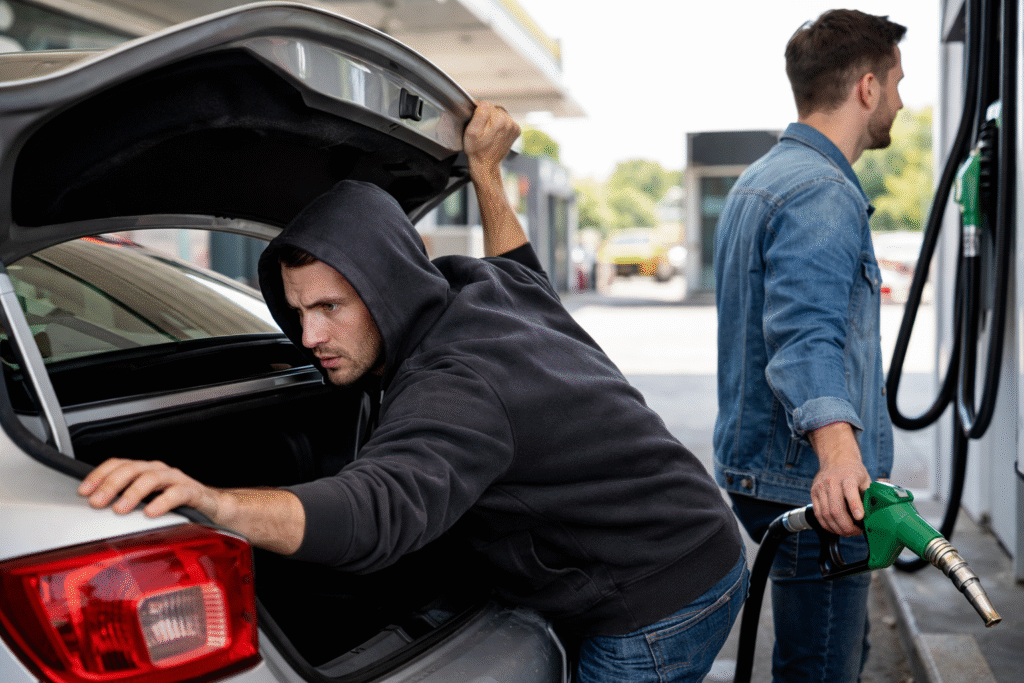
One of the clearest taboos at gas stations is touching other people’s vehicles or equipment without permission. Siphoning fuel, opening trunks, or fiddling with pumps isn’t just rude, it’s often illegal and dangerous. Regulars enforce this rule informally; witnessing someone tamper with another car usually draws sharp looks or direct intervention. Stations with CCTV and attendants make it less common, but the social norm remains powerful: hands off what isn’t yours. This unwritten rule grew from common-sense safety and respect, plus the reality that fuel theft or interference creates immediate, costly problems for victims and slows the entire station down while the issue is resolved.
No smoking near pumps
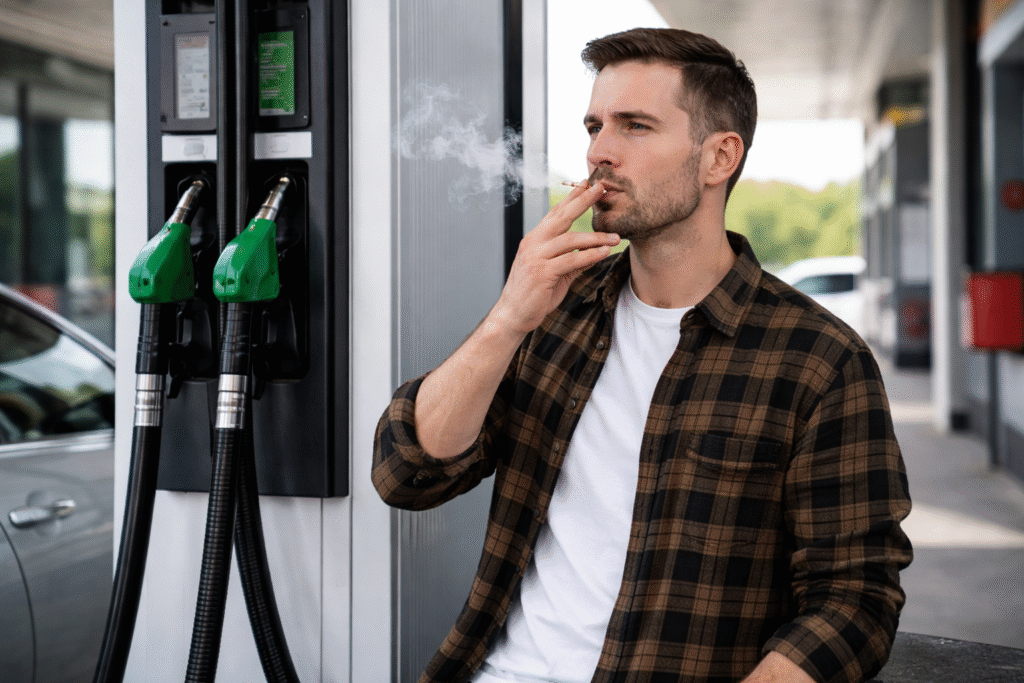
Smoking near fuel pumps is one of those rules everyone knows, even if the exact risk feels abstract. Gasoline vapors are flammable, and while the likelihood of a cigarette igniting a blaze is low, the social rule exists to eliminate needless risk. You’ll usually see people step away, stub out cigarettes before approaching, or wait until they’re parked elsewhere to smoke. The visible signage, periodic public-safety campaigns, and the discomfort of other customers combine to make this behavior rare. Breaking the rule provokes immediate negative reactions, raised voices, staff intervention, or clear social disapproval, which reinforces why most people comply without needing to be told.
Respect attendants and their space
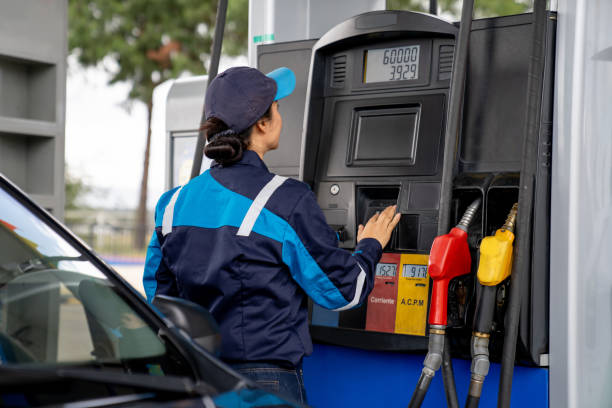
When stations still had full service attendants, a certain deference was the norm; in modern self-service stations, that courtesy hasn’t vanished. If an attendant is nearby, giving them room and speaking politely is expected. Whether they’re helping with the pump, cleaning the forecourt, or handling the register, attendants are part of the unspoken social contract that keeps the place running. Customers who crowd, shout instructions, or assume attendants should rush are frowned upon. This rule comes from practical respect: attendants perform multiple tasks, and small kindnesses, a “please” or “thank you,” not hovering while they refuel your car, make the exchange smoother for everyone.
Mind the nozzle return, don’t slam it
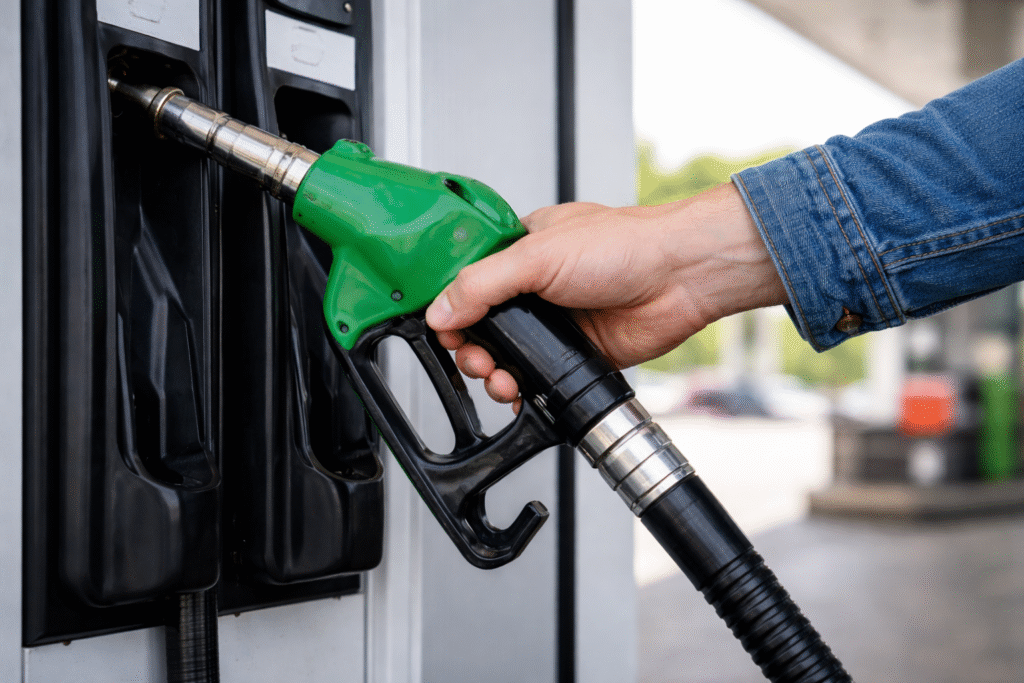
After refueling, the small courtesy of replacing the nozzle properly matters more than it seems. Leaving the hose hanging, slamming the nozzle back, or failing to seat it fully can damage equipment, trigger alarms, or make the next customer’s experience worse. Regular drivers quietly check the pump before they pull away to ensure the nozzle clicks in and the display resets. Many stations train staff to notice careless returns and speak up, but most of the time social norms are enough: careful handling shows you’re aware that millions of others use the same machine, and it prevents tiny annoyances from cascading into frustrating delays.
Use the right side for diesel and trucks
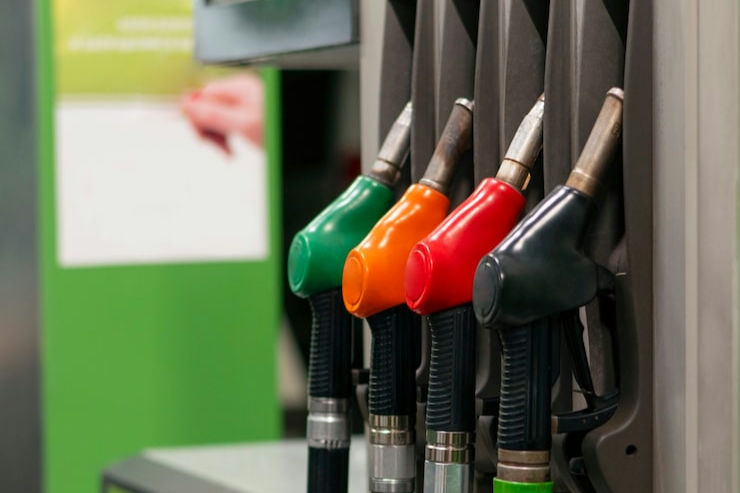
Many stations have designated pumps for diesel or for larger vehicles, and drivers are accustomed to pulling into the correct lane to avoid clogging standard pumps. Trucks and diesel cars typically use side lanes or island pumps with higher clearance; using the wrong pump forces awkward repositioning or blocks access for heavy vehicles. This norm developed as vehicle mixes at stations diversified: diesel nozzles are larger and won’t fit into petrol fillers, making the mistake obvious and socially embarrassing. Experienced drivers look for signs and pump shapes before pulling in, and will signal or reposition if they see a mismatch, keeping operations smooth and preventing expensive fueling errors.
Be prepared with payment to speed things up
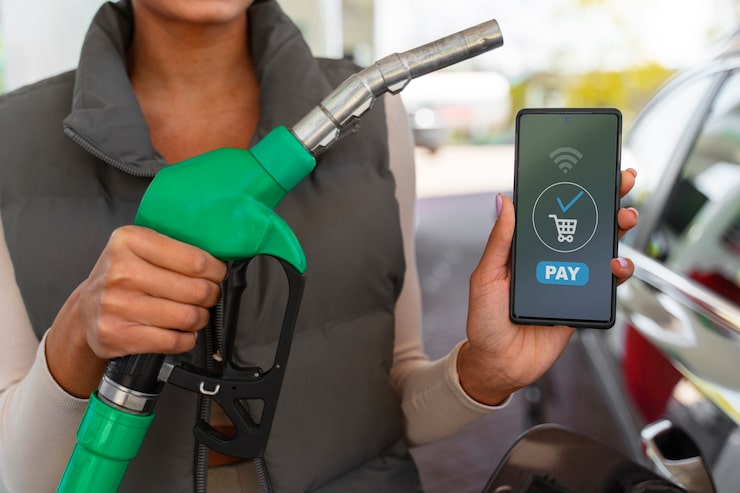
A surprisingly common courtesy is arriving at the pump already ready to pay, card in hand, app open, or cash ready if required. This small preparation shaves seconds off each transaction and keeps lines moving, especially at busy times. Stations vary: some require prepay at the counter, others accept pay-at-pump, and some local pumps still prefer cash inside. Experienced drivers glance at the payment options posted, choose a suitable pump, and avoid long trips inside the store while holding up a line. In short: a little advance readiness helps everyone get fueled and on their way faster.
Gas stations are brief crossroads where small, shared habits keep traffic flowing and people safe.


