
Your Brain Uses Face Shortcuts
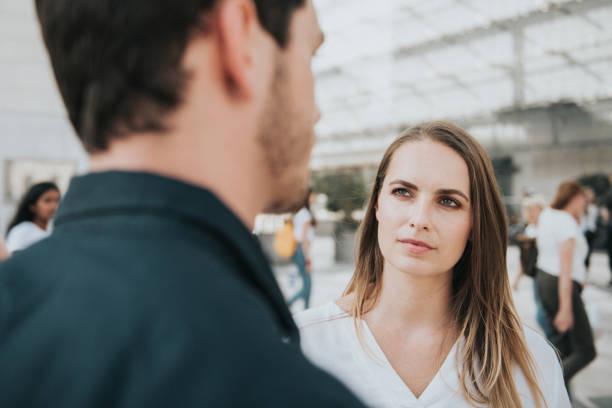
Have you ever locked eyes with a stranger and felt a strange sense of recognition? That quiet moment of “Do I know you?” happens more often than people admit. The human brain processes faces using mental shortcuts rather than memorizing every detail. Instead of storing each face as a unique image, your brain groups features like eye shape, skin tone, and facial proportions into familiar patterns. When a stranger closely matches one of these stored templates, your brain sends a false signal of recognition. The downside is that it increases mistakes. In crowded streets or public transport, this effect becomes stronger because your brain is working faster than usual.
You’ve Seen Someone Like Them Before
Many faces feel familiar because you’ve encountered similar-looking people throughout your life. Humans share a limited range of facial structures, meaning strangers can resemble classmates, neighbors, or coworkers without being related. Studies in facial recognition show that people are especially sensitive to faces that resemble those from their social circles. Your brain links the new face to an old memory, creating a sense of recognition. This doesn’t mean you remember the person, only the type of face. Social media increases this effect, as repeated exposure to faces conditions your brain to recognize similar features quickly, even when the context is entirely different.
Emotional Expressions Trigger Recognition

Facial expressions play a powerful role in perceived familiarity. A stranger’s smile, raised eyebrow, or thoughtful look can mirror expressions you associate with people you know well. The brain prioritizes emotional cues because they help predict behavior and intentions. When someone displays an expression linked to comfort or safety, your brain reacts as if they are known to you. Psychologists note that emotional resemblance often outweighs physical resemblance in triggering familiarity. This is why a stranger laughing or frowning in a familiar way can feel recognizable, even if their actual features don’t closely match anyone you’ve met before.
Familiar Settings Create False Connections

Context strongly shapes how the brain interprets faces. When you see someone in a familiar location like a workplace, school, or neighborhood shop, your brain assumes they belong there. That assumption can spill over into a feeling of recognition. Cognitive studies show that people are more likely to misidentify strangers in familiar environments than in unfamiliar ones. Your brain expects known faces in known places, so it fills in the gaps automatically. This explains why strangers at your regular bus stop or grocery store often feel recognizable, even when you’ve never exchanged a single word.
Your Brain Fills in Missing Details

Most encounters with strangers are brief and incomplete. You might see someone in passing, from a distance, or in poor lighting. When information is missing, the brain fills in details using past experiences. This mental completion creates a sense of familiarity. Neuroscientists explain that the brain prefers coherent stories over uncertainty, even if the story is incorrect. The faster the encounter, the more likely your brain is to rely on assumptions. That’s why fleeting glimpses often feel more familiar than prolonged observations, even though the recognition is entirely imagined.
Media Exposure Trains Your Recognition System

Television, films, and social media expose people to thousands of faces over time. Your brain absorbs these visual patterns, even when you don’t consciously remember them. As a result, strangers who resemble actors, influencers, or viral faces can trigger familiarity. Researchers describe this as implicit memory, where exposure influences recognition without conscious recall. This effect is stronger today than in previous decades due to constant screen use. You may not recognize where the face comes from, but your brain reacts as if it has seen it before, creating that unsettling sense of recognition.
Shared Age Groups Increase Similarity
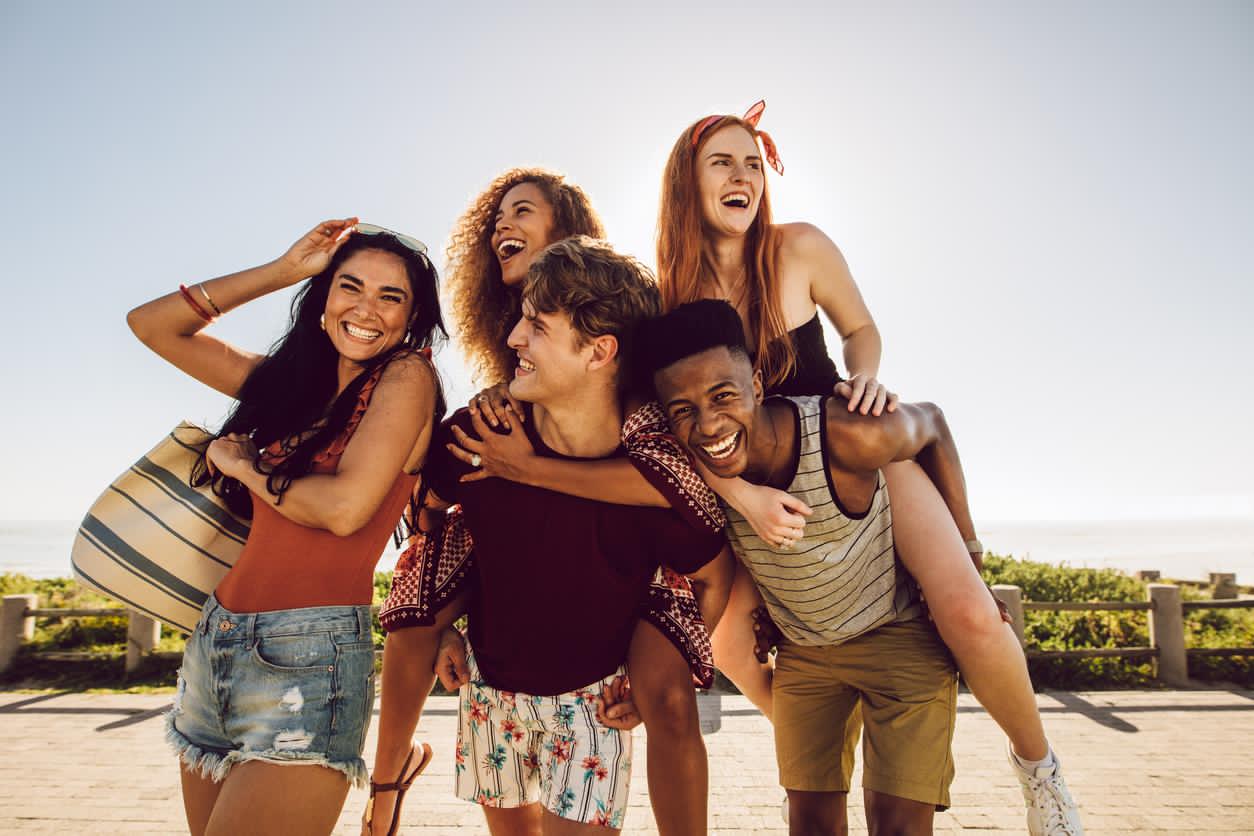
People within the same age group often share similar facial characteristics shaped by lifestyle, fashion, and health trends. Hairstyles, facial hair, makeup styles, and even expressions tend to cluster by generation. Psychologists note that age-based similarity increases misidentification, especially in large social groups. When a stranger falls within your own age range, your brain is more likely to scan for similarities and find them. This is why people often mistake strangers for former classmates or coworkers, even when the resemblance is general rather than specific.
The Familiarity Effect at Work

Work environments amplify facial familiarity due to repeated routines. Even if you don’t know everyone personally, your brain becomes accustomed to seeing certain face types in professional settings. Over time, this creates a sense of recognition tied to the environment rather than the individual. Cognitive research shows that repeated exposure to similar faces in structured settings increases perceived familiarity. This explains why office buildings, hospitals, and campuses often produce moments where strangers seem known. Your brain associates the face with the routine, not an actual memory of interaction.
Your Mood Shapes Recognition

Emotional state influences how the brain processes faces. When you’re tired, stressed, or nostalgic, your brain is more likely to misinterpret signals. Studies suggest that emotional vulnerability increases the sense of familiarity because the brain seeks connection and reassurance. In these moments, a neutral stranger can feel meaningful or recognizable. This doesn’t mean the recognition is accurate, only that your emotional state is shaping perception. Mood-based misrecognition is common during long days, major life transitions, or moments of reflection.
Human Faces Follow Predictable Patterns

Despite our differences, human faces follow predictable biological patterns. Eyes sit at similar distances, noses follow common structures, and expressions rely on shared muscles. Evolution favored recognizable faces because they support social bonding and communication. As a result, complete uniqueness is rare. Scientists studying facial morphology confirm that overlap is inevitable in large populations. When a stranger fits comfortably within these natural patterns, your brain reacts with familiarity. It’s not that you know the person, but that your brain recognizes the design.
Memory Blends Faces Together
Human memory does not store faces like photographs. Instead, it blends experiences together, creating composite impressions over time. Psychologists explain that when you meet many people with similar features, your brain merges those memories into a general template. Later, when you encounter a stranger who fits that blended image, recognition is triggered. This process happens unconsciously and feels convincing. Memory blending is especially common in large cities, schools, and workplaces where face exposure is frequent. Because the brain values efficiency over accuracy, it accepts the resemblance as familiarity, even though no single memory supports it.
Repeated Brief Encounters Create Illusion

Seeing the same stranger repeatedly without interaction can still produce familiarity. Researchers call this the mere exposure effect. Each brief encounter strengthens recognition without forming a clear memory. Over time, your brain interprets repetition as knowing someone. This often happens during daily commutes, school runs, or gym visits. Even without conversation, the brain tracks frequency. Eventually, the face feels known, though no personal connection exists. This explains why people sometimes feel awkward around strangers they recognize but have never met. Familiarity grows from exposure alone, not from shared experiences.
Lighting Changes Facial Perception
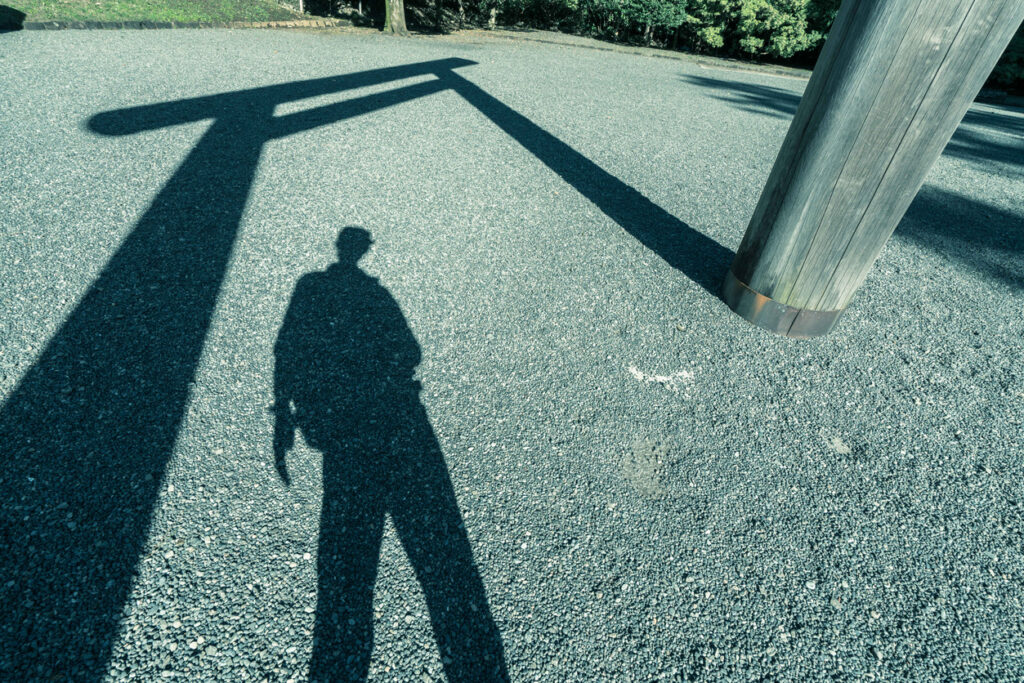
Lighting dramatically alters how faces appear. Shadows, brightness, and angle can exaggerate or soften features, making someone resemble a person you know. Vision researchers note that the brain compensates for poor lighting by relying on memory and assumptions. When details are unclear, the brain fills in what seems most likely. This often results in mistaken familiarity. Evening light, indoor shadows, and glare can all distort perception. A stranger seen under familiar lighting conditions may trigger recognition, even though the resemblance disappears in different light.
Clothing and Style Influence Recognition

Clothing, posture, and grooming strongly affect perceived familiarity. When a stranger dresses or moves like someone you know, your brain connects the dots. Studies show that people often misidentify individuals based on style cues rather than facial details. A familiar jacket, hairstyle, or walking pattern can trigger recognition instantly. This is why uniforms, workwear, or popular fashion trends increase mistaken familiarity. Your brain uses visual shortcuts, and style becomes part of identity. Even when the face is unfamiliar, the overall presentation feels known.
Social Expectations Shape Perception
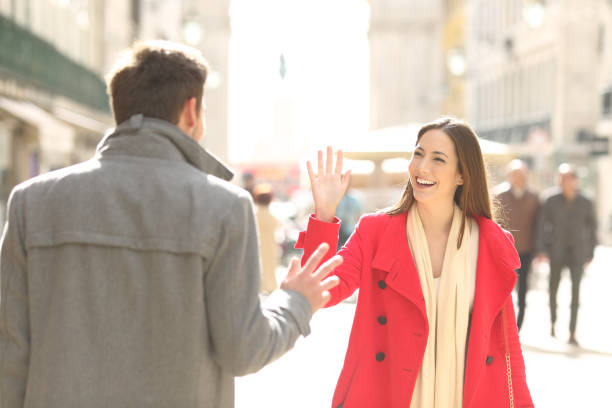
Humans are wired to expect social connections. When a stranger makes brief eye contact or displays polite body language, your brain interprets it as recognition. Social psychologists explain that eye contact signals familiarity and trust. In public spaces, this cue can create a false sense of knowing someone. Your brain assumes shared history when social signals align with expectation. This is why a quick nod or glance from a stranger can feel personal. The familiarity comes from social behavior, not memory.
Cultural Similarities Increase Recognition

People from similar cultural or regional backgrounds often share subtle facial cues, expressions, and mannerisms. Anthropological studies show that shared environments influence how faces develop and move. When a stranger reflects these familiar cues, recognition feels natural. This effect is stronger within close-knit communities or regions. Your brain identifies patterns learned early in life and associates them with belonging. The stranger feels familiar because they fit within a cultural framework your brain recognizes, even without personal interaction.
Stress Reduces Facial Accuracy
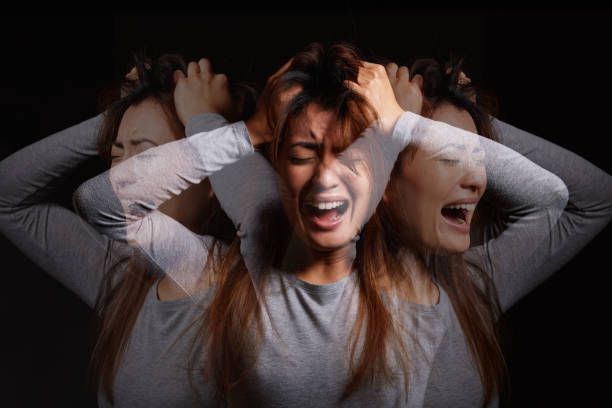
Stress impairs accurate facial recognition. Under mental strain, the brain prioritizes speed over detail. Neuroscience research shows that stress reduces attention to subtle differences, increasing reliance on general impressions. In these moments, strangers are more likely to feel familiar because the brain simplifies perception. Busy schedules, noise, and fatigue all contribute to this effect. Recognition errors rise during stressful periods, making unfamiliar faces seem known. The familiarity feels real, but it’s a byproduct of cognitive overload.
Nostalgia Influences Recognition
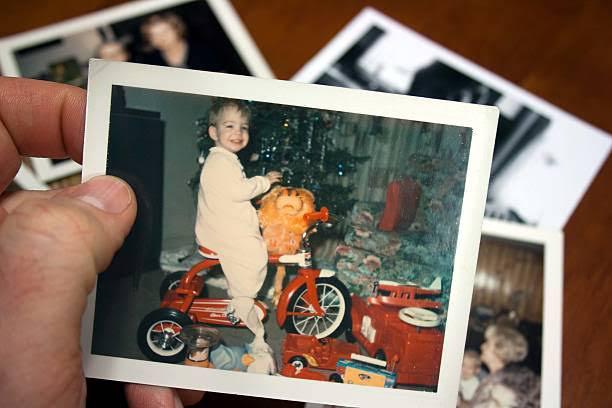
Nostalgia makes the brain search for emotional connections. When you’re reflecting on the past, faces resembling people from earlier life stages stand out. Psychologists note that nostalgic moods heighten sensitivity to familiarity cues. A stranger may remind you of someone from childhood or youth, even if the resemblance is vague. The brain responds to emotional memory rather than factual similarity. This explains why familiar feelings often appear during reflective moments. The recognition is emotional, not literal.
Humans Overestimate Recognition Accuracy

People trust their facial recognition more than they should. Studies consistently show that humans overestimate their ability to identify faces correctly. This confidence makes mistaken familiarity feel convincing. When your brain signals recognition, you rarely question it. Psychologists emphasize that familiarity does not equal accuracy. This overconfidence explains why people are surprised to learn how often misidentification occurs. The feeling of knowing someone is strong, but the evidence behind it is often weak or nonexistent.
Familiarity Is a Survival Feature

Evolution shaped the brain to recognize familiar faces quickly for safety and cooperation. Early humans relied on rapid social identification to survive. As a result, the brain favors familiarity signals, even when uncertain. Evolutionary psychologists explain that false positives were safer than missed recognition. This bias remains today. When a stranger looks familiar, your brain is following ancient instincts designed for social bonding. The recognition may be wrong, but the mechanism is deeply human.
That strange sense of recognizing a stranger isn’t a glitch, it’s a feature of how the human brain works.


