
Why We Still Have That Mysterious Tiny Pocket
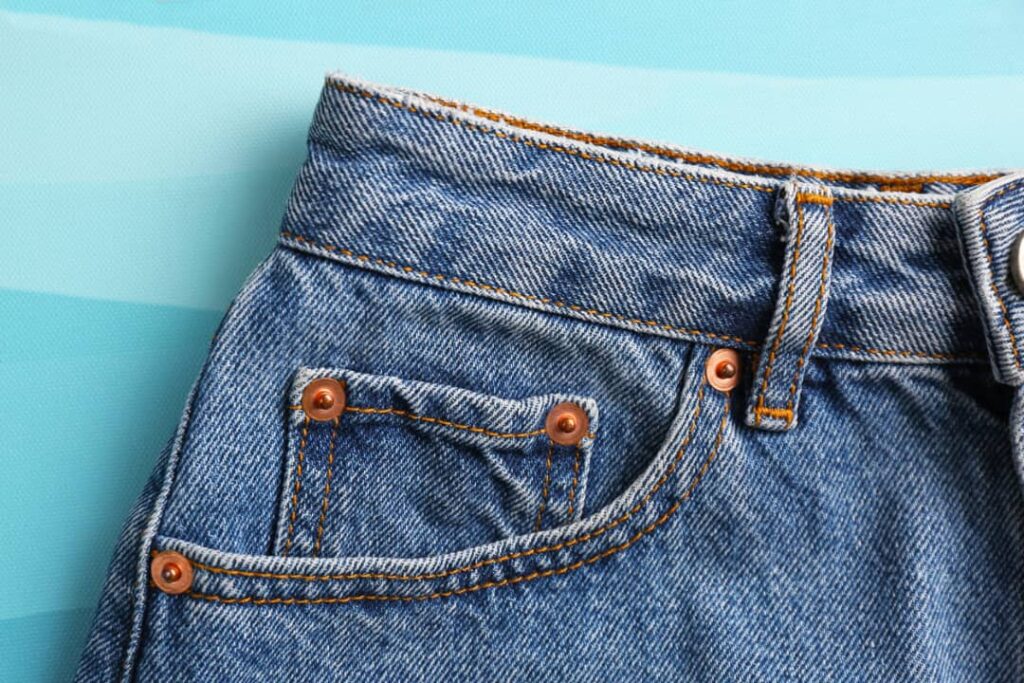
Most of us have reached into our jeans and wondered why there is a miniature pocket tucked inside the main one. It feels like a quirk of modern fashion that serves little purpose other than catching a stray coin or a guitar pick. However, this tiny rectangular slot is actually a historical survivor that has outlived its original function by over a century. It represents a bridge between our high-tech present and the rugged, dusty beginnings of American industrial history.
This small design choice remains a cultural touchstone because it reminds us of a time when durability was a necessity for survival. Whether you are a fan of high fashion or someone who just throws on a pair of old denim for the weekend, you are wearing a piece of a legacy. This pocket tells the story of the American West and the workers who built the country, which makes its continued presence on our waistlines a fascinating mystery of design and tradition.
The Original Watch Holder
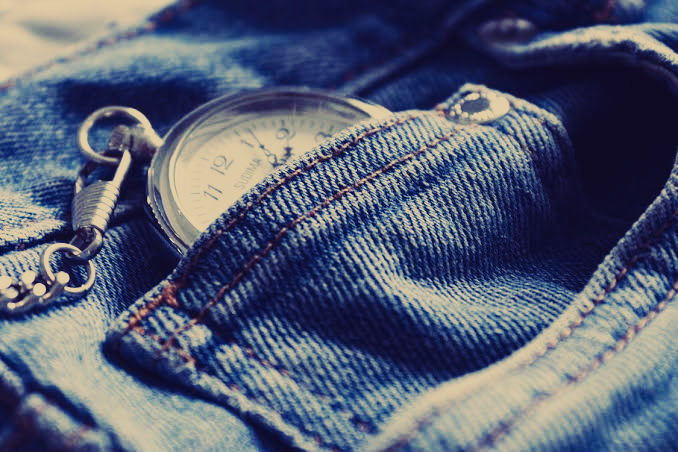
Back in the 1870s, the world moved at a different pace and relied on mechanical tools that required careful handling. For the cowboys and miners who were the primary customers of Levi Strauss, a pocket watch was a vital piece of equipment for keeping track of their shifts. Because these men were constantly on the move or working with heavy machinery, they needed a place to keep their timepieces that was separate from their larger tools.
Levi Strauss designed the tiny pocket specifically to house these watches, which led to a standardized feature that we still see today. While we now check our smartphones to see the time, the pocket remains sized perfectly for those circular vintage watches. It was a functional necessity for the 19th-century laborer who required a snug fit to ensure their most expensive possession did not fall out while they were riding a horse or swinging a pickaxe.
Protection Against Constant Damage

Working in a mine or on a railroad was incredibly grueling work that put a lot of stress on a man’s clothing and gear. Before the specialized pocket was invented, workers often kept their watches in their larger front pockets where they would rattle around against nails and rocks. This lack of organization frequently resulted in cracked glass or scratched metal casings which made the watches unreadable or completely broken after a long day of labor.
The introduction of the small pocket provided a secure and upright storage space that kept the watch face protected against the wearer’s body. This snugness was intentional because it minimized movement and friction whereas a looser pocket would have allowed the watch to bounce around. By creating a dedicated home for the timepiece, the designers essentially created the first protective “case” for personal technology, allowing workers to keep their gear safe throughout the harshest conditions.
Storing Rare Gold Nuggets

During the height of the gold rush in the 1890s, miners found that the watch pocket served an entirely different but equally valuable purpose. When a laborer struck a small vein of gold, they often found tiny nuggets that were far too precious to mix in with their dirty tools or loose change. They needed a place that was easy to access but tight enough to ensure that small pieces of wealth would not slip out during movement.
The watch pocket became the unofficial “vault” for these miners who would tuck their finds deep into the denim fold for safekeeping. This led to the pocket gaining a reputation as a lucky charm among those searching for their fortunes in the American West. It is a charming historical detail that shows how human ingenuity often repurposes design to fit immediate needs, resulting in a tiny pocket that once held the literal dreams of men looking to get rich.
The Fifth Pocket Myth
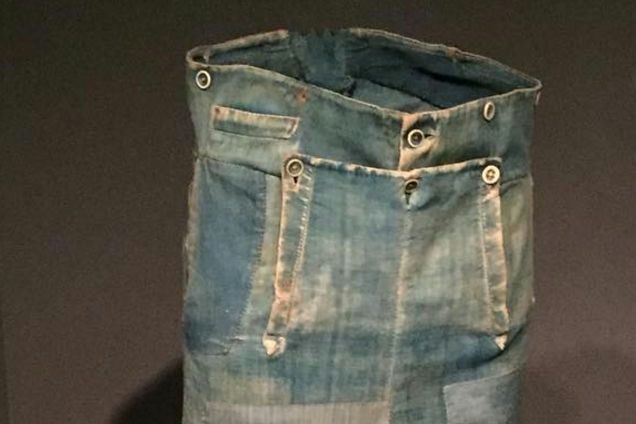
There is a common misconception among denim enthusiasts that the tiny watch pocket is the “fifth pocket” mentioned in many marketing campaigns. However, looking back at the original blueprints from the 1870s reveals that the jeans only featured four pockets in total. This included one back pocket, two front pockets, and the watch pocket itself, which was considered a standard part of the front construction rather than an extra addition to the garment.
The actual fifth pocket did not make an appearance until 1901 when Levi’s added a second pocket to the back of their pants. This change was made to provide more symmetry and storage for the modern wearer, whereas the watch pocket had already been a staple for decades. Understanding this timeline helps debunk the myth and highlights how the tiny pocket was actually one of the founding features of the American blue jean rather than an afterthought.
The Useful Frontier Pocket

As the years rolled by and pocket watches began to lose their dominance, the tiny slot earned several nicknames such as the frontier pocket or the match pocket. During the early 20th century, many men used this space to keep their matches dry and separate from their tobacco. Having a dedicated spot for matches was incredibly convenient for smokers and outdoorsmen alike because it prevented the sticks from snapping under the pressure of sitting or bending.
This transition in name reflects how the pocket adapted to the changing habits of the American public throughout the decades. It remained a vital part of the “frontier” identity even as the Wild West began to fade into history books. The pocket was still seen as a tool for the rugged individual who needed to be prepared for anything, resulting in a design that stayed relevant even when its primary occupant, the watch, started to disappear from daily life.
Removing Wartime Metal Rivets
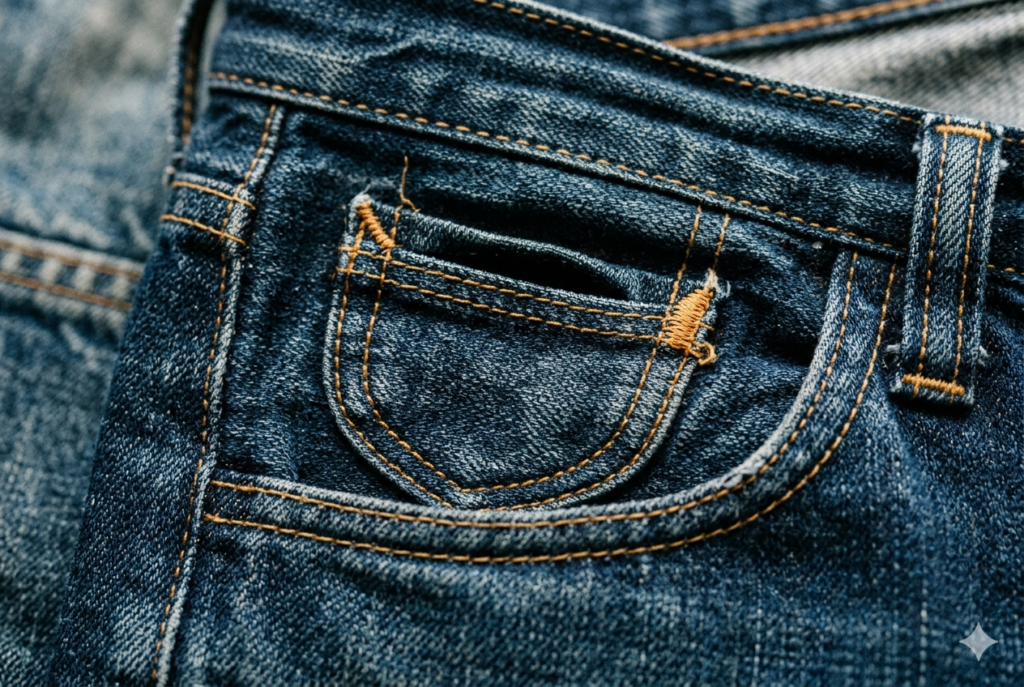
The 1940s brought significant changes to American manufacturing as the country shifted its focus toward the war effort. During World War II, the government issued orders to conserve essential metals like copper and steel for military use. In response to these mandates, Levi Strauss & Co. had to make temporary modifications to their iconic jeans, which led to the removal of the metal rivets that normally reinforced the watch pocket.
These wartime versions of the jeans are now highly sought after by collectors because they represent a specific moment of national sacrifice. Removing the rivets helped save small amounts of metal that could be used for ammunition or machinery, whereas the pocket itself was kept to maintain the classic look. This historical pivot shows how even a small piece of clothing can be influenced by global events, resulting in a temporary shift in a design that had remained unchanged for nearly seventy years.
A Masterpiece of Skeuomorphism
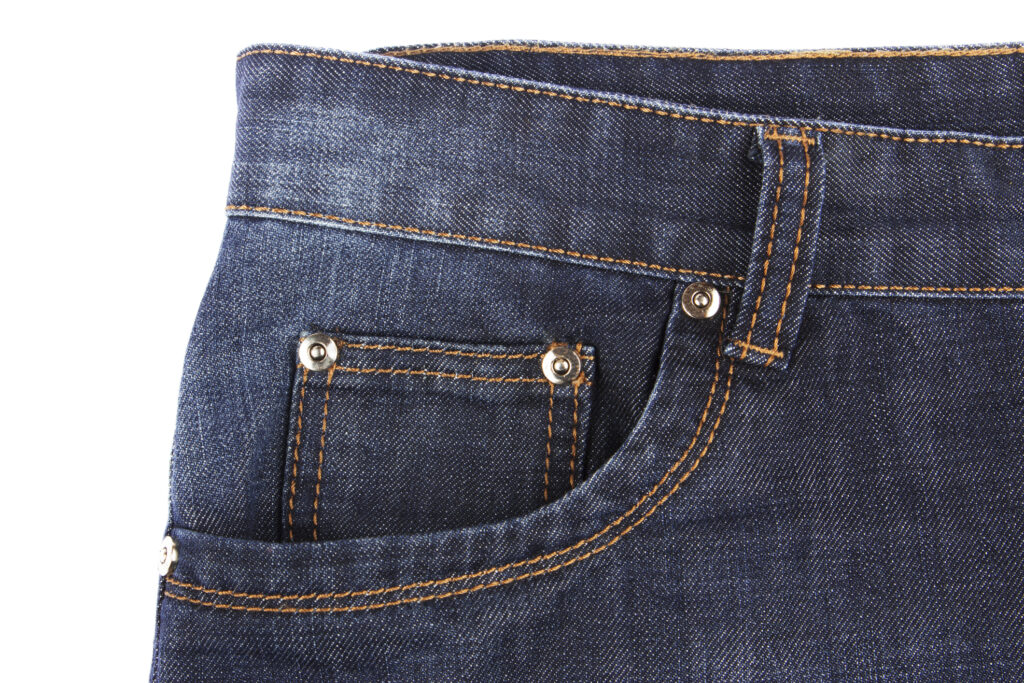
In the world of design, the tiny pocket is a classic example of a skeuomorph, which is a feature that is retained for aesthetic reasons despite no longer serving its original purpose. While almost nobody carries a pocket watch in the modern era, the pocket remains because it is part of the “look” we expect from quality denim. We have become so accustomed to seeing that little rectangle that a pair of jeans might look naked or unfinished without it.
Skeuomorphism allows us to feel a sense of continuity with the past which provides a comforting link to our heritage. Even if we only use the pocket to store a stray bobby pin or a folded twenty-dollar bill, its presence honors the functional roots of the garment. Design choices like this prove that human beings value tradition and familiarity over pure efficiency, resulting in the survival of a nineteenth-century tool kit on a twenty-first-century pair of skinny or baggy jeans.
Preserving The Design Heritage
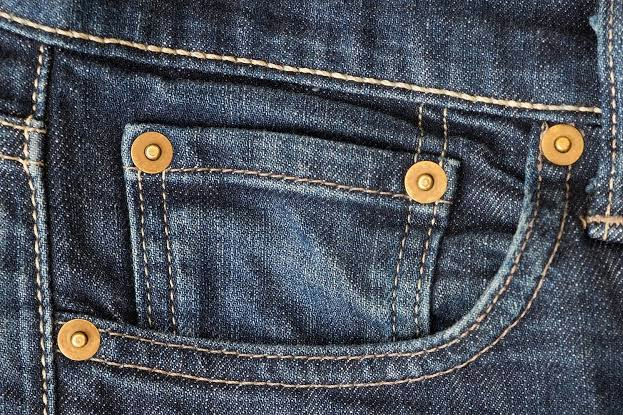
For brands like Levi Strauss & Co., keeping the watch pocket is not just about fashion but about maintaining the integrity of their history. The company has made a conscious effort to keep the pocket on their classic 501 model as a nod to their founders and the original patent. They recognize that their brand identity is tied to the “rugged” image of the American worker, which would be diminished if they started stripping away these iconic details.
This commitment to heritage ensures that every new generation of denim wearers is connected to the miners and cowboys of the past. It serves as a visual signature that distinguishes authentic workwear from cheap imitations that might skip the extra stitching to save on costs. By refusing to remove the pocket, the company treats its clothing like a living museum, resulting in a product that feels timeless and grounded in a very specific, hard-working American narrative.
Hiding The Proposal Ring
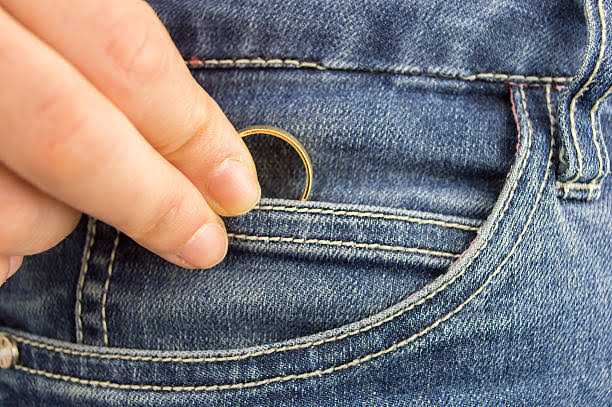
In more modern and romantic contexts, the tiny pocket has found a very specific and secret use as the ultimate hiding spot for an engagement ring. Because the pocket is so small and snug, a ring can sit securely against the hip without creating a suspicious bulge in the fabric. This allows many nervous proposers to keep the jewelry safe and hidden until the perfect moment arrives, whereas a traditional box would be far too bulky to hide.
The height of the pocket also makes it easy to reach into quickly for a smooth reveal which has saved many surprise proposals from being spoiled. It is a funny evolution for a pocket that was once used for dirty gold nuggets and heavy metal watches to now be a vessel for diamonds and romance. This modern utility proves that even the most “obsolete” design features can find new life in the personal milestones of our daily lives.
The Musician’s Pick Pocket
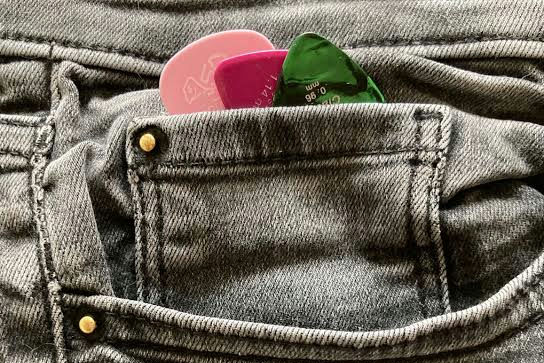
If you talk to any guitar player, they will likely tell you that the tiny pocket is the most useful part of their wardrobe. Guitar picks are notoriously easy to lose and often disappear into the bottom of larger pockets or under couch cushions. The watch pocket provides a shallow and tight space where a few picks can be stored and retrieved instantly during a performance or a practice session without any fumbling.
This has made the “pick pocket” a favorite feature among musicians who appreciate the convenience of having their tools right at their fingertips. It is a perfect example of how a small design can be repurposed by different subcultures to fit their specific hobbies and needs. Even though the era of the pocket watch has long since passed, the era of the rock star has ensured that this little stitch of denim will always have a reason to exist.
The story of the tiny watch pocket is a reminder that fashion is rarely just about how we look; it is a reflection of how we live and what we value.


