
The Science of Sameness

Walking into a hotel room in a new city often feels like a strange case of déjà vu. Whether you are in a bustling corner of New York or a quiet suburb in the Midwest, the layout remains remarkably consistent. You will likely find the bathroom near the door, a desk tucked by the window, and a bed positioned right in the center. While some might find this repetitive or even boring, this architectural “sameness” is actually a triumph of modern engineering and careful planning that serves a very specific purpose for the traveler.
This reflects our deep-seated need for comfort and predictability when we are away from home. In a world that is constantly changing, the standardized hotel room offers a rare sense of reliability. It is a design language born from decades of trial and error, balancing the complex needs of construction budgets with the psychological desire for a safe haven. Understanding why these rooms look identical reveals a human behavior that continues to shape how we experience the world.
The Power Of Shared Plumbing
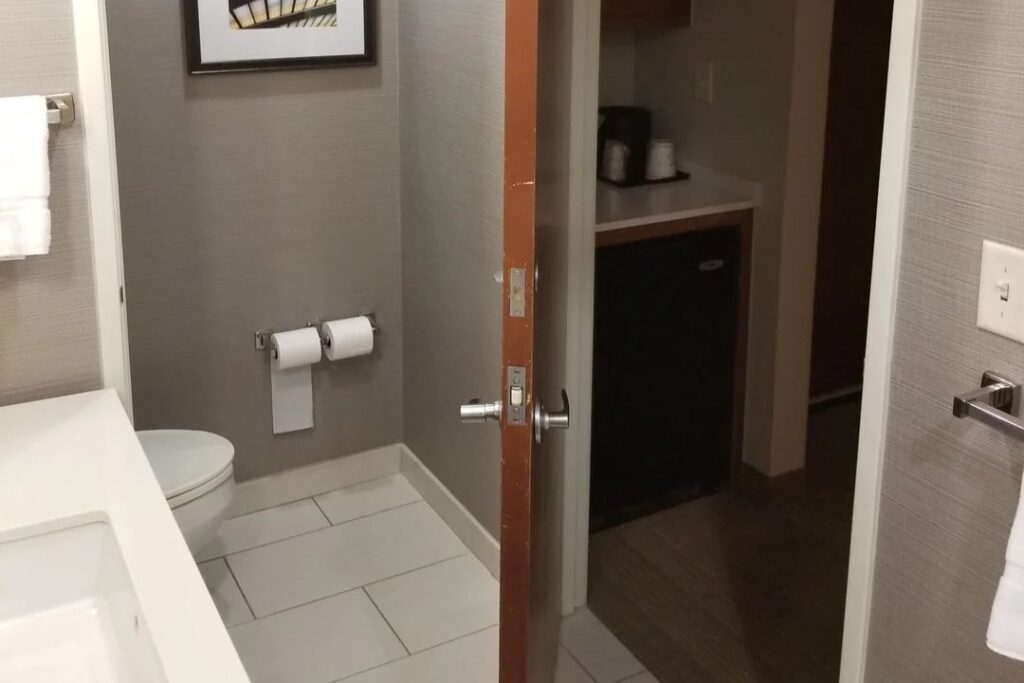
One of the primary reasons your hotel bathroom is almost always located right next to the entrance involves the hidden world of pipes and wires. To save on massive construction costs, architects design hotels so that bathrooms in adjacent rooms are placed back-to-back. This clever configuration allows two separate units to share a single “wet wall” for all plumbing and ventilation needs. By centralizing these utilities, developers can cut down on installation expenses by nearly twenty-five percent which makes the entire project more viable.
Beyond the initial build, this layout creates a streamlined system for long-term maintenance. When a leak occurs or a pipe needs replacing, engineers only have to access one specific area to service multiple rooms at once. This efficiency keeps room rates lower for guests while ensuring that the “guts” of the building remain hidden away from the living area. It is a purely functional choice that dictates the entire flow of the space, resulting in that familiar hallway-style entry we have all come to expect.
Structural Grids Define Space
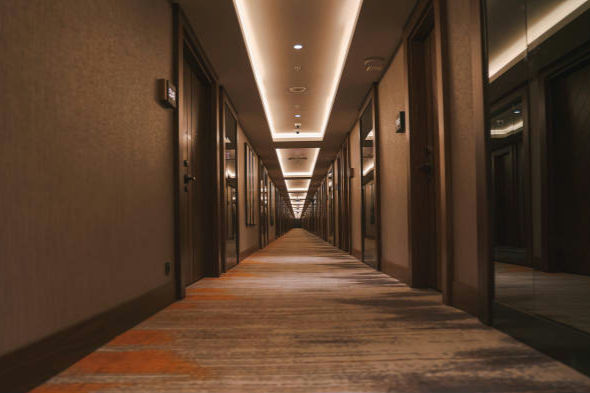
Most modern hotels are constructed using a rigid structural grid with heavy support columns spaced roughly five to six meters apart. This specific distance is the gold standard for stability in large buildings but it also creates a fixed width for every single unit. Because the width is non-negotiable, the rooms naturally become long and narrow to maximize the total square footage. This “shoebox” shape leaves very little room for creative furniture placement which is why the bed is almost always forced against a side wall.
This layout is further reinforced by the need for a clear line of sight to the television. In a narrow room, placing the bed perpendicular to the long wall is the only way to ensure guests can watch their favorite shows comfortably from under the covers. If the bed were turned another way, it would block the walking path or make the room feel cramped and cluttered. Consequently, the bones of the building itself act as a blueprint that forces every designer to follow the exact same floor plan.
Efficiency In Every Movement
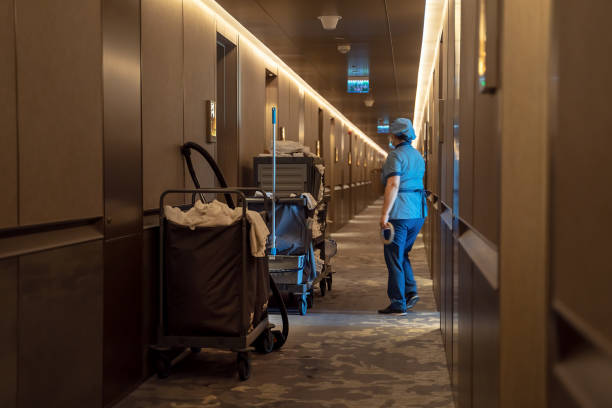
Standardization is the secret weapon of the housekeeping department. In a busy hotel, staff members are often required to clean a room in a tight twenty to thirty minute window to stay on schedule. When every room is an exact replica of the last, cleaners can develop a “muscle memory” that allows them to move through the space with incredible speed. They know exactly where the extra towels go and where the remote should sit without having to think twice about the layout of the furniture.
This predictability reduces the physical strain on workers and minimizes the chance of forgotten tasks or simple human errors. If every room had a unique design, the training process would be a nightmare and the time required to clean each unit would skyrocket. By keeping things identical, management can maintain a rigorous standard of cleanliness across hundreds of rooms. This operational efficiency is a major factor in why corporate chains prefer the “cookie-cutter” approach over a more diverse or artistic interior design style.
The Comfort Of No Surprises
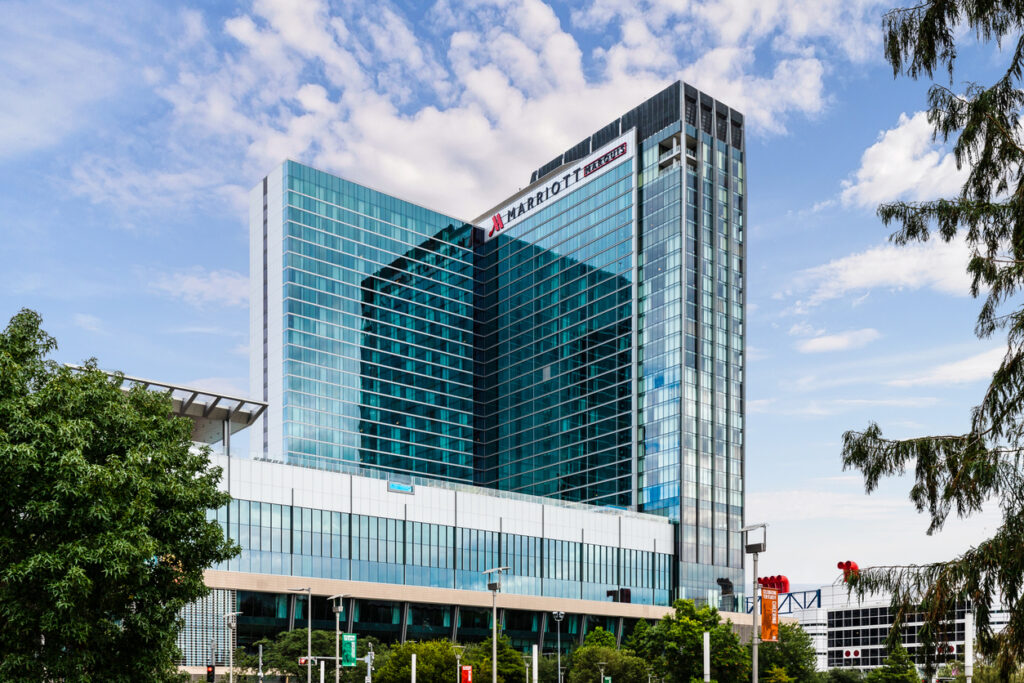
The history of the American hotel is deeply tied to the growth of the interstate highway system and the rise of the middle-class traveler. Decades ago, long-distance travel was a gamble because local inns were wildly inconsistent in terms of quality and safety. Brands like Marriott and Hilton built their empires by offering a guaranteed experience that removed the “uncertainty factor” from a road trip. People began to choose these chains specifically because they knew exactly what the bed, the bathroom, and the breakfast would look like.
This psychological need for reliability remains a powerful force in the industry today. When a tired traveler arrives at a hotel at midnight, they do not want to solve a puzzle or navigate a confusing room layout. They want a space that feels familiar and intuitive so they can relax immediately. This sense of “home away from home” is carefully curated through a repetitive design that prioritizes ease of use over artistic flair. It turns the hotel room into a dependable product rather than a risky or unpredictable experience.
Maintenance Made Simple
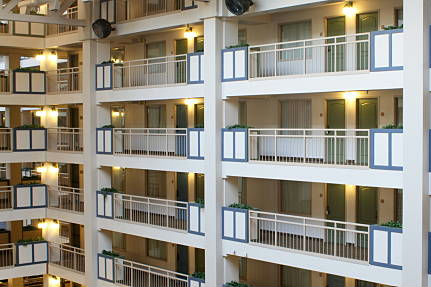
Managing a hotel with one hundred identical rooms is significantly cheaper and easier than maintaining a property where every space is unique. From a logistics standpoint, standardization means the maintenance team only needs to stock a handful of lightbulb types, showerheads, and furniture components. If a desk chair breaks or a lamp fails, a replacement can be pulled from a central inventory and installed within minutes. This allows the hotel to handle repairs instantly without having to wait for custom parts to be shipped.
This approach also simplifies the process of large-scale renovations which typically happen every few years. When it is time to refresh the upholstery or replace the carpeting, the hotel can buy materials in bulk at a steep discount. Having a uniform color palette and furniture set ensures that the entire property looks cohesive and well-maintained. This economy of scale is a major driver of profitability for large chains, resulting in a consistent look that guests can find in almost any city across the country.
Compliance With Legal Standards

In the United States, hotel design is heavily influenced by the strict requirements of the Americans with Disabilities Act. These legal guidelines dictate very specific clearances for hallways and furniture, such as requiring thirty-six inches of open space around the bed for wheelchair access. Because developers want to maximize the number of rooms they can fit into a building, these legal “minimums” often become the default blueprint for every single room in the facility. It is simply more efficient to build every room to the same high standard of accessibility.
By adopting a universal design that meets ADA criteria, hotels avoid the risk of legal complications while ensuring that all guests can navigate the space comfortably. This focus on compliance means that furniture must be placed in very specific locations to maintain the required “turning radius” and path of travel. While these rules are essential for inclusivity, they also limit the creative options available to architects. The result is a highly functional but very predictable room layout that prioritizes safety and legal adherence above all else.
Durability Over High Fashion
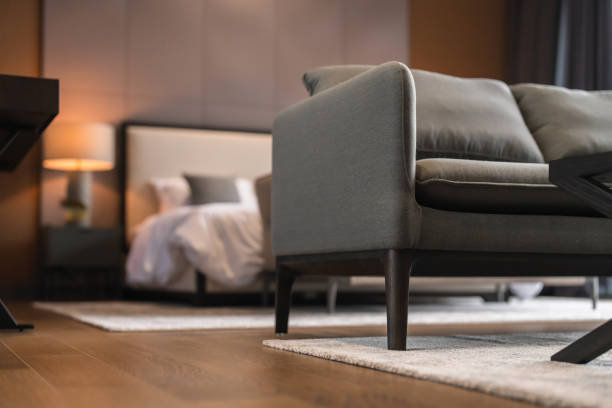
Hotel furniture has to survive a level of “wear and tear” that would destroy most residential pieces. Instead of solid wood, which can scratch or warp easily, hotels almost always use high-pressure laminates and durable veneers. These materials are chosen because they are resistant to water rings from glasses and can withstand harsh cleaning chemicals. While they might not have the warmth of a custom-built dresser, they are designed to look “new” for much longer under the pressure of constant guest turnover.
This focus on durability often leads to a specific aesthetic that feels a bit more corporate than a typical bedroom. Manufacturers produce these heavy-duty pieces in high volumes, which further pushes hotels toward a standardized look. Designers prioritize items that are easy to wipe down and difficult to break, resulting in sturdy, blocky furniture that serves its purpose without demanding too much attention. This trade-off ensures that the room remains functional for thousands of guests even if it lacks the personality of a private home.
The Logic Of Zoning
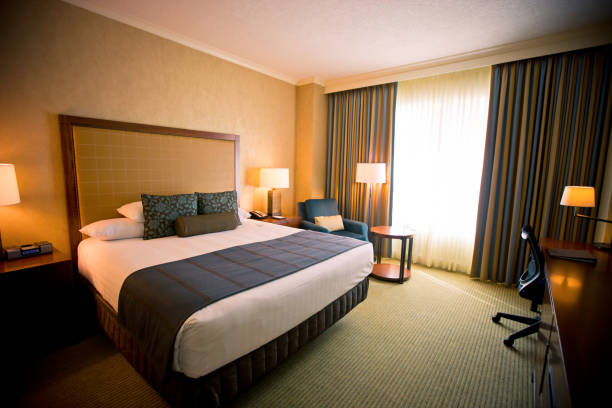
Even in a relatively small hotel room, designers work hard to create distinct “zones” for sleeping, working, and relaxing. This is a psychological trick intended to make a cramped space feel more versatile and expansive. A large curtain is used to cover the window and the desk is placed near the window. This way, the guest receives natural light for work whereas placing the bed far from the window to keep the “sleeping zone” tucked away from the noise of the hallway. This layout is widely considered the most efficient way to maximize the utility of a rectangular footprint.
This zoning strategy is not just about comfort but also about flow and movement. By keeping the entrance clear and the vanity area separate, two people can move around the room without constantly bumping into each other. It is a formulaic approach that has been refined over decades to suit the widest possible range of travelers. Because this specific arrangement works so well for the average person, there is very little incentive for hotels to experiment with unconventional or risky furniture placements.
Neutrality For Universal Appeal
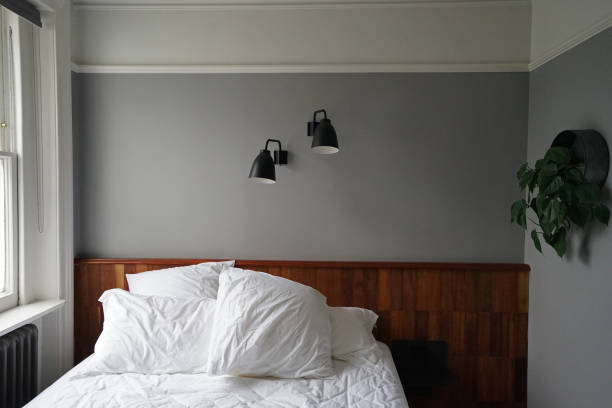
If you have ever wondered why so many hotel rooms are painted in shades of beige, gray, or white, the answer lies in color psychology. These neutral tones are chosen because they evoke feelings of cleanliness, calm, and professional stability. A bright red or deep purple wall might appeal to a small group of people, whereas it could be off-putting or even stressful to many others. To ensure the room appeals to the widest possible demographic, hotels stick to a “safe” palette that feels fresh and unobtrusive.
These neutral colors also provide a clean backdrop that makes it easier for guests to spot dirt or debris, which ironically increases their trust in the hotel’s cleaning standards. White linens and light-colored walls send a signal that nothing is being hidden. This visual transparency is vital for maintaining a reputation in the hospitality industry. While it may result in a room that feels a bit sterile, it provides a blank canvas that allows any traveler to feel settled and secure regardless of their personal style.
The Purpose Of Platforms
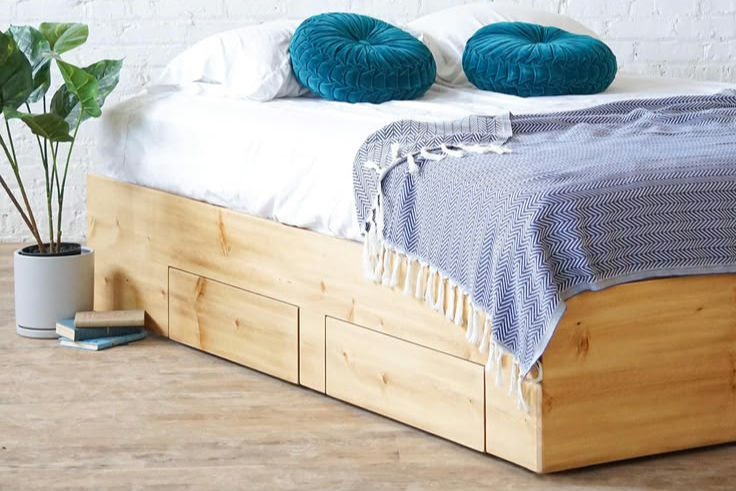
One of the most recent trends in American hotel design is the shift toward platform beds with no open space underneath. While this might look like a modern stylistic choice, it is actually a very practical decision driven by efficiency and loss prevention. By eliminating the gap beneath the bed, hotels prevent guests from accidentally losing socks, chargers, or jewelry in hard-to-reach places. More importantly, it prevents the accumulation of trash and dust bunnies that would otherwise require extra time and effort for the cleaning crew.
This design choice speeds up the room turnover process significantly because the housekeeper does not have to bend down or use a vacuum extension to reach under the bed. It also reduces the likelihood of “unpleasant surprises” being left behind by previous occupants, which helps maintain a high standard of hygiene. The solid base of a platform bed is a simple engineering solution to a common operational problem. It is yet another example of how the smallest design details are carefully calculated to improve the bottom line while keeping the guest experience seamless.


