
Modern travel feels heavier, even before takeoff
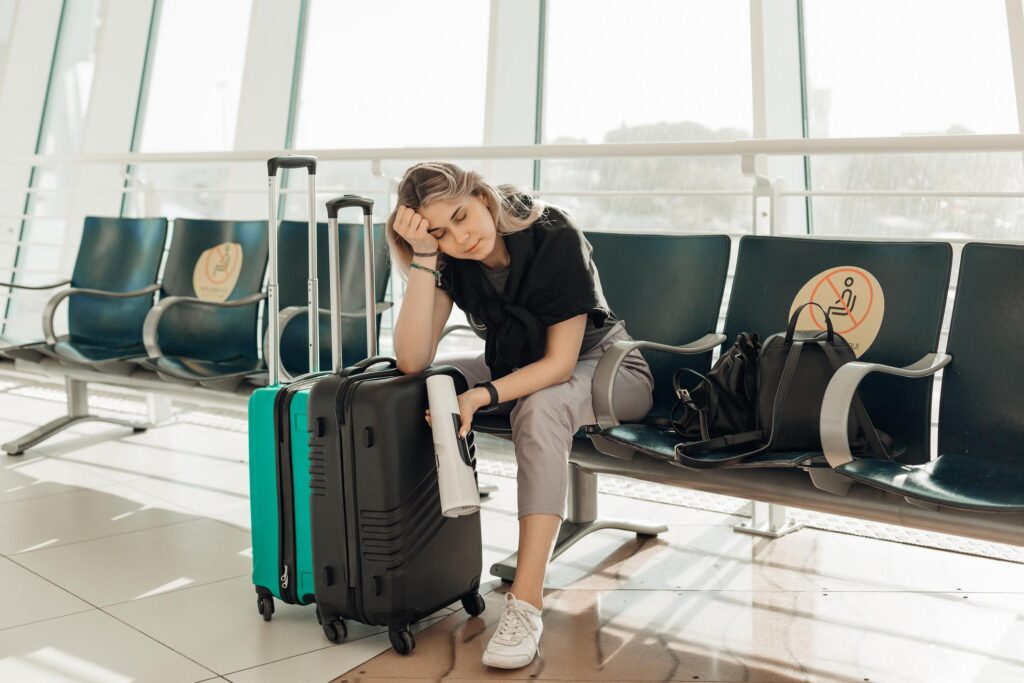
Traveling used to feel like a grand adventure, but these days, just getting to the gate feels like a marathon. Back in the early 1990s, you could practically breeze through the terminal, grab a coffee, and relax before your flight. Now, that excitement has been replaced by a weird sense of tension. It isn’t just one thing that ruined the vibe; it is a bunch of small changes that added up over time. We have more security, way more people, and technology that keeps us glued to our screens. It creates this constant state of “hurry up and wait” that leaves most of us feeling totally wiped out before the plane even leaves the tarmac.
The shift happened gradually as airports moved away from being simple transit hubs and started feeling like high-pressure zones. Between the tighter security protocols implemented after 2001 and the way terminals are now designed to funnel you through shops, the layout is basically a maze. You are constantly monitoring your watch, checking for gate changes, and navigating through massive crowds. Instead of being a place to start a vacation, the modern airport has become a gauntlet of micro-stressors. By the time you actually sit down in your cramped middle seat, you’ve already spent hours in a state of high alert, making the whole journey feel much heavier than it used to.
Mandatory Screening Pressure
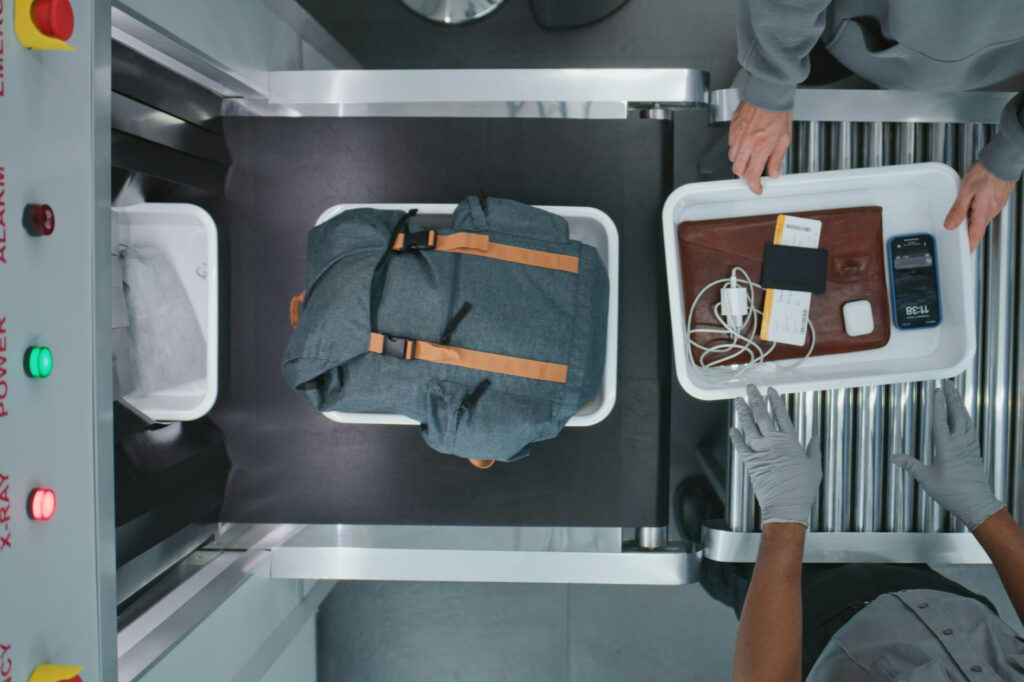
We all know that security is a must for keeping everyone safe, but let’s be honest, it is easily the most draining part of the trip. Since the TSA was established in November 2001, the process has become incredibly detailed and, at times, a bit overwhelming. You’re juggling bins, taking off your shoes, and worrying if that tiny bottle of shampoo is actually 3.4 ounces. It’s a high-stakes environment where everyone is watching you, and the pressure to move fast while following a dozen rules can make even the calmest person feel a little bit rattled or even embarrassed.
The mental toll of this process is actually backed by data. Many travelers report feeling significant frustration or anxiety while standing in those long, winding lines. In fact, industry studies have shown that nearly 50% of passengers find the security process to be the most stressful part of their entire day. The uncertainty of how long the line will take, combined with the invasive nature of pat-downs or body scanners, creates a lingering tension. Even if you get through in record time, that “fight or flight” energy stays with you, leaving you mentally exhausted before you’ve even seen your departure gate.
Crowded Boarding Zones
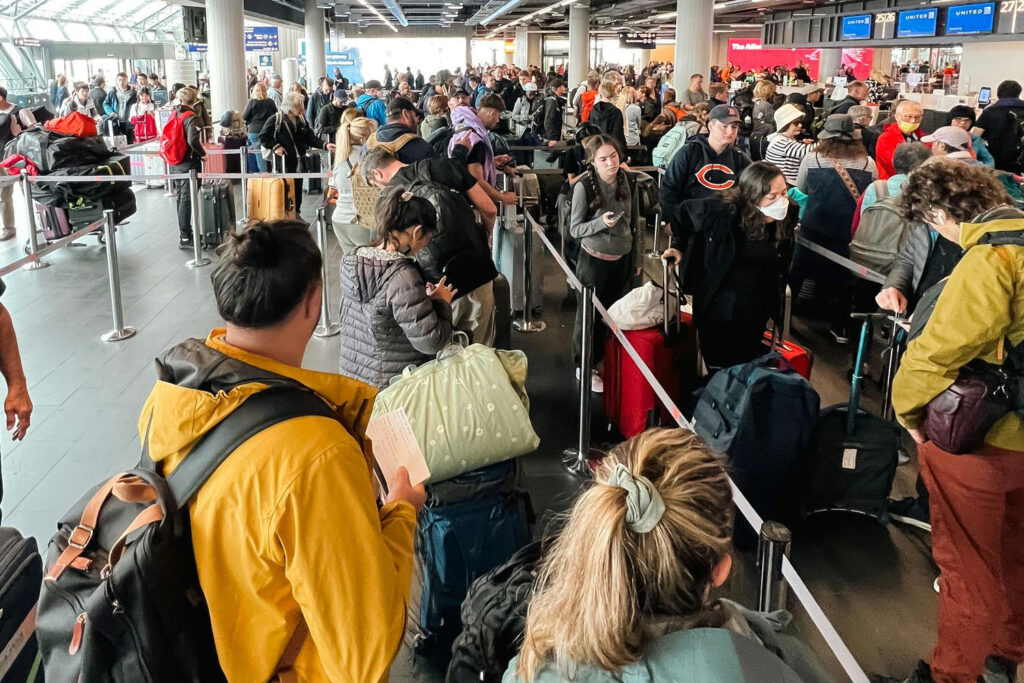
Have you ever noticed how everyone starts hovering around the gate long before the flight is actually ready? This phenomenon, often called “gate crowding” or “gate lice,” is a huge source of hidden stress. Even though we all have assigned seats, there is this frantic energy in the air. People are worried about finding space for their carry-on bags in the overhead bins, or they’re scared they might miss a crucial update. It turns what should be a quiet waiting period into a weirdly competitive sport where everyone is eyeing each other’s luggage and position in line.
This crowded environment makes it almost impossible to actually relax. Instead of sitting down and reading a book, you’re usually standing shoulder-to-shoulder with strangers, trying to hear announcements over the terminal noise. On a busy travel day, like the record-breaking Sunday after Thanksgiving in 2023 when millions hit the skies, this congestion reaches a boiling point. The physical closeness and the constant need to stay alert for your boarding group mean your brain never gets a chance to switch off. It’s a subtle form of environmental pressure that makes the start of your flight feel rushed and chaotic rather than smooth.
Retail Maze Layouts
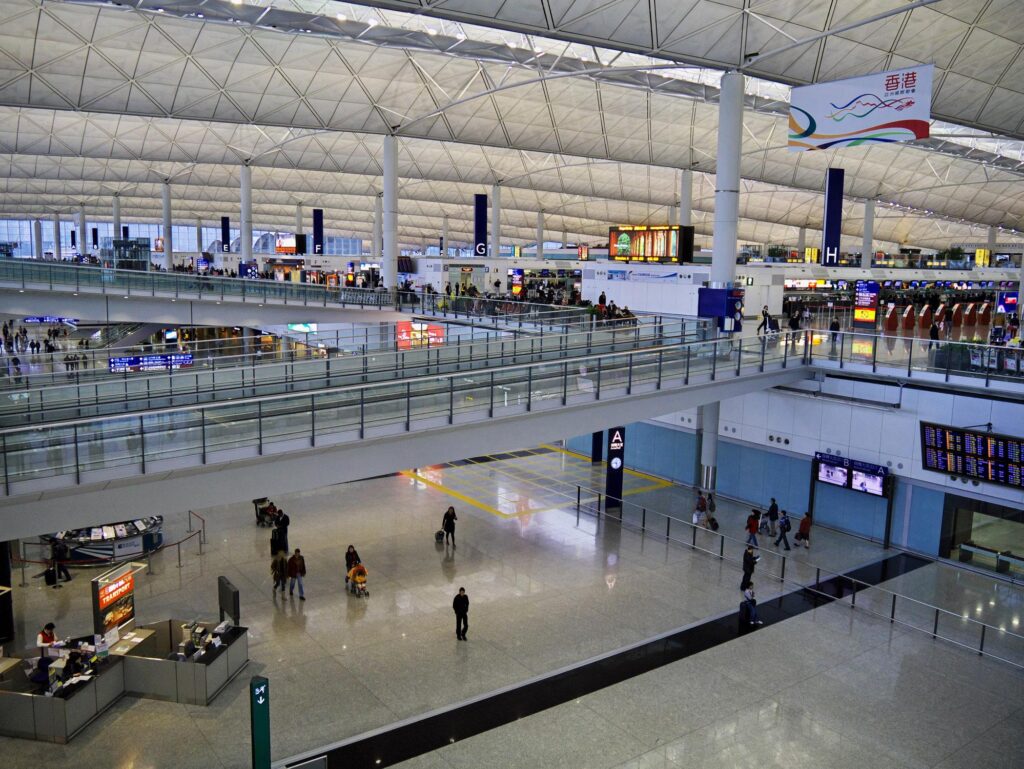
If you feel like you’re walking miles just to find your gate, you’re probably right. Modern airports are increasingly designed like giant shopping malls rather than transportation centers. Many terminals now use “forced-flow” layouts that lead you on a winding path through duty-free shops and high-end boutiques before you can even see a sign for your terminal. This design choice is great for airport revenue, but it’s pretty exhausting for travelers. You’re forced to navigate through a barrage of bright lights, loud ads, and shoppers when all you really want to do is find a seat.
This “retail maze” creates a lot of mental fatigue because it forces you to constantly process new information. You have to stay focused on finding the right signs while dodging people looking at perfume or electronics. It adds unnecessary distance to your walk, which is a major pain if you’re already running a little late. By prioritizing commerce over a direct path to the plane, airports have turned a simple walk into a tiring trek. Instead of a calm transition to your destination, you end up feeling disoriented and overstimulated by the time you finally reach the end of the concourse.
Future-Focused Anxiety
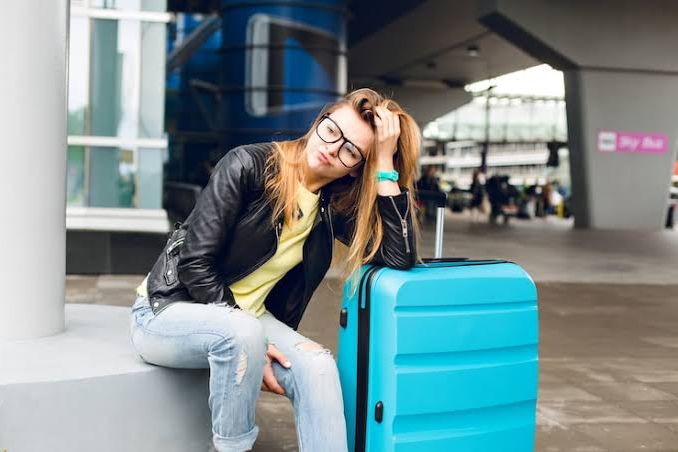
One of the biggest reasons airports feel so heavy is that they force us to live entirely in the future. From the second you pull up to the curb, your brain is already five steps ahead. You’re thinking about the check-in line, then the security wait, then finding the gate, and eventually the boarding process. There is almost no opportunity to just “be” in the moment because the entire system is built around deadlines and transitions. This constant mental gymnastics creates a low-level hum of anxiety that doesn’t go away until the plane is actually in the air.
This state of constant anticipation is why we find ourselves refreshing travel apps every two minutes or staring at the departure screens even when we know our flight is on time. According to travel psychology experts, this “anticipatory stress” is what wears us down the most. Even a tiny change, like a gate shift from Gate A1 to B20, can feel like a major crisis when you’re already on edge. On peak travel days, like the busy summer of 2024, this pressure is amplified by the sheer volume of other people doing the exact same thing, making the airport experience feel like a mental marathon.
Disorienting Spaces

Have you ever stood in the middle of a massive airport terminal and felt totally lost, even with all the signs around? That’s because modern airport architecture often focuses more on looking “cool” and “grand” than being easy to navigate. These huge, open spaces with glass ceilings and minimalist designs can be beautiful, but they often lack the clear landmarks we need to feel grounded. It creates a “no man’s land” vibe where you feel like a tiny speck in a giant, impersonal machine, which can be surprisingly stressful for the average traveler.
When a space is disorienting, your brain has to work much harder to figure out where you are and where you’re going. You find yourself second-guessing every turn and stopping frequently to check the maps or your phone. This lack of spatial clarity leads to “wayfinding stress,” where the simple act of moving from Point A to Point B becomes a chore. Instead of feeling like you’re in control of your journey, you feel like you’re just wandering through a massive, echoing hall. This subtle feeling of being “unmoored” adds a layer of tension that contributes to that overall sense of travel burnout.
Tech Dependence Stress
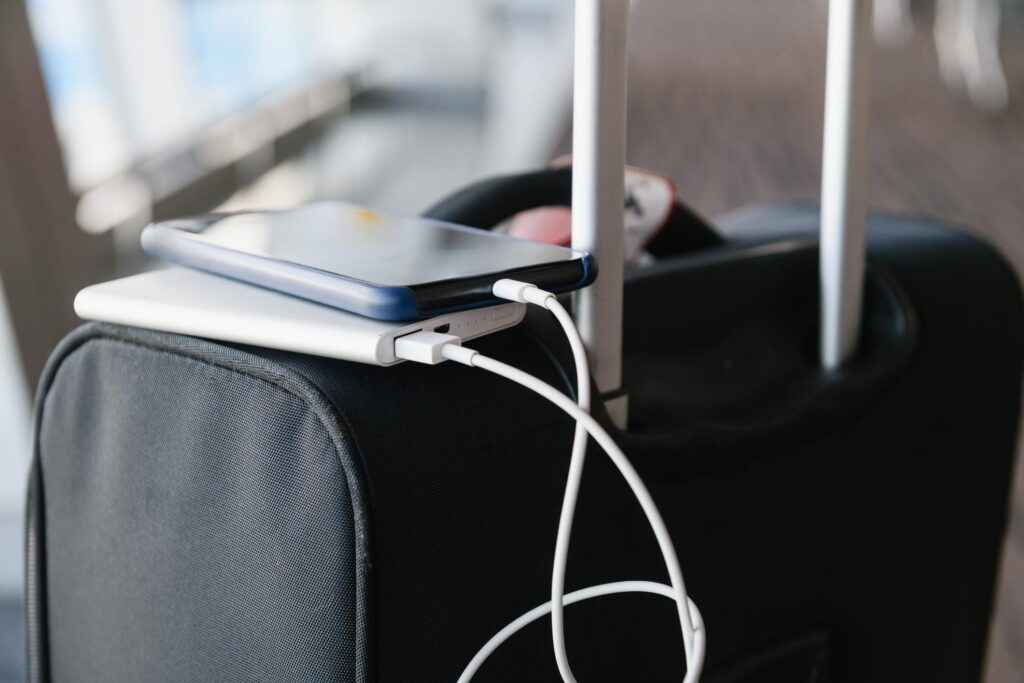
Technology was supposed to make traveling easier, but in many ways, it has just shifted the stress onto our own shoulders. Think about it: your boarding pass, your gate updates, and even your food orders are all trapped inside your smartphone. While it’s convenient to have everything in one place, it also means you are one dead battery or one “server error” away from a total disaster. The pressure to keep your phone charged and stay connected to the airport Wi-Fi creates a new kind of “digital anxiety” that didn’t exist twenty years ago.
If your phone screen freezes or an app won’t load while you’re at the front of the security line, the panic is real. This dependence means we are constantly hovering around charging stations, which are often crowded, or digging through bags for power banks. Instead of the airport staff handling the details, the responsibility is now on you to manage the data. On a busy travel day, like during the 2024 holiday season, this reliance on technology can feel like a huge burden. It turns what should be a hands-free experience into a constant struggle to stay plugged in and updated.
Pay-To-Relax Culture
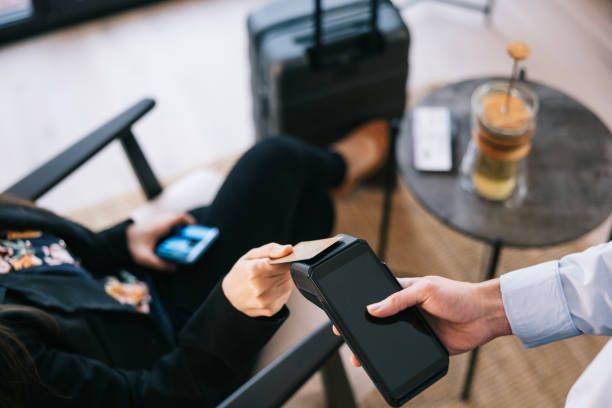
It’s no secret that comfort at the airport now comes with a literal price tag. Over the last decade, we’ve seen a massive rise in “tiered” travel. If you have the right credit card or a deep wallet, you can bypass the chaos in a quiet, luxury lounge with free snacks and comfy chairs. Meanwhile, everyone else is left to fight over the few available metal seats near the loud, crowded gates. This “pay-to-relax” culture creates a visible divide that makes the standard travel experience feel even more hectic and frustrating by comparison.
Seeing a peaceful lounge through a glass door while you’re sitting on the floor next to a trash can definitely adds to the stress. Research shows that as terminals become more crowded, the “stress gap” between premium and economy travelers grows wider. Many people now feel forced to pay for things like “Fast Track” security or lounge passes just to keep their sanity intact. This turns a basic human need, like a quiet place to sit, into a luxury commodity. It makes the average person feel like they’re stuck in the “slow lane,” which only adds to the resentment and exhaustion of a long travel day.
Constant Noise Exposure
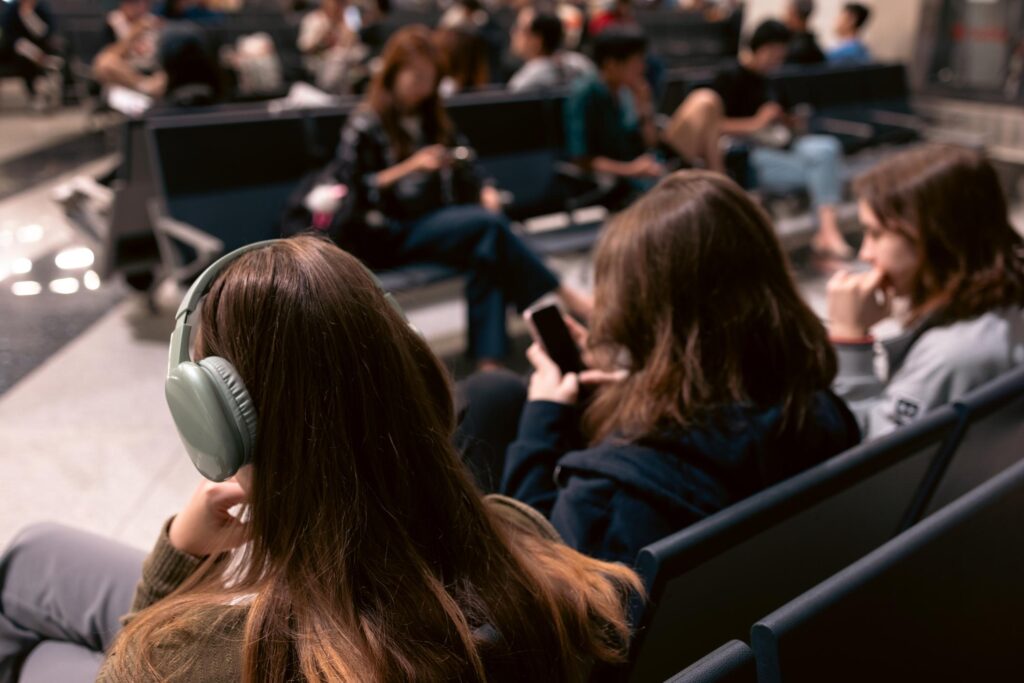
Airports are never truly quiet, and that constant noise is doing more damage to your mood than you might realize. Between the “final boarding” pages, the hum of the air conditioning, the rolling suitcases, and the loud TV news at every bar, your ears are under a non-stop assault. This is what scientists call “sensory overload.” Even when you think you’re ignoring the noise, your brain is actually working overtime to filter out the junk sounds so you can listen for the one announcement that actually matters to you.
By the time you’ve spent three hours in a noisy terminal, your nervous system is usually in a state of high alert. This constant stimulation keeps your body from ever reaching a state of true relaxation. It’s why you might feel irritable or get a headache after a long layover. In particularly busy hubs, like Atlanta’s Hartsfield-Jackson, the decibel levels can stay consistently high for eighteen hours a day. Without any “quiet zones” to retreat to, your brain stays stuck in a defensive mode, making the whole airport experience feel like one long, loud, and incredibly draining ordeal.
Overwhelming Passenger Volume
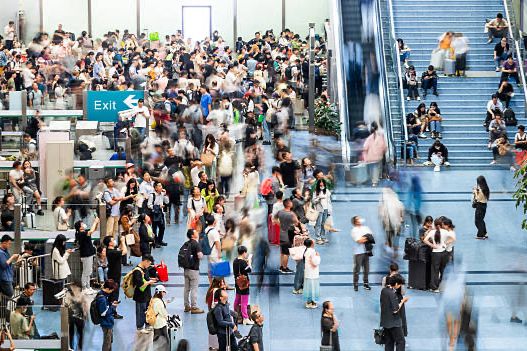
The sheer number of people in airports today is enough to make anyone’s head spin. Since the mid-2000s, the number of global air travelers has skyrocketed, and many airports are still using layouts designed for much smaller crowds. When you’re stuck in a sea of thousands of people, everything takes longer and requires more effort. You’re constantly navigating around strollers, dodging hurried business travelers, and waiting in line for everything from the bathroom to a bottle of water. This high density makes the entire atmosphere feel tense and claustrophobic.
Surveys from 2023 and 2024 show that the majority of travelers feel airports are noticeably more crowded than they were just five years ago. This “people pressure” changes how we behave; we move faster, we’re more defensive of our personal space, and we get frustrated more easily. When a terminal is at capacity, there’s no room for error, one late flight can cause a massive backup that affects thousands. Living through that level of congestion makes the airport feel less like a gateway to the world and more like a crowded stadium where you’re just trying to survive the halftime rush.


