
1. The Early Days of Square Windows
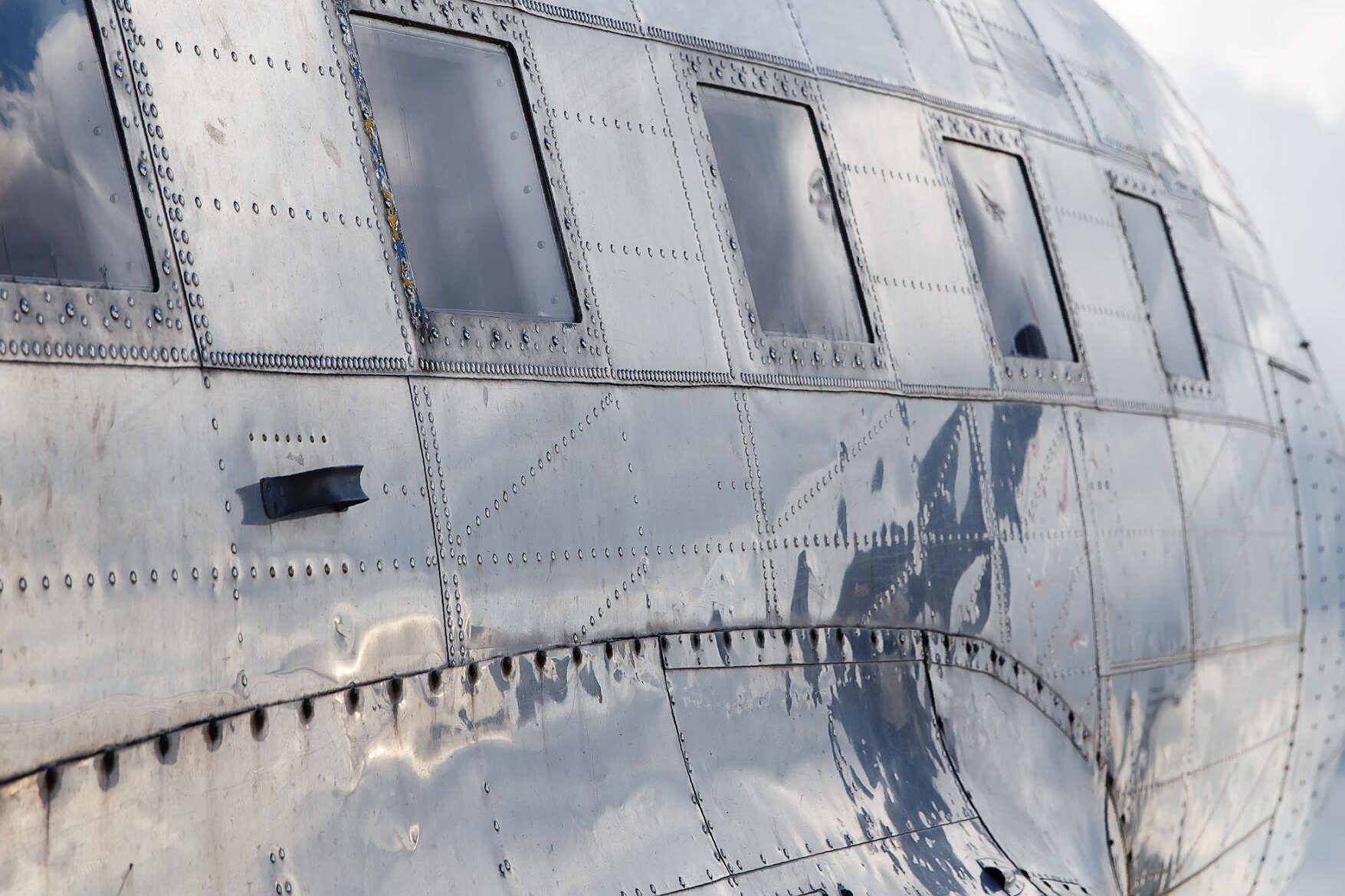
It’s surprising to think that airplane windows weren’t always rounded. In the earliest jet airliners, like the de Havilland Comet, windows were square. Back then, square shapes were easier to manufacture and fit the sleek, modern aesthetic of the time. They seemed practical, simple, and unremarkable. Passengers didn’t notice anything unusual, and engineers didn’t suspect that shape could cause serious problems. On the surface, square windows looked like a harmless design choice, and they even seemed more stylish in the cabin interiors of the 1950s.
The problem emerged as planes started flying higher and longer. Pressurization became a routine requirement to keep passengers safe and comfortable. Square windows created stress points at each corner, concentrating pressure in one small area every time the cabin was pressurized. Over repeated flights, these stress points slowly caused tiny cracks, a phenomenon engineers call “stress concentration.” The corners of square windows became weak spots, and the small fractures grew with each flight. It was a hidden danger, invisible until it became impossible to ignore. What began as a practical design slowly revealed a serious flaw, setting the stage for a fundamental rethink in airplane window design that would change aviation forever.
2. When Cracks Started Telling a Story
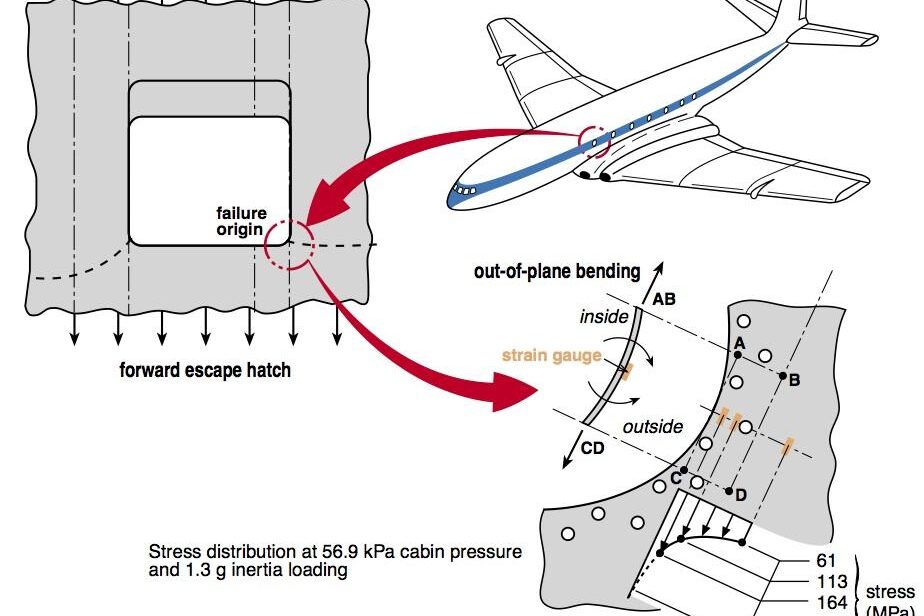
At first, the cracks around the square airplane windows were barely noticeable. Flights continued normally, and passengers never suspected anything was wrong. The tiny fractures developed slowly over time as repeated pressurization cycles strained the corners. Initially, the cracks were small, just microscopic splits in the metal or fuselage material, but they were the beginning of a larger problem. Over repeated flights, the cracks spread, showing engineers that something structural was occurring. It was subtle, but it left a pattern that couldn’t be ignored.
Stress was always concentrated at the corners, which is exactly what engineers had feared in hindsight. Sharp angles in materials intensify pressure in one spot, instead of distributing it evenly. Every cycle of pressurization made those corners weaker, and eventually, the structural integrity of the window area was compromised. Investigators realized that the issue wasn’t random or caused by poor materials; it was built into the design. Square windows, once a symbol of sleek modernity, had unintentionally introduced a hidden risk. Understanding this pattern was a turning point, revealing the importance of geometry in aviation safety and prompting a new approach that would prevent future accidents.
3. A Turning Point in Aviation Safety
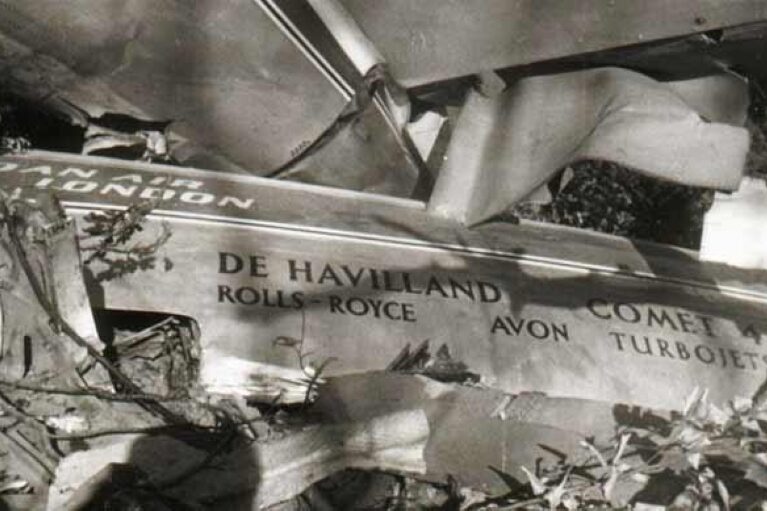
The real turning point in airplane window design came after a series of tragic Comet crashes in the 1950s. Investigators and engineers began carefully analyzing how the aircraft structure responded to repeated pressurization. Pieces of fuselage were tested under laboratory conditions, submerged in water tanks, and repeatedly pressurized to simulate real flights. The results were clear: cracks always began at the corners of square windows, spreading outward until failure occurred. These accidents were devastating but crucial in teaching engineers that small design details could have large consequences.
Reports at the time emphasized that metal fatigue initiated at stress-concentration points near the window edges. It became clear that safety depended on rethinking the design from scratch. Rounded windows, or oval shapes, were proposed because they could evenly distribute stress and prevent corners from becoming weak spots. This moment was a lesson for aviation and engineering more broadly: even small, seemingly minor features could determine whether a system succeeded or failed. From that point on, window shape became a central consideration, and aircraft design shifted toward prioritizing safety over purely aesthetic or manufacturing convenience.
4. Why Rounded Windows Make All the Difference
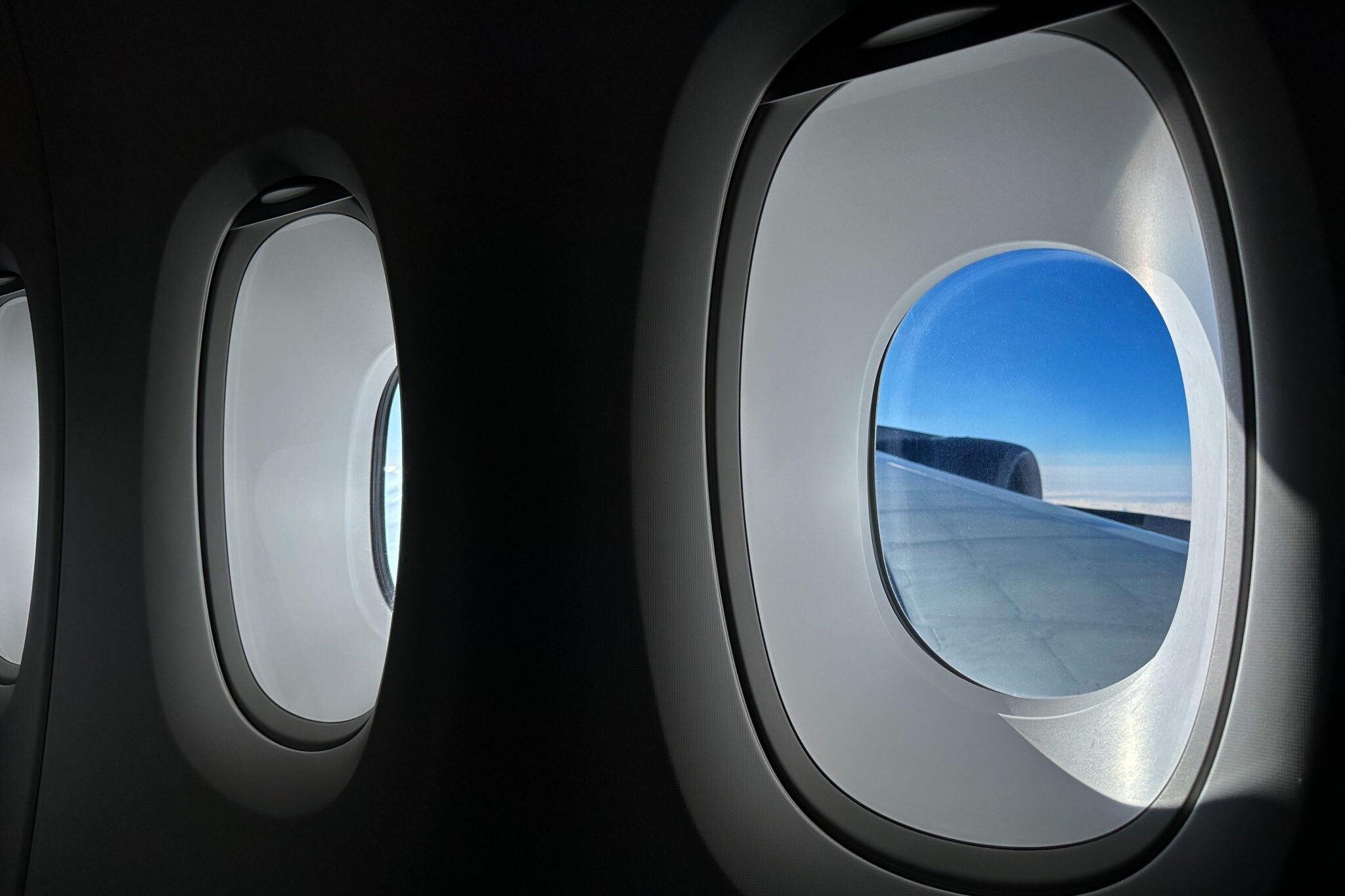
Once the problem was understood, the solution was straightforward: eliminate the corners. Rounded or oval windows allow pressure to flow smoothly around the edges instead of concentrating in one spot. This simple geometric change reduced stress, dramatically improving structural integrity. Engineers recognized that curves distribute force evenly, which prevents cracks from forming in the first place. The shift wasn’t just about comfort; it was about survival and reliability in the skies.
The effect of this design is both subtle and profound. Rounded edges, paired with carefully chosen materials, mean that windows can flex under pressure rather than fracture. Aviation manuals describe this principle clearly: smooth edges reduce stress concentration and improve safety. It’s a lesson applied widely, not just in airplanes, but wherever materials face repeated stress. When you look out of an airplane window today, the rounded frame is a reminder that design decisions can be quietly lifesaving. What feels ordinary is actually the product of careful observation, testing, and adaptation, one of many examples in aviation where small details make a big difference.
5. The Quiet Detail You Never Think About
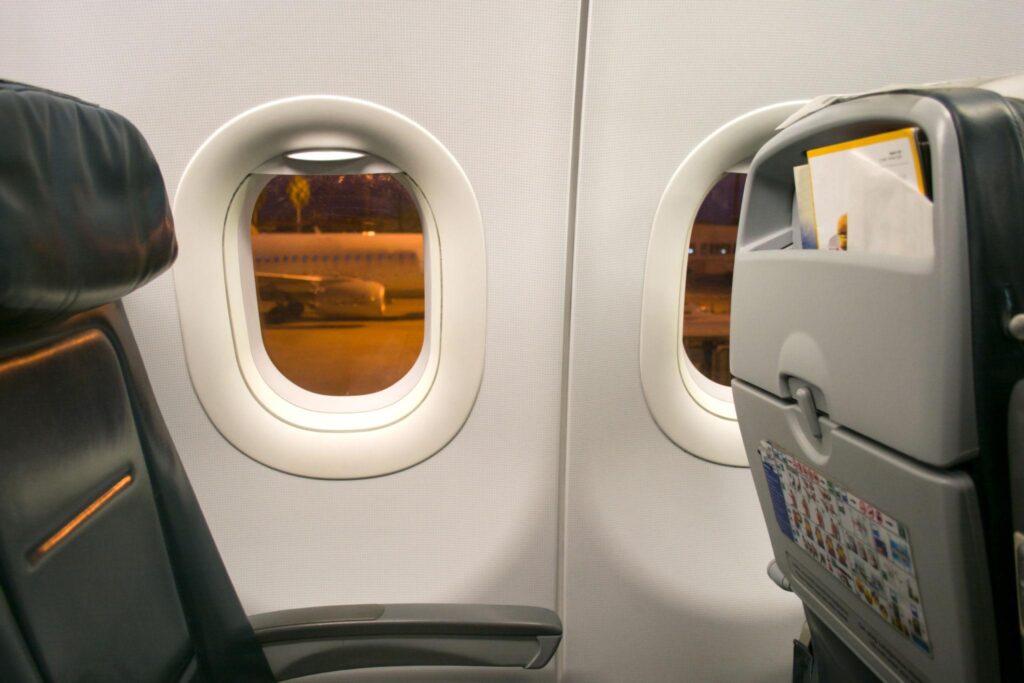
Sitting by the window during a flight, it’s easy to forget all the engineering that went into keeping you safe. The rounded window feels ordinary, even comforting, letting light in and giving you a view of the sky. What you might not realize is that every curve, every layer, and every material choice was carefully calculated to prevent stress from building up. It’s a small detail with a huge effect, quietly working behind the scenes with every pressurization cycle.
These design decisions didn’t just prevent accidents; they shaped the evolution of aviation safety. Rounded windows represent a philosophy: notice a flaw, understand it, and make a subtle adjustment that improves outcomes. This approach is repeated in every part of modern aircraft, from materials to layout to testing. The window’s design isn’t flashy, but it’s reliable, consistent, and thoughtful. It’s a quiet triumph of practical engineering, an example of how progress often comes from paying attention to details that most people never see. Each flight reminds us that the small choices matter, and safety often comes from the least visible corners of design.
6. Layers That Do More Than You Think
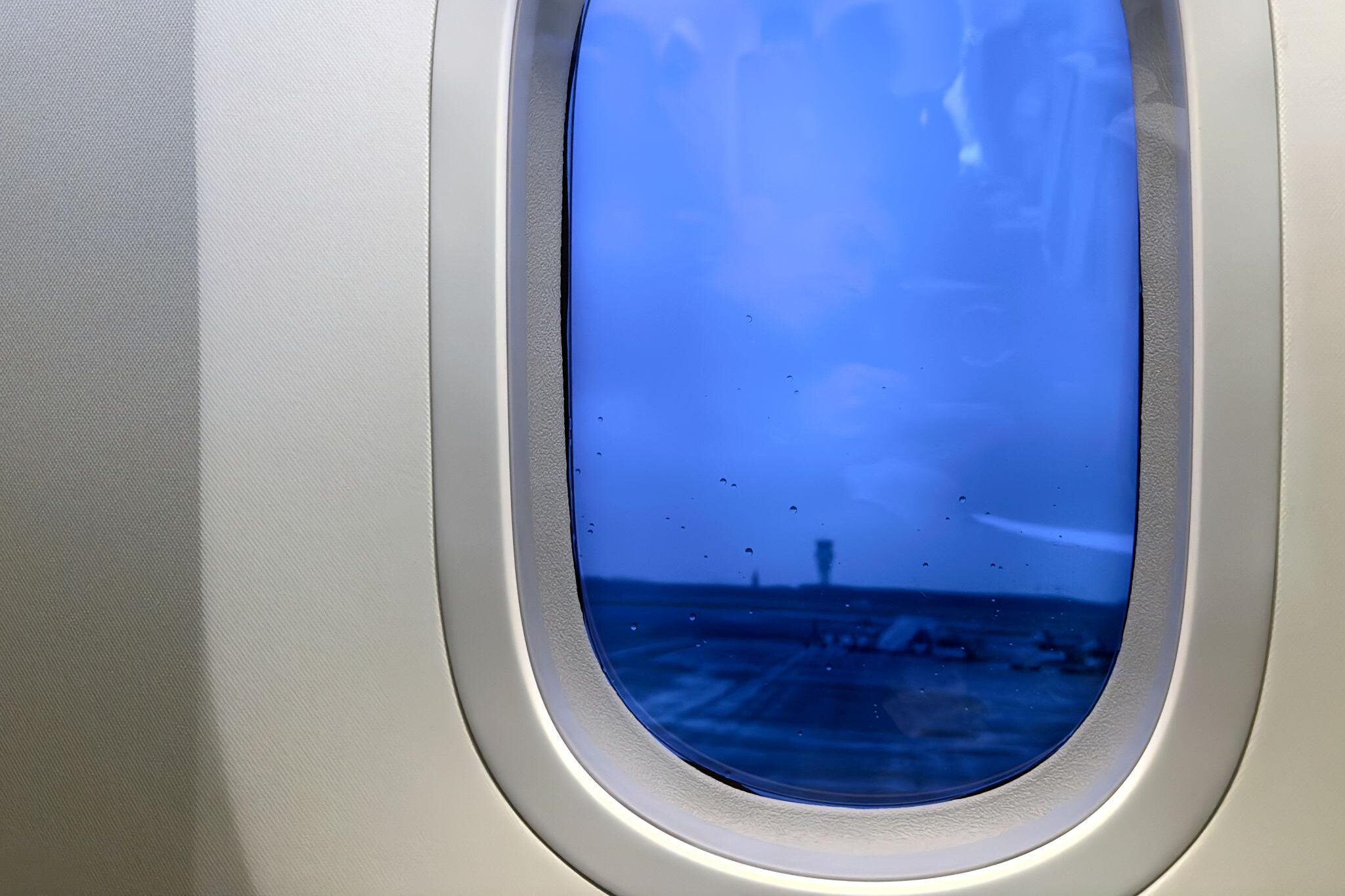
Airplane windows are more than a simple pane of glass. Modern windows usually have three layers, each serving a unique purpose. The outer layer handles the pressure difference between the cabin and the outside air. The inner layers provide redundancy, protection, and help maintain the seal. Even if one layer were compromised, the others ensure safety. It’s a layered defense system designed to manage stress and prevent failure quietly, without passengers noticing anything at all.
These multiple layers work together with the rounded shape to distribute pressure evenly. Aviation engineers emphasize redundancy in critical components so that no single point of failure can cause an accident. The layering also prevents fogging and improves clarity for passengers. Though it may seem ordinary, every layer is a small triumph of design. By combining multiple panes with a curved frame, engineers created a system that is both safe and durable. Each flight demonstrates the reliability of this design, which has been refined over decades and quietly ensures comfort, clarity, and security for millions of travelers every year.
7. The Tiny Hole With a Big Job
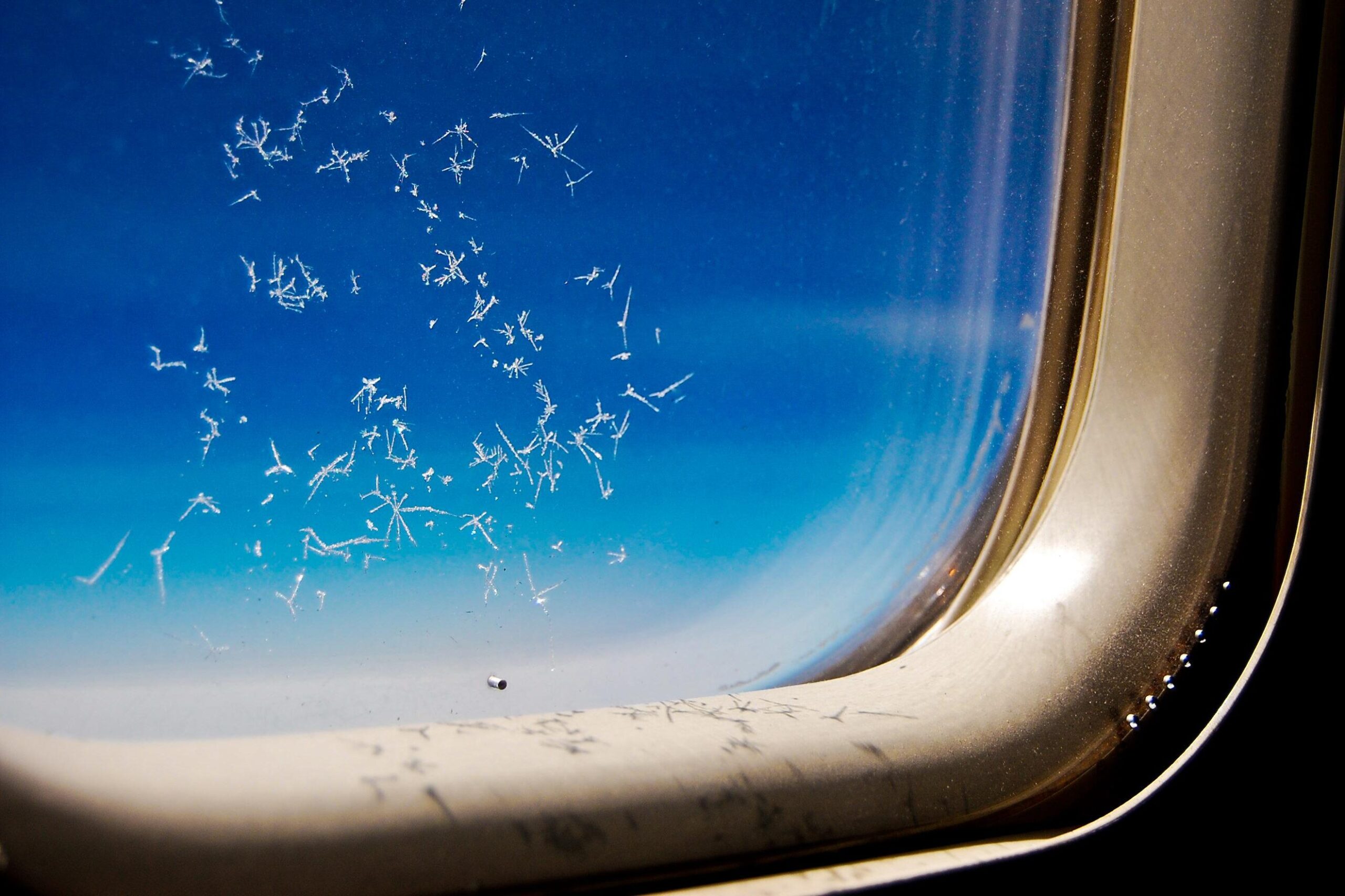
There’s a small feature in airplane windows that almost no passenger notices: a tiny hole at the bottom of the inner pane. This small opening, called a bleed hole, helps balance the pressure between the layers of the window. Without it, the pressure could build unevenly, placing strain on the structure and potentially reducing the window’s lifespan. The hole allows air to flow in a controlled way, ensuring the outer layer absorbs the majority of the pressure load.
Beyond safety, the bleed hole also reduces condensation. Moisture that might fog the window can escape through this small channel, keeping the view clear and helping passengers enjoy the scenery. Engineers often point out that “even small design details can have significant impact on safety and comfort.” It’s a quiet reminder that in aviation, nothing is accidental. Even a feature that looks insignificant has a specific, functional purpose. The window isn’t just a barrier between you and the sky; it’s a carefully engineered system where every element, down to the tiniest hole, is thoughtfully designed to keep passengers safe, comfortable, and connected to the experience outside.
8. Materials That Learned From the Past
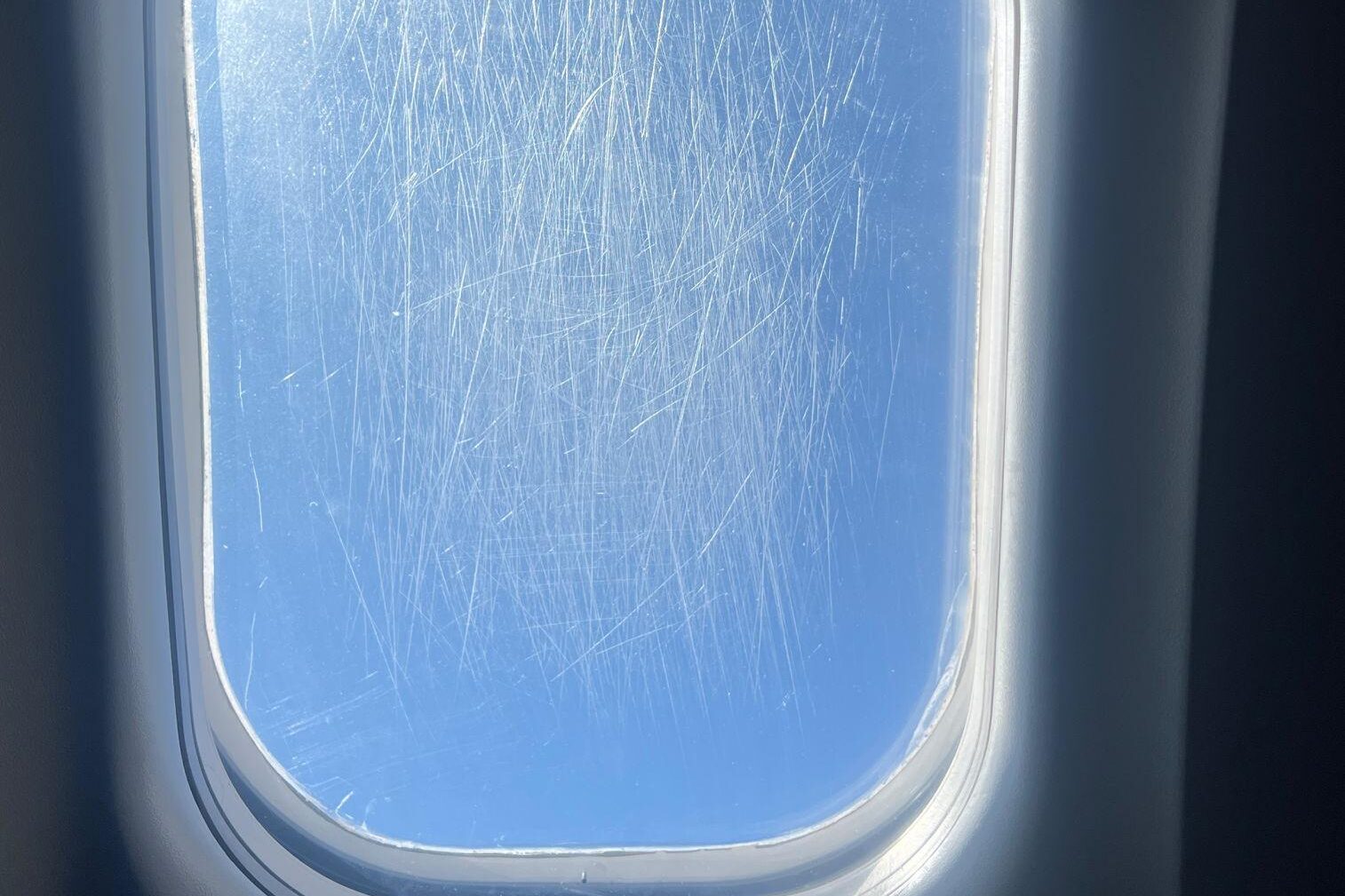
After the problems with square windows were understood, materials were reconsidered as well. Modern airplane windows are usually made from acrylic, a lightweight, flexible material that is strong enough to handle repeated pressurization cycles. Unlike traditional glass, acrylic bends slightly under stress instead of cracking. This property makes it more reliable and durable over the long term. Paired with the rounded shape, it significantly reduces the chance of failure.
Acrylic also improves clarity, resists scratches, and is lighter than glass, which reduces overall aircraft weight and improves fuel efficiency. Engineers emphasize that modern aviation materials are designed to withstand repeated stress cycles, meaning they perform reliably even after thousands of flights. This evolution of materials demonstrates how lessons from the past inform safer, smarter design choices. Combined with proper geometry and careful layering, it ensures that passengers experience smooth, clear, and secure windows, illustrating how incremental improvements in materials and structure create substantial long-term benefits for aviation safety and comfort.
9. Testing That Never Really Stops
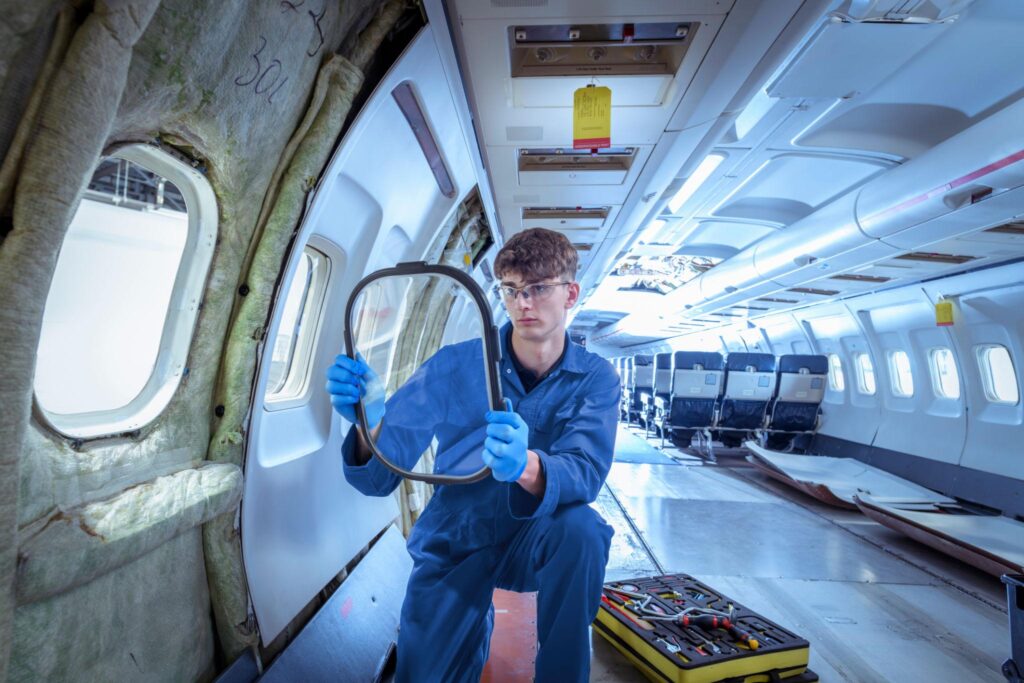
Even with better shapes and materials, airplane windows are not left to chance. Before entering service, windows undergo extensive testing, including thousands of pressurization cycles to simulate real flights. Engineers carefully monitor how each layer and edge reacts under stress. Components are tested far beyond expected limits, which ensures that even extreme conditions can be tolerated without failure.
This rigorous testing guarantees reliability for passengers. Rounded edges, multi-layered design, and flexible materials are all scrutinized under repeated stress conditions to make sure they perform consistently. It’s a quiet but critical part of aviation safety. While passengers may see a smooth, clear window, the reality is that every detail has been evaluated to meet the highest standards. Testing continues to evolve with technology, meaning each new generation of aircraft benefits from decades of accumulated knowledge. It’s a testament to how careful preparation and evaluation keep passengers safe, even when the systems appear ordinary or invisible.
10. A Small Shape That Changed Everything
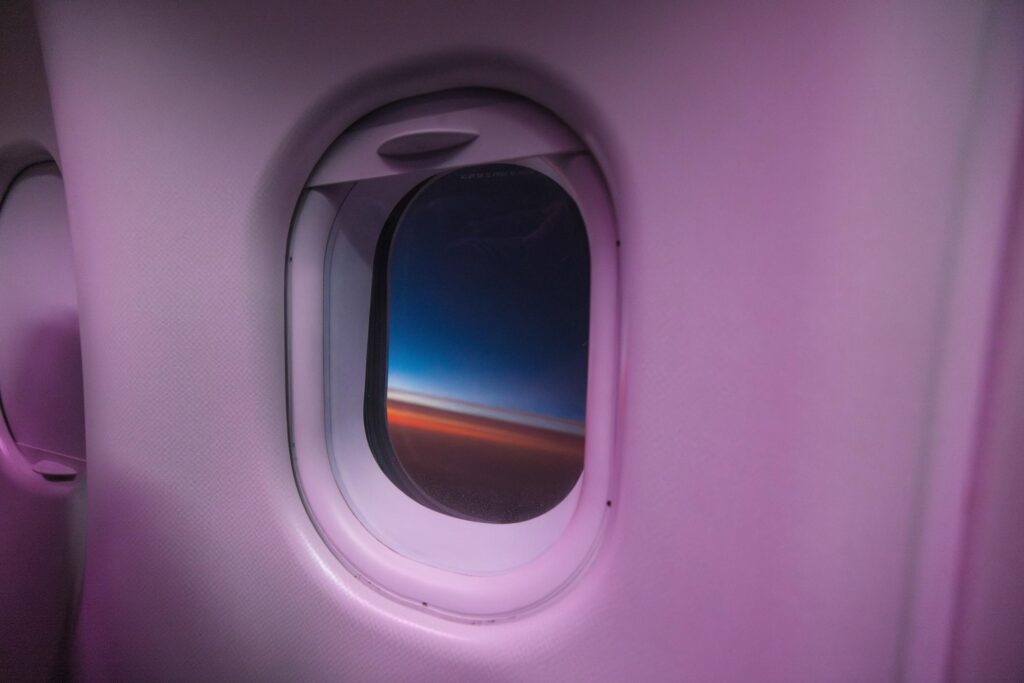
When you look closely, the rounded airplane window represents far more than aesthetics. It’s the result of lessons learned through trial and error, testing, and thoughtful engineering. What once was a sharp-cornered design flaw became a quiet innovation that dramatically improved safety. The simple curve prevents stress buildup, protects passengers, and works seamlessly with advanced materials and layered construction.
This small shape also reflects a broader principle of problem-solving: observation, analysis, and adjustment often yield the most reliable results. Rounded windows are not flashy, but they are enduring and effective. They illustrate how even minor design changes, informed by careful attention to detail, can have lasting impact. Each time a passenger rests against the window or gazes at the clouds, the shape silently demonstrates the value of thoughtful design, careful testing, and learning from the past. In aviation, as in life, sometimes the smallest decisions carry the greatest consequences, quietly shaping safer, better experiences for everyone involved.
11. Why You Don’t Feel the Pressure Change

Flying feels effortless for passengers, and part of that is thanks to cabin pressurization. Windows, especially rounded ones, help maintain a stable interior environment despite the thin air outside. You might notice your ears pop slightly, but otherwise, you’re in a comfortable, controlled atmosphere. That sense of ease comes from a carefully engineered balance between the fuselage, pressurization system, and windows.
Rounded windows manage the pressure difference efficiently, distributing force evenly across the edges. Layers of acrylic and carefully placed seals ensure the structure can flex slightly without cracking. Cabin pressurization systems are designed to maintain stability, and windows contribute silently to that stability. Passengers enjoy a calm, secure environment without seeing any of the complex systems at work. It’s a small but critical example of how engineering choices that go unnoticed every day directly influence comfort and safety, making modern air travel feel routine even though extraordinary thought went into every detail.
12. A Design That Spread Beyond Airplanes
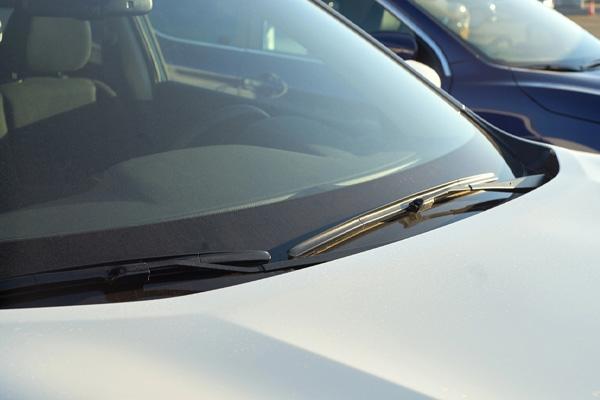
The rounded edge principle didn’t stay limited to aviation. Engineers recognized that curved corners reduce stress in many applications. Rounded edges appeared in cars, buildings, and even everyday objects, from furniture to electronics. It’s a subtle shift, but one that demonstrates how lessons from one field can inform another. Curves distribute force evenly, preventing structural failure and improving longevity.
This influence shows how safety-conscious thinking can ripple outward. The principle that saved lives in aviation became a quiet standard elsewhere. Rounded edges became associated with durability, functionality, and even aesthetics. It’s an example of how observing a problem and solving it well can have broader implications. The rounded airplane window didn’t just protect passengers, it shaped design thinking in many industries, proving that smart engineering often starts with noticing a small flaw and adjusting it thoughtfully.
13. The View That Became Part of the Experience
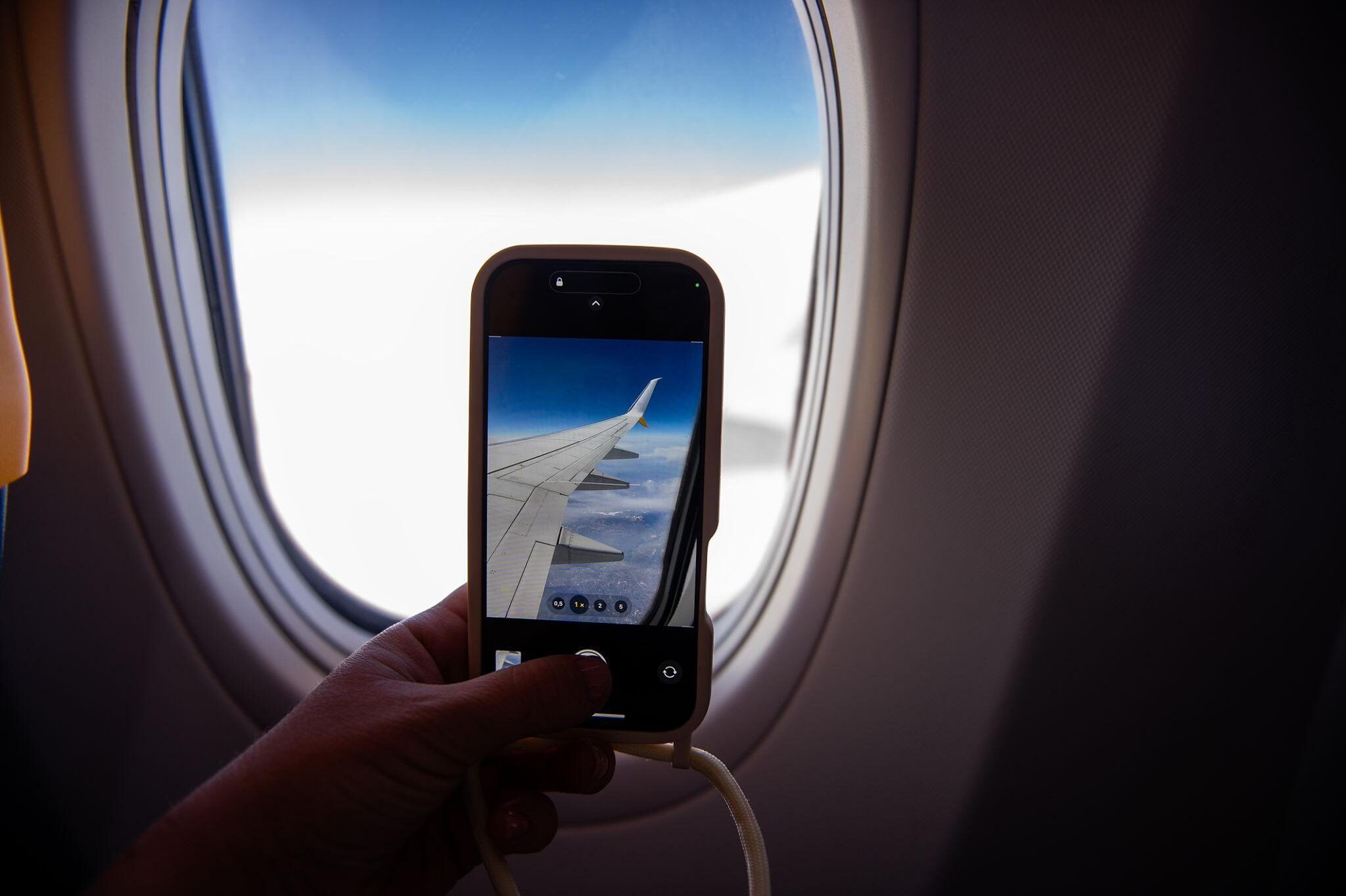
Airplane windows are now part of the passenger experience. People choose window seats to watch the sky, the clouds, and the changing landscape below. Rounded frames soften the edges of the view, creating a gentle, continuous scene. The design enhances the perception of space, making the outside world feel like a moving picture rather than a static frame.
What started as a safety improvement became an aesthetic benefit. The shape of the window interacts with light and perspective, subtly improving the travel experience. Passengers enjoy natural light, clear views, and a quiet sense of comfort while flying. The rounded window bridges function and experience, demonstrating that practical safety solutions can also enrich everyday interactions. It’s a simple design decision that quietly shapes how we feel while traveling, giving passengers both reassurance and a beautiful view at the same time.
14. Small Details That Build Trust
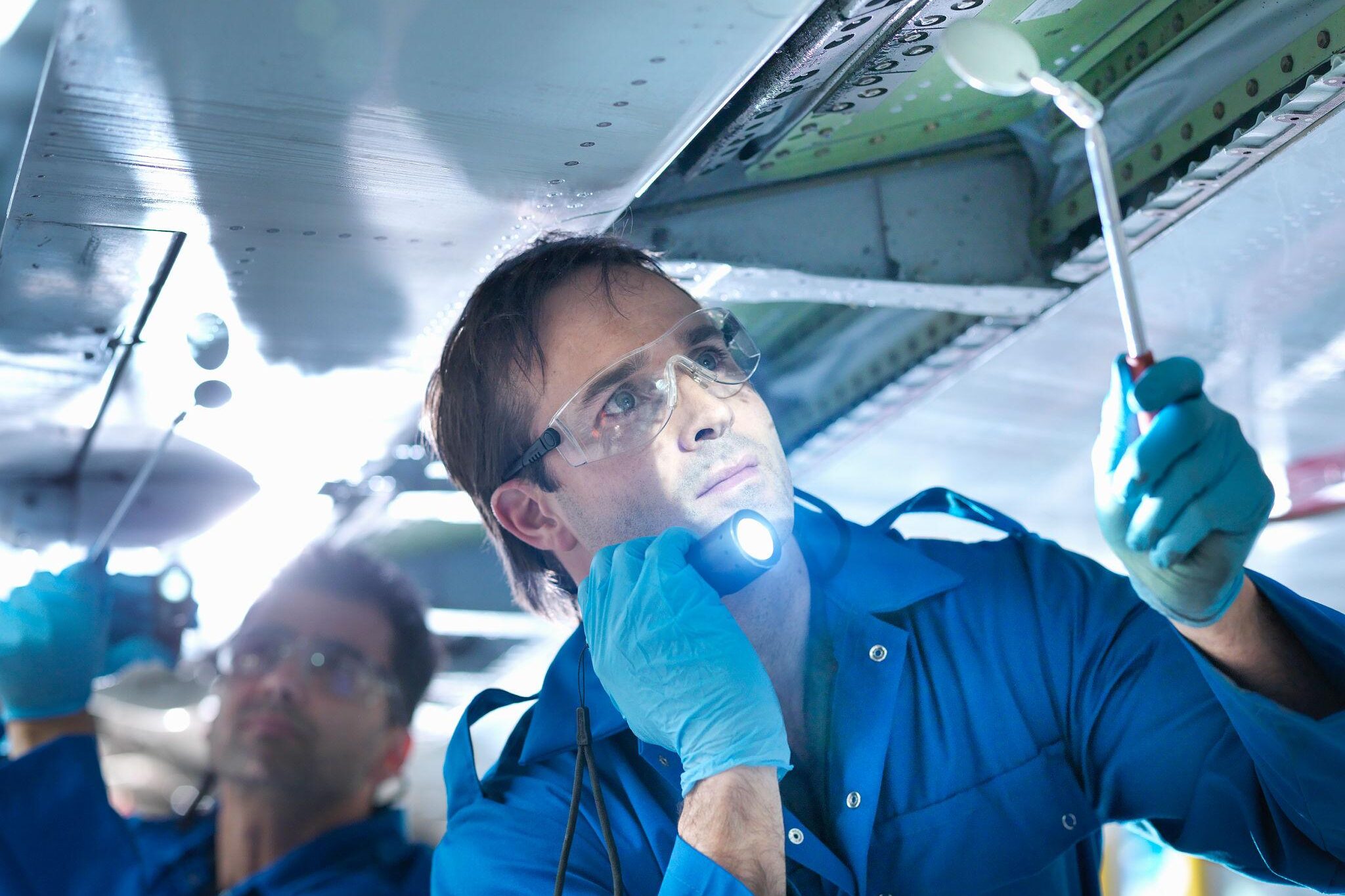
Flying requires trust in a machine thousands of feet above the ground. Small details, like rounded windows, are part of what allows passengers to trust that the aircraft will perform reliably. Every component is designed to handle stress, pressure, and unexpected forces, creating a system that works together seamlessly.
Attention to detail builds confidence. Even when passengers don’t notice, the design ensures safety and comfort. Rounded windows, layered construction, and careful testing are all part of the silent work that maintains reliability. Aviation demonstrates that trust is earned not through flashy features, but through consistent, meticulous design. The window is one small piece, but it represents the larger philosophy that careful consideration of every detail matters. It’s a reassuring example of how subtle improvements contribute to a system people rely on every day.
15. A Simple Shape With a Lasting Lesson
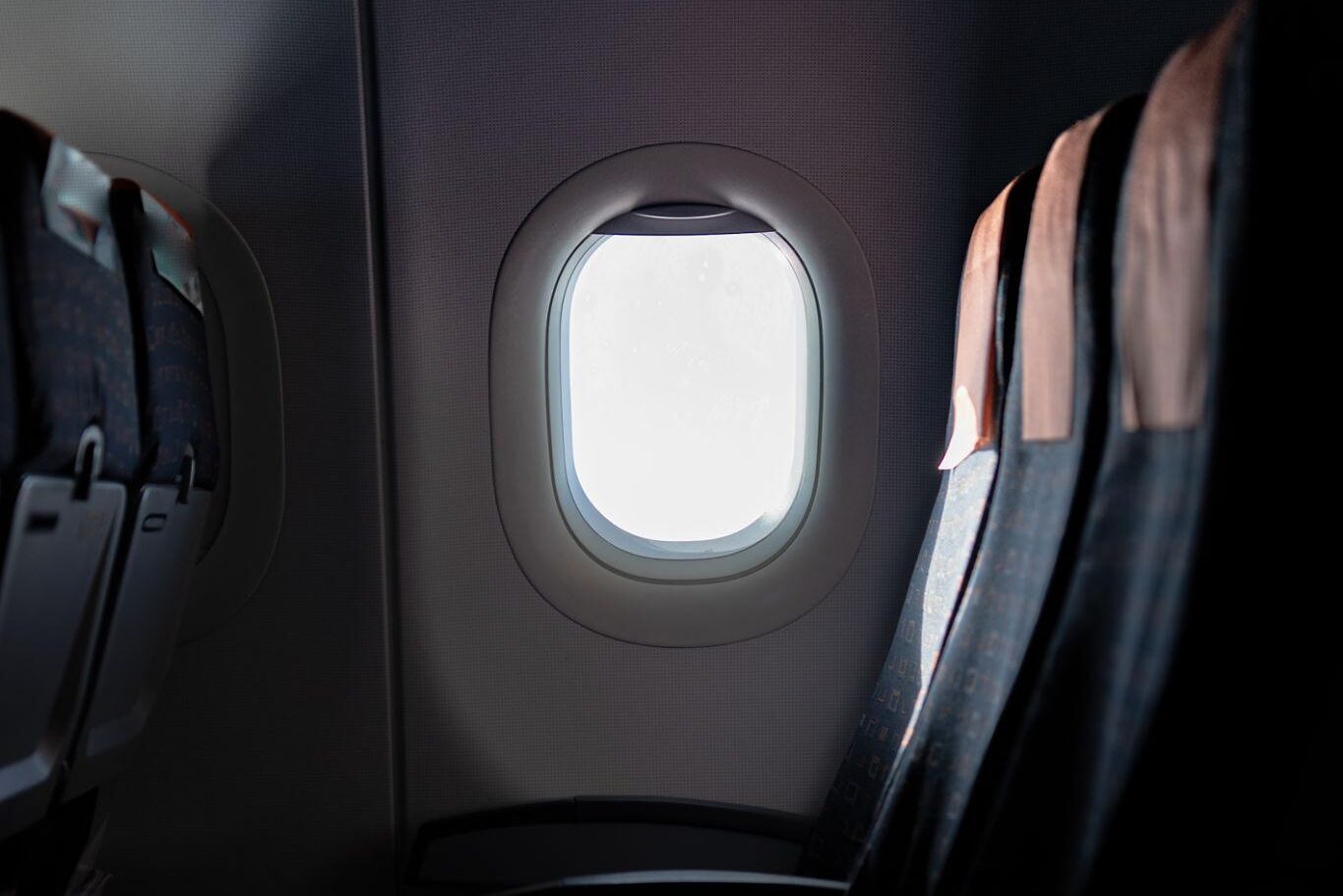
The rounded airplane window is a quiet reminder that simple changes can have profound effects. Lessons learned from early design failures, testing, and thoughtful adaptation transformed the shape of a single component into an enduring safety feature. What began as a flaw became a small but essential innovation that has lasted for decades.
This small curve embodies a principle: careful observation and incremental improvement create lasting results. Rounded windows continue to provide strength, clarity, and reliability without passengers needing to understand the complexity behind them. They are a symbol of how safety, functionality, and human experience can converge in a single, elegant detail. Every flight reinforces the lesson: even the smallest, most overlooked aspects of design can shape experiences, protect lives, and quietly enhance the world we interact with. Rounded windows are proof that progress often lies in thoughtful adjustments rather than dramatic changes, and sometimes the simplest solutions carry the greatest impact.


