
1. Memory Holding
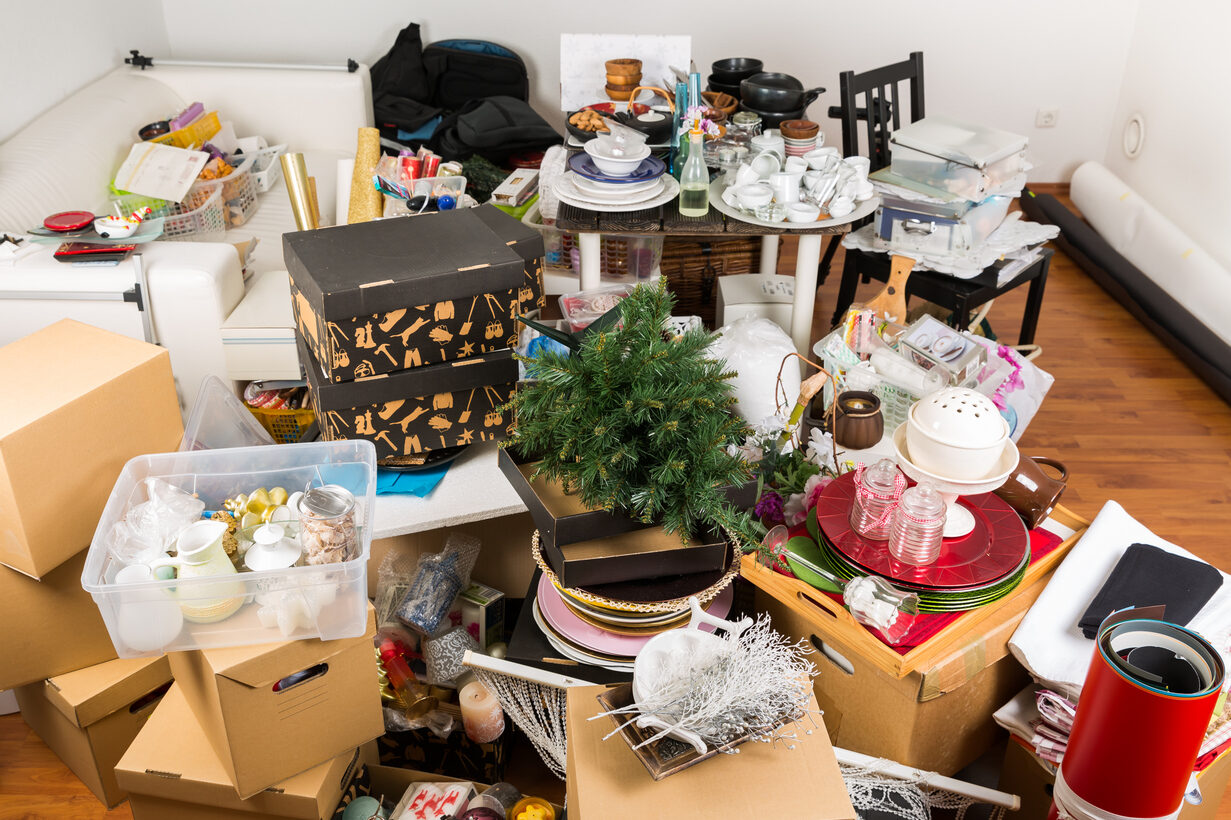
Sometimes we look around our homes and wonder how small things managed to survive every cleanup. This gentle truth leads into why we save objects that seem useless yet still tug at our hearts. Memory holding plays a quiet role in this because certain items remind us of who we were at a moment we do not want to lose. A movie ticket or faded note can soften a stressful day and anchor us again. Letting go feels heavier than the object itself which is why the story stays long after the purpose disappears in many little quiet unexpected ways.
2. Emotional Comfort
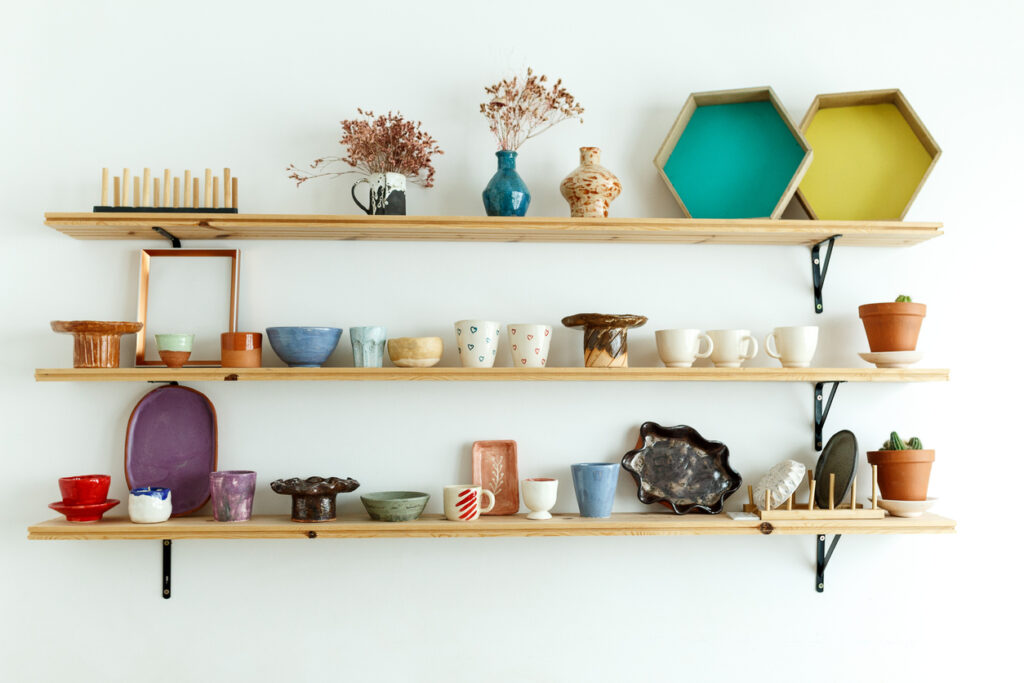
Emotional comfort often appears in the smallest objects we choose to keep even when they no longer serve any clear purpose. Something about their presence calms us during moments that feel rushed or unstable. A little trinket from a long forgotten day may offer reassurance simply because it reminds us that joy has visited us before. We are not clinging to the object itself but to the feeling it protects which makes it surprisingly hard to let go. These items become gentle companions that ask nothing yet quietly support us whenever life feels slightly heavier than we expect to feel.
3. Fear of Regret
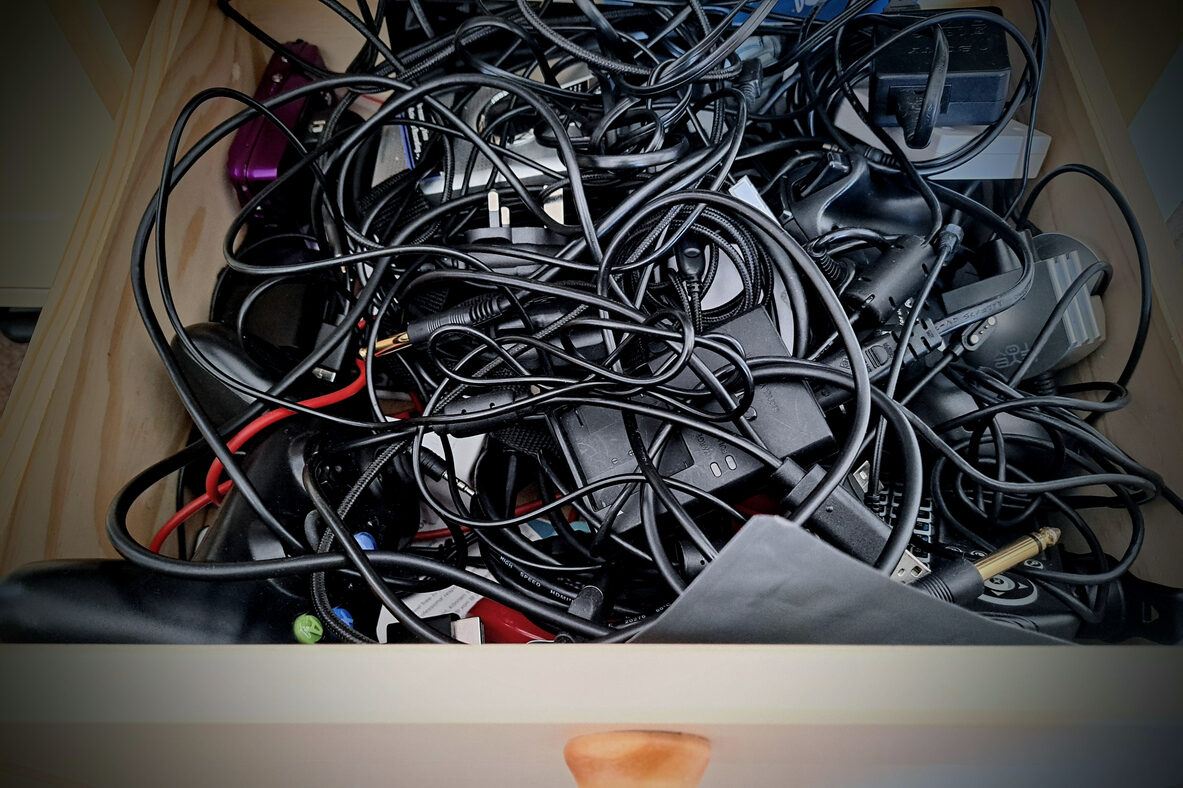
Fear of regret often guides the choices we make about what to keep even when the object has no real purpose left. We imagine a future moment when we might suddenly need the very thing we nearly threw away and that thought alone convinces us to hold on. This quiet worry grows stronger during decluttering because uncertainty makes simple decisions feel heavier. Keeping something feels safer than wondering whether we acted too quickly. So the item stays and the fear settles for a while reminding us that holding on can feel easier than trusting we will adapt to new moments.
4. Attachment to Identity
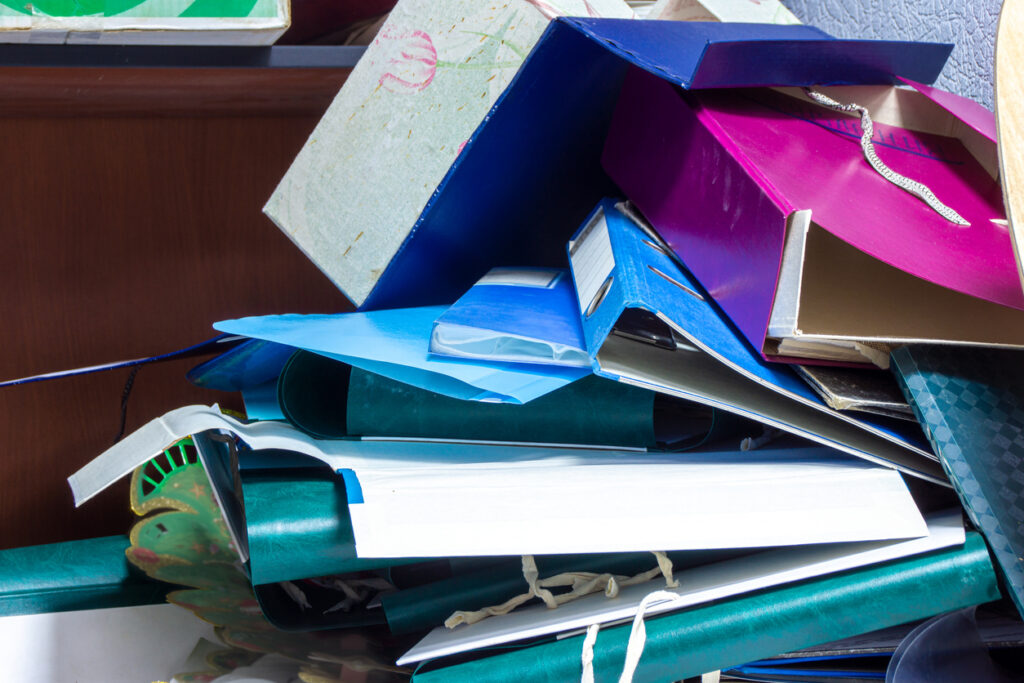
Attachment to identity shapes the things we keep because many objects represent versions of ourselves we still hope to nurture. A stack of unused supplies or a forgotten hobby kit can feel like evidence that our intentions still matter even if time has moved on. These items remind us of dreams quietly waiting for attention and that memory alone encourages us to keep them. Letting go can feel like abandoning a possibility and most people hesitate when identity is involved. So the item remains holding a small mirror to the person we believe we can still become in gentle ways.
5. Social Meaning
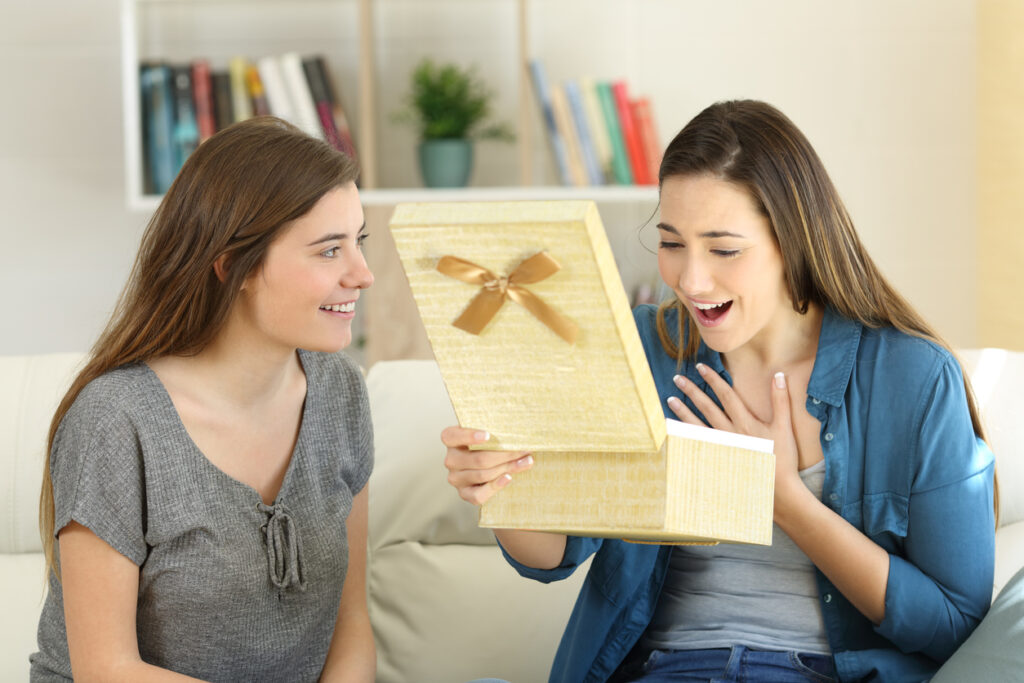
Social meaning influences what we save because objects tied to people we love often feel more important than their actual usefulness. Something as simple as a small gift or souvenir can hold emotions that stay long after the moment has passed. These items remind us of connection and kindness which makes them difficult to part with even when they no longer fit our lives. Letting go sometimes feels like stepping further from the person who shared the item. So we keep it trusting that the little reminder will continue to warm our days whenever memory feels quieter for our hearts.
6. Creative Imagination
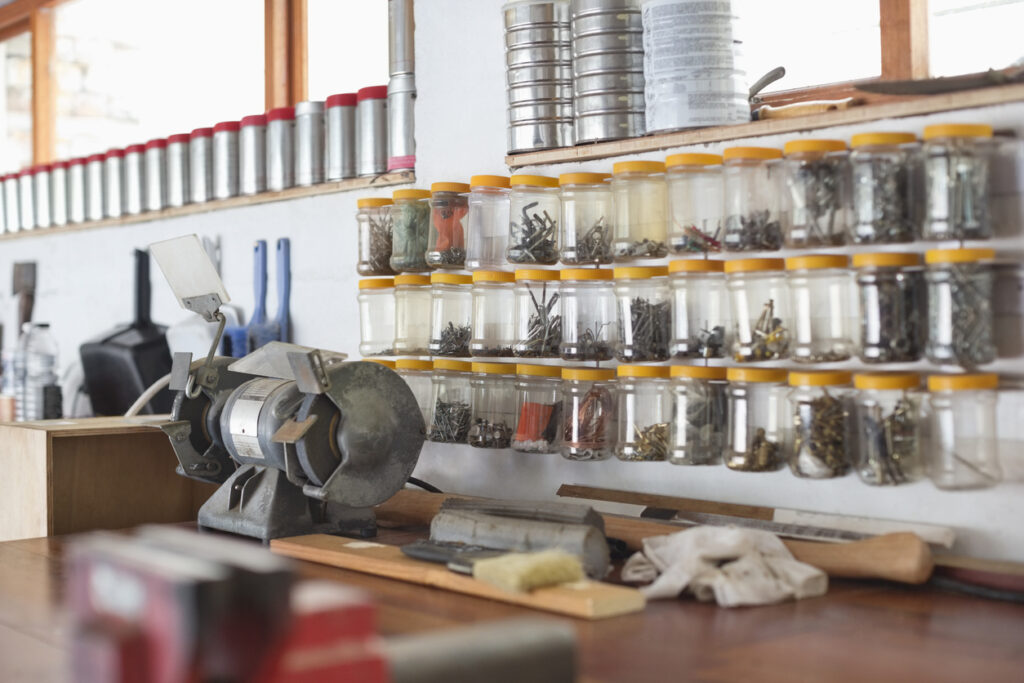
Creative imagination encourages us to save objects because we picture future uses that may never truly arrive. A jar might seem perfect for a project or a ribbon may promise charm for a gift someday. These ideas spark small excitement that makes the item feel valuable even without purpose. We keep it hoping inspiration will meet opportunity at the right moment. This quiet possibility feels comforting and motivates us to preserve things others might discard. So the object remains carrying a little hope that our creativity will stir again and turn simple materials into something meaningful for our everyday life.
7. Nostalgic Warmth
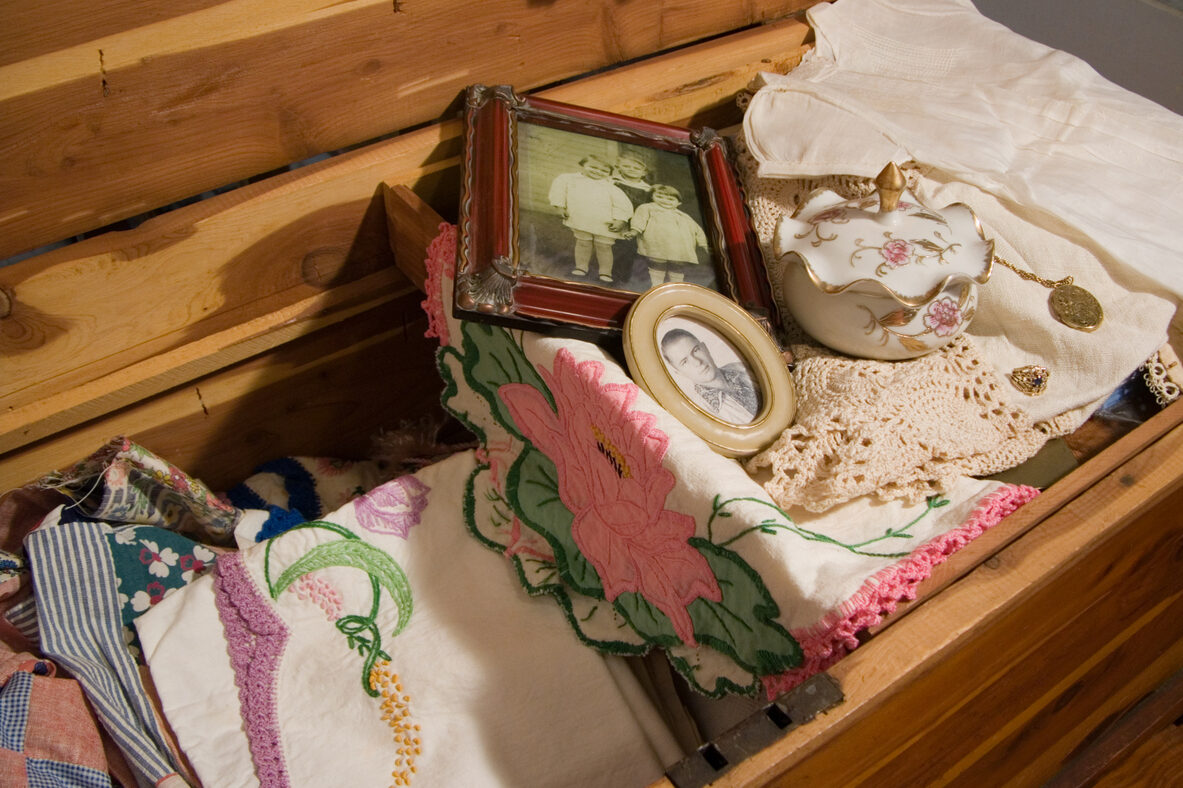
Nostalgic warmth settles around many objects we keep because they gently connect us to moments that shaped us. A worn postcard or old keychain can hold soft memories that brighten an ordinary day. These items feel like tiny anchors reminding us where we have been and who we have loved. Nostalgia often softens clutter making it feel more like history than excess. Letting go becomes difficult because the memory feels woven into the object. So we keep it believing that the little warmth it carries will return whenever life feels hurried and in need of something familiar to comfort us.
8. Personal Ritual
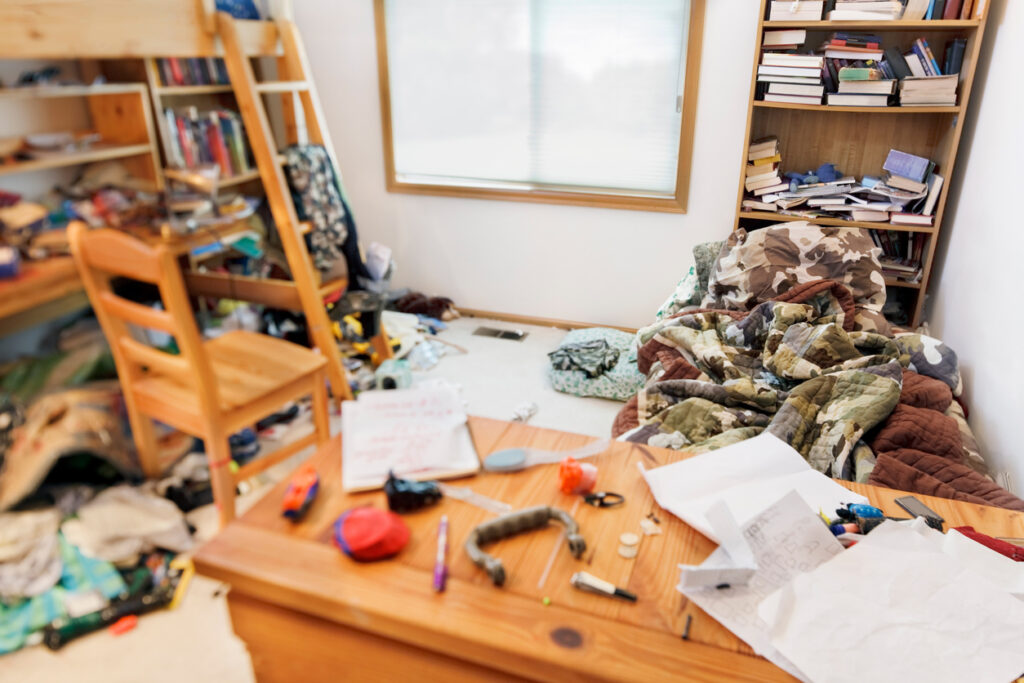
Personal ritual forms quietly over time and shapes what we save without much awareness. Sometimes we place a ribbon in a drawer or store a brochure simply because we always have. Repetition turns simple motions into habits that feel natural even without reason. The object itself might not hold any deep story yet the act of saving it carries familiarity that soothes us. These gentle routines create small rhythms that make daily life feel steady. So the object stays reminding us that comfort can appear in ordinary patterns that ask little yet offer a sense of grounding for our days.
9. The Illusion of Value
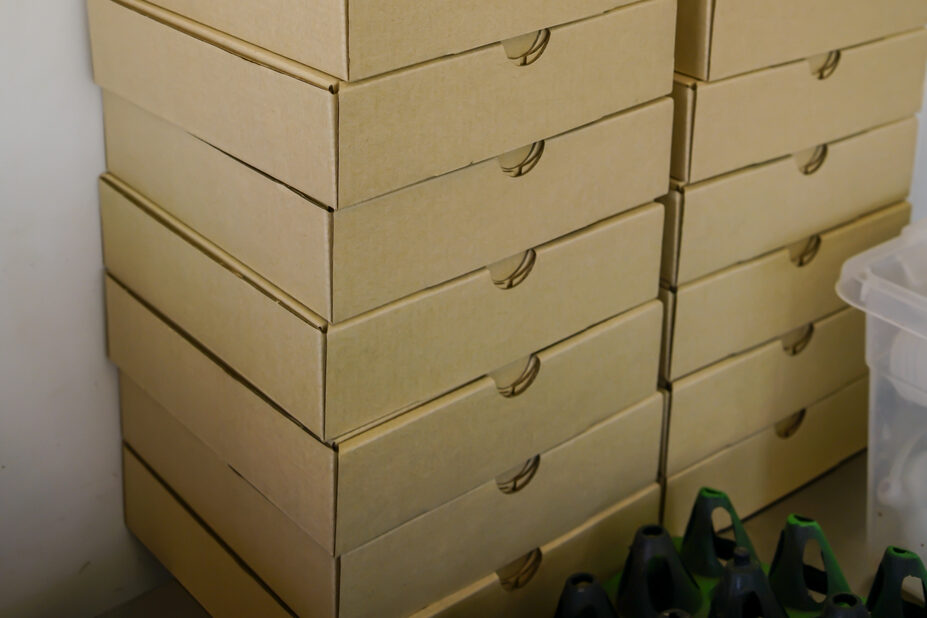
The illusion of value often convinces us to save objects that look too useful to discard even when we have no real need for them. A sturdy box or elegant bottle feels deserving of another life simply because it appears well made. This perception quietly encourages us to keep more than we use. We trust that the item might help someday and that belief alone justifies its place. So it stays waiting for a moment that rarely arrives. In keeping it we learn how easily practicality becomes blurred by possibility especially when the object seems worthy of attention and care.
10. Wanting Life to Feel Fuller
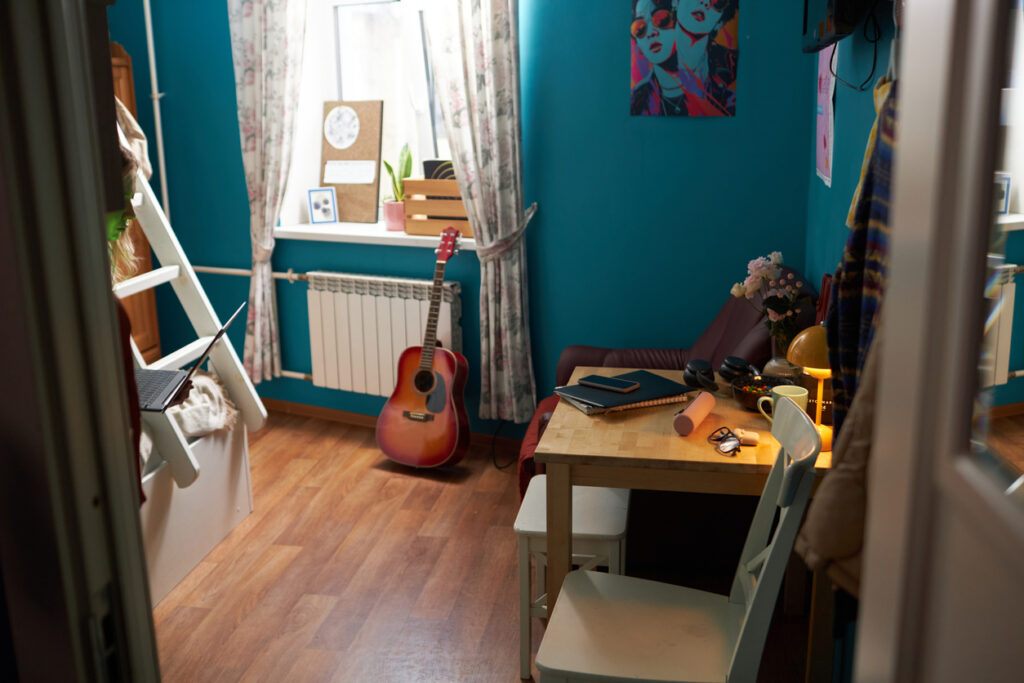
Wanting life to feel fuller often leads us to save objects that add small texture to our environments. Empty spaces can feel unsettling so little things help create a sense of presence. These items become markers of days lived and memories formed even when they serve no practical role. We keep them because the sight of something familiar can gently steady us during uncertain moments. The object becomes a quiet reminder that our experiences matter. So it remains offering a soft feeling of belonging and helping us remember that meaning sometimes hides inside the simplest forgotten things in our lives.
11. The Story We Tell Ourselves
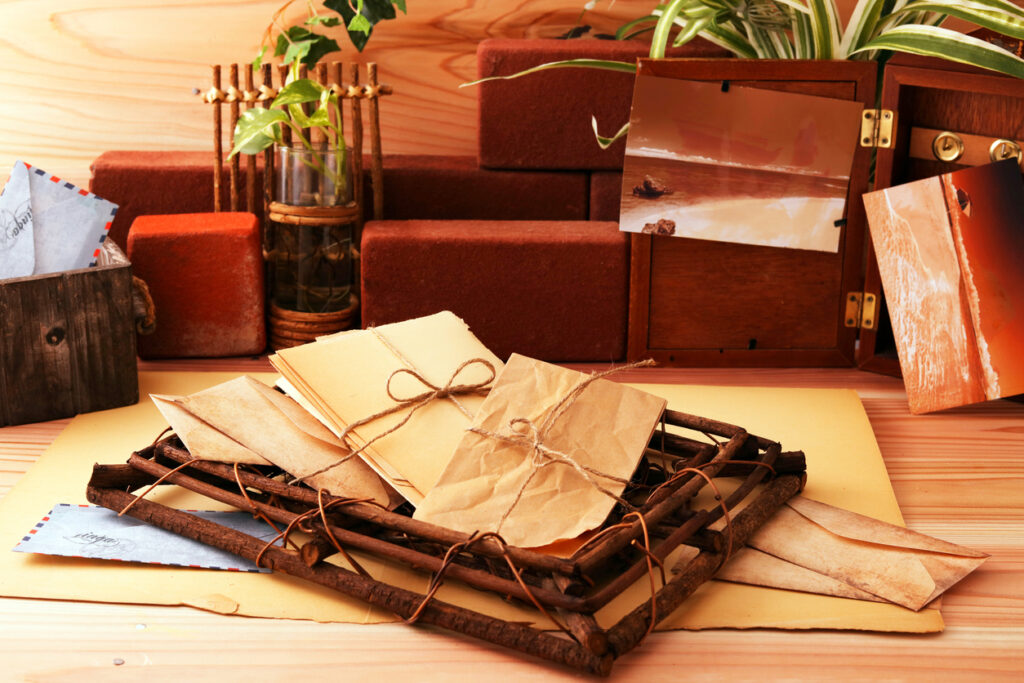
The story we tell ourselves plays a strong role in the objects we keep because many items feel like chapters of our personal history. A small trinket can remind us of a moment that shaped our growth or softened a difficult season. These objects become evidence of journeys we are not ready to close. Letting go can feel like losing part of the narrative even when the item has no practical use. So we keep it trusting the story still has value and noticing how each little reminder gently supports the identity we continue to build through our every choice.
12. The Gentle Illusion of Control
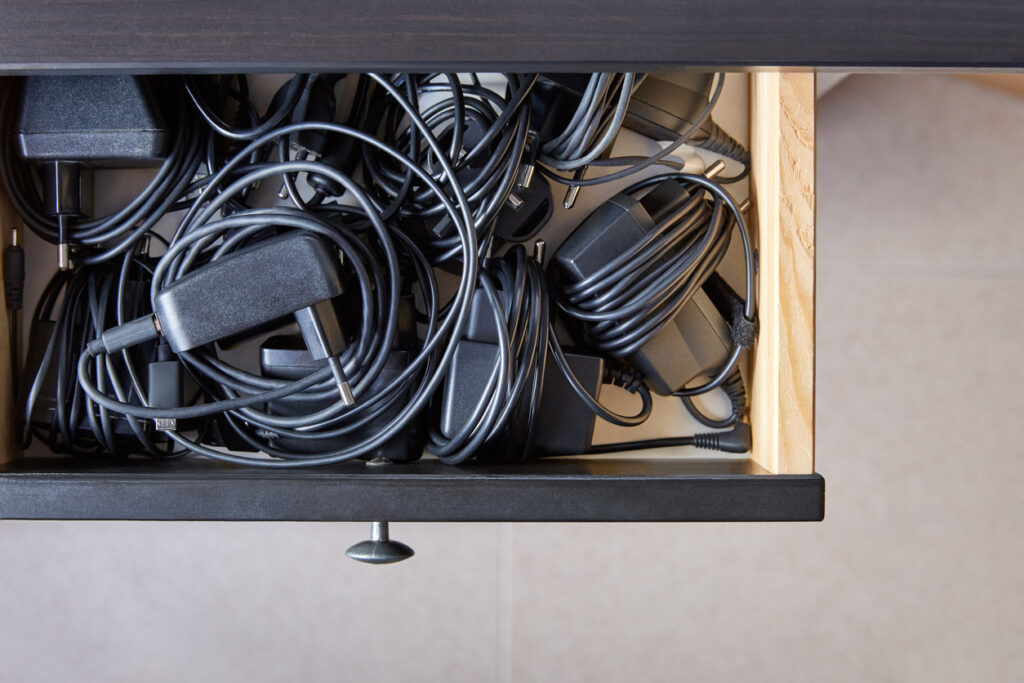
The gentle illusion of control influences what we keep because saving objects can make life feel slightly more manageable. Old receipts cables or broken gadgets seem useful simply because they offer a sense of readiness. These items create the impression that we are preparing for future needs even if those moments never appear. Letting go becomes hard because uncertainty makes small decisions feel heavy. So we keep them believing they protect us from unexpected situations. In time we realize that understanding our reasons brings clarity helping us release what no longer supports us while carrying forward what truly matters today.


