
The Small Leaks That Add Up

Money rarely disappears in one giant, dramatic moment that ruins your bank account overnight. Instead, it tends to slip away quietly through daily habits that feel totally harmless at the time but become incredibly costly as the months pass. In the United States, where our modern consumer culture constantly encourages convenience and instant gratification, these small everyday choices often go completely unnoticed. You might not feel the impact today, but eventually, the numbers begin to tell a much darker story. What feels like a minor indulgence or a “treat yourself” moment can quietly reshape your entire household budget without any warning, leaving you wondering where all your hard-earned cash actually went.
Financial experts often point out that the real struggle for most families is not necessarily a lack of income, but rather a lack of behavioral control. Subtle patterns such as routine impulse purchases, emotional decisions made after a long day, and overlooked digital subscriptions can gradually erode your financial stability. Understanding these habits matters because they are actually quite easy to fix once you finally recognize them. In a country where the average household is already struggling to balance the rising cost of living in 2026, being aware of these leaks can be the ultimate difference between constant financial stress and long-term security. Taking a moment to audit these tiny leaks today can save you thousands of dollars over the next few years.
Daily Indulgences

What feels like a small daily treat often transforms into one of your most expensive long-term burdens. Whether it is that premium coffee on the way to the office, a quick takeaway lunch because you forgot to pack one, or a random snack picked up during errands, these items rarely feel significant in isolation. However, recent economic data shows that millions of Americans spend between $14 and $21 per week on coffee alone. When you do the math, that adds up to over $1,000 annually for a single person. When you combine this with other “small” daily purchases like energy drinks or vending machine snacks, the true cost becomes surprisingly large and hard to justify.
The real challenge lies in how invisible these expenses remain in our minds. Because they are small and frequent, they rarely trigger the same “spending alarm” as buying a new television or booking a flight. Behavioral economists often call this “mental accounting,” where people significantly underestimate the impact of repeated costs. Over a full calendar year, even a modest $10 daily habit can exceed $3,650. That is money that could have otherwise gone toward a high-interest savings account, a much-needed vacation, or aggressive debt reduction. The habit feels comforting and helpful in the moment, but over time, it quietly reshapes your financial priorities in ways that many people only realize when it is far too late to recover the lost funds.
Lifestyle Creep

Earning more money should ideally create a sense of financial breathing room, yet for many people, it simply leads to spending more. This frustrating pattern, known as lifestyle creep, happens when every single pay rise or holiday bonus is immediately matched by an upgrade in your living standards. A slightly nicer apartment in a trendy zip code, a newer car with a higher monthly payment, or more frequent dining at expensive restaurants can quickly absorb your income gains. Before you know it, your “better” salary leaves you with the exact same amount of leftover cash as when you were earning much less, effectively keeping you on a financial treadmill.
This habit is particularly common during key life stages when people feel they have finally “made it.” Data from the U.S. Bureau of Labor Statistics indicates that households headed by people in their 30s now spend over $85,000 annually on average, reflecting both rising incomes and rising expectations. The danger is subtle because every single upgrade feels completely justified as a reward for hard work. People often believe they are simply enjoying the fruits of their labor, yet over time, this pattern locks them into much higher fixed costs that are hard to scale back. Without setting conscious spending limits, lifestyle creep can prevent wealth building entirely, leaving even high-earners living paycheck to paycheck without any real emergency savings.
Emotional Spending
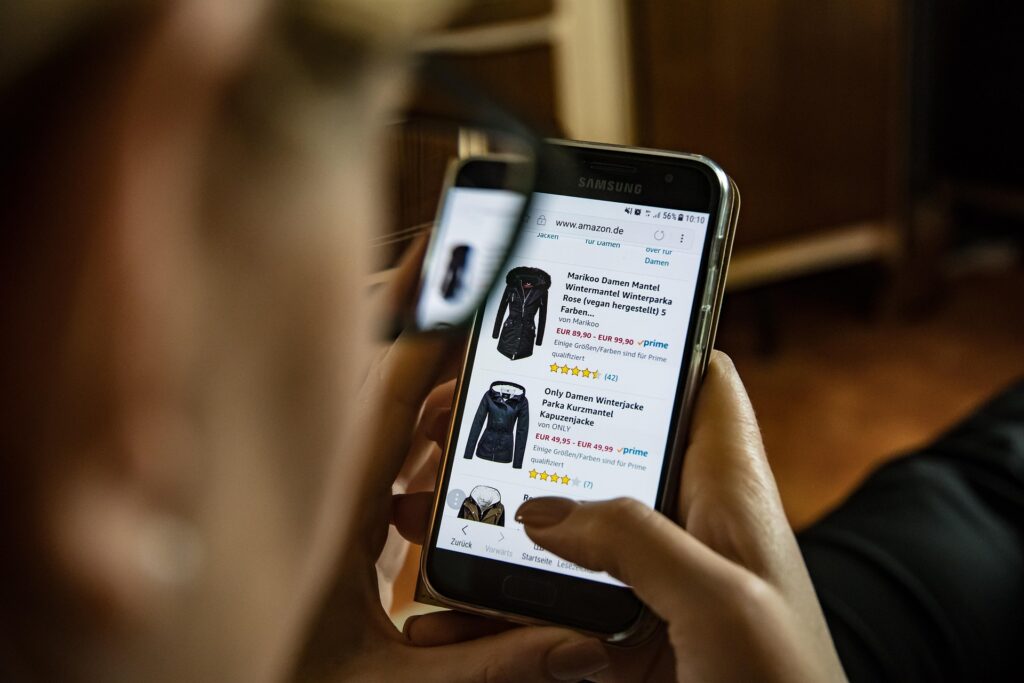
Spending money is not always a logical or calculated process. In fact, many of our purchases are driven entirely by emotion rather than actual need, whether it is sparked by stress, boredom, or a desperate desire for comfort after a bad day. This form of spending is particularly difficult to keep under control because it feels like a necessary form of self-care in the heat of the moment. A tough afternoon at work might lead to a late-night online shopping spree or ordering expensive food delivery, creating a temporary sense of relief that effectively masks the long-term financial damage you are doing.
Recent financial insights from 2025 and 2026 suggest that emotional spending is often closely linked to seasonal shifts and social media influences. For example, small “comfort purchases” like candles, cozy home items, or trendy snacks can easily add up to nearly $200 every single month without the buyer even noticing. Over time, this creates a dangerous cycle where spending money becomes your primary coping mechanism for dealing with life’s ups and downs. The problem is not just about the math; it is a behavioral issue where individuals begin to rely on the “hit” of a new purchase for emotional regulation. Recognizing this pattern is essential because it shifts your focus from basic budgeting to understanding the deeper psychological reasons behind your choices.
Forgotten Subscriptions
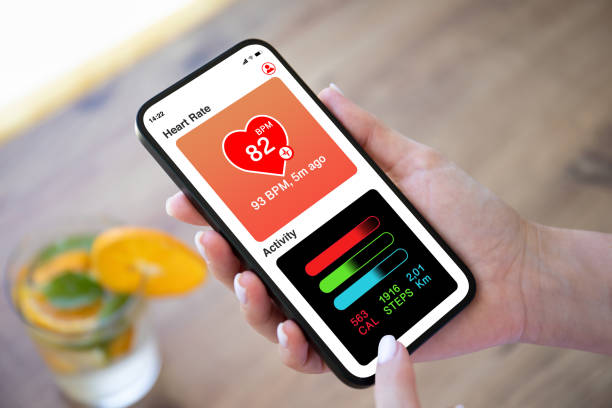
Modern life in the digital age essentially runs on subscriptions. From streaming video services and music platforms to fitness apps and cloud storage, small monthly charges have become a completely normalized part of our daily existence. The issue is not necessarily the services themselves; many of which provide great value, but rather how easily they are forgotten once the initial excitement wears off. Many people continue paying for monthly memberships they rarely or never use, simply because the charge is so small it doesn’t stand out on a bank statement, or they have forgotten the login credentials entirely.
These charges often feel insignificant when viewed individually, yet they accumulate with surprising speed. A handful of $10 or $15 monthly fees can quietly grow into hundreds, or even thousands, of dollars per year. Financial analysts have noted that “subscription fatigue” has become a major issue in the United States, especially as more companies move toward recurring revenue models. Because these payments are fully automated, they bypass your usual decision-making process, making them incredibly easy to ignore for months or even years. Over time, this creates a silent drain on your finances that most people only discover when they finally take the time to review their credit card statements with a magnifying glass.
Fantasy Self Spending

Many of our purchases are made not for the person we actually are, but for the person we desperately hope to become. This often includes buying expensive gym equipment with the vague intention of working out every morning, or investing in high-end kitchen gadgets for a cooking hobby that never actually materializes. While these purchases are almost always made with good intentions and a desire for self-improvement, they frequently go unused, gathering dust in a corner while the credit card interest grows. This “fantasy self” is a powerful marketing tool that retailers use to convince us that a product will change our lives.
Psychologists suggest that this behavior is deeply tied to our personal identity and aspirations for the future. People imagine a more organized, fit, or creative version of themselves and spend money accordingly, even if their current daily habits do not actually support that vision. The financial impact becomes painfully clear when these items sit neglected, effectively turning into wasted capital. Over time, repeated purchases like these can significantly move the needle on your total savings. The key issue here is not a lack of ambition, but a major misalignment between your intentions and your actual actions, which leads to spending that feels justified at the checkout counter but delivers almost zero real-world value.
The Sale Trap
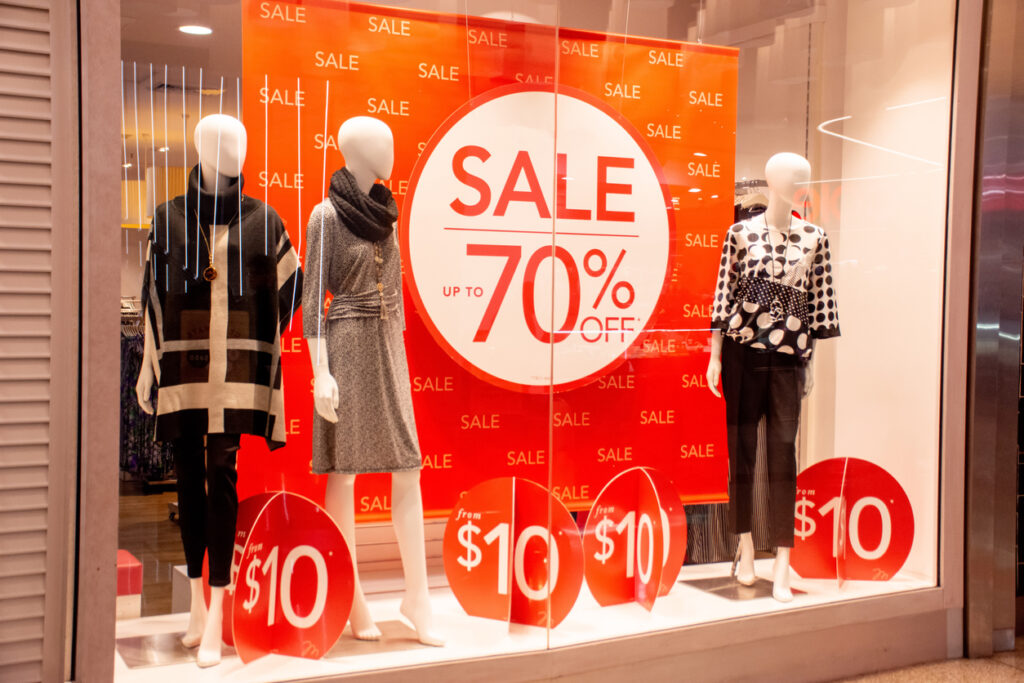
Discounts and “limited time” offers create a powerful sense of urgency that can cloud even the most disciplined mind. A flashing “50% off” sign or a “buy one, get one” deal can make a purchase feel like a brilliant financial move, even if you never intended to buy the item in the first place. However, the reality is usually the exact opposite of a saving. Buying something simply because it is on sale still means you are spending money that would have otherwise stayed safely in your bank account. You aren’t “saving” $20; you are spending $20 on something you likely didn’t need.
Retail psychology plays a massive role in this trap. Sales are expertly designed to trigger a “fear of missing out” (FOMO), encouraging shoppers to act quickly rather than think critically about the purchase. Studies in consumer behavior consistently show that people are far more likely to buy completely unnecessary items when they perceive they are getting a rare deal. The end result is a house full of clutter and a budget that is stretched thin. Over time, these repeated “bargain” purchases can quietly undermine your long-term goals. True savings only occur when money is not spent at all, regardless of how attractive the discount might seem on the price tag.
Status Spending

In a modern culture heavily shaped by social media “influencers” and public perception, spending has unfortunately become a primary way to signal success to the world. From high-end designer brands to luxury vehicle leases, many purchases are driven by a deep-seated desire to impress others rather than to meet practical everyday needs. While this behavior has existed for centuries, it has intensified significantly in the digital age, where everyone’s lifestyle is on a 24/7 display. We are constantly comparing our “behind-the-scenes” reality to everyone else’s “highlight reel,” which often leads to expensive and unnecessary competition.
Financial experts frequently warn that status-driven spending almost always leads to long-term financial strain and high levels of anxiety. Individuals may prioritize outward appearances over inward stability, taking on massive high-interest debt or neglecting their retirement savings just to maintain a certain social image. This can be particularly damaging because the emotional rewards of a luxury purchase are largely external and very short-lived. Over time, the pressure to “keep up with the Joneses” creates a cycle of spending that is incredibly difficult to break. The final result is often a lifestyle that looks incredibly successful on the surface but lacks any real financial security or peace of mind underneath.
No Expense Tracking
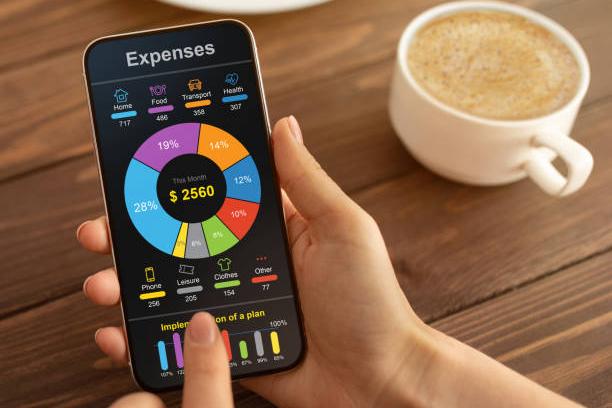
One of the simplest yet most frequently overlooked financial habits is the act of tracking exactly where your money goes each month. Without clear visibility into your transactions, it becomes almost impossible to identify wasteful spending or catch errors. Small, frequent expenses can easily slip through the cracks of a busy life, creating what financial advisors often call “financial leaks” that drain your wealth. If you don’t know that you spent $400 on dining out last month, you are likely to repeat the same behavior next month without a second thought, assuming your budget is “fine.”
Research consistently shows that people who actively track their spending are significantly more likely to save money and stay within their designated budgets. Yet, many people avoid this task because they fear it will feel time-consuming, boring, or overly restrictive. In reality, even a quick weekly review of your banking app can reveal surprising patterns that would otherwise remain hidden in the shadows. A lack of tracking does not just affect your day-to-day choices; it also cripples your long-term planning. Without total awareness, you are left constantly reacting to your finances rather than taking proactive control over them, which almost always leads to ongoing and unnecessary financial stress.
Paying For Convenience

Convenience has become one of the most expensive defining features of modern consumer life. From premium food delivery apps to same-day shipping and pre-cut groceries, almost every service today is designed to save us a little bit of time and effort. However, this convenience always comes at a premium price, with hidden fees, service charges, and tips that add up with alarming speed. While paying for delivery once in a while is a nice treat, making it a standard way of life can be a silent budget killer that prevents you from reaching your bigger goals.
In many cases, people pay these extra costs without fully considering the long-term impact on their net worth. Delivery charges and higher “convenience” markups can easily increase your monthly food spending by 30% or more. While a $5 delivery fee might seem small in the moment, the cumulative effect over a year of frequent use can be thousands of dollars. Over time, prioritizing ease over cost can quietly reshape your entire budget, drastically reducing the amount of money you have available for meaningful savings or essential expenses. The key to financial health is not necessarily to eliminate convenience entirely, but to use these services intentionally as a luxury rather than a mindless habit.


