
Why Your Wallet Feels Lighter Than You Planned
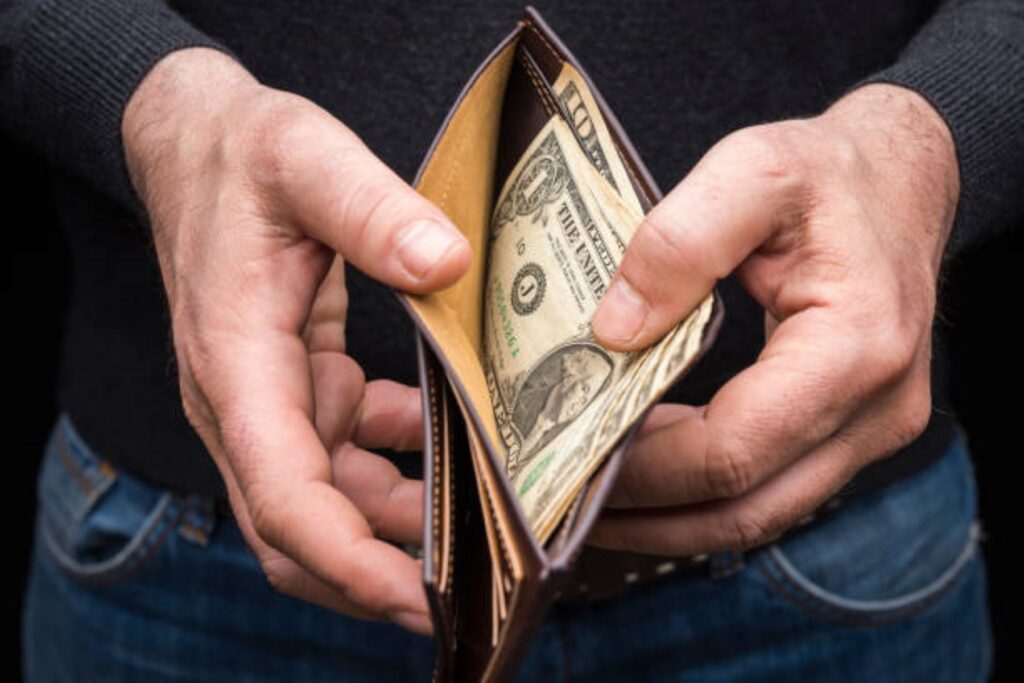
We have all been there before, haven’t we? You nip into the local supermarket for a simple pint of milk and a loaf of bread, yet somehow you emerge twenty minutes later with a heavy bag full of items you never knew you needed. It is a peculiar phenomenon that feels like a personal lapse in willpower, but the truth is far more calculated because modern retail environments are meticulously designed to separate us from our hard-earned cash. From the subtle scent of baking bread that greets you at the door to the specific way prices are displayed on a shelf, there is a complex psychological landscape at play every time we go shopping.
Understanding these tactics matters because it shifts the power back into your hands as a consumer. In an era where the cost of living is a constant conversation at the dinner table, being aware of how brands nudge our spending habits is essential for maintaining a healthy bank balance. Companies invest millions into consumer research to figure out exactly how to bypass our logical thinking and tap into our emotional impulses instead. By shining a light on these sneaky strategies, we can start to see the shop floor for what it really is, which is a carefully curated obstacle course designed to encourage us to spend just a little bit more than we originally intended.
“Buy Now, Pay Later” Plans
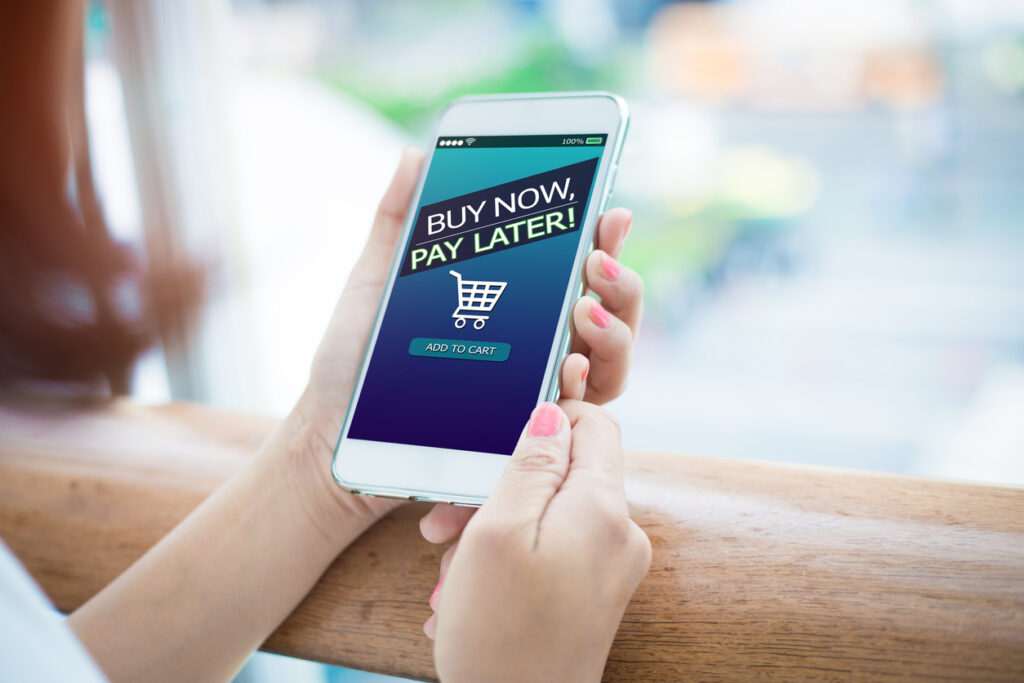
The rise of digital finance has introduced “Buy Now, Pay Later” services which have completely transformed how we perceive the cost of high-ticket items. When you see a sleek new television priced at several hundred dollars, your brain might initially flag it as an expensive luxury that is currently out of reach. However, when that daunting total is broken down into four smaller interest-free installments, the psychological barrier suddenly drops because the immediate impact on your weekly budget feels negligible. This clever framing encourages shoppers to commit to larger purchases they might otherwise have saved for or avoided entirely as the smaller numbers feel far more manageable and less like a significant financial commitment.
Retailers love these schemes because they effectively increase the average order value by making expensive upgrades seem like a bargain. Since the first payment is usually quite low, the dopamine hit of making a new purchase happens instantly while the actual financial “pain” is deferred to a future version of yourself. This detachment from the total cost can lead to a snowball effect where multiple small commitments eventually add up to a monthly outgoing that is difficult to juggle. It is a brilliant way for companies to keep inventory moving while ensuring that consumers feel empowered to spend more than their current bank balance might strictly allow at that specific moment in time.
The Magic Number Nine
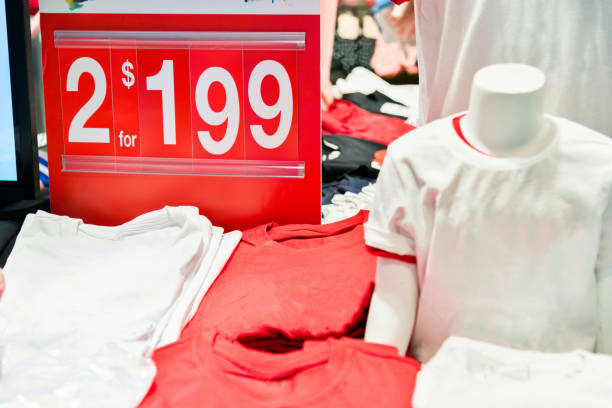
You have likely noticed that almost every price tag ends in a nine and this is not a coincidence but rather a well-documented psychological phenomenon known as the left-digit effect. When we read a price like $9.99, our brains process the most significant digit first and subconsciously anchor the value to nine dollars rather than the ten dollars it effectively is. Even though the difference is a mere penny, that single digit change makes the item feel significantly cheaper and more like a bargain. This tactic has been used for decades because it exploits the way human eyes scan information quickly and it remains one of the most effective ways to nudge a customer toward a purchase.
This strategy works because it creates a perception of value that bypasses our logical reasoning and taps into our desire for a good deal. Research suggests that items ending in nine often outsell those ending in zero even if the price is technically higher because the “9” signals a discount or a competitive price point in the shopper’s mind. It is a subtle form of mental gymnastics that retailers use to ensure their products look as attractive as possible on the shelf. While we might think we are too savvy to be fooled by a penny, the sheer prevalence of this pricing model across every industry suggests that it continues to work incredibly well on all of us.
The Power Of Anchoring
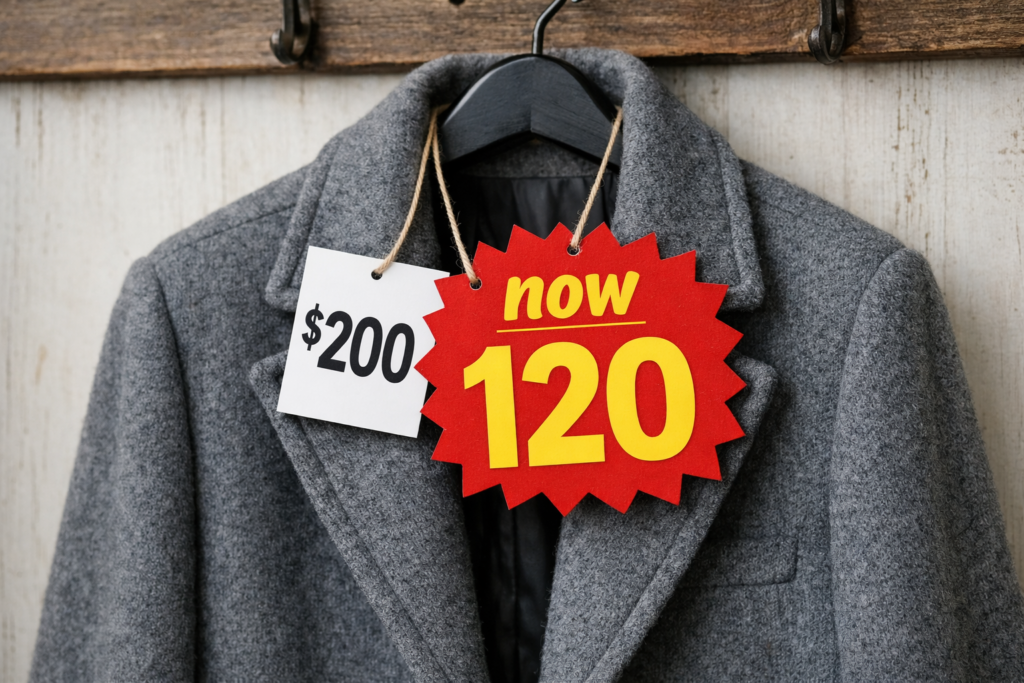
Price anchoring is a remarkably clever tactic where a retailer displays an inflated “original” price right next to a lower “sale” price to influence your perception of value. When you see a coat marked down from $200 to $120, your brain immediately uses that initial $200 as a mental anchor and perceives the new price as a massive saving of eighty dollars. In many cases, the item was never intended to sell at the higher price for very long, or perhaps not at all, but the presence of that larger number makes the current price seem like an opportunity that is simply too good to pass up.
This technique is particularly effective because it stops us from questioning whether the item is actually worth the money and instead focuses our attention on how much we are “saving.” We become so preoccupied with the perceived discount that we forget we are still spending a significant amount of money on something we might not have even been looking for. It is a classic move used during Black Friday and seasonal sales to create a sense of triumph in the shopper. By setting a high expectations with the anchor price, the company ensures that even a relatively expensive product feels like a hard-won victory for your personal finances.
Clever Decoy Pricing
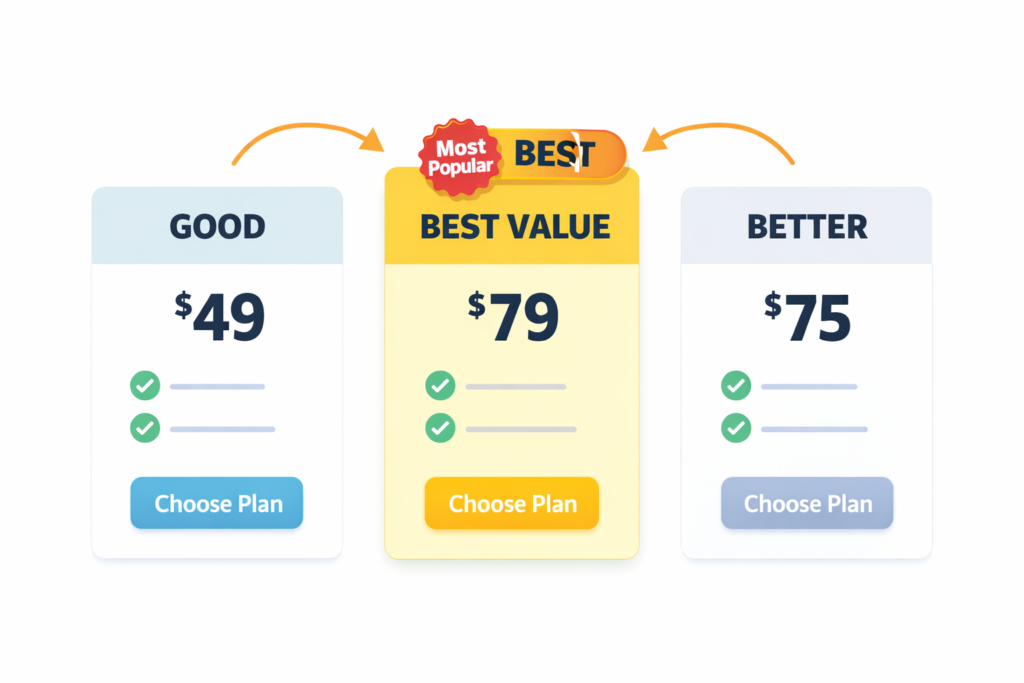
Decoy pricing is a sophisticated strategy where a company introduces a third, less attractive option specifically to make another choice look like the best possible deal. Imagine you are at the cinema and a small popcorn is $4 while a large is $7, which might make the large seem a bit too expensive for a snack. However, if the cinema introduces a “medium” option for $6.50, the large suddenly looks like incredible value because for just fifty cents more, you get a much bigger portion. The medium option is the “decoy” because the company does not actually expect you to buy it; its only job is to push you toward the most expensive choice.
This psychological nudge works by simplifying the decision-making process for the consumer and making them feel like they have made a rational, value-based choice. We naturally gravitate toward the middle or upper tiers when the price gap between them is small because we hate the feeling of missing out on a better deal. It is a common tactic in subscription services and coffee shops where the tiers are carefully calibrated to guide your hand toward the one that generates the most profit for the business. By manipulating the context of the choice, companies can successfully encourage us to spend more than we originally intended without ever forcing our hand.
Misleading Sale Signs
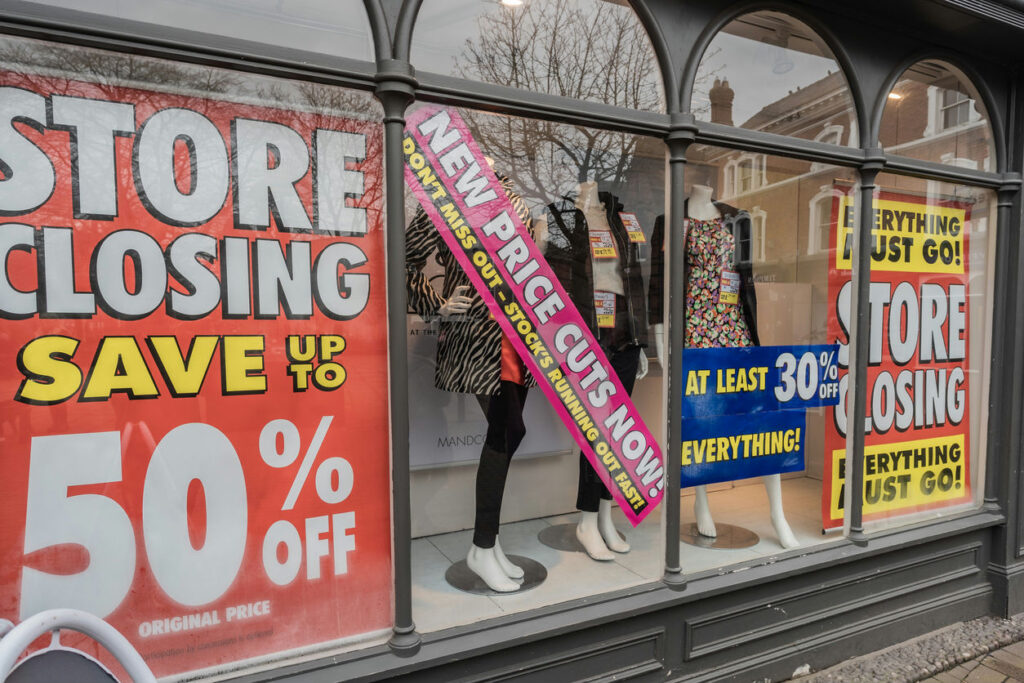
We have all been lured into a shop by a bright red sign promising “Up To 50% Off” only to find that most of the stock is barely discounted at all. This “up to” framing is a classic retail trick designed to get foot traffic through the door by creating a vague but exciting expectation of massive savings. Once you are inside the store and have started browsing, the psychological principle of commitment kicks in because you have already invested the time and effort to enter. Even if the items you actually like are only discounted by ten per cent, you are far more likely to buy them anyway because you are already in a “shopping” mindset.
This strategy exploits the way we skim-read information and focus on the most impressive numbers while ignoring the small print that qualifies them. It creates a sense of urgency and excitement that can cloud our judgement and lead to impulse purchases of full-priced items that happen to be displayed near the few genuine bargains. Retailers know that the hardest part of the sale is getting the customer into the building and they use these ambitious claims as a powerful magnet. By the time you realise that the half-price items are all in sizes that don’t fit anyone, you have likely already spotted something else that you are now tempted to buy.
The Freemium Trap
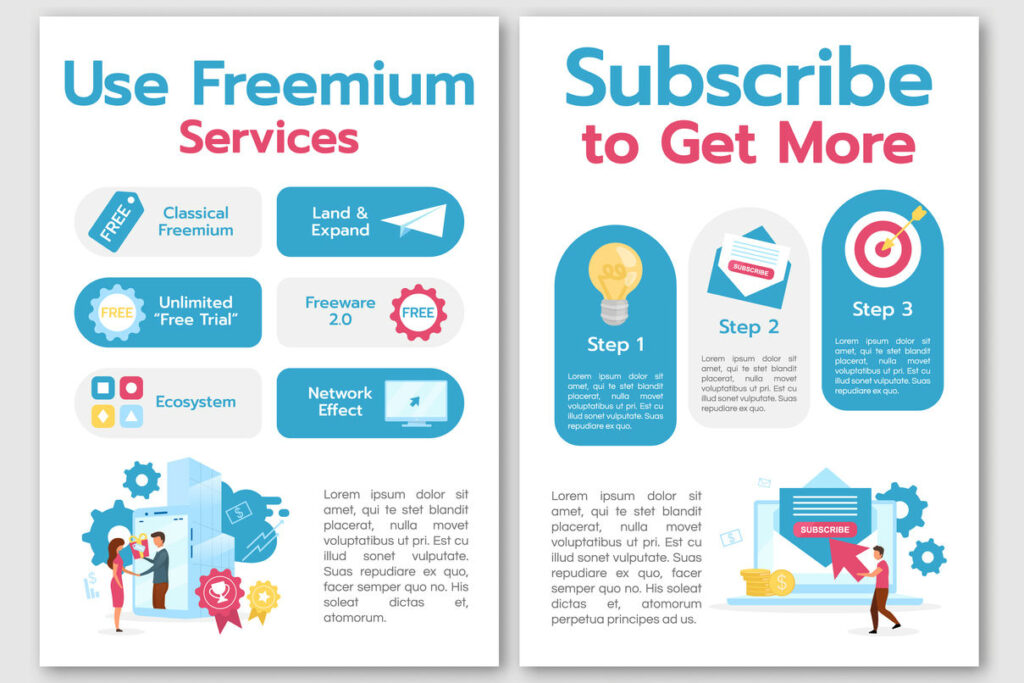
The freemium model has become the standard for digital services and apps because it is an incredibly effective way to hook users into an ecosystem before asking for money. By offering a basic version of a product for free, companies remove the initial barrier to entry and allow you to integrate their service into your daily life. However, these free versions are often designed with just enough “friction” or missing features to make the experience slightly frustrating. Whether it is a limit on storage or the presence of adverts, the company is counting on the fact that once you are a regular user, you will eventually pay for the “premium” upgrade.
This works because of the “endowment effect,” which is a psychological quirk where we value things more highly once we feel we own them or have invested time in them. Transitioning from a free user to a paying customer feels like a natural progression rather than a new purchase because you are already familiar with the interface and the brand. Companies often use data from your free usage to send perfectly timed notifications about features you are missing out on, which creates a sense of lack that only a subscription can fix. It is a long-game strategy that turns a casual user into a reliable source of recurring monthly revenue.
Bundling For “Value”
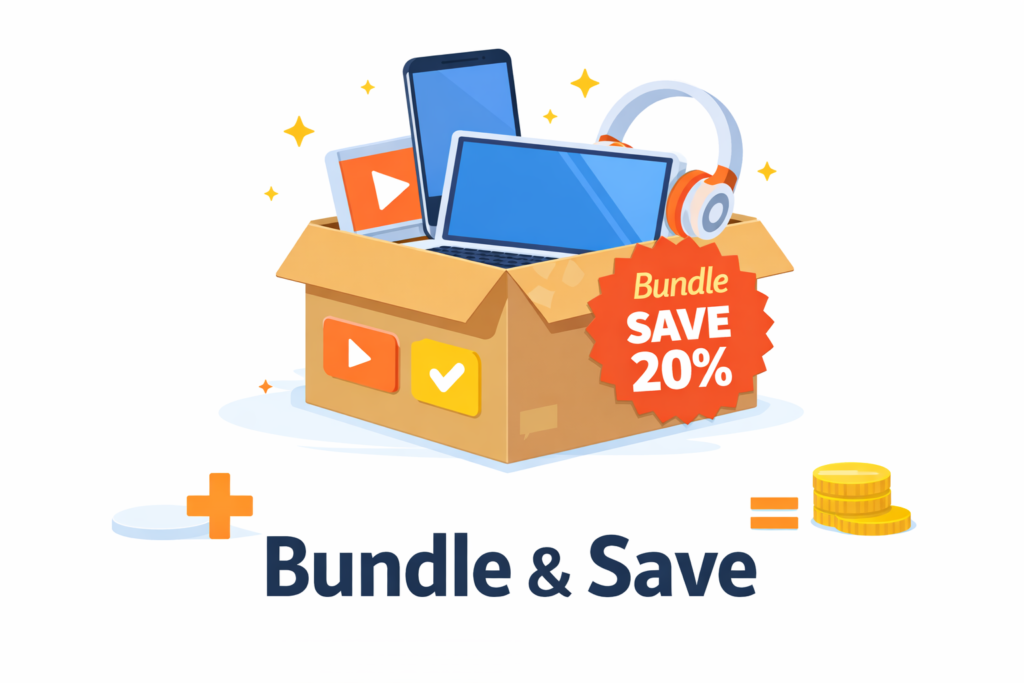
Bundling is the practice of grouping several related products together and selling them as a single package, often at a price that is lower than if you bought them all individually. While this can sometimes be a genuine deal, it is frequently a sneaky way to get you to buy items you never actually wanted in the first place. You might go in for a new camera but find a “starter bundle” that includes a bag, a tripod, and a specific lens cleaning kit for a slightly higher price. Even if you only needed the camera, the perceived value of the extra “freebies” makes the bundle feel like a smarter financial move.
This tactic works because it reduces “price pain” by hiding the individual cost of each item within the total package price. It also saves the consumer the mental effort of shopping for accessories separately, which is a convenience that companies are happy to exploit. However, from the retailer’s perspective, bundling is a fantastic way to clear out slow-moving inventory by pairing it with a popular flagship product. You end up spending more money upfront for a collection of items that might just sit in a drawer, while the company enjoys a higher total sale and a cleared warehouse, making it a win for them and a questionable one for you.
Strategic Shop Layouts
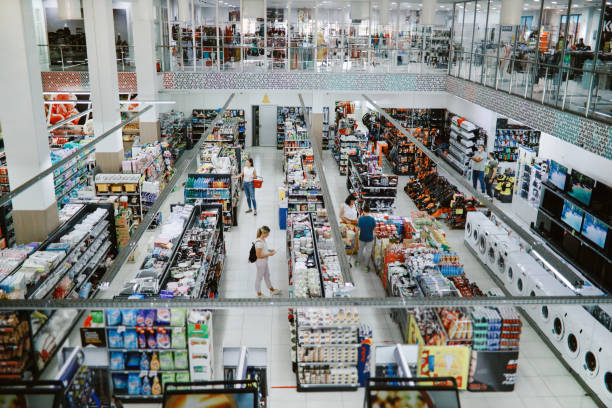
Have you ever wondered why you have to hike to the very back corner of a giant supermarket just to find the milk or the eggs? This is a deliberate piece of retail engineering known as strategic product placement which ensures that you have to walk past as many aisles as possible to get to the essentials. Grocery stores are designed like labyrinths where the most common items are placed at the furthest points, forcing you to run a gauntlet of end-of-aisle promotions and tempting displays. Every extra meter you walk is another opportunity for a colourful package or a “special offer” to catch your eye and trigger an impulse buy.
This layout exploits our tendency to pick up extra items once we are already moving through the store with a basket in hand. Retailers also place high-margin products at eye level while keeping the cheaper, generic brands on the bottom shelves where they are harder to spot. Even the “islands” of seasonal goods in the middle of the main walkways are there to disrupt your path and force you to slow down. By controlling the flow of traffic and making the journey to the checkout as long as possible, stores significantly increase the chances that you will leave with a much fuller trolley than your shopping list originally dictated.
Oversized Shopping Carts

The humble shopping trolley has grown significantly in size over the last few decades and this is not just to accommodate our growing appetites but to nudge our spending. When you are pushing a massive metal basket that is mostly empty, it creates a subconscious psychological desire to fill that space because a few items rattling around the bottom looks like a “small” shop. This visual cue can lead us to believe we haven’t bought enough yet or that we are being overly frugal, which often results in us picking up a few extra treats or bulk items just to make the trolley feel more substantial.
Research has shown that doubling the size of a shopping cart can lead customers to buy up to forty per cent more than they would with a smaller basket. It is a subtle form of environmental manipulation that works on a level we rarely notice while we are busy comparing brands of pasta. Many stores have even started introducing larger “family-sized” trolleys alongside standard ones to further encourage this behaviour. By providing you with more “real estate” to carry goods, the retailer is essentially giving you permission to keep shopping, making it much easier to justify that extra pack of biscuits or the fancy bottle of wine that wasn’t on the list.
Exploiting Loss Aversion
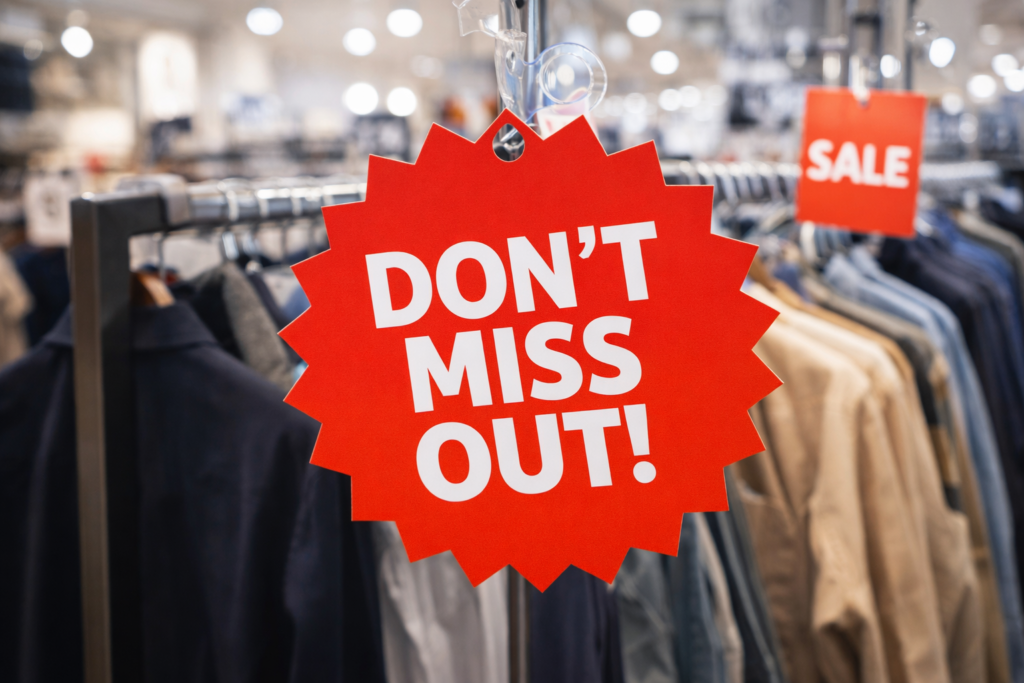
Human beings are hardwired to fear losing something more than we enjoy gaining something, which is a psychological trait that companies exploit through a technique called loss aversion. You see this everywhere in marketing language that uses phrases like “Don’t miss out,” “Last chance,” or “While stocks last” to create a sense of immediate urgency. When we think we might lose the opportunity to get a deal, our brains go into a mild state of panic that can override our logical budgeting. We end up buying things not because we need them right now, but because the idea of missing the “savings” feels like a personal failure.
This tactic is frequently used in online shopping with countdown timers or notifications that say “five people are looking at this item right now” to pressure you into a quick decision. By framing the purchase as a way to avoid a loss, companies tap into a very primal part of our psychology that prioritises safety and resource gathering. It turns a simple transaction into an emotional race against time, which often results in us clicking “buy” before we have really had a chance to consider if the purchase is necessary. It is a highly effective way to drive sales by making the consumer feel like they are protecting themselves from a missed opportunity.
“Small Fee” Framing
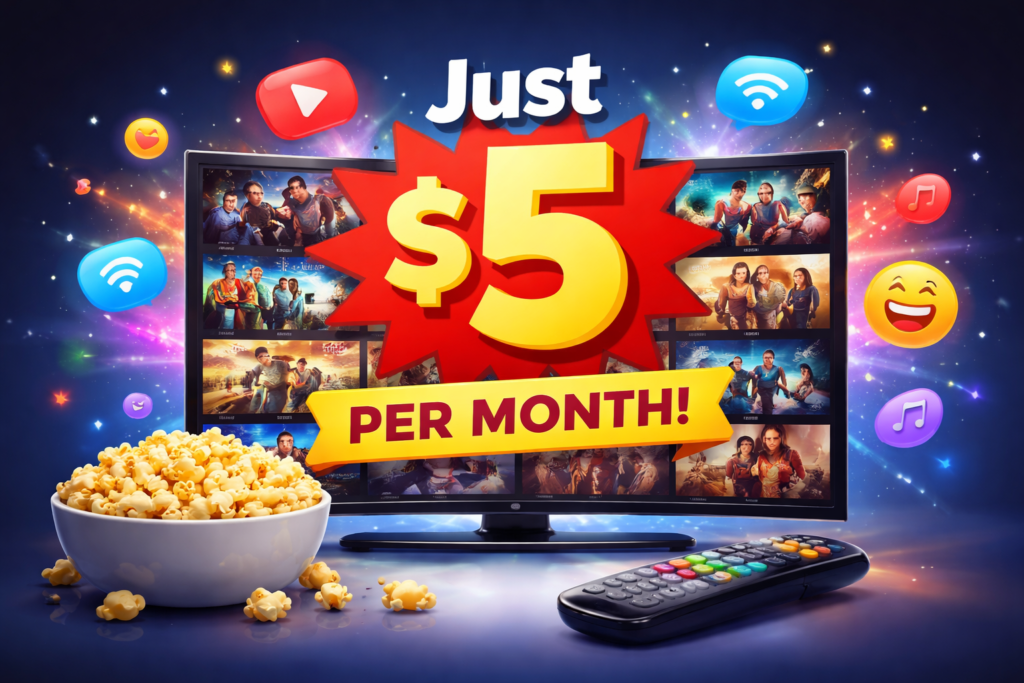
The language that companies use to describe costs can significantly alter our perception of the expense, and they frequently employ words like “small,” “just,” or “only” to frame fees as trivial and non-consequential. A classic example is a monthly subscription billed as “just $5,” which sounds like a minor, inconsequential addition to your monthly expenses that you can easily afford without sacrificing anything else. This semantic positioning is a deliberate attempt to minimise the perceived financial impact in your mind, making the cost feel more palatable and easier to accept without rigorous analysis. It’s an effective mental trick because it reframes the expenditure as a simple, affordable choice that fits seamlessly into your budget.
This “small fee” framing is a cornerstone of subscription services, app purchases, and microtransactions because it helps customers justify multiple small outlays, which quickly accumulate. When you see a monthly fee of “just $5,” it seems insignificant, but when you multiply that by a year and add in other “just $5” subscriptions, the total becomes a substantial sum that could have been better allocated elsewhere. Retailers are adept at leveraging this subtle linguistic nudge to make us feel that we are spending very little when, in reality, we are consistently draining our funds through numerous minor, barely noticeable purchases. This gradual erosion of your disposable income is precisely what these clever companies aim to achieve.
Removing Dollar Signs
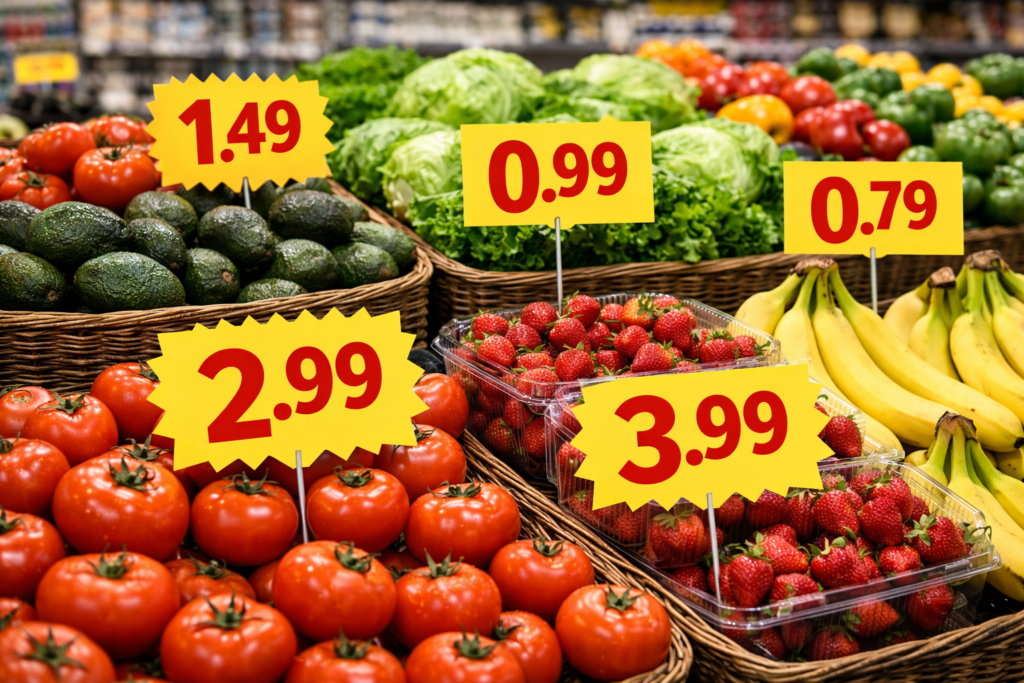
It is a striking observation that many restaurants and premium retailers choose to omit the dollar ($) sign from their price listings, a subtle but powerful visual trick designed to alter our spending habits. When prices are listed simply as “12” instead of “$12,” the connection between the number and the physical exchange of currency is subtly diminished. Studies have shown that without the currency symbol, which acts as a “pain of paying” trigger, customers become less focused on the cost and more comfortable with the price point. This lack of visual connection to cash can make the menu appear more sophisticated and less transactional.
This seemingly minor aesthetic change can have a significant impact on consumer behaviour, as it encourages diners and shoppers to focus on the sensory description of the item rather than its financial cost. Without the currency sign to anchor the number, the brain processes it purely as a quantity, and customers are subconsciously freed to order that extra appetiser or upscale side dish. It is a brilliant example of how environmental design can bypass our logical spending limits. By decoupling the transaction from the emotional “sting” of spending, companies make us feel less constrained, leading us to indulge in more items and ultimately inflating the total bill in a way we likely would not have otherwise.
The Loyalty Loop
Loyalty and rewards programs are ubiquitous in modern commerce, presented as an opportunity for customers to “earn” points or future discounts, but they are a very calculated strategy to ensure repeat business and, crucially, to encourage higher spending. When you know you are just a few points away from a reward, like a free coffee or a voucher, you are far more likely to make an extra purchase or choose a slightly more expensive item just to hit that milestone. It turns a simple buying process into a game where the customer is incentivised to continue spending, with the promise of a future return that often doesn’t equal the value of the extra spend.
Furthermore, these programs are a powerful tool for customer retention, discouraging you from visiting a competitor, even if that competitor has a better product or a cheaper price, because you don’t want to lose your accumulated rewards. They create a “lock-in” effect where the psychological cost of starting a new rewards account overrules logical financial decision-making. Companies aren’t simply giving you freebies; they are buying your repeated business and cleverly nudging you to spend more over time than you would have without the program. It’s a very sophisticated system that gamifies consumer spending to the brand’s clear advantage.
Sensory Marketing Magic

Step into a carefully designed retail space, and you are immediately immersed in a powerful sensory experience designed to put you in a mood conducive to spending. Stores are meticulously curated with specific lighting, calming ambient music, and pleasant scents, like fresh coffee or vanilla, all of which are scientifically chosen to make you feel relaxed, comfortable, and positive. This pleasant emotional environment is not accidental; it is a calculated effort to create an atmosphere where customers are happy to linger, allowing for more spontaneous, impulsive decisions and reducing the psychological desire to rush your shop and leave.
This manipulation of the five senses is a profound way to bypass the critical, rational thinking mind and speak directly to your emotions and impulses. Music with a slower tempo has been found to slow down customers, while bright, cheerful lighting can make products look far more appealing on the shelf. The powerful combination of a warm scent and the right playlist can significantly increase the length of time you spend in a store, which is directly correlated with how much you will ultimately spend. This environment is a curated stage, designed to create a sense of wellbeing and comfort that cleverly lowers your financial guard.
The Bulk Buying Illusion

A very common strategy, particularly in supermarkets, is the use of “X for Y” signs, which lead you to believe that you must buy multiple items to secure a better deal. A sign that reads “Five for $5” is far more likely to get you to purchase five items when a single item is actually available for just $1, because the language suggests a conditional, special offer that you are foolish to miss out on. This visual “deal framing” encourages bulk buying, increasing the store’s average transaction size and moving inventory faster, regardless of whether you actually needed all five of those items in the first place.
This tactic works on a deep level of human psychology, playing on our desire for value and our fear of missing out on a clear financial opportunity. It requires a customer to do a little mental arithmetic that most people, in the rush of a weekly shop, are simply unwilling or unlikely to perform. By presenting the price as a total, the company makes the individual cost seem lower, and shoppers often succumb to the “more is better” trap. The result is that you end up with a cupboard full of tinned goods or multipacks that you might not finish for months, having spent more money upfront than your immediate needs dictated.


