
1. Beef Jerky
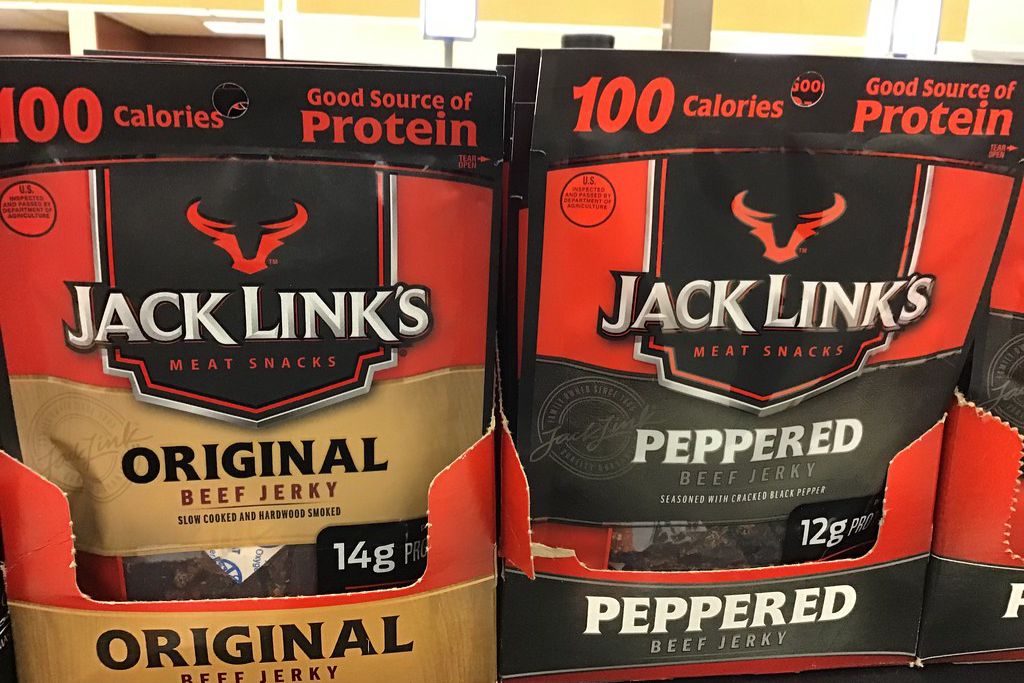
Beef jerky has been a staple of the American open road for decades, but its history stretches back much further. While the term comes from the Quechua word ch’arki, it was the commercial explosion of the 1980s and 1990s that truly cemented its place in gas station aisles. Brands like Jack Link’s, founded in 1986, helped transition this snack from a niche survivalist food to a mainstream powerhouse. By the time the 2000s rolled around, jerky had evolved into a variety of flavors, ranging from teriyaki to habanero, appealing to a wide demographic of hungry drivers looking for a healthy dose of protein without the need for a refrigerator.
For many travelers, buying a bag of jerky is the official “launch” of a long journey. It serves a very practical purpose behind the wheel: because it is tough and requires focused chewing, it keeps the driver engaged and prevents mindless overeating. There is a certain ritualistic comfort in passing a bag of salty, smoky meat around a quiet car during a late-night stretch through the desert or across the plains. It isn’t just about nutrition; it’s about reliability. In a world of fast-changing exits and unfamiliar towns, the consistent taste of a favorite brand of jerky feels like a steady companion that won’t spoil before you reach the next state line.
2. Potato Chips
Potato chips became a permanent fixture of the American travel experience following the expansion of the Interstate Highway System in 1956. As more families took to the road in the post-war era, snack companies like Lay’s (which began national distribution in the 1940s) and regional favorites like Utz or Wise saw a massive opportunity. These light, crispy treats were cheap, easy to manufacture, and had the long shelf life necessary for roadside retail. By the 1970s, the variety of flavors began to explode, allowing travelers to experience “local tastes” like Maryland’s crab seasoning or Texas BBQ just by stopping at a local convenience store.
The appeal of the potato chip lies in its sensory experience, the loud crinkle of the bag and the satisfying saltiness that pairs perfectly with a cold soda. Chips are the ultimate “social snack,” designed to be shared from the passenger seat to the back row. Even though modern travelers are more health-conscious than those in the 1950s, the potato chip remains a guilt-free indulgence specifically reserved for vacation days. There is a shared understanding that road trip calories don’t count quite as much, and the familiar crunch of a classic chip provides a sense of normalcy when the scenery outside the window is constantly changing.
3. Hot Dogs
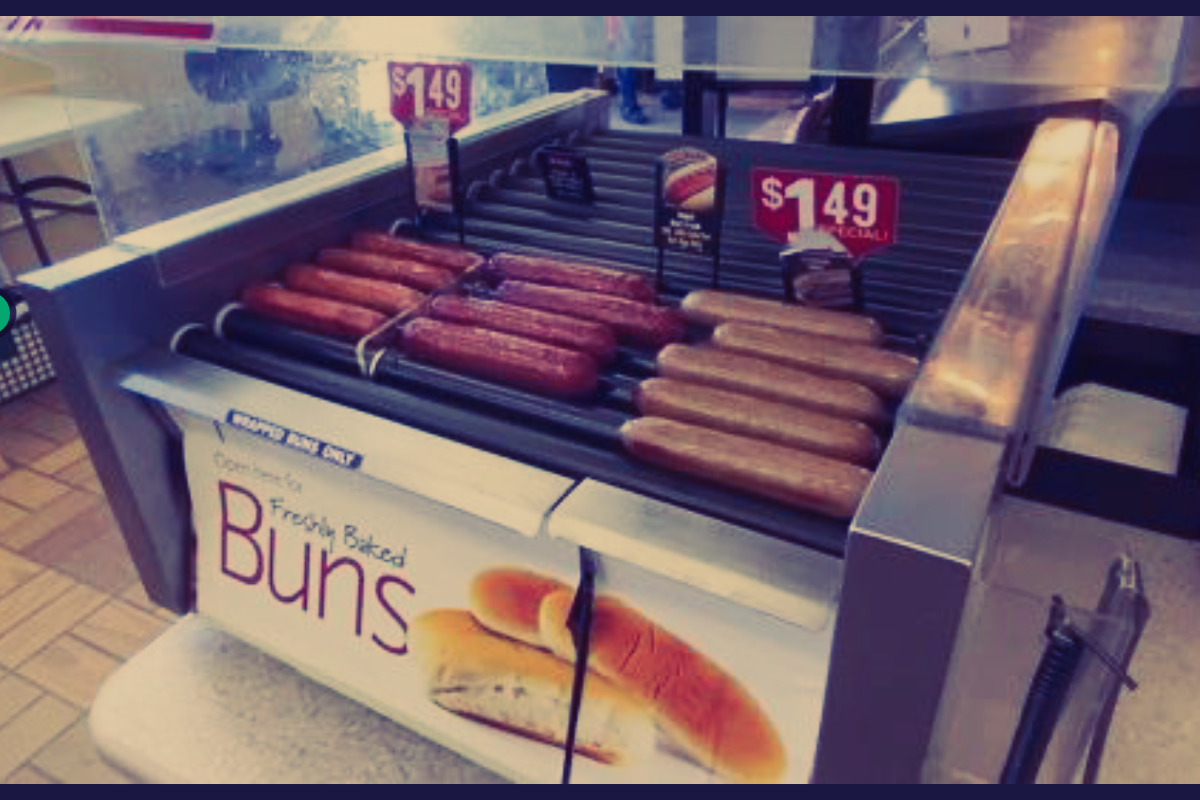
The hot dog’s association with travel blossomed during the golden age of Route 66 in the 1940s and 1950s. As roadside diners and “stands” became the primary way for motorists to refuel, the hot dog emerged as the perfect high-speed meal. It was affordable, required no silverware, and could be prepared in minutes. By the late 20th century, the introduction of the “roller grill” in convenience stores transformed the hot dog into a 24-hour food option. This allowed drivers to grab a warm, savory meal at any hour of the night, even in the most remote parts of the country where traditional restaurants had long since closed.
There is a deep, nostalgic comfort in a roadside hot dog that transcends its simple ingredients. It is a meal that demands zero ceremony; you eat it standing by the pump or sitting on the hood of the car, wrapped in a thin piece of foil or wax paper. For many adults today, the smell of a gas station hot dog brings back vivid memories of childhood summer vacations and stopping at bustling rest areas. It represents a no-frills approach to travel that prioritizes the destination over the dining room. Even today, it remains a symbol of the American spirit of efficiency, getting a hot, filling meal without wasting a second of daylight.
4. Trail Mix
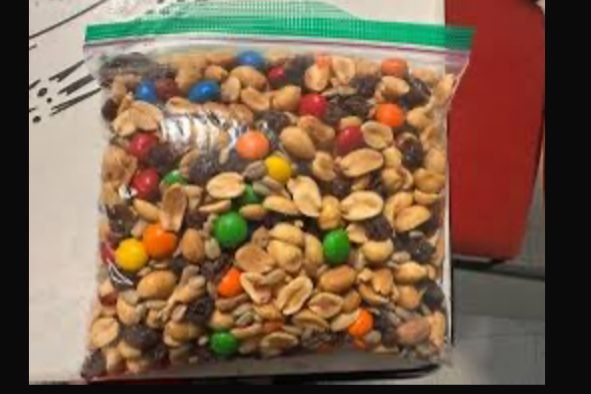
Trail mix, often affectionately called “Gorp” (Good Old Raisins and Peanuts), surged in popularity during the 1970s as the American “back-to-nature” movement took hold. Originally designed for hikers needing high-energy fuel that wouldn’t melt or rot, it quickly moved from the hiking trail to the highway. By the 1990s, major snack brands began mass-producing “Indulgent” versions that added chocolate chips and yogurt-covered pretzels to the traditional mix. This made it the go-to choice for drivers who wanted to feel like they were making a healthy choice while still satisfying a craving for something sweet and salty.
When you’re facing an eight-hour drive, trail mix feels like a purposeful choice. It suggests that you are an adventurer on a quest, even if that quest is just a trip to see relatives two states away. The variety in every handful, the crunch of a nut followed by the chew of a raisin, helps break up the monotony of a long, straight highway. Many travelers associate this snack with scenic overlooks and national park visits, where the food is as much a part of the environment as the trees. It’s a snack built for endurance, designed to keep your energy levels steady until you finally pull into your destination for the night.
5. Doughnuts
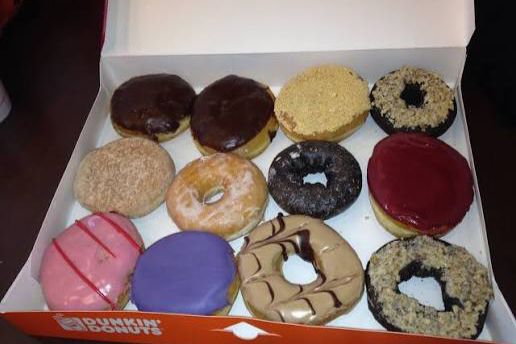
Doughnuts have been a part of the American morning commute since the mid-20th century, but their status as a road-trip icon was solidified by the rise of national chains. Dunkin’, founded in Quincy, Massachusetts, in 1950, and Krispy Kreme, which began expanding rapidly in the 1990s, turned the “dozen box” into a travel essential. For many, a road trip doesn’t officially begin until a box of glazed or powdered treats is nestled on the center console. Their availability at nearly every highway interchange makes them the ultimate convenience food for those early morning “beat the traffic” departures.
Eating a doughnut in a car is a messy, joyful, and slightly rebellious act. Whether it’s the fine dust of powdered sugar landing on your upholstery or the sticky glaze on your fingers, it signals a break from the rigid rules of everyday life. There is something uniquely peaceful about eating a fresh doughnut while watching the sunrise over the dashboard with a steaming cup of coffee in the cup holder. It’s a celebratory food that marks the transition from the “work-week self” to the “traveling self.” For many families, the tradition of picking out a favorite doughnut at a specific rest stop is a memory that lasts far longer than the snack itself.
6. Corn Dogs
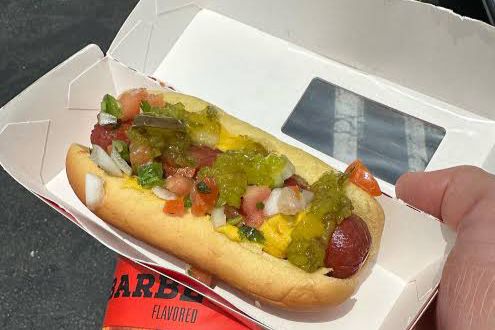
The corn dog is a quintessential piece of Americana that moved from state fairs in the 1940s to gas station warmers by the late 1970s. Its origin is often debated, but its popularity as a travel food is undeniable. Because the sausage is encased in a thick, sweet cornmeal batter and served on a stick, it solved the “messy car” problem that haunted many other hot snacks. By the 1980s, frozen food technology allowed every small-town convenience store to offer these crispy, golden treats, making them a staple of the Midwest and Southern road-trip experience.
Nostalgia is the secret ingredient in every roadside corn dog. For many travelers, this snack is a reminder of simpler times, summer carnivals, boardwalks, and childhood vacations. It’s an “impulse buy” food; you rarely plan to eat a corn dog, but seeing them spinning under the warm lights of a display case makes them impossible to resist. The convenience of the stick means you can walk back to your vehicle and start the engine while still enjoying your meal. This blend of sweet and savory flavors provides a quick hit of comfort that perfectly matches the spontaneous and often unpredictable nature of a great American road trip.
7. Packaged Sandwiches
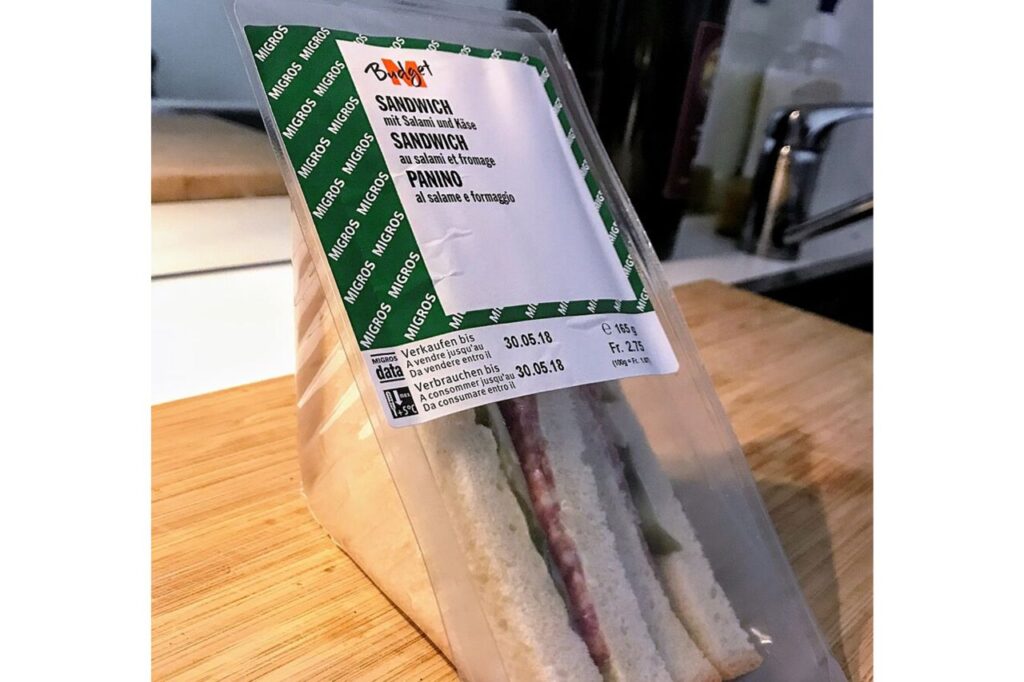
Packaged sandwiches, often referred to as “wedge” sandwiches due to their plastic triangular containers, became a gas station staple in the 1980s. As refrigeration technology became more reliable and affordable for small retailers, the “grab-and-go” meal was born. This allowed travelers to bypass the long lines of fast-food drive-thrus in favor of a quick turkey and swiss or a classic egg salad. By the early 2000s, these sandwiches had improved in quality, with many stores offering “premium” versions featuring artisan breads and fresh greens to appeal to a more discerning modern traveler.
The packaged sandwich represents the ultimate compromise of the road: it is the choice you make when you are hungry enough for a meal but too focused on your ETA to stop at a sit-down restaurant. There is a quiet, solitary ritual to eating a sandwich in a moving car, often done while focusing intently on the road ahead. While they may not be gourmet, they offer a sense of predictable reliability. In a sea of salty snacks and sugary drinks, a simple ham and cheese sandwich feels like a “real” meal that grounds you, helping the miles blur together just a little more comfortably as you chase the horizon.
8. Pretzels
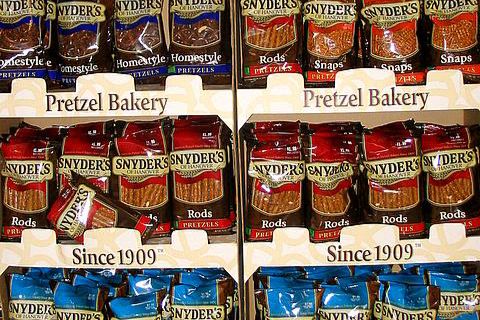
Pretzels have been a favorite American snack for over a century, but they truly found their lane on the highway during the snack-food boom of the 1960s and 1970s. Brands like Snyder’s of Hanover, which traces its roots back to 1909, helped standardize the hard pretzel as a durable, low-fat alternative to potato chips. Their sturdy nature meant they wouldn’t get crushed in a packed trunk or a crowded glove box, making them the perfect “back-up” snack for long-distance hauls where space was at a premium.
Pretzels are the “metronome” of road-trip snacks; they provide a steady, rhythmic crunch that helps pass the time without being overwhelming. Because they are salty, they encourage you to stay hydrated, and their lack of grease makes them a favorite for drivers who want to keep their steering wheels clean. Many people associate pretzels with the late afternoon “slump”, that time of day when you’re not quite ready for dinner but need something to keep your energy up. They aren’t the star of the show, but they are a loyal supporting character in the story of any great journey, providing a reliable crunch for every mile.
9. Candy Bars
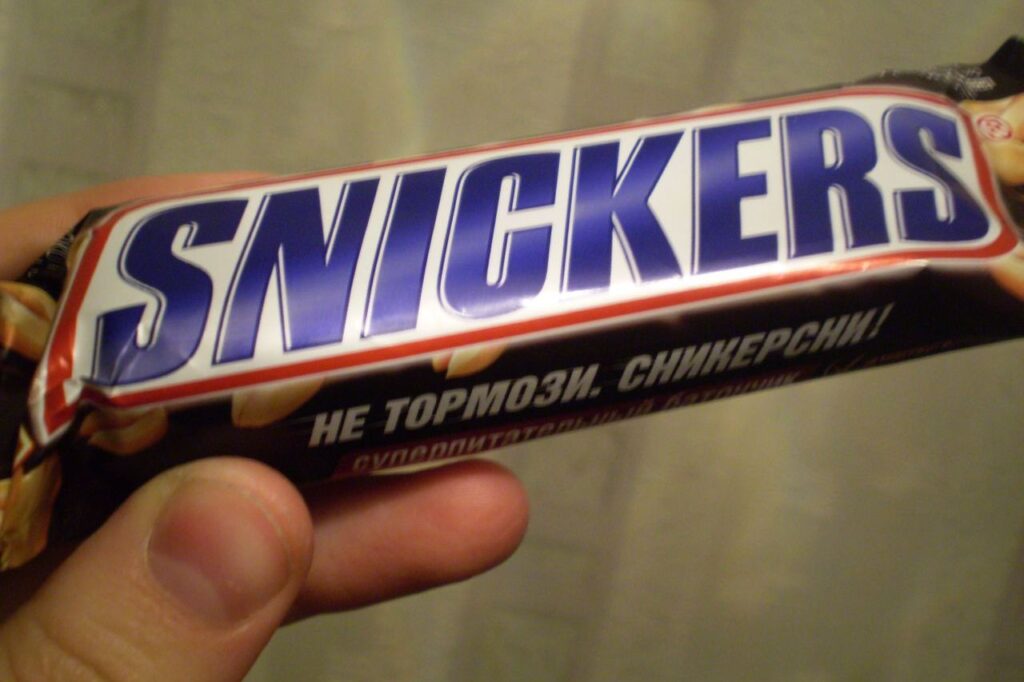
The relationship between candy bars and the American road trip solidified after World War II, when the highway system expanded and gas stations began looking for high-margin items to sell at the counter. Iconic bars like Snickers (introduced in 1930) and Milky Way (1923) were already household names, but their portability made them the perfect “fuel” for drivers. By the 1950s, the checkout line “impulse buy” was a cornerstone of travel culture. These bars were designed to withstand a bit of heat and rough handling, making them a safe bet for a glove compartment stash.
For many, a candy bar is more than just sugar; it is a small, inexpensive reward for making it through a difficult stretch of traffic or a long night of driving. The act of slowly unwrapping a chocolate bar while the cruise control is set feels like a private celebration. It’s a quick hit of energy and a familiar taste that connects you to home, no matter how far away you actually are. Candy bars turn the boredom of a long highway into a series of small, delicious milestones, making the journey feel a little less like a chore and a little more like an adventure.
10. Fountain Soft Drinks
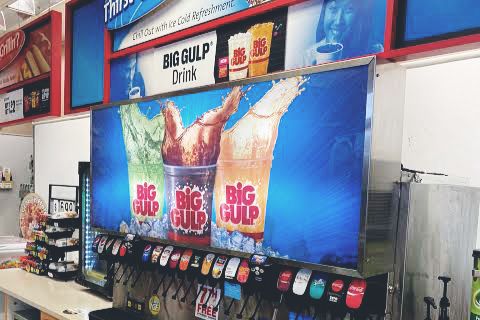
Fountain soft drinks became a central part of the pit-stop experience in the 1970s and 1980s, when self-service machines began appearing in gas stations nationwide. The introduction of oversized cups, like the “Big Gulp” in 1976, changed the way Americans hydrated on the road. These machines allowed for a level of customization that bottles couldn’t match, letting travelers mix flavors or load up on extra ice. This era turned the simple act of buying a drink into a refreshing “event” that offered a much-needed break from the confines of the driver’s seat.
The ritual of the fountain drink is about the “pause.” It’s the sound of the ice clinking into the plastic cup and the hiss of the carbonation that signals a temporary break from the road. These drinks are often used as a tool for alertness, providing a cold, caffeinated boost to help a driver stay focused during the final leg of a trip. Despite the rise of bottled water and sports drinks, the fountain soda remains a symbol of the open road, a large, icy, and endlessly customizable companion that represents the freedom and choice that define the American traveling spirit.
11. Breakfast Burritos
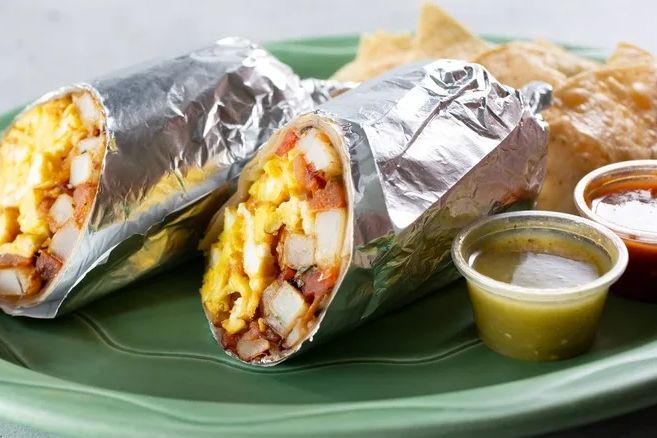
The breakfast burrito’s rise as a highway hero began in the 1990s and early 2000s when convenience store giants like Maverik and Casey’s General Store realized that travelers wanted more than just cold cereal. Borrowing from deep-seated Southwestern culinary traditions, these handheld meals became the ultimate “fuel” for those who hit the road before the sun came up. By the mid-2000s, specialized “warmer” technology allowed stores to keep these burritos at the perfect temperature for hours, ensuring a hot meal was available even at a remote gas station in the middle of a Nevada desert.
For a long-distance driver, the breakfast burrito is the gold standard of efficiency. Because it is wrapped tightly in a tortilla and then in foil, it stays warm for a long time and can be eaten with one hand without making a mess. There is a specific feeling of comfort associated with peeling back that silver foil on a chilly, foggy morning while the heater finally kicks in. It’s a grounding meal that provides a solid foundation of eggs, cheese, and protein, helping you settle into the rhythm of a long day of driving. It’s not just food; it’s a warm, portable reassurance that you’re ready for the miles ahead.
12. Fried Chicken
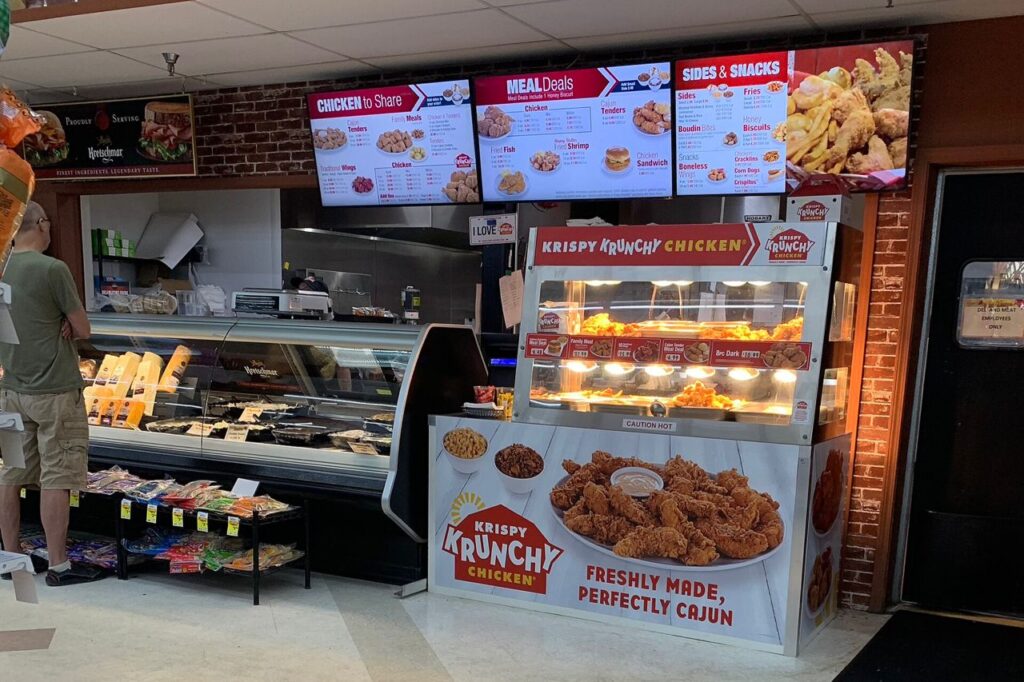
Fried chicken has been a staple of American travel since the 1950s, when regional chains and roadside “chicken shacks” flourished alongside the newly built highways. In the South and Midwest especially, gas stations began partnering with brands like Chester’s or Krispy Krunchy Chicken to offer boxed meals that could feed an entire family. Its popularity as a road snack grew because fried chicken is surprisingly versatile; it tastes just as good at room temperature at a picnic table as it does piping hot from the counter, making it the perfect “save for later” meal.
On a road trip, fried chicken usually signals a “group decision” rather than a solo snack. It’s the meal you buy in a bucket and pass around the car, accompanied by the distinct, savory aroma that lingers in the upholstery for the next three exits. For many people, eating fried chicken at a rest stop or on a scenic overlook is a core childhood memory, representing the slow, deliberate pace of a family vacation. It’s a messy, indulgent experience that forces you to put the car in park, get some napkins, and actually enjoy a moment of stillness before jumping back onto the humming interstate.
13. Slushies
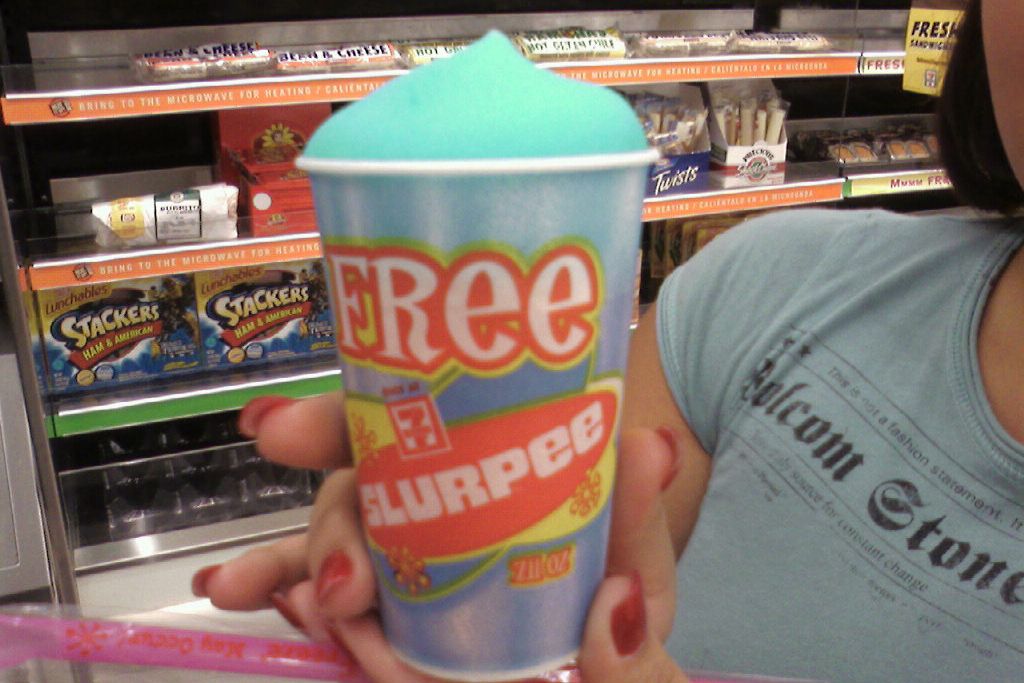
Slushies became a staple of the American gas station experience in the late 1960s and early 1970s, thanks to the invention of the frozen carbonated beverage machine. Iconic brands like 7-Eleven’s Slurpee (introduced in 1966) and the ICEE transformed simple sugar water into a colorful, icy treat that captured the imaginations of children and adults alike. By the 1980s, the “slushie machine” was a standard fixture in travel plazas, offering a kaleidoscope of neon blues and reds that promised instant relief from the sweltering heat of a cross-country summer drive.
The slushie is more than just a drink; it’s a playful interruption of a long, boring trip. The process of choosing a flavor, mixing colors, and finding the right straw adds a sense of novelty to a routine pit stop. On a hot July afternoon, the intense cold and sweet flavor provide a sensory “reset” that helps combat the fatigue of staring at hot asphalt for hours. Even as an adult, sipping on a slushie feels like a small reward for a job well done behind the wheel. It’s a reminder that road trips are supposed to be fun, and sometimes a brain freeze is a small price to pay for a moment of pure, icy joy.
14. Cheese Crackers
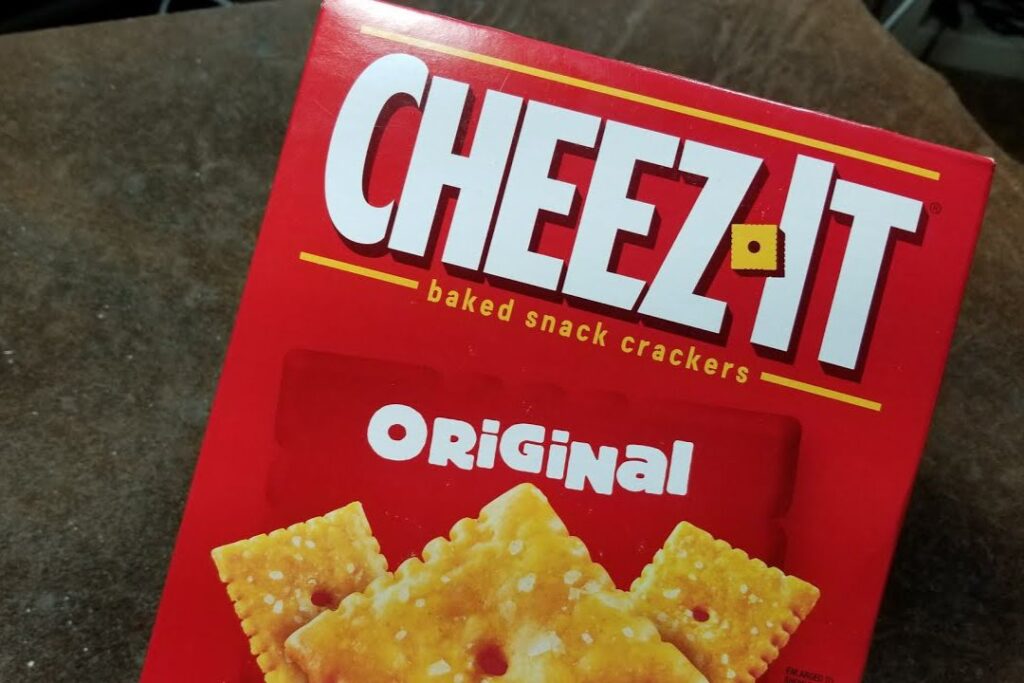
Cheese crackers, particularly brands like Cheez-It (born in 1921) and Goldfish (introduced to the US in 1962), have been a consistent passenger in American cars for over half a century. Their rise to fame on the road was driven by their “adventure-proof” design; they are small, sturdy, and packed in boxes that don’t easily crush. By the 1970s, they were a mainstay in the snack aisles of every major convenience store, valued for their ability to provide a salty, savory crunch without the greasy residue often left behind by traditional potato chips.
These crackers are the quintessential “background food” of a road trip. They are rarely the main event, but they are almost always there, sitting in a cup holder or being passed around by a co-pilot. Their mild, cheesy flavor is universally liked, making them the safest bet for families with picky eaters. Many travelers find themselves eating cheese crackers almost unconsciously while listening to an audiobook or chatting, only to realize half the box is gone by the next state line. They are a reliable, low-maintenance companion that helps bridge the gap between meals, providing a steady rhythm of crunch to match the hum of the tires.
15. Energy Drinks
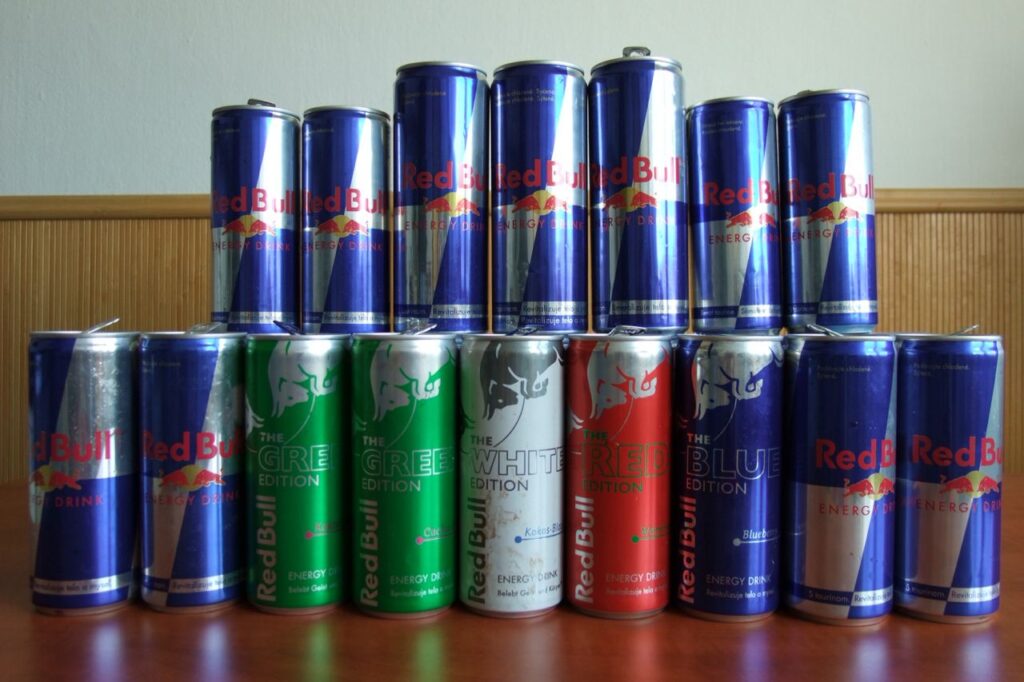
Energy drinks are a relatively modern addition to the road-trip menu, bursting onto the scene in the late 1990s and early 2000s. Red Bull’s arrival in the American market in 1997, followed by the launch of Monster in 2002, fundamentally changed how drivers approached overnight travel and long-distance hauls. These drinks were marketed as high-performance tools for alertness, and they quickly occupied prime real estate in gas station refrigerators. They replaced the lukewarm “bottom of the pot” coffee as the go-to solution for drivers needing to push through the “graveyard shift” on empty highways.
For a modern driver, an energy drink is a tool of necessity. It signals a shift in the journey, the point where fatigue sets in and the destination still feels far away. Many travelers associate the sharp, metallic taste of an energy drink with glowing dashboard lights, quiet podcasts, and the solitude of driving while the rest of the world is asleep. While they don’t carry the same “wholesome” nostalgia as a box of crackers, they have become a definitive part of the 21st-century travel experience. They represent the grit and determination required to cross the country, serving as a chemical “high-five” to keep you moving toward the finish line.
16. Popcorn
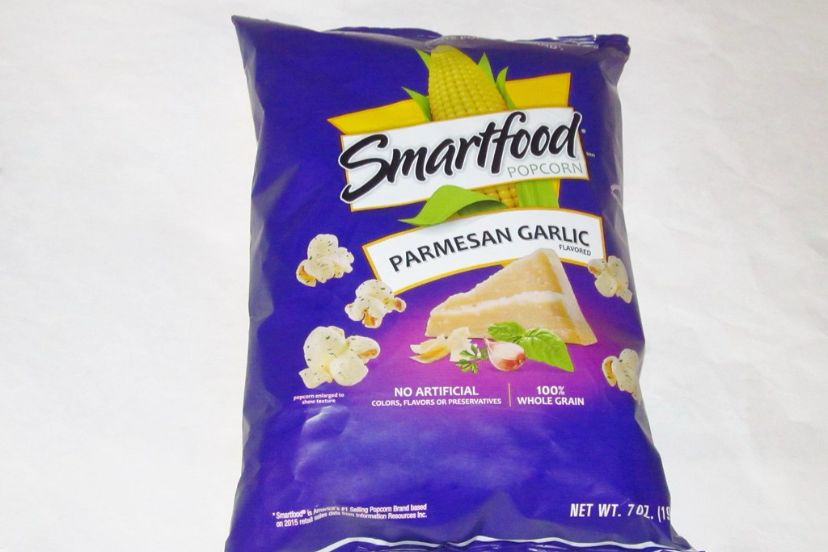
Packaged popcorn transitioned from a movie theater treat to a road-trip essential in the mid-20th century as mass-packaging technology improved. By the 1980s, brands like Smartfood (founded in 1985) introduced the concept of pre-popped, flavored popcorn that didn’t require a microwave. This made it a highly attractive option for travelers who wanted the volume of a snack without the heavy feeling of chips or sweets. Its light weight and long shelf life meant it could be tossed into a crowded backseat and still taste fresh days into a cross-country adventure.
Popcorn is the most polite snack on the road. It doesn’t have a strong odor, it isn’t messy, and it’s easy to portion out. Many travelers find that the repetitive motion of eating popcorn helps them maintain focus during long, monotonous stretches of highway. It’s a snack that feels a bit more “mindful,” allowing you to snack for an hour without feeling weighed down. Whether it’s simple sea salt or a more adventurous white cheddar, popcorn provides a gentle, airy crunch that supports the journey without distracting from the scenery. It’s a quiet, steady presence that makes the miles feel just a little bit shorter.
17. Pizza Slices
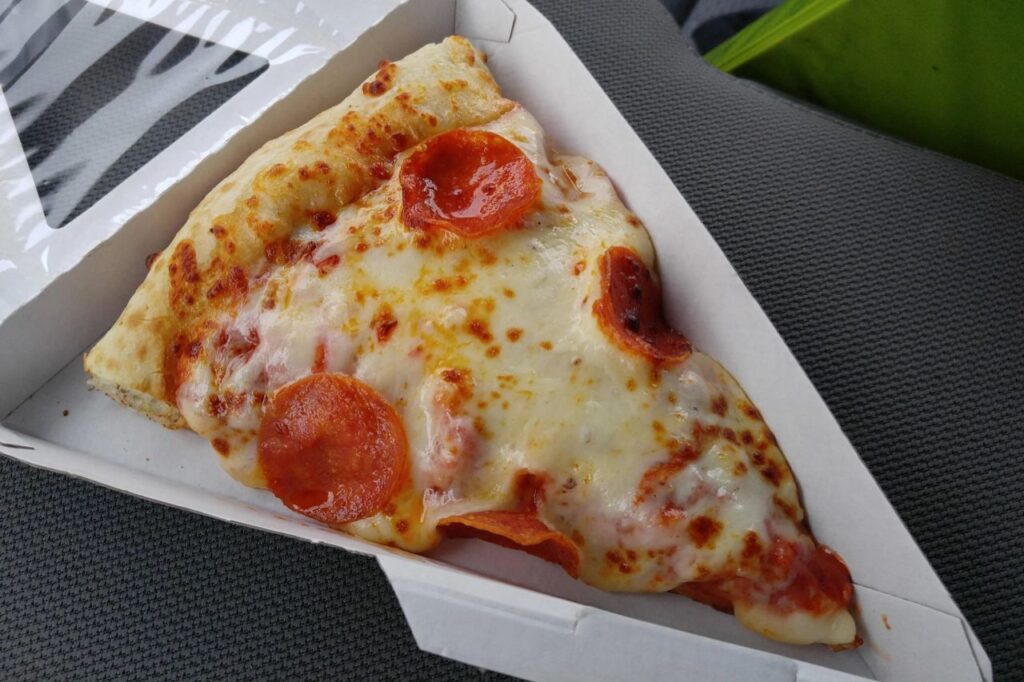
Pizza slices became a staple of American service stations in the 1990s as convenience stores evolved into “travel centers.” Companies like Sbarro and Casey’s General Store famously built their brand on high-quality pizza, often becoming the best food option in small, rural towns where national restaurant chains hadn’t reached. This “gas station pizza” movement proved that travelers were willing to pay for a warm, freshly baked slice that felt more like real food than a packaged snack. By the 2000s, warming cabinets filled with pepperoni and sausage slices were a standard sight from coast to coast.
Stopping for a slice of pizza is a way to upgrade your travel experience without wasting time. It’s a meal that feels familiar and grounding, offering a hot, cheesy reward after hours of cold AC and radio commercials. Most road-trip pizza is eaten standing up or sitting on a curb, usually folded in half to protect your clothes. This casual, “no-nonsense” way of eating perfectly captures the spirit of the road. It’s a comfort food that bridges the gap between a snack and a formal dinner, giving you the energy boost you need to get back behind the wheel and tackle the next hundred miles with a full stomach.
18. Granola Bars
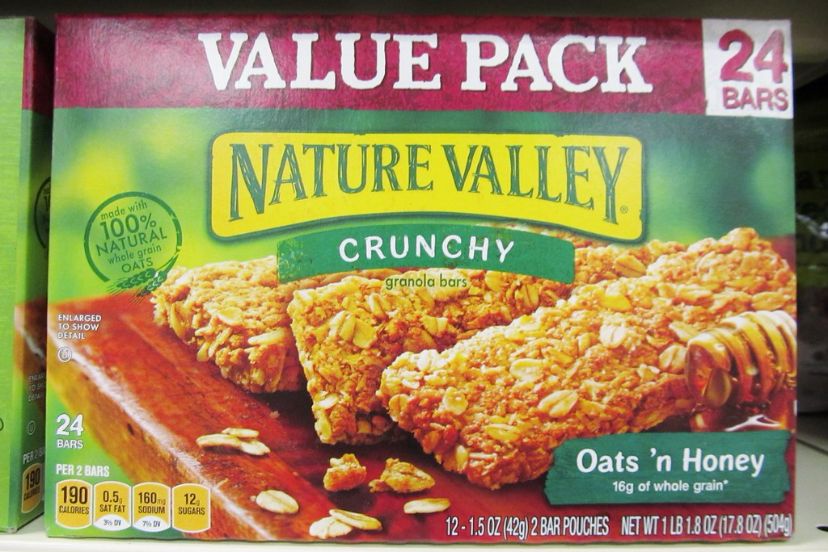
Granola bars surged in popularity during the “fitness craze” of the 1980s as Americans looked for portable snacks that felt healthier than a standard candy bar. Brands like Nature Valley (which launched the first mass-produced granola bar in 1975) and Quaker Oats made these bars a household name. By the 1990s, every gas station checkout counter featured a wide array of chewy or crunchy bars. Their durability is legendary, a granola bar can survive a week in a hot glove compartment or a frozen trunk and still be perfectly edible, making them the ultimate “emergency” travel food.
On a road trip, a granola bar is often the “sensible” choice. It’s the snack you reach for when you’re hungry but don’t want to commit to a full meal or a sugary indulgence. Many travelers keep a box of them in the side pocket of the door as a backup for when they get stuck in traffic or miss a turn. While they might not be the most exciting food on this list, they are incredibly practical. They provide a steady release of energy that helps you avoid the “sugar crash” of other snacks, acting as a reliable, quiet partner that keeps you fueled and focused until you reach your final destination.
19. Nachos
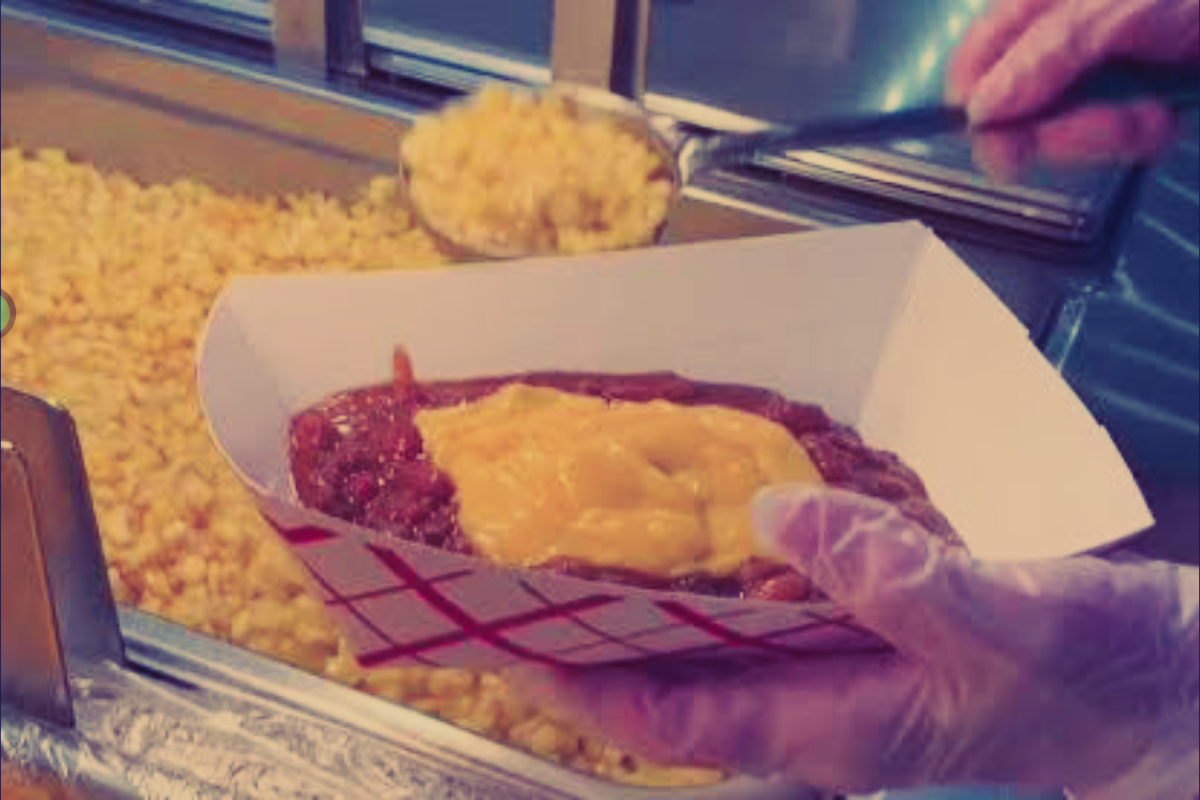
Nachos made the jump from stadium concessions to gas station counters in the late 1980s and early 1990s. The invention of shelf-stable, pumpable cheese sauce allowed even the smallest convenience store to offer this hot, crunchy snack. By the 2000s, “build-your-own” nacho stations became a popular feature in large travel plazas, where drivers could pile on jalapeños, salsa, and extra cheese. It turned a quick pit stop into a customizable culinary event, providing a much-needed break from the standard “brown and yellow” food options found on most highways.
Eating nachos on a road trip is a deliberate act that usually requires a complete stop. Unlike a sandwich or a bar, you can’t easily eat nachos while driving, which makes them the perfect excuse to sit down at a rest area table and take a breather. There is a specific kind of indulgence in a tray of salty chips covered in warm, bright-orange cheese. It’s a snack that feels like a treat, breaking the monotony of the drive with bold flavors and a satisfying crunch. Nachos turn a routine fuel stop into a memorable “food moment,” giving travelers something to talk about as they pull back onto the road.
20. Iced Coffee
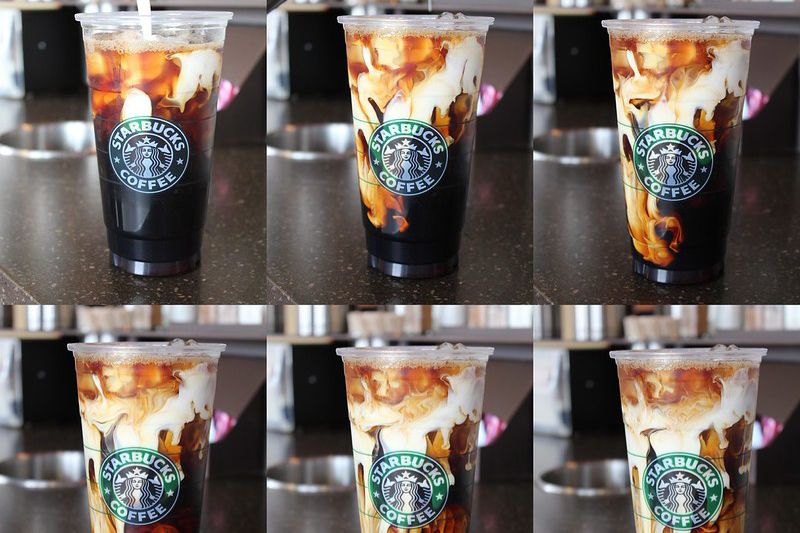
Iced coffee went from a niche café item to a mainstream road-trip necessity in the early 2000s. As coffee culture exploded and chains like Starbucks and Dunkin’ began appearing at nearly every major highway exit, the demand for cold caffeine skyrocketed. By the 2010s, most gas stations had replaced their simple “hot pots” with sophisticated dispensers for iced coffee and cold brew. This trend was driven by younger travelers who preferred a refreshing, chilled beverage that could be sipped slowly over several hours of driving, especially during the hot summer months.
For the modern road-tripper, iced coffee is the ultimate “co-pilot.” It sits perfectly in the cup holder, staying cold longer than a hot cup stays warm, and provides a steady stream of caffeine to keep your mind sharp. There is something very relaxing about the clinking of ice cubes as you navigate through mountain passes or down coastal highways. It’s a drink that encourages long conversations and deep thoughts, helping the time pass more pleasantly. Iced coffee isn’t just a drink; it’s a modern travel ritual that combines the need for alertness with the desire for a refreshing, slow-paced indulgence.
21. Gas Station Pizza Rolls
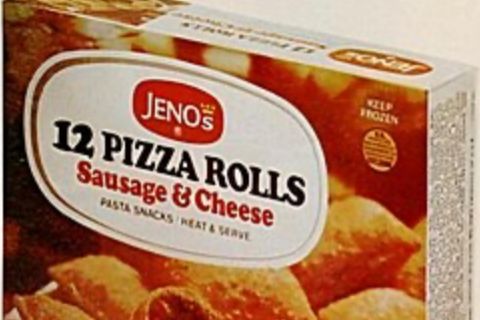
Pizza rolls first became a household name in the late 1960s under the Jeno’s brand before being acquired by Totino’s in 1985. While they started as a freezer-aisle favorite for teenagers, they migrated to the gas station “hot zone” in the late 1990s as convenience stores invested in better warming technology. These bite-sized pockets of molten cheese and pepperoni offered a more portable alternative to the traditional slice. By the early 2000s, they had become a standard sight under the glowing heat lamps of travel centers, providing a quick, savory hit for travelers who didn’t want to deal with the mess of a full pizza.
When you’re on the road, pizza rolls represent a fun, impulsive choice. They are rarely on a traveler’s “must-buy” list, but their golden-brown crust and the familiar aroma of Italian spices often trigger an immediate purchase at the counter. Many road-trippers have a shared memory of that first, dangerously hot bite, a tiny “burn” that almost feels like a rite of passage during a long drive. Because they are small, they are perfect for sharing with a co-pilot or snacking on during a short fuel stop. They fit the “stop-and-go” energy of a busy trip, offering a nostalgic taste of home in a convenient, travel-ready package.
22. Soft Pretzel Bites
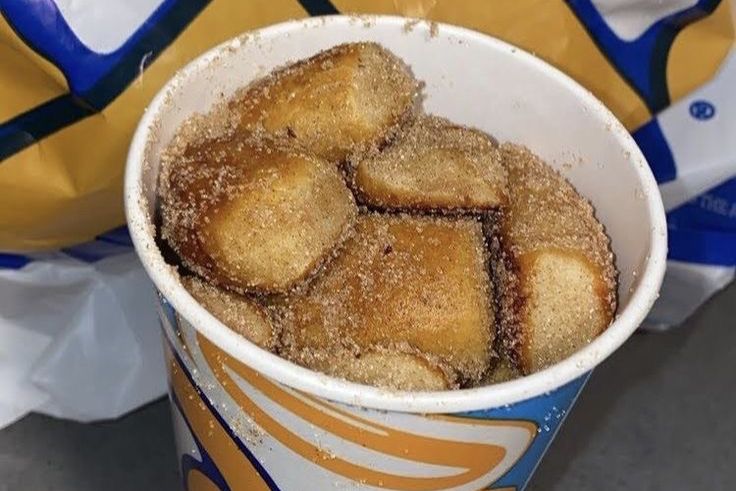
Soft pretzel bites emerged as a mainstream snack in the early 2000s, moving from shopping mall food courts into the high-traffic aisles of highway travel plazas. This shift was largely influenced by the success of brands like Auntie Anne’s, which began franchising in travel hubs during the 1990s. These warm, doughy nuggets offered a more satisfying, “bakery-fresh” feel than the hard, bagged pretzels found on the shelves. By 2010, many large-scale gas stations began offering their own proprietary versions, often served with a side of warm cheddar or spicy mustard dipping sauce.
Choosing pretzel bites during a pit stop is a signal to slow down. They are best enjoyed while they are still warm, making them the perfect excuse to sit in the car for five extra minutes before merging back into traffic. The combination of coarse salt and chewy dough provides a comforting texture that feels a bit more “special” than a standard bag of chips. For many travelers, these bites are associated with the middle leg of a journey, the time when you need a hearty snack to keep your spirits high. They offer a bit of warmth and softness in the midst of a long day spent on hard asphalt and vinyl seats.
23. Fruit Cups
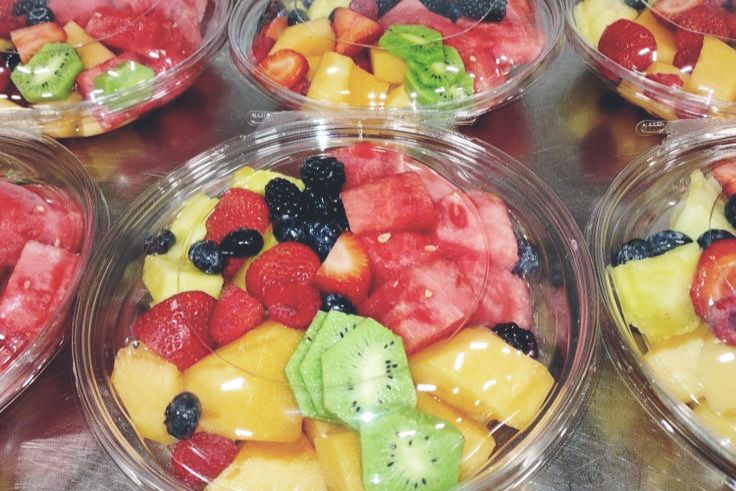
The pre-packaged fruit cup became a gas station staple in the late 1990s as the “healthy convenience” trend took hold across America. Before this, finding fresh produce on the highway was nearly impossible. Advances in “modified atmosphere packaging” during the early 2000s allowed retailers to keep chunks of pineapple, melon, and grapes fresh for several days without preservatives. This was a game-changer for parents and health-conscious driver rs who wanted to avoid the “heavy” feeling that comes from a diet consisting entirely of fried snacks and salty jerky during a cross-country haul.
On the road, a fruit cup feels like a refreshing “reset button.” After hours of breathing recycled car air and eating dry snacks, the burst of cold, juicy fruit provides much-needed hydration and a natural energy lift. Many travelers reach for these during the mid-afternoon “slump” when the sun is high and the road is long. There is a sense of accomplishment in choosing fruit over candy, and the cold temperature of the container offers a nice contrast to the warmth of a summer drive. It’s a small, healthy victory that makes the next few hours of driving feel a little lighter and more sustainable.
24. Sausage Rolls
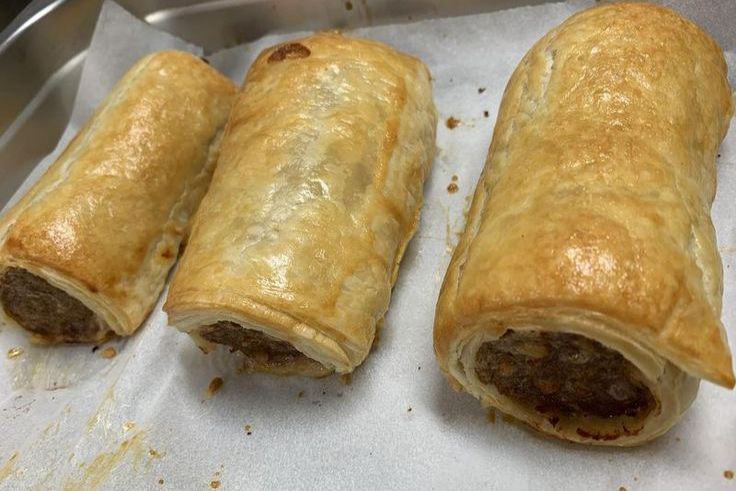
While sausage rolls have deep roots in British and Australian culture, they began appearing more frequently in American “grab-and-go” sections during the mid-2000s. As gas stations tried to compete with fast-food chains, they introduced these pastry-wrapped meats as a hearty, handheld breakfast or lunch option. By 2015, many regional convenience store chains in the South and East Coast had added them to their permanent morning menus. They offered a slightly more “upscale” feel than a standard hot dog, appealing to travelers looking for something that felt like it came from a real bakery.
Eating a sausage roll on the road provides a sense of grounding and warmth. It is a dense, filling snack that is particularly satisfying during winter road trips or early morning drives through the mountains. The flaky crust and savory filling require a bit of attention, encouraging a brief moment of quiet enjoyment while the car cruises on the highway. For many, the sausage roll is a “serious” snack, the kind you buy when you know you won’t be stopping for dinner for a very long time. It’s a reliable, savory anchor that helps a traveler feel fueled and ready to tackle the distance.
25. Ice Cream Bars
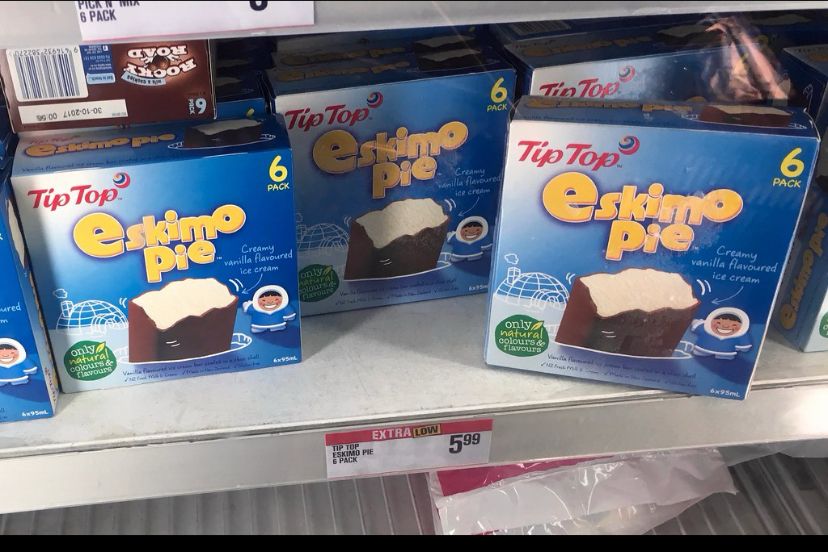
The individually wrapped ice cream bar has been a fixture of the American summer road trip since the mid-20th century. The 1920s saw the invention of the Eskimo Pie and the Good Humor bar, but it was the post-WWII explosion of gas station refrigeration that made them a highway icon. By the 1980s and 1990s, the “ice cream chest” near the front of the store became a destination for every child in the car. Whether it’s a classic chocolate-dipped bar or a fruit-flavored popsicle, these frozen treats have been cooling down travelers for over 70 years.
There is something inherently celebratory about buying an ice cream bar at a rest stop. It marks a departure from the “rules” of home and signals that the vacation has truly begun. Even though they can be messy, leading to sticky fingers and the occasional drip on the upholstery, they are worth the trouble for the sheer joy they provide. Many adults still feel a sense of childhood excitement when peeking into the glass-topped freezer at a gas station. It’s a short-lived, melting pleasure that forces you to live in the moment, providing a sweet, icy break from the heat of the open road.
26. Chicken Tenders
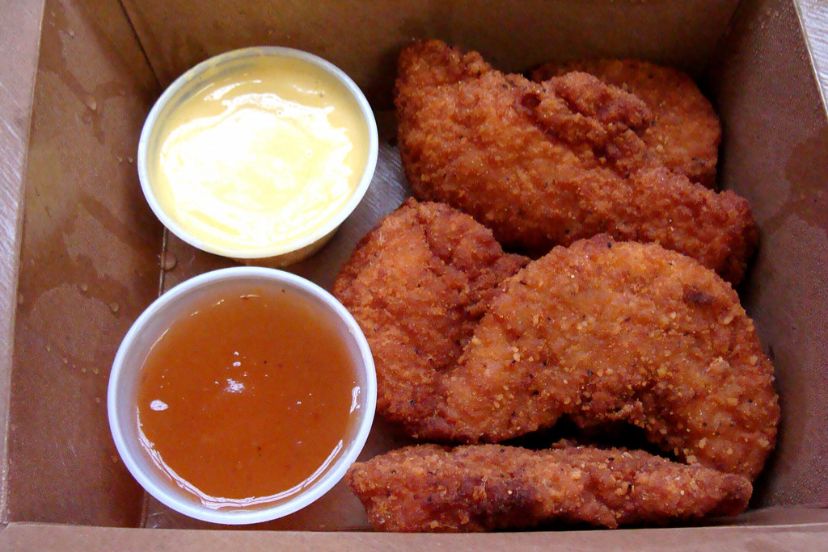
Chicken tenders surged in popularity at travel centers during the 1990s, as “handheld” eating became the priority for Americans on the move. Unlike bone-in fried chicken, tenders were a “no-waste” food that could be eaten easily in the driver’s seat. Major convenience brands began installing dedicated fryers to ensure a constant supply of fresh, crispy tenders. By the early 2000s, the “three-piece meal” with a side of honey mustard or ranch dressing became one of the most popular hot food items sold at highway interchanges across the Midwest and the South.
For most travelers, chicken tenders represent the ultimate “safety” food. They are consistent, familiar, and almost always satisfying, no matter which state you are passing through. There is a certain comfort in knowing exactly what your meal will taste like, even when you are hundreds of miles from home. Tenders are also the ultimate “peacekeeper” in a family car, as they are a rare food that almost everyone can agree on. Dipping a crispy tender into a plastic cup of sauce while watching the miles roll by is a simple, satisfying ritual that makes the journey feel a little more like home.
27. Yogurt Cups
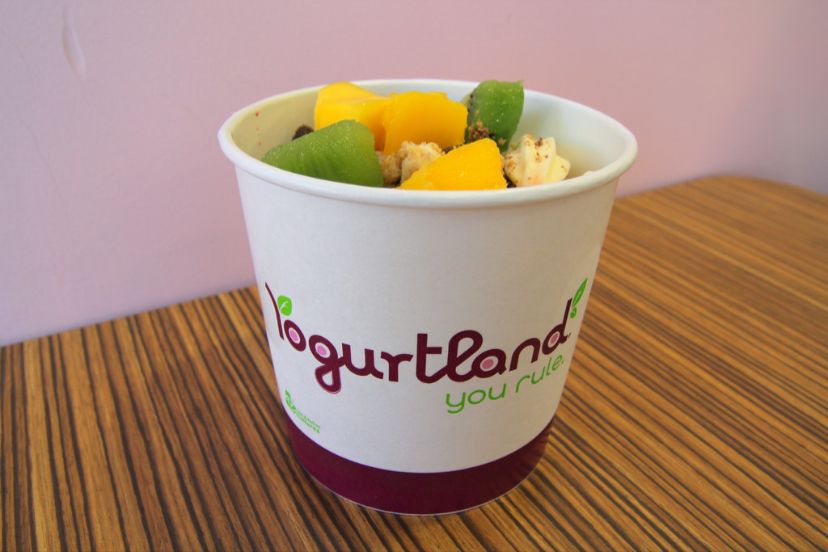
The arrival of the yogurt cup in the gas station refrigerator during the late 1990s and early 2000s marked a shift toward “probiotic” and protein-rich snacking. As travelers became more aware of the benefits of a balanced diet, they began looking for alternatives to the traditional “sugar and salt” options. By 2010, the “yogurt parfait” with a side of granola became a common sight in larger travel plazas. These cups offered a refreshing, creamy option for breakfast or a light midday snack, catering to a growing demographic of health-conscious commuters and long-distance drivers.
Yogurt cups are the “zen” snack of the road trip. They are usually eaten during a complete stop, providing a quiet moment of reflection outside of the car’s motion. The cool, smooth texture is a welcome change from the crunchy, dry nature of most travel snacks. Many people choose yogurt when they want to feel “refreshed” rather than just “full.” It’s a light, clean-tasting option that helps settle the stomach during a long day of travel. While it might not be as “exciting” as a corn dog, it provides a sense of balance that keeps a traveler feeling good all the way to their destination.
28. Protein Bars
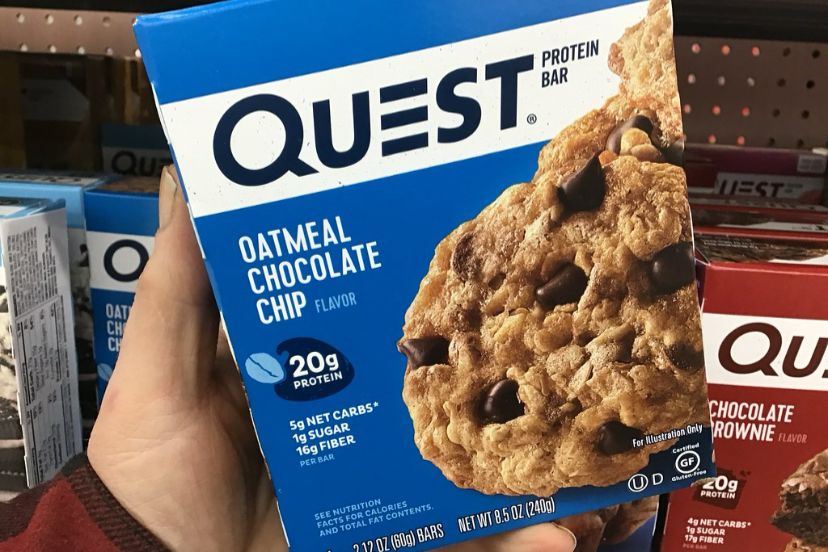
Protein bars transitioned from the “health food store” to the “gas station counter” in the early 2000s, driven by the rise of fitness culture and brands like Clif Bar and Quest. These were specifically designed for people who needed long-lasting energy without the “crash” associated with candy. By 2015, the selection of protein bars at travel stops often rivaled the selection of traditional chocolate bars. They became the preferred choice for solo drivers and those embarking on grueling, multi-day hauls who needed to stay sharp and satiated without stopping for frequent meals.
When you buy a protein bar on a road trip, you are making a commitment to endurance. It’s a “functional” food, chosen more for its ability to keep hunger at bay than for its flavor. Many drivers keep a “emergency” bar in their bag for those stretches of road where the next exit is 50 miles away. There is a certain satisfaction in knowing you are fueled for the long haul. While they may not be the most indulgent treat, they serve a vital role in modern travel, helping drivers maintain their focus and energy as they navigate through heavy traffic and long, lonely stretches of highway.
29. Fountain Ice
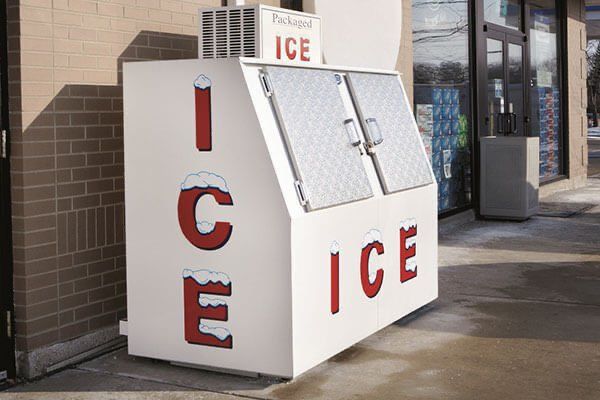
While it isn’t a food in the traditional sense, “fountain ice” has its own dedicated following among American road-trippers. Since the 1980s, when self-service soda machines became standard, “crunchy ice” (especially the “pebble” or “nugget” variety) became a sought-after commodity. Many travelers will stop at a specific gas station just because they know it has “the good ice.” It’s a free or low-cost way to stay hydrated and occupied during a long drive, and for many, the ritual of filling a large cup with nothing but ice is a mandatory part of the trip.
Chewing on fountain ice is a strangely addictive road-trip habit. It provides a sensory distraction that can help keep a driver awake and alert without adding any calories or sugar to the mix. On a sweltering day in the American South or Southwest, a cup of cold ice is often more valuable than a cold drink. It’s a refreshing, zero-fuss way to stay cool while the sun beats down on the windshield. For many, the sound of the ice crunching is the soundtrack to their journey, a simple, cooling comfort that makes the heat of the road a lot more bearable.
30. Convenience Store Cookies
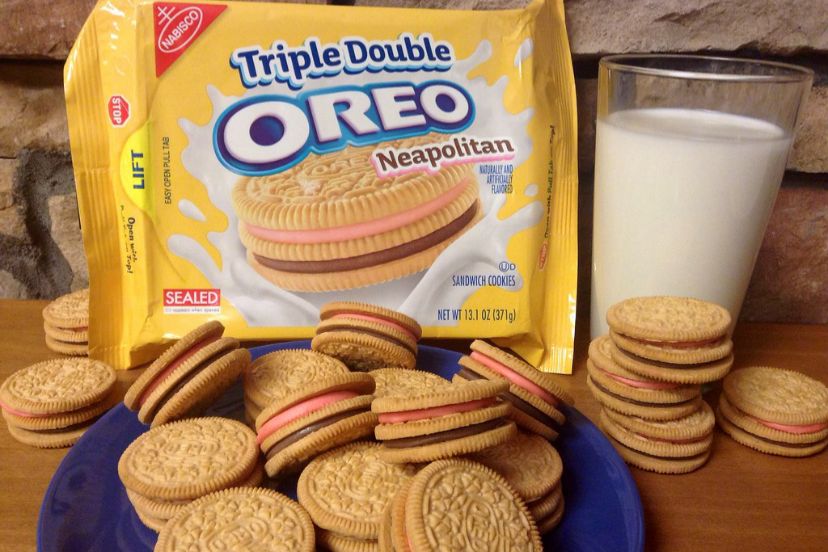
Packaged cookies have been a mainstay of the American road trip for as long as gas stations have had shelves. While brands like Oreo (1912) and Chips Ahoy! (1963) are the heavy hitters, the “bakery-style” soft cookies sold individually near the register became huge in the 1990s. These oversized, chewy treats offered a “homemade” feel that appealed to travelers looking for a bit of comfort. By the 2000s, many stores began offering “two-for-one” deals, cementing the cookie’s status as the ultimate shared dessert for friends and families on a long journey.
Cookies are the “universal language” of the road. They are almost always bought as a shared treat, passed back and forth between the front and back seats as a way to celebrate reaching a certain milestone or city. There is a deep, sugary comfort in a soft chocolate chip cookie, especially when paired with a cup of highway coffee. It brings a touch of home into the sterile environment of a car or a rest area. Whether they are crunchy or chewy, these cookies offer a familiar sweetness that can turn a stressful, traffic-filled afternoon into a much more pleasant experience for everyone involved.
31. Breakfast Pastries
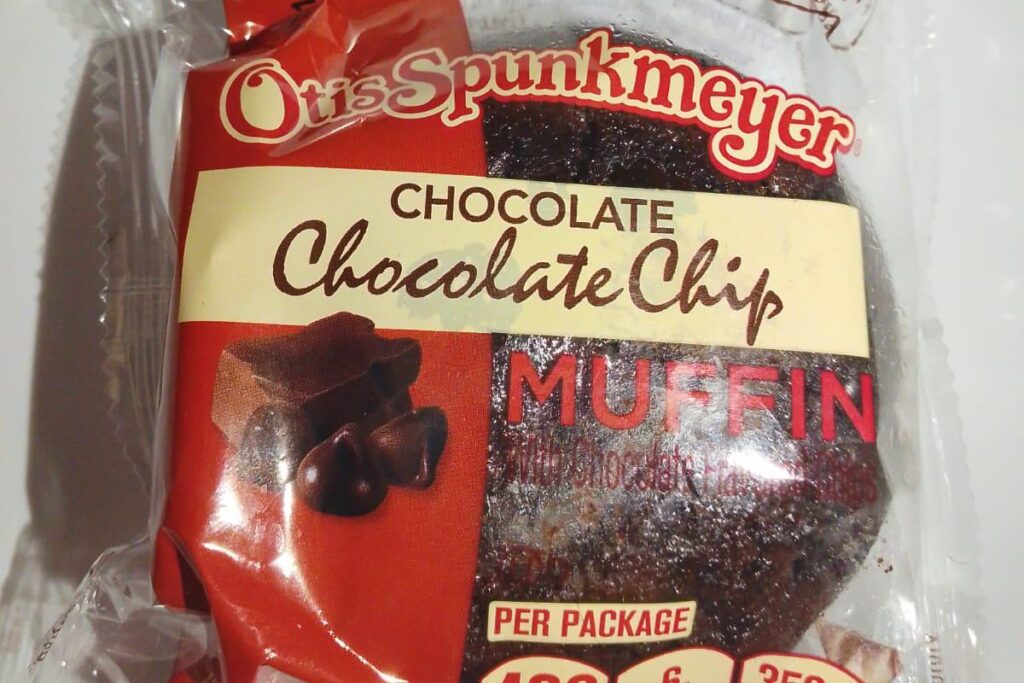
Breakfast pastries, including muffins, danishes, and croissants, moved into the gas station spotlight during the 1990s as the “commuter culture” in America intensified. Before this, these items were largely the domain of neighborhood bakeries. However, brands like Otis Spunkmeyer (which grew significantly in the 80s and 90s) provided convenience stores with the equipment to bake on-site or sell fresh-wrapped treats. This allowed travelers to enjoy a “bakery-style” morning without having to navigate off the main highway. By the early 2000s, the “jumbo muffin” had become a permanent resident of the countertop display, usually positioned right next to the coffee carafes.
For a traveler, picking out a pastry is a gentle way to start a high-stakes travel day. There is something very relaxing about the softness of a blueberry muffin or the flaky layers of a danish when the world outside the window is still dark and quiet. Many people associate these sweets with “dawn patrol” departures, those 5:00 AM starts where the goal is to beat the city traffic. While they don’t provide the long-term energy of a protein bar, they offer a sugar-fueled “jumpstart” and a sense of indulgence. These pastries turn a stressful early morning into a pleasant, slow-paced ritual, making the first hundred miles of the trip feel much more manageable.
32. Gas Station Tacos
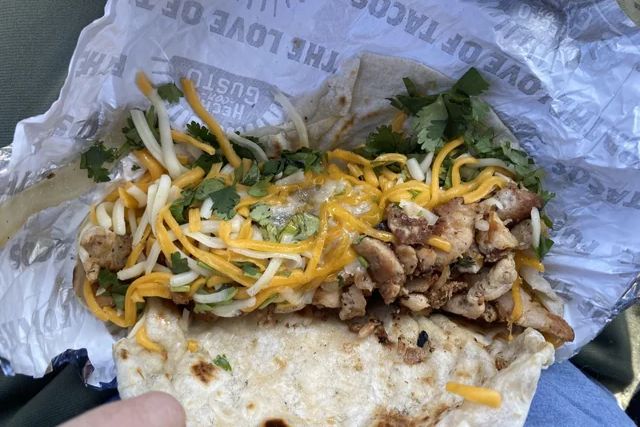
The rise of the “gas station taco” is a relatively modern phenomenon that gained national attention in the late 2000s. While regional spots in Texas and the Southwest had been serving authentic tacos in convenience stores for decades, the concept went mainstream as foodies began documenting “hidden gems” along the highway. Chains like Laredo Taco Company (founded in 1958 but expanded recently) and 7-Eleven’s acquisition of taco brands proved that travelers wanted fresh, customizable food. Today, many travelers will intentionally plan their routes around specific gas stations known for their handmade tortillas and slow-cooked meats.
Eating a taco in a gas station parking lot has become a badge of honor for the seasoned American road-tripper. It represents a shift away from the “corporate” fast-food experience toward something that feels more local and authentic. These tacos are often messy, bursting with salsa and fresh cilantro, which forces you to stop and focus on the meal rather than driving. This brief, flavorful “time-out” adds a layer of adventure to the journey. Many people remember a specific “taco stop” more vividly than the destination itself. It’s a reminder that even a simple fuel stop can offer a high-quality culinary experience if you know where to look.
33. Cup Noodles
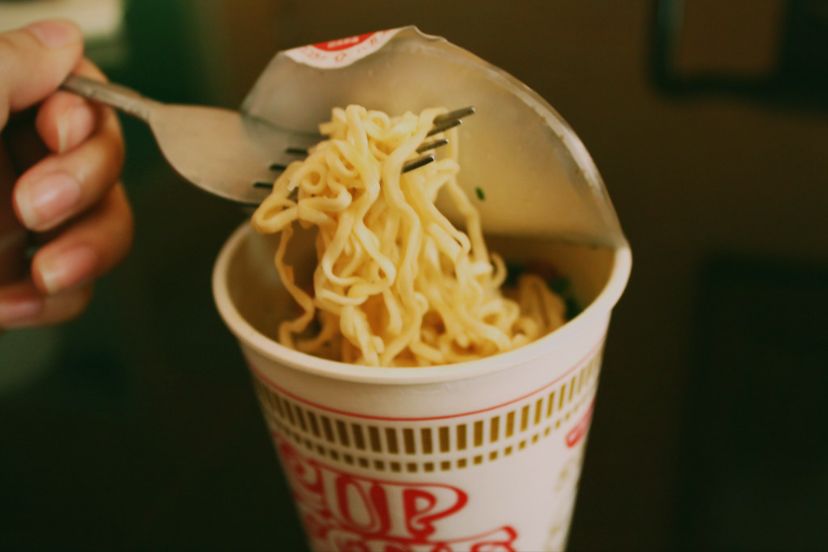
Cup noodles, first introduced by Nissin in 1971, became a surprise hero of the American road trip during the 1980s. Their rise in travel culture was fueled by the addition of hot water dispensers to the coffee stations of most major gas stations. This meant that for about a dollar, a traveler could have a hot, savory meal in under three minutes. They became especially popular with budget-conscious students and overnight truck drivers who needed something warm and filling when every other restaurant on the road was closed. By the 1990s, they were a standard “emergency” meal found in many glove compartments.
There is a strange, salt-induced comfort that comes from eating cup noodles at a quiet rest stop in the middle of the night. The steam rising from the cup provides a bit of facial warmth, and the simple act of using a plastic fork to twirl the noodles offers a meditative break from the focus of driving. It’s a very humble meal, but it feels incredibly grounding when you’re far from home and tired of cold snacks. For many, cup noodles are the “backup plan” that never fails. They provide a reliable, warm anchor during long, lonely stretches of highway, proving that sometimes the simplest foods are the most satisfying.
34. Breakfast Sausage Biscuits
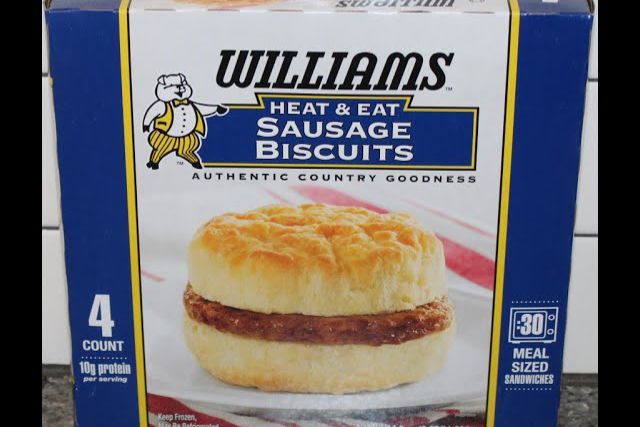
The breakfast sausage biscuit is a staple of the American “biscuit belt” in the South, but it moved into the national spotlight during the 1990s as hot-food programs became more sophisticated. These biscuits are designed for one-handed consumption, featuring a savory sausage patty nestled inside a buttery, flaky biscuit. By the early 2000s, “warmer boxes” at the front counter of nearly every major gas station were filled with these silver-wrapped sandwiches. They became the go-to breakfast for anyone heading out on a fishing trip, a move, or a long-distance vacation through the Heartland.
For many travelers, the weight and warmth of a sausage biscuit in its foil wrapper is a sign of a good day ahead. It’s a heavy, hearty meal that sticks to your ribs, providing enough fuel to get you through several hours of mountain passes or flat plains. There is a sense of “preparedness” that comes with eating a biscuit; it’s the food of people who have work to do and miles to cover. Many associate the taste of a salty sausage biscuit with the smell of fresh coffee and the feeling of a car’s heater fighting off a chilly morning. It is an unpretentious, reliable classic of the American road.
35. Chocolate Milk
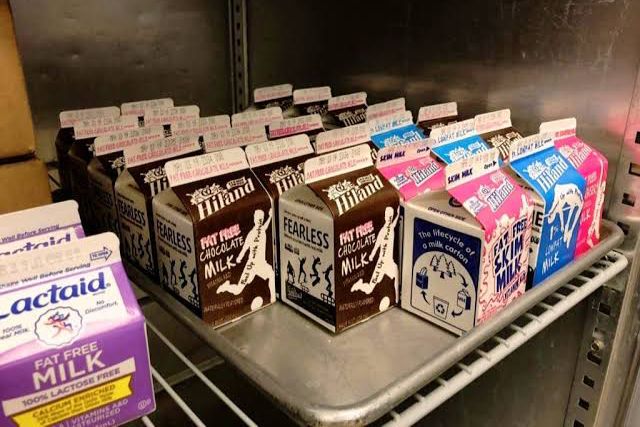
Chocolate milk has been a fixture of the American gas station “cooler” for decades, but it saw a resurgence in the 2000s when it was marketed as a “recovery drink.” Its balance of protein and sugar made it an ideal choice for drivers who wanted something more substantial than water but less intense than an energy drink. For families, the “pint-sized” carton of chocolate milk has been a long-standing peace offering for kids in the backseat. By the 2010s, many premium dairy brands began stocking higher-quality, glass-bottled chocolate milk in travel centers, appealing to adults looking for a nostalgic treat.
On a road trip, chocolate milk acts as a liquid comfort. Its cold, creamy texture is a welcome relief after a day of eating salty snacks like jerky or chips. For many adults, it’s a “guilty pleasure” that they only indulge in when they’re away from home, making it part of the “vacation rules” of the road. There’s something very soothing about sipping chocolate milk while watching the sunset over a distant horizon. It’s a drink that slows you down and reminds you of simpler times, making the high-speed environment of the interstate feel just a little bit more relaxed and friendly.
36. Microwave Cheeseburgers
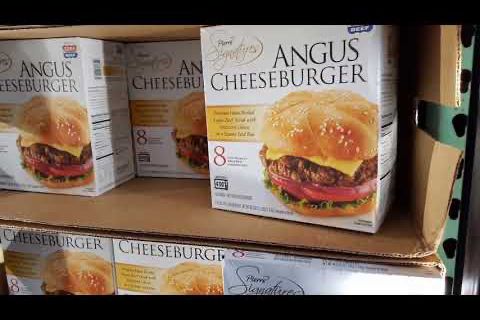
Microwave cheeseburgers, often sold under brands like Pierre Signatures, became a staple of the “midnight driver” in the 2000s. These pre-packaged sandwiches are designed to be heated in the store’s microwave in under sixty seconds, providing a “burgers-at-any-hour” solution for travelers. While they first appeared on shelves in the late 1980s, improvements in packaging technology in the early 2010s helped keep the buns from getting too soggy or tough. They have become a permanent fixture in the refrigerated sections of highway pit stops, serving as a beacon of hope for hungry night-owls.
Eating a microwave cheeseburger is an exercise in functionality over fashion. Most travelers know that it won’t taste like a gourmet meal, but when you’re hungry and the next town is an hour away, it’s exactly what you need. There is a specific “gas station smell” associated with these burgers, a mix of steam and toasted bread, that many frequent travelers find oddly nostalgic. It’s a meal of convenience that represents the “always-on” nature of American travel. You eat it quickly, usually while standing by the microwave or sitting in the driver’s seat, as a way to fuel up and get back to the mission of reaching your destination.
37. Packaged Salads
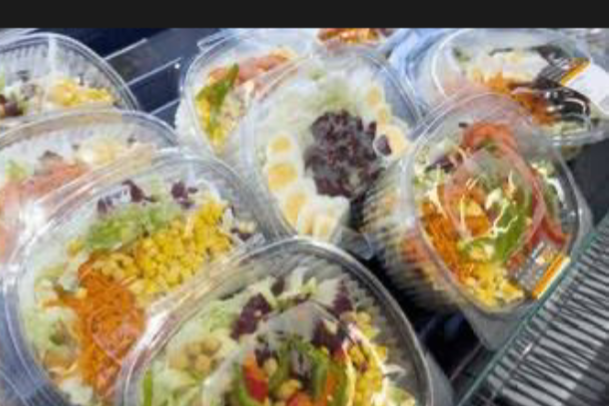
The appearance of packaged salads in gas stations was a major shift in the travel landscape that occurred around 2010. As American consumers became more health-conscious, the demand for “green” options grew even in the most remote convenience stores. Improvements in supply chain logistics allowed fresh lettuce, grilled chicken, and dressing kits to be delivered even to rural interchanges. By 2015, the “salad bowl” had become a common alternative for travelers who were tired of the “fried and salty” options that had dominated road trips for the previous half-century.
For the modern traveler, a packaged salad represents “intentionality.” It is the choice you make when you want to arrive at your destination feeling energized rather than sluggish. Many people associate these salads with midday stops, where you can take the container to a nearby park bench or picnic table to get some fresh air. The crispness of the greens and the acidity of the dressing provide a sharp contrast to the stale environment of a car interior. While it might not be a “traditional” road-trip food, the salad reflects a changing culture where travelers want to maintain their healthy habits even when they are hundreds of miles from their own kitchens.
38. Cinnamon Rolls
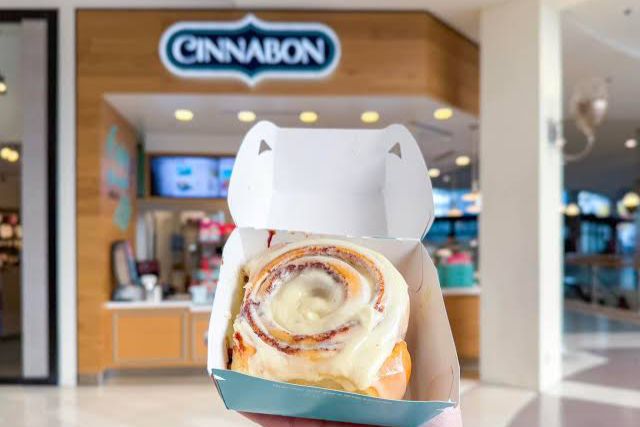
Cinnamon rolls transitioned from a holiday breakfast treat to a gas station powerhouse in the early 2000s. Chains like Cinnabon, Petro and TravelCenters of America (TA) began installing “Iron Skillet” bakeries that produced massive, gooey cinnamon rolls on-site. The aroma of cinnamon and warm sugar is often used as a powerful marketing tool, drawing travelers toward the food counter the moment they walk through the door. These oversized rolls, often topped with a thick layer of cream cheese icing, became a legendary “sharing food” for groups traveling together across the country.
Indulging in a cinnamon roll is one of the most comforting experiences you can have on the road. It’s a warm, sticky, and deeply satisfying treat that encourages you to linger over a cup of coffee. Many travelers associate these rolls with “halfway points”, those stops where you finally feel like you’ve made real progress and deserve a reward. Because they are so large, they are often a communal snack, with passengers pulling off pieces of the doughy center to share. It’s a joyful, messy meal that turns a simple rest stop into a highlight of the trip, leaving you with a literal and figurative sweet memory of the road.
39. Jerky Sticks
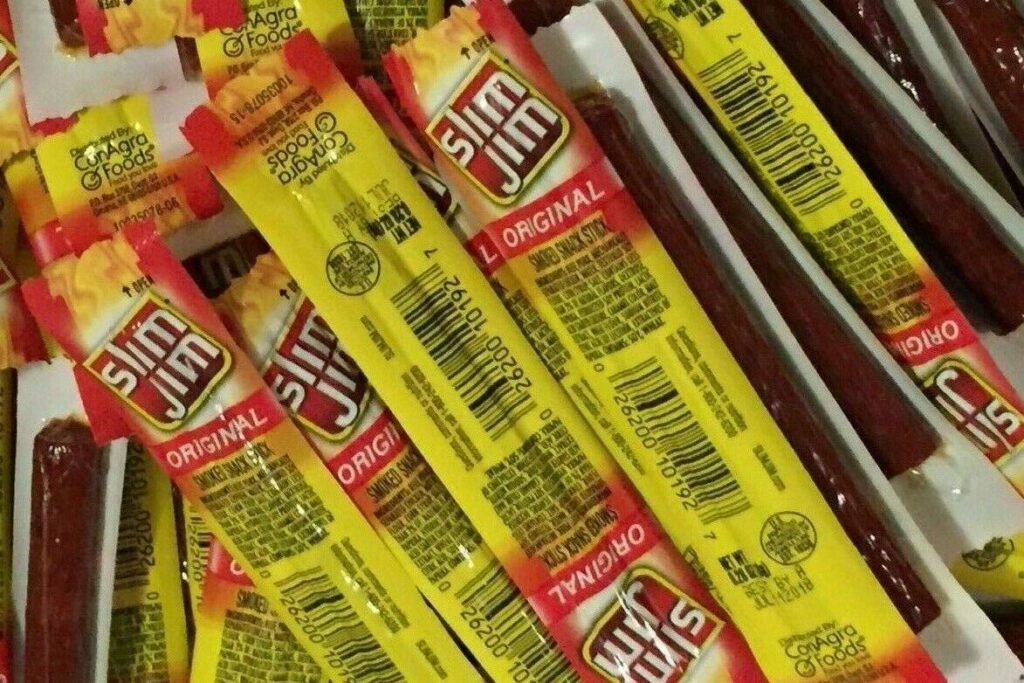
Jerky sticks, popularized by brands like Slim Jim (which started in 1929 but exploded in the 1990s with “Snap into a Slim Jim” commercials), are the more portable cousins of traditional beef jerky. By the 2000s, these sticks had evolved from simple “meat snacks” into a wide range of protein-heavy options, including turkey, bison, and even plant-based versions. Their cylindrical shape and individual wrapping make them the ultimate “no-touch” snack, allowing drivers to stay fueled without getting their hands messy, a major plus for anyone who wants to keep their steering wheel in pristine condition.
On a road trip, jerky sticks are the epitome of efficiency. They are designed for the driver who doesn’t want to stop at all. You can unwrap one with your teeth while keeping your eyes on the road, providing a quick burst of savory protein that keeps hunger pangs at bay. Many travelers associate the “snap” of the casing with long, focused drives through the night or across boring stretches of flat highway. They aren’t about luxury; they are about momentum. They provide just enough sustenance to keep you moving, serving as a tiny, meaty engine that helps you power through to the next city on your map.
40. Convenience Store Brownies
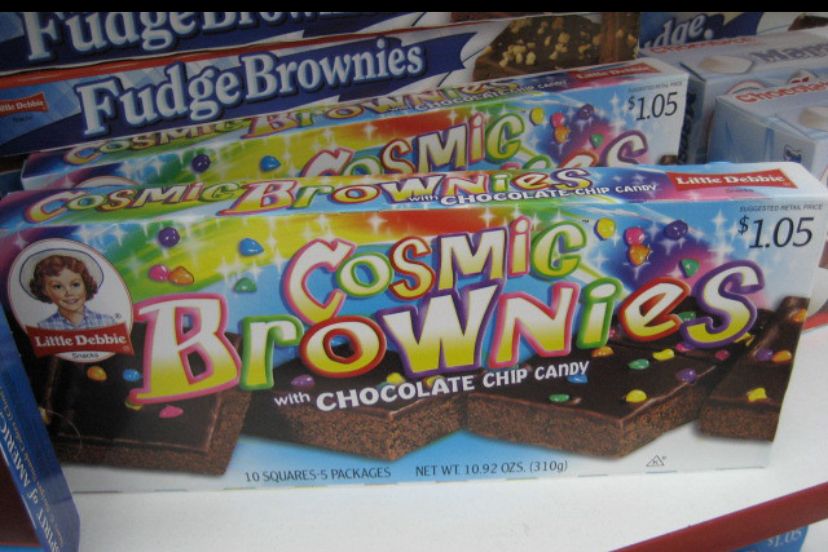
The packaged brownie has been a gas station staple for decades, but it reached a new level of popularity in the 1990s as brands like Little Debbie and Hostess perfected the art of the “shelf-stable” chocolate treat. These brownies are known for their dense, fudgy texture and their ability to stay moist for weeks. By the early 2000s, individual “premium” brownies with nuts or frosting began appearing in the checkout lanes, offering a single-serving dessert for solo travelers. They have become the go-to choice for anyone who needs a “chocolate fix” during a long afternoon behind the wheel.
For many, the convenience store brownie is a symbol of reassurance. Its rich, chocolatey taste is a reliable constant in an ever-changing landscape. There is a specific kind of comfort in eating a brownie while parked at a scenic overlook or a quiet rest area. It feels like a little piece of home that you can carry with you. Because they are so dense, they are often eaten slowly, one small bite at a time, making the snack last for miles. It’s a small, sweet anchor that helps a traveler feel grounded and content, even when they are in the middle of a multi-day journey across the country.
41. Pickles in a Pouch
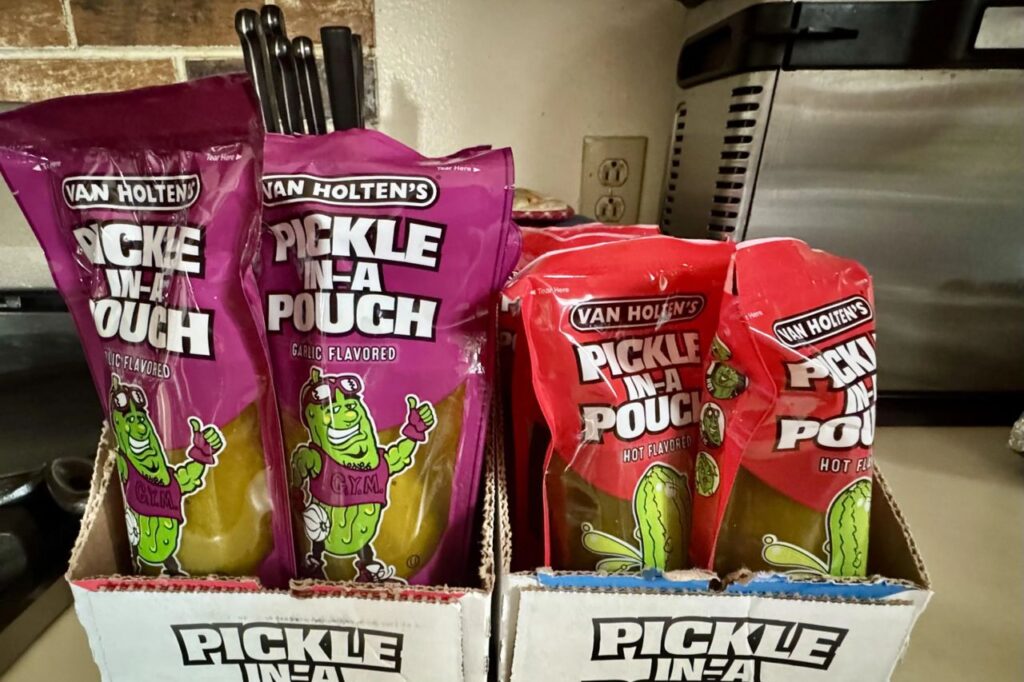
The concept of a “pickle in a pouch” sounds like a modern novelty, but brands like Van Holten’s have been producing these shelf-stable snacks since 1939. However, it wasn’t until the early 2000s that they became a national sensation in gas stations from coast to coast. Before this, pickles were usually trapped in heavy glass jars, but the invention of the durable, brine-filled plastic pouch made them the ultimate portable snack. This allowed travelers to enjoy a crisp, jumbo-sized pickle without the need for a refrigerator or a fork, turning a deli classic into a high-speed convenience item.
Eating a pouch pickle on the road is a bold choice that truly wakes up the senses. The intense, sharp vinegar flavor and the loud “crunch” are perfect for snapping a driver out of a mid-afternoon daze. For many road-trippers, especially in the South and Midwest, drinking the leftover brine is part of the tradition, a quick way to stay hydrated and replace electrolytes during a hot summer haul. It’s a snack that sparks conversation and laughter in the car because of its size and intensity. While it might be a bit messy, it offers a refreshing, low-calorie alternative to the greasy snacks that usually dominate highway travel.
42. Sour Candy
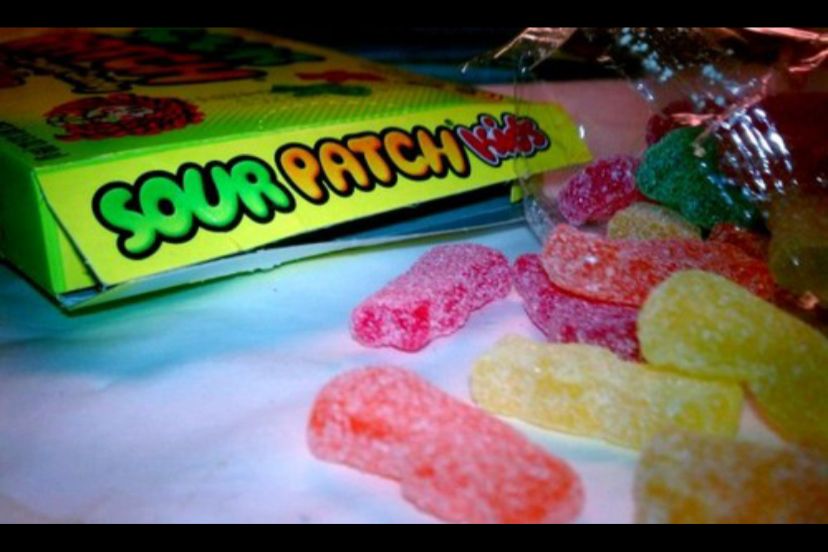
Sour candy has undergone a massive transformation in American travel culture over the last twenty years. While simple sweets have always been around, the 1990s and 2000s saw the rise of “extreme” sour brands like Warheads and Sour Patch Kids. These candies became a staple of the gas station checkout line because they offer more than just sugar; they provide a physical “jolt.” By 2010, the variety of sour gummies, belts, and rings had exploded, making them the top choice for travelers who want a snack that doubles as entertainment during a long stretch of boring highway.
For many drivers, sour candy is a secret weapon against fatigue. The sharp, puckering sensation of the citric acid coating provides a temporary burst of alertness that a regular chocolate bar just can’t match. It’s also the ultimate “backseat snack,” often shared among passengers who challenge each other to see who can handle the most sour flavor without making a face. These candies bring a sense of playfulness and humor to a long journey, turning a tedious drive into a series of small, colorful moments. They are a reminder that road trips are meant to be fun, one pucker-inducing bite at a time.
43. Pumpkin Seeds
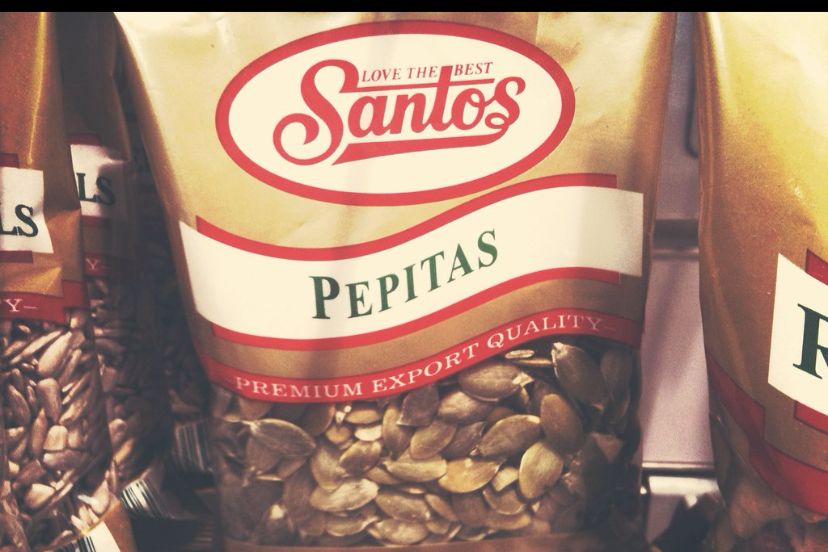
Pumpkin seeds, or “pepitas,” have been a steady presence in American snack aisles for decades, but they gained a new level of popularity in the 2010s as a “superfood” alternative to chips. While they have roots in traditional Mexican cuisine, they became a standard gas station item in the U.S. during the health-conscious shift of the late 20th century. Roasted, salted, and often seasoned with everything from lime to habanero, these seeds offer a dense source of minerals and protein. Their durability makes them perfect for travel, as they won’t melt in a hot car or get crushed in a packed bag.
On a long drive, pumpkin seeds provide a satisfying, rhythmic snacking experience. Because they are small, you can eat them one by one, which helps pass the time during those endless stretches of interstate where the scenery doesn’t change much. They offer a sophisticated, nutty crunch that feels more substantial than a potato chip but lighter than a handful of heavy nuts. Many travelers appreciate them as a “quiet” snack that doesn’t leave much of a mess behind. They are the perfect companion for a thoughtful, solo drive or a long conversation with a co-pilot, providing a steady stream of energy to keep you moving forward.
44. Cheese Curds
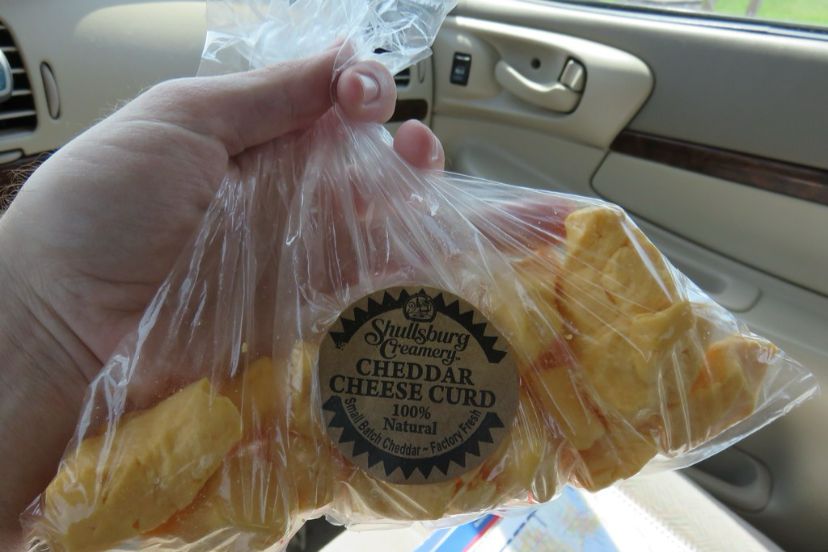
Cheese curds are a legendary regional delicacy that began as a “local secret” in Wisconsin and the Upper Midwest. As the interstate system expanded and travel plazas became more focused on regional pride in the 1990s, curds started appearing in gas station coolers far beyond their original borders. These young, unaged cheddar pieces are famous for their “squeak”, a sound caused by the air trapped inside the fresh proteins. By the mid-2000s, both fresh and fried versions had become a “must-stop” snack for anyone driving through the Great Lakes region or the Great Plains.
For a traveler, finding fresh cheese curds at a roadside stop feels like discovering a hidden treasure. They represent a sense of place, reminding you that you aren’t just on a highway, but in a specific part of the country with its own unique flavors. The famous “squeak” of a fresh curd is often a highlight of the trip, especially for children who are trying them for the first time. Eating them feels like a celebration of the journey itself. They encourage you to slow down and appreciate the local culture, turning a routine fuel stop into a memorable culinary experience that you can’t get just anywhere.
45. Rice Cakes
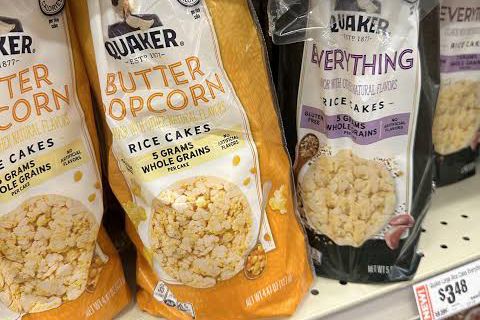
Rice cakes rose to prominence in the 1980s as part of the national “low-fat” diet craze, but they have remained a road-trip staple because of their incredible practicality. Brands like Quaker Oats helped turn these airy discs into a mainstream snack that could withstand the rigors of travel. Unlike crackers, they don’t crumble easily, and unlike chips, they aren’t greasy. By the 2000s, the introduction of mini-rice cakes and flavored versions like caramel or white cheddar made them more appealing to a wider range of travelers, from health-conscious drivers to hungry kids.
On the road, rice cakes are the ultimate “neutral” snack. They provide a satisfying crunch without any of the heavy, sluggish feelings that come from eating fried foods. Many travelers use them as a “palette cleanser” between other snacks or as a light base for a bit of peanut butter during a rest stop. Their mild flavor is calming, which can be a welcome relief during a stressful drive through heavy city traffic or bad weather. While they may not be the most “exciting” food on the list, their reliability and lightness make them a steady, trustworthy partner for any long-distance adventure.
46. Combos Snacks
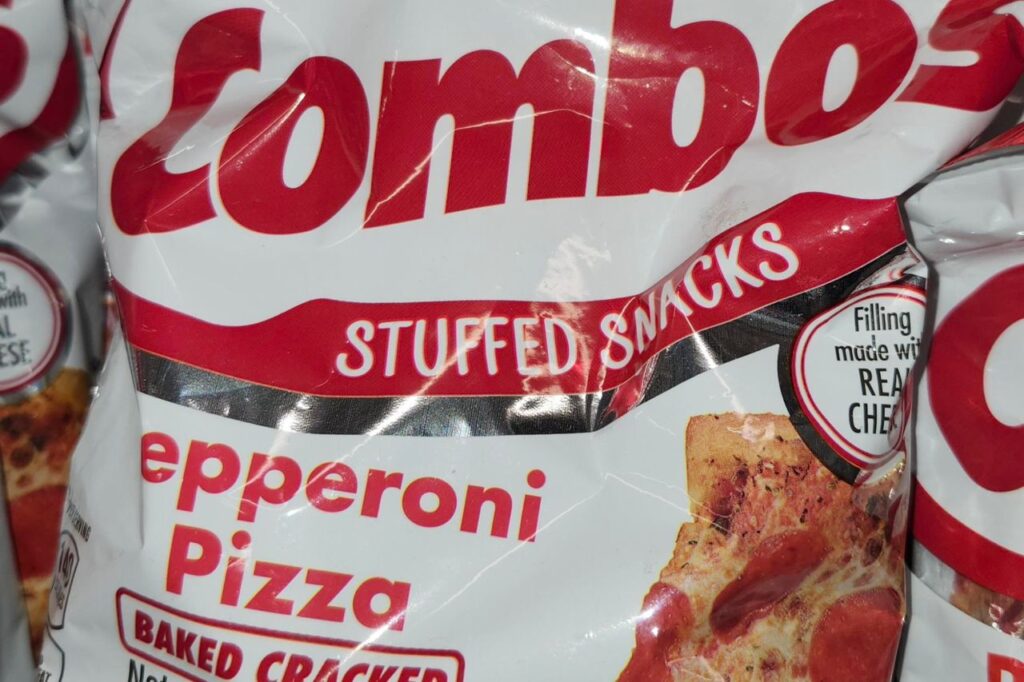
Combos, the hollowed-out pretzel or cracker cylinders filled with various flavored creams, were first launched by Mars, Inc. in the late 1970s. They quickly became the “king of the gas station” because they were specifically engineered for the road. They are bite-sized, they don’t get crushed, and the filling is safely tucked inside, meaning no messy fingers on the steering wheel. By the 1990s, the variety of flavors, from Pizzeria Pretzel to 7-Layer Dip, made them a cultural icon of the American highway, especially popular among commuters and long-haul truckers.
There is a deep sense of dependability that comes with a bag of Combos. When you’re driving through an unfamiliar state at 2:00 AM, seeing that familiar blue or orange bag on a gas station shelf feels like a small piece of home. They deliver a massive amount of savory flavor in a tiny, tidy package, which is exactly what you want when you’re focused on the road. For many, the “crunch-and-cream” texture is the perfect distraction for a long, lonely drive. They are a classic example of American snack engineering, designed for convenience, built for the road, and always ready to help you finish the next hundred miles.
47. Hard-Boiled Eggs
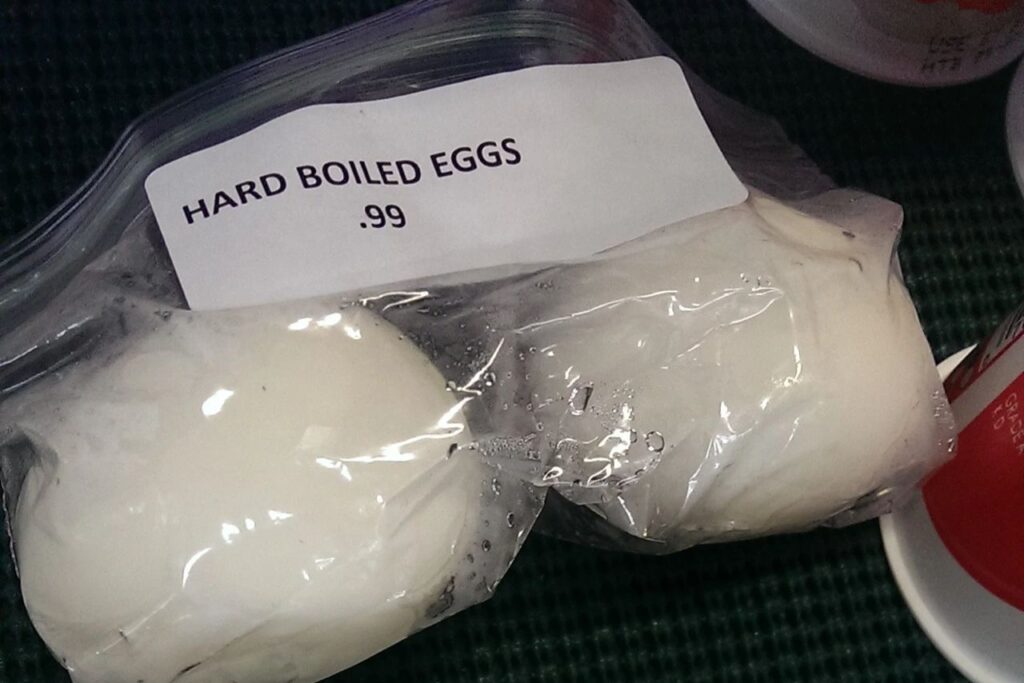
Hard-boiled eggs have been a “protein hack” for road-trippers since the days of the early family station wagon. Before gas stations sold hot meals, travelers would pack a cooler with eggs prepared at home. However, the 2010s saw a major shift as convenience stores began selling pre-peeled, two-pack eggs in the refrigerated section. This transformed a “prep-heavy” snack into a grab-and-go staple for the modern, health-conscious driver. Today, they are a top recommendation in travel guides for those looking to stay full and focused without the “carb-heavy” fog of traditional fast food.
On the road, a hard-boiled egg feels like a “real” meal in a tiny package. It’s a purposeful choice, usually eaten at a rest area or a scenic overlook where you can take a moment to breathe. Many travelers associate them with a sense of balance and preparedness. Eating an egg while looking out over a mountain range or a vast prairie provides a grounding experience that connects you back to the physical world outside the car. It’s an unpretentious, high-protein anchor that keeps your energy levels steady, ensuring you arrive at your destination feeling strong and ready for whatever adventure awaits.
48. Roasted Chickpeas
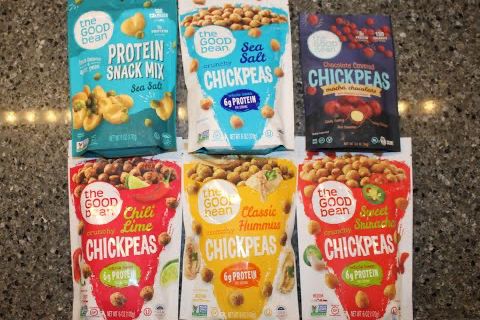
Roasted chickpeas are one of the newest members of the American road-trip food family, gaining massive popularity in the late 2010s. As more travelers sought out plant-based, gluten-free snacks that could survive a long trip, brands like Biena and The Good Bean filled the gap. These snacks are essentially the “modern version” of the peanut, high in fiber and protein, with a satisfying, crunch-heavy texture. They are now common in most major travel plazas, offering a sophisticated alternative to the more traditional, processed snacks that have dominated the highway for decades.
Eating roasted chickpeas on a long drive feels like a smart, intentional decision. Their texture is very engaging, requiring a bit of chewing that helps keep a driver’s mind active during those quiet stretches of road. Because they are often seasoned with bold flavors like sea salt, lime, or chili, they satisfy the “salty craving” without the guilt of a bag of chips. Many modern travelers choose them as a way to maintain their healthy lifestyle while on the move. They reflect the evolving nature of the American road trip, one that still values convenience and crunch but prioritizes quality and nutrition for the long haul.
49. Apples
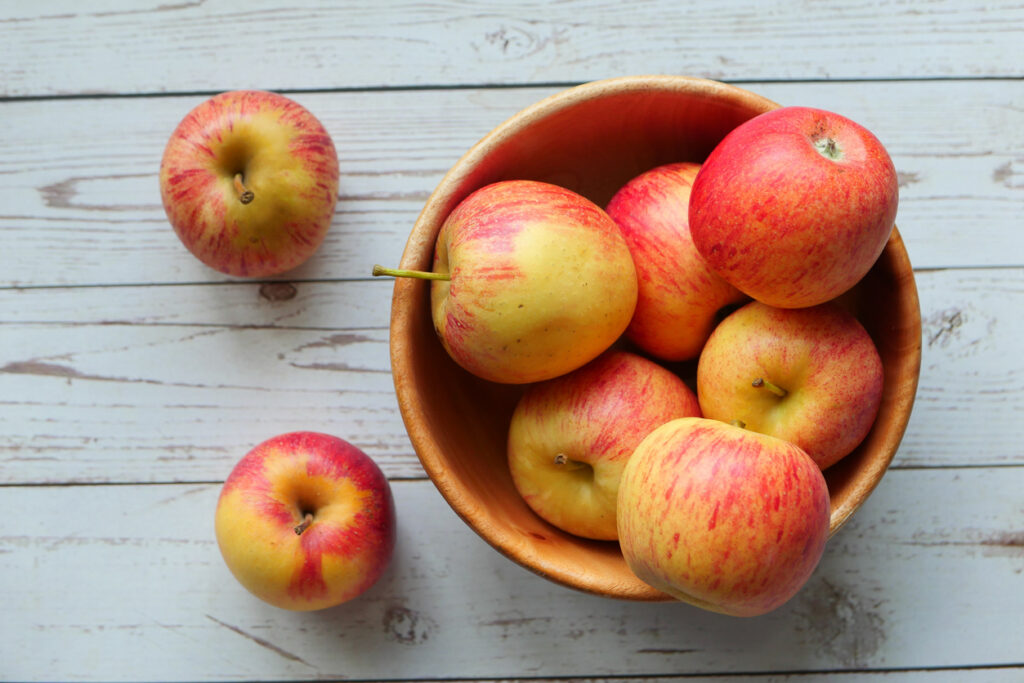
The humble apple is perhaps the oldest road-trip snack in American history, dating back to the era of horse-drawn carriages. Unlike berries or peaches, apples are incredibly durable; they can roll around in a glove compartment or sit in a sunny backseat for hours and still be perfectly crisp and delicious. During the mid-20th century, they were the “standard” fresh food for any family trip. Today, they remain a top choice because they provide natural sugars for energy, fiber for fullness, and enough hydration to help a traveler feel refreshed between fuel stops.
An apple is the ultimate “reset” snack for a weary traveler. The crisp, loud bite and the burst of cool juice offer a sensory contrast to the dry, processed environment of a modern vehicle. Many people associate eating an apple with a specific moment of the trip, pulling over at a rest stop, stretching your legs, and taking a deep breath of fresh air. It’s a grounding food that brings a touch of nature into a day spent on asphalt. Whether it’s a tart Granny Smith or a sweet Honeycrisp, an apple provides a simple, honest pleasure that makes the long miles of a cross-country journey feel a little more human.
50. Puppy Chow
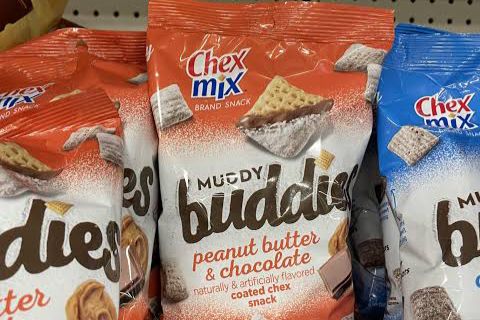
Puppy Chow, also known as “Muddy Buddies,” is a unique American “folk snack” that originated in the Midwest. While it was traditionally a homemade treat made from cereal, chocolate, peanut butter, and powdered sugar, it became a commercial road-trip icon in the 2000s when Chex began selling pre-packaged versions in gas stations. This allowed travelers to enjoy a “home-style” treat without the kitchen mess. Its bite-sized, powdery format makes it a fun, high-energy snack that is almost impossible not to share, making it a favorite for groups and families traveling together.
On the road, Puppy Chow is the ultimate “mood booster.” There is something undeniably joyful about the combination of chocolate and peanut butter, and the dusting of powdered sugar adds a sense of celebration to the trip. It’s a messy snack, you’ll almost certainly end up with a bit of white dust on your shirt, but that’s part of the fun. Many travelers associate it with holiday trips and late-night drives where the goal is to keep everyone’s spirits high. It turns a long, boring stretch of highway into a party in a bag, reinforcing the idea that the journey is just as important as the destination.
This collection is a tribute to the flavors that turn a routine drive into an unforgettable adventure, proving that what we eat on the way is just as important as where we are going.
Like this story? Add your thoughts in the comments, thank you!


