
1. Roll Size and the Push for Convenience
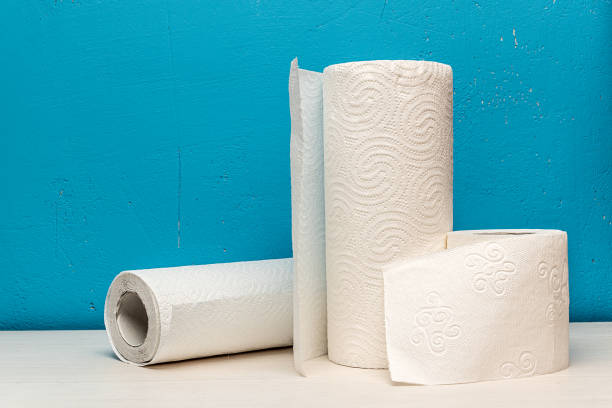
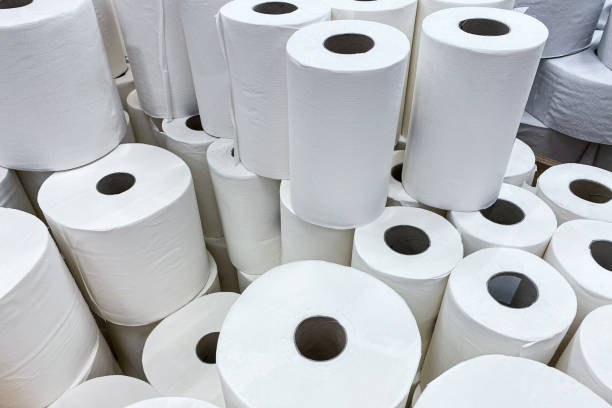
One of the most obvious design choices is the size of the roll. Standard, mega, and even super mega rolls exist to fit different households and needs. Bigger rolls reduce the frequency of replacement, which appeals to busy households or those who prefer bulk shopping. It’s a convenience factor that quietly improves daily life, especially in the U.S., where value and efficiency are priorities for many families.
Roll size isn’t just about quantity. Larger rolls require careful engineering to maintain consistent tension and prevent unraveling. Manufacturers balance paper thickness, sheet count, and roll diameter so that it spins smoothly on holders. It’s a practical choice that reduces shopping trips and makes storage predictable. While oversized rolls can be bulky, the overall design emphasizes efficiency without sacrificing usability. By simply adjusting the size of the roll, manufacturers have made an everyday product more convenient, predictable, and tailored to modern lifestyles, allowing people to focus on the day rather than constantly replacing a household staple.
2. The Softness Factor That Keeps People Loyal
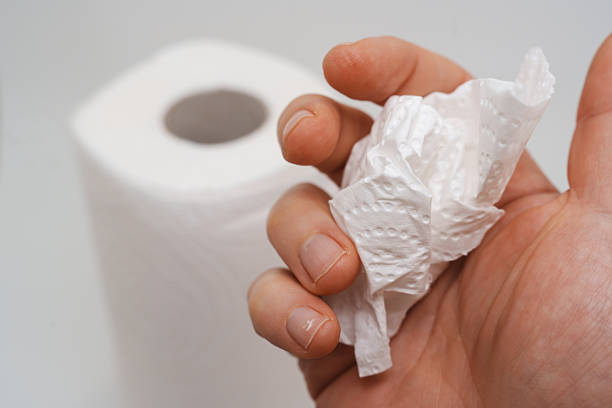
Softness is often the first thing people notice when they choose a toilet paper brand, and it’s no accident. Manufacturers carefully engineer fibers, layer plies, and use air pockets to create a cushioned, gentle feel. Too soft, and the paper may tear easily; too rough, and it becomes uncomfortable. That balance has been refined over decades to provide comfort without sacrificing function, meeting the expectations of millions of users in the U.S. and beyond.
Experts explain that softness is achieved through shorter fibers and specific processing techniques, which increase the feeling of plushness while maintaining strength. This factor also plays a big role in brand loyalty. Once someone finds a toilet paper that feels gentle and dependable, they’re likely to stick with it. Softness has become more than a comfort feature, it’s a subtle promise of reliability. It’s remarkable how such a simple detail can influence buying decisions and daily routines. Every touch reinforces trust and habit, making toilet paper feel like a product designed not just for necessity, but for a little everyday comfort we often overlook.
3. Ply Count and the Illusion of Strength
When you stand in front of two-ply and three-ply toilet paper options, it might feel like choosing thickness is straightforward, but there’s more than meets the eye. Ply count refers to the number of layers stacked together, which impacts thickness, absorbency, and perceived durability. A higher ply often feels stronger, but a well-made two-ply can perform as well as or better than a poorly made three-ply.
Ply isn’t just about function; it also plays a psychological role in perceived quality. Consumers often equate more layers with strength and luxury. Manufacturers carefully bond layers to maintain absorbency and tear resistance. The clever design balances functionality with the impression of robustness, ensuring users feel confident in their choice. Whether you notice it consciously or not, ply count influences both daily use and buying habits. It’s a small but meaningful detail that shows how thoughtful design can quietly shape perception while keeping the product effective, practical, and reliable for everyday routines.
4. Why the Perforated Squares Just Make Sense
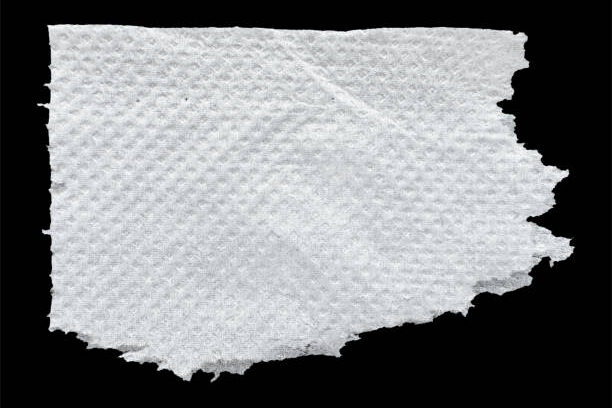
It’s funny how natural it feels to tear toilet paper along those tiny dotted lines, like it was always meant to be that way. The truth is, perforation didn’t happen by accident. Early toilet paper was often one continuous sheet, which made it hard to control usage and sometimes caused frustration. The introduction of perforated lines allowed users to tear off a consistent amount, making the product more predictable and convenient. This simple design has been refined over decades to match the average person’s needs.
Perforation also helps manufacturers standardize roll length and sheet count, which makes production, packaging, and pricing much easier. It subtly reduces waste because people use just enough without guessing. When you reach for a few squares, your hand naturally follows the perforation, creating an effortless experience. It’s one of those details you barely notice, but it shapes how you use toilet paper every day. That balance of efficiency, comfort, and practicality is why perforations remain a standard feature, quietly improving an everyday routine that most of us take for granted without thinking twice.
5. The Overlooked Role of Dissolvability
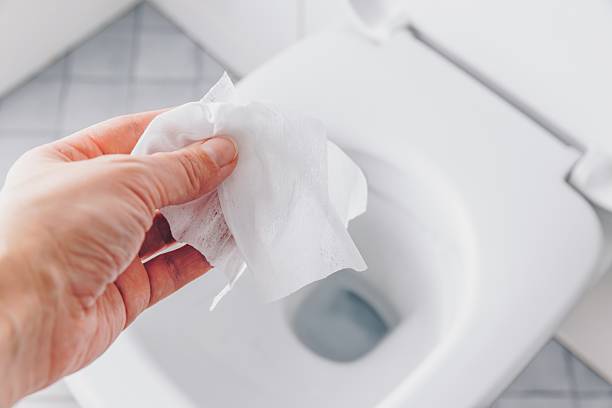
It might not be the first thing you think about when you grab a roll, but how toilet paper breaks down is essential. It’s designed to dissolve quickly after use, preventing plumbing problems and ensuring smooth disposal. The fibers are carefully selected and processed to strike a balance between strength during use and fast disintegration afterward. Without this, flushing could become messy, and systems could get clogged.
Experts note that “toilet paper is engineered to disintegrate rapidly in water to prevent plumbing issues.” This principle influences every aspect of the product, from sheet thickness to fiber choice. It also explains why other paper products, like paper towels, aren’t suitable for flushing. The dissolvability feature quietly shapes the entire experience, keeping both users and plumbing happy. This unseen design choice ensures toilet paper can do its job efficiently and safely, proving that even the simplest products are thoughtfully engineered to combine comfort, function, and practicality.
6. Why the Cardboard Tube Is Still There
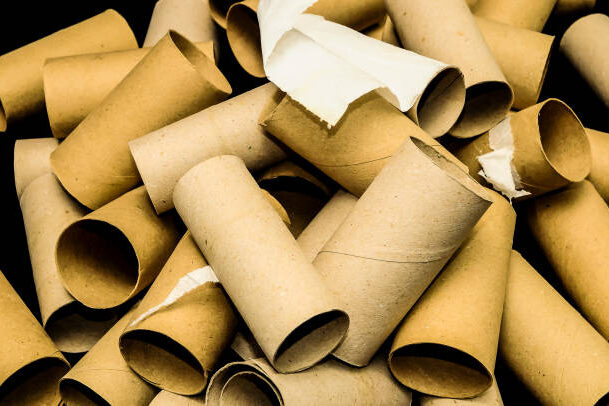
Most people toss the empty cardboard tube without thinking, but it serves an important purpose. The tube provides structure, keeping the roll neatly wound and allowing it to spin freely on a holder. Without it, the paper would collapse inward, making it difficult to use. Some tube-free designs exist, but they often face issues with stability and consistent dispensing.
The core also plays a practical role during manufacturing and transport, allowing rolls to stack securely without losing shape. It may seem like a minor detail, but it keeps the entire product functioning smoothly. Sustainability efforts are exploring alternatives, but the traditional cardboard tube remains the most effective solution. It’s one of those quiet design choices that people rarely notice but rely on every day. While maintaining stability and usability, it allows the rest of the roll’s design, from softness to perforation, to function exactly as intended.
7. The Subtle Engineering Behind Texture Patterns
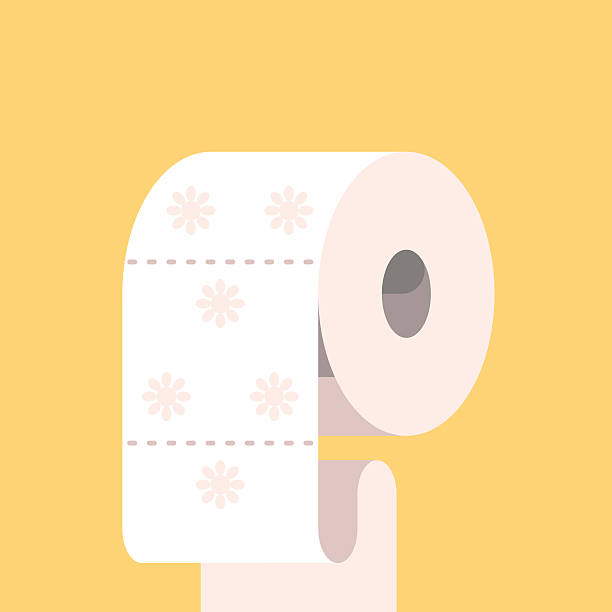
If you look closely at most toilet paper, you’ll notice faint patterns pressed into the sheets. These aren’t purely decorative; they improve performance. Embossed patterns create tiny air pockets that increase absorbency while maintaining softness. This makes the paper more effective without adding extra material or weight, blending comfort with efficiency.
Embossing also helps layers in multi-ply rolls stick together, preventing separation during use. The design is subtle but purposeful, enhancing both feel and function. Manufacturers carefully balance texture with strength to ensure the product is effective yet gentle. The next time you notice the soft, slightly textured sheet in your hand, you can appreciate the engineering behind it. It’s a detail that elevates a simple household product into something reliable, functional, and thoughtfully crafted, quietly improving an everyday routine without drawing attention.
8. Why It’s Almost Always White
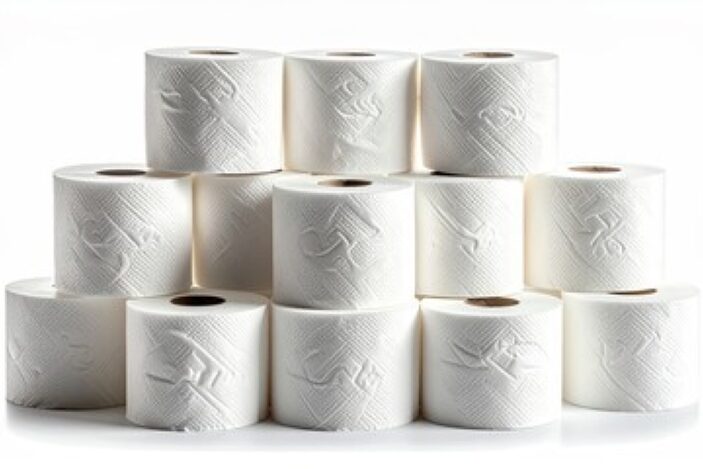
Walk down any supermarket aisle and you’ll notice one thing almost immediately: nearly all toilet paper is white. That choice isn’t just about looking clean; it’s a combination of cost, practicality, and consumer perception. White paper is easier and cheaper to produce because it can be bleached to remove natural color variations, giving it a consistent, uniform look. It also signals cleanliness in a subtle but powerful way, which matters when people are buying a hygiene product they trust. While colored and patterned options once appeared on shelves, they faded over time due to concerns about dyes and potential skin sensitivity.
From a manufacturing perspective, white toilet paper simplifies quality control, packaging, and bulk production. It’s easier to spot flaws or inconsistencies, which helps maintain a standard most people expect. Psychologically, white evokes purity and simplicity, which aligns perfectly with a product meant to feel safe and reliable. Over decades, this choice became the norm in the U.S., shaping consumer expectations and quietly reinforcing trust. So while it may seem like a small detail, color plays a surprisingly important role in everyday comfort and satisfaction, blending practical engineering with subtle psychology.
9. The Reason It’s Made to Be Lightweight

Toilet paper feels almost weightless in your hand, and that lightness is intentional. Lightweight sheets are easier to handle, tear, and fold, which makes daily use simple and convenient. Heavier paper might seem stronger, but it could cause problems with flushing and plumbing if it’s too dense. The design carefully balances feel, usability, and function, so that each sheet does its job without wasting material or creating frustration. Manufacturers select fibers and control thickness to make sheets light yet durable enough to be effective.
Industry experts often note that “lighter basis weight improves flushability while maintaining adequate performance.” This principle keeps both consumers and plumbing systems happy, creating a product that works reliably day after day. Lightweight paper also reduces production costs and packaging weight, which benefits everyone from manufacturers to shoppers stocking up in bulk. When you reach for a roll, you barely notice the weight, but if it were wrong, every trip to the bathroom would feel cumbersome. This seemingly small design choice quietly shapes the experience, keeping the product practical, efficient, and dependable. Every aspect, from softness to thickness, works together to make toilet paper easy to use and trusted in homes across the country.
10. Why Toilet Paper Rolls the Way It Does
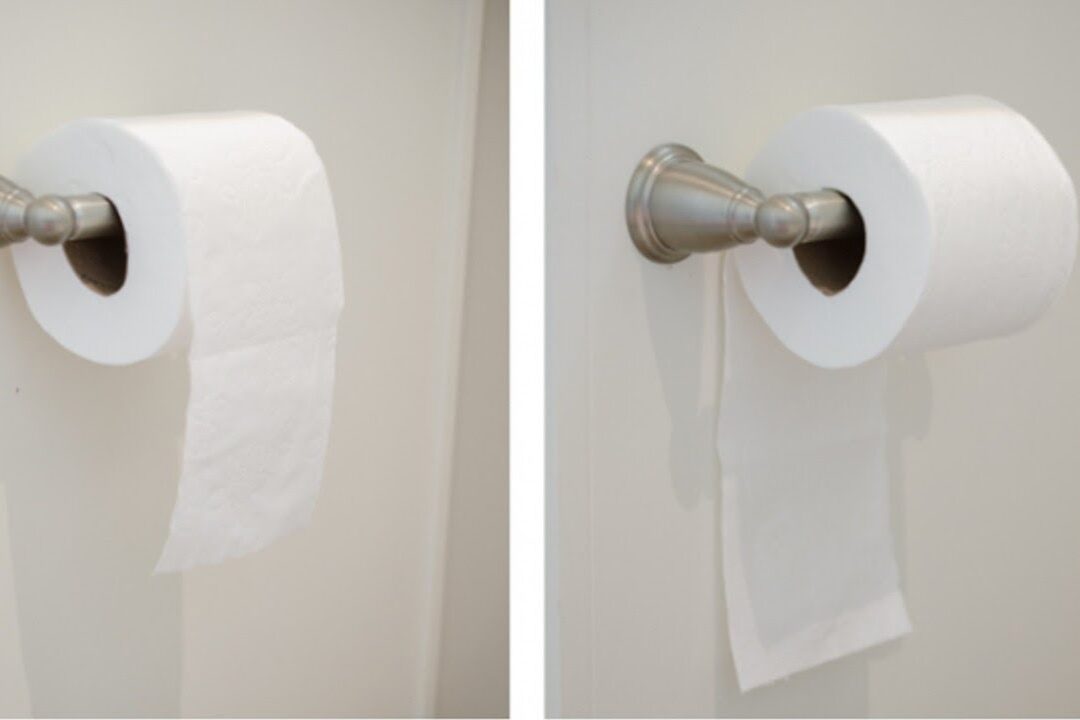
You may have wondered why toilet paper rolls spin the way they do, and why there’s always a debate over over versus under. The design of the roll is actually very flexible, allowing users to choose their preferred orientation without affecting performance. The original patent even illustrated the paper hanging over the roll, but manufacturers intentionally created a product that works either way, accommodating different habits and bathroom setups across households. This flexibility is part of its subtle brilliance, because it adapts to daily routines effortlessly.
The spinning mechanism is also carefully engineered. Rolls must rotate smoothly, tear cleanly, and maintain tension so sheets don’t unravel unexpectedly. That means choosing the right core size, sheet dimensions, and paper density. These small choices create an experience that feels natural and intuitive every time. Over decades, this simple design has quietly evolved to meet consumer expectations without drawing attention to itself. It’s a perfect example of functional design blending with everyday psychology. By thinking through small details like rotation and user preference, toilet paper becomes more than a basic necessity, it’s a product that works reliably, feels comfortable, and fits seamlessly into modern life, quietly making routines smoother every day.


