
1. Climate Problems Are Quietly Raising Food Prices
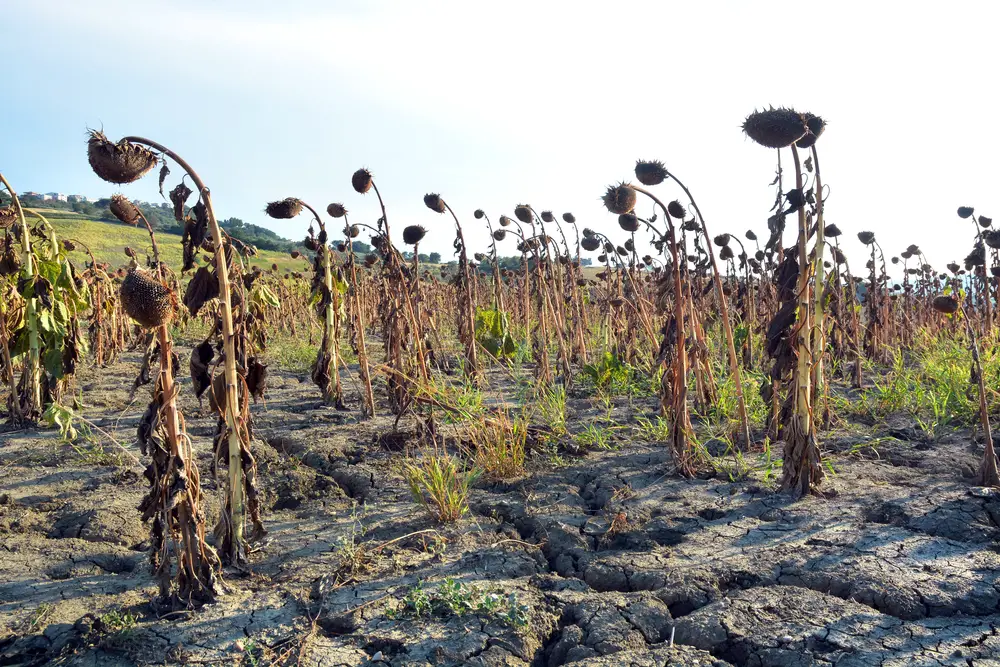
Most people step into the grocery store thinking about dinner, not the weather on the other side of the world. Yet the price tags we see today often begin with what is happening on farms months earlier. Farmers everywhere have been dealing with seasons that feel harder to predict. Some years bring drought that dries out fields before crops mature. Other times heavy rains arrive at the wrong moment and wipe out part of the harvest. When harvests shrink, supply tightens quietly behind the scenes. Grocery stores still look full, but the amount of food available globally can be lower than expected. When that happens, food producers end up paying more for ingredients long before products reach store shelves.
Over time these smaller harvests ripple through the entire food system. Wheat shortages raise bread prices. Poor corn harvests increase the cost of animal feed, which then affects meat, dairy, and eggs. Even chocolate and coffee prices respond when climate pressure reduces harvests in certain regions. Shoppers may not connect a hot summer or unexpected flood to the price of cereal, but the connection is real. Climate conditions have become one of the quiet forces shaping food costs today. It is one of the reasons grocery prices in 2026 still feel stubbornly high.
2. Energy Costs Still Flow Into Food Prices
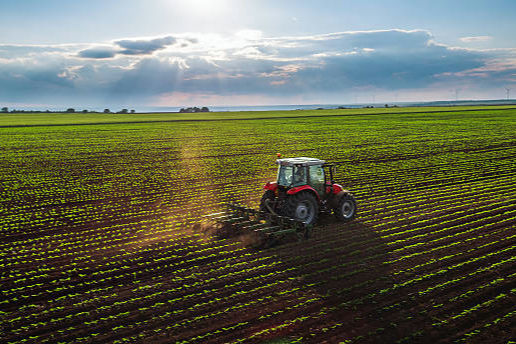
It helps to remember that food travels a long journey before it lands in a shopping cart. A tomato in the produce section may have started its life hundreds or even thousands of miles away. That journey requires energy at nearly every step along the way. Farmers use fuel to power tractors and irrigation equipment. Fertilizer plants depend heavily on natural gas to produce nutrients crops need to grow. After harvest, refrigeration systems keep food fresh while trucks move products across highways to distribution centers and grocery stores.
When energy costs climb, each step of that journey becomes more expensive. Trucking companies pay more for diesel, warehouses spend more on electricity, and processing plants see their operating costs rise. None of those expenses stay isolated. They eventually get folded into the price of finished food products. Even something simple like milk reflects energy costs for dairy farm equipment, refrigerated transport, and cold storage inside stores. It is easy to overlook because shoppers never see those steps directly. Still, energy quietly sits underneath the price of almost every item on a grocery receipt.
3. Labor Shortages Across The Food Chain
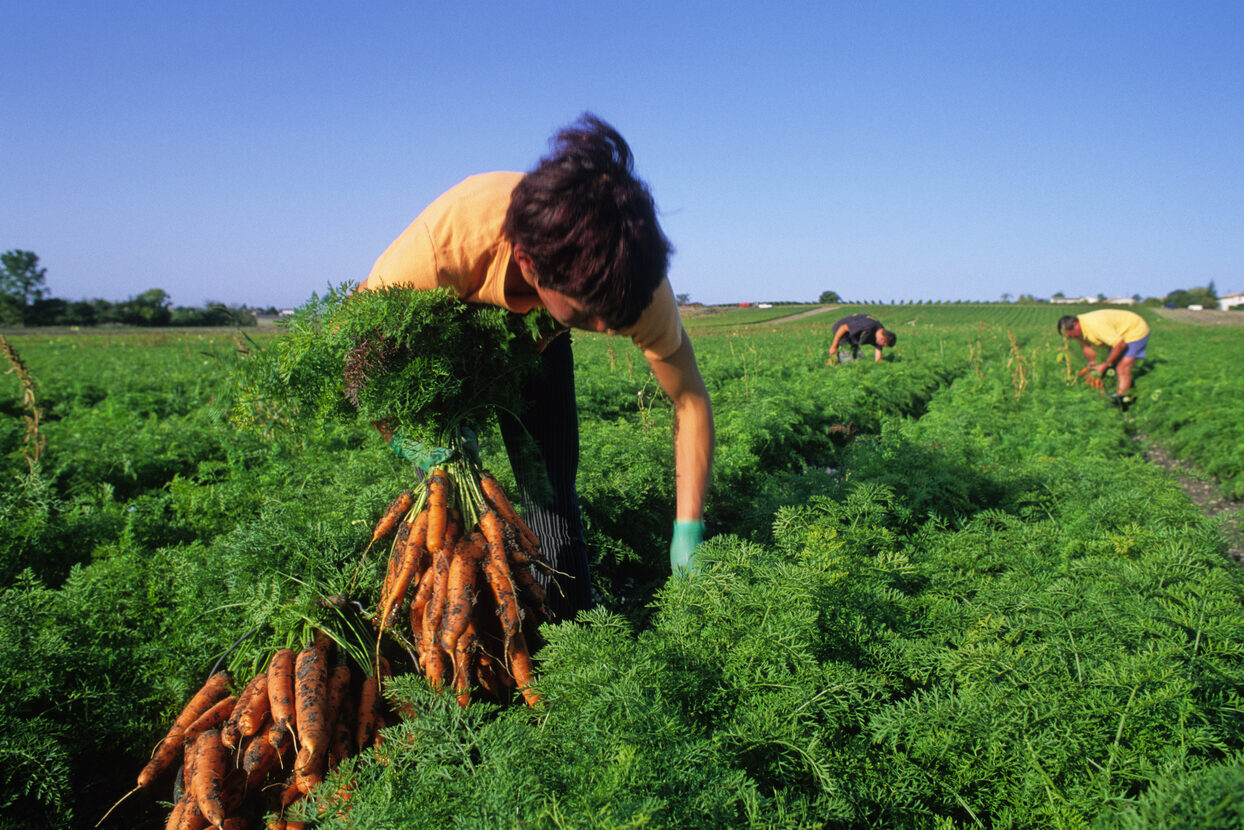
Behind every product in a grocery store are people doing hands on work that keeps the food system running. Farmworkers plant and harvest crops. Processing workers prepare and package food. Truck drivers move shipments across cities and states. Grocery employees unload deliveries and stock shelves. Over the past few years many parts of this system have struggled to find enough workers. Some workers left demanding industries during the pandemic years, while others moved into different careers that offered more stability or better schedules.
When companies cannot find enough staff, they often raise wages or offer bonuses to attract workers. Higher wages help employees keep up with rising living costs, which is positive for many families. At the same time, higher payroll expenses increase operating costs for food producers and distributors. Businesses rarely absorb those increases entirely. Instead, they gradually adjust prices to cover the added expense. The result is a grocery bill that reflects many different workers along the way. From the field to the store aisle, labor costs are now a noticeable part of why food prices remain elevated.
4. Supply Chains Are More Expensive Than Before
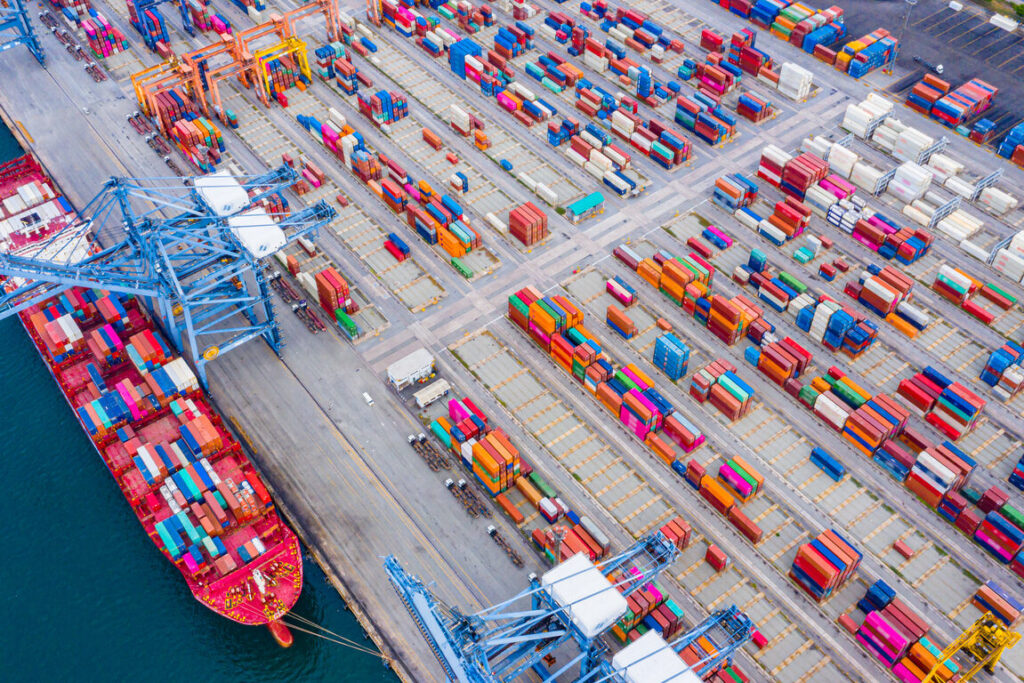
The disruptions that happened during the pandemic years changed how many food companies think about supply chains. In the past, businesses often relied on very lean systems that kept inventory low and deliveries constant. When disruptions hit shipping routes and factories, that model proved fragile. Companies responded by building stronger supply networks with backup suppliers and larger inventories. These changes help prevent empty shelves and sudden shortages, but they also add new costs to the system.
Maintaining extra storage space, managing multiple suppliers, and holding more products in warehouses all require additional spending. Transportation networks have also grown more complex as companies try to protect themselves from future disruptions. Even though shoppers may not notice these changes directly, the extra planning and infrastructure behind the scenes come with higher operating expenses. Grocery stores still receive their deliveries on schedule, but the path food takes to reach those shelves is now more layered and more expensive. That added complexity quietly contributes to the grocery prices consumers continue to see today.
5. Corporate Pricing Power Plays A Role
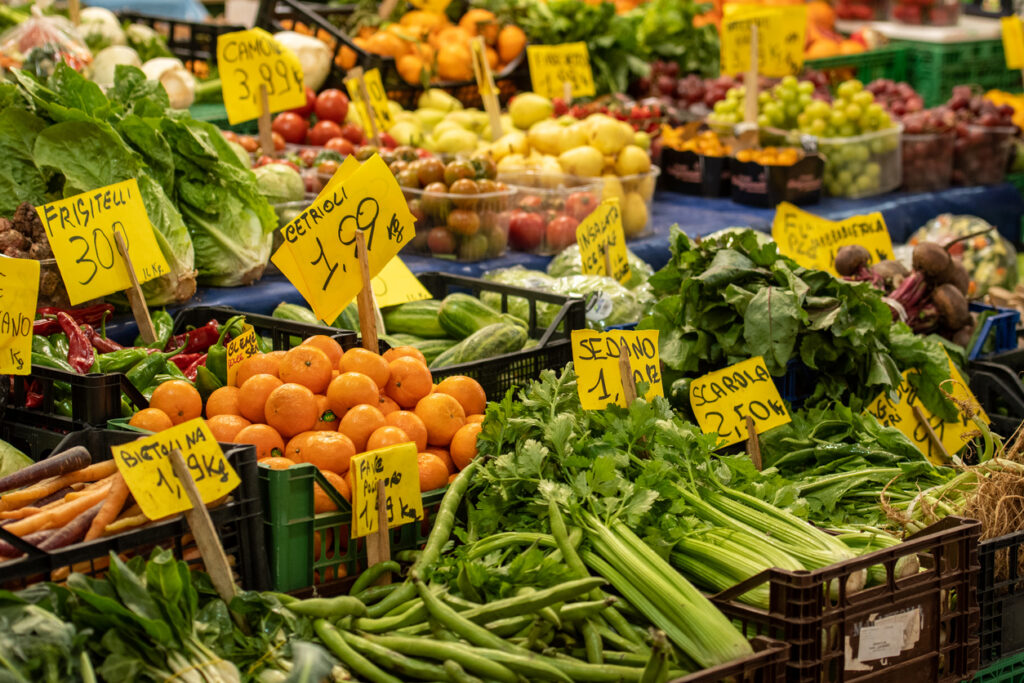
Another piece of the puzzle comes from how large food companies set their prices. Over the past few decades the food industry has gradually consolidated, which means fewer companies now produce many of the familiar brands found on grocery shelves. When inflation surged earlier in the decade, many companies raised prices quickly to cover higher production and transportation costs. Those price increases helped businesses stay profitable during a volatile period.
Some analysts believe that once prices moved upward, they did not always come back down as quickly as consumers expected. When a small number of companies control popular products, competition can become less intense. That situation can make prices slower to fall even if some costs ease later. Grocery stores themselves also work with tight margins and must manage their own rising expenses. The result is a complicated balance between suppliers, retailers, and consumers. While companies certainly face real costs, pricing power in concentrated markets can help explain why food prices sometimes stay high longer than shoppers anticipate.
6. Fertilizer Prices Have Not Fully Normalized
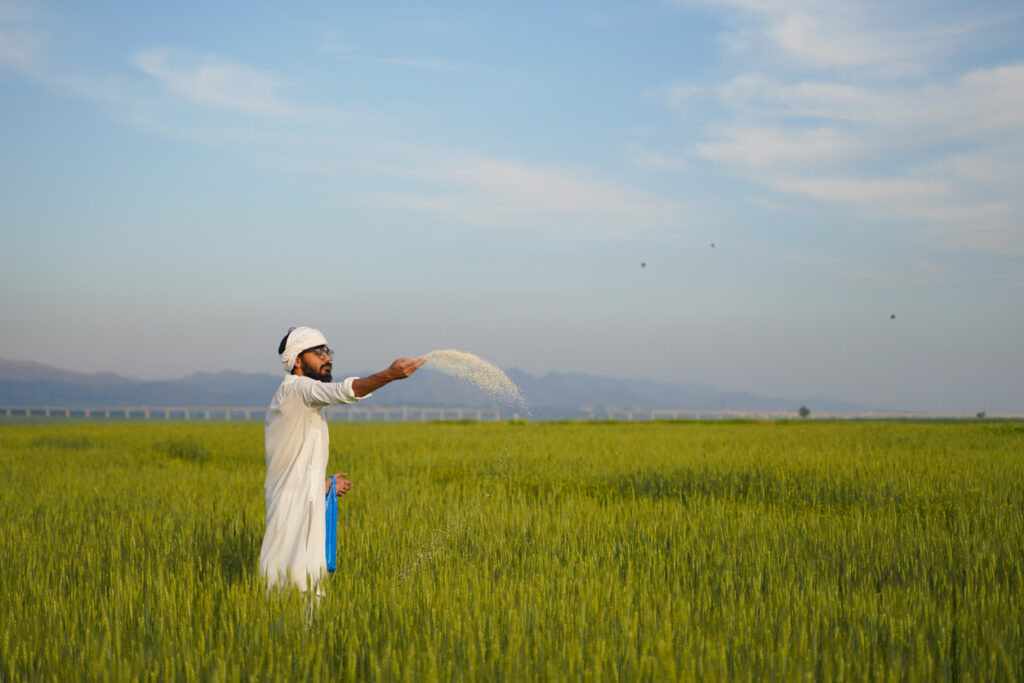
Modern farming depends heavily on fertilizer to produce the large harvests that feed growing populations. Fertilizers supply essential nutrients such as nitrogen, phosphorus, and potassium that crops need to grow efficiently. When fertilizer becomes expensive or difficult to obtain, farmers face tough choices. They can buy the fertilizer at higher prices or reduce how much they use. Both decisions can affect the size of the final harvest.
In recent years fertilizer markets have experienced sharp price swings caused by supply disruptions, energy costs, and trade restrictions. Natural gas shortages affected fertilizer production, since gas is a key ingredient in many fertilizers. Export limits and geopolitical tensions also reduced supply in certain regions. Farmers planning their planting seasons had to navigate uncertain costs while trying to keep their operations profitable. When fertilizer prices remain high, farmers often need to charge more for the crops they sell to wholesalers. Those costs eventually move through the food system and show up in grocery stores in the form of higher prices for grains, produce, and many packaged foods.
7. Insurance And Risk Costs Are Growing
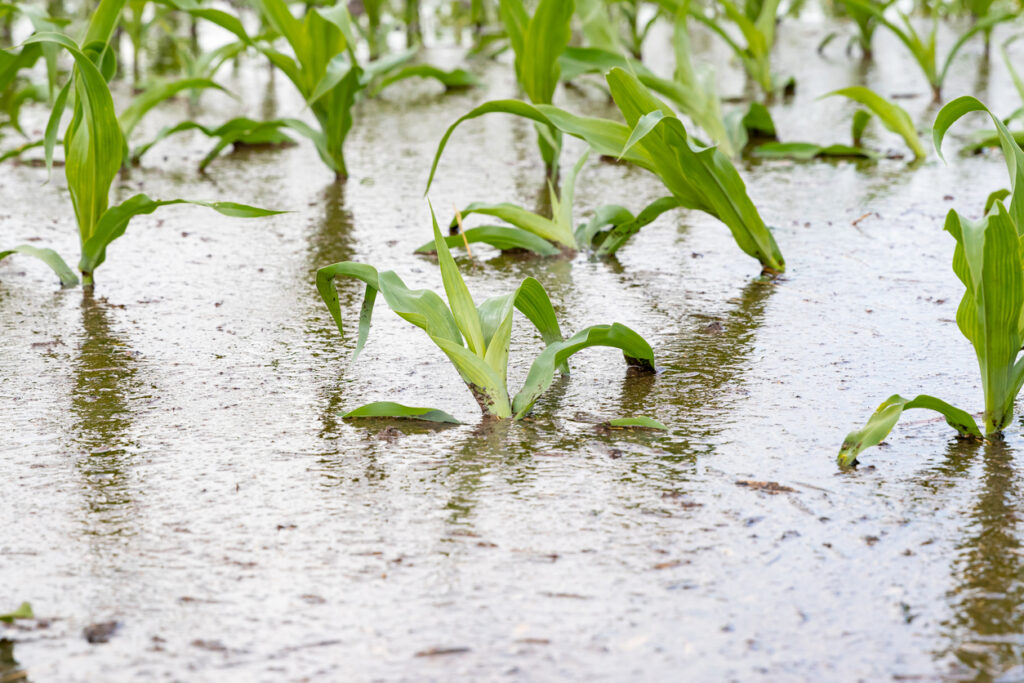
Farming has always involved uncertainty, but many producers say the risks feel greater today than they once did. Extreme weather events, shifting climate patterns, and unpredictable supply disruptions can threaten harvests or damage infrastructure. To protect themselves, farmers and food companies rely more heavily on insurance and risk management strategies than in the past. Crop insurance programs help farmers recover when disasters damage fields, while food companies often secure backup suppliers in case shipments are interrupted.
All of these protective measures help keep the food system stable. Consumers benefit because grocery stores remain stocked even when problems occur somewhere in the supply chain. However, those safety nets are not free. Insurance premiums, contingency planning, and additional infrastructure add to the cost of doing business. Food producers must factor those expenses into their pricing in order to remain financially stable. Over time the cost of managing risk becomes part of the overall price of food. Shoppers may never see those calculations, but they quietly influence the totals that appear at the checkout counter.
8. Global Conflicts Continue To Affect Food Markets
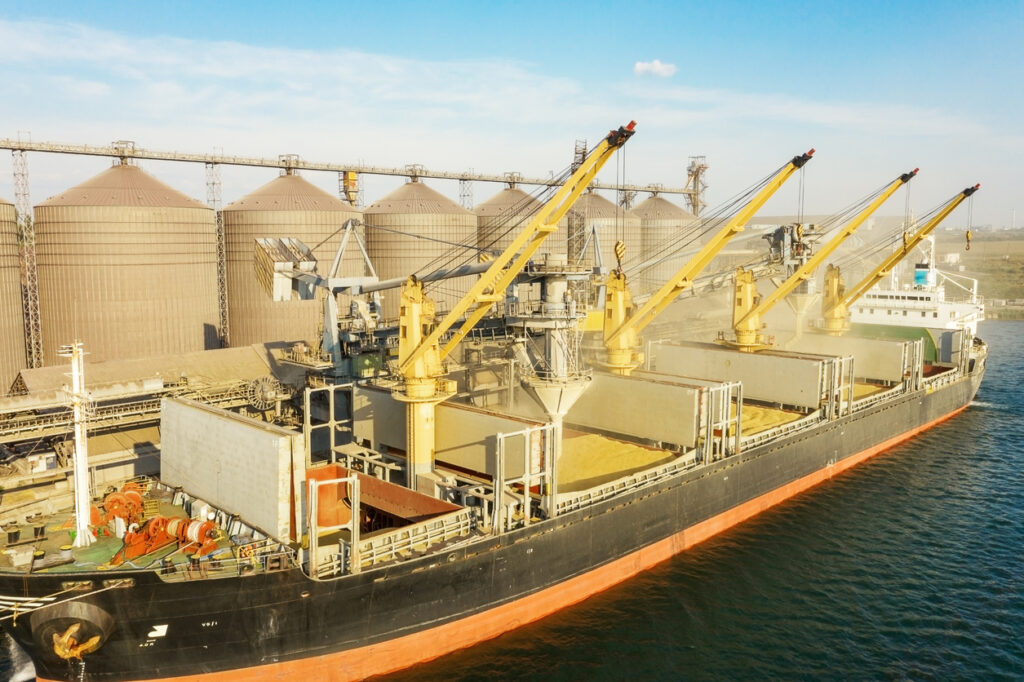
Food markets are deeply interconnected across the world. When major agricultural regions experience political conflict or trade disruptions, the effects can ripple through international markets quickly. Countries that produce large quantities of wheat, corn, cooking oil, or fertilizer play an important role in stabilizing global food supplies. If those exports suddenly become limited, buyers across the world begin searching for alternative sources.
That increased competition pushes prices higher in other markets. Even countries that produce their own food can feel the impact because global prices influence trading relationships and supply contracts. When one part of the world experiences shortages, the demand elsewhere often rises sharply. Food companies then pay more to secure the ingredients they need for processing and manufacturing. By the time those products reach grocery shelves, the price adjustments have already worked their way through the system. What seems like a distant political event can quietly shape the cost of everyday items such as bread, cooking oil, or breakfast cereal.
9. Packaging Costs Quietly Add Up
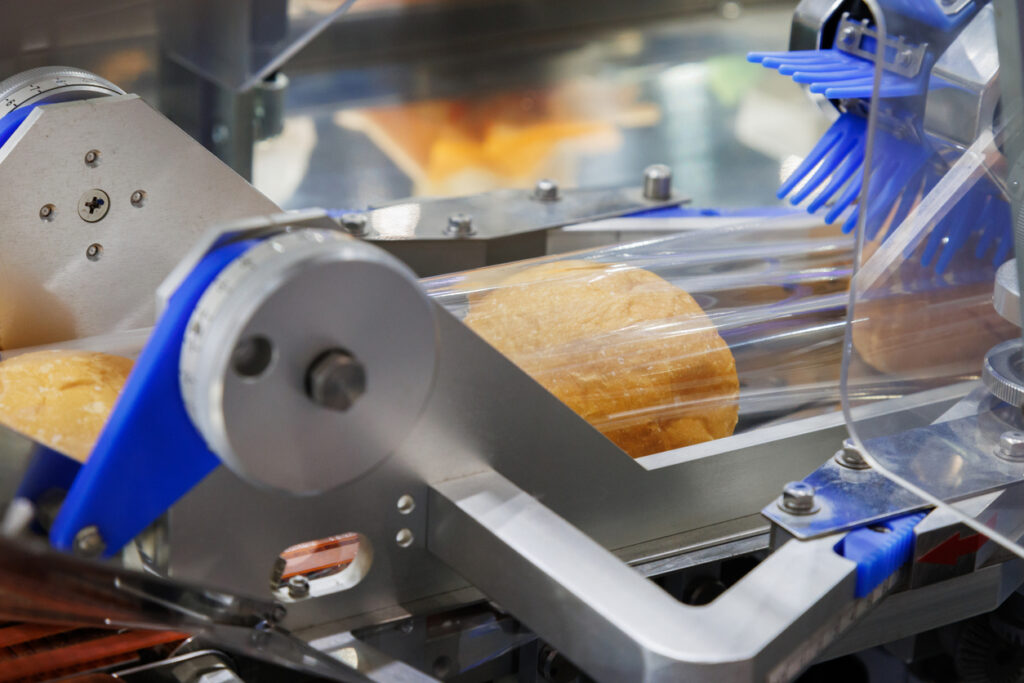
The food itself is only part of what shoppers pay for at the grocery store. Packaging plays a surprisingly large role in determining the final price of many products. Glass jars, aluminum cans, plastic containers, and cardboard boxes all require raw materials, manufacturing, and transportation. Each of those steps carries its own costs that companies must account for when pricing their products.
In recent years the cost of many packaging materials has risen due to energy prices and manufacturing changes. Producing plastic and aluminum requires significant energy, while paper and cardboard depend on forestry and processing industries. Companies are also facing growing pressure to adopt more environmentally friendly packaging. Sustainable materials can sometimes cost more to produce or source. While these changes help reduce environmental impact, they can raise production costs in the short term. When manufacturers calculate the final price of a product, the packaging becomes part of that equation. Even a simple yogurt cup or cereal box contributes quietly to the total price consumers see on the shelf.
10. Retail Store Costs Are Rising Too
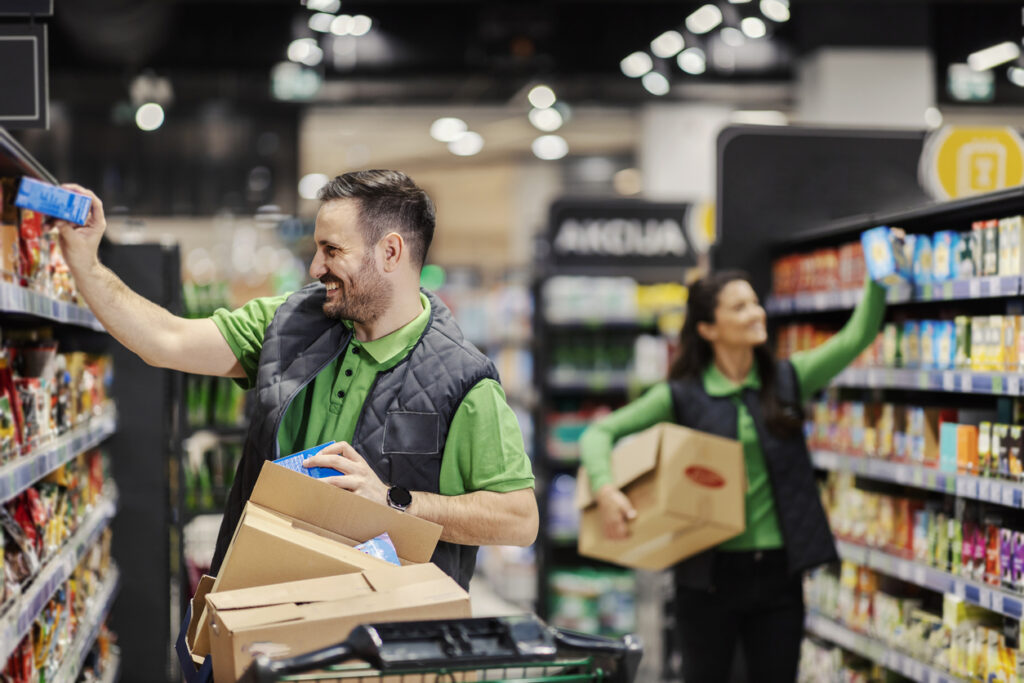
Running a grocery store involves far more expenses than simply placing products on shelves. Stores must pay rent or property costs for large buildings, maintain refrigeration systems that run all day, and manage electricity bills for lighting and equipment. Staff members are needed to receive deliveries, organize products, operate checkout counters, and assist customers throughout the store.
In many areas these operational costs have risen noticeably. Commercial rents have increased in certain cities, and electricity prices have climbed in many regions. Refrigeration alone can consume large amounts of energy, especially for stores that carry fresh meat, dairy products, and frozen foods. Grocery chains must balance these rising expenses while still trying to keep prices competitive. Even when suppliers hold prices steady, store operating costs can influence what customers ultimately pay. The grocery store itself is a complex business environment, and those everyday operational expenses play a role in why food prices remain higher than many shoppers remember.
11. Consumer Demand Has Shifted In Recent Years
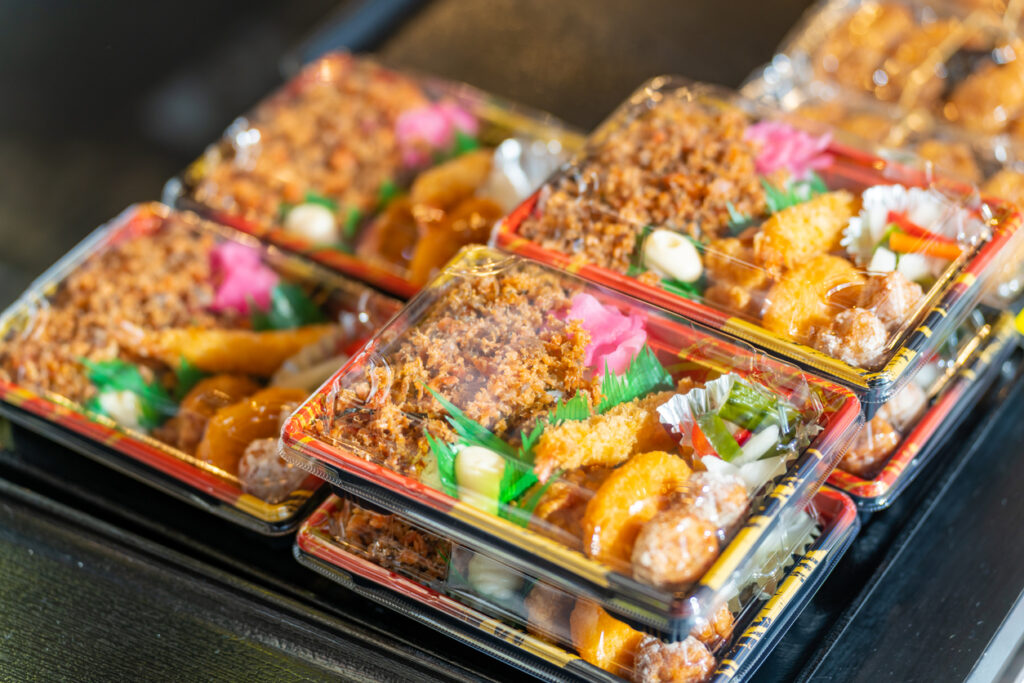
Another reason grocery prices feel different today is that shopping habits have changed. Many consumers now look for higher quality ingredients, organic produce, or specialty foods that were once considered niche products. Demand for convenience items such as ready to cook meals and pre packaged produce has also grown steadily. These products often require extra preparation, packaging, and refrigeration before they reach store shelves.
When demand shifts toward more processed or specialty items, production costs can increase. Food companies invest more in preparation facilities, packaging equipment, and quality control to meet those expectations. Even fresh produce is sometimes trimmed, washed, and packaged before arriving in stores. Each added step introduces additional labor and equipment costs. Consumers often appreciate the convenience and variety available today, but those benefits come with financial trade offs. As shopping preferences evolve, the food industry adjusts its production methods. Those adjustments gradually influence grocery prices in ways that many shoppers notice week after week.
12. The Food System Is Adjusting To A New Normal
After several years of rising prices, economists increasingly describe the current moment as a transition to a different kind of food economy. Many of the pressures that pushed prices upward did not disappear. Climate risks, higher wages, complex supply chains, and global market disruptions all continue shaping how food moves from farms to grocery stores. Instead of returning to the price levels people remember from years ago, the system seems to be settling into a new baseline.
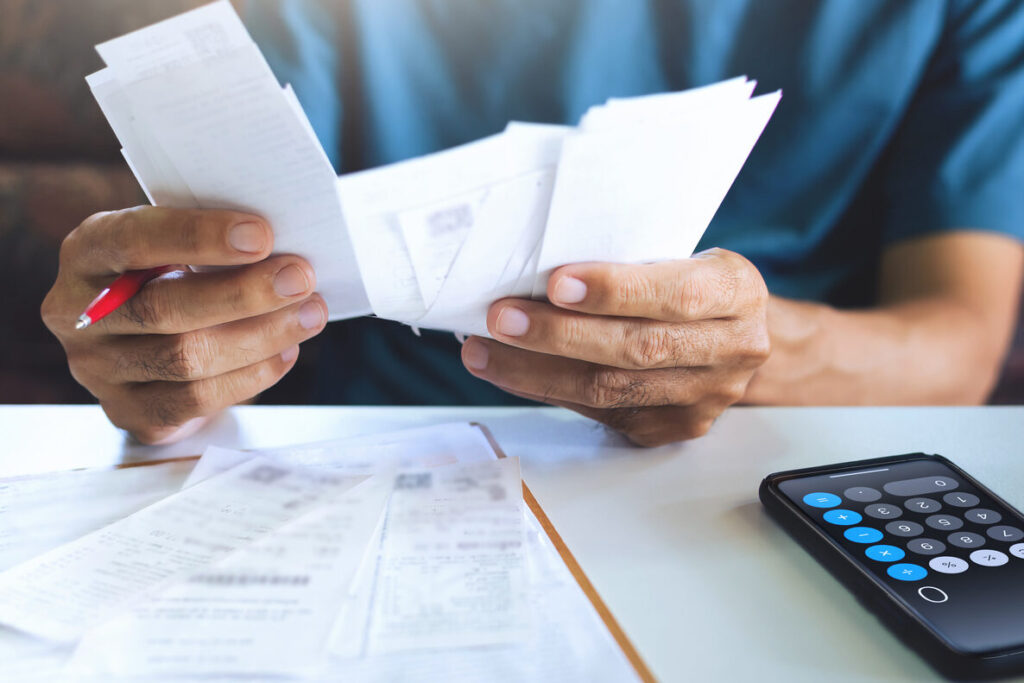
For many households this reality has changed how people approach grocery shopping. Families compare prices more carefully, watch weekly sales, and plan meals around what is available at lower cost. Stores respond by offering promotions and store brand alternatives to help customers manage their budgets. Grocery shopping has become more thoughtful than it used to be, reflecting the broader shifts happening in agriculture and global trade. Understanding those changes helps explain why prices have remained where they are. If this story helped clarify what is happening behind the grocery aisle, share it with someone who has been wondering the same thing.


