
1. The World’s Most Urgent Photo Album

If a picture is worth a thousand words, what is a portrait of a species facing extinction worth? National Geographic photographer Joel Sartore has dedicated his life to answering that question with the Photo Ark, a monumental project aimed at capturing the faces of the world’s creatures before they are lost forever. Prepare to meet some of the most beautiful and urgent residents of our planet.
Since its launch in 2006, National Geographic photographer Joel Sartore has dedicated his life to the Photo Ark, an initiative built on a radical and urgent premise: to create a comprehensive portrait gallery of every single animal species held in captivity worldwide. This isn’t merely a photographic endeavor; it’s a profound race against time to document biodiversity before it’s lost forever. The idea began simply, Sartore wanted to provide the world with a chance to genuinely see these creatures, moving beyond clinical observation to emotional connection. By focusing his lens on species from the great and powerful to the smallest and most overlooked, he’s building a vital repository of life.
2. Stripping Away Distraction
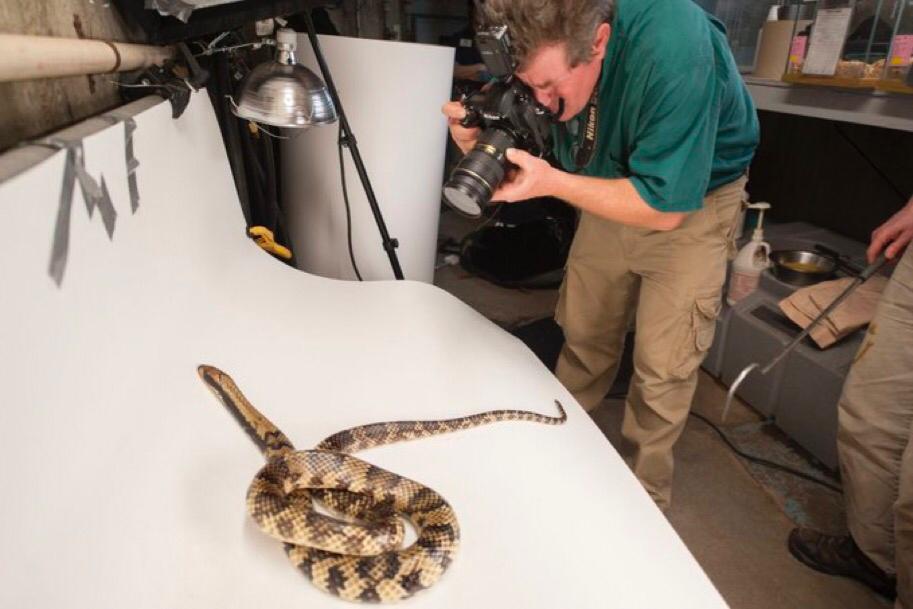
The hallmark of the Photo Ark project is its stunning use of plain backdrops. Sartore photographs every subject, whether it’s an enormous elephant or a tiny amphibian, against a simple, unadorned black or white background. This visual choice is deliberate and serves a powerful purpose: it strips away all distractions, such as habitats, cages, or human elements, forcing the viewer’s complete attention onto the animal itself. The consistent, minimalist staging immediately elevates every creature, regardless of its size or perceived importance, to the status of a dignified portrait subject. When a minuscule field mouse shares the exact same stark, powerful framing as a towering rhinoceros, the design reminds us of a fundamental truth of conservation: all species possess equal weight and intrinsic value in the ecosystem. This aesthetic decision transforms the photographs from mere documentation into a series of deeply focused, intimate encounters, compelling viewers to reflect on the unique beauty and fragility of the individual life before them.
3. Over 16,000 Species Photographed
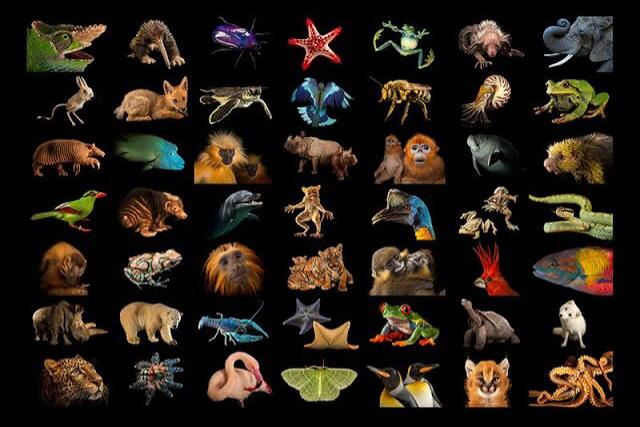
This ambitious project has yielded an incredible catalog, with Joel Sartore having photographed over 16,000 distinct species to date. Reaching this monumental number has been a painstaking process, requiring immense creativity, technical skill, and, above all, unwavering patience. Each animal portrait presents a unique set of challenges; capturing a small, stationary frog might be straightforward, but photographing a volatile, high-energy predator like a pacing tiger or a nervous ape demands expert precision and timing. Sartore often spends hours in enclosures, adapting his lighting setups and camera positions while maintaining the safety and comfort of the animal subjects. He must be ready to capture the perfect moment, a flicker of the eye, a unique pose, the instant it happens. This vast collection is proof of the photographer’s dedication, transforming years of work in zoos, aquariums, and sanctuaries across the globe into a powerful, continually growing record of our planet’s diverse inhabitants, one intricate portrait at a time.
4. A Focus on Individuality
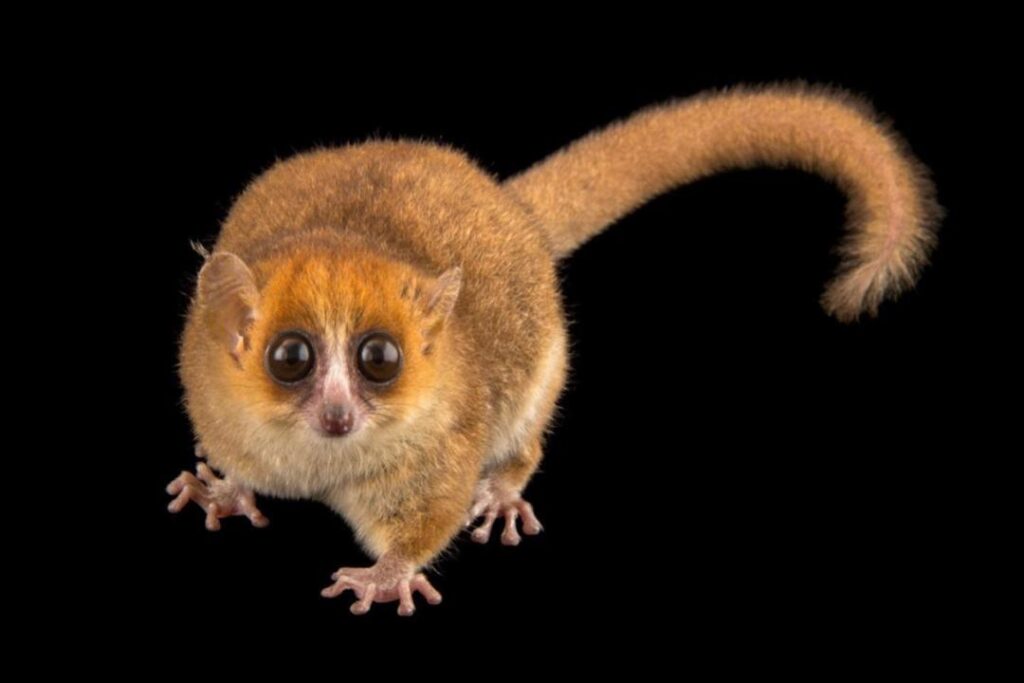
What distinguishes the Photo Ark is that these pictures transcend simple scientific record-keeping; they are genuine portraits infused with personality. Sartore excels at capturing the unique character of each subject, revealing the inner life behind the scales, feathers, or fur. Viewers encounter the nervous curiosity reflected in a lemur’s wide eyes, the sly, almost mischievous tilt of a parrot’s head, or the quiet, enduring dignity of a massive rhino. By isolating these animals against the plain backdrop, Sartore highlights their individuality, making it difficult for anyone to dismiss them as generic members of a group. This approach gives the animals a kind of psychological presence, transforming an abstract species into a recognizable individual, a strategy that is deeply effective in conservation. Once the viewer connects with the personality conveyed in the image, the animal becomes impossible to ignore, raising the stakes for their ultimate survival.
5. Visual Obituaries in Waiting
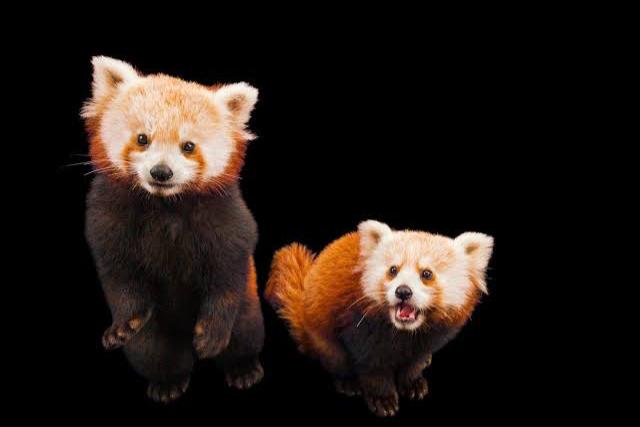
The project carries a heartbreaking weight because many of the animals featured are critically endangered, living on the brink of extinction. For a significant portion of these subjects, Sartore’s portraits may tragically be the very last high-quality, professional photographs taken of their species. This sobering reality transforms each image from a simple picture into what the project often terms a “visual obituary in waiting.” The possibility that the image could become the only proof that a creature once existed on Earth drives the project’s profound sense of urgency. These photographs don’t just ask us to admire beauty; they compel us to confront the immediate crisis of biodiversity loss. By showcasing animals teetering on the edge of vanishing, the Photo Ark provides a critical, undeniable deadline, underscoring why conservation efforts must be prioritized right now, before the living portrait turns into a permanent historical record.
6. The Lingering Power of the Gaze
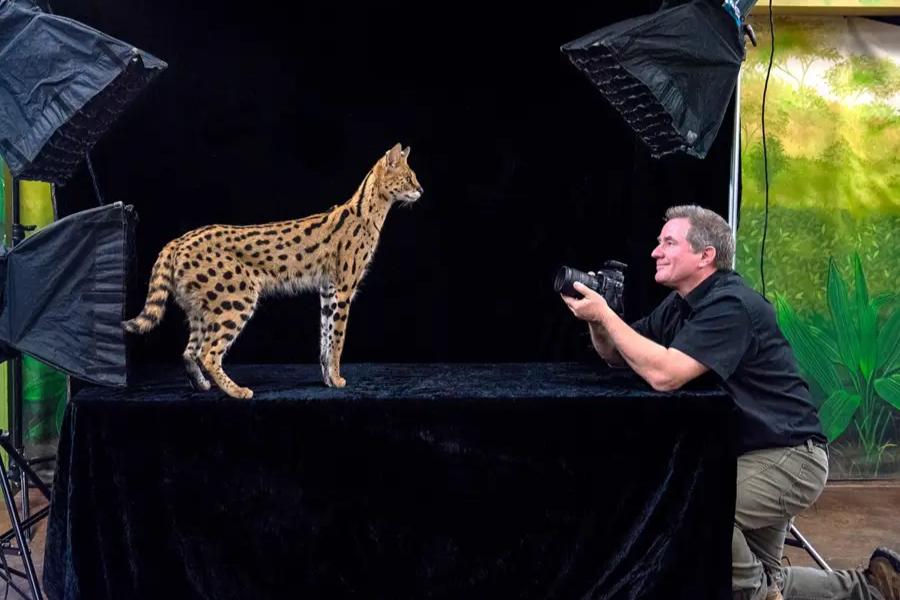
One of the most powerful and intentionally deployed techniques in the Photo Ark is the emphasis on eye contact. Joel Sartore consciously strives to capture moments where the animal meets the camera’s lens, and by extension, the viewer’s gaze. Sartore believes in the simple but profound psychological impact of this connection: if an animal looks directly at you, you are far more likely to feel a personal stake in its fate and survival. This direct, often intense stare breaks down the physical and emotional distance between humans and wildlife, transforming the abstract concept of extinction into a deeply personal call to action. Whether it’s the large, watchful eyes of a great ape or the focused glance of a tiny amphibian, the effect is arresting. Viewers consistently report that these stares linger in their minds, creating an enduring sense of connection and responsibility long after they’ve moved away from the photograph.
7. The Patience Behind the Lens
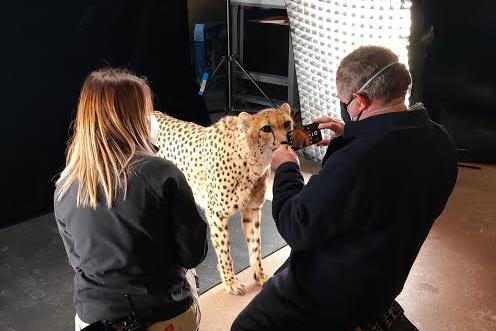
While the final portraits appear effortless, the process of capturing them is often a demanding exercise in patience and adaptability. A shoot can take anywhere from a few minutes to many long hours, depending entirely on the temperament and cooperation of the subject. Sartore must constantly adjust his approach; one moment, he might be setting up a precise lighting rig, and the next, he might be quietly waiting for a shy, nocturnal mammal to emerge from its hiding spot. He frequently finds himself in unusual and often uncomfortable positions, perhaps crawling on the floor or standing silently for extended periods, simply waiting for the perfect moment. The logistical challenges are immense, often requiring him to work within the confines of specialized enclosures and alongside dedicated zoo staff. Sartore views this perseverance as a core part of the mission; for an animal that might soon be gone forever, taking the time to truly see and honor it is as crucial as the technical skill of taking the picture.
8. Not Just Charismatic Icons
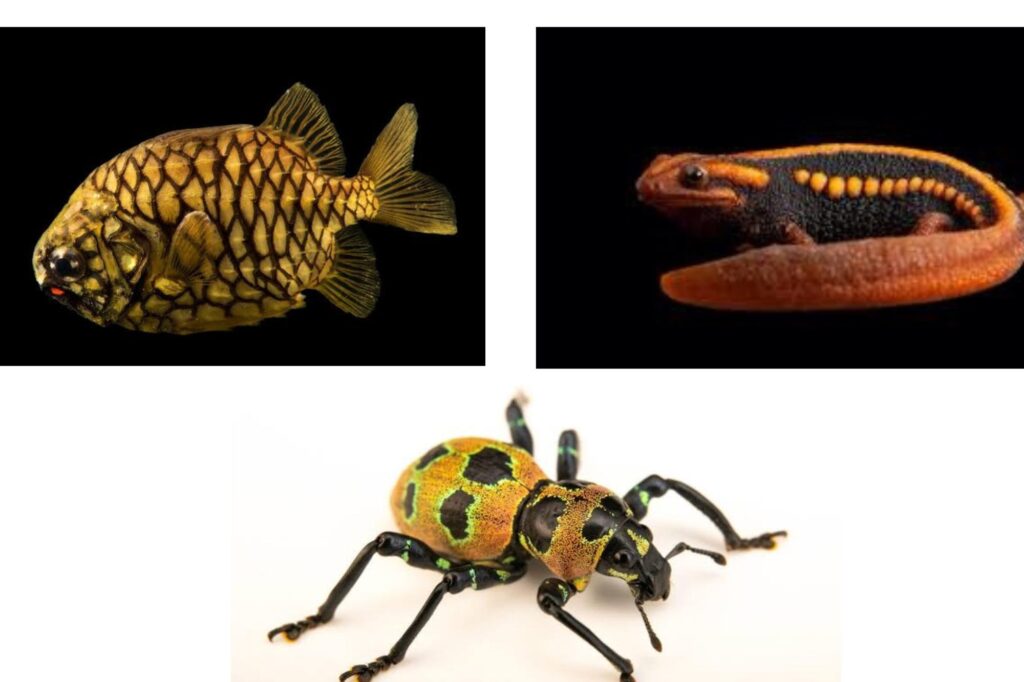
A vital part of the Photo Ark’s mission is to expand the definition of “important” species. While popular animals like pandas, lions, and elephants naturally draw attention, Sartore deliberately seeks out the overlooked members of the natural world: the fish, insects, beetles, and salamanders that are often ignored in general conservation efforts but are crucial to maintaining biodiversity. By giving a small, obscure tree frog the exact same dignified framing and attention as a great ape, Sartore puts all life forms on equal footing. This visual parity serves as a powerful reminder that the health of the planet is not solely dependent on a few famous “charismatic megafauna.” Biodiversity is a complex web, and every link, even the smallest, least glamorous ones, is essential. The project is a testament to the staggering variety of life, ensuring that no creature is deemed too small or too strange to warrant documentation and protection.
9. Global Impact and Public Display
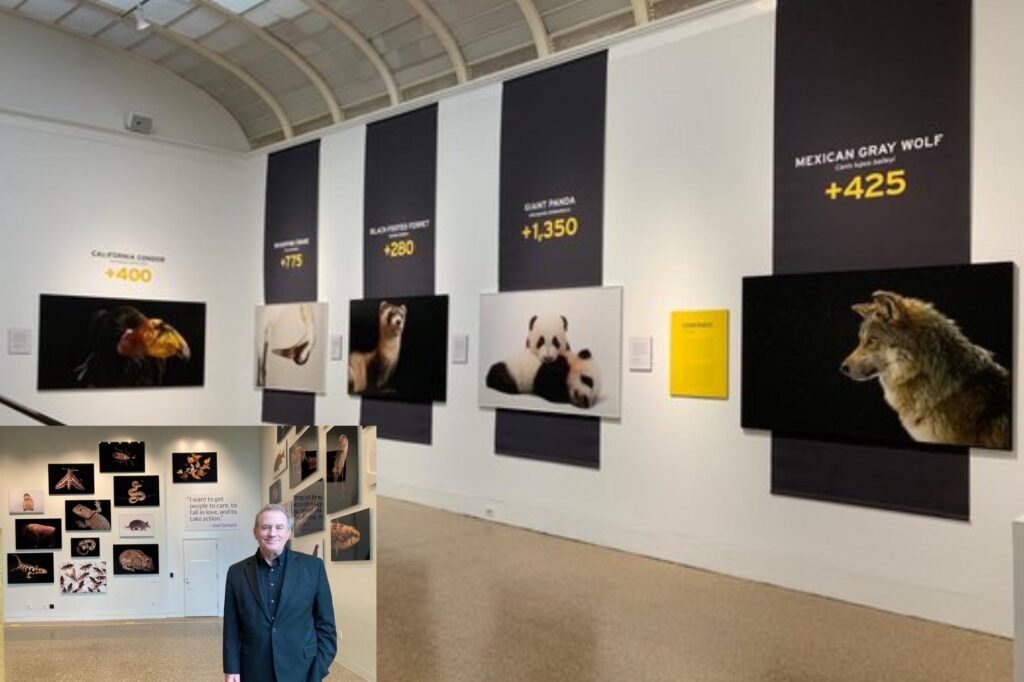
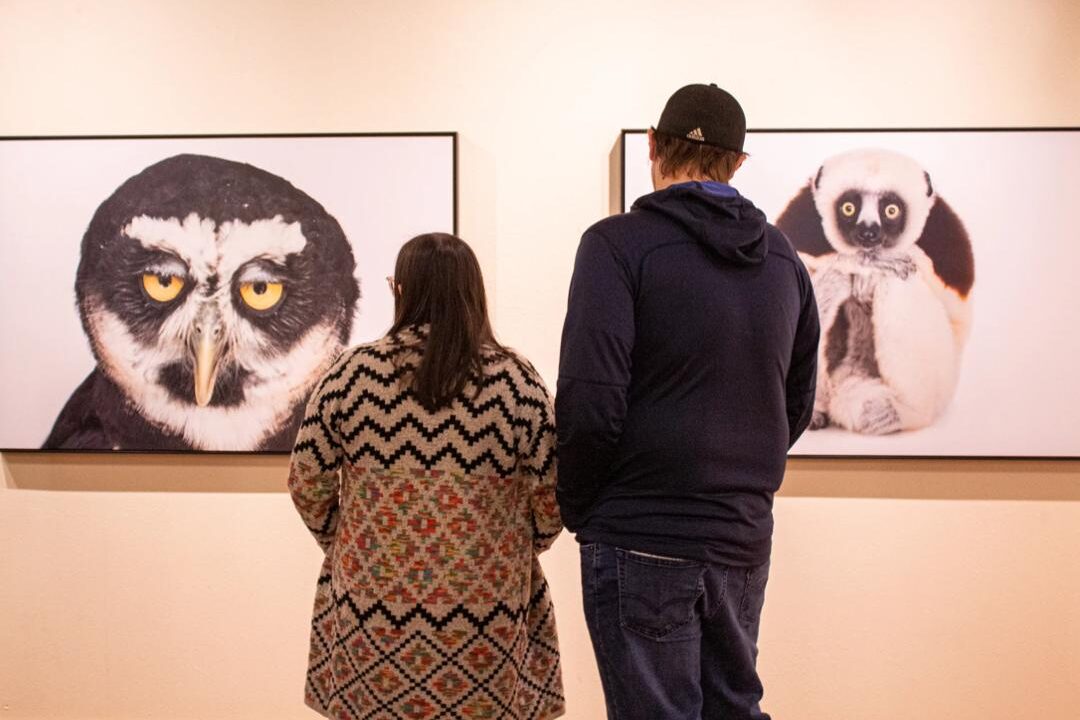
The Photo Ark is far more than an online gallery; it has become a true worldwide phenomenon in public spaces, greatly amplifying its conservation message. Sartore’s images are regularly featured in large-scale exhibitions at museums, zoos, and major public venues around the world. The impact of these massive, high-definition portraits is immediate and profound; they can literally stop passersby in their tracks. By placing these urgent images in busy, everyday environments, the Photo Ark turns typical hallways and public squares into unexpected moments of reflection and awareness. This global reach ensures that the conservation message breaks out of academic and scientific circles and reaches the general public, encouraging millions of people to engage with the crisis of extinction in a direct, visceral way.
10. Documenting the Journey
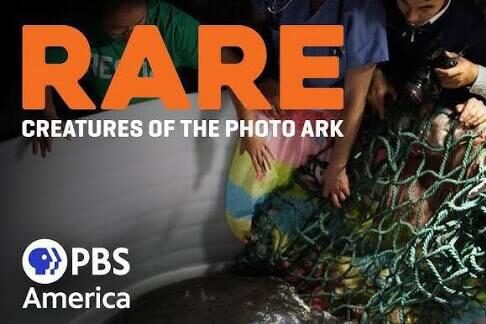
The powerful story and challenging logistics behind the Photo Ark were so compelling that the project became the subject of a PBS documentary series titled Rare: Creatures of the Photo Ark. The show provided viewers with an unprecedented behind-the-scenes look at Joel Sartore’s unique process, following him across the globe as he navigated diverse zoos and wildlife sanctuaries. The series highlighted the delicate dance between photographer and subject, showing the patience required to capture an elusive mammal or the rapid-fire timing needed for a nervous bird. Crucially, the program went beyond the photography itself to explain the high stakes of Sartore’s mission. By watching him interact with scientists and conservationists, viewers gained a deeper understanding of why each photograph is not just a picture, but a critical tool in the global effort to save endangered species.
11. A Relentless Race Against Time
Joel Sartore openly acknowledges a heartbreaking reality: he might not be able to complete his monumental mission. The sheer pace of species extinction is accelerating at such an alarming rate that new species are disappearing faster than he can photograph them. This stark truth injects a profound sense of urgency into every single shoot. For Sartore, each photographic session is more than just an artistic endeavor; it’s a desperate rescue effort for memory. The ticking clock doesn’t deter him, but rather fuels his relentless drive. It means that every portrait he captures isn’t just an addition to a collection, but a crucial act of preservation, a way to ensure that even if a species vanishes from the Earth, it won’t vanish entirely from human consciousness. The urgency transforms his camera into a powerful tool against oblivion, making every click a testament to life in the face of widespread loss.
12. Catalyzing Real-World Conservation
Beyond raising awareness, the Photo Ark has become a powerful force in actively inspiring and supporting conservation efforts globally. The project’s widespread visibility and emotional impact have translated into tangible benefits, raising both awareness and crucial funds for numerous conservation groups and initiatives. By sparking empathy on such a broad scale, Sartore’s images bridge the gap between abstract scientific data about biodiversity loss and the personal realization of what is at stake. The images ignite a desire to protect, turning passive observation into active participation.
Even if Joel Sartore is unable to photograph every single captive species before the project’s natural conclusion, the Photo Ark archive already stands as one of the most significant photographic collections in human history. It is an unparalleled visual repository of biodiversity, capturing the faces of countless creatures that might otherwise fade into obscurity. For a vast number of species, particularly those critically endangered, Sartore’s images may tragically become their only surviving visual record, the last definitive proof that they once walked, swam, or flew on this planet alongside us. Therefore, this makes the Photo Ark an invaluable scientific, educational, and historical resource.
This story The Photo Ark: Capturing Endangered Species One Portrait at a Time was first published on Daily FETCH


