
1. The Body on Somerton Beach
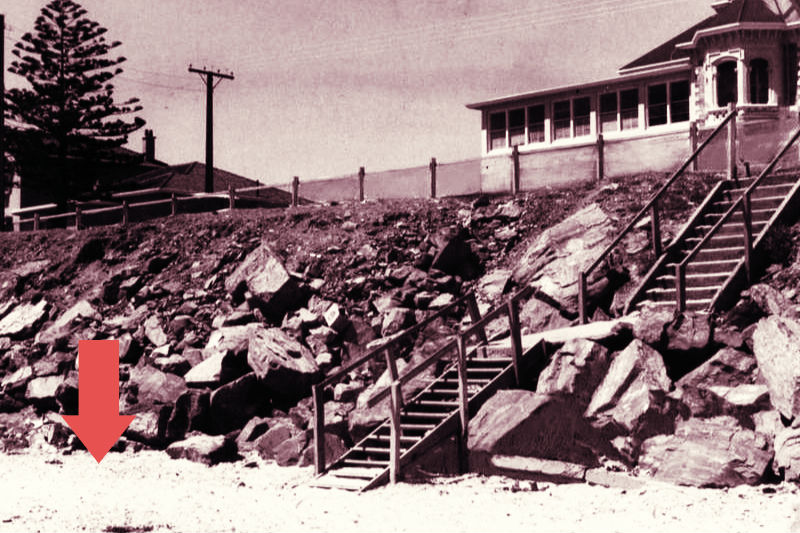
On the morning of December 1, 1948, the body of a well-dressed man was discovered on Somerton Beach near Adelaide, Australia. He was lying against a seawall, neatly dressed in a suit, polished shoes, and a tie, with no visible signs of violence. Authorities initially believed he may have died naturally, but an autopsy revealed congestion of organs that suggested poisoning, even though no toxin could be identified. There were no signs of struggle, no suicide note, and no clear cause of death. His clothing labels had been removed, and no identification was found on him. From the very beginning, the scene felt staged and strangely deliberate, setting the tone for one of Australia’s most enduring mysteries and inviting decades of speculation about who he was and how he died.
2. The Missing Identity
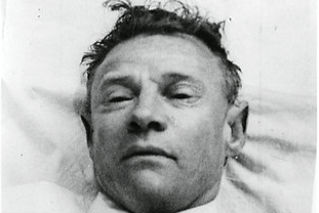
Despite extensive efforts, police could not identify the man. Fingerprints were taken and circulated internationally, but no matches were found. His dental records, unusually distinctive, also failed to produce results. Investigators checked missing persons lists across Australia and overseas, yet no one came forward to claim him. The lack of identification was especially puzzling given his neat appearance and apparent care for detail. He did not look like someone living on the margins of society. The mystery deepened as weeks turned into months with no leads. Eventually, authorities preserved a plaster cast of his face, hoping future recognition might solve the case. Instead, the unknown man became a symbol of unanswered questions, reinforcing the eerie sense that he had deliberately erased himself from the world.
3. The Tamám Shud Code
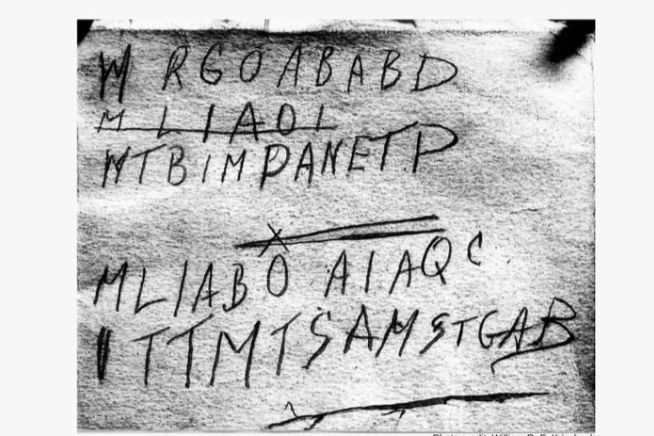
Months after the discovery of the body, police made a startling find. A tiny scrap of paper hidden in the man’s clothing bore the words “Tamám Shud,” a Persian phrase meaning “ended” or “finished.” The phrase was traced to a copy of The Rubaiyat of Omar Khayyam, a book of poetry. Later, a copy of the book was found in a nearby car, with a torn page matching the scrap. Inside the book were strange pencil markings resembling a code, though experts have never agreed on their meaning. No definitive translation has ever been proven. The poetic phrase, combined with the cryptic markings, added an intellectual and almost theatrical layer to the case, making it feel less like an accident and more like a carefully constructed enigma.
4. The Mysterious Woman Nearby
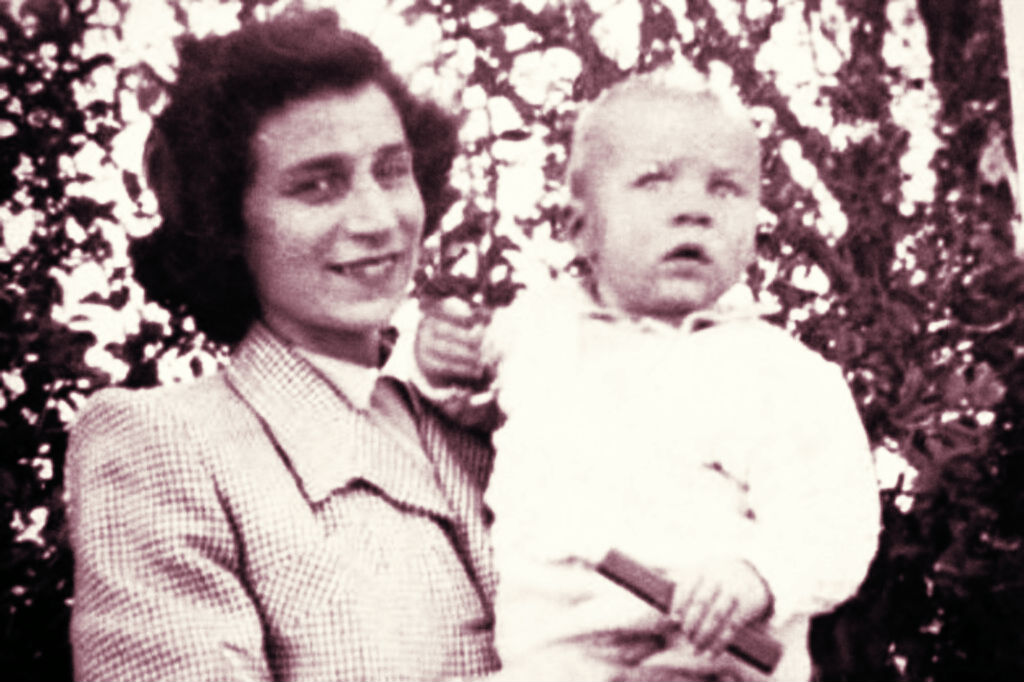
Investigators eventually linked the case to a woman who lived not far from Somerton Beach. Known publicly as Jessica Thomson, she was a nurse who owned a copy of The Rubaiyat similar to the one connected to the case. She claimed not to know the dead man, though witnesses said she appeared visibly shaken when shown his plaster cast. Over time, speculation grew about whether she had a personal relationship with him. Some theorized he may have been the father of her child, while others suggested she knew more than she admitted. Despite repeated questioning, she never provided information that conclusively tied her to the death. Her guarded responses and proximity to the mystery ensured she remained a central figure in ongoing debates about the Somerton Man’s life.
5. A Name at Last, but Not Full Answers

In 2022, decades after his death, forensic genealogy finally identified the Somerton Man as Carl, or Charles, Webb, an Australian-born electrical engineer. DNA analysis linked him to living relatives, solving the question of his name at last. However, this breakthrough did not explain why he died, how he ended up on the beach, or why he removed all identifying markers from his belongings. Webb’s known life history did not fully align with the strange circumstances surrounding his death. Instead of closing the case, the identification reopened it, raising new questions about his final days and intentions. The mystery shifted from who he was to why his story ended in such a carefully obscured way.
6. The Unidentified Poison

One of the most unsettling aspects of the Somerton Man case is that doctors suspected poisoning, yet no poison was ever identified. The autopsy showed congestion in major organs, including the liver and spleen, a pattern often linked to toxic substances. However, chemical tests available at the time failed to detect any known poison. Some experts later suggested rare or fast-metabolizing toxins, possibly ones used in medicine or pest control in the 1940s. Others theorized digitalis or similar heart-affecting substances, which could leave little trace. The absence of physical evidence made it impossible to determine whether his death was accidental, deliberate, or inflicted by someone else. This gap between medical suspicion and scientific proof has kept toxicologists and historians debating the case for decades.
7. The Removed Clothing Labels

Every label had been carefully removed from the Somerton Man’s clothing, a detail that immediately stood out to investigators. This was not typical behavior for the era, as most people wore clearly labeled garments, especially well-tailored suits. The removal suggested intention rather than coincidence. Some believed he wanted to hide his identity, while others argued he may have reused clothing or altered it for practical reasons. A suitcase later linked to him contained neatly folded clothes, also missing labels, reinforcing the idea of deliberate concealment. This attention to detail painted a picture of someone organized and purposeful. Whether this act pointed to espionage, personal secrecy, or a troubled state of mind remains one of the enduring questions tied to the mystery.
8. Cold War Espionage Theories
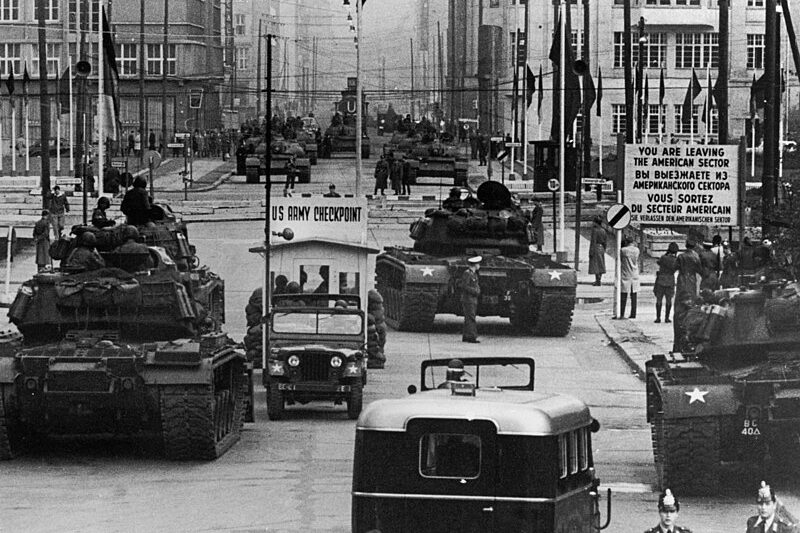
Because the case unfolded during the early Cold War, many theories placed the Somerton Man within the world of espionage. Adelaide was not far from sensitive military sites, including the Woomera rocket range, which was attracting international interest. His lack of identification, suspected poisoning, and coded message fueled speculation that he may have been involved in intelligence work. While no official records confirm this, the theory persisted in popular culture and media. Intelligence agencies never acknowledged a connection, and no concrete evidence linked him to spy networks. Still, the geopolitical context of the time adds plausibility for some researchers, making espionage one of the most widely discussed but unproven explanations.
9. The Code That Defies Solution
The pencil markings found inside the Rubaiyat book are among the most analyzed elements of the case. Consisting of seemingly random letters arranged in lines, the code has been studied by cryptographers, academics, and amateur puzzle-solvers alike. Some believe it represents a cipher, while others argue it may be a shorthand system or even meaningless scribbles. Despite decades of effort, no interpretation has gained universal acceptance. The lack of context makes verification nearly impossible. This unresolved code has kept the mystery alive in online forums and academic discussions, serving as a symbol of how even simple clues can resist explanation when stripped of their original meaning.
10. Why the Mystery Still Matters

The Somerton Man case continues to resonate because it blends human drama with unanswered questions. It highlights the limits of forensic science in earlier eras while showcasing how modern DNA technology can revive cold cases. Yet even with a confirmed identity, the emotional and narrative gaps remain. Why did Carl Webb end his life anonymously, if that is what happened? Why did he carry poetry and coded notes? The case reminds us that identity is more than a name and that closure is not always complete. Its longevity reflects a shared human fascination with stories that sit just beyond resolution.
Are you familiar with this incident? Add your thoughts in the comments, thank you.


