
Why Familiar Creatures Sometimes Pose The Greatest Risks
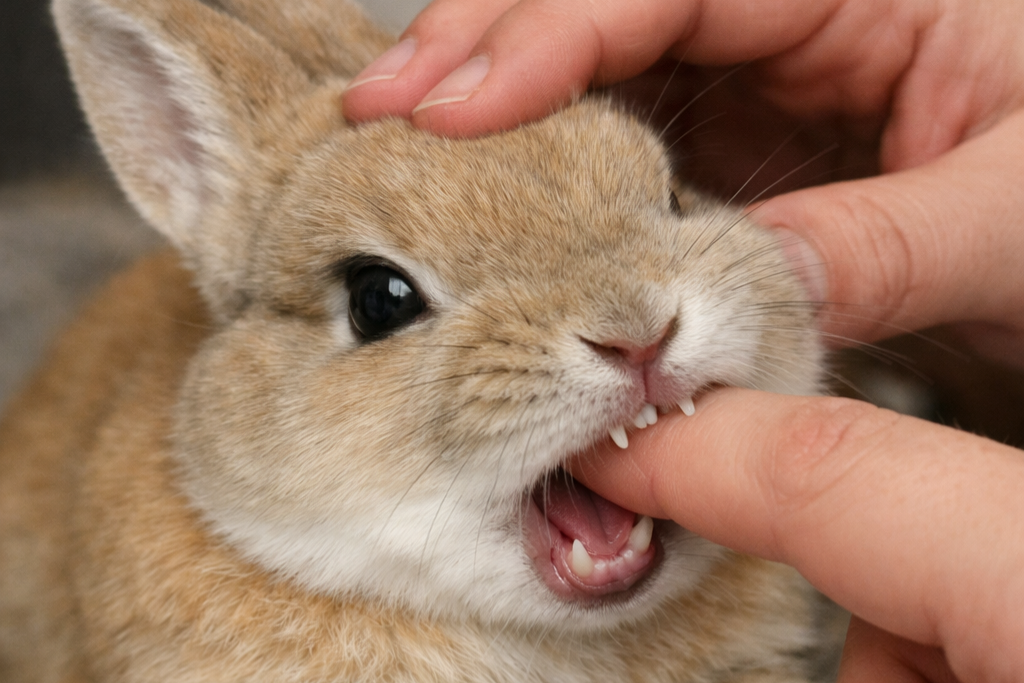
Animals have always held a special place in our hearts and imaginations. From the bedtime stories we heard as children to the nature documentaries we watch today, we are conditioned to judge wildlife by their looks. We assume that big teeth and sharp claws mean “stay away,” while soft fur and big, round eyes mean “friend.” However, nature does not care about our human assumptions. Many species that look like cuddly toys or goofy sidekicks actually have terrifying ways to defend themselves or hunt.
This misunderstanding is becoming a real problem as cities expand and more people head into the wild for social media photos. Whether it is at a local park, a zoo, or on a tropical vacation, misreading an animal’s body language can lead to serious injury. Learning about these creatures doesn’t mean we should view them as villains or “evil.” Instead, it helps us show proper respect for their space. The following animals serve as a powerful reminder that a cute face is never a guarantee of safety in the animal kingdom.
1. The Slow Loris
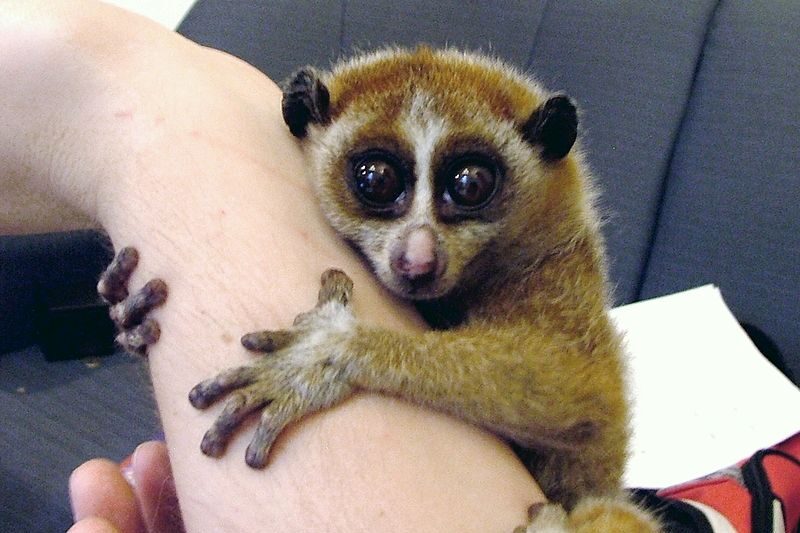
The slow loris is often a victim of its own cuteness. Native to the lush jungles of Southeast Asia, this tiny primate is famous for its massive, soulful eyes and slow, deliberate movements. In the early 2010s, “cute” videos of lorises being tickled went viral, which unfortunately led to a massive spike in the illegal pet trade. What many people don’t realize is that the loris in those videos is actually terrified. When it raises its arms, it isn’t asking for a hug; it is reaching for a brachial gland near its elbow that produces a pungent secretion.
By licking this gland, the loris mixes the fluid with its saliva to create a potent venom, which it then delivers through a bite. Scientists only fully confirmed the complex nature of this venom in the early 2000s, officially crowning the slow loris as the world’s only venomous primate. A single bite can lead to extreme swelling, rotting flesh, or even fatal anaphylactic shock in humans. Because they lack the speed to run away from predators, they evolved this chemical weapon as a primary defense. It is a heartbreaking irony that the very features making them look like “living toys” are what lead humans into dangerous, and often illegal, encounters.
2. Hippopotamuses
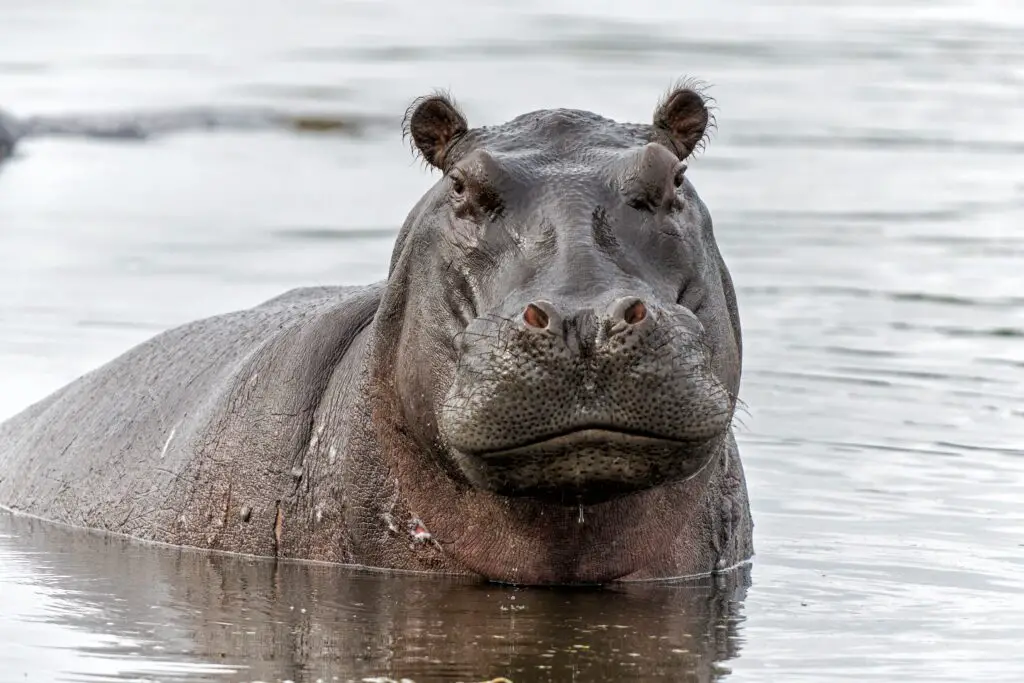
Despite their portly appearance and reputation for being “sleepy” river dwellers, hippos are widely considered the most dangerous large land mammals in Africa. While pop culture often depicts them as friendly giants, the reality is far more intense. Wildlife experts estimate that hippos are responsible for approximately 500 human deaths every year across sub-Saharan Africa. They aren’t predators looking for a meal; they are incredibly territorial “bouncers” of the water. If a boat or a person gets between a hippo and its path to the river, the animal reacts with immediate and overwhelming force.
A full-grown hippo can weigh over 1,500 kilograms, yet it can still outrun a human on land, reaching speeds of nearly 30 miles per hour in short bursts. Their mouths are their primary weapons, capable of opening to a staggering 150 degrees. Inside, they have tusk-like teeth that can grow longer than 50 centimeters, easily capable of snapping a wooden canoe in half. Throughout the 20th century, many explorers and fishermen learned the hard way that these “river horses” have zero patience for intruders. Their calm, bobbing heads in the water hide a powerful and unpredictable temperament that demands a wide berth from any traveler.
3. Blue-Ringed Octopus

The blue-ringed octopus is a master of deception found in the tide pools and coral reefs of Australia and the Western Pacific. This tiny cephalopod is rarely larger than a golf ball, making it look completely harmless to an unsuspecting beachgoer. Most of the time, it stays camouflaged in a dull, sandy beige color. However, when it feels threatened or is touched, it flashes vivid, electric-blue rings across its body. This beautiful light show is actually a “code red” warning. This tiny creature carries enough tetrodotoxin, a powerful nerve poison, to kill 26 adult humans within minutes.
The most terrifying part of an encounter is that the bite is often so small and painless that victims don’t even know they’ve been envenomated until they start having trouble breathing. The toxin blocks nerve signals, leading to total muscle paralysis while the victim remains fully conscious. Throughout the 1900s, several tragic deaths were recorded where curious swimmers picked them up, only to collapse moments later on the sand. Because there is still no known antivenom, the only way to survive is through hours of artificial respiration until the toxin naturally leaves the body. It is a perfect example of why the smallest things in the ocean can be the most lethal.
4. The Platypus
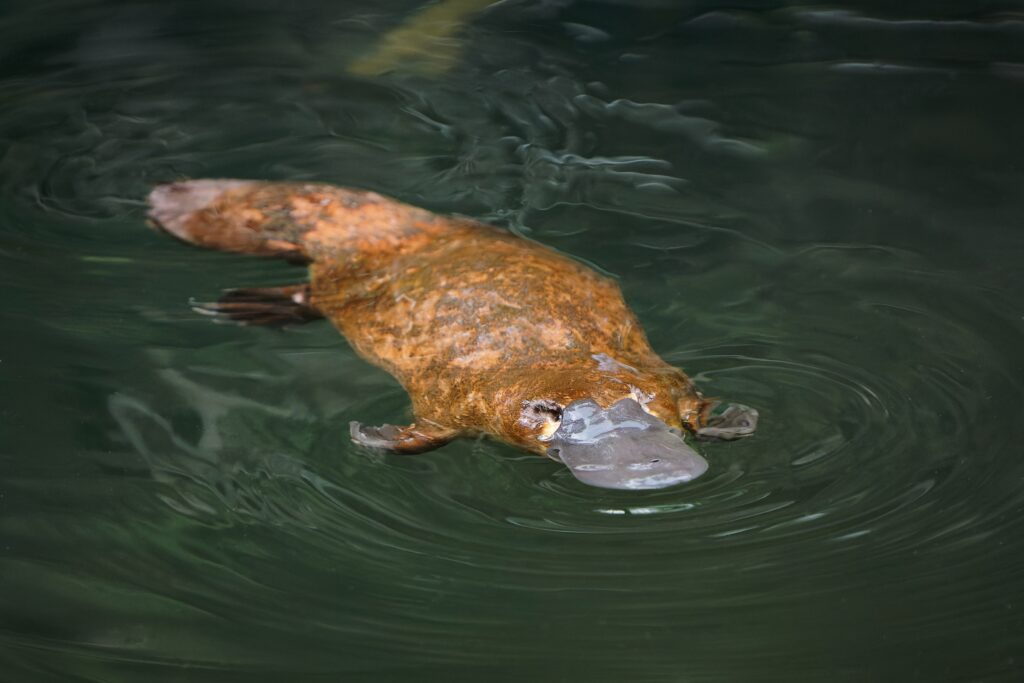
When European naturalists first saw a preserved platypus specimen in 1799, they literally thought it was a prank made by sewing a duck’s beak onto a beaver’s body. While its appearance is undeniably silly, the male platypus hides a painful secret on its hind ankles. These animals possess sharp, hollow spurs connected to venom glands. While the venom is used primarily during the breeding season, which typically runs from June to October in Australia, to fight off rival males, it is also a very effective defensive tool against humans who try to handle them.
While a platypus sting isn’t usually life-threatening to humans, the pain is described by medical professionals as “exquisitely” agonizing. Historical medical reports from the 1990s and early 2000s note that the pain is so intense it can’t be dulled by traditional painkillers like morphine. Victims often experience long-term sensitivity and swelling that can last for weeks or even months. This unique evolutionary trait proves that even a shy, egg-laying mammal with a “smile” on its face can pack a punch that will leave a grown adult incapacitated. It is a creature that deserves our wonder from a very safe and respectful distance.
5. Giant Anteater

The giant anteater of Central and South America looks like a peaceful, slow-moving vacuum cleaner for the forest floor. With no teeth and a long, narrow snout, it hardly seems like a threat to anything larger than a termite. However, zoologists actually rank this animal as a “Category One” danger, putting it in the same risk bracket as lions and tigers. The danger lies in their massive, four-inch-long claws. These claws are strong enough to rip through concrete-hard termite mounds, and they are equally effective at slicing through skin and muscle if the animal feels cornered.
When an anteater feels threatened, it adopts a “tripod” stance, standing up on its hind legs and using its tail for balance. From this position, it can deliver a devastating “hug” that has been known to fight off jaguars. In a tragic series of events in rural Brazil during the mid-2010s, at least two hunters were killed after being cornered by these animals. Because they have very poor eyesight, they are easily startled and may strike out defensively before they even know what you are. They aren’t aggressive by nature, but their survival instincts are razor-sharp, making them one of the most underestimated heavyweights of the wild.
6. Mute Swans
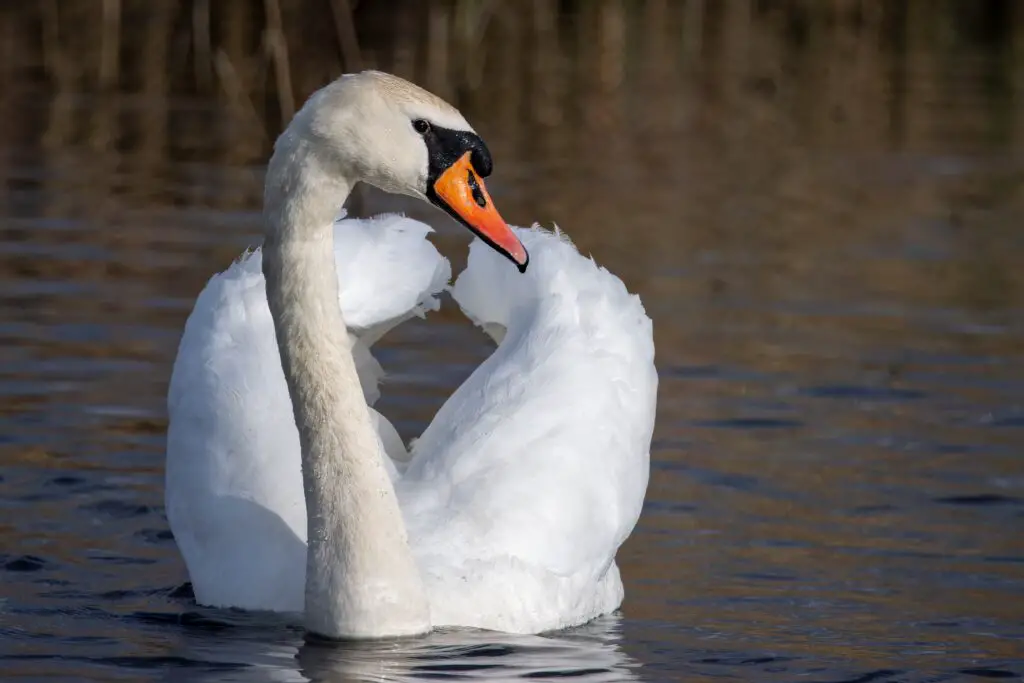
Swans have been symbols of elegance and romance for centuries, famously featured in classic ballets like Swan Lake. However, anyone who has walked too close to a nest knows that these birds are anything but graceful when they are angry. Mute swans, which were introduced to North America in the late 1800s, are fiercely territorial. During the spring nesting season, a male swan (called a cob) becomes a highly aggressive guardian. They will hiss, puff out their feathers, and charge at anything, including humans, dogs, and even small boats, that gets too close to their eggs or cygnets.
A swan’s wingspan can reach up to 2.4 meters, and their wing bones are incredibly strong. While the old myth that they can easily “break a man’s leg” is a bit of an exaggeration, a strike from a swan can certainly cause deep bruising or even minor fractures. In 2012, a tragic incident in Chicago made headlines when a man in a kayak was reportedly knocked into the water by an aggressive swan and drowned. They are powerful swimmers and surprisingly fast on land. Their beauty is meant to be admired from afar, as they view any proximity as a direct threat to their family’s survival.
7. Leopard Seals
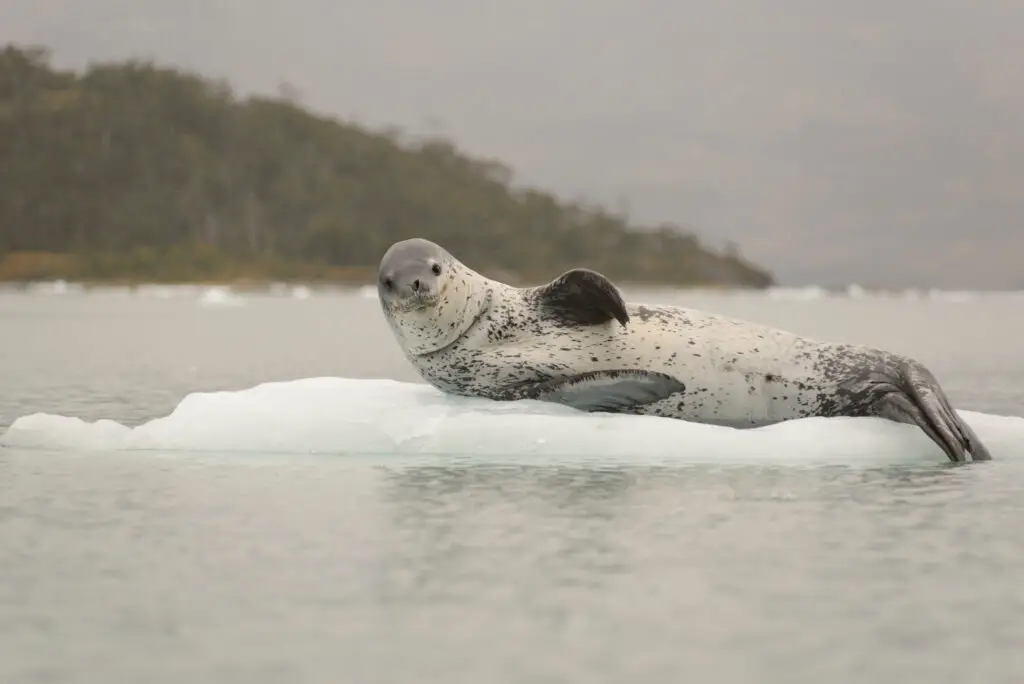
In the frozen landscapes of Antarctica, the leopard seal can look almost puppy-like with its spotted coat and large, dark eyes. However, behind that “smile” is a specialized predator that sits at the very top of the food chain, second only to the orca. They primarily hunt penguins and other seals, using a set of massive, interlocking teeth to grip and tear their prey. For a long time, researchers believed that leopard seals were curious but generally harmless toward humans. That perception changed forever in 2003 following a tragic encounter at a British Antarctic Survey station.
During that incident, a talented marine biologist was dragged underwater by a leopard seal while snorkeling. It was the first recorded human fatality caused by the species, and it sent shockwaves through the scientific community. It is believed the seal likely mistook the diver for a penguin due to the dark wetsuit. These animals can grow up to 3.5 meters long and weigh over 500 kilograms, making them incredibly powerful in the water. While they are fascinating and highly intelligent, they are apex hunters evolved for a brutal environment. Their cute, curious appearance is simply the face of a highly efficient and prehistoric killing machine.
8. Poison Dart Frogs
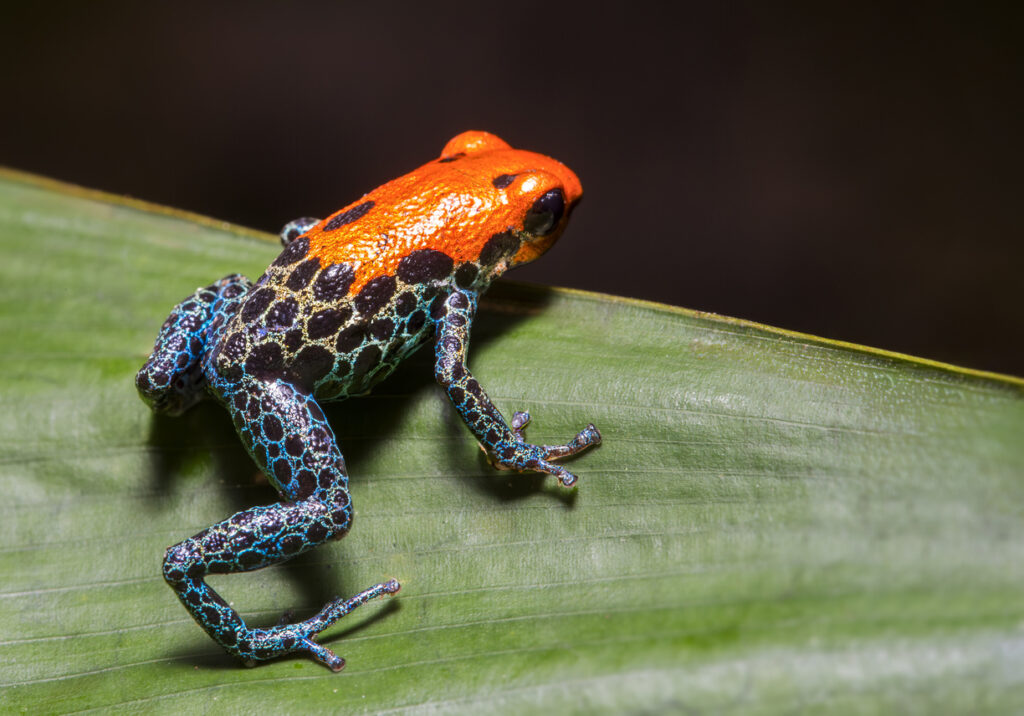
The poison dart frog is a living jewel of the rainforest, found in various vibrant colors across Central and South America. These tiny frogs, some measuring less than five centimeters, are so bright they look like plastic toys. Their brilliant hues are actually a phenomenon called aposematism, a natural warning sign to predators that says “eat me and you’ll die.” The name comes from indigenous tribes, such as the Emberá people, who for centuries used the frogs’ secretions to coat the tips of their hunting blow darts. The most toxic species is the Golden Poison Frog.
One of these tiny frogs contains enough batrachotoxin to kill ten grown men. The poison works by attacking the nervous system, causing muscles to contract and eventually leading to heart failure. Interestingly, frogs raised in captivity usually lose their toxicity because they aren’t eating the specific wild ants and beetles that provide the chemical building blocks for their venom. However, in the wild, even touching their skin can be a gamble. While they aren’t “aggressive” and won’t chase you down, their passive defense is one of the most lethal on the planet. They are proof that in nature, the smallest packages can hold the deadliest surprises.
9. Kangaroos
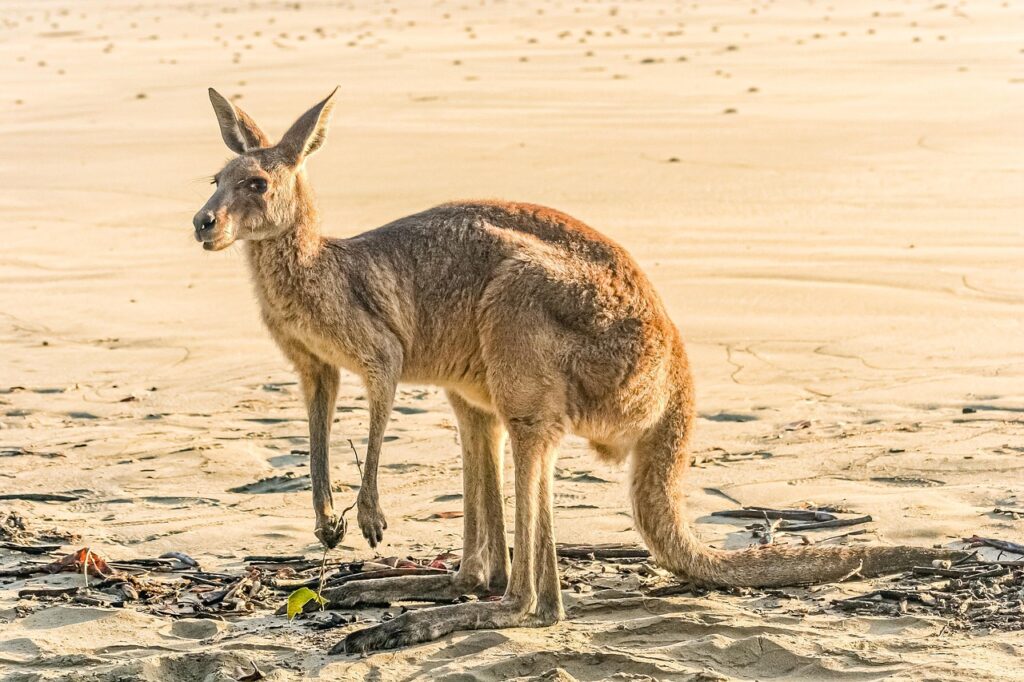
Kangaroos are the iconic face of Australia, often appearing in commercials and cartoons as friendly, hopping companions. While they generally prefer to avoid people, an adult male kangaroo (known as a “boomer”) is an incredibly powerful athlete that can weigh over 90 kilograms. They are essentially the kickboxers of the animal kingdom. When they fight, they lean back on their massive, muscular tails and kick out with both hind legs at once. Each foot is tipped with a long, sharp claw that can easily slice through flesh or even disembowel a rival or a predator.
Incidents of “kangaroo boxing” with humans or pets are more common than many tourists realize. In 2022, a rare fatal attack occurred in Western Australia, reminding the public that these are wild animals, not pets. They have also been known to exhibit a clever, chilling defense tactic: if chased by a dog, a kangaroo may hop into a body of water and wait. When the dog follows, the kangaroo uses its strong arms to hold the dog underwater until it drowns. They are fascinating, highly evolved survivors that deserve respect, especially when they are standing their ground in the bush.
10. Pufferfish
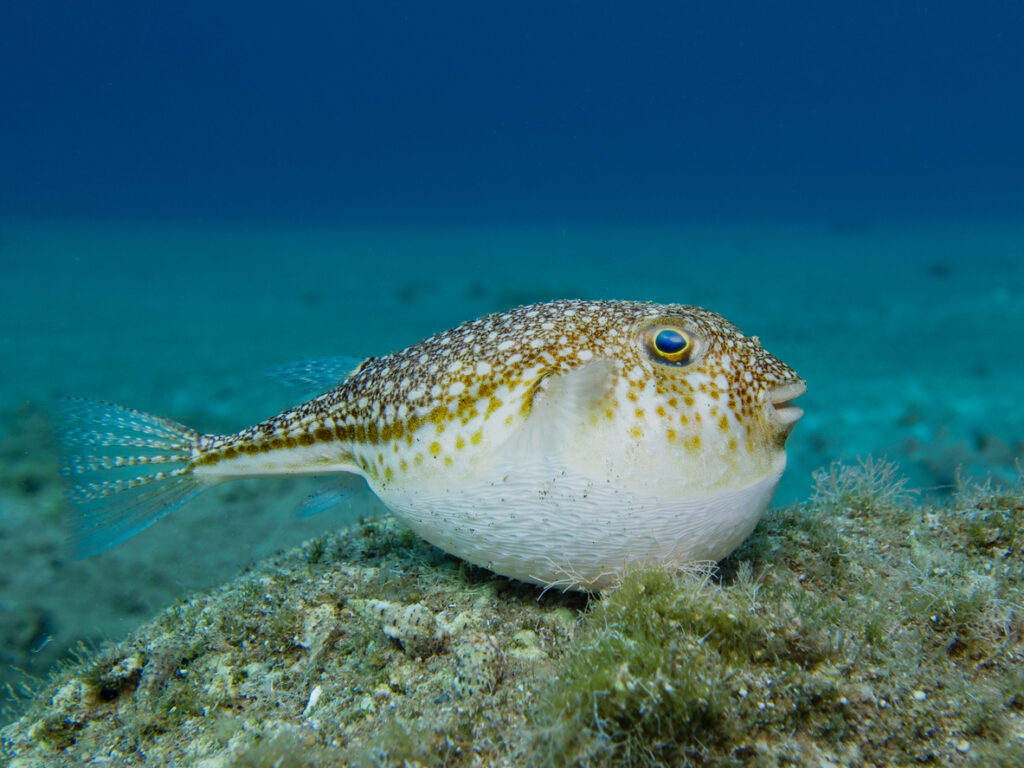
The pufferfish, often called the “blowfish,” is famous for its ability to gulp down water and air to inflate into a prickly ball when threatened. This comical transformation has made them a favorite in children’s movies and aquariums. However, most pufferfish species carry a deadly secret inside their liver, ovaries, and skin. They are laced with tetrodotoxin, a substance that is roughly 1,200 times more poisonous than cyanide. There is enough toxin in one pufferfish to kill 30 adult humans, and there is no known medical cure for the poisoning.
Despite the danger, pufferfish is a world-famous delicacy in Japan known as fugu. Since the mid-20th century, the Japanese government has required chefs to undergo years of rigorous training and licensing before they are allowed to serve it. Even with these strict regulations, occasional accidents happen when untrained people try to prepare the fish at home. The toxin causes a slow paralysis of the respiratory muscles, often leaving the victim fully awake but unable to breathe. While the fish itself is a slow, peaceful swimmer that minds its own business, it remains one of the most chemically dangerous organisms in the entire ocean.
11. Raccoon Encounters
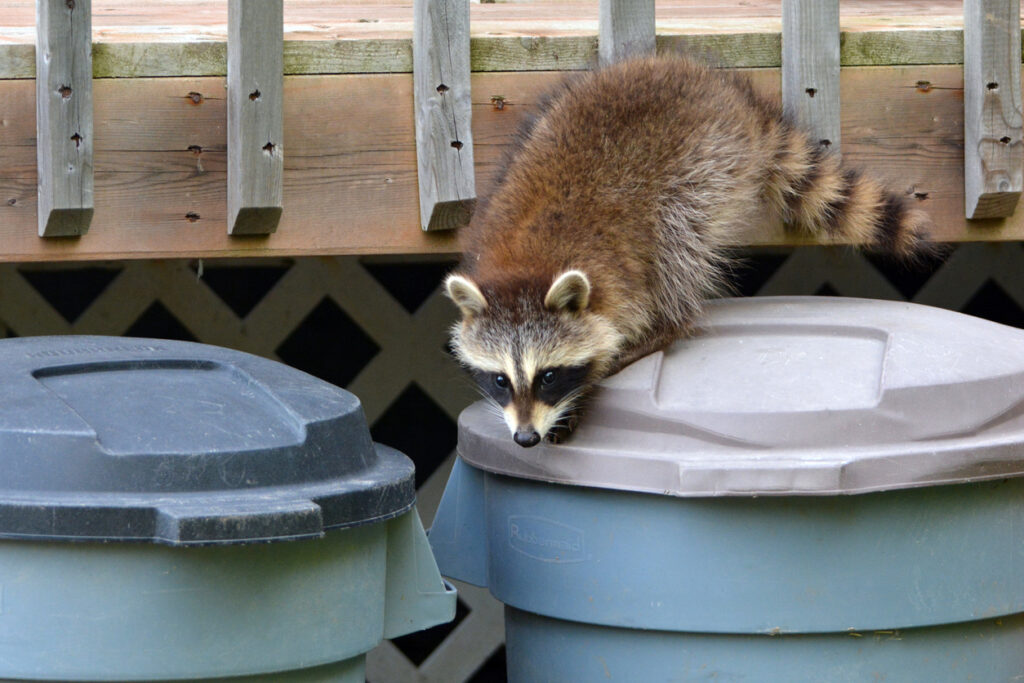
Raccoons are among the most recognizable urban animals in the world, often called “trash pandas” for their mischievous behavior. Their dark facial markings resemble a little bandit mask, and their incredibly dexterous front paws allow them to open bins, doors, and even complex latches with ease. Because they are so common in residential backyards and city parks, many people mistakenly assume they are timid or friendly scavengers. In truth, raccoons are highly adaptable wild mammals that can become incredibly defensive and fierce when they feel cornered or pressured.
Beyond their sharp claws and teeth, the most serious risk from a raccoon encounter is the hidden danger of disease. Raccoons are one of the primary carriers of rabies in North America, a viral infection that attacks the nervous system and is almost always fatal if not treated immediately. Public health records throughout the 20th and 21st centuries have linked thousands of emergency room visits to raccoon bites. They also carry parasites like the Baylisascaris roundworm, which can be transmitted to humans through contaminated soil. While a raccoon rarely goes out of its way to attack, its lack of fear around humans creates frequent, risky contact that should always be avoided.
12. Wild Dolphin Behaviour
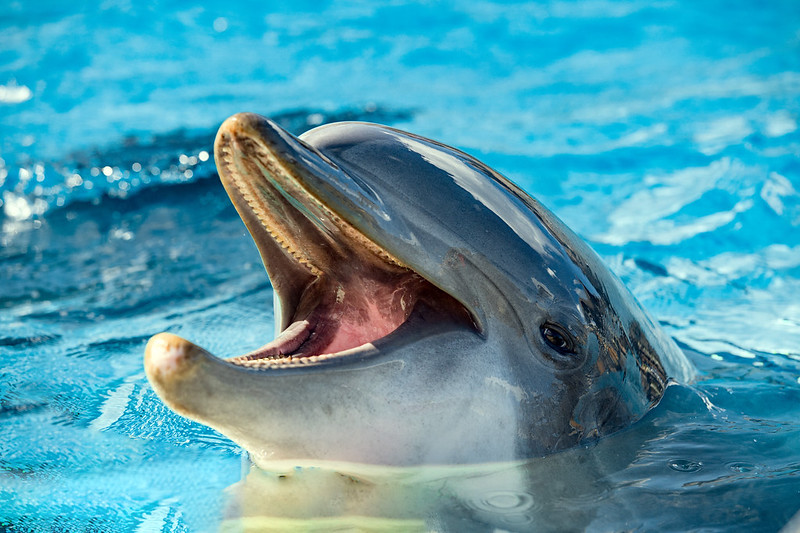
Dolphins are widely celebrated as the “smiling” ambassadors of the sea, famous for their high intelligence and playful leaps. Stories dating back to Ancient Greece describe dolphins guiding lost ships or saving drowning swimmers, leading to a modern perception of them as gentle, underwater friends. This image was further solidified by television shows and marine parks in the 1960s. However, it is vital to remember that wild dolphins are apex predators. An adult bottlenose dolphin can weigh over 300 kilograms and possesses immense physical strength designed for hunting fast-moving fish.
In recent decades, marine safety authorities in Australia and the United States have seen a rise in “ramming” incidents involving over-eager tourists. When dolphins feel harassed or crowded by swimmers, they may strike with their hard snouts or heavy bodies, which can result in broken ribs, internal bleeding, or even lung collapses. Researchers have also documented aggressive social behavior among dolphins themselves, proving they have a complex and sometimes violent nature that doesn’t fit the “cuddly” caricature. While they are undoubtedly brilliant and fascinating to observe, maintaining a respectful distance is the only way to ensure a safe encounter for both humans and these powerful marine mammals.
13. Aggressive Deer
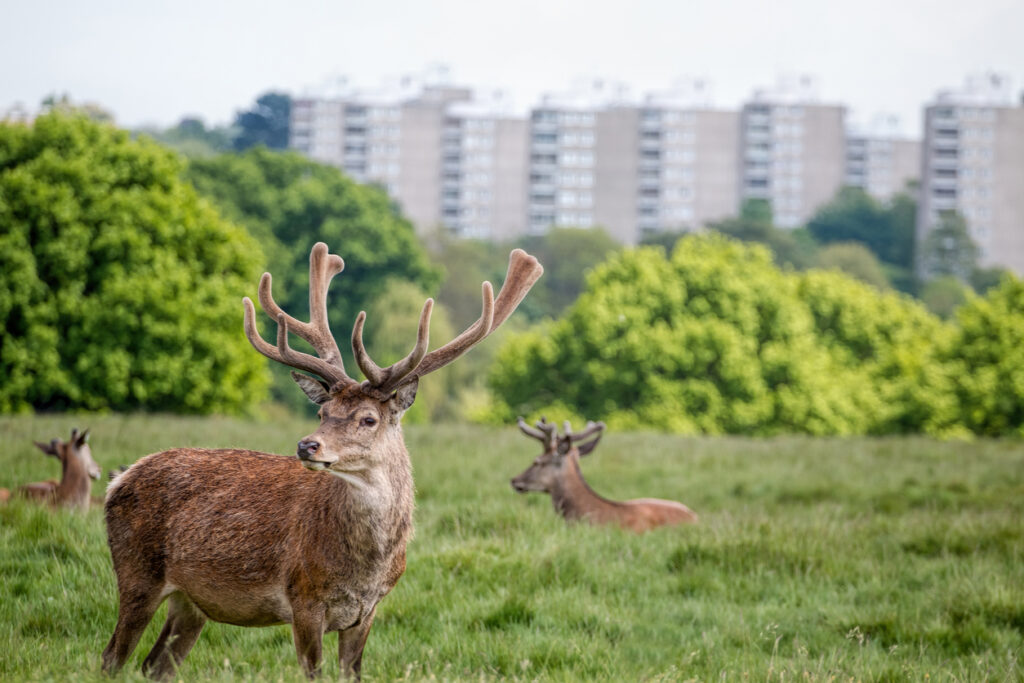
Deer are the ultimate symbols of peace and gentleness in folklore, often depicted as shy creatures that vanish at the first sign of movement. In reality, adult males, known as bucks or stags, undergo a massive personality shift during the mating season, commonly called the “rut,” which occurs every autumn. During this time, their testosterone levels skyrocket, and they become intensely territorial. Their antlers, which can weigh several kilograms and feature multiple sharp points, are not just for show; they are lethal weapons used to drive off rivals and perceived threats.
Wildlife agencies across North America and Europe report hundreds of injuries every year from people who accidentally get too close to a stag or a protective mother doe. A charging deer can reach high speeds, and they are also capable of lashing out with their sharp hooves, which can cause deep lacerations. Furthermore, deer are responsible for more human fatalities annually than almost any other animal on this list due to vehicular collisions. In the United States alone, over one million deer-vehicle accidents occur each year, often because the animals freeze in headlights. Their natural instincts are geared toward survival, not friendliness, making them far more formidable than their “Bambi” image suggests.
14. Moose Charges
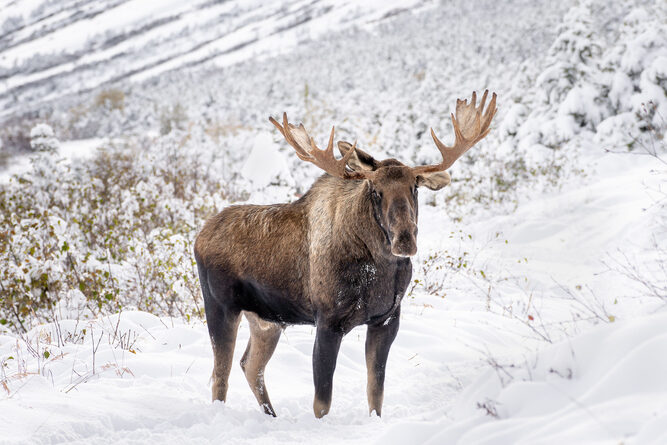
Moose are the towering giants of the deer family, standing over two meters tall at the shoulder and weighing up to 700 kilograms. Because they often appear slow and placid while grazing in wetlands, many tourists make the dangerous mistake of approaching them for a close-up photograph. This happens frequently in national parks across Canada, Alaska, and Northern Europe. However, experts warn that moose can be more dangerous than bears in many regions because they are more likely to stand their ground and charge if they feel their personal space has been invaded.
A moose charge is a terrifying event; they can run up to 35 miles per hour and use their massive weight to trample or kick an intruder repeatedly. During the spring, “cow” moose are famously protective of their calves, while “bull” moose become highly aggressive during the autumn mating season. In deep snow conditions, encounters become even more frequent as moose prefer to stay on cleared hiking and skiing trails to save energy. Wildlife officials emphasize that a moose’s “laid-back” appearance is a deceptive mask for a creature that demands extreme caution. If you see a moose’s ears go back or the hair on its hump stand up, you are in immediate danger.
15. Defensive Beavers
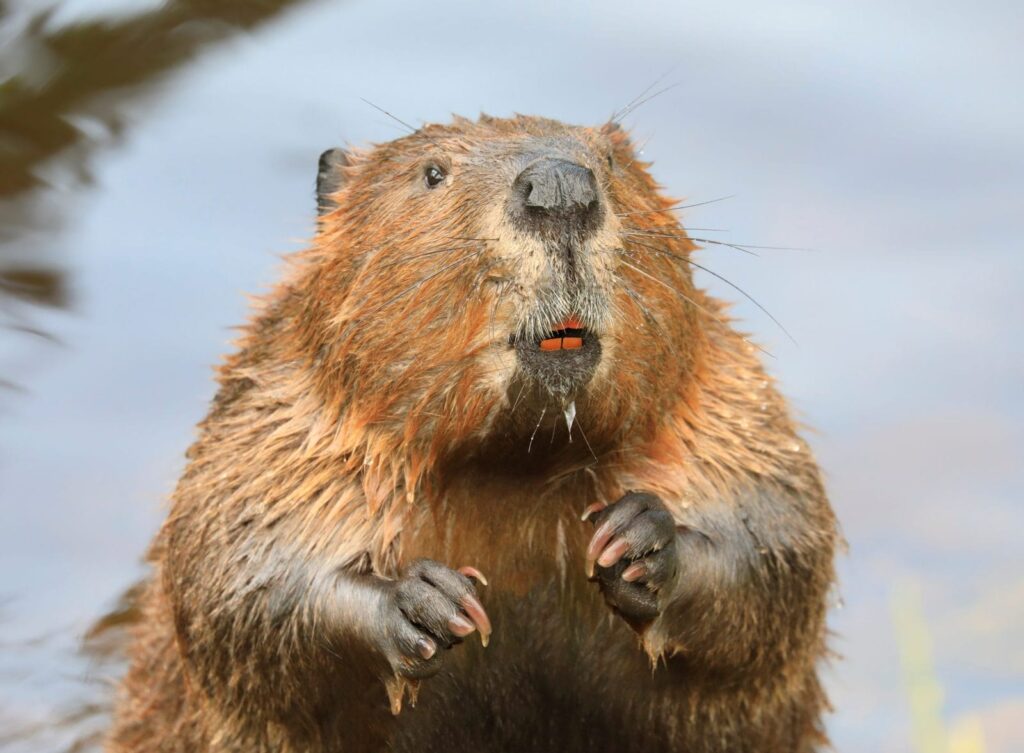
Beavers are often seen as the “busy builders” of the animal kingdom, respected for their incredible engineering skills in creating dams and lodges. They are frequently featured in children’s literature as hardworking and cooperative animals. However, beneath that flat tail and furry exterior lies a rodent equipped with some of the most powerful jaws in nature. Their front incisors are coated with iron-rich enamel, giving them a distinct orange color and the strength to chew through solid hardwood. If a beaver feels its territory or its young are threatened, it will not hesitate to use those teeth defensively.
While unprovoked attacks are rare, they can be devastating when they occur. Because beavers are low to the ground, their defensive bites often target the legs of a human standing too close. These bites can be deep enough to sever major arteries, leading to rapid and severe blood loss. One widely reported and tragic incident in Europe during the early 2010s involved a man who was fatally bitten after he tried to grab a beaver for a photo. Beavers are not “mean” animals, but they are fiercely protective of the homes they work so hard to build. Respecting their space and observing them from a distance is the only way to appreciate these amazing environmental engineers safely.


