
Roy Jones Jr Seoul Boxing Decision 1988
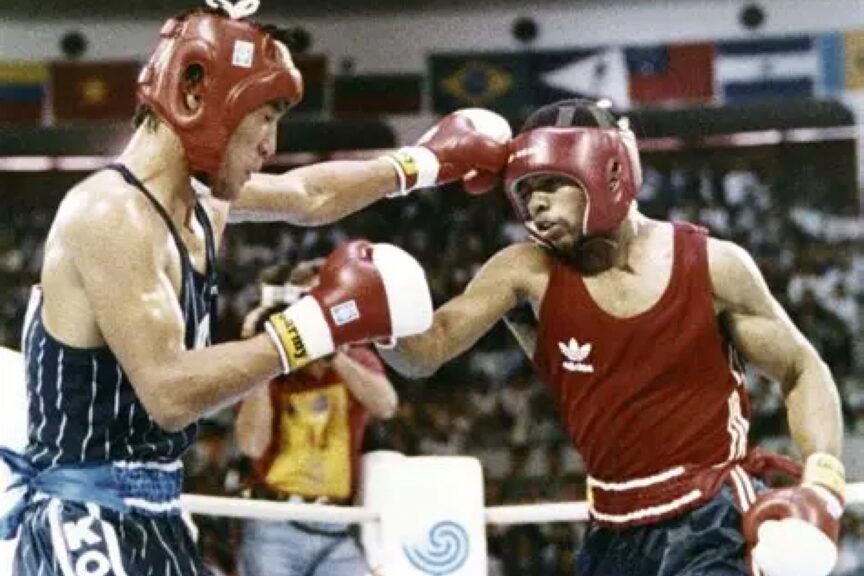
If you sit with Olympic fans long enough, the conversation about judging almost always circles back to Seoul 1988. Roy Jones Jr faced Park Si Hun in the light middleweight boxing final and appeared to dominate the fight from the opening round. He landed far more clean punches, controlled the pace, and looked sharper in nearly every exchange. Commentators sounded uneasy before the verdict was even read because the performance felt clear to viewers inside the arena and at home. When the judges awarded the gold medal to Park instead, the crowd reaction shifted instantly from anticipation to confusion.
Jones handled the moment calmly, saying afterward he believed he had boxed well and would keep moving forward. Years later Olympic officials quietly acknowledged the scale of the controversy by awarding him a special silver medal, something extremely rare in Games history. Coaches still reference this bout today as the classic Olympic judging dispute. For many fans, the phrase Seoul boxing decision still means one thing, the night a fighter seemed to win clearly yet left without the gold.
Nadia Comaneci Moscow Uneven Bars Scoring 1980
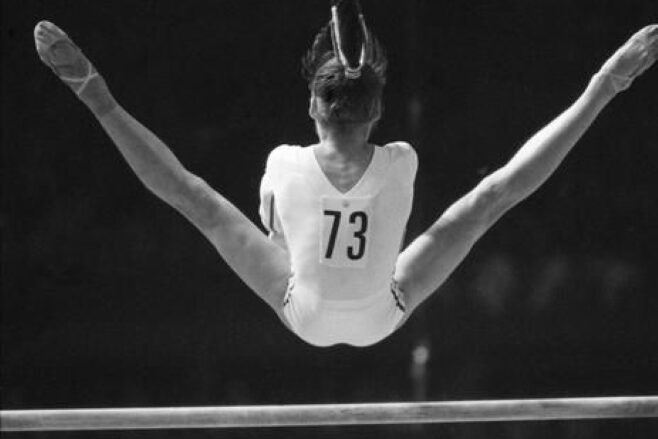
By the Moscow Games in 1980, Nadia Comaneci was already one of gymnastics’ biggest names, so every routine came with intense scrutiny and expectation. During the uneven bars final, her execution looked clean and confident, yet the scores appeared lower than many viewers expected, especially compared with Soviet gymnasts performing before a supportive home crowd. Commentators spoke cautiously on broadcast but hinted the judging panel seemed unusually strict toward her performance. Nothing triggered a formal appeal, yet the scoring pattern left Romanian supporters feeling the night had tilted slightly against their star.
Comaneci herself remained composed and reminded reporters that gymnastics judging always includes interpretation. Still, the Moscow uneven bars scoring became one of those quiet Olympic judging debates that never fully disappeared. Over time it entered discussions about host nation advantage and perception in subjective sports. Even decades later, longtime gymnastics followers still mention that Moscow final when recalling moments where the numbers felt technically valid yet emotionally unsatisfying for viewers watching one of the sport’s most famous champions.
Greg Louganis Montreal Platform Final 1976
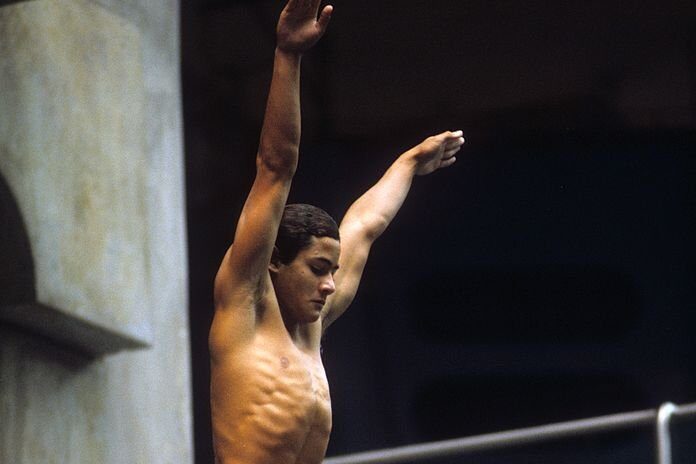
In Montreal 1976, sixteen year old Greg Louganis stepped onto the Olympic platform already showing the control and elegance that would later define his career. His dives looked smooth and technically sharp, earning strong reactions from spectators and commentators who sensed something special unfolding. Many observers believed his overall performance rivaled or even surpassed defending champion Klaus Dibiasi, whose long standing reputation carried enormous weight with judges. When the results placed Louganis in second position, coverage the next day gently questioned whether experience and status influenced the scoring margin.
Louganis later reflected without bitterness that judges often trust established champions in very close contests. His maturity helped calm the discussion, yet the Montreal platform final still lives in Olympic memory as the night the future legend truly arrived. Looking back now, knowing the dominance Louganis later achieved, the result feels less like an error and more like a moment when judging simply took longer to catch up with what audiences had already recognized.
Salt Lake City Figure Skating Judging Scandal 2002
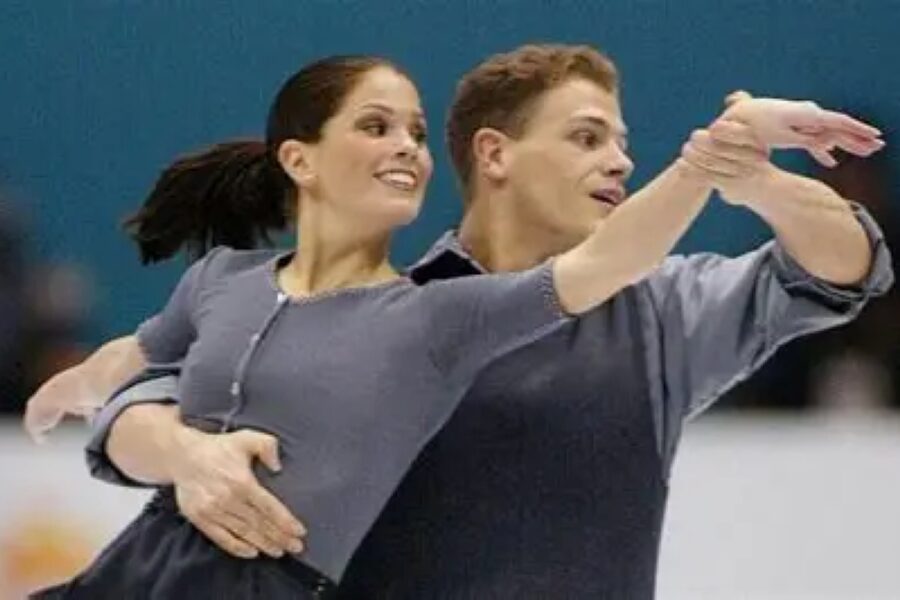
Few Olympic judging controversies became as globally recognizable as the Salt Lake City pairs figure skating result in 2002. The Russian pair were initially awarded gold over the Canadian duo, yet analysts immediately questioned the score distribution and the visible disappointment inside the arena. Within days, reports emerged that a judge had faced pressure connected to voting arrangements between skating federations. The story spread rapidly, turning what should have been a routine medal ceremony into an international sports controversy unfolding during the Games themselves.
Under enormous public scrutiny, Olympic officials made the extraordinary decision to award the Canadian pair their own gold medal alongside the original winners. The shared podium became one of the most unusual ceremonies in Olympic history. More importantly, the Salt Lake City judging scandal forced the sport to redesign its scoring structure entirely. Even today, many casual fans remember that event as the moment Olympic figure skating openly confronted judging credibility and reshaped how competitions would be evaluated in the future.
Park Tae Hwan London False Start Disqualification 2012
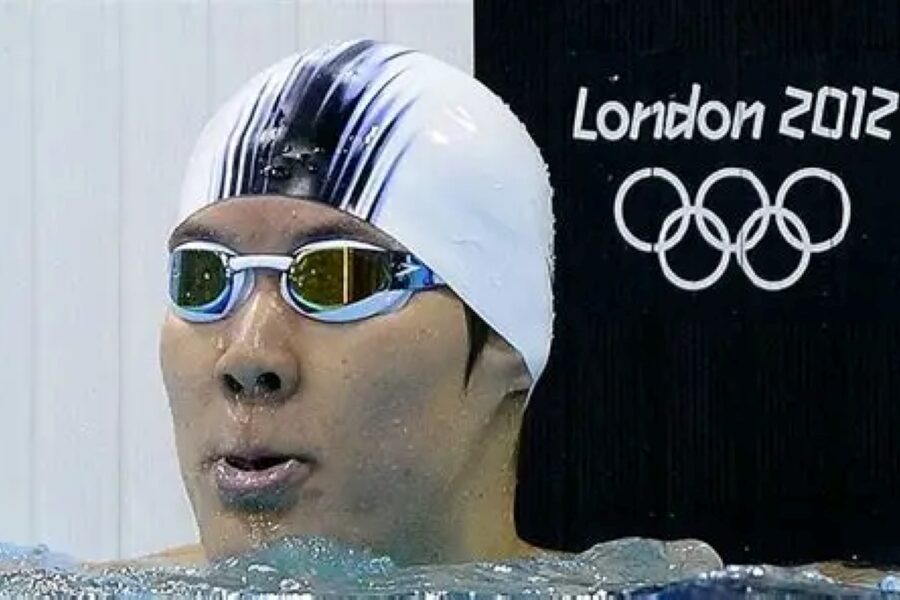
During the London 2012 swimming heats, South Korean star Park Tae Hwan suddenly found himself disqualified for an alleged false start, a decision that stunned broadcasters and spectators alike. Replay footage shown on television did not clearly reveal early movement, leaving commentators openly puzzled about what the sensors had detected on the starting block. Park appeared visibly shocked as he left the pool area, while coaches immediately questioned whether the automated system had reacted too sensitively to normal pre start motion.
Officials reviewed the decision and eventually reversed the disqualification, reinstating Park into the competition where he later secured a silver medal. Although the correction prevented permanent damage, the London false start ruling remains widely remembered because it showed how even technology driven Olympic events can still hinge on interpretation and review. The episode quietly reminded athletes and fans that fairness in modern sport depends not only on machines but also on human willingness to re examine decisions when something does not look right.
Yang Tae Young Athens All Around Scoring Error 2004
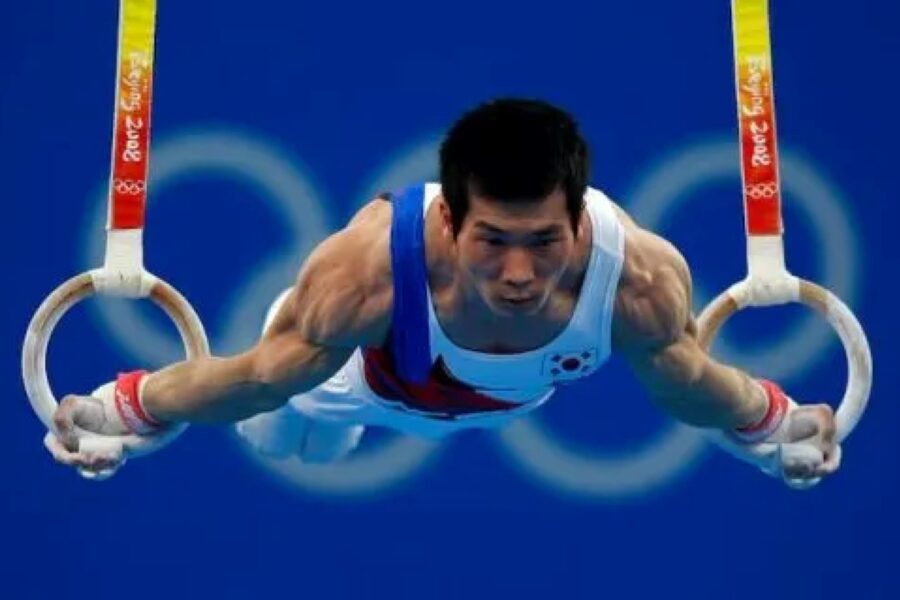
At the Athens 2004 gymnastics all around final, South Korea’s Yang Tae Young delivered a strong performance that placed him firmly among the medal contenders. Only after the event did officials discover that judges had entered an incorrect start value for one of his routines, lowering his total score. Technical analysis later confirmed the correct value might have changed the final standings and possibly awarded him the gold medal. Yang calmly requested reconsideration while his federation submitted a formal protest hoping the mistake could still be corrected.
Officials acknowledged the scoring error but ruled the appeal arrived outside the strict Olympic protest deadline. Because of that procedural rule, the standings remained unchanged even though the numerical mistake itself was accepted as real. The Athens scoring error is still frequently cited in Olympic governance discussions as one of the clearest cases where administrative timing rules overrode a confirmed judging correction, leaving fans uneasy about whether procedural order should sometimes outweigh factual accuracy.
Olympic Computer Punch Scoring Era Boxing Controversy
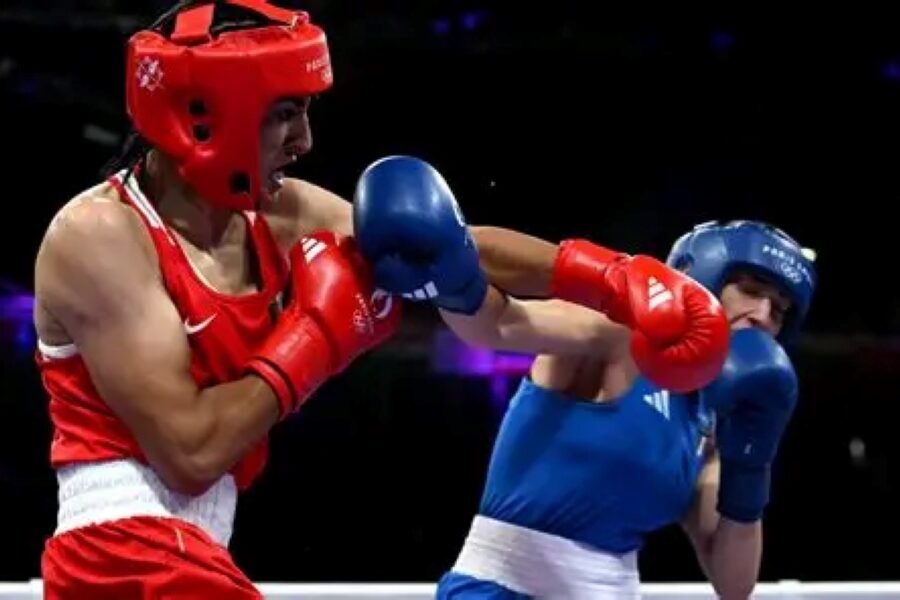
Throughout the nineteen nineties, Olympic boxing relied on an electronic punch counting system designed to make judging more objective. Ringside officials pressed buttons whenever they believed a clean punch landed, and only synchronized signals counted toward the score. Viewers often watched fighters land obvious combinations that never registered, creating visible frustration among competitors and confusion among commentators trying to explain results. Coaches complained the system rewarded reaction timing rather than real fight control.
Eventually Olympic authorities abandoned the computerized system and returned to a more traditional judging approach. The computer scoring era boxing controversy remains memorable not because of one single fight but because the entire system itself became the problem. It stands today as one of the strongest Olympic lessons showing that technology alone cannot guarantee fairness if spectators and athletes feel the scoring does not reflect what actually happens inside the ring.
Sydney Olympic Vault Height Error 2000
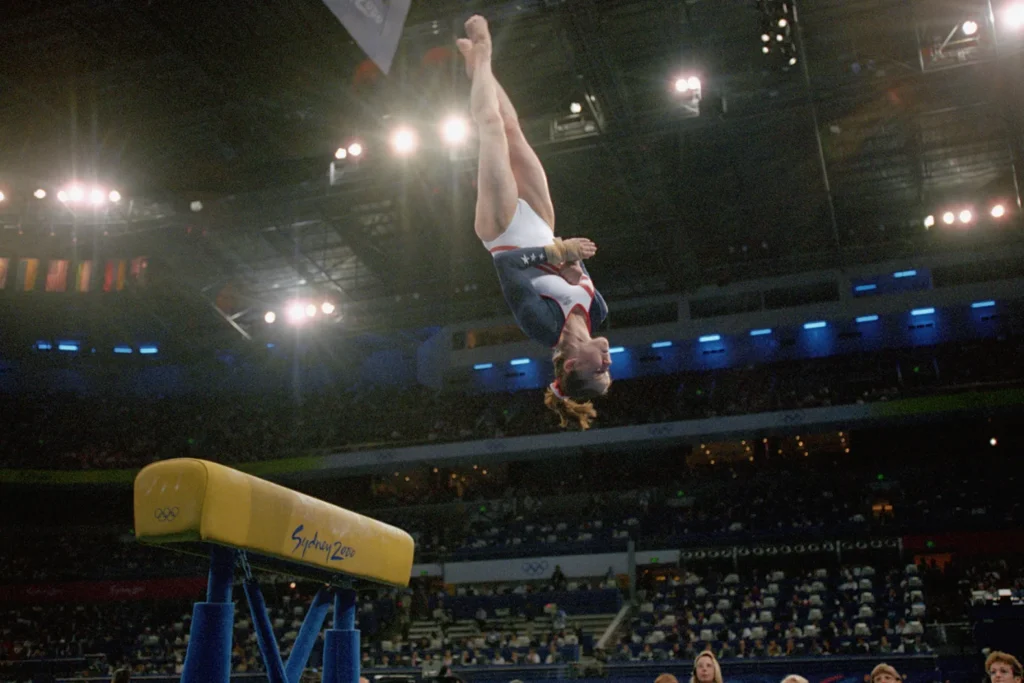
During the Sydney 2000 women’s gymnastics all around final, several elite athletes suddenly began making uncharacteristic mistakes on vault. Spectators sensed something was wrong because these were gymnasts known for extraordinary consistency. American gymnast Elise Ray later explained the apparatus felt unusual from the first contact, though no one initially suspected a setup issue. Officials eventually measured the vault and discovered it had been placed five centimeters lower than required regulation height, affecting every early competitor.
Athletes were allowed to repeat their attempts, yet the emotional rhythm of the competition had already been disrupted. Gymnastics depends heavily on confidence and timing, and many struggled to mentally reset after the discovery. The Sydney vault height error remains one of the most cited Olympic officiating failures because it showed fairness depends not only on judging panels but also on precise equipment verification before competition even begins.
Javier Sotomayor Barcelona High Jump Foul Calls 1992
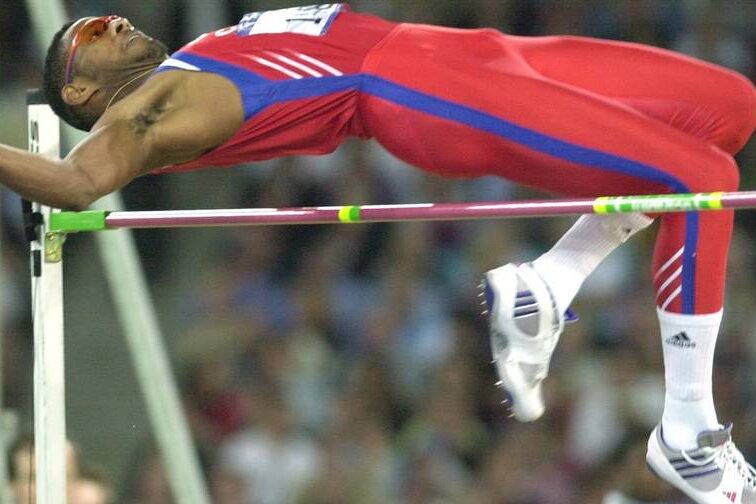
At the Barcelona 1992 Olympics, Cuban high jump legend Javier Sotomayor faced several crucial foul rulings during key attempts that appeared extremely close on replay. While no formal protest exploded publicly, athletics commentators and journalists debated whether the calls had been unusually strict at decisive moments in the competition. Cuban media later suggested the officiating interpretation felt harsher than expected, though Sotomayor himself remained diplomatic and avoided direct criticism of officials.
The Barcelona foul calls quietly entered Olympic athletics discussion as an example of how even objective field events depend heavily on split second human observation. Whether a jumper brushes the bar or clears it cleanly can hinge on one official’s angle of vision. The moment still appears in track history conversations as proof that even events measured in centimeters still contain a human judgment layer that can shape the final standings.
Vancouver Figure Skating Edge Call Controversies 2010
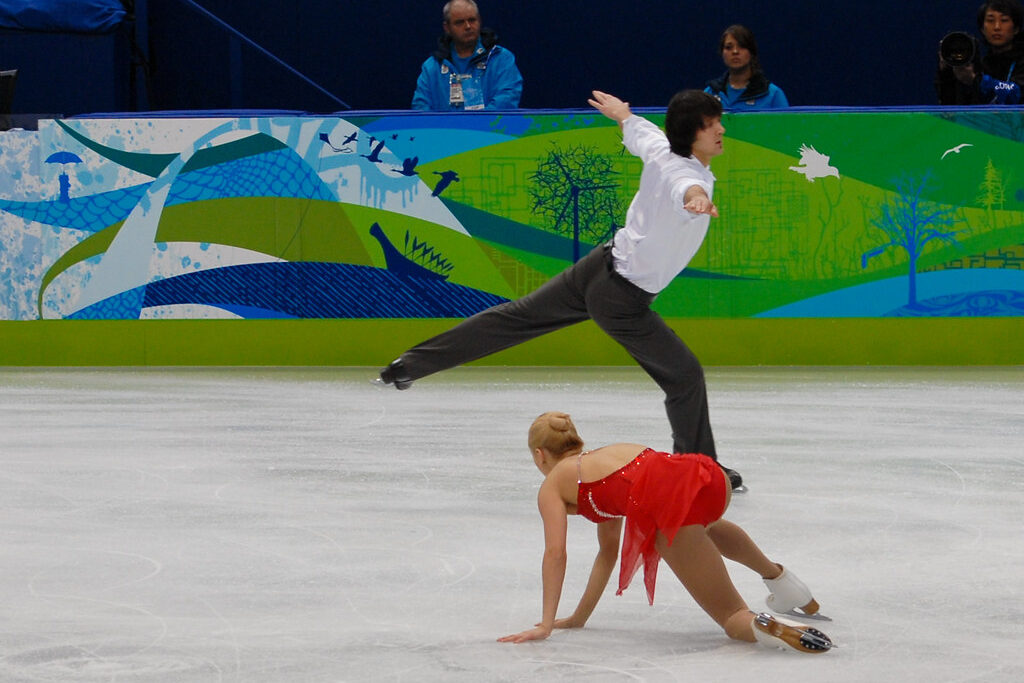
By Vancouver 2010, figure skating had already rebuilt its judging framework with detailed technical panels and complex scoring sheets intended to improve transparency. Yet during several events, viewers struggled to understand why certain jumps received edge downgrades or lower execution marks when television replays appeared clean. Commentators explained that judges reviewed takeoff edges frame by frame using tools not always visible in broadcast footage, making decisions feel distant from what audiences perceived.
Fans filled online forums after the event trying to interpret the scoring breakdowns, showing how invested spectators had become in understanding the system. The Vancouver edge call controversies demonstrated that making judging more technical does not always make it feel clearer to the public. Instead, the event highlighted how transparency only works when ordinary viewers feel they can follow the reasoning behind decisions rather than feeling locked out by excessive technical complexity.
Rio Olympic Judo Scoring Dispute 2016
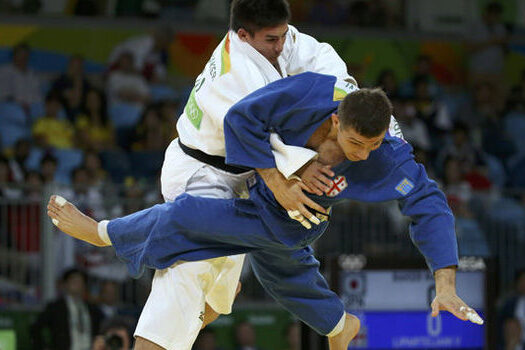
During the Rio 2016 judo competition, a key match involving a Japanese contender ended with a scoring call that coaches immediately challenged from the sideline. Commentators admitted live that the ruling was difficult to interpret under the sport’s recently revised scoring terminology, which had undergone several updates before the Games. Spectators watched officials confer while the athletes waited, creating one of those tense Olympic pauses where uncertainty spreads through the venue.
Although the result ultimately stood, the Rio judo scoring dispute became a talking point because it illustrated how evolving rule systems themselves can generate confusion. In the years after Rio, judo authorities simplified aspects of scoring partly to reduce similar uncertainty. Fans today remember the incident less as evidence of bias and more as proof that when rules become too layered, even correct decisions can feel questionable simply because too few people understand instantly how they were reached.
Rulon Gardner Wrestling Passivity Call Sydney 2000
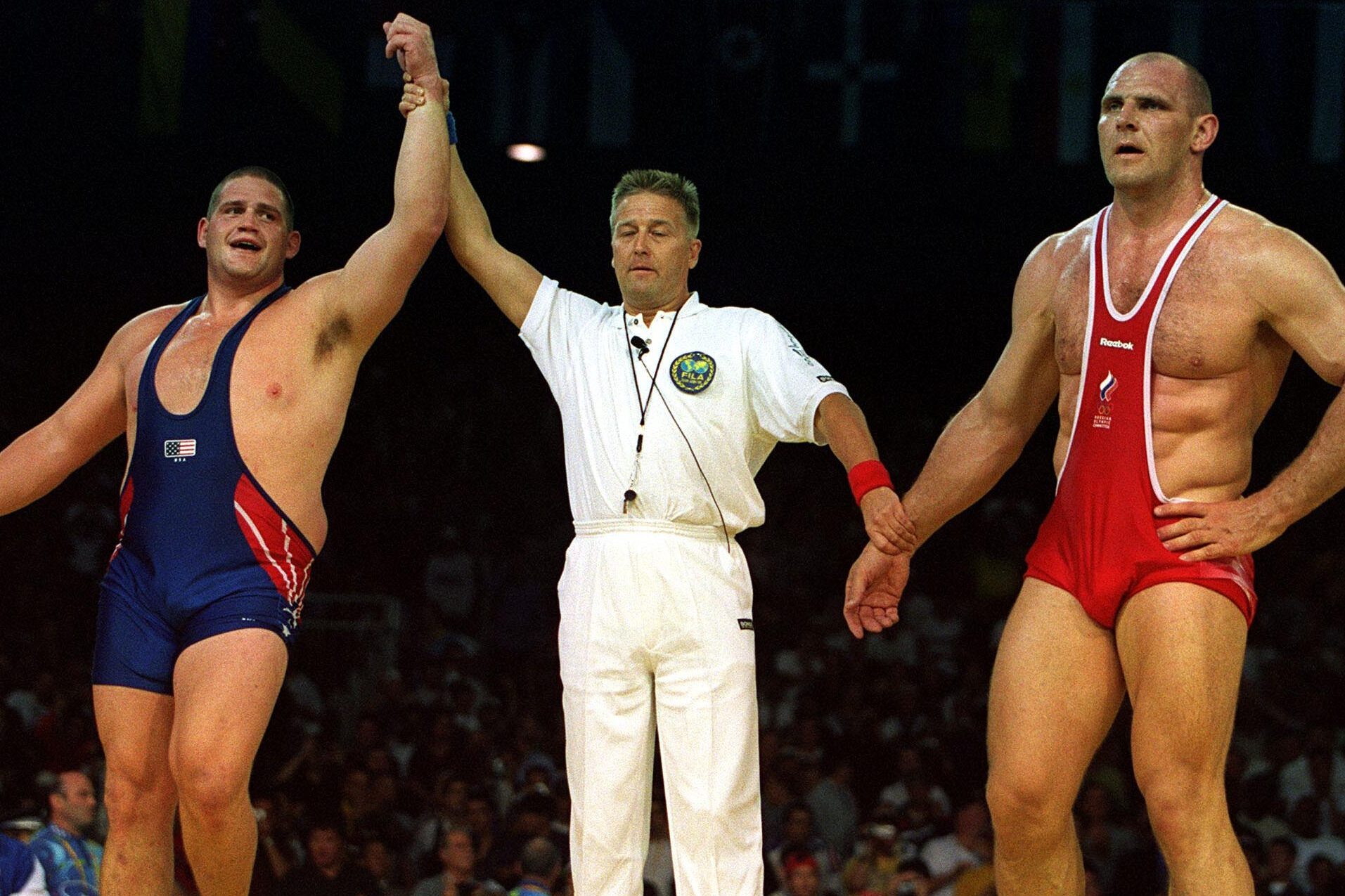
During the Sydney 2000 Greco Roman wrestling final, American underdog Rulon Gardner faced the heavily favored Russian champion Aleksandr Karelin, who had not lost an international match in over a decade. The bout remained extremely tight, with neither wrestler gaining a clear scoring advantage for much of the match. At a crucial moment, officials issued a passivity call against Karelin, judging that he was not attacking actively enough. That penalty awarded Gardner the point that ultimately decided the gold medal. The call immediately drew attention because Karelin’s defensive control style had dominated the sport for years without similar penalties.
Russian coaches argued the decision felt unusually strict given Karelin’s historical wrestling approach, while officials maintained the rule had been applied correctly under the scoring system in place. Gardner went on to secure the victory, creating one of the biggest Olympic upsets in wrestling history. Even today, the Sydney passivity call remains part of Olympic wrestling discussion whenever debates arise about how subjective enforcement of activity rules can influence the outcome of matches at the very highest level.


