
1. William Shatner Endures
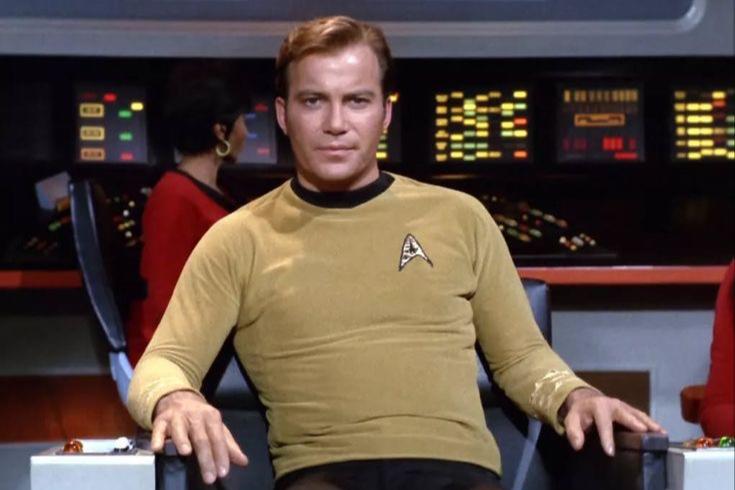
William Shatner became a household name in 1966 when he starred as Captain James T. Kirk in Star Trek. At a time when science fiction was still new to television, his confident and energetic performance helped define the genre. When the series ended in 1969, many expected Shatner’s fame to fade. Instead, he steadily rebuilt his career across television, film, and writing. His major resurgence came with Boston Legal, which aired from 2004 to 2008 and earned him awards and critical praise. Beyond acting, Shatner hosted documentaries, recorded music, wrote bestselling books, and remained active at fan conventions. Even into his 90s, he continued public appearances, showing remarkable longevity. His constant presence over more than five decades helped keep Star Trek visible in popular culture.
2. Leonard Nimoy’s Lasting Impact
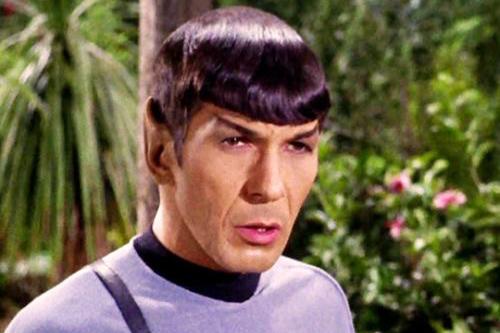
Leonard Nimoy first appeared as Spock in Star Trek in 1966, creating one of television’s most enduring characters. His careful balance of logic and quiet emotion made Spock relatable to audiences far beyond science fiction fans. After the original series ended in 1969, Nimoy refused to be limited by one role. He directed Star Trek III in 1984 and the highly successful Star Trek IV in 1986, both of which strengthened the film franchise. He also directed mainstream hits such as Three Men and a Baby. Outside film and television, Nimoy explored poetry, photography, and memoir writing. Before his death in 2015, he returned as Spock in later films, serving as a bridge between classic and modern Star Trek audiences.
3. DeForest Kelley’s Quiet Strength
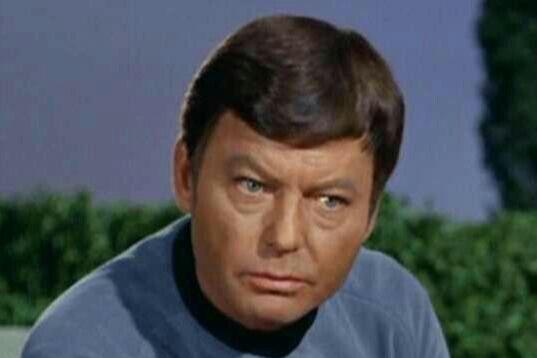
DeForest Kelley portrayed Dr. Leonard “Bones” McCoy in Star Trek from 1966 to 1969. His sharp wit and emotional honesty gave the series a strong human centre, often grounding its more futuristic ideas. Before Star Trek, Kelley spent decades as a dependable character actor, especially in Westerns and crime dramas during the 1950s. When Star Trek expanded into films starting in 1979, Kelley returned, appearing in all six original-cast movies through 1991. After that, he largely stepped away from acting, choosing privacy over publicity. Despite his quieter post-Star Trek life, his contribution remains vital. McCoy’s compassion and humour helped balance Kirk’s leadership and Spock’s logic, making the original crew feel real and emotionally connected to audiences.
4. Nichelle Nichols Breaks Barriers

Nichelle Nichols made television history in 1966 as Lieutenant Uhura in Star Trek. At a time when Black women were rarely shown in professional roles on television, Uhura stood as a symbol of equality and progress. Her presence reflected the social changes taking place during the civil rights era. In the late 1970s, Nichols worked closely with NASA, helping recruit women and minority astronauts, including those who later flew on space shuttle missions. Although she appeared less often on screen later in life, she remained an influential public speaker and fan favourite at conventions worldwide. Nichols passed away in 2022, but her impact on representation in science fiction and popular media remains deeply respected.
5. George Takei’s Cultural Voice
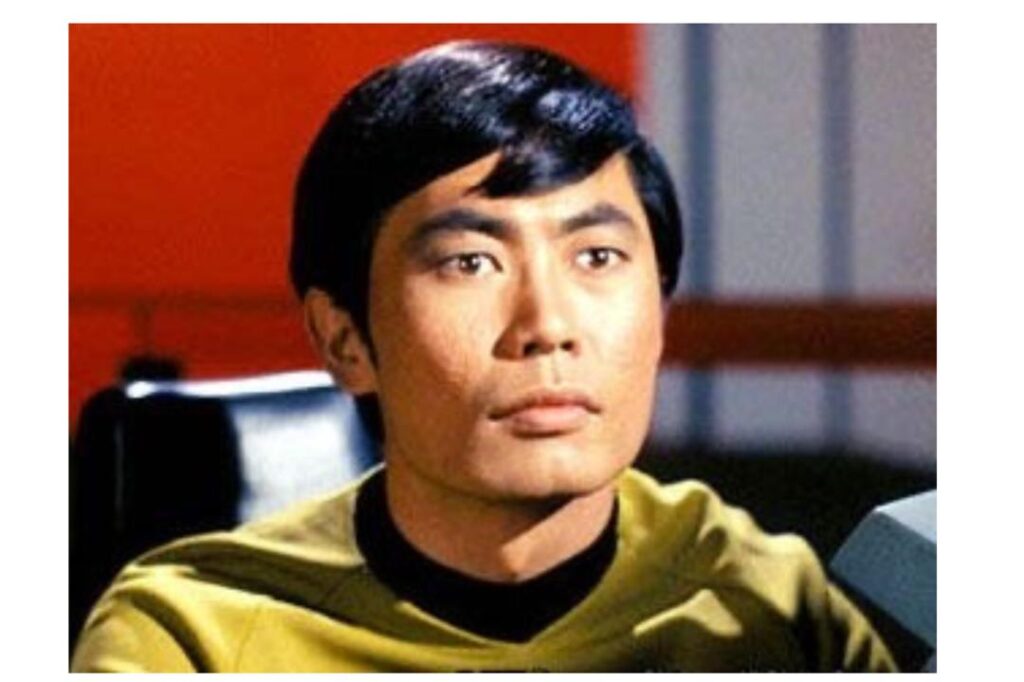
George Takei joined Star Trek in 1966 as Hikaru Sulu, presenting an Asian character as a confident and capable officer during a period of limited representation. After the original series ended in 1969, Takei continued acting while also becoming increasingly active in public advocacy. In later years, especially during the 2010s, he gained a new audience through social media, where he discussed history, civil rights, and personal experiences, including his childhood internment during World War II. He returned to Star Trek films and regularly appeared at conventions, strengthening his connection with fans. Takei’s long career shows how Star Trek performers often evolve into cultural commentators, using their visibility to address broader social issues.
6. Patrick Stewart Commands Respect
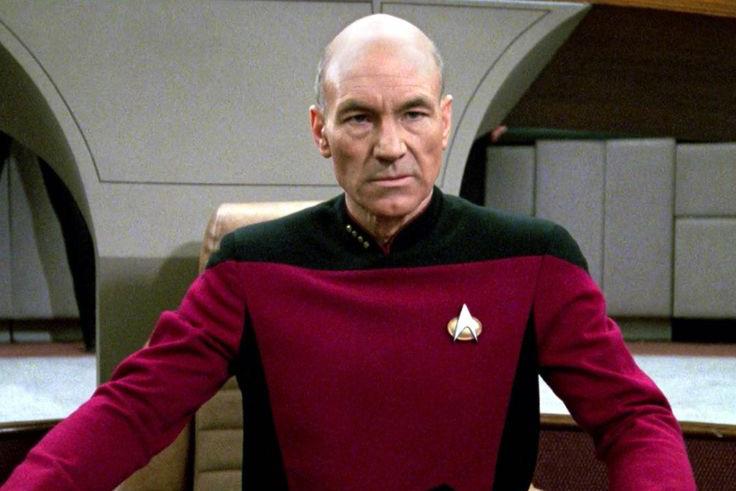
Patrick Stewart debuted as Captain Jean-Luc Picard in Star Trek: The Next Generation in 1987. Unlike earlier captains, Stewart’s Picard relied on intellect, diplomacy, and calm authority. His background in classical theatre brought a serious dramatic tone to the series, which ran until 1994. Stewart’s career expanded significantly afterward, including a major role in the X-Men beginning in 2000. Decades later, he returned to Star Trek in Star Trek: Picard, proving the character’s enduring relevance. Stewart’s success demonstrated that Star Trek could enhance an actor’s prestige and support a long, respected career across film, television, and theatre.
7. Jonathan Frakes Expands Influence
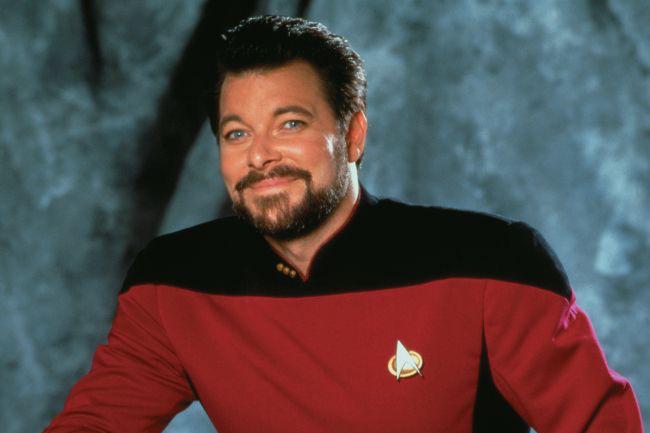
Jonathan Frakes became widely recognised as Commander William Riker in Star Trek: The Next Generation, which began airing in 1987. While continuing to act, Frakes showed strong interest in directing during the early 1990s. He went on to direct numerous Star Trek episodes and films, including Star Trek: First Contact, one of the franchise’s most successful movies. Beyond Star Trek, he directed episodes of major television dramas and science-fiction series. His long behind-the-camera career made him one of the franchise’s most trusted creative figures. Frakes’ journey highlights how Star Trek often allows performers to grow into influential storytellers shaping the franchise’s future.
8. Brent Spiner Reinvents Androids
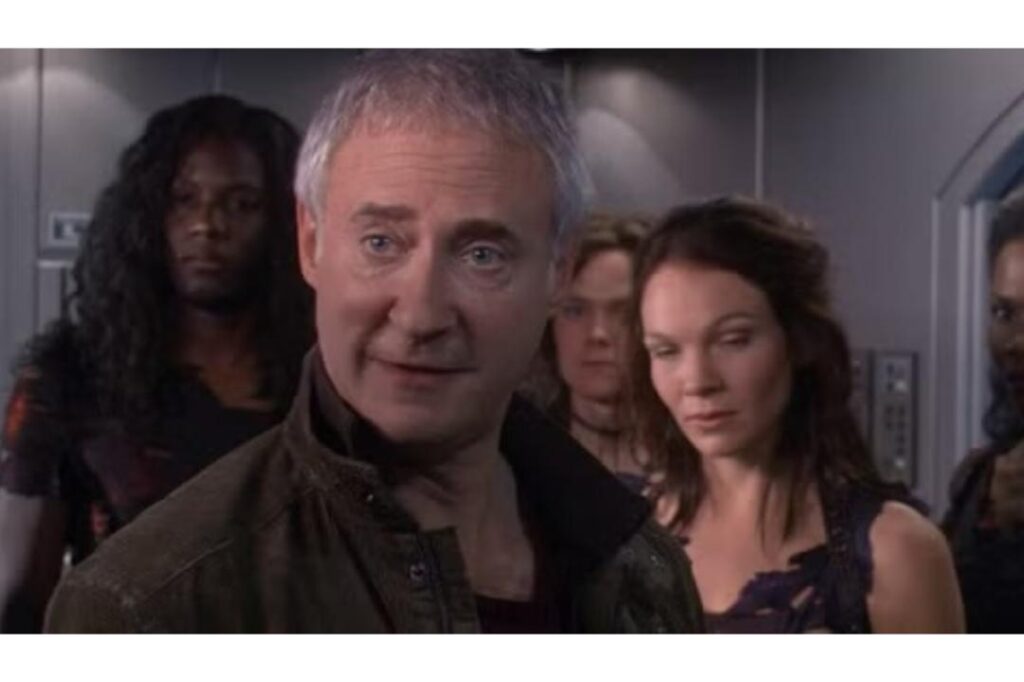
Brent Spiner took on the demanding role of Data in Star Trek: The Next Generation starting in 1987. Playing an android with limited emotion required subtle expression and precise timing, which became central to the show’s success. Rather than being trapped by the role, Spiner diversified his career, appearing in comedies, theatre productions, films, and voice acting throughout the 1990s and 2000s. He often addressed his Star Trek fame with humour, embracing audience recognition. In Star Trek: Picard, Spiner returned to the universe, adding emotional depth and closure to Data’s story. His career shows how careful reinvention can extend a character’s legacy.
9. Kate Mulgrew Leads Boldly
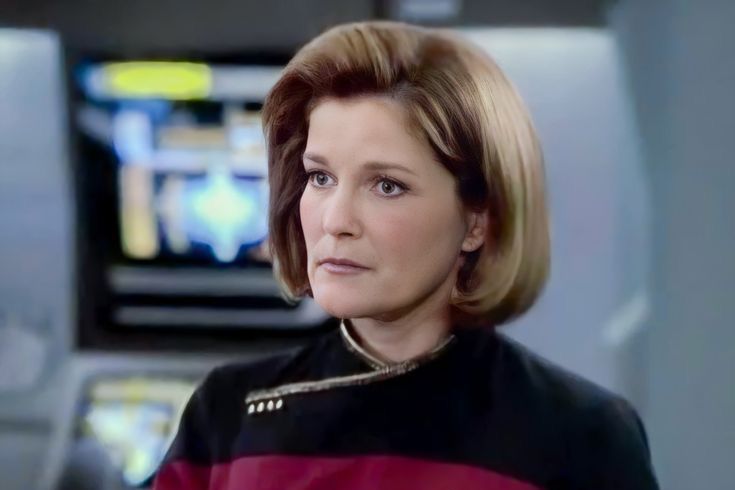
Kate Mulgrew made Star Trek history in 1995 as Captain Kathryn Janeway in Star Trek: Voyager. As the first woman to lead a Star Trek series, her role challenged long-standing ideas about leadership in science fiction. Voyager aired until 2001, and Mulgrew’s performance combined authority with empathy. After the series, she continued working steadily in television and film. In 2013, she gained renewed acclaim through Orange Is the New Black, reaching a new generation of viewers. She also became an author and audiobook narrator. Mulgrew’s career reflects Star Trek’s role in expanding opportunities for women in leading roles.
10. Avery Brooks Redefines Command
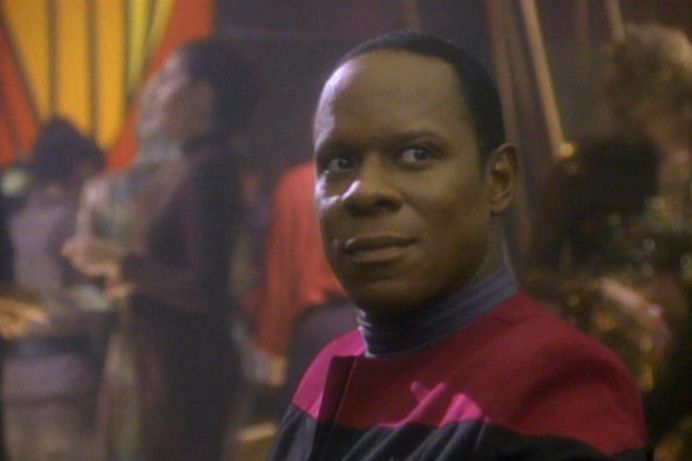
Avery Brooks portrayed Captain Benjamin Sisko in Star Trek: Deep Space Nine, which aired from 1993 to 1999. His performance introduced a more emotionally complex and morally challenged Star Trek captain. Deep Space Nine explored war, politics, and long-term consequences more deeply than earlier series. After Star Trek, Brooks focused on teaching, stage performance, and music, appearing less often in mainstream television. Over time, fans and critics reassessed his work, recognising Sisko as one of the franchise’s most layered leaders. Brooks’ legacy remains strong, especially as Deep Space Nine is now widely praised for its ambition and depth.
11. Colm Meaney’s Steady Presence
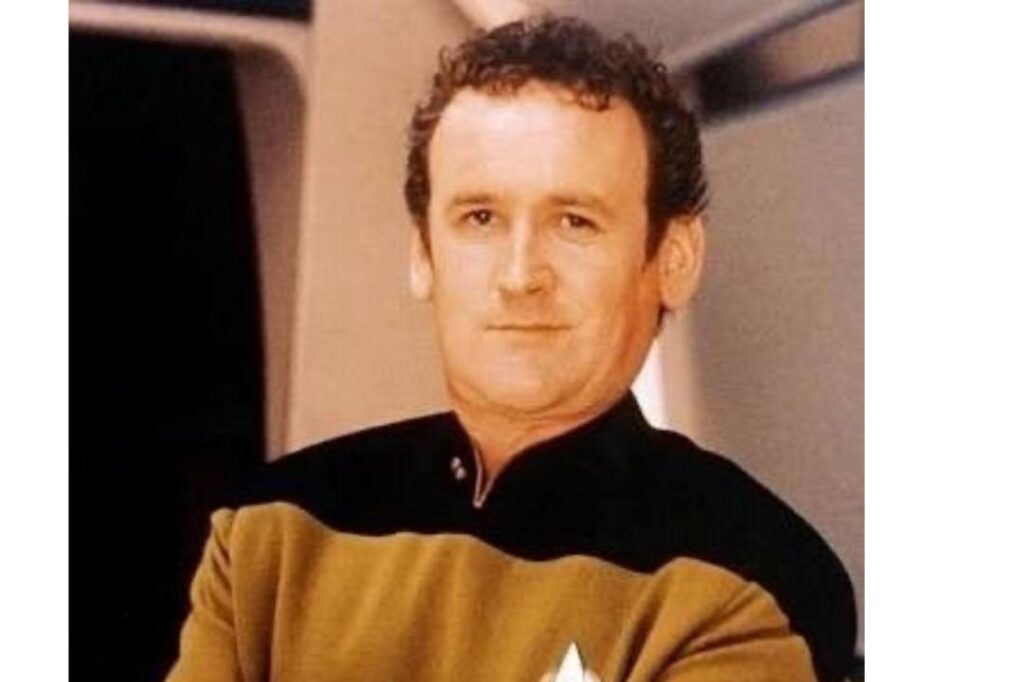
Colm Meaney holds a unique place in Star Trek history for appearing regularly in two major series. He first played Miles O’Brien in Star Trek: The Next Generation from 1987, before the character was expanded into a leading role on Star Trek: Deep Space Nine, which ran until 1999. O’Brien evolved from a background officer into one of the franchise’s most relatable characters, often representing the everyday struggles of working people in Starfleet. After Star Trek, Meaney built a respected career in film and television, particularly in Irish and British productions. He appeared in historical dramas, crime films, and stage performances, proving his range beyond science fiction. His career demonstrates how Star Trek actors could transition smoothly into serious, character-driven roles without losing their connection to the franchise.
12. Michael Dorn’s Record Run
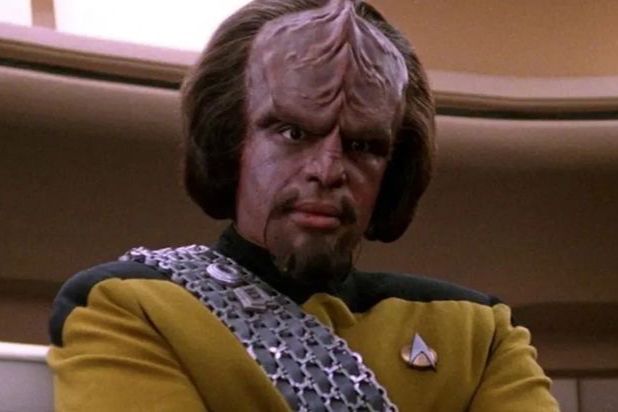
Michael Dorn holds the record for portraying the same Star Trek character more times than any other performer. He first appeared as Worf in Star Trek: The Next Generation in 1987, later continuing the role in Star Trek: Deep Space Nine and multiple films released between 1994 and 2002. Dorn’s portrayal transformed Klingons from simple villains into a complex warrior culture with honour, tradition, and internal conflict. Outside Star Trek, Dorn developed a strong voice-acting career, lending his voice to animated series, films, and video games from the 1990s onward. His long association with the franchise highlights the importance of continuity and fan loyalty, showing how a single well-developed character can become central to an entire fictional universe.
13. Marina Sirtis Finds Balance
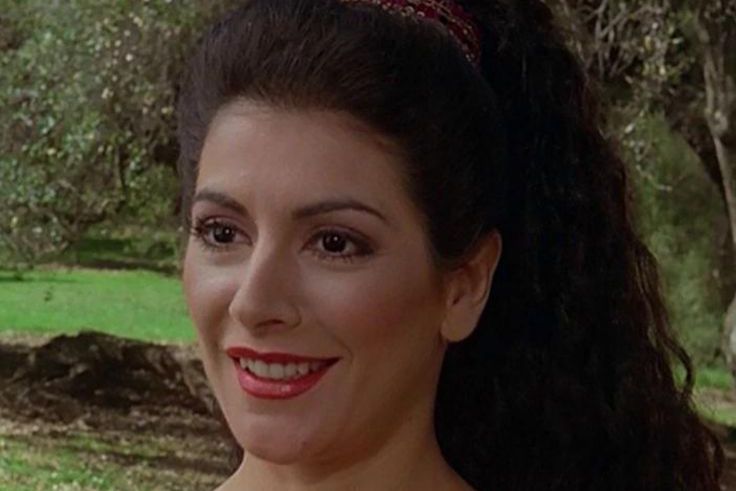
Marina Sirtis portrayed Counselor Deanna Troi in Star Trek: The Next Generation, beginning in 1987. Her role introduced psychological insight into Starfleet leadership at a time when mental health was rarely explored in science fiction. Troi’s ability to sense emotions added a unique perspective to the crew’s decision-making. After the series ended in 1994, Sirtis continued acting in television, film, and voice work, often returning to science-fiction and fantasy genres. She also reprised her role in Star Trek films and later series appearances. Through fan conventions and interviews, she openly discussed the evolution of her character and the challenges of representation. Sirtis’ lasting connection with audiences reflects how Star Trek performers often maintain strong relationships with fans long after their original episodes aired.
14. LeVar Burton Inspires Generations
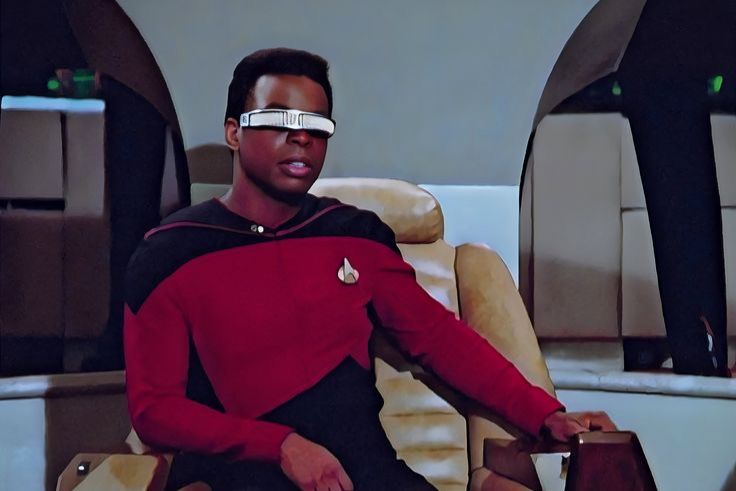
LeVar Burton joined Star Trek in 1987 as Geordi La Forge in Star Trek: The Next Generation. Already well known for Roots, Burton brought intelligence and warmth to the role of Starfleet’s chief engineer. Geordi became a symbol of technical skill and perseverance. Outside Star Trek, Burton made an even greater impact as host of Reading Rainbow, which aired from 1983 to 2006 and encouraged children to love reading. He later worked as a director, producer, and voice actor. Burton’s career uniquely connects education, science fiction, and public service, reinforcing Star Trek’s influence beyond entertainment and into real-world learning and inspiration.
15. Gates McFadden’s Dual Talents
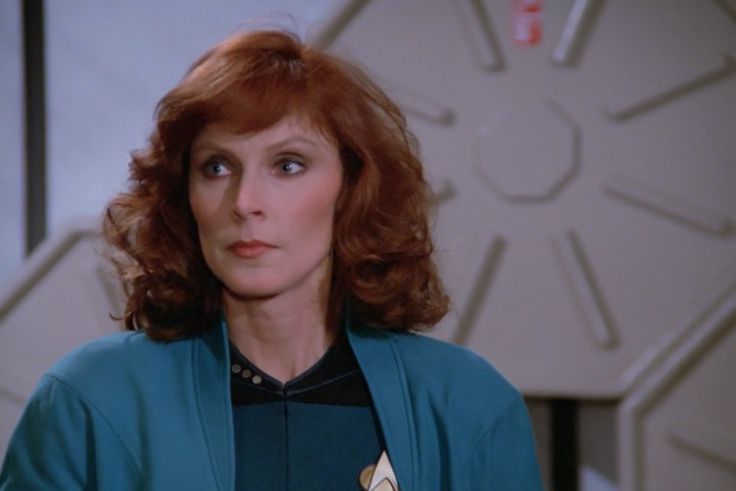
Gates McFadden played Dr. Beverly Crusher in Star Trek: The Next Generation from 1987 to 1994. Her character balanced medical authority with emotional sensitivity, adding depth to the ship’s leadership. Trained in theatre and choreography, McFadden also worked behind the scenes, contributing movement and performance expertise to film and television productions. After Star Trek, she continued acting, directing, and teaching drama, particularly in academic settings. In the 2020s, she returned to the franchise in newer Star Trek projects, reaffirming the character’s lasting relevance. McFadden’s career highlights how many Star Trek performers brought strong professional training to the series, helping establish its reputation for quality acting and long-term credibility.
16. Scott Bakula’s Genre Journey
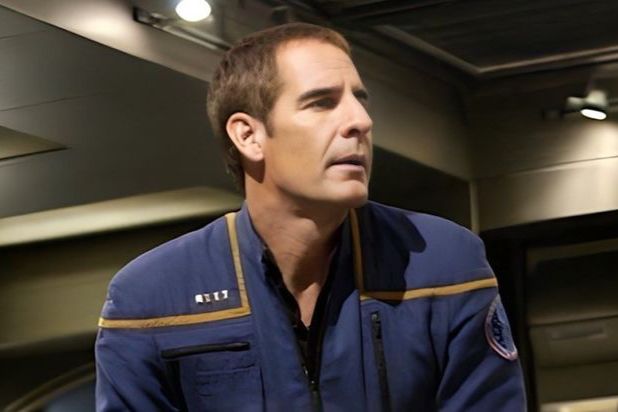
Scott Bakula joined Star Trek as Captain Jonathan Archer in Star Trek: Enterprise, which aired from 2001 to 2005. Already famous for Quantum Leap, Bakula brought familiarity and reliability to the role. Enterprise served as a prequel, portraying humanity’s early steps into space exploration. Bakula’s Archer was less polished than previous captains, reflecting a learning curve that grounded the series. After Enterprise, Bakula maintained a steady television career, notably starring in NCIS: New Orleans from 2014 to 2021. His continued success shows how Star Trek often cast experienced actors capable of anchoring long-running, character-driven shows.
17. Jeri Ryan Redefines Seven
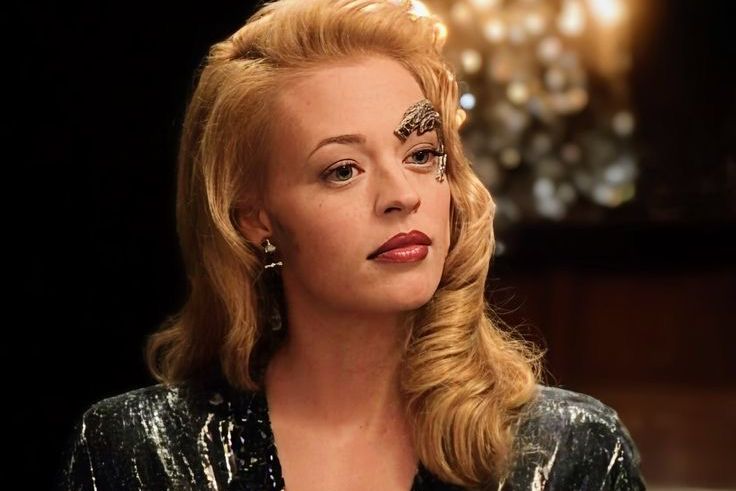
Jeri Ryan joined Star Trek: Voyager in 1997 as Seven of Nine, a former Borg struggling to reclaim her humanity. Her performance quickly became one of the show’s most praised elements, combining emotional restraint with intelligence. Seven’s character allowed Voyager to explore identity, trauma, and recovery in deeper ways. After Voyager ended in 2001, Ryan continued working in television dramas. In 2020, she returned to the franchise in Star Trek: Picard, expanding Seven’s story decades later. Her long character arc reflects Star Trek’s growing focus on personal storytelling and its willingness to revisit and develop characters across generations.
18. Robert Picardo’s Memorable Doctor
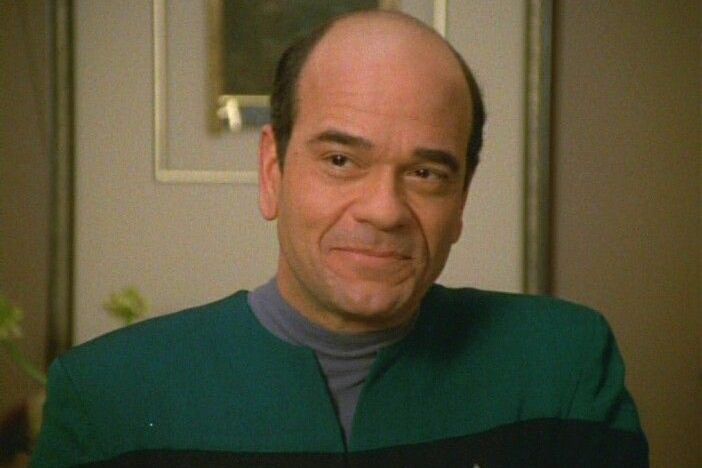
Robert Picardo portrayed the Emergency Medical Hologram in Star Trek: Voyager, starting in 1995. His character began as a simple computer program but gradually developed individuality, raising questions about identity and rights. Picardo’s background in comedy and character acting helped balance humour with serious ethical themes. The Doctor became one of Voyager’s most complex and beloved characters. Beyond Star Trek, Picardo maintained a steady career in television, film, and voice acting. He also appeared at science-fiction conventions worldwide, remaining closely connected to fans. His success demonstrates how Star Trek often created unconventional roles that allowed actors to explore ideas rarely addressed in traditional television.
19. Nana Visitor’s Emotional Depth
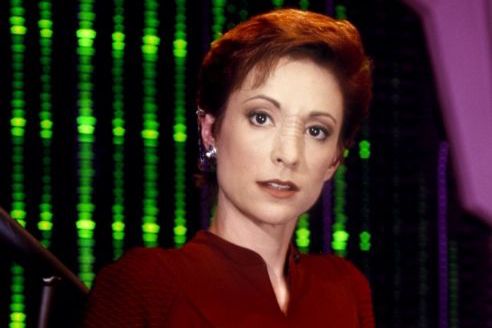
Nana Visitor played Major Kira Nerys in Star Trek: Deep Space Nine, beginning in 1993. Her character, shaped by war and occupation, brought emotional realism to the series. Kira’s journey allowed Deep Space Nine to examine trauma, resistance, and rebuilding after conflict. After the series ended in 1999, Visitor continued acting in television, theatre, and independent films. Her performance remains central to the show’s reputation for mature storytelling. Over time, Deep Space Nine has been reassessed as one of Star Trek’s most ambitious projects, with Visitor’s work frequently praised for its intensity and authenticity. Her role shows how Star Trek gave performers opportunities to explore serious social and ethical themes.
20. Armin Shimerman Elevates Villains
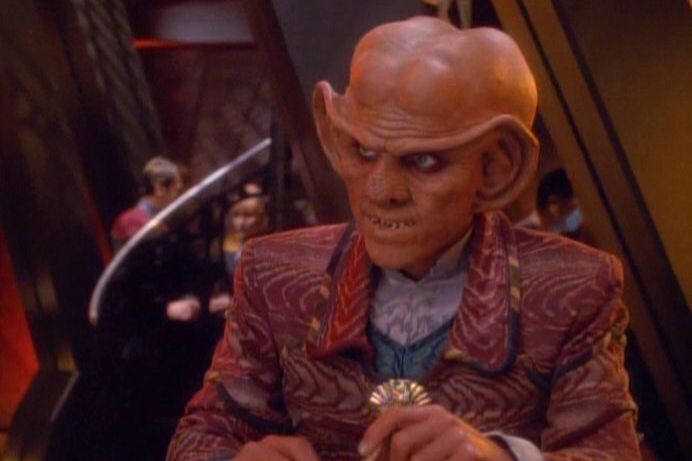
Armin Shimerman transformed Quark into one of Star Trek’s most layered characters on Star Trek: Deep Space Nine, which ran from 1993 to 1999. Initially introduced as comic relief, Quark evolved into a figure who explored greed, loyalty, and moral compromise. Shimerman’s strong theatrical background allowed him to balance humour with sincerity. Outside Star Trek, he worked extensively in theatre, voice acting, and academia, including teaching acting. His performance helped redefine the Ferengi species, giving them cultural depth. Shimerman’s work demonstrates how Star Trek villains and side characters often became some of its most memorable figures through thoughtful writing and committed performances.
21. Ethan Phillips Adds Warmth
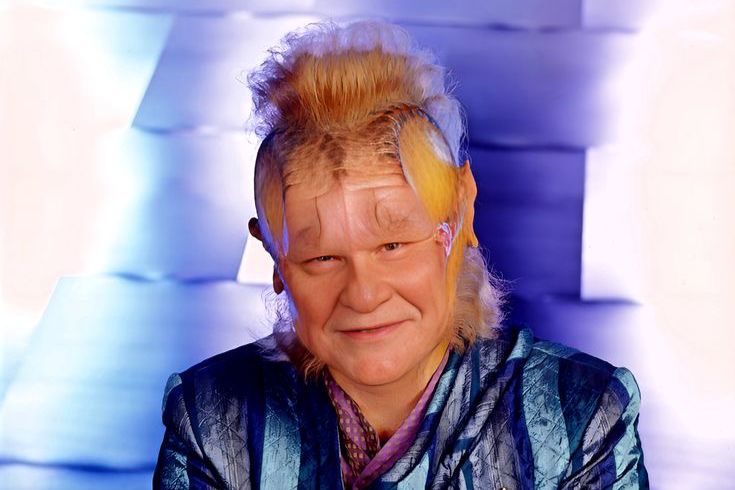
Ethan Phillips joined Star Trek: Voyager in 1995 as Neelix, a character designed to bring humour and emotional balance to the crew. Beneath Neelix’s cheerful exterior, Phillips portrayed themes of loss, displacement, and recovery, especially as the series progressed. His theatre background helped him give depth to a role that could easily have felt one-dimensional. After Voyager ended in 2001, Phillips continued working steadily in television, film, and stage productions, often returning to character-driven roles. Over time, audiences reassessed Neelix as a vital emotional anchor for Voyager’s storytelling. Phillips’ performance shows how supporting characters in Star Trek often grew in importance through consistency, patience, and thoughtful acting rather than immediate popularity.
22. Tim Russ Brings Authority
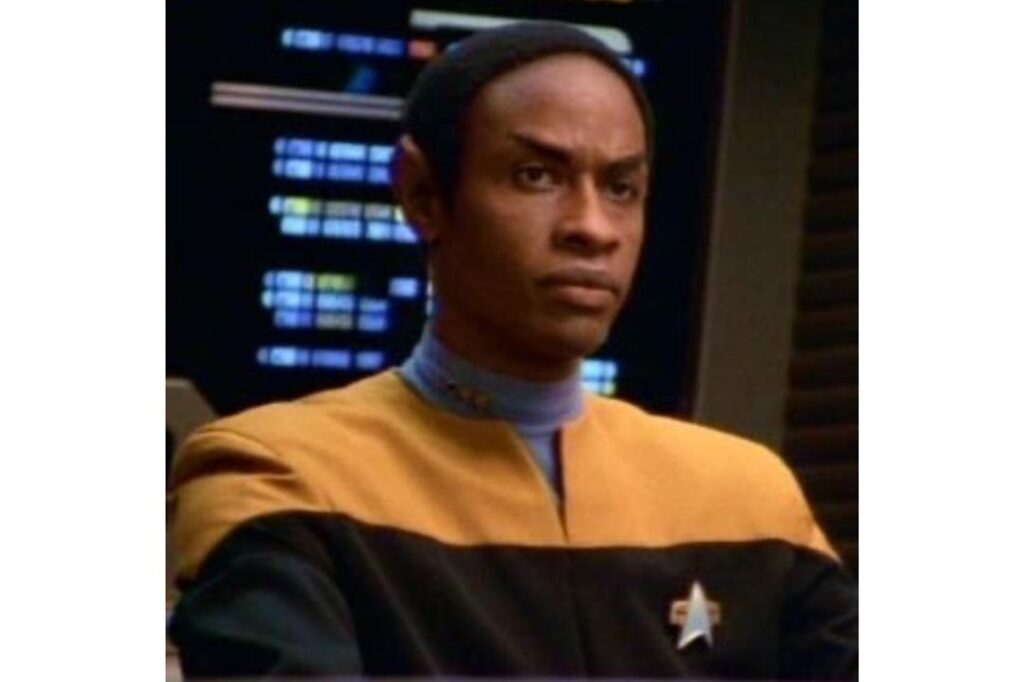
Tim Russ portrayed Tuvok in Star Trek: Voyager, beginning in 1995. As a Vulcan security officer, Russ delivered a calm, disciplined performance that emphasised logic and restraint, while still allowing subtle emotional development over time. Before Voyager, Russ had already appeared in earlier Star Trek series in guest roles, making his casting a return rather than a debut. After Voyager ended in 2001, he continued acting in television and film, while also working as a director and musician. Russ’ long association with Star Trek highlights how the franchise often built lasting professional relationships with its performers, allowing them to grow across multiple eras while maintaining continuity within the universe.
23. John de Lancie Charms Chaos
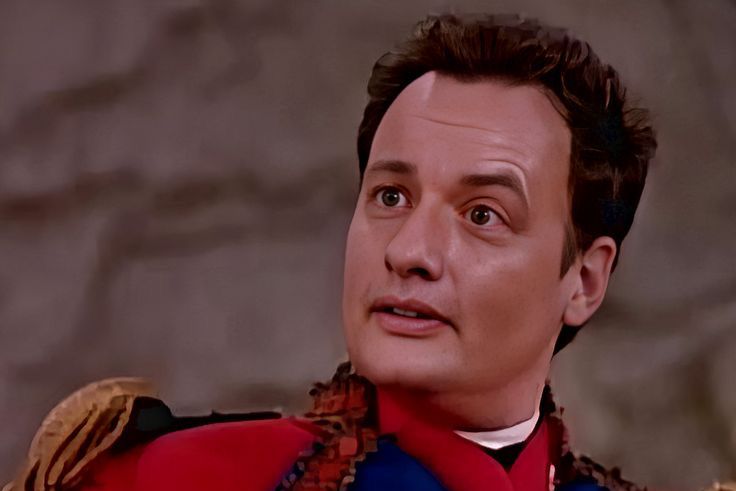
John de Lancie became instantly recognisable as Q when he first appeared in Star Trek: The Next Generation in 1987. Q’s playful yet unsettling presence challenged Starfleet’s moral certainty and added philosophical depth to the series. De Lancie’s theatrical training allowed him to combine humour, arrogance, and menace with ease. He reprised the role across multiple series, including Star Trek: Deep Space Nine and Star Trek: Voyager. Beyond Star Trek, de Lancie built a long career in television, film, and voice acting. His return in later Star Trek projects confirmed Q’s enduring popularity and demonstrated how recurring characters can remain culturally relevant for decades.
24. Roxann Dawson Expands Horizons
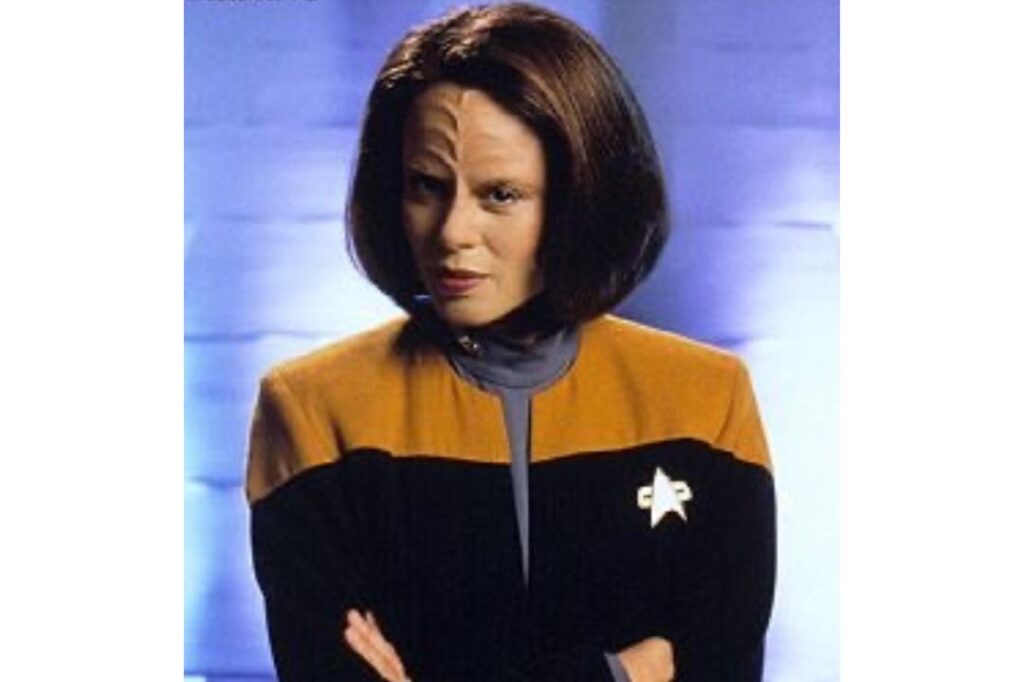
Roxann Dawson played B’Elanna Torres in Star Trek: Voyager, starting in 1995. Her character’s struggle with identity, anger, and resilience added emotional complexity to the show. During the later seasons of Voyager, Dawson began directing episodes, marking the start of a major career transition. After Voyager ended in 2001, she became a highly respected television director, working on numerous major series across genres. Her success behind the camera made her one of the franchise’s most notable examples of long-term professional growth. Dawson’s journey shows how Star Trek often served as a training ground for performers interested in leadership and creative control beyond acting.
25. Connor Trinneer Shows Humanity
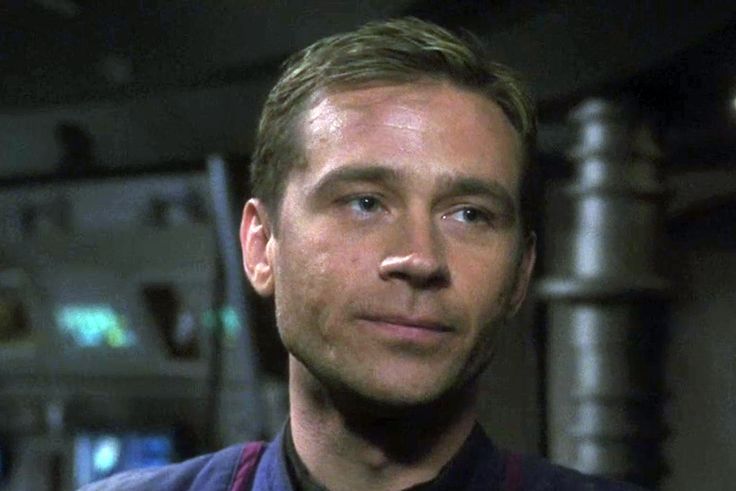
Connor Trinneer portrayed Charles “Trip” Tucker III in Star Trek: Enterprise, which aired from 2001 to 2005. As the ship’s chief engineer, Trip served as the emotional heart of the series, grounding early space exploration in personal relationships and ethical dilemmas. Trinneer’s performance added warmth and vulnerability to Enterprise’s more experimental tone. After the series ended, he remained active in television and film, often appearing in science-fiction and fantasy productions. He also became involved in fan podcasts and retrospectives, helping reassess Enterprise’s legacy. Trinneer’s continued engagement reflects how Star Trek actors often remain connected to the franchise long after their original roles conclude.
26. Jolene Blalock Challenges Tradition
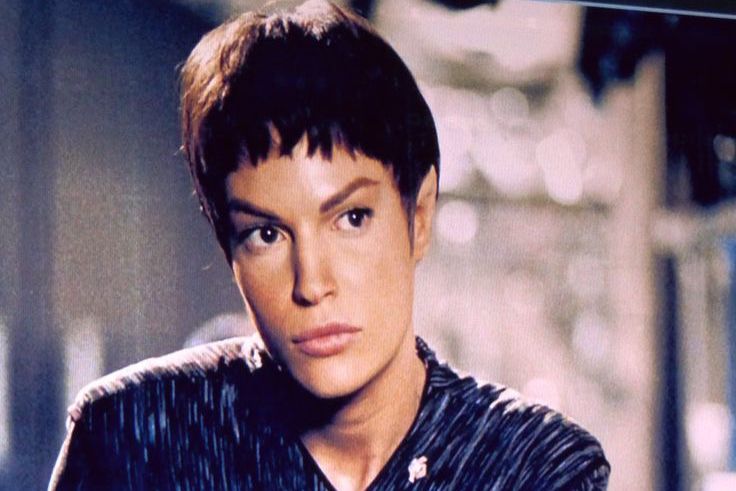
Jolene Blalock played T’Pol in Star Trek: Enterprise, beginning in 2001. As a Vulcan assigned to work closely with humans, her character required emotional restraint and gradual development beneath strict discipline. Over the series’ four-season run, T’Pol evolved into a bridge between Vulcan tradition and human curiosity. After Enterprise ended in 2005, Blalock stepped away from acting, choosing a more private life. Despite her relatively short career, her performance remains significant within Star Trek’s timeline. Blalock’s lasting recognition shows how impactful roles can endure even when performers leave the public spotlight.
27. Wil Wheaton Grows Publicly
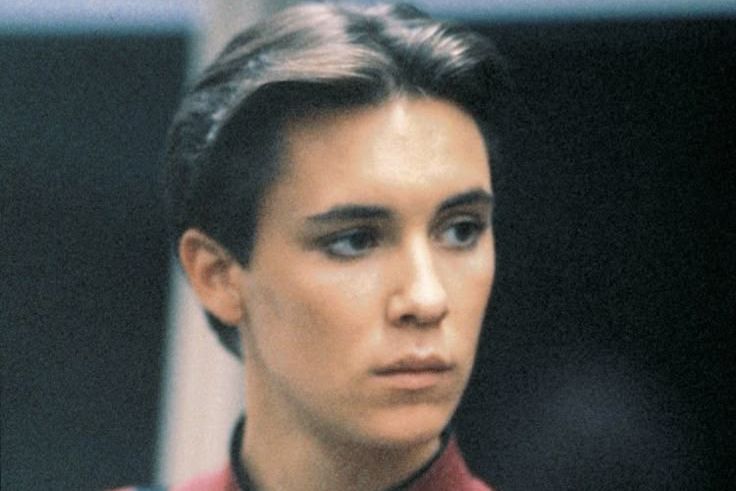
Wil Wheaton joined Star Trek: The Next Generation in 1987 as Wesley Crusher, one of the youngest characters in Starfleet. Growing up on screen brought both opportunity and pressure. After leaving the series in the early 1990s, Wheaton openly discussed the challenges of early fame. He later built a diverse career as a writer, voice actor, and television host. In the 2000s and 2010s, he became a visible advocate for mental health awareness and geek culture. Wheaton’s evolving public identity illustrates how Star Trek performers often mature in the public eye, reshaping their relationship with fame and audience expectations.
28. Denise Crosby Embraces Legacy
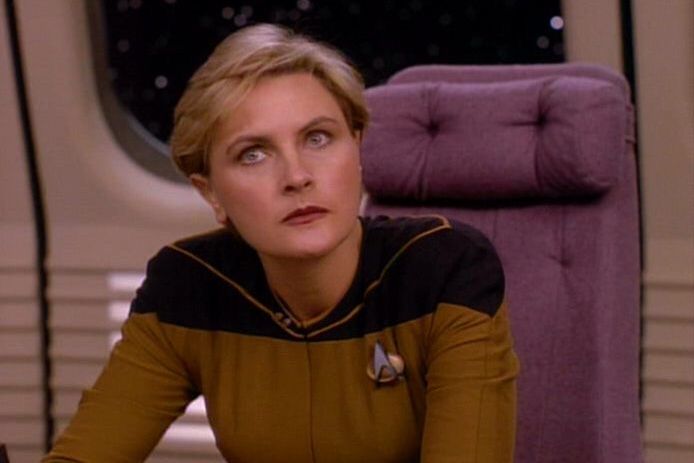
Denise Crosby appeared early in Star Trek: The Next Generation as Tasha Yar, beginning in 1987. Although her role ended sooner than expected, the character left a strong impression on audiences. Crosby later returned to Star Trek in alternate storylines and became involved in documentaries exploring the franchise’s cultural impact. Beyond Star Trek, she continued acting in television and film, often within science-fiction and horror genres. Her experience reflects how even brief Star Trek roles can carry long-term significance. Crosby’s continued engagement shows how performers often revisit the franchise in reflective and creative ways, long after their original appearances.
29. Andrew Robinson Deepens Drama
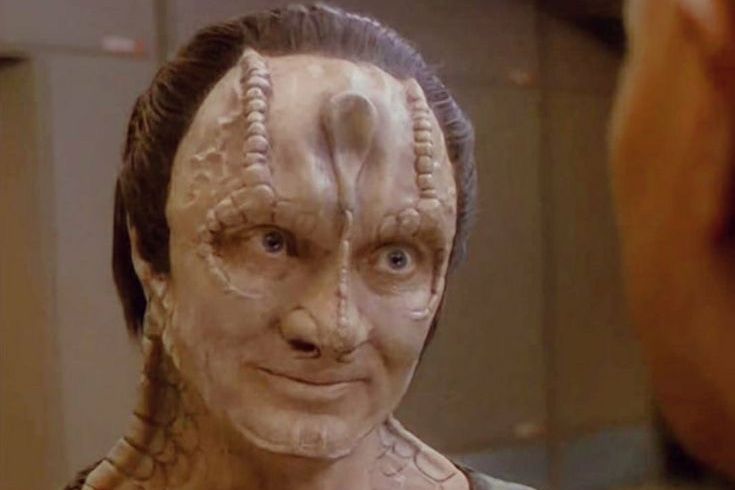
Andrew Robinson portrayed Elim Garak in Star Trek: Deep Space Nine, starting in 1993. Initially written as a supporting character, Garak evolved into one of the franchise’s most complex figures, defined by secrecy and moral ambiguity. Robinson’s layered performance blurred the line between hero and villain. After Star Trek, he continued working in film, television, and teaching. He later authored a novel expanding Garak’s backstory, further enriching the character. Robinson’s work demonstrates how Star Trek often allowed skilled character actors to elevate secondary roles into lasting fan favourites.
30. Walter Koenig Endures Change

Walter Koenig joined the original Star Trek in 1967 as Pavel Chekov, adding youthful energy to the ensemble. He continued portraying Chekov across Star Trek films released between 1979 and 1991. Beyond acting, Koenig built a career as a writer, producer, and performer, including roles in other science-fiction franchises. His ability to adapt to changing audiences kept him relevant across decades. Koenig’s sustained visibility highlights how Star Trek performers often became lifelong contributors to science-fiction culture, growing alongside the genre itself.
31. Rebecca Romijn Evolves Strongly
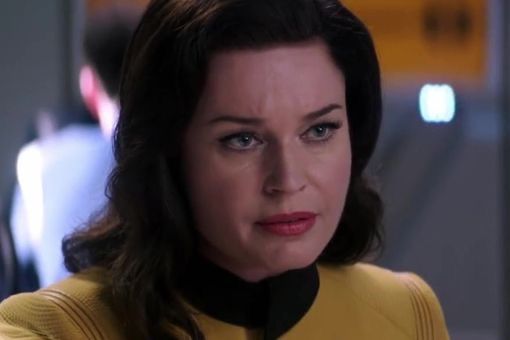
Rebecca Romijn joined modern Star Trek as Number One in Star Trek: Strange New Worlds, which premiered in 2022. The character was first seen briefly in the franchise’s original 1965 pilot, making Romijn’s role both a revival and an expansion. Already established through film and television work, she brought authority, discipline, and emotional control to the role. Her performance helped ground Strange New Worlds as a return to episodic storytelling, blending classic Star Trek values with modern production. Romijn’s presence also strengthened the show’s leadership dynamic, supporting both veteran and newer cast members. Her success reflects how Star Trek now balances nostalgia with fresh perspectives by pairing legacy concepts with experienced performers.
32. Anson Mount Redefines Pike
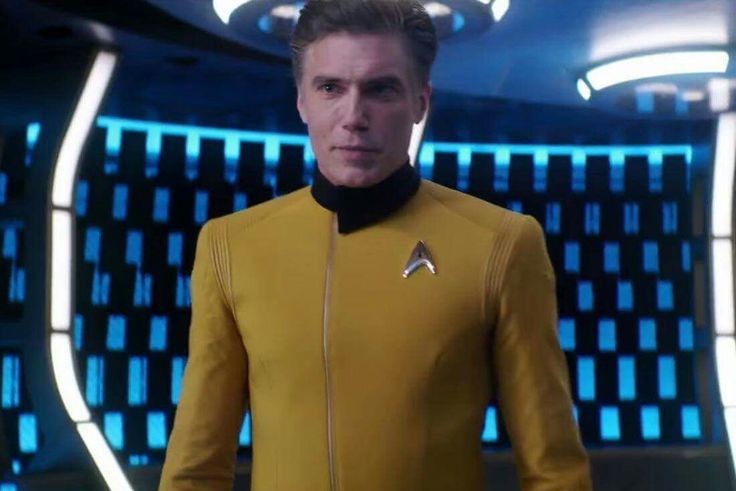
Anson Mount revitalised Captain Christopher Pike after first appearing in Star Trek: Discovery in 2019. He later headlined Star Trek: Strange New Worlds, which premiered in 2022. Mount’s portrayal emphasised empathy, responsibility, and emotional awareness, giving Pike a depth never previously explored. His calm leadership style stood in contrast to darker, more intense captains of earlier modern series. Already an experienced television actor, Mount used Star Trek to deliver one of his most defining roles. His performance has been widely praised for respecting canon while expanding the character. Pike’s renewed popularity shows how Star Trek continues to reinvent lesser-known figures into fully realised leaders.
33. Doug Jones Masters Transformation
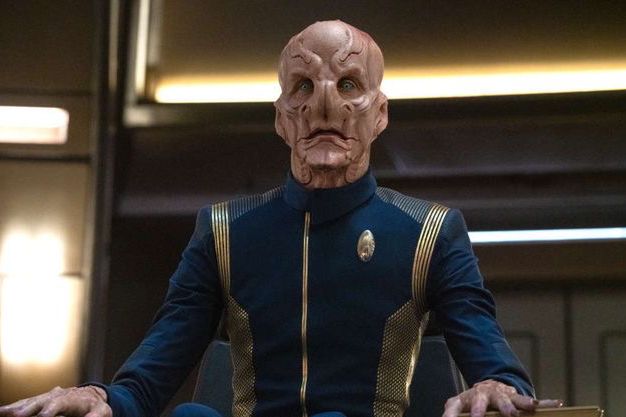
Doug Jones brought physical and emotional complexity to Saru in Star Trek: Discovery, starting in 2017. Known for performing under heavy prosthetics, Jones used posture, movement, and subtle expression to convey Saru’s evolution. The character’s journey from fear-driven caution to confident leadership became one of Discovery’s strongest arcs. Jones’ background in creature and character performance allowed him to express vulnerability even beneath extensive makeup. As Saru later assumed command roles, his growth symbolised personal and cultural progress. Jones’ work highlights how modern Star Trek relies on highly skilled performers to communicate depth beyond dialogue, continuing a tradition of strong non-human characters within the franchise.
34. Sonequa Martin-Green Leads Boldly
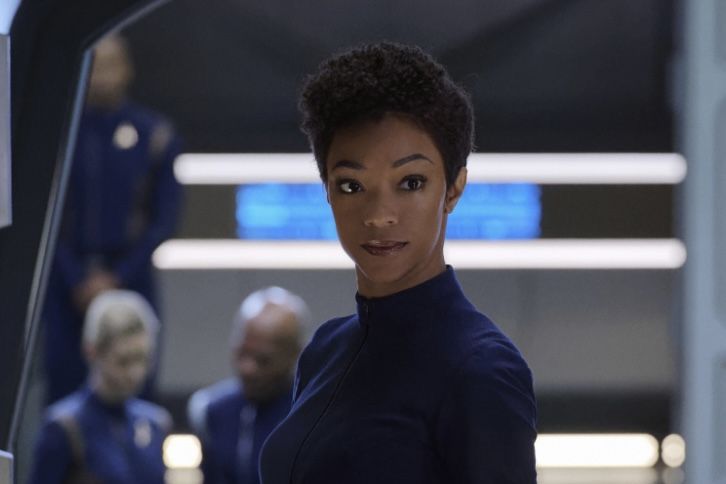
Sonequa Martin-Green made history in 2017 as Michael Burnham, the lead of Star Trek: Discovery. She became the first Black woman to headline a Star Trek series, marking a major milestone for the franchise. Burnham’s journey placed emotional growth and personal responsibility at the centre of the show’s storytelling. Martin-Green’s performance anchored Discovery’s shift toward serialised narratives, where long-term character development mattered as much as action. Already known for prior television roles, she used Star Trek to expand her global profile. Her leadership role reflects the franchise’s continued commitment to representation and inclusive storytelling in contemporary television.
35. Michelle Yeoh Brings Gravitas
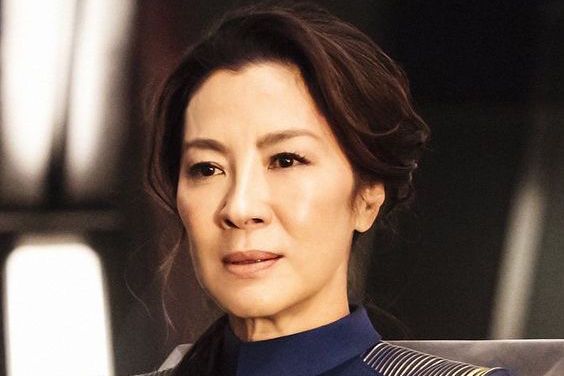
Michelle Yeoh joined Star Trek: Discovery in 2017, portraying two versions of Philippa Georgiou. Her dual roles explored leadership, morality, and power from opposing perspectives. Already internationally acclaimed for film work, Yeoh’s presence elevated the franchise’s prestige and global appeal. Her performance balanced authority with complexity, adding depth to Discovery’s political themes. Yeoh’s involvement demonstrated Star Trek’s ability to attract world-class talent and offer roles that challenge established performers. Her contribution reinforced the franchise’s position as a serious dramatic platform rather than purely genre entertainment.
36. Wilson Cruz Expands Representation
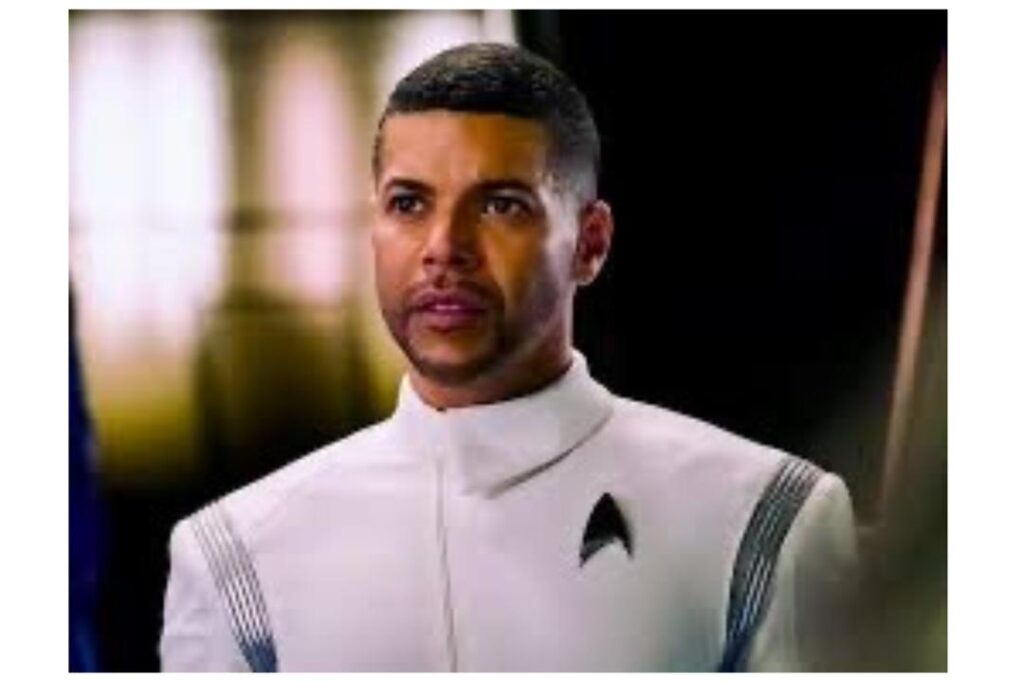
Wilson Cruz portrayed Dr. Hugh Culber in Star Trek: Discovery, beginning in 2017. His character became central to one of the franchise’s most visible LGBTQ+ storylines. Culber’s journey explored grief, healing, love, and resilience within a science-fiction setting. Cruz’s emotionally grounded performance received praise for its honesty and sensitivity. Beyond representation, his role added emotional realism to Discovery’s medical and ethical challenges. Cruz’s work showed how Star Trek continues to evolve with modern social conversations while staying true to its long-standing focus on empathy and humanity.
37. Karl Urban Honors Legacy
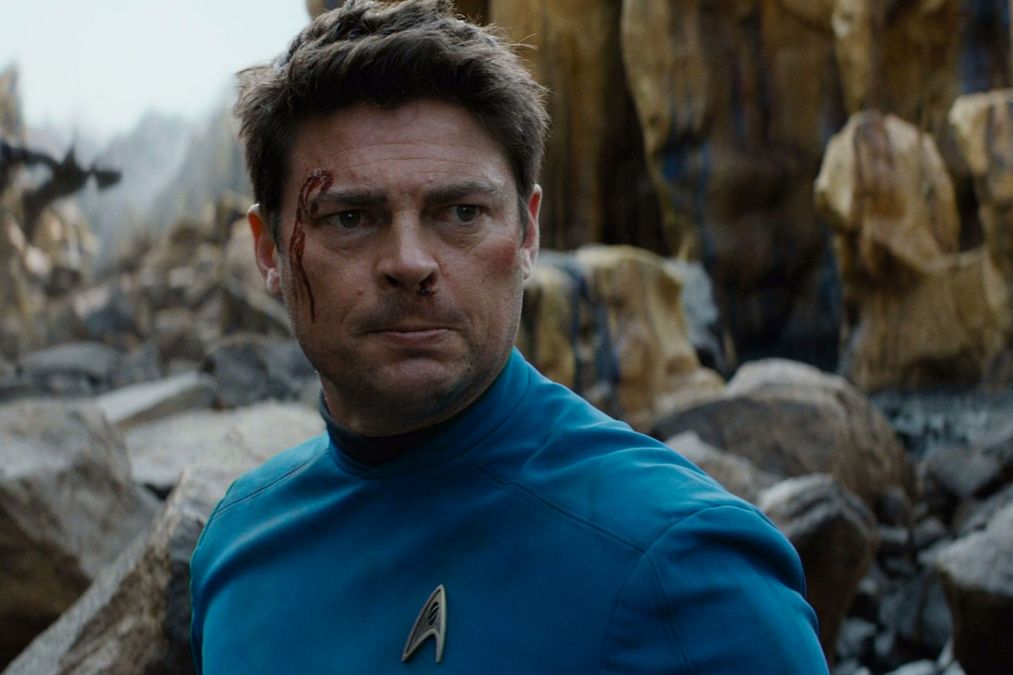
Karl Urban took on the role of Dr. Leonard McCoy in Star Trek, part of the Kelvin Timeline reboot launched in 2009. His portrayal paid clear respect to DeForest Kelley while adding modern energy and humour. Urban avoided imitation, instead capturing McCoy’s spirit through sharp dialogue and emotional grounding. Already an established film actor, Urban’s involvement helped legitimise the reboot for long-time fans. He continued the role through films released in 2013 and 2016. His success demonstrated how Star Trek adaptations can modernise iconic characters without losing their original identity.
38. Zachary Quinto Reimagines Spock
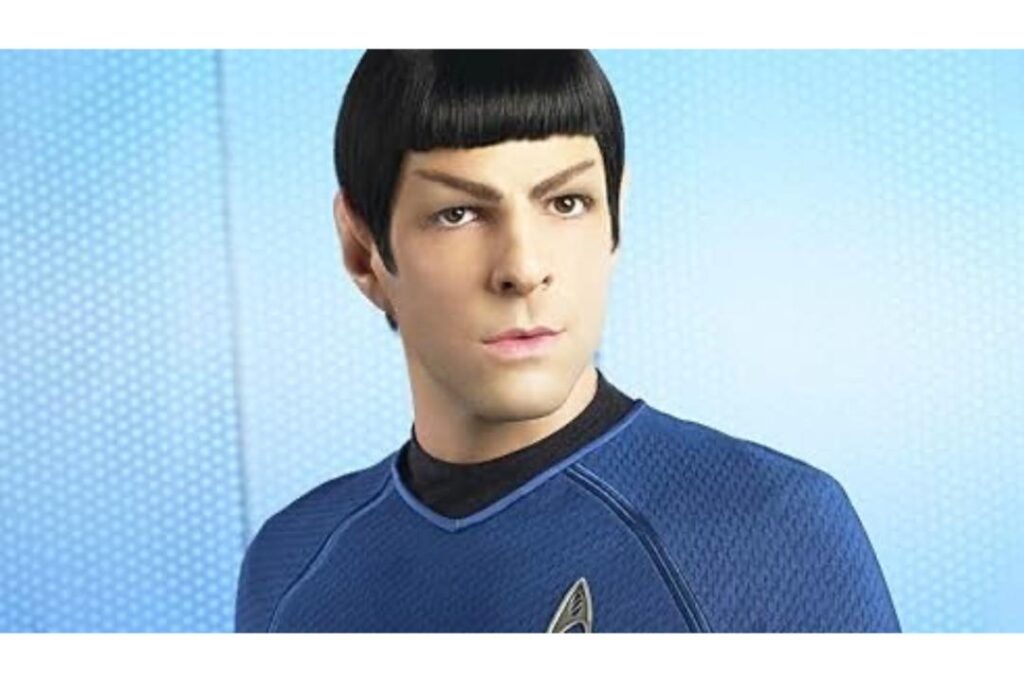
Zachary Quinto assumed the role of Spock in Star Trek, released in 2009. Tasked with honouring Leonard Nimoy’s legacy, Quinto portrayed a younger, more emotionally conflicted Spock. His performance focused on internal struggle and identity, reflecting a character still learning control. Quinto appeared in three Star Trek films between 2009 and 2016, anchoring the reboot trilogy. Outside Star Trek, he continued working in film, television, and theatre. His portrayal showed how classic characters can be reinterpreted for new audiences while maintaining their philosophical core.
39. Alice Krige Defines the Borg
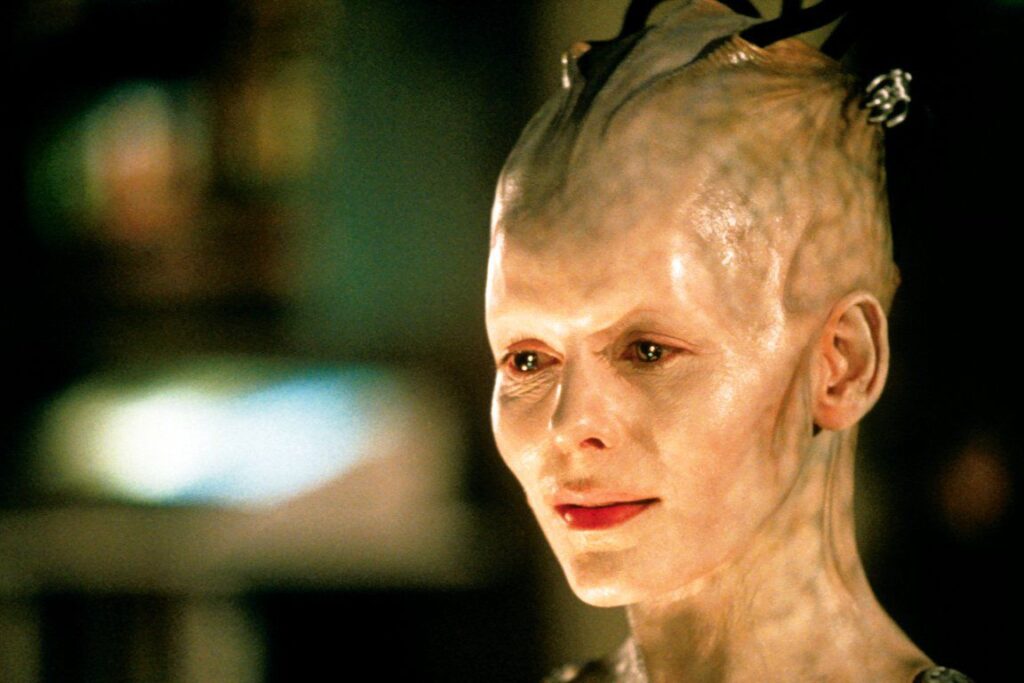
Alice Krige introduced the Borg Queen in Star Trek: First Contact, released in 1996. Her performance gave the Borg a chilling voice and personality, transforming them from a faceless threat into a psychological antagonist. Krige’s portrayal influenced all later depictions of the Borg Queen across Star Trek media. Though her appearance was limited, its impact was lasting. She continued acting in film and television, but her Star Trek role remains one of her most influential genre contributions. Krige’s work shows how even brief performances can permanently shape franchise mythology.
40. Whoopi Goldberg Returns Purposefully
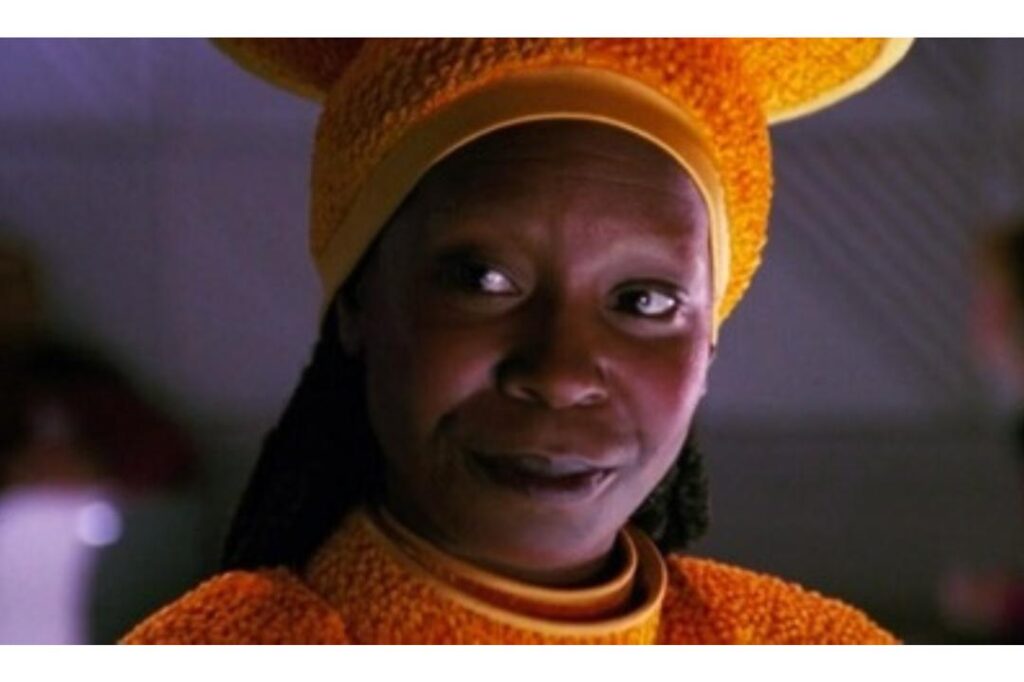
Whoopi Goldberg portrayed Guinan in Star Trek: The Next Generation, beginning in 1988. A lifelong Star Trek fan, Goldberg actively sought the role after being inspired by Nichelle Nichols’ Uhura. Guinan’s wisdom and mystery added philosophical depth to the series. In 2022, Goldberg returned to the character in Star Trek: Picard, reconnecting past and present. Her continued involvement highlights Star Trek’s ability to attract performers who deeply connect with its themes. Goldberg’s presence reinforced the franchise’s multigenerational relevance and cultural reach.
Across decades, their collective legacy shows how thoughtful casting and meaningful storytelling can resonate across generations.
Like this story? Add your thoughts in the comments, thank you.


