
1. My Way
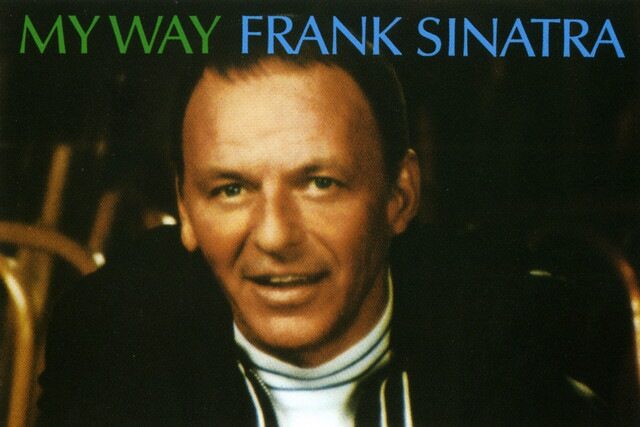
You’d never expect a crooner’s classic to spark fear, yet in the Philippines, the song became infamous after reports linked karaoke performances to violent outbursts. The New York Times called it “The My Way Killings,” quoting locals who said, “You don’t sing it casually here.” Theories range from competitiveness to superstition, but the strange association remains. It’s eerie how a confident ballad about taking control of life somehow became tied to unpredictable danger. Still, the song plays on, reminding us that even crowd favorites can gather unsettling reputations over time.
2. Ring Around the Rosie
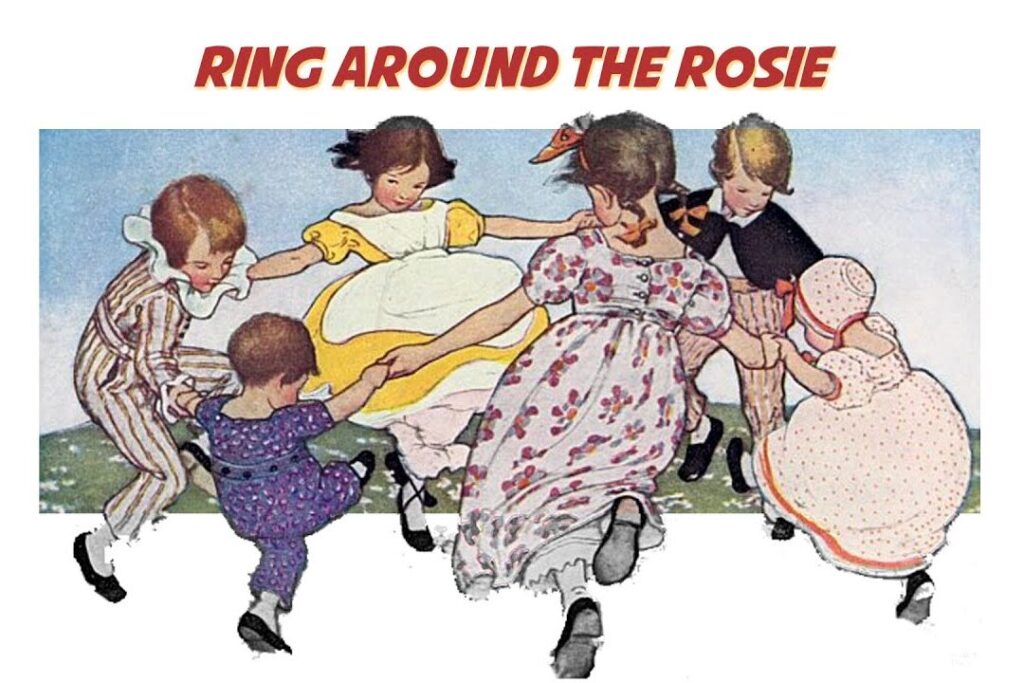
This one feels like playground nostalgia, yet its backstory isn’t as cheerful as the melody suggests. Many people believe the song is tied to the Black Plague, with “rosie” referring to the rash and “we all fall down” symbolizing widespread death. Historians at NPR once noted, “It’s a myth that won’t die, even though evidence for it is faint,” showing how deeply the idea has settled into public imagination. The real origins may be unclear, but the rumor itself shaped how we hear the song. And once you hear that connection, it’s hard to un-hear it again.
3. You Are My Sunshine
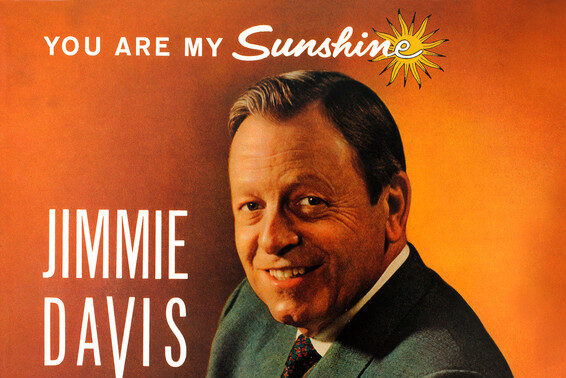
Most people hear this song as tender and hopeful, but its verses reveal heartbreak and looming loss. According to the Library of Congress, the original lyrics paint a story of someone pleading not to be abandoned. One folklorist even described it as “a sad song dressed in a happy melody.” It’s funny how we sang it growing up without realizing we were repeating a love story on the brink of falling apart. The contrast between tune and meaning shows how music can comfort us even when its roots are far from cheerful.
4. Rock-a-Bye Baby

This lullaby sounds soothing enough to put anyone to sleep, yet its imagery is startling: a cradle falling from a treetop. Some researchers say it originated as political satire in the 1700s. The BBC once quoted a nursery-rhyme scholar saying, “It wasn’t written for children at all.” That context turns the gentle sway of the song into something sharper and oddly unsettling. It’s amazing how many lullabies carry warnings or darker meanings hidden beneath soft melodies. Maybe that contrast is what helped them survive across generations.
5. Mack the Knife
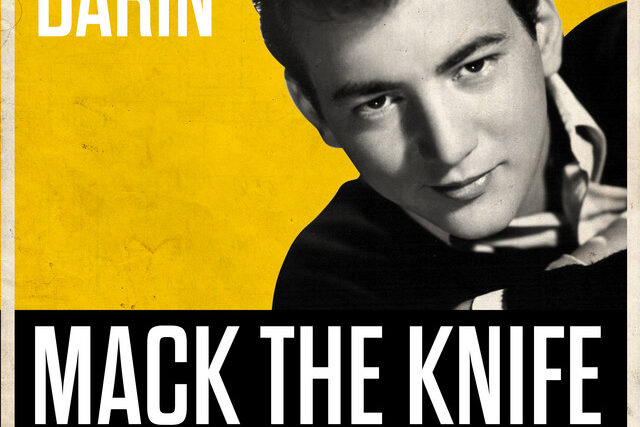
This catchy tune masks a grim backstory about a charming murderer. Originally from “The Threepenny Opera,” its lyrics describe crimes with an almost cheerful rhythm. According to Smithsonian Magazine, producers softened the English version to make it radio-friendly, even though “its roots were undeniably sinister.” Still, listeners embraced it as a jazzy classic, forgetting the menace beneath its smooth delivery. It’s one of those songs that proves how easily a melody can overwrite meaning, letting something dark slip into the soundtrack of everyday life without us noticing.
6. London Bridge Is Falling Down

We all sang it in circles, smiling as the song went round and round. Yet some historians argue the rhyme may reference real structural collapses, Viking attacks, or even human sacrifice, though evidence is debated. A researcher told The Guardian, “Its endurance comes from mystery more than certainty,” which feels true the more you hear it. Whatever the real origin, the song’s cheerful tempo hides possibilities that aren’t so lighthearted. It’s a reminder that many children’s songs carry stories from far older worlds, passed down without their original context.
7. Pumped Up Kicks

This alternative hit feels breezy at first, but the lyrics reveal a chilling narrative about a troubled teen. Foster the People said in an NPR interview, “It was meant to start a conversation on mental health,” which changes how you absorb every line. Its contrast between upbeat production and dark subject matter made it both catchy and unsettling. Many listeners didn’t realize what they were singing along to until the meaning clicked. Moments like that show how modern music still plays on the age-old trick of masking heavy themes with light sounds.
8. Every Breath You Take
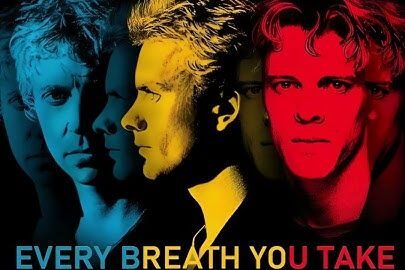
People often hear this song as a soft, steady expression of devotion, but its meaning shifts once you know what inspired it. Sting explained in a BBC interview, “It’s a very, very sinister song,” written from the viewpoint of someone obsessively watching another person’s every move. With that context, the lyrics feel less like affection and more like quiet surveillance. It’s surprising how long the song lived as a romantic favorite before listeners noticed its darker undertone. The simplicity of its melody makes the contrast sharper, reminding us how easily music can disguise uncomfortable truths.
9. Semi-Charmed Life
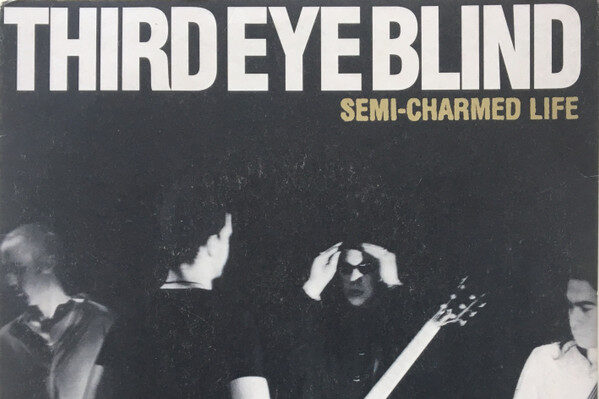
This bright, upbeat song hides references to addiction and destructive cycles. Third Eye Blind’s Stephen Jenkins told Rolling Stone that the contrast was intentional, saying, “The music feels like a sugar rush, but the story isn’t.” That duality made the track both wildly popular and surprisingly complex. It’s one of those songs that cheerfully blasts from speakers while carrying a meaning that asks you to pause. The upbeat sound becomes a kind of mask, creating a strange tension between what you feel and what you hear.
10. Hotel California
This classic rock anthem feels mysterious rather than scary, yet its origins have sparked decades of eerie speculation. The Eagles told the Los Angeles Times it was “about excess and the dark side of the American dream,” though listeners built countless ghostly theories around it. That blend of beauty and unease keeps the song timeless, leaving each listener to decide what the hotel represents. And maybe that’s the charm of songs like these: they sound inviting at first, then reveal something deeper if you lean in.
11. Polly

At first listen, this Nirvana track feels quiet and stripped back, but its inspiration comes from a real kidnapping case Kurt Cobain read about in the news. Rolling Stone noted Cobain’s sadness over the event, quoting him saying, “It’s about a girl who got away.” That knowledge reshapes the entire listening experience. The gentle, almost weary tone becomes a kind of witness, not entertainment. It reminds you how artists sometimes turn horror into reflection, hoping the song encourages empathy rather than shock. And once you know the context, the softness hits even harder.
12. Maxwell’s Silver Hammer
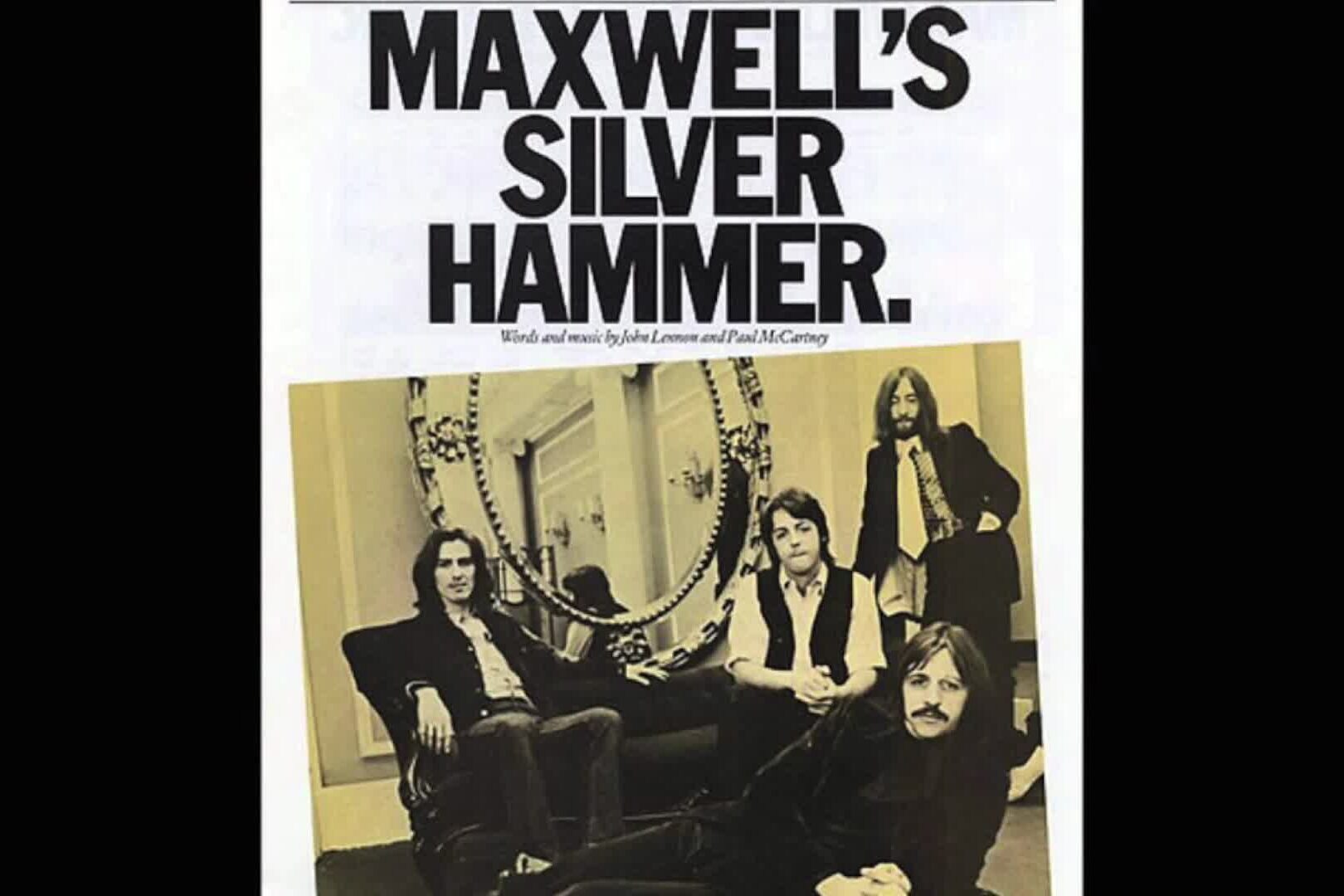
The Beatles made this tune sound playful, almost like a sing-along, yet its lyrics follow a cheerful character who commits a series of killings. Paul McCartney once told Anthology, “I was writing a sort of comic metaphor,” which still doesn’t erase how unsettling it feels beneath the melody. The song’s bounce nearly tricks you into forgetting what’s being described. That odd contrast shows how the band loved experimenting with dark humor hidden behind bright sounds. And like many deceptively cheerful tracks, it sticks with you longer once you understand its twist.
13. Delia’s Gone
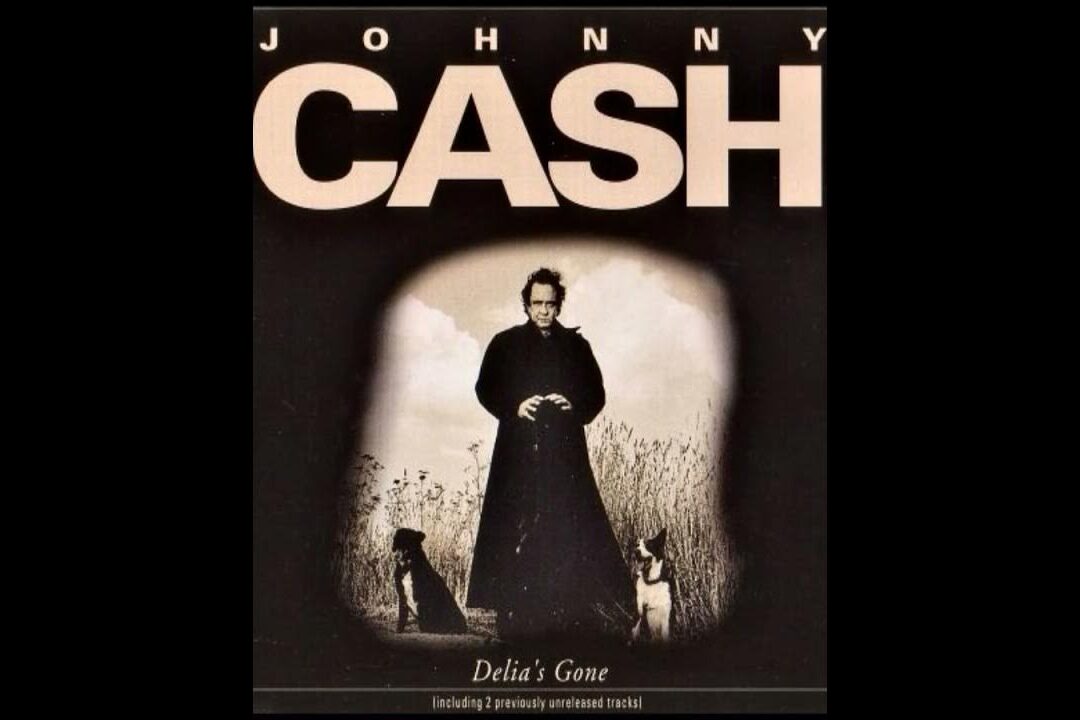
Johnny Cash sings this ballad with such steady calm that the story can slip right past you. Yet the lyrics describe a man who harms Delia in a jealous rage. Cash later admitted, “It’s a violent song, but it’s an old folk tune,” reminding listeners how many traditional songs were built around tragic narratives. The simplicity of the melody almost softens the harshness, making it even more haunting. Folk music often preserved community stories, even the grim ones, and this track sits right in that tradition, wrapped in Cash’s unmistakable voice.
14. Nursery Rhymes: Three Blind Mice
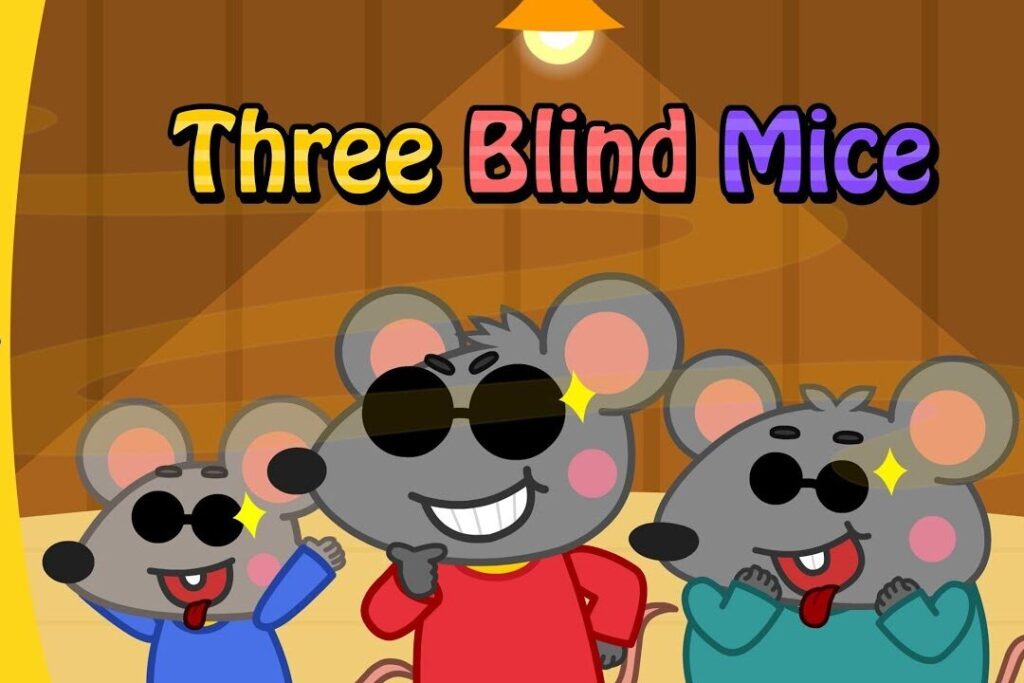
This rhyme sounds innocent, but some historians say it may reference Queen Mary I and her persecution of Protestant figures. A BBC history segment mentioned that “the theory persists more because it’s chilling than because it’s proven.” Whether or not it’s accurate, the idea adds a strange weight to a line we casually sang as children. It’s fascinating how simple rhymes sometimes carry echoes of power struggles and fear from centuries ago. And even if the truth is fuzzy, the association alone can shift how you hear those familiar words.
15. Tom Dooley
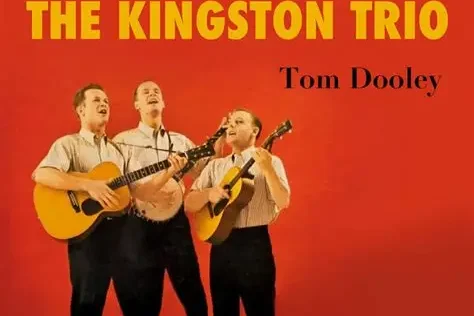
This folk classic sounds like a campfire tune, but it’s based on the real case of Tom Dula, who was convicted of murder in the 1800s. The Library of Congress notes the song was “a ballad rooted in fact,” passed down long before The Kingston Trio popularized it. The upbeat harmonies almost hide the grim story behind it. That mix of tragedy and music has always been part of folk tradition, turning real-life heartbreak into something communal. And when you know its history, the song’s easy flow picks up a gentle heaviness.
16. Behind Blue Eyes
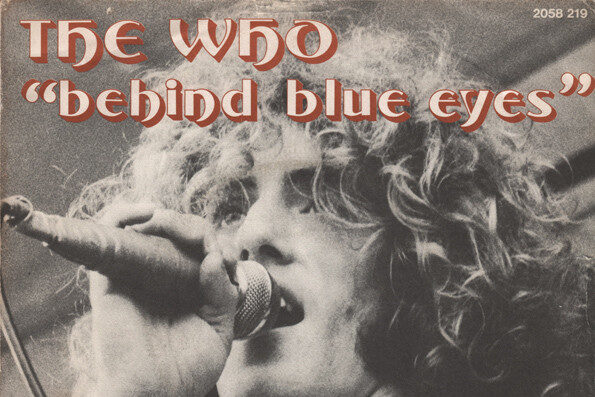
The Who’s song starts slow and vulnerable, but it carries an undercurrent of anger and loneliness. Pete Townshend once told Rolling Stone, “It’s the villain’s theme,” written for a character he imagined falling apart inside. Without knowing that, it sounds like a personal confession. With the context, it becomes a voice from a darker place, struggling with inner conflict. That shift changes the entire feel of the song. It shows how a track can seem gentle until you understand whose story it’s telling, and then the emotional weight settles in differently.
17. Hey Joe
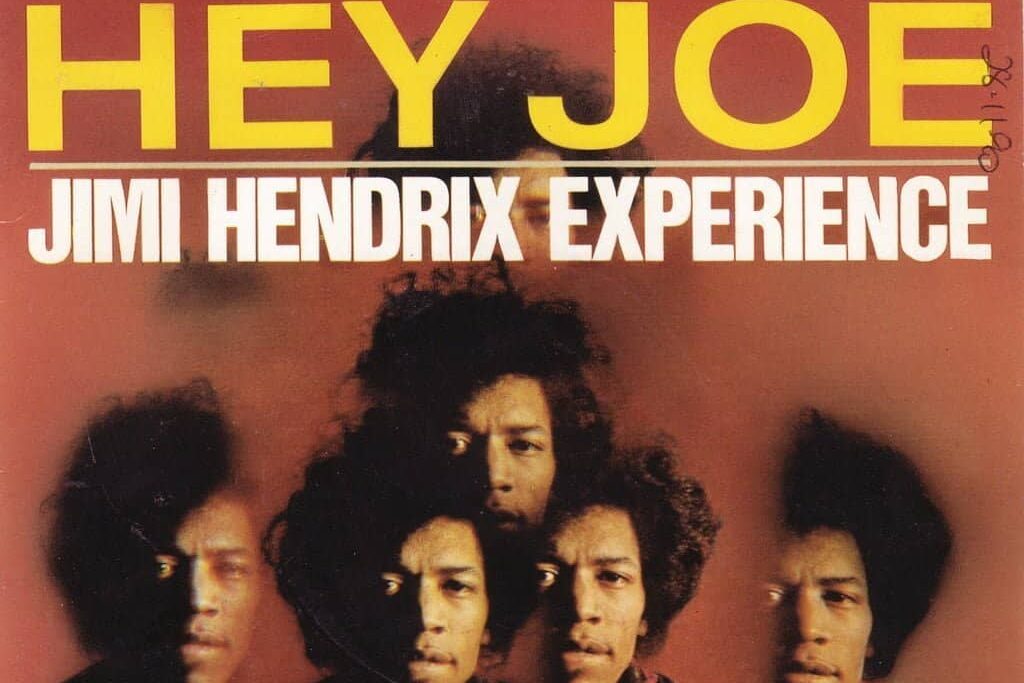
This blues standard, made iconic by Jimi Hendrix, carries a narrative about a man planning violent revenge. Though Hendrix didn’t write it, he performed it with a soulful intensity. A music historian told NPR, “It’s a murder ballad disguised as a groove,” which fits perfectly once you notice the storyline. The rhythm pulls you in before you realize the lyrics are anything but light. It’s a reminder that many older songs came from traditions where tragedy wasn’t hidden, just sung plainly. And somehow that blend keeps the track compelling even today.
18. Clementine
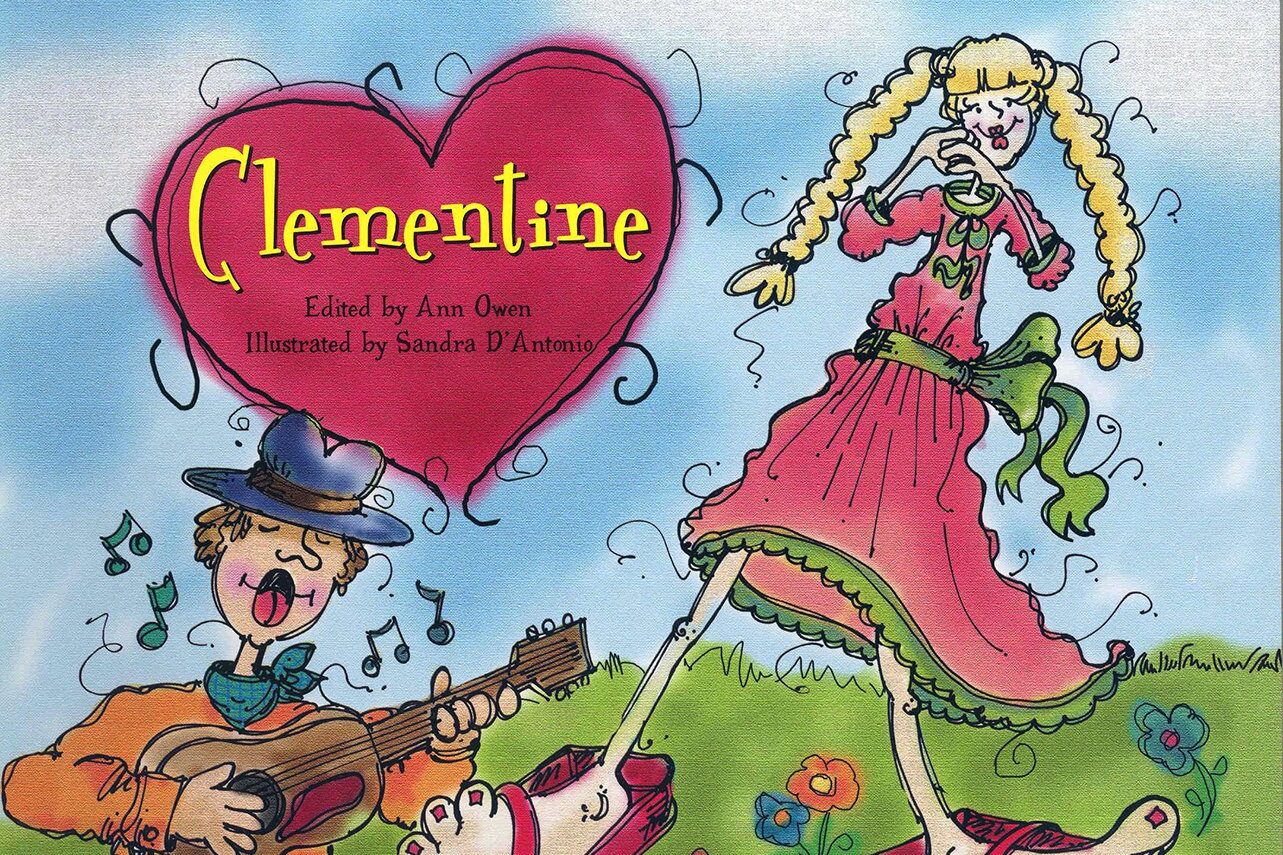
We often think of this tune as a sweet old folk song, but the story ends with the singer grieving for Clementine, who drowns. The Smithsonian Folkways archives note that early versions were “meant as satire,” making the melancholy chorus surprisingly ironic. It’s interesting how the melody feels almost cheerful despite the storyline. Folk songs often used humor and sorrow side by side, and this one holds both gently. Once you understand the intent, the song’s catchy refrain feels a little bittersweet, like a memory you revisit even when it stings.
19. The Night the Lights Went Out in Georgia
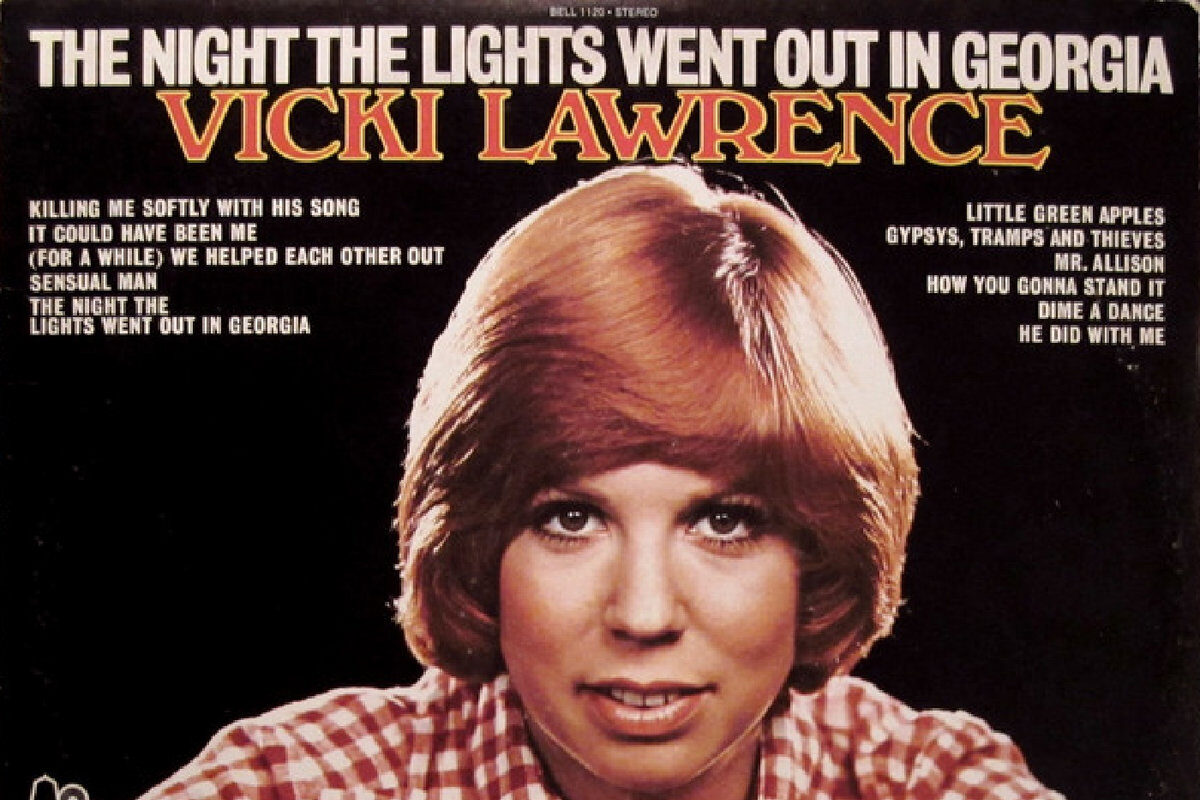
This Southern gothic story-song feels dramatic but catchy, masking a dark tale of betrayal and wrongful conviction. Reba McEntire once said, “It’s a mystery with a twist,” and that’s exactly how it plays out. You follow the rhythm long before you realize how tragic the ending truly is. Story-songs like this blur the line between entertainment and cautionary tales, pulling you in with melody and then surprising you with meaning. It’s that gentle shift from surface-level fun to deeper interpretation that keeps people revisiting it decades later.
20. O Fortuna

It sounds powerful and cinematic now, but its Latin text comes from medieval poetry describing fate’s cruelty. When Carl Orff adapted it into Carmina Burana, he leaned into the drama without softening the meaning. A scholar told The Guardian, “It’s about life spinning out of control,” which explains its unsettling pull. The chorus feels larger than anything human, almost overwhelming. Even though modern listeners enjoy it for the thrill of the arrangement, the words point to a worldview filled with fear and unpredictability. That contrast makes it unforgettable every time it plays.
21. In the Pines
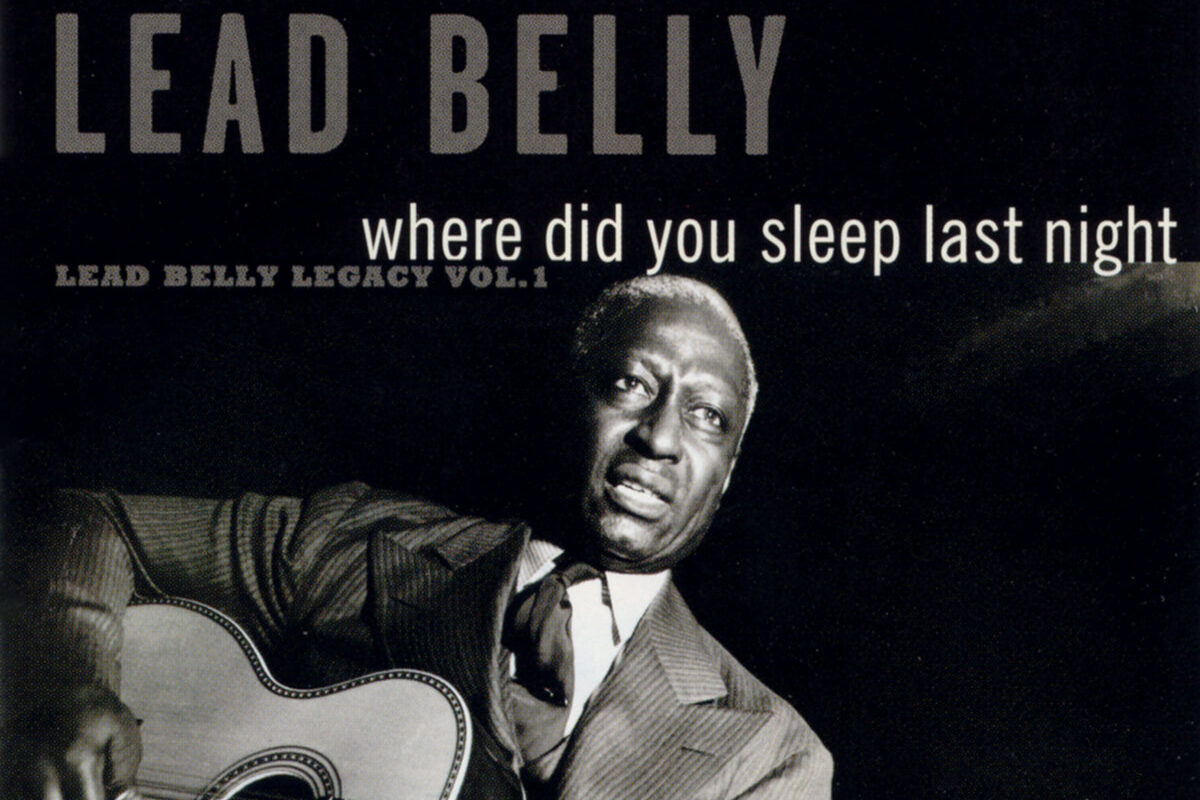
This haunting folk song, also known as Where Did You Sleep Last Night, tells a story of loneliness, loss, and mysterious death. Lead Belly’s version is often cited as the most chilling. Nirvana’s MTV Unplugged performance revived it, and Kurt Cobain said he was drawn to how “raw and old” it felt. The lyrics shift across versions, but the themes of isolation remain. Its quietness is what makes it eerie, as if the song itself carries memories of the people who sang it before. That lingering echo gives it a life of its own.
22. Jenny Was a Friend of Mine
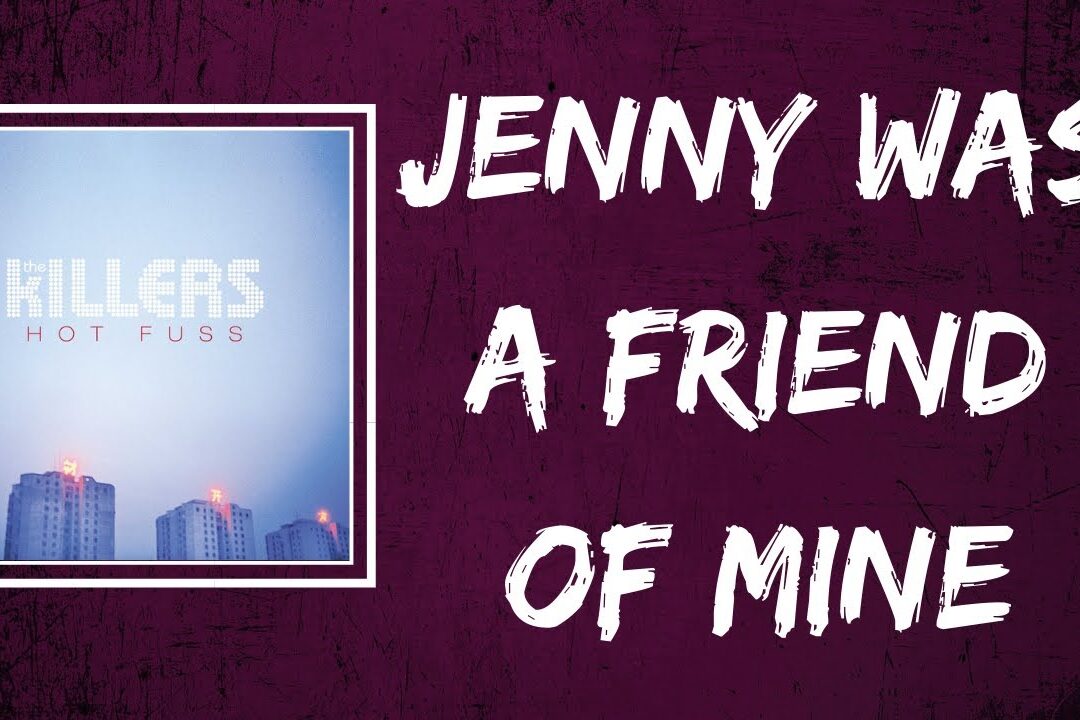
This song by The Killers bursts with energy, though its lyrics describe an interrogation after Jenny disappears. Brandon Flowers once explained, “It’s part of a murder trilogy,” which reframes the upbeat nighttime sound. Without that insight, you might miss the tension woven into each line. It’s interesting how modern rock sometimes adopts storytelling techniques from old folk ballads, pairing dark themes with danceable rhythms. And once you know the narrative, the urgency in the performance suddenly makes perfect sense, as though the music itself is trying to outrun the truth.
23. Stagger Lee
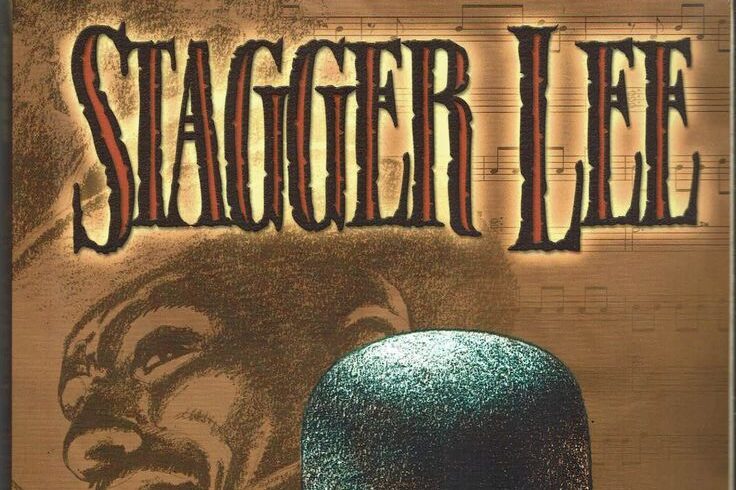
This traditional folk song sounds almost celebratory in some versions, yet it’s based on a real 1895 shooting involving a man named “Stag” Lee Shelton. The story spread quickly, inspiring countless renditions. A historian told Smithsonian Magazine, “It became bigger than the event itself,” turning tragedy into legend. The rhythm and swagger in later versions nearly distract you from how violent the tale is. It shows how stories evolve in music, becoming larger-than-life while still holding echoes of their origins. And that blend of myth and reality gives the song its enduring pull.
24. The Riddle
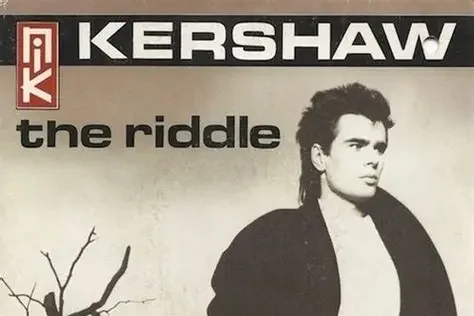
This song by Nik Kershaw feels playful and mysterious, inspiring countless theories about hidden meanings. But Kershaw told The Guardian, “It means nothing. I just made up the words.” Strangely, the lack of meaning created space for listeners to imagine darker interpretations, especially because the imagery feels slightly surreal. Sometimes the unknown invites us to fill in blanks with whatever we fear or wonder about. And maybe that’s the thread tying all these songs together: we hear innocence, discover something unexpected, and find ourselves listening more closely than before.
This story The Innocent-Sounding Songs with Origins Straight Out of a Horror Script was first published on Daily FETCH


