
A Better Grip For Opening
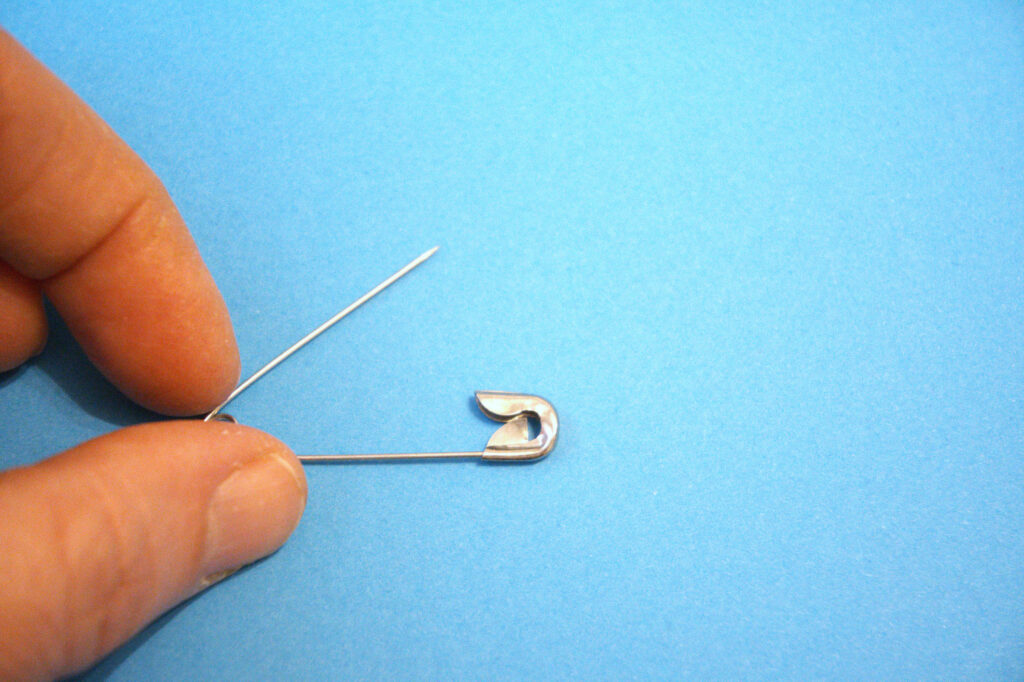
You probably never think about a safety pin until you actually need one. It usually appears during small emergencies, a loose strap, a torn seam, or something that simply refuses to stay in place. And while you are trying to open it quickly, that tiny hole at the end quietly does its work. It gives your finger a small place to rest, especially when the pin feels stiff or your hands are slightly sweaty. Without realizing it, you use that opening to gain control. The design feels simple, but it makes a difference when you need steady handling.
Over time, this tiny detail becomes surprisingly helpful. People who sew often press their fingernail into the hole to open stubborn pins more easily. Others use another pin or small object for leverage. It reduces slips and helps avoid small pricks that happen when the pin suddenly releases. The hole does not look important, yet it supports smoother handling every time. Once you notice it, you begin to appreciate how small design choices quietly improve everyday tools. It feels thoughtful in a quiet way, making the safety pin easier to use without drawing attention to itself.
A Mini Thread Holder
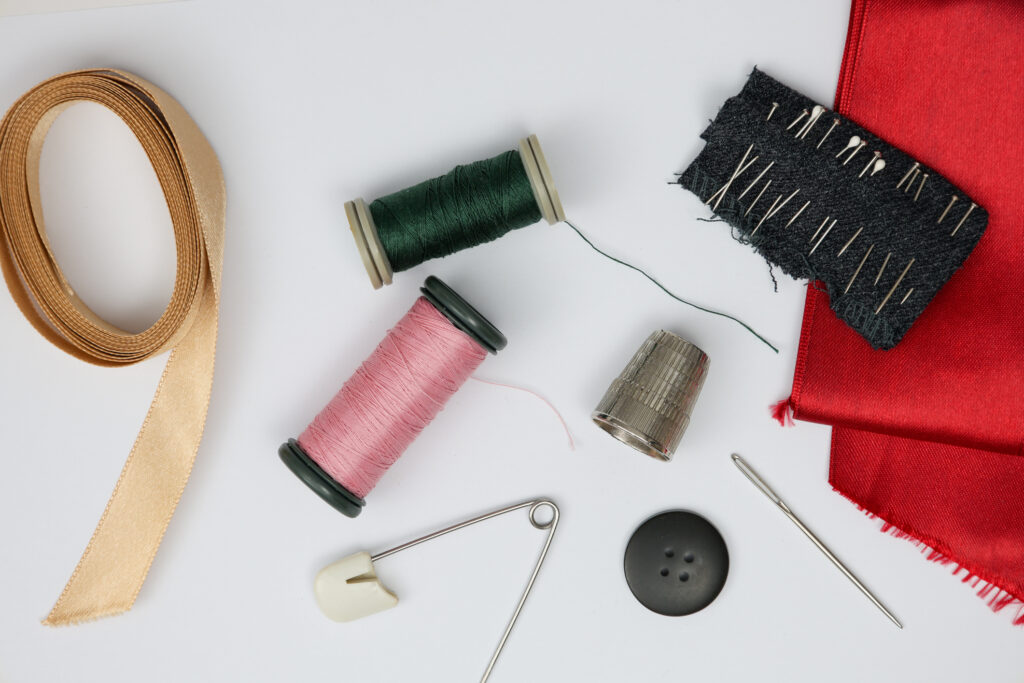
There are moments when you need to fix something quickly but cannot find a needle anywhere. Maybe a button comes loose before heading out, or a small tear appears at the worst time. That is when the tiny hole at the end of a safety pin quietly becomes useful. By slipping thread through the opening, the safety pin turns into a simple sewing tool. It is not perfect, but it helps in those small, unexpected moments. The hole holds the thread steady while you guide the pin through fabric.
This small trick feels practical and surprisingly reliable. Parents, travelers, and students often depend on it during quick fixes. The safety pin becomes more than just a fastener. It becomes a temporary needle that helps you manage small repairs without much effort. The tiny hole keeps the thread from slipping while you work, making the process easier than expected. Once you try it, you start seeing the safety pin differently. It feels less like a backup tool and more like a quiet helper that steps in when nothing else is around.
Easy Hanging And Storage
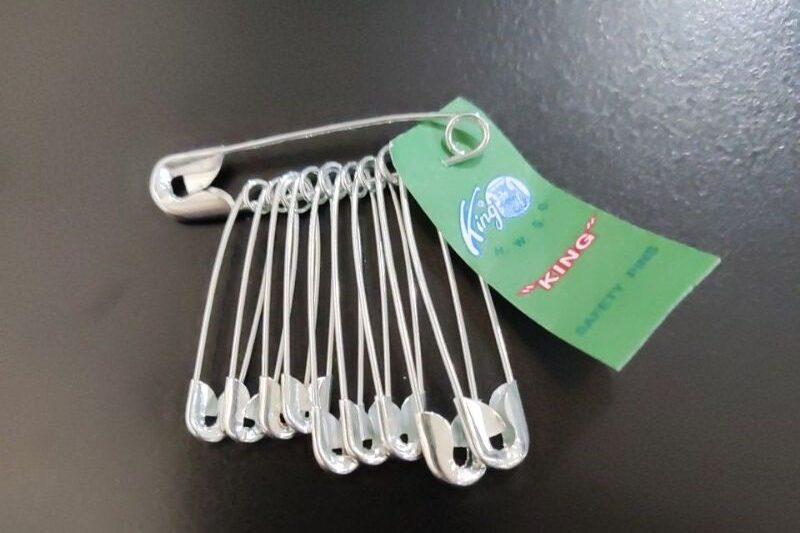
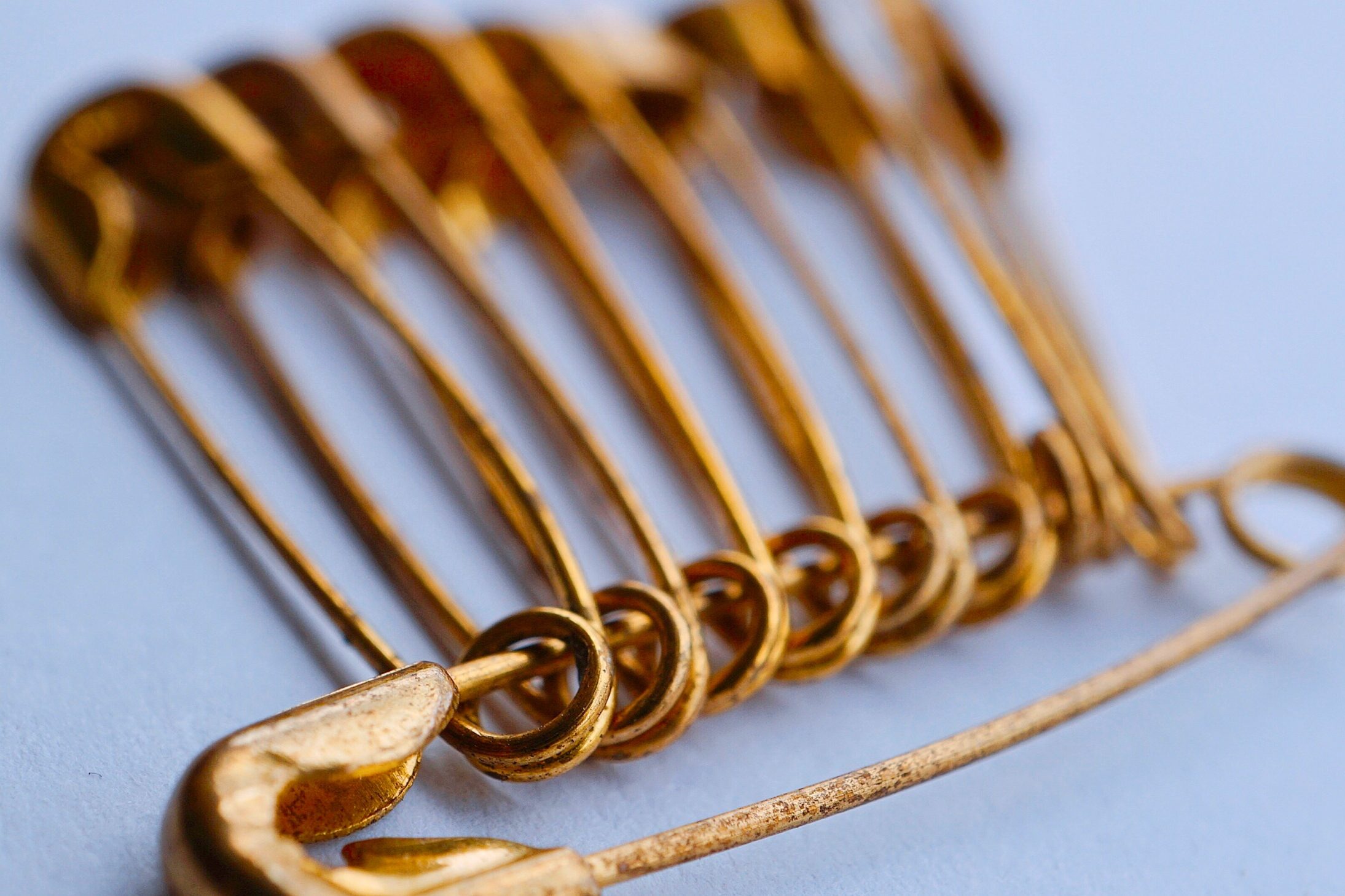
Safety pins are small, which makes them useful but also easy to lose. They scatter inside sewing kits, slip into fabric folds, and somehow disappear when you need them most. That tiny hole at the end offers a simple solution. You can thread several safety pins onto a string, ring, or small hook using the opening. Suddenly, they stay together and are easier to find. It is a small change, but it saves time and reduces frustration when working on projects.
Many people who sew regularly keep safety pins grouped this way. It makes them easier to grab without searching through clutter. The hole allows the pins to hang neatly, turning loose items into something organized. Over time, this habit becomes surprisingly helpful. You reach for one pin and find everything already in place. The tiny hole quietly supports order in a space that often becomes messy. It does not change how the pin works, but it improves how you store and use it. That small detail brings convenience without asking for attention.
Perfect For Pulling Elastic
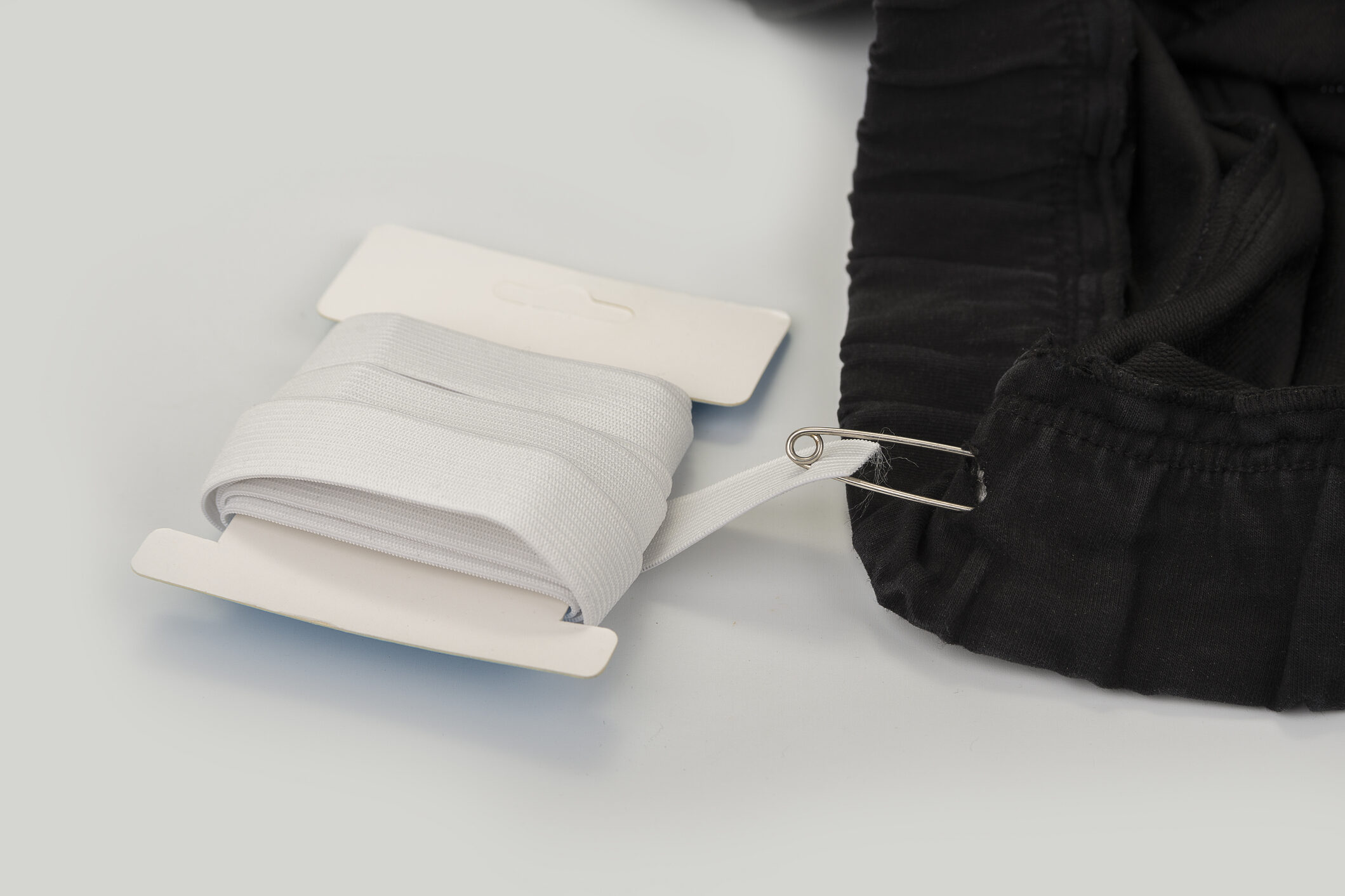
Anyone who has replaced elastic in clothing knows how slow the process can feel. You attach a safety pin, then carefully guide it through the fabric channel, hoping the elastic does not twist or slip. The tiny hole at the end helps make this task smoother. By threading the elastic through the hole before closing the pin, everything stays more secure. The elastic moves steadily as you pull, reducing the chance of slipping inside the fabric.
This small adjustment makes a noticeable difference. The safety pin becomes a guiding tool instead of just a fastener. The hole helps keep the elastic aligned while you move through tight spaces. Even beginners notice how much easier the process becomes. The fabric gathers less, and the elastic stays in place. Over time, this simple trick becomes part of routine clothing repairs. The tiny hole quietly supports smoother adjustments and quick fixes. It turns a slow task into something more manageable, making small clothing repairs feel less frustrating and more approachable.
A Quick Labeling Solution

Sometimes you just need to mark something quickly without making it permanent. The tiny hole at the end of a safety pin offers a simple way to do that. You can slip a small tag, string, or piece of thread through the opening and create a temporary label. This becomes useful when sorting clothes, organizing sewing pieces, or marking items for travel. The safety pin holds everything securely while still being easy to remove later.
This small feature becomes especially helpful during busy moments. Parents may label school items, while crafters sort materials for different projects. The hole keeps the tag separate from the main clasp, so nothing interferes with how the pin works. It feels simple, yet it solves everyday problems quietly. You can remove the label without leaving marks or damage. Over time, this tiny detail becomes surprisingly useful. The safety pin helps you stay organized without needing extra tools. That small hole quietly supports flexibility and convenience whenever you need quick solutions.
Extra Structural Balance

At first glance, a hole in metal might seem unnecessary. Yet in many designs, small openings help improve flexibility and balance. The tiny hole at the end of a safety pin supports this idea in a subtle way. It allows the metal to flex slightly when pressure is applied. Instead of bending harshly in one spot, the pin adjusts more evenly. This helps reduce strain during repeated use.
Over time, this flexibility supports durability. Safety pins are opened and closed many times, and small stress points can weaken the metal. The tiny hole helps distribute that pressure more gently. You rarely notice this while using the pin, but the design quietly supports long term reliability. The safety pin remains dependable through everyday tasks and small repairs. The hole becomes part of the structure rather than a weakness. It reflects thoughtful design shaped by practical use. This small detail helps the safety pin last longer while maintaining its simple, familiar shape.
Small Things That Make Everyday Tools Better
Once you start noticing the tiny hole in a safety pin, it changes how you see the object. What looked decorative turns out to serve several quiet purposes. It helps with grip, threading, storage, labeling, and flexibility. These small benefits add up over time, making the safety pin more useful than it first appears. The design feels thoughtful in a quiet, practical way.
You still use the safety pin the same way, yet the tiny hole adds convenience each time. It is one of those details that quietly improves daily life without asking for attention. Gradually, you begin to notice similar features in other everyday tools. Small details often carry careful thinking shaped by real needs. The safety pin reflects how simple objects evolve through small improvements. That tiny hole becomes a reminder that thoughtful design often hides in plain sight, quietly supporting everyday moments without drawing attention to itself.
A Handy Tool For Guiding Ribbon And Cord
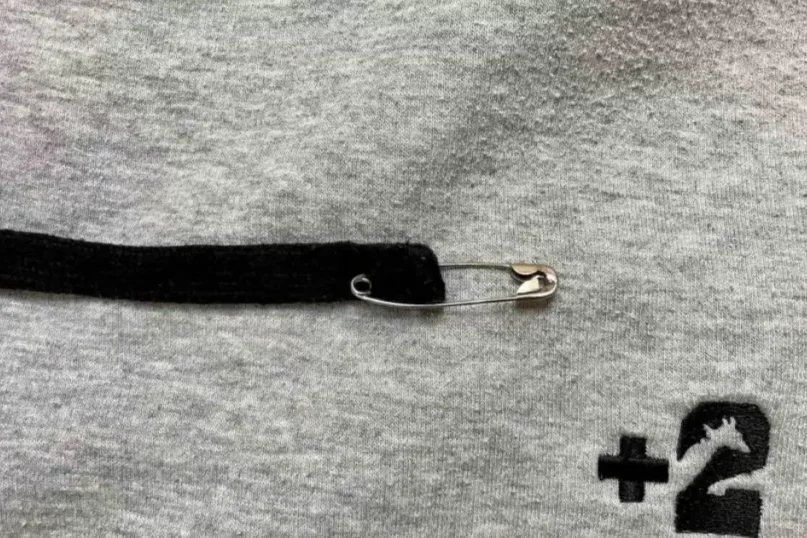
Sometimes you reach for a safety pin while working with ribbon, drawstrings, or cords, especially when they slip inside fabric. The tiny hole at the end quietly helps in these moments. By threading ribbon or cord through the hole before closing the pin, it becomes easier to guide the material through narrow channels. This small trick keeps everything steady as you pull through waistbands, hoodies, or small fabric openings. It feels like a simple adjustment, yet it makes the task smoother and less frustrating.
Over time, this tiny detail becomes surprisingly reliable. The ribbon stays in place, and you avoid the common problem of losing one end inside the fabric. The safety pin moves more smoothly, acting like a guide instead of just a clip. Even small household fixes become easier with this approach. Once you notice how helpful it is, you begin using it more often. The tiny hole quietly supports small adjustments and repairs, making everyday fixes feel more manageable without needing special tools or extra effort.
A Temporary Jewelry Fix
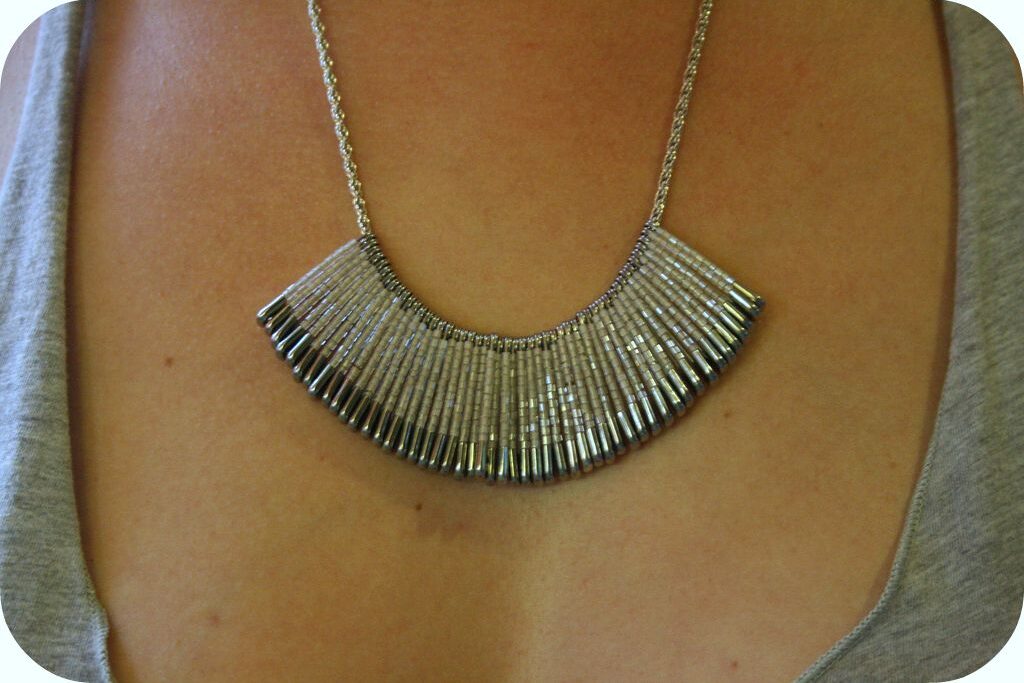
There are moments when jewelry breaks at the worst time. A necklace clasp snaps, a bracelet comes loose, or an earring hook bends unexpectedly. In those situations, a safety pin often becomes a quick solution. The tiny hole at the end makes this even easier. You can thread a chain or small loop through the hole to hold pieces together temporarily. It is not permanent, but it helps you get through the day comfortably.
This small trick becomes useful during travel, events, or busy mornings. The safety pin holds jewelry pieces securely while staying discreet. The hole provides a stable place for delicate chains, preventing slipping. Over time, this quiet feature turns the safety pin into a small emergency helper. You may not rely on it often, but when you do, it feels practical and reassuring. The tiny hole adds flexibility to a simple tool, helping you handle small inconveniences without much stress or interruption.
A Simple Tool For Craft Projects
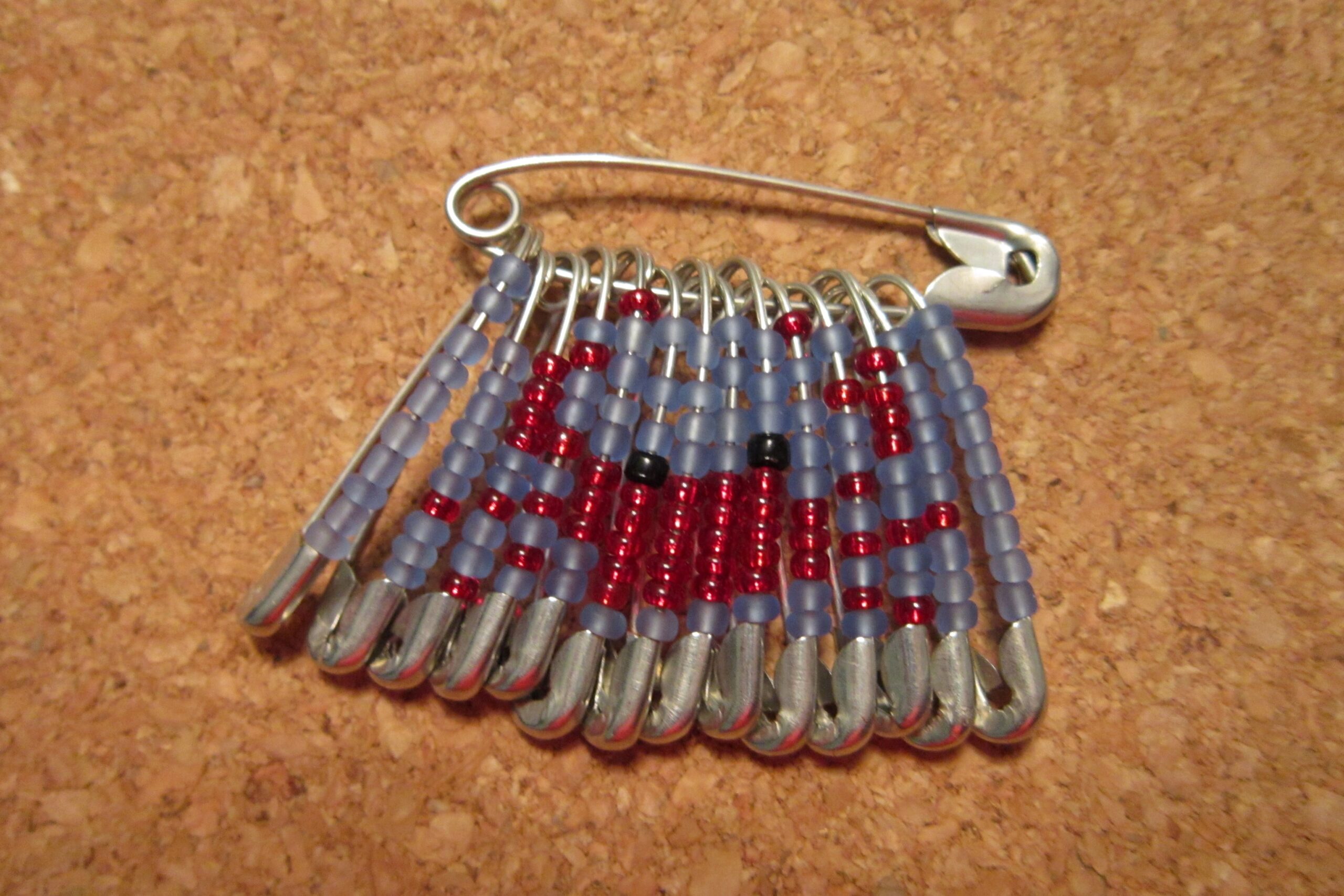
Sometimes when working on a small craft, you reach for whatever is nearby to hold things in place. A safety pin often becomes that quiet helper, and the tiny hole at the end makes it even more useful. When threading beads, ribbon, or soft fabric pieces, the hole gives you an extra point to guide or secure materials. It helps you keep items steady while adjusting spacing or testing how something will look. These small moments often happen naturally during creative work.
As you continue, the safety pin becomes more than just something that fastens fabric. The tiny hole allows temporary arrangements before you decide on a final design. It gives flexibility while working with delicate materials that should not be pinned directly. Over time, this simple trick becomes part of your creative rhythm. You begin to rely on the safety pin during small adjustments without thinking twice. The tiny hole quietly supports creativity, offering control without complicating the process. It turns an ordinary item into something useful during calm, thoughtful crafting moments.


