
A Retro Glimpse Into The Sanctuary Of Seventies Fandom
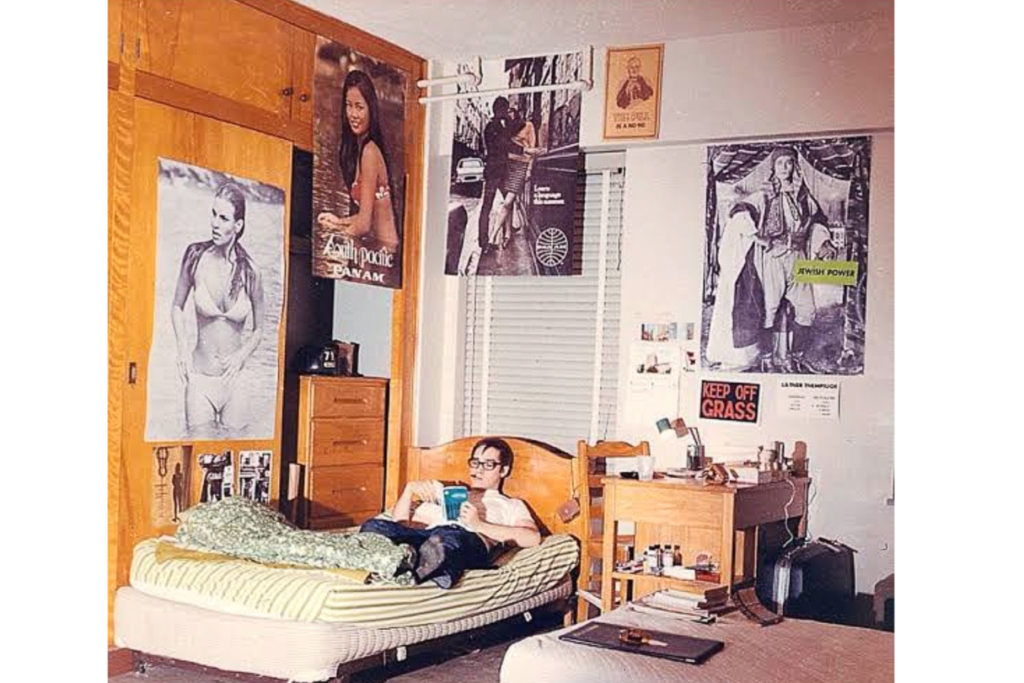
The teenage bedroom has always served as a private sanctuary where the outside world is shut away and personal identities are forged. For many of us growing up in the seventies, every inch of space was a potential gallery for the faces that defined a generation, from the glossy pinups found in the centre of Tiger Beat or 16 Magazine to the pull-out posters in Right On!. These posters were everything we treasured. This shared cultural ritual of plastering walls with heartthrobs matters because it highlights a pre-digital era of tangible fandom that is rapidly disappearing.
Today, the rise of the “Zoella-effect” has transformed teen spaces into minimalist and Pinterest-ready showrooms where smartphone screens have replaced paper pinups. While modern bedrooms might be more aesthetically “Instagrammable,” they often lack the chaotic, heartfelt charm of a room covered in Blue Tack and glossy paper. Looking back, we realize that we are not just reminiscing about old crushes but celebrating a unique period of youth where our icons were literally within arm’s reach every single night.
David Cassidy Shaggy Hair Icon
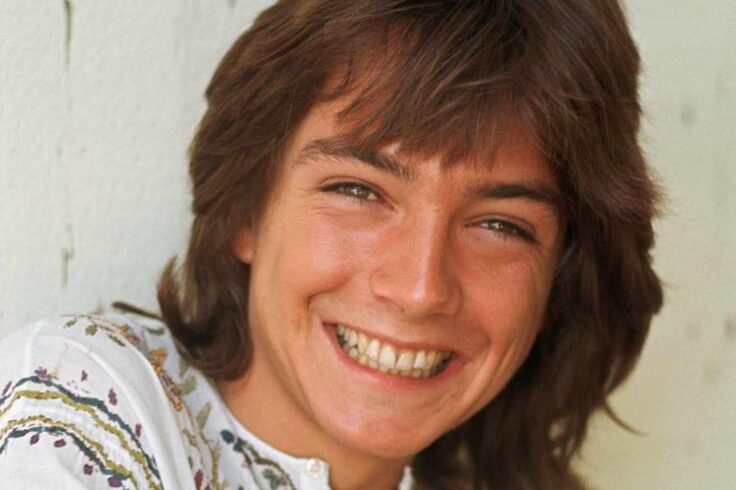
David Cassidy was undoubtedly the quintessential seventies idol who captured the hearts of millions during the height of The Partridge Family dominance. His poster was a permanent fixture on bedroom walls across the world, usually featuring that signature shaggy haircut and those soulful eyes that made every fan feel like he was looking directly at them. Whether he was rocking a velvet vest or a more casual denim look, David’s image represented the very peak of the teen idol phenomenon. Fans would spend hours carefully removing his pinups from magazines, ensuring there were no tears in the corners before finding the perfect spot on their wall to display their absolute devotion.
Despite the passage of time, David maintained his status as a legendary figure in pop culture through his incredible musical legacy and his undeniable charisma on screen. He navigated the intense pressures of fame with a talent that only added to his enduring appeal as a heartthrob who defined the early part of the decade. Seeing his face today instantly transports an entire generation back to 1972, reminding them of a time when the biggest worry in life was whether or not they could get tickets to his next sold-out concert.
Farrah Fawcett Iconic Red Swimsuit

Few images in history have achieved the level of global obsession that Farrah Fawcett experienced following the release of her legendary red swimsuit poster in 1976. This single image sold over twelve million copies, making it the best-selling poster of all time and a mandatory addition to bedroom walls everywhere. Farrah’s blonde feathered hair and radiant smile became the defining beauty standard of the decade, influencing everything from fashion trends to hairstyles. It was almost impossible to find a teenager’s bedroom in the mid-seventies that didn’t feature this specific tribute to the Charlie’s Angels star, often serving as the focal point of the entire room.
Following her meteoric rise as a pinup icon, Farrah made a conscious and successful effort to transition into a serious, critically acclaimed actress. She moved away from the “Angel” image to take on gritty and challenging roles, proving that there was immense talent beneath that famous golden mane. While she is now remembered for her strength and her contribution to television history, her status as the ultimate seventies wall icon remains her most nostalgic legacy for many.
Donny Osmond Puppy Love Appeal
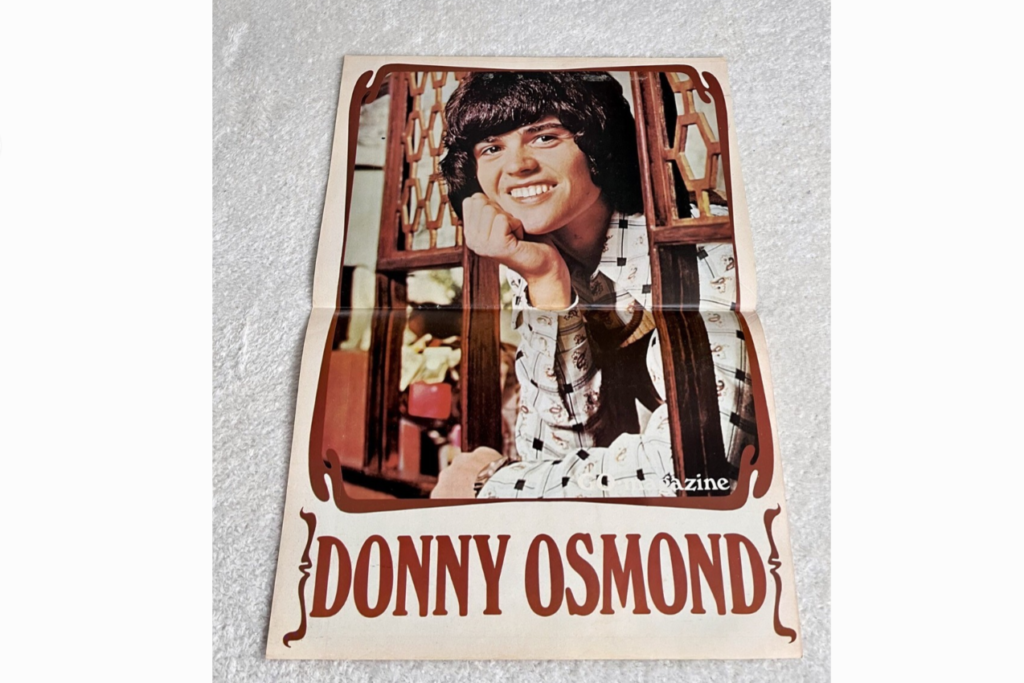
Donny Osmond was the ultimate “boy next door” who brought a clean-cut and wholesome energy to the early seventies music scene. As the breakout star of the Osmond family, his posters were a staple on walls, typically featuring his bright smile and those dark, soulful eyes that inspired his hit song “Puppy Love.” His image represented a softer and more approachable side of stardom, making him a favourite for younger teens who were just beginning to explore the world of fandom. Having a Donny poster was a clear declaration of loyalty to the “Osmondmania” that swept through the charts and the television screens during those vibrant early years.
Donny has enjoyed a remarkably steady career since his days as a teen idol, appearing in numerous stage productions and hosting successful television shows alongside his sister Marie. He has managed to shed the “teen heartthrob” label while still embracing the legacy of the music that made him a household name. Fans who once stared at his poster while listening to their vinyl records now watch him in more mature roles, yet the connection remains deeply rooted in that shared childhood experience. Today , he still represents a polite and cheerful era of pop culture where his face on a bedroom wall provided a constant source of wholesome joy.
Shaun Cassidy Hardy Boys Fame
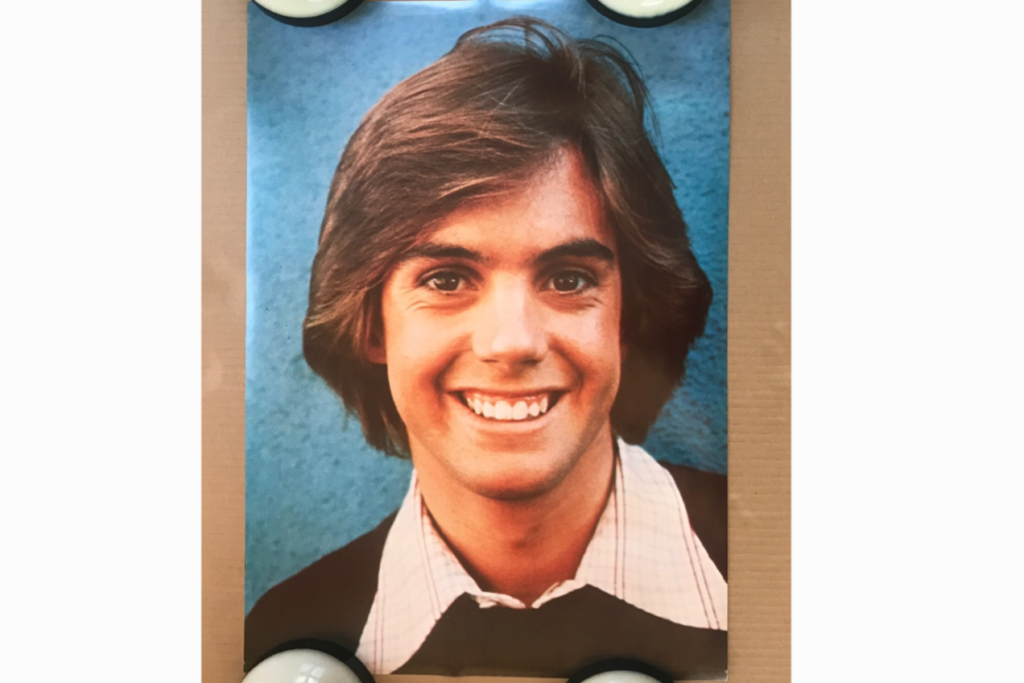
Shaun Cassidy achieved massive stardom in the late seventies, proving that heartthrob status truly ran in the family. As the younger brother of David, he captured a new generation of fans through his role in The Hardy Boys and a string of hit singles like “Da Doo Ron Ron.” His posters often featured his boyish charm and that feathered blonde hair that was so popular during the latter half of the decade. For many fans, choosing between the Cassidy brothers was a significant rite of passage, and Shaun’s posters provided a fresh and exciting alternative that dominated the pages of every major teen magazine available.
Shaun successfully transitioned from a teen idol to a highly respected producer and writer in the television industry, showing a remarkable depth of talent behind the scenes. He managed to evolve his career so completely that it is almost easy to forget the screaming fans of his youth, yet those early posters remain a vital part of his story. For the fans who grew up with him, he represents the excitement of the disco era and the thrill of watching a young star find his own unique voice. The posters may have been replaced by more modern decor over the years, but the initial spark of “Shaun-mania” is something that a whole generation will never truly forget.
John Travolta Saturday Night Fever
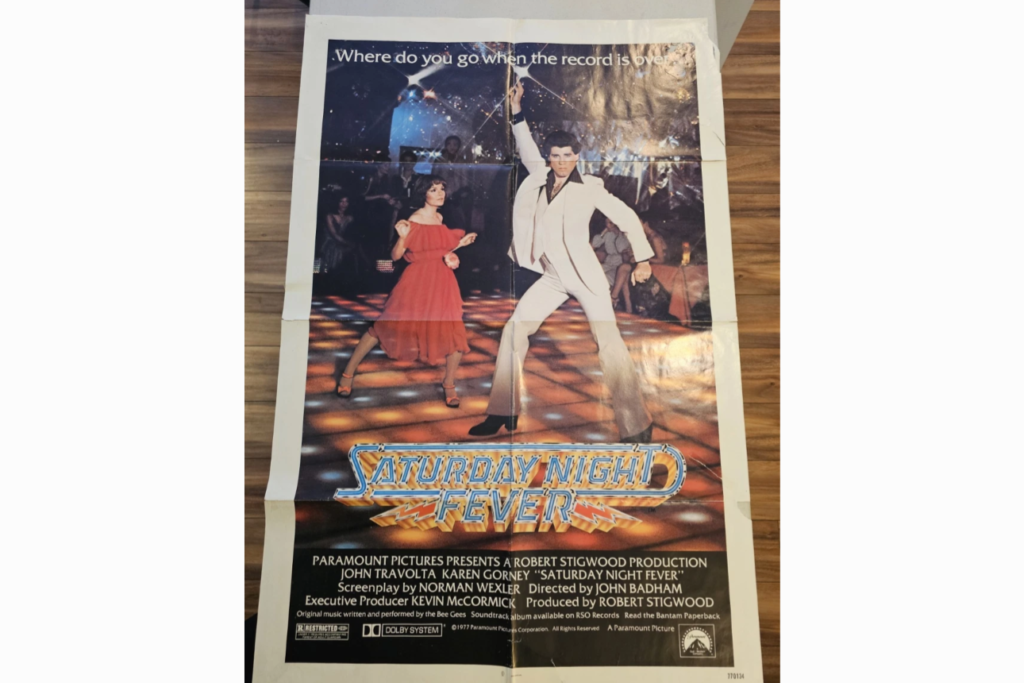
John Travolta became a global sensation following the 1977 release of Saturday Night Fever, turning him into the undisputed king of the disco era. His posters were a permanent fixture on bedroom walls, usually featuring him in that iconic white suit or as the charming Vinnie Barbarino from Welcome Back, Kotter. With his dark hair and those intense, blue eyes, John’s pinups offered a mix of urban cool and romantic charisma that was impossible to ignore. Having a Travolta poster was a way of signalling that you were part of the disco movement, embracing the style and the energy that he brought to the silver screen.
John’s journey through the spotlight has been marked by several incredible career comebacks, proving his status as one of Hollywood’s most resilient and talented stars. He moved from being a dancing heartthrob to a versatile actor in legendary films like Pulp Fiction, showing a range that few of his contemporaries could match. While he is now a seasoned veteran of the industry, his seventies posters remain the definitive image of cool for those who grew up during his reign. Those images were a constant source of inspiration, and a reminder of a decade where a single actor could define the entire look and sound of a generation through sheer star power.
Leif Garrett Pop Phenomenon Charm
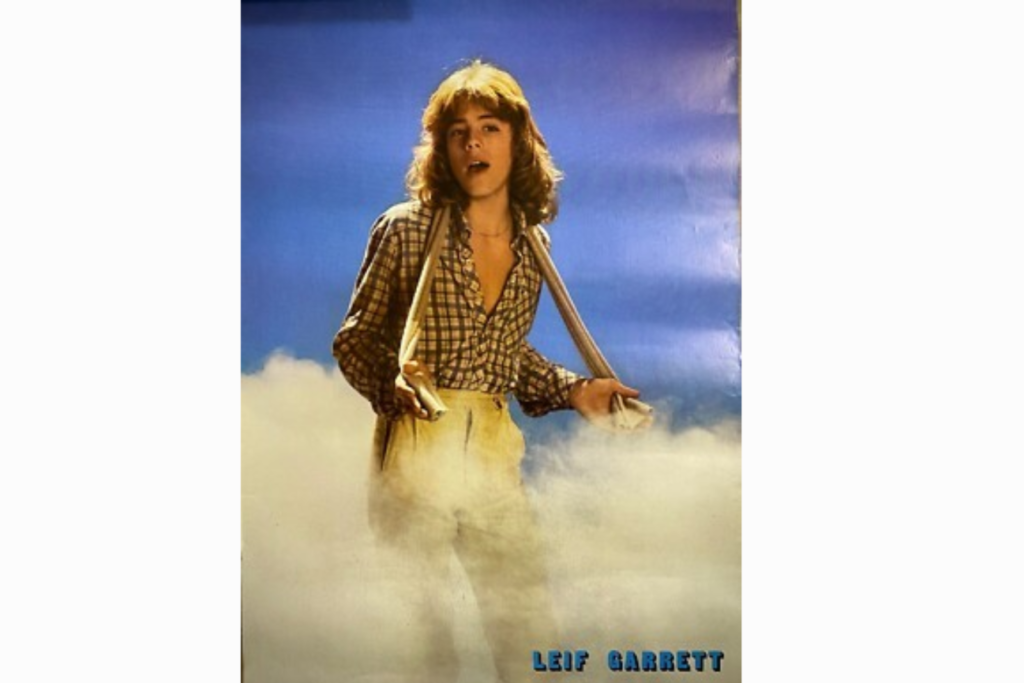
Leif Garrett was a shaggy-haired pop phenomenon who became one of the most photographed faces of the late seventies. Known for his boyish charm and hits like “I Was Made for Dancin’,” his posters were a mandatory requirement for any dedicated teen fan’s collection. He brought a certain West Coast energy to the UK and European markets, and his pinups often featured him in colourful, trendy outfits that epitomised the fashion of the time. For many fans, Leif represented the ultimate teenage dream, and his posters were often the centrepiece of a wall gallery, surrounded by smaller clippings and handwritten notes of admiration.
Leif’s career as a teen idol was intense and all-consuming, making him a constant presence in the pages of Tiger Beat and 16 Magazine. While he eventually faced the challenges that often come with such early and massive fame, his legacy as a seventies heartthrob remains untouched for those who were there. The original posters from his peak years serve as a poignant reminder of his initial innocence and the massive impact he had on the youth culture of the decade. For those who grew up with his pinups on their walls, Leif represents the soundtrack to their summer holidays, and the excitement of a pop star who truly felt like one of their own.
Henry Winkler The Fonz Cool
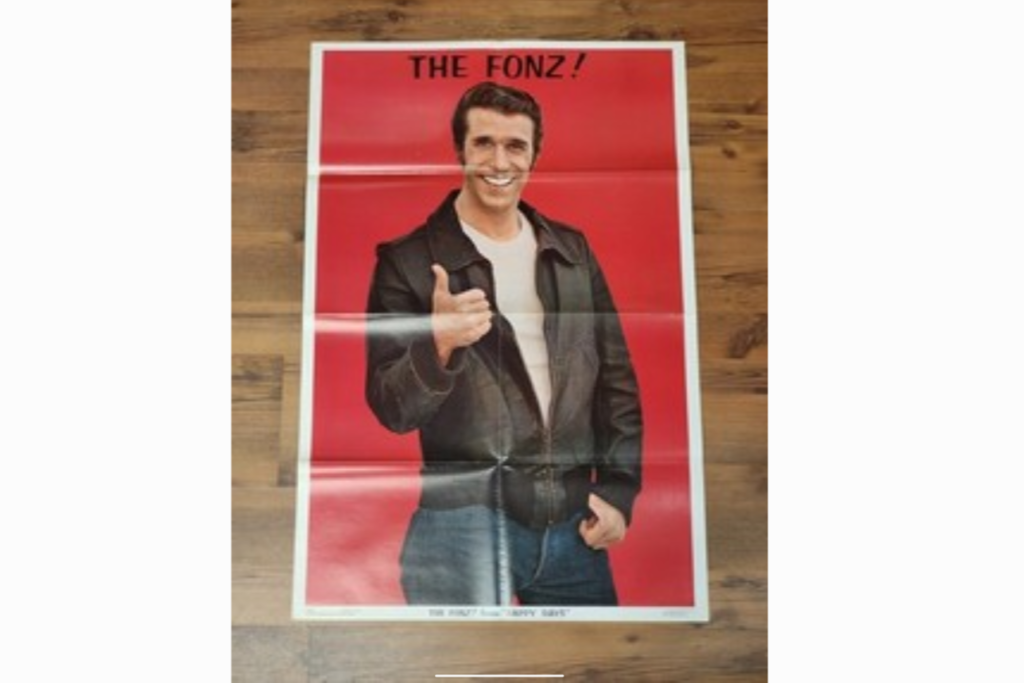
Henry Winkler’s portrayal of Arthur “The Fonz” Fonzarelli on Happy Days made him the ultimate symbol of cool for an entire decade. His posters were a bedroom wall essential, typically featuring his trademark leather jacket and that famous thumbs-up pose that became a cultural shorthand for excellence. Unlike the polished pop stars of the era, “The Fonz” brought a rugged, motorcycle-riding edge to the heartthrob category, appealing to fans who admired his confidence and his unwavering loyalty to his friends. Having a Fonz poster was a way of bringing a bit of the 1950s nostalgia into a modern seventies bedroom.
Henry has enjoyed a long and distinguished career as both an actor and a beloved children’s author, proving that his talent goes far beyond his iconic leather jacket. He has also embraced the legacy of his most famous character with a warmth and humbleness that has only added to his enduring appeal. Fans who once stared at his poster while wishing they could be as cool as Fonzie now appreciate his more mature and often comedic roles, yet the connection to the Cunninghams’ garage remains strong. Then, he represented a specific kind of television magic where a character could transcend the screen to become a genuine hero for a generation of teenagers.
Andy Gibb Velvety Voice Heartthrob
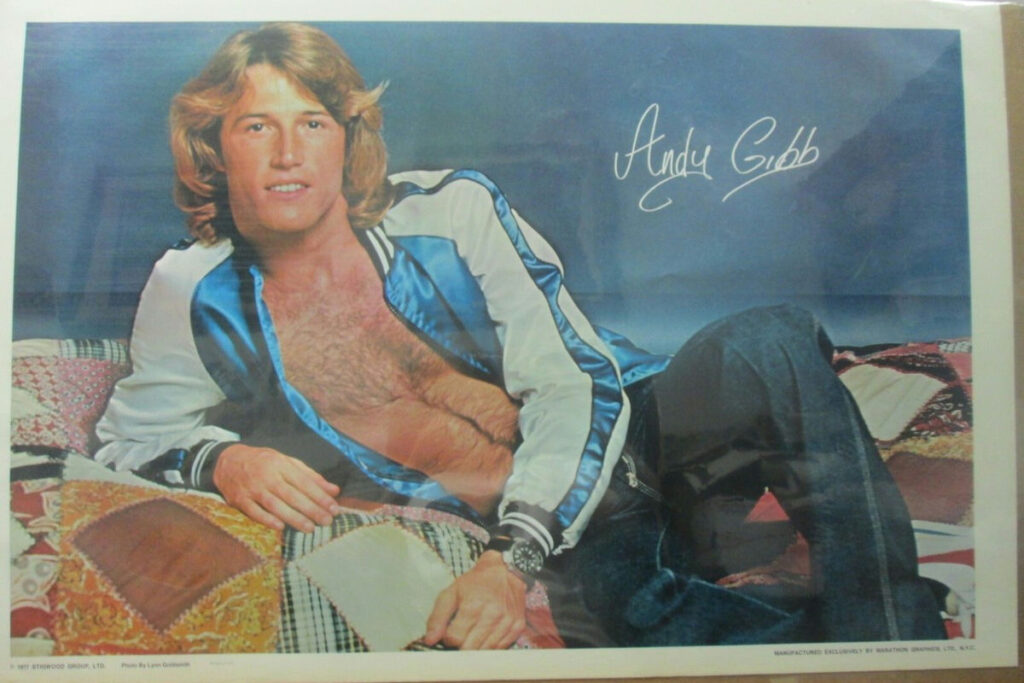
Andy Gibb was the youngest brother of the legendary Bee Gees, and he captivated fans with his velvety voice and undeniable good looks. His posters were a staple on walls during the late seventies, often capturing his gentle smile and the signature long hair of the era. With solo hits like “I Just Want to Be Your Everything,” Andy brought a romantic and melodic energy to the charts that translated perfectly into glossy magazine pinups. His image was often associated with the soft-rock and disco sounds that defined the end of the decade, making him a favourite for those who preferred a more sensitive and soulful type of leading man.
Tragically, Andy’s life was cut short far too soon, but his musical legacy and his status as a seventies icon remain firmly intact. His posters now serve as a bittersweet reminder of a bright young talent who brought so much joy to his fans during his time in the spotlight. For the fans who grew up with his pinups on their walls, Andy represents a time of pure potential, and the beginning of a musical journey that was deeply intertwined with the sounds of his famous brothers. Revisiting his story creates a specific kind of romantic devotion that taught a generation of teenagers about the sincerity of a truly heartfelt pop song.
Mark Hamill Galactic Hero Status
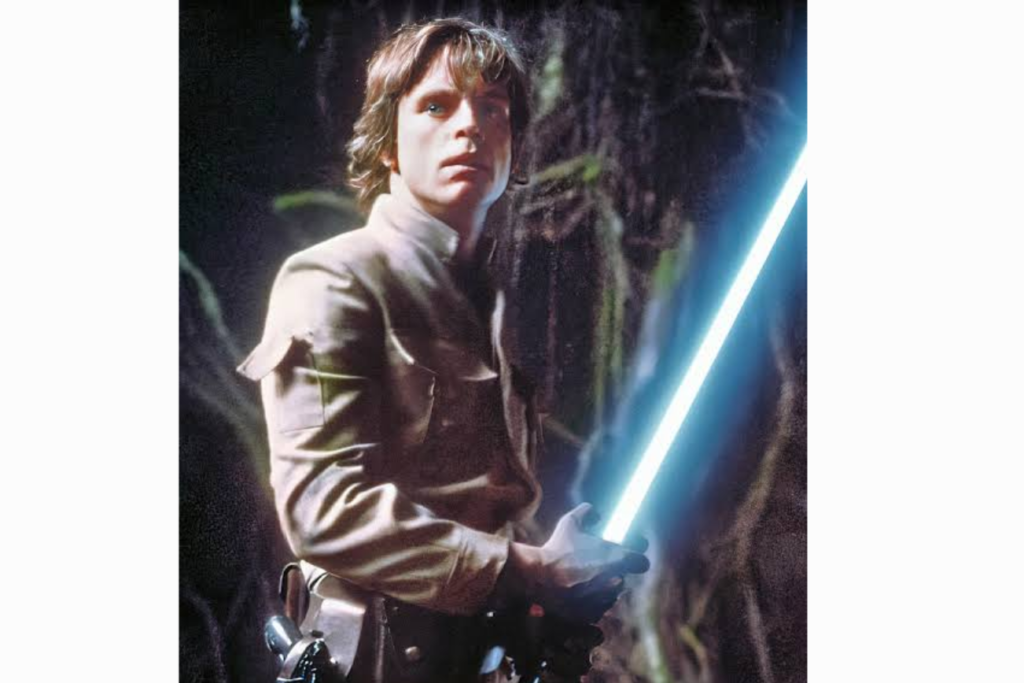
Mark Hamill achieved a unique kind of heartthrob status following the 1977 release of Star Wars, as fans everywhere fell in love with Luke Skywalker. His posters often featured him in his Jedi-in-training attire, holding a lightsaber and looking out towards the twin suns of Tatooine. Unlike the typical pop icons of the time, Mark represented a sense of adventure and a heroic journey that resonated deeply with a generation of teenagers. Having a Mark Hamill poster was about more than just a crush; it was about being part of a cultural phenomenon that changed the way we thought about cinema and the power of a galactic fairy tale.
Mark has since become a legendary figure in both the Star Wars universe and the world of voice acting, particularly for his iconic portrayal of the Joker. He has embraced his legacy with a genuine wit and a deep respect for his fans, making him one of the most beloved stars in pop culture history. While he has moved on to many other roles, his early posters as the young farm boy with big dreams remain his most nostalgic legacy for many. Decades later, they still create a shared memory of a time when a single film could unite the world.
The Jackson 5 Universal Features
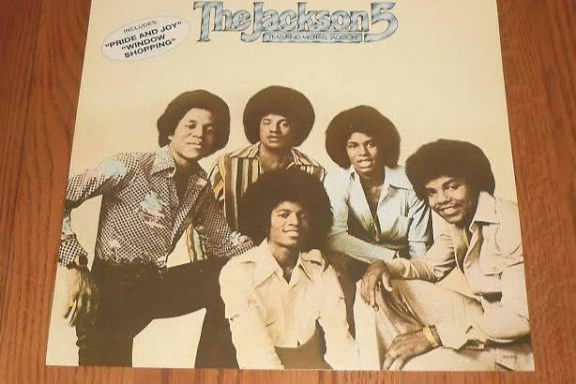
Posters of The Jackson 5 were a universal feature of early seventies bedrooms, representing the incredible energy and talent of the world’s most famous musical family. A group poster was a mandatory requirement for any fan, often featuring the five brothers in coordinated, colourful outfits and impressive afros. A young Michael Jackson was frequently the focal point, with his incredible voice and charismatic stage presence making him a natural heartthrob from a very early age. These posters were a celebration of family, harmony, and the joy of a perfect Motown melody, providing a vibrant and energetic backdrop for countless teenage childhoods.
The legacy of The Jackson 5 continues to influence the world of music and dance today, with their early hits remaining essential classics. While the brothers all went on to pursue various individual paths, their time together as a group remains their most impactful contribution to the seventies pop landscape. The posters of the five of them together felt the true power of a global pop sensation, making the images a foundational part of their personal history.
Bobby Sherman Charming Smile Era
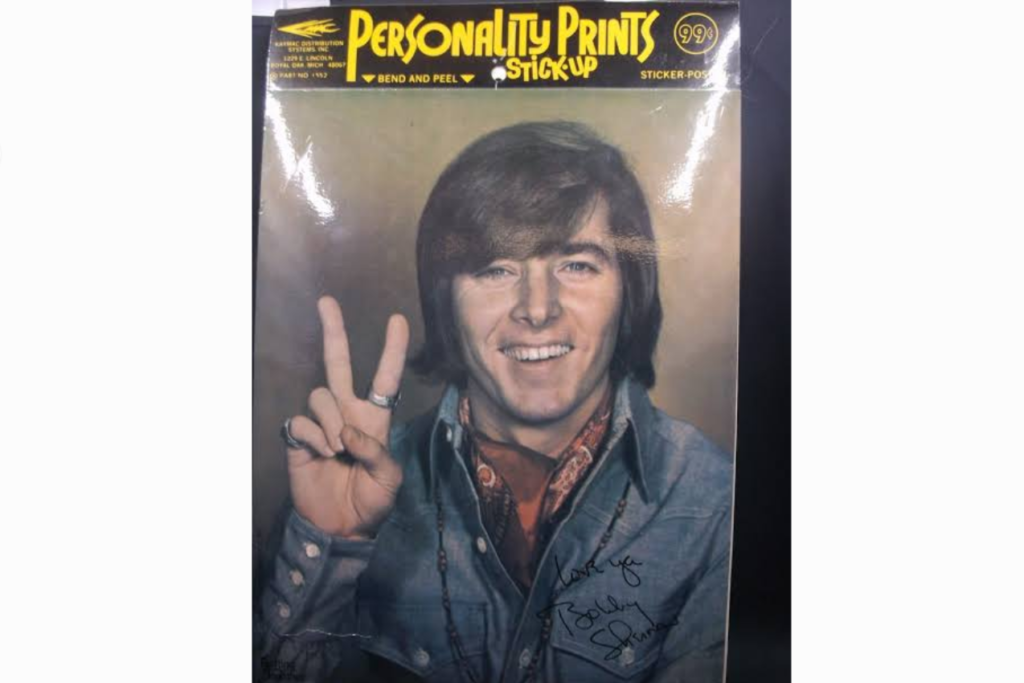
Bobby Sherman was a massive star of the early 1970s who essentially set the blueprint for the modern multi-talented teen idol. His posters were a dominant force in the very first years of the decade, featuring his trademark boyish grin and the approachable, friendly energy that made him a household name. Whether he was appearing as Jeremy Bolt in Here Come the Brides or topping the music charts with hits like “Julie, Do Ya Love Me,” Bobby’s pinups were prized possessions for younger fans, and his images were often the very first things a young teenager would pin to their bedroom wall as they began their journey into fandom.
What makes Bobby’s legacy particularly remarkable is how he chose to transition away from the spotlight to serve his community as a technical medical illustrator and a reserve deputy sheriff. This selfless career shift only served to deepen the respect his original fans held for him, proving that his kind-hearted screen persona was entirely genuine. While he eventually moved away from the world of glossy magazines and screaming concerts, those early posters remain a cherished symbol of a time. They capture the essence of a performer who was not just a face on a wall, but a trusted friend to millions of teenagers during a formative time in their lives.
Scott Baio Chachi Arcola Status
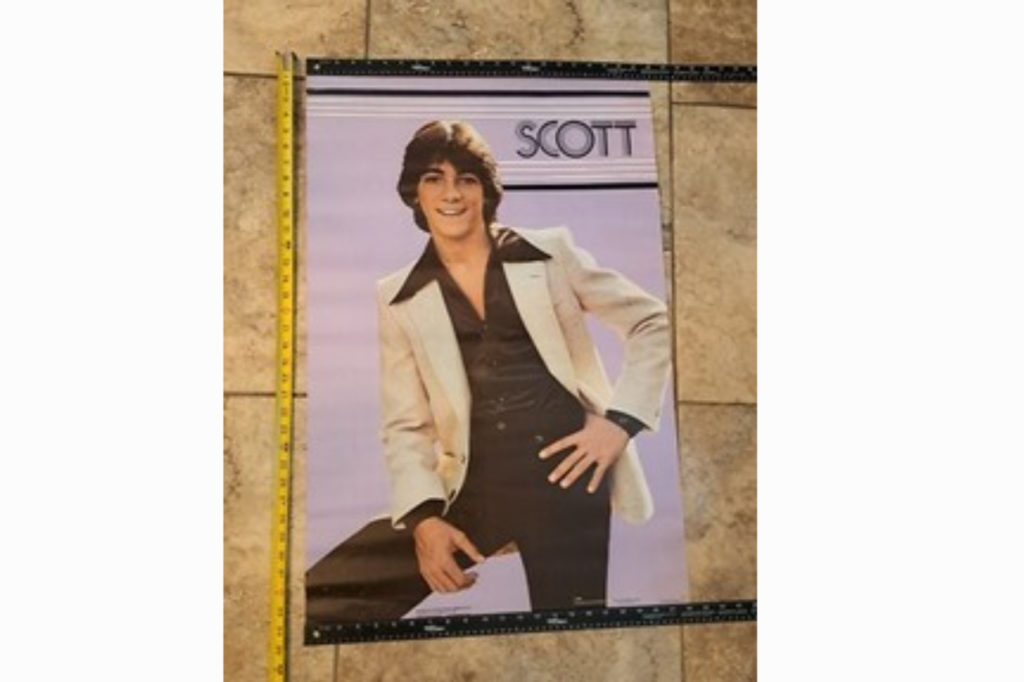
Scott Baio gained legendary heartthrob status playing the mischievous yet lovable Chachi Arcola on Happy Days, later starring in the spin-off Joanie Loves Chachi. His posters were ubiquitous in the late seventies, usually showcasing his feathered dark hair and the casual, cool style that defined the teen fashion of the era. As the younger, “rebel” counterpart to the more established stars of the show, Scott appealed to fans who were looking for a heartthrob they could grow up with. His pinups were often placed alongside those of his co-stars, but for many, Chachi was the clear standout who brought a fresh and relatable energy to the long-running sitcom.
Scott continued to be a mainstay of television throughout the eighties, most notably in the hit series Charles in Charge, which cemented his place in the hearts of a whole new generation. He managed to maintain a level of visibility and fame that few child stars achieve, navigating the transition into adult roles with a steady stream of work. While he has remained a public figure with strong opinions in his later years, those original posters of him as a young lad from Milwaukee remain his most iconic visual contribution on bedroom walls across the country.
Parker Stevenson All American Look
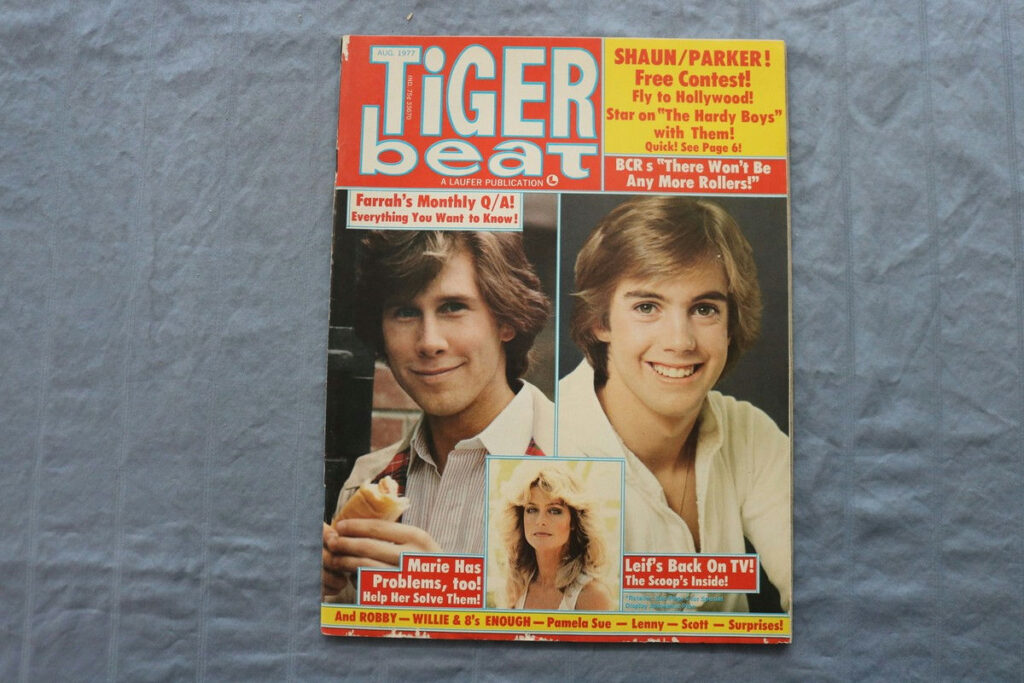
Parker Stevenson starred alongside Shaun Cassidy in The Hardy Boys, appealing to fans with a classic and polished all-American look that was the perfect foil to his co-star’s pop-rock energy. His posters often featured his striking blue eyes and a sophisticated, preppy style that made him stand out in the crowded pages of Tiger Beat. While Shaun was the musical sensation, Parker was the dependable and handsome investigator who brought a level of maturity to the duo’s image. For many fans, he was the heartthrob of choice for those who preferred a more traditional leading man, and his pinups provided a refined touch to many a chaotic bedroom wall.
Parker’s career has been marked by a consistent presence in television and film, including a memorable run on the global phenomenon Baywatch in later years. He has managed to maintain his classic good looks and a sense of professional dignity that has allowed him to move gracefully through different eras of the industry. Those seventies posters of him as Frank Hardy remain a nostalgic touchstone for the millions of viewers who spent their Sunday nights solving mysteries with him. He proved that the classic leading man is never truly goes out of style.
The Bay City Rollers Rollermania
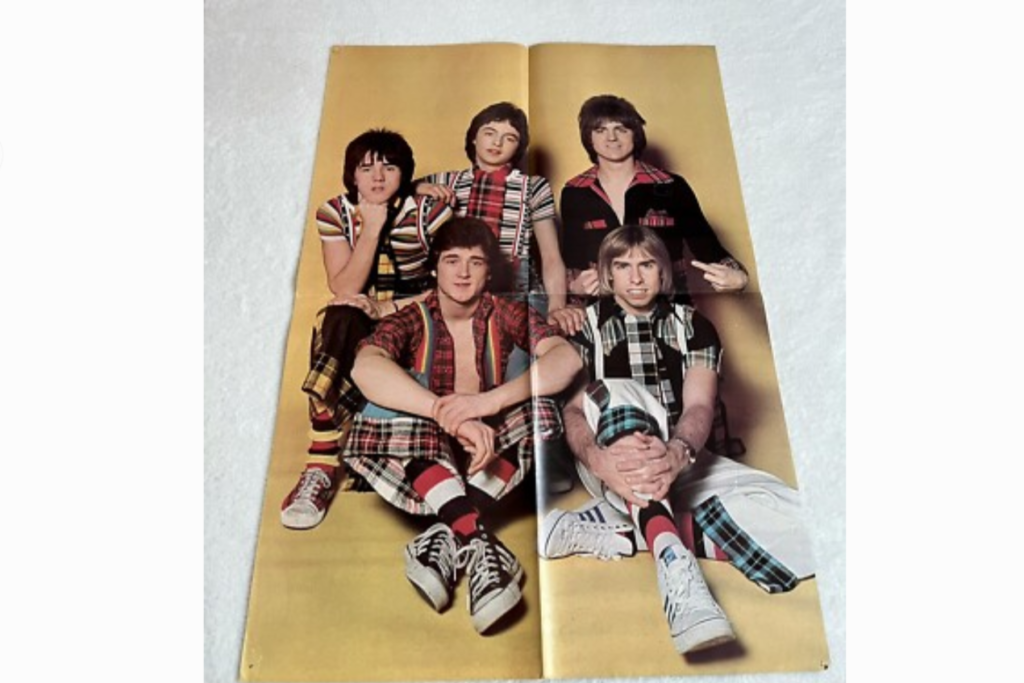
The Bay City Rollers sparked a phenomenon known as “Rollermania” mid-decade, and posters of the entire Scottish group were absolutely everywhere during their peak years. Their image was instantly recognisable thanks to their signature tartan-trimmed outfits, and their pinups were a explosion of colour and patterns on any bedroom wall. Fans were famously dedicated, often wearing their own tartan scarves and trousers to match the boys in the posters. Whether it was Les, Eric, Derek, Woody, or Alan, every member had their own devoted following, but it was their collective image as the “tartan terrors” that truly defined the visual landscape of the mid-seventies.
The impact of the Bay City Rollers on pop culture was intense and brief, but the loyalty of their fanbase has proven to be incredibly enduring over the decades. They represented a specific kind of British pop excitement that felt accessible and fun, encouraging a level of fan participation that was rarely seen before. While the original posters may have faded or been tucked away in lofts, the memories of singing “Bye Bye Baby” while staring at their tartan-clad faces remain vibrant for a whole generation. Those posters were the ultimate badge of honour for anyone who was proud to be a part of the Roller clan.
Harrison Ford Effortless Cool Han
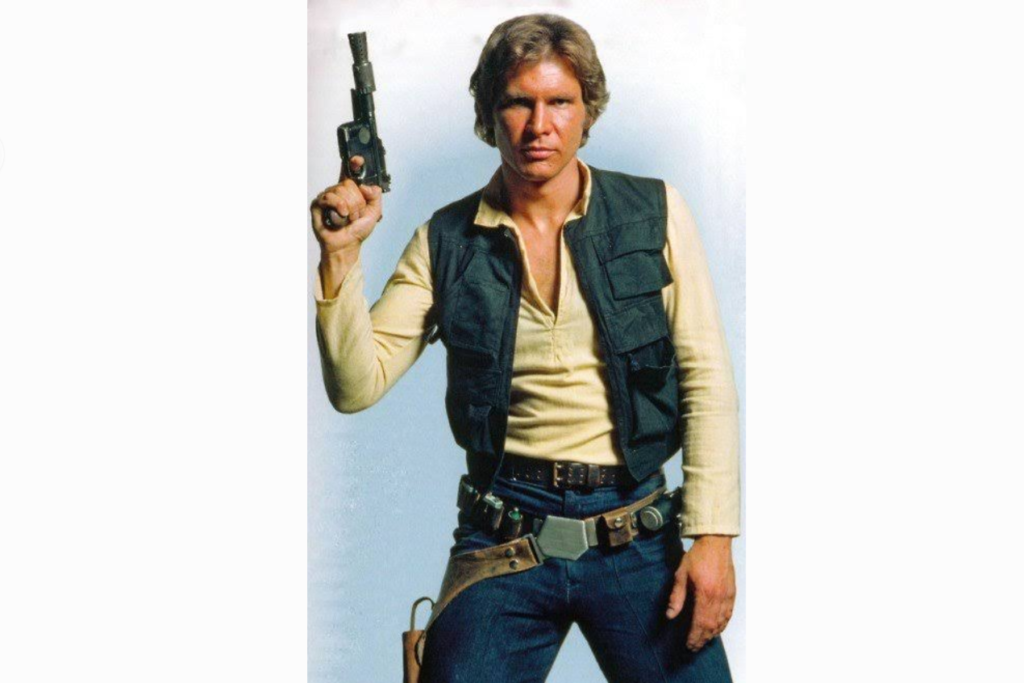
By the end of the seventies, Harrison Ford’s role as the rogueish Han Solo made him a firm favourite for his “effortless cool” and rugged charm. His posters from the original Star Wars films were a departure from the polished pop idols, featuring him in his iconic waistcoat with a blaster at his side. He was the heartthrob for fans who preferred a bit of grit and adventure, representing a more mature and complex type of hero. Having a Han Solo poster was a way of declaring your allegiance to the rebel cause.
Harrison Ford went on to become one of the most successful and legendary actors in cinema history, lead by his equally iconic role as Indiana Jones. He has managed to maintain his status as a premier leading man for over forty years, showing a level of longevity and talent that is truly extraordinary. While he has played dozens of memorable characters since, those early posters of him in the Millennium Falcon remain a defining image of his career and of seventies cinema as a whole. They represent the transition into a new era of blockbuster filmmaking where the leading man was often as much of a scoundrel as he was a hero, making him an irresistible addition to any wall.
Christopher Reeve Superman Debut King
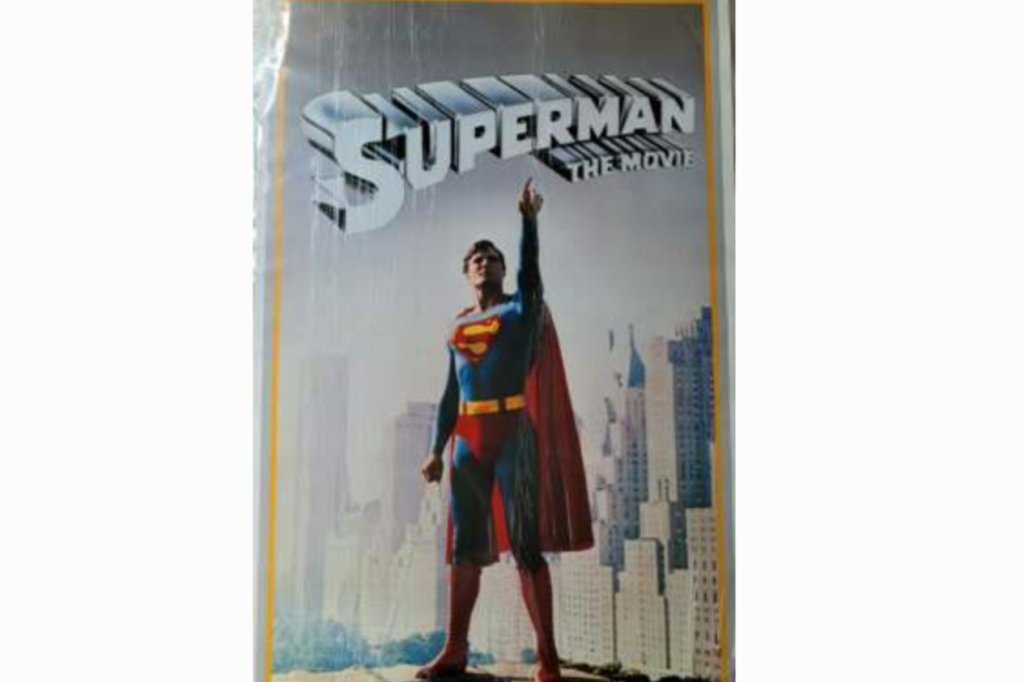
Christopher Reeve became an instant king of heartthrobs after his 1978 debut as Superman, bringing the legendary comic book hero to life with a perfect blend of strength and sincerity. His posters were a massive hit, often showing him in full flight or as the bumbling but lovable Clark Kent, capturing the dual nature of his incredible performance. With his piercing blue eyes and statuesque physique, he was the literal embodiment of a superhero. Having a Christopher Reeve poster was a way of believing that a man could fly and that goodness would always prevail.
Christopher Reeve’s legacy is defined not only by his brilliant acting, but also, by his immense courage and advocacy following the accident that left him paralysed. He became a real-life hero to millions, using his platform to fund research and provide hope for those with spinal cord injuries. This depth of character only served to make those original Superman posters even more meaningful to the fans who grew up admiring him. They also represent the beginning of a story about a man who would prove to be even more heroic off the screen than he ever was on it.
Barry Williams Greg Brady Choice
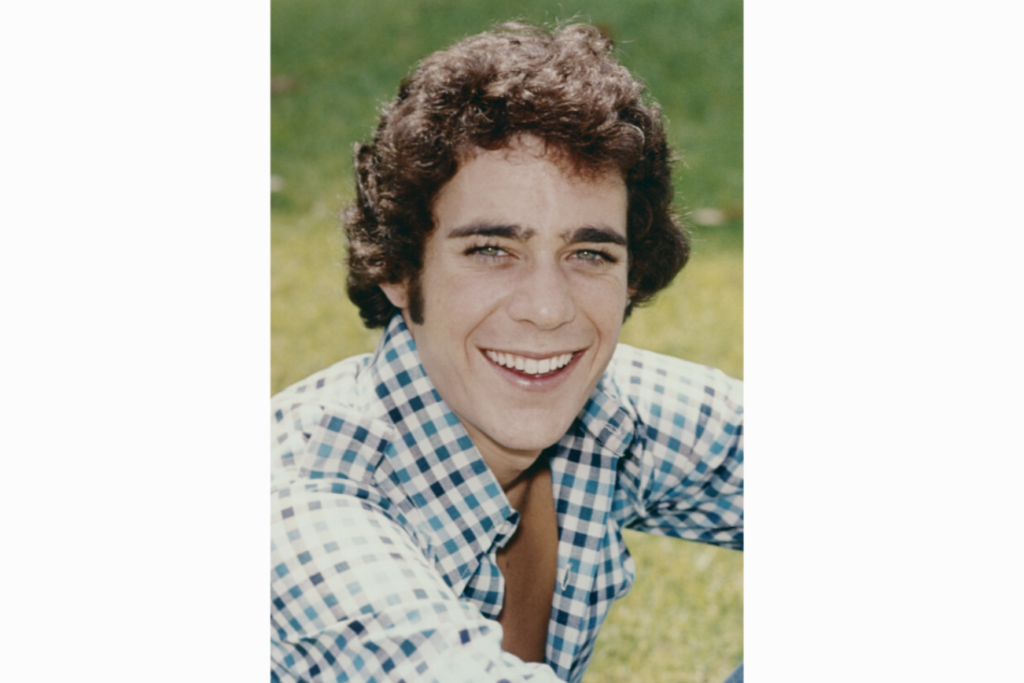
Barry Williams became a household name and a top choice for younger teen fans through his role as Greg Brady, the oldest brother on The Brady Bunch. His posters were a staple of the early seventies, capturing his transition from a young boy into a trendy teenager with the quintessential “groovy” style of the era. Whether he was playing football or pursuing his dreams as a pop star under the name “Johnny Bravo,” Greg was the relatable big brother that everyone either wanted to be or wanted to date. His pinups represented the wholesome family values that the show projected into homes every week.
Barry has remained a dedicated ambassador for the show’s legacy, often appearing in reunions and writing a best-selling book about his time on the iconic set. He has embraced his status as a “Brady” with a sense of humour and affection that has endeared him to multiple generations of viewers. While he has pursued many other interests in theatre and music, his image as Greg Brady remains his most enduring contribution to pop culture. Those posters are a visual shorthand for a sunnier, simpler version of the seventies, providing a nostalgic sanctuary for those who grew up in the Brady era.
Robby Benson Soulful Eye Sensitive
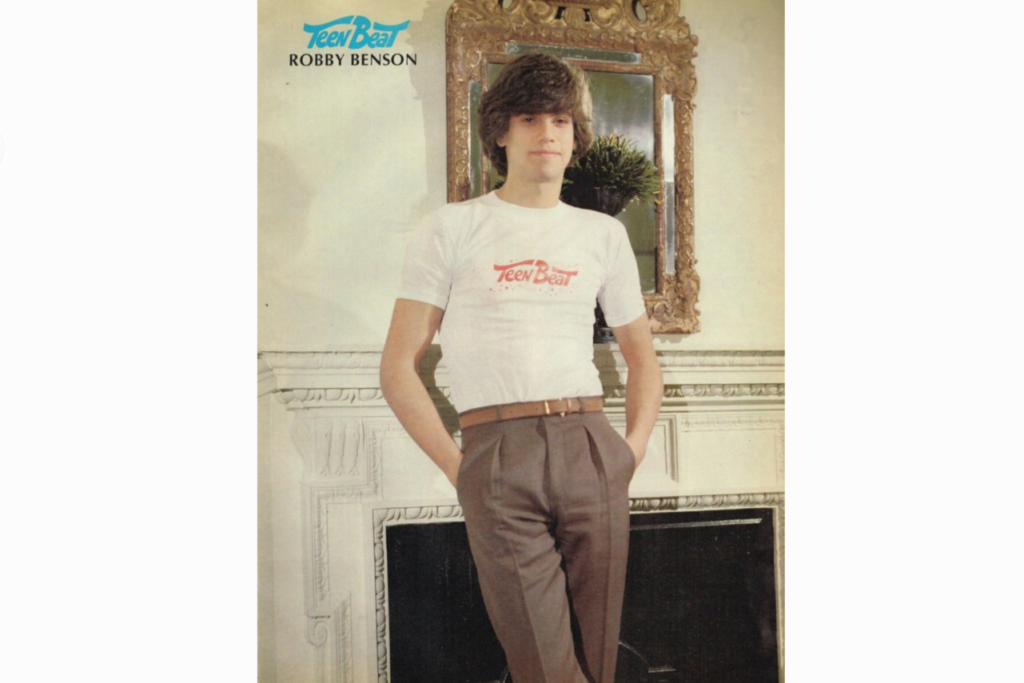
Robby Benson was known for his remarkably soulful eyes and his ability to portray sensitive, vulnerable characters in popular films like Ice Castles and Ode to Billy Joe. His posters were a must-have for those who preferred a more emotional and artistic type of heartthrob, often featuring him in thoughtful, moody poses. He brought a certain intellectual depth to the teen idol category, appearing as the romantic lead who wasn’t afraid to show his feelings or shed a tear on screen. For many fans, his pinups were a quiet and contemplative addition to their walls, serving as a soft-spoken and genuine connection.
Robby has enjoyed a diverse career that includes acting, directing, and even providing the voice for the Beast in Disney’s Beauty and the Beast. He has consistently shown a range of talent that goes far beyond his initial heartthrob status, proving to be a creative force in many different areas of the industry. While he may not have chased the same level of tabloid fame as some of his contemporaries, his impact on the fans who loved his sensitive roles remains profound. Those seventies posters represent a moment when a different kind of male stardom was possible, one based on empathy and a gentle spirit.
John Schneider Bo Duke Premiere
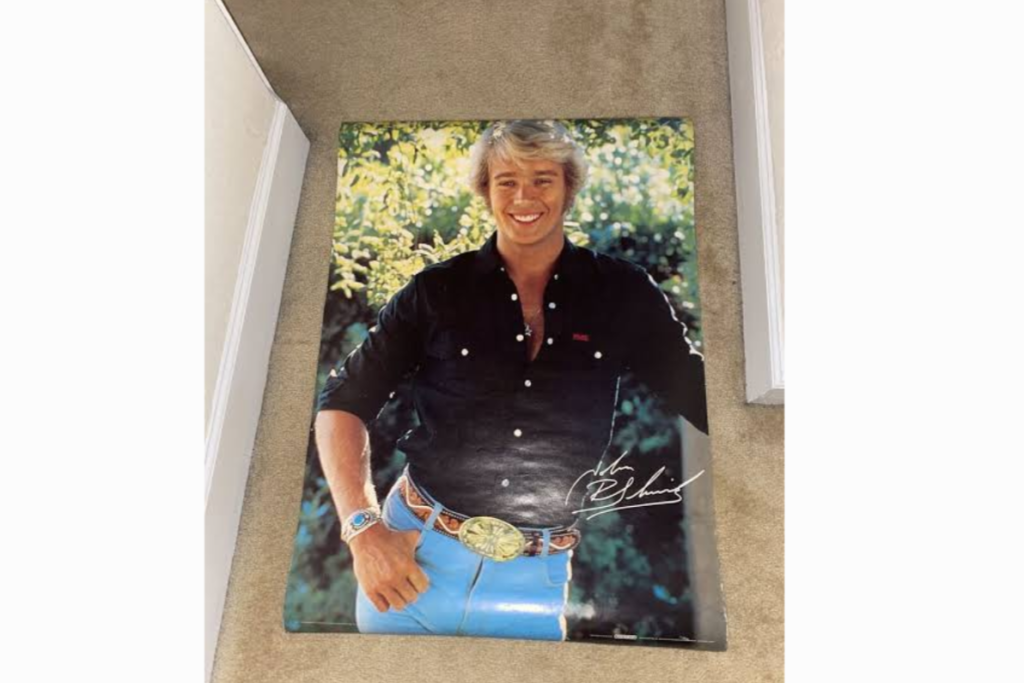
John Schneider rose to fame in late 1979 as Bo Duke in The Dukes of Hazzard, bringing a blast of Southern charm and high-octane energy to the very end of the decade. His posters were an immediate success, typically featuring him alongside the iconic General Lee car or in his signature denim jean and back flannel outfits. With his blonde hair and infectious energy, John represented a rugged, adventurous type of heartthrob that appealed to those who loved the thrill of the chase and the bond of family. Having a Bo Duke poster was a way of bringing a bit of Hazzard County into your bedroom.
John has since enjoyed a long and varied career, including a successful stint as a country music artist and a memorable role as Jonathan Kent in Smallville. He has managed to reinvent himself several times over while always staying connected to the fans who first supported him during his days as a Duke boy. While he has moved on to many different projects, his image as the blonde, car-loving rebel remains his most iconic and widely recognised look. Those late seventies posters captured a star who brought a new kind of high-energy charisma to the screens and walls of a generation.
The disappearance of these physical posters reflects a broader shift in how we consume culture and store our memories.
Like this story? Add your thoughts in the comments, thank you.


