
The Digital Tide That Swept Away Yesterday
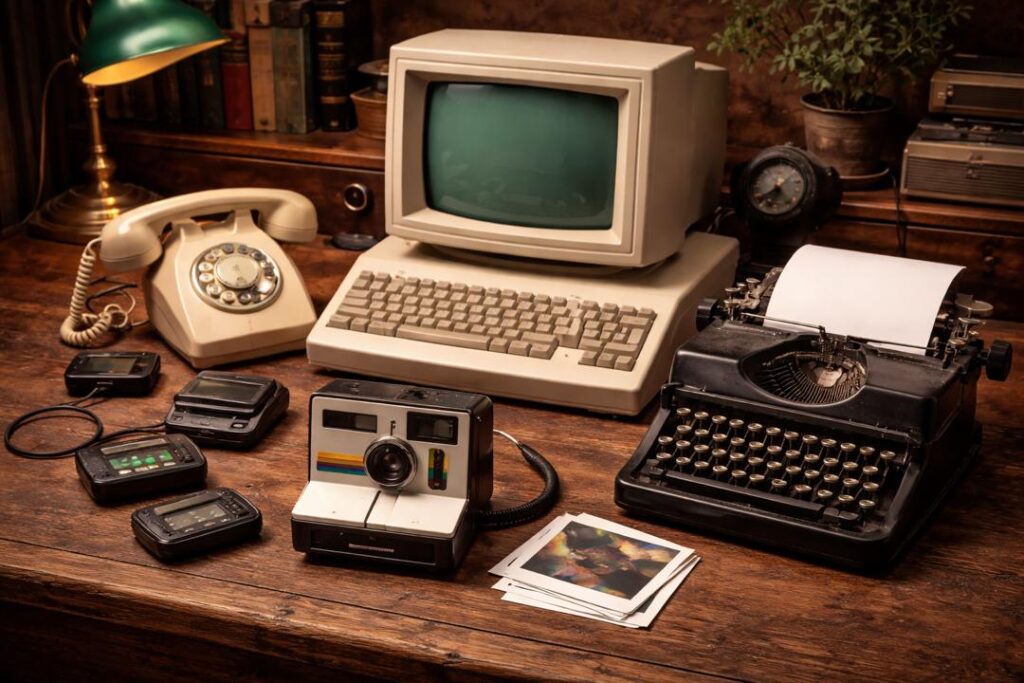
It is quite fascinating to look back and realise just how much our daily existence has been overhauled by the silent hum of the computer and the pocket-sized wonder of the smartphone. Not so long ago, our homes and offices were cluttered with physical objects that each served a singular, dedicated purpose, yet today those very same functions are tucked away inside a piece of glass and silicon. We have transitioned from a world of tactile feedback and mechanical whirs to one of seamless digital interfaces, a shift that has essentially dismantled entire industries that once felt permanent and indispensable to the modern age.
This evolution matters because it represents more than just a change in gadgets; it is a fundamental shift in how we interact with information, entertainment, and each other. While we celebrate the undeniable convenience of having a camera, a map, and a library in our pockets, there is a certain nostalgic weight in remembering the specialised tools we left behind. Understanding this transition helps us appreciate the dizzying pace of innovation and reminds us that even the most “game-changing” technologies of today are merely chapters in an ongoing story of obsolescence and renewal.
The Clatter Of Typewriter Keys

The typewriter was once the beating heart of every professional office and a staple for any aspiring novelist, offering a rhythmic, mechanical reliability that defined the pre-digital era. These sturdy machines required a certain physical commitment, where every strike of the key was a permanent commitment to paper, and errors were dealt with through messy correction fluids or the tedious process of retyping entire pages. While they reigned supreme for over a century, the arrival of the personal computer and word processing software in the late 20th century turned these heavy metal contraptions into decorative relics almost overnight.
By the time the 1990s were in full swing, the quiet efficiency of the computer keyboard had largely silenced the typewriter’s bell, as people traded ink ribbons for digital saves and “delete” keys. It is quite a sharp contrast to think about how we now draft documents on smartphones while commuting, a feat that would have been unimaginable to a typist tethered to a desk in the 1970s. The industry that supported these machines, from the manufacturers to the specialised repair shops, slowly faded away as the world embraced the infinite flexibility of digital text.
Floppy Disks And Small Storage
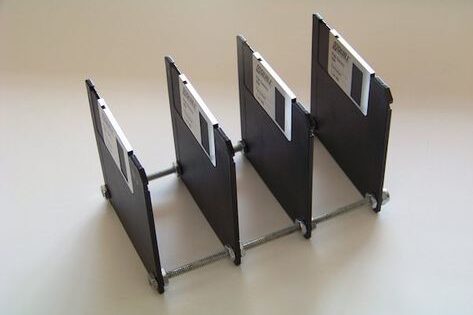
There was a time when the humble floppy disk was the universal symbol of saving your hard work, a thin square of plastic that held the keys to our digital lives. Whether it was the original 8-inch giants, the flexible 5.25-inch versions, or the “sturdy” 3.5-inch disks that dominated the late 1980s and 90s, these were the primary way we moved data from one computer to another. They were notoriously fragile and possessed a storage capacity that seems almost comical by today’s standards, often holding less than 1.44 megabytes of information.
As the files we created grew larger and more complex, the floppy disk simply couldn’t keep up with the demands of high-resolution images and software suites, leading to the rise of CDs and eventually USB sticks. The final nail in the coffin came with the advent of high-speed internet and cloud storage, which allowed us to beam files across the globe instantly without any physical media at all. Today, the floppy disk survives primarily as the “save” icon in our software, a ghostly reminder of a storage industry that was completely dismantled by the relentless march of computer memory.
The Landline Telephone Network
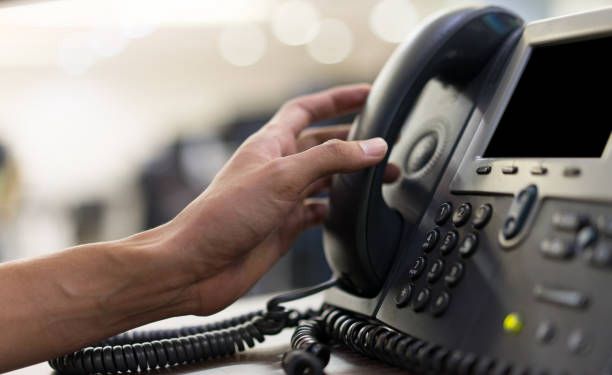
For decades, the landline was the literal lifeline of the household, a stationary object that anchored us to a specific spot whenever we wanted to have a conversation. It was the centerpiece of the hallway or the kitchen, often featuring a tangled cord that limited your movement and ensured that phone calls were a shared, family experience. The industry behind these copper wires was massive, employing legions of technicians and operators who kept the world connected through a vast, physical infrastructure that felt as permanent as the roads themselves.
However, the rise of the smartphone changed the very nature of a phone call, transforming it from a location-based service to a personal, portable one that follows us everywhere. We no longer call “a house”; we call a person, and the traditional landline has largely been relegated to a backup system or a requirement for broadband packages. Many younger generations have never even owned a home phone, as the smartphone has integrated voice calls with video, text, and data, rendering the old-fashioned wall-mounted telephone a charming but unnecessary antique.
VHS Tapes And Video Rental
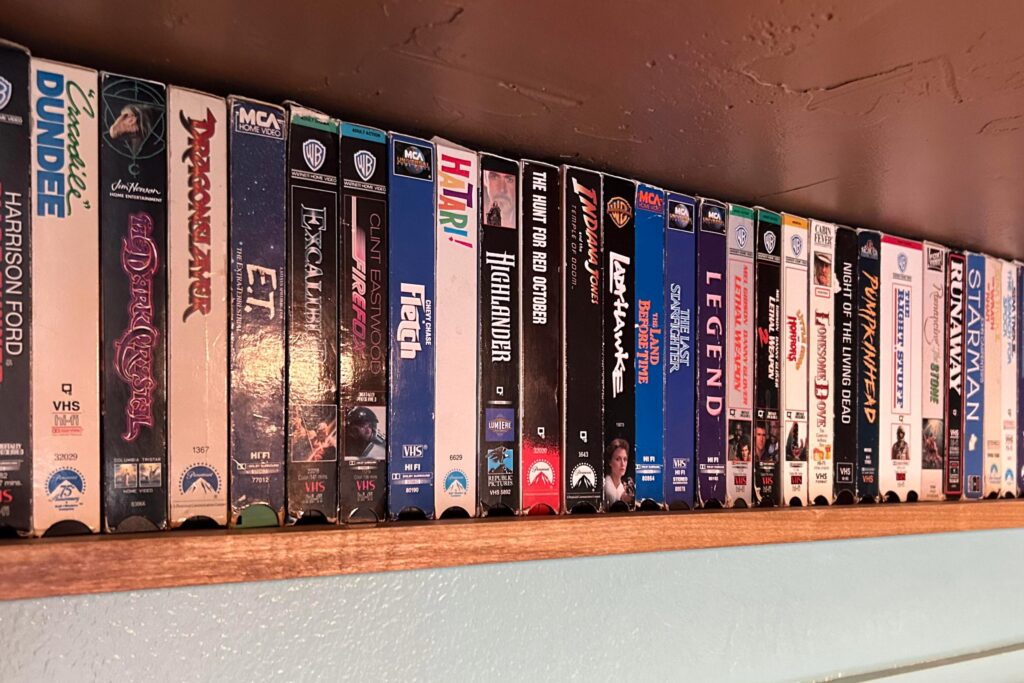
The local video rental shop was once a Friday night staple, a place where families would wander through aisles of chunky plastic cases hoping the latest blockbuster hadn’t already been snapped up. VHS tapes were the kings of home entertainment from the late 1970s through the 1990s, bringing the magic of the cinema into our living rooms, albeit with the occasional “tracking” issue and the strict requirement to “be kind, rewind.” The industry was a powerhouse, with chains like Blockbuster dominating the landscape and defining how we consumed media for a generation.
The downfall began with the DVD, but the true executioner was the high-speed computer and the eventual birth of the smartphone-enabled streaming era. Once platforms like Netflix and YouTube allowed us to access thousands of titles instantly on our computers and mobile devices, the need for physical tapes and a trip to the rental store vanished. We transitioned from owning or renting physical copies to accessing a digital library in the cloud, a shift that bankrupted rental giants and turned VHS tapes into bulky collectibles for the nostalgic.
Portable Dedicated CD Players
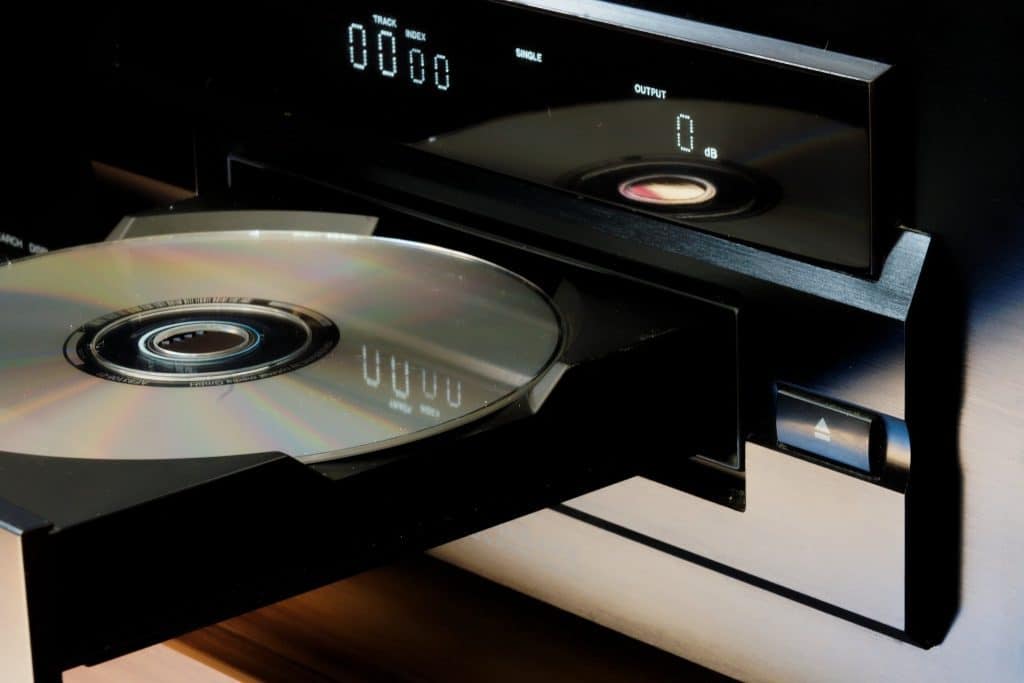
In the 1990s, there was no greater accessory than the portable CD player, often referred to by the brand name Discman, which allowed us to take our music on the go. These devices were a marvel of their time, even if they were prone to skipping if you walked a bit too briskly or encountered a particularly bumpy pavement. We would carry around large, padded wallets filled with CDs, carefully selecting the soundtrack for our day from a physical collection of silver discs.
The landscape shifted dramatically with the arrival of the MP3 player, but it was the smartphone that ultimately devoured the portable music industry. Why carry a dedicated device and a case of discs when your phone can store tens of thousands of songs or stream any track ever recorded through Spotify? The computer and the smartphone essentially merged our music libraries with our communication tools, making the dedicated CD player an awkward, single-use relic of a time before we expected our gadgets to do everything at once.
Paper Maps And Sat Navs
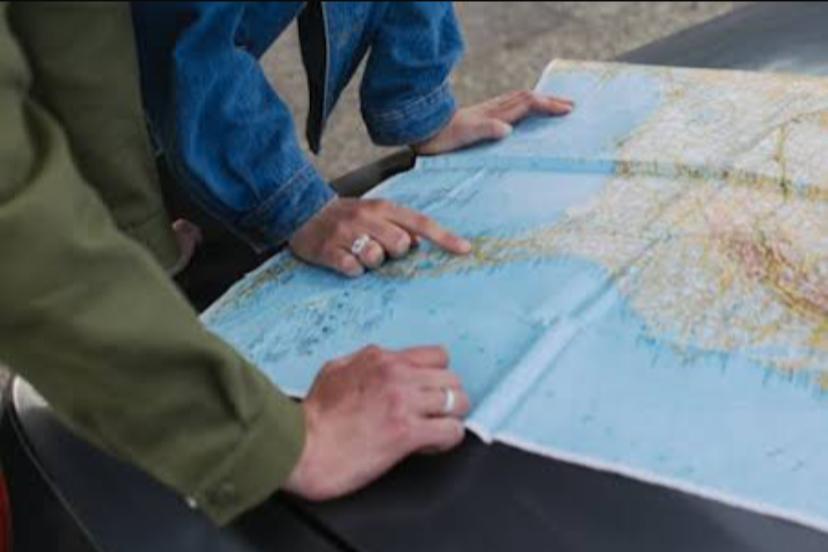
The ritual of unfolding a massive paper map on the bonnet of a car is a memory that many of us hold dear, even if it usually ended in a frustrated argument about which way was north. Professional cartography was a massive industry, with road atlases being essential equipment for every glovebox and city guidebooks being a tourist’s best friend. Navigation was a skill that required patience, a keen eye, and the occasional stop at a petrol station to ask for directions from a local.
This entire industry was upended when computers brought GPS technology to the masses, initially through dedicated dashboard units and eventually through the smartphone. Apps like Google Maps and Waze didn’t just replace paper maps; they improved upon them with real-time traffic updates, voice commands, and the ability to find the nearest coffee shop with a single tap. The smartphone has made it virtually impossible to get truly lost in the modern world, rendering the printed map an aesthetic choice rather than a functional necessity.
The Pager And Beeper
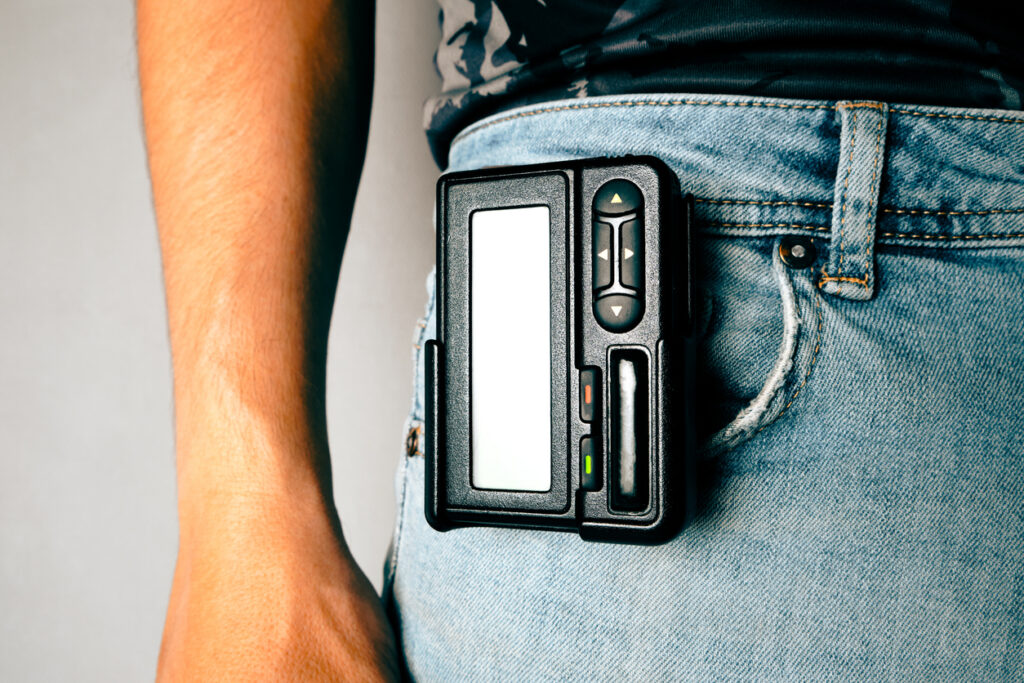
Before the mobile phone became a ubiquitous companion, the pager was the ultimate symbol of being “on call” or just incredibly important. These small, belt-clipped devices would chirp or vibrate to display a simple phone number, prompting the wearer to rush to the nearest payphone to return the call. In the 1980s and 90s, they were indispensable for doctors, emergency workers, and even savvy teenagers, creating a niche industry built on short-burst wireless communication.
As soon as mobile phones became affordable and eventually evolved into smartphones, the pager’s limited functionality made it a dinosaur in a world of instant messaging. Smartphones offered the ability to not just receive a notification but to respond immediately via text, email, or voice, all from the same device. While they still linger in some very specific hospital settings due to their reliability, the broader pager industry was swallowed whole by the rise of the all-in-one pocket computer we now carry.
Digital Point And Shoot Cameras
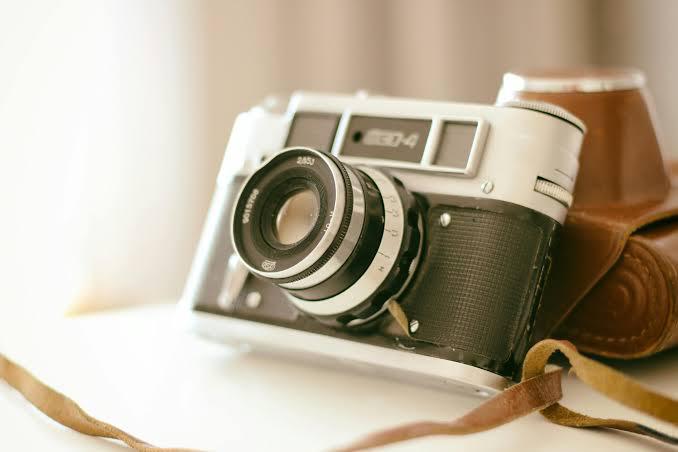
The mid-2000s saw a massive boom in the digital camera market, as everyone traded their film rolls for sleek, pocket-sized devices that could capture hundreds of photos on a memory card. We would carry these cameras to parties and on holiday, then spend our evenings connecting them to a computer to “upload” the images to social media or photo-sharing sites. It was a golden era for brands like Canon and Nikon, who catered to a public eager to see their snapshots instantly without waiting for development.
However, as smartphone cameras began to rival the quality of these entry-level digital units, the “point and shoot” industry went into a steep decline. Most people realised that the best camera is the one they already have in their pocket, especially when it can edit and share photos to Instagram in seconds. The smartphone has essentially democratised photography, making high-quality imaging a standard feature of our phones rather than a separate device we need to remember to pack.
Printed Phone Directories
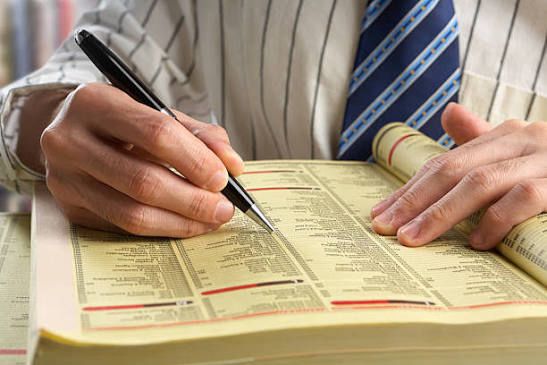
The arrival of the “Yellow Pages” or the local phone book on your doorstep was once an annual event, providing a thick, paper-bound database of every business and resident in the area. These books were the primary way we found a plumber, a pizza shop, or a long-lost friend’s home number, and the advertising revenue within them sustained a massive publishing industry. They were so ubiquitous that they were often used as makeshift booster seats or doorstops once the new edition arrived.
The internet and the smartphone effectively turned these massive books into environmental liabilities almost overnight. Search engines and digital maps allow us to find contact information, reviews, and directions in a fraction of the time it took to flip through yellowed pages. The industry has shifted entirely to digital platforms, and while a few directories are still printed, they are mostly ignored as we instinctively turn to our computers or smartphones to find whatever service we need at that exact moment.
Personal Digital Assistants (PDAs)
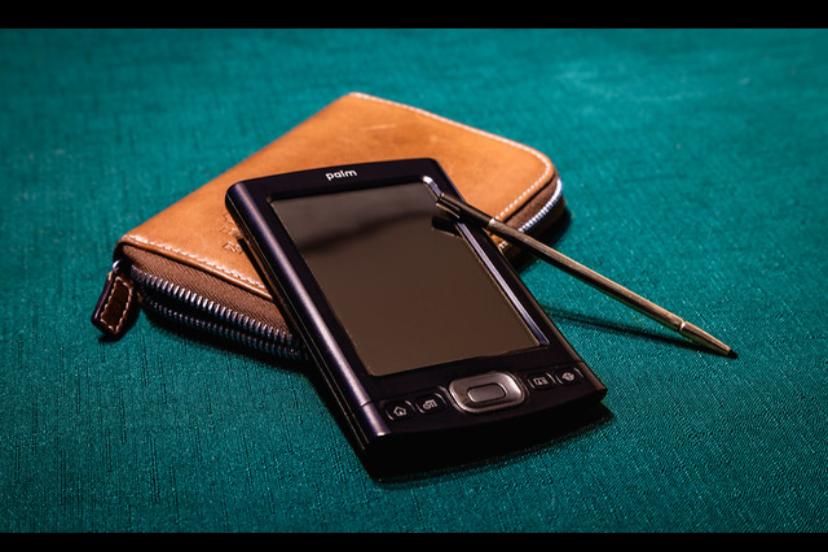
Long before the iPhone, the “tech-savvy” professional carried a PDA, such as a PalmPilot or a BlackBerry, to manage their busy schedules and contacts. These devices were the precursors to the modern smartphone, featuring touchscreens that often required a stylus and the ability to sync with a desktop computer via a physical cradle. They were a niche but powerful industry, promising a paperless future where your entire office could fit into a waistcoat pocket.
The PDA industry didn’t so much die as it did evolve into the smartphone, which added the one thing the early PDAs lacked: seamless, high-speed cellular connectivity. Once the computer and the phone truly merged, the dedicated PDA became redundant, as the smartphone could do everything a PalmPilot could do and so much more. We no longer need a separate device to “assist” us because the pocket computer we use for everything else has taken over the role of our diary, our notebook, and our address book.
As we look back at these ten vanished or diminished industries, it becomes clear that we have traded variety for the convenience of a single, all-powerful device. While the consolidation of our tools into the smartphone and the computer has made life undeniably easier, it also means we are now heavily reliant on a very narrow pipeline of technology.
Like this story? Add your thoughts in the comments, thank you.


