
1. A Long Tradition Ends
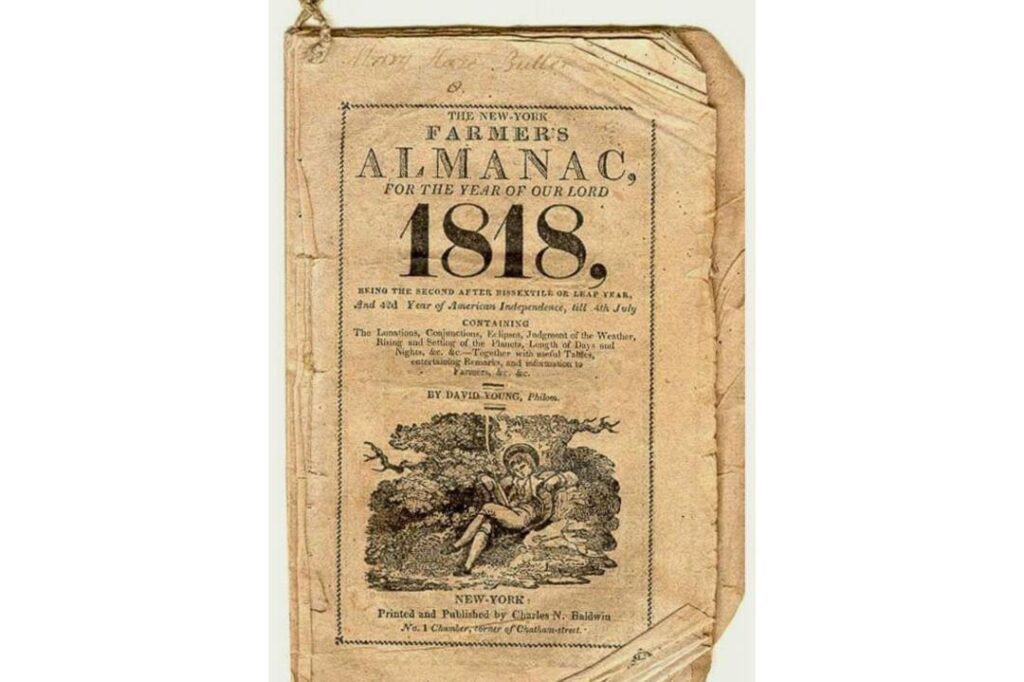
It is truly the end of an era as we bid a bittersweet farewell to the Farmers’ Almanac, a publication that has been a cornerstone of rural life since 1818. This news matters because it represents the loss of a shared cultural touchstone that guided generations of growers through the unpredictable whims of nature. For over two centuries, this Maine-based institution provided more than just weather predictions as it offered a sense of continuity and folk wisdom that felt like a steady hand on the shoulder for millions of families. The announcement that the 2026 edition will be the very last print run has sent ripples of nostalgia across the heartland, marking a significant shift in how we interact with the world around us. It is quite difficult to imagine a farmhouse kitchen without that familiar cover tucked away in a drawer or hanging by a string, yet the reality of a changing media landscape has finally caught up with this venerable “weather bible” and forced a difficult closure.
The decision to cease publication was driven by a perfect storm of financial challenges and a chaotic digital environment that has fundamentally altered how readers consume information. While the print edition will conclude its legendary run shortly, digital access is also set to vanish by December 2025, leaving a void that many loyal followers feel cannot be easily filled by a smartphone app. It is important to remember that this specific publication, founded in 1818, is distinct from its yellow-covered rival, The Old Farmer’s Almanac, which remains in circulation despite the shared name and similar mission. The closure stems from a sharp decline in newsstand sales and the rising costs of traditional printing, which eventually made the 208-year-old business model unsustainable in a world that increasingly demands instant, free content. As we look back on its storied history, we see a legacy that survived world wars and economic depressions, only to be quieted by the relentless march of the digital age.
2. The Question of Accuracy
One of the primary reasons for the decline in trust over recent decades involves the persistent debate surrounding the actual accuracy of the Almanac’s long-range seasonal forecasts. While the editors famously claimed an eighty per cent success rate, independent scientific studies have often suggested that the real-world results were only slightly better than a random fifty-fifty chance. Most researchers who tracked the predictions over several years found that they hit the mark roughly fifty-two per cent of the time, which is essentially the same as flipping a coin to decide whether to wear a coat. This discrepancy between the marketing and the reality began to chip away at the publication’s authority, especially as modern life became more dependent on precise timing for travel and events. Even the most devoted fans started to notice when “bitterly cold” winters turned out to be unusually mild, leading to a slow but steady erosion of the blind faith that once defined its readership.
The struggle for the Almanac was that it relied on a static formula that could not easily account for the increasing volatility of global weather patterns we see today. Because the predictions were made so far in advance, they lacked the flexibility to adjust for sudden atmospheric shifts that modern meteorology can now spot days or even weeks ahead of time. People began to realise that while the folklore was charming, relying on it for serious planning was becoming a risky endeavour that often led to disappointment. This shift in perception was not an overnight occurrence but rather a gradual realisation that the “secret formula” might not be the infallible science it was once presented to be. As a result, the novelty of the Almanac began to outweigh its practical utility for a new generation of homeowners who valued precision over tradition. The gap between nostalgic charm and scientific reliability simply became too wide for the publication to bridge in a competitive market.
3. Secrets of the Stars

At the very heart of the Farmers’ Almanac was a mysterious “secret formula” that used a blend of sunspot activity, moon phases, and planetary positions to divine the future. This astronomical approach to weather forecasting was once viewed with a sense of wonder and respect, as it connected the cycles of the heavens to the soil beneath a farmer’s boots. However, modern meteorologists and members of the scientific community have long been vocal critics of these methods, dismissing them as unreliable when compared to contemporary data-driven forecasting. The reliance on sunspots and celestial alignments feels increasingly like a relic of a bygone age, especially as our understanding of atmospheric physics has evolved to include complex variables like jet streams and ocean temperatures. Scientists argue that while these cosmic factors do influence the earth, they cannot be used to pinpoint a specific snowstorm in Ohio six months in advance with any real degree of scientific certainty.
The persistent use of this secret methodology eventually led to a sense of scientific disbelief among the general public who were becoming more educated about how weather actually works. As people learned more about the mechanics of the atmosphere, the idea of planetary positions dictating rainfall began to feel more like astrology than actual meteorology. This scepticism was particularly prevalent among younger audiences who were taught to value peer-reviewed data and transparent models over hidden calculations guarded by “weather prophets.” While the mystery was part of the brand’s original appeal, it eventually became a liability in an era that prizes transparency and evidence-based information. The Almanac’s refusal to modernise its core forecasting techniques meant it remained tethered to the nineteenth century while the rest of the world moved firmly into the twenty-first. Consequently, the very thing that made the publication unique was the same thing that ultimately undermined its credibility with a modern, scientifically literate audience.
4. Power of the Smartphone
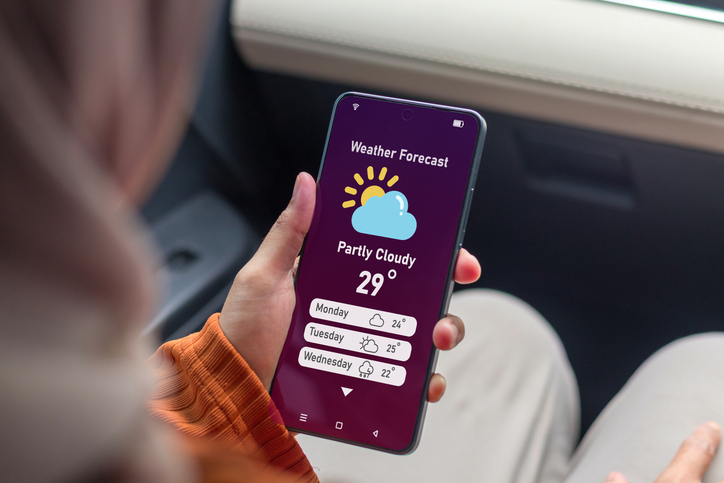
The rise of modern technology has perhaps been the most significant nail in the coffin for traditional printed almanacs, as instant data is now available at the tap of a screen. We live in an age where localized, hyper-accurate weather forecasts are delivered to our smartphones in real-time, providing minute-by-minute updates on exactly when the rain will start and stop. These sophisticated, AI-driven weather models have made the long-range regional predictions of the Almanac feel like a slow and obsolete tool for most people. Professional farmers, who once lived by the pages of the book, now use high-tech sensors and satellite imagery to manage their crops with a level of precision that was unimaginable in 1818. When you can see a storm cell moving across your specific postcode on a high-definition radar map, a general prediction for the entire “Northeast region” simply loses its practical value and becomes a decorative item.
Furthermore, the convenience of digital platforms means that information is updated constantly to reflect the very latest atmospheric changes, whereas the Almanac was printed once a year and remained static. If a major weather event shifted path, the printed book was stuck with an outdated prediction, while digital apps could adjust their warnings within seconds to save lives and property. This demand for real-time data has fundamentally changed our relationship with time and planning, leaving little room for a publication that requires months of lead time for its content. The sheer speed of the digital revolution has outpaced the slow, methodical rhythm of the printing press, making the Almanac’s annual release feel less like a vital resource and more like a nostalgic souvenir. It is a classic case of a superior, faster technology replacing a beloved but slower predecessor, as the world simply moved too fast for the old “weather bible” to keep up.
5. Changing Rural Roots

America has undergone a profound demographic shift since the Farmers’ Almanac first hit the shelves, moving from a primarily rural, agricultural society to a digital-first population. In the early nineteenth century, the vast majority of the population was directly involved in farming and relied solely on the almanac for planting schedules and identifying the best times for harvests. Today, the number of people who work the land has dwindled to a tiny fraction of the workforce, and even those who remain have evolved their methods to meet the demands of a global market. The communal experience of gathered around the hearth to consult the almanac has been replaced by individualised consumption of data on laptops and tablets. As society became more urbanised and disconnected from the literal soil, the need for a guide that focused so heavily on planting by the moon naturally began to fade into the background.
This evolution in how we live has led to a society that demands immediacy and customisation in every aspect of life, including how we prepare for the elements. The modern reader is often more concerned with how the weather will affect their commute or their weekend holiday than they are with the best day to prune an apple tree or plant a garden. This shift in priorities meant that the Almanac’s core content became less relevant to the daily lives of the suburban and urban dwellers who now make up the bulk of the potential audience. While many still appreciated the “wit and wisdom” found within its pages, it was no longer a survival tool but rather a lifestyle choice that few were willing to pay for in a crowded media market. The cultural landscape that birthed the Farmers’ Almanac has largely disappeared, and with it, the deep-seated necessity that kept the publication thriving for over two centuries across the American landscape.
6. The Final Edition
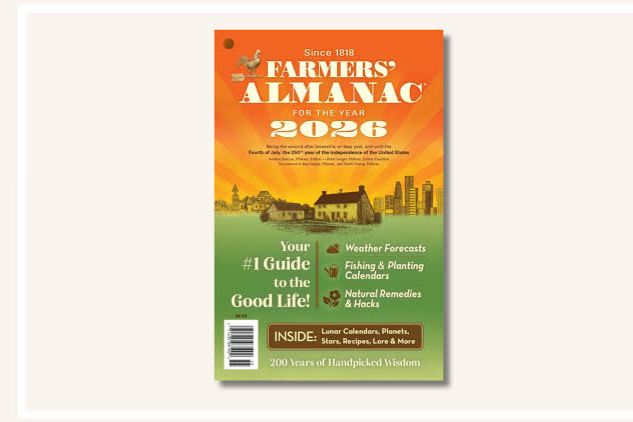
The release of the 2026 Farmers’ Almanac marks a poignant moment in publishing history, as it serves as the final chapter in a story that has spanned over two hundred years. The editors have acknowledged with heavy hearts that the way people receive and process information has changed so fundamentally that the traditional print model can no longer compete. This final edition is expected to be a collector’s item, packed with the usual blend of folklore and forecasts, but carrying a weight of finality that makes every page feel like a goodbye. It is a sobering reminder that even the most enduring traditions are not immune to the pressures of the modern economy and the shifting habits of the reading public. As the last copies roll off the presses, they represent the end of a physical connection to the past that served as a bridge between the agrarian roots of the nation and the high-tech present.
The loss of the digital website in December 2025 further underscores the total withdrawal of the brand from the active marketplace, leaving fans with only their memories and their saved copies. Many long-time subscribers have expressed their heartbreak over the announcement, noting that the Almanac was a reliable companion through their own personal histories and family milestones. It survived the Great Depression, two World Wars, and the arrival of television, proving its resilience time and again until the digital age finally proved to be an insurmountable hurdle. This final edition is more than just a book; it is a testament to the enduring human desire to find order and meaning in the natural world, even if our methods for doing so have changed. As we hold this last volume in our hands, we are witnessing the closing of a door on a specific type of American wisdom that may never be replicated in the same way again.
7. The Other Bible
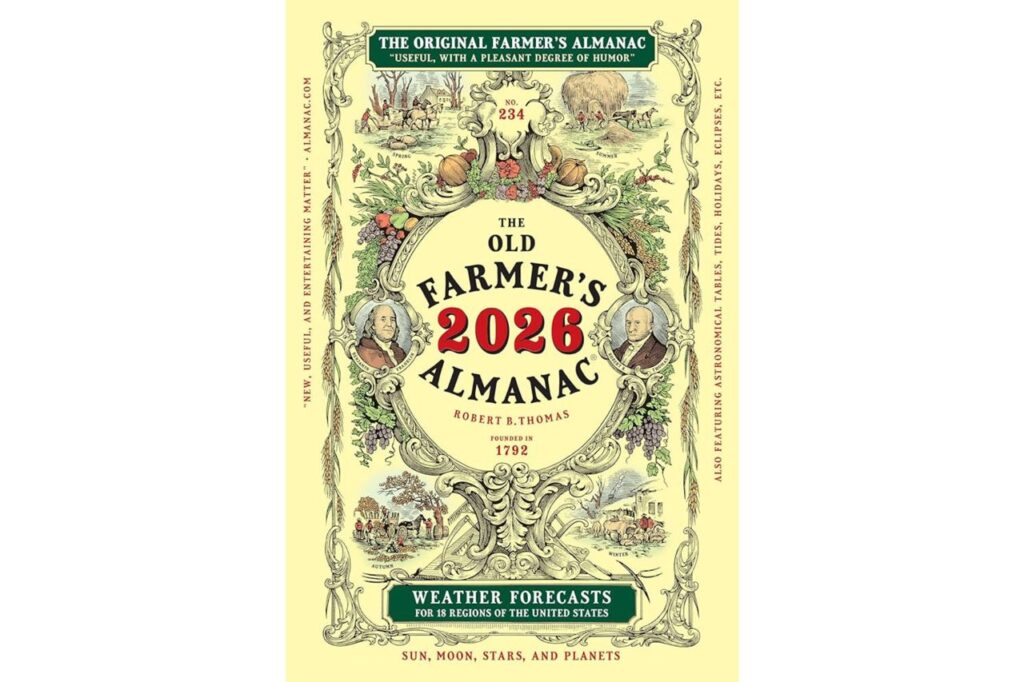
In the wake of this closure, it is vital to clear up the common confusion between the departing publication and its main competitor, The Old Farmer’s Almanac. While the Maine-based Farmers’ Almanac is shutting its doors, the yellow-covered Old Farmer’s Almanac, which was founded even earlier in 1792, is still very much in business. This “other bible” of the weather world has been quick to reassure its loyal following that it is not going anywhere and intends to continue publishing for the foreseeable future. The Old Farmer’s Almanac maintains that its own methods are still deeply trusted by its audience and that it has successfully found ways to balance its traditional roots with a modern digital presence. For those who are feeling lost without their annual guide, this remaining publication offers a sense of continuity, even if it carries a slightly different editorial voice and history.
The rivalry between these two publications was a friendly but firm fixture of American life for centuries, with each claiming to have the superior secret formula for predicting the seasons. Now that one has fallen, the survivor stands as a lone sentinel of a publishing genre that was once crowded with various almanacs catering to every niche and region. The Old Farmer’s Almanac has managed to sustain its business model by leaning into its status as a historical icon while aggressively expanding its online reach and social media interaction. It serves as a fascinating case study in how some legacy brands can adapt to the “chaotic media environment” while others find the transition too difficult to manage. For now, the yellow cover remains a familiar sight on newsstands, carrying the torch for a tradition that dates back to the very founding of the United States. It is a reminder that while some icons may fade, others find the strength to endure by evolving alongside their audience.
8. A Legacy of Wit
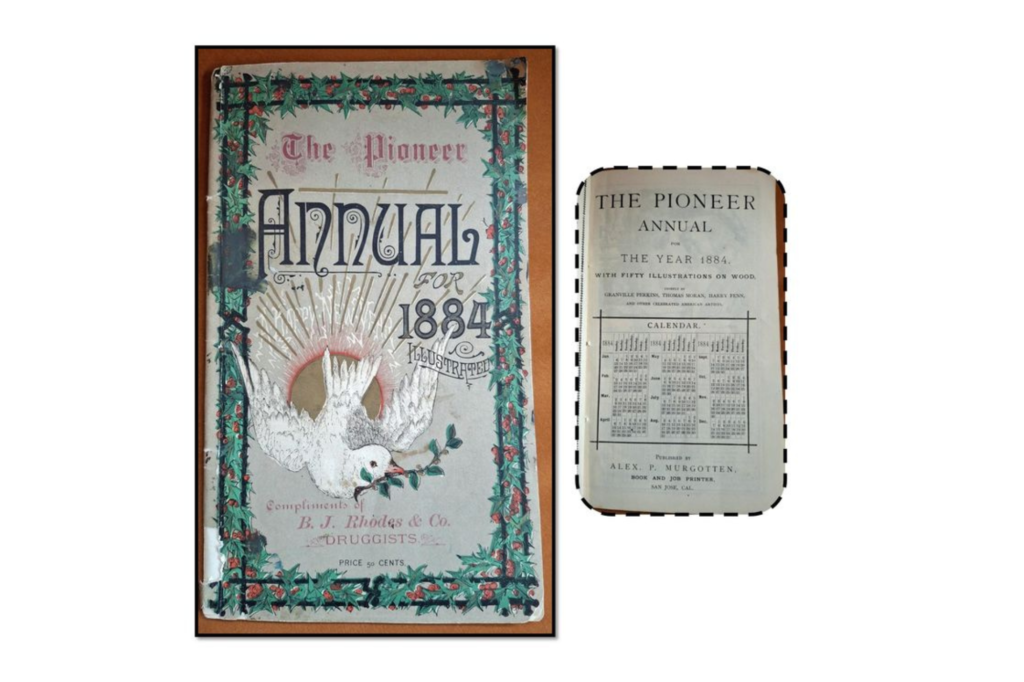
Beyond the weather forecasts, the Farmers’ Almanac will be remembered most fondly for its unique brand of “wit and wisdom” that filled the gaps between the rain and the sun. It was a treasure trove of gardening tips, household hints, and humorous anecdotes that reflected a simpler, more grounded way of looking at the world. These snippets of advice often felt like they were coming from a wise old neighbour over a garden fence, offering everything from how to cure a common cold to the best time to paint your barn. This editorial personality was what truly separated the Almanac from a dry scientific journal, making it a friendly presence in the home rather than just a reference book. It captured a specific American voice—practical, slightly mischievous, and deeply respectful of the natural world—that resonated with people regardless of whether they actually lived on a farm.
This legacy of storytelling and folk knowledge provided a sense of comfort and entertainment that a simple weather app on a phone can never truly replicate. While we can get the temperature in seconds today, we lose the charming essays on the beauty of a winter morning or the traditional recipes for a perfect summer preserve. The Almanac encouraged its readers to slow down and observe the world around them, noticing the arrival of the first robin or the changing colour of the autumn leaves. It was this holistic approach to life that made it so beloved for 208 years, as it treated weather not as an isolated data point but as a part of a larger, beautiful tapestry of existence. As the publication disappears, we lose a little bit of that quiet reflection and the gentle humour that reminded us not to take the weather, or ourselves, too seriously. It is this human touch that will be missed the most by those who turned to its pages for more than just a forecast.
9. Enduring Through History
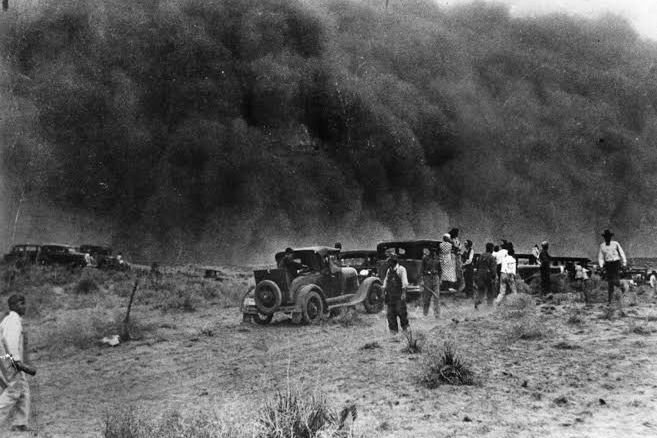
The Farmers’ Almanac was not just a book; it was a silent witness to the most significant events in American history, remaining in constant publication through thick and thin. It stayed in the hands of citizens through the turmoil of the American Civil War, the hardships of the Dust Bowl, and the global uncertainty of World War II. During times of national crisis, the Almanac provided a sense of stability and a reminder that the seasons would continue to turn regardless of human conflict. It offered a perspective that was literally “long-range,” looking past the immediate troubles of the day to the enduring cycles of the moon and the sun. This consistency made it a reliable anchor for millions of people who found comfort in the fact that, no matter how much the world changed, the Almanac would be there with its familiar predictions and advice.
The fact that it survived for over two centuries is a testament to the strength of its connection with the American people and the value they placed on its presence in their homes. It outlasted countless other magazines, newspapers, and journals that came and went with the fashions of the day, proving that its appeal was rooted in something much deeper than a passing trend. Even as technology advanced from telegraphs to the internet, the Almanac held its ground, maintaining its traditional format and editorial voice with a stubborn pride. However, the cumulative weight of the digital revolution eventually proved to be a challenge unlike any that had come before, leading to the difficult decision to finally close the book. Its history is a remarkable journey through the evolution of a nation, and its departure marks the end of a long-running narrative that defined the American experience for generations. We are losing a piece of living history that reminds us of where we came from.
10. The Economic Reality
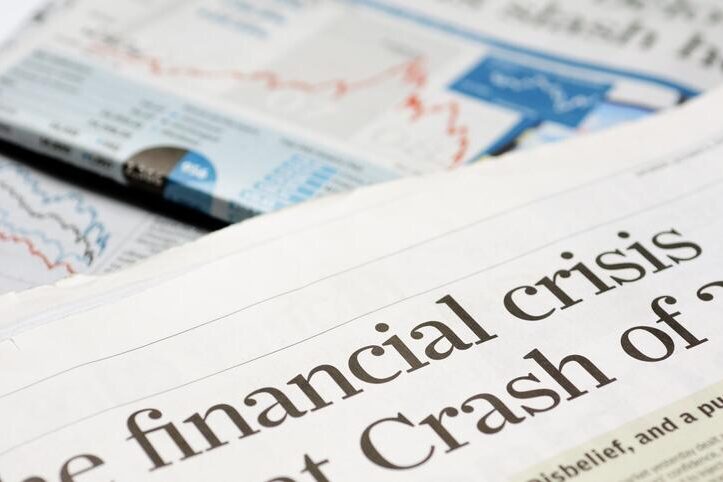
Ultimately, the decline of the Farmers’ Almanac was not caused by a sudden loss of interest from its core audience, but rather the harsh economic reality of modern publishing. It became increasingly difficult to sustain a 200-year-old print business model in an era where paper costs, shipping fees, and distribution hurdles have all skyrocketed. The “chaotic media environment” mentioned by the editors refers to the struggle for attention in a world where free content is ubiquitous and the traditional newsstand is a vanishing sight. Advertisers, who once flocked to the pages of the Almanac to reach rural consumers, have moved their budgets to digital platforms where they can track every click and purchase with surgical precision. Without the robust advertising revenue and the high-volume sales of the past, the numbers simply no longer added up to support a staff and a national printing operation.
This financial squeeze is a story being told across the entire print industry, but it feels particularly poignant when it happens to a title with such a rich and lengthy pedigree. The transition to a digital-only model might have seemed like a logical step, yet the editors clearly felt that the unique essence of the Almanac was tied to its physical form. Trying to compete in the crowded and often aggressive world of online weather forecasting would have required a massive investment and a total overhaul of the brand’s identity. Instead of diluting what made the publication special, the decision was made to go out with dignity and conclude the story on its own terms. It is a reminder that our reliance on a single factory or source of information is always vulnerable to the shifting winds of commerce and technology. As we move forward, we must consider what we lose when we trade these enduring institutions for the convenience of the digital stream.
Like this story? Add your thoughts in the comments, thank you.


