
When Equality Became a Shared Conversation
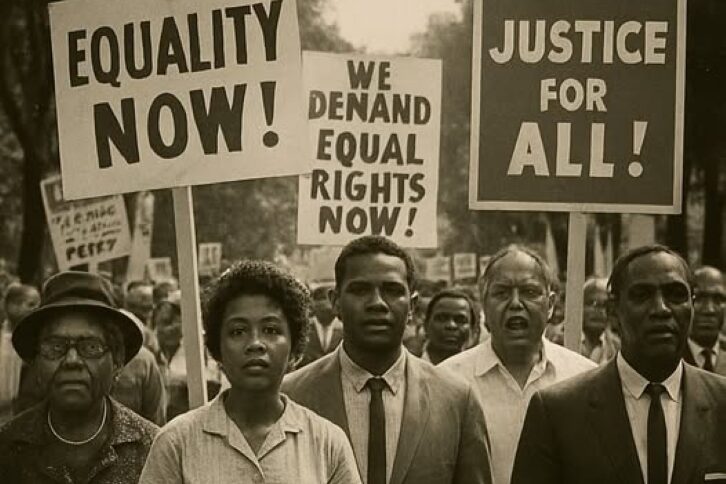
There was a time when fairness felt like an idea more than a reality, something people spoke about but didn’t always see around them. Then slowly, through marches, speeches, and everyday courage, that conversation moved into the open. The Civil Rights Movement didn’t just change policies, it shifted how people thought about dignity and belonging, making those ideas harder to ignore.
As one reflection often shared from that era puts it, “Injustice anywhere is a threat to justice everywhere.” That sentiment carried into homes, schools, and workplaces, shaping how people understood responsibility to one another. Over time, it changed not just laws, but expectations. Conversations about race, inclusion, and fairness became part of daily life, sometimes uncomfortable, but necessary. Looking back, it feels like a moment when the country began to listen differently, and that listening still echoes today.
When Women Redefined Possibility
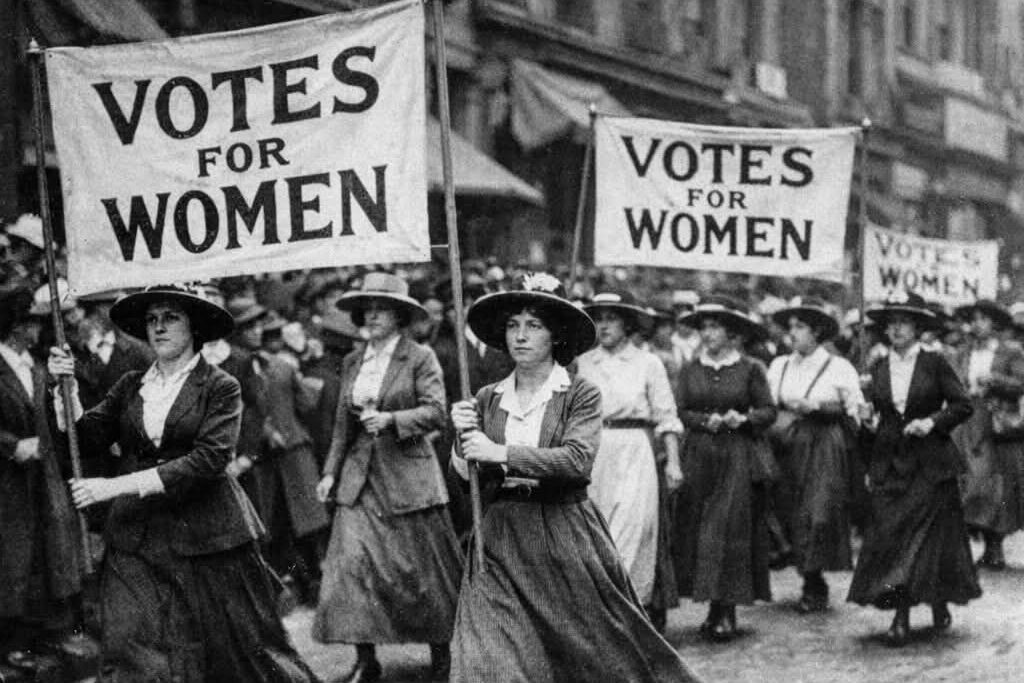
For a long stretch, many women moved through life within boundaries they didn’t choose, following paths that felt expected rather than imagined. Then something shifted, quietly at first, as voices grew stronger and stories began to connect. The Women’s Liberation Movement didn’t just challenge roles, it invited women to rethink what their lives could look like.
There’s a phrase from that time that still lingers, “The personal is political,” and it captured how everyday experiences suddenly mattered in a larger way. Work, family, identity, all of it became part of a bigger conversation about fairness and choice. Over time, doors opened, not all at once, but steadily. Careers expanded, expectations loosened, and independence took on new meaning. It wasn’t just a public shift, it was deeply personal, shaping how women saw themselves and how the world responded in return.
When Life Moved Online Without Warning

Not so long ago, connection meant showing up, sitting down, and being present in the same space. Then, almost without pause, the digital world stepped in and rewrote that rhythm. What started as a tool quickly became a way of life, changing how people communicate, learn, and even spend quiet moments.
As one writer once observed, “We shape our tools and thereafter our tools shape us.” That feels especially true now, when daily routines often begin and end with a screen. News travels faster, conversations stretch across distances, and information feels endless. Yet, with all that closeness, there’s also a new kind of distance, one that’s harder to explain. The shift didn’t just bring convenience, it reshaped attention, relationships, and even patience, leaving people to figure out how to stay grounded in a world that rarely slows down.
When Family Took on New Meanings
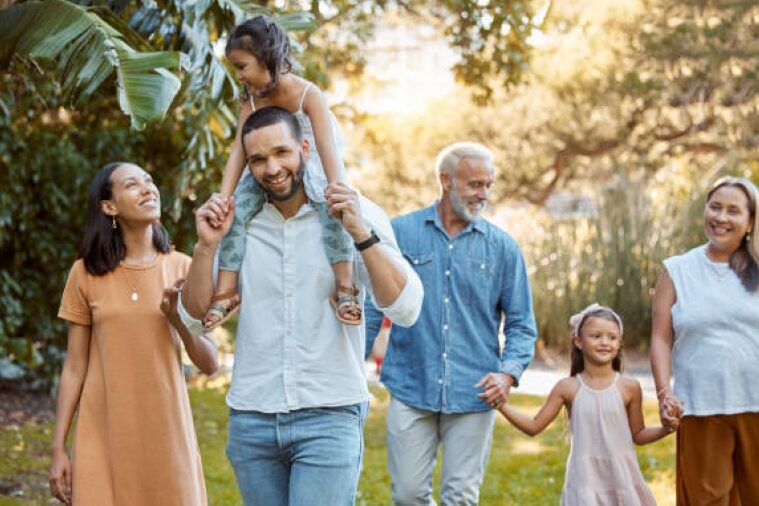
There was a time when the idea of family felt fixed, almost like a picture everyone recognized. Over time, that picture softened and expanded, making room for real lives that didn’t quite fit the old frame. People began to understand family less as a structure and more as a source of care and support.
A simple way to put it, often echoed in conversations, is that “family is who shows up for you.” That shift made space for single parents, blended households, and chosen connections that feel just as strong as traditional ones. It also changed how people talked about belonging, making it more personal and less defined by expectation. In everyday life, this meant more acceptance and less pressure to match a single idea. What matters now feels less about form and more about feeling, and that quiet change continues to shape how people build their lives.
When More Voices Found the Spotlight
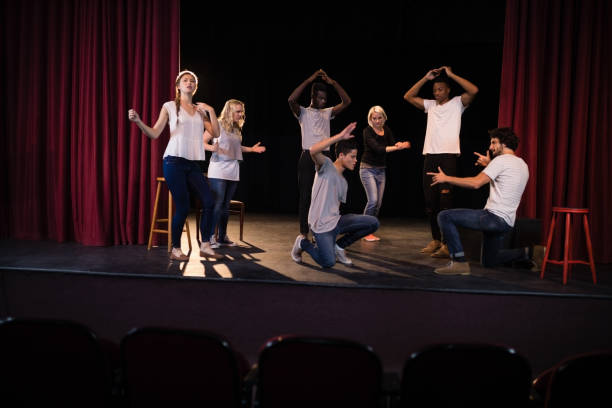
For a long time, stories came from a narrow lens, and many people rarely saw their own experiences reflected back at them. Then, slowly, more voices began to emerge, bringing different perspectives into view. This shift in media and storytelling didn’t just add variety, it changed how people understood themselves and each other.
There’s a line often repeated in creative spaces, “You can’t be what you can’t see,” and it speaks to something deeply human. Representation began to influence confidence, identity, and ambition in ways that felt both subtle and powerful. As more stories were told, audiences found pieces of themselves they hadn’t seen before. It didn’t solve everything, but it opened something important. And as these voices continue to grow, it becomes clear that change doesn’t always arrive all at once, sometimes it builds quietly, until one day, it simply feels like the way things are.
When Music Became a Voice for Identity
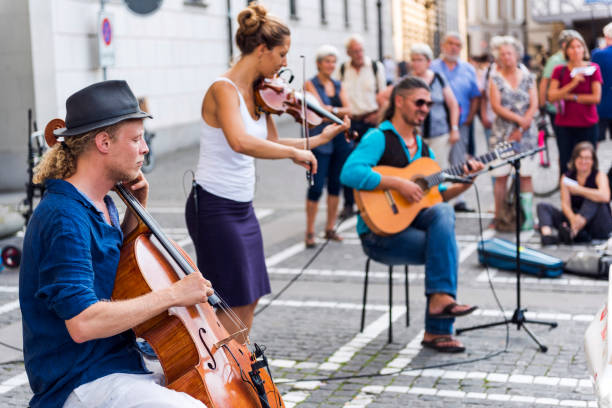
It’s interesting how sound can carry more than just melody. At some point, music in America stopped being just entertainment and became a way for people to say who they were and what they stood for. From protest songs to the rise of hip-hop, entire communities found ways to tell their stories through rhythm and lyrics, often saying things that couldn’t be said elsewhere.
As one artist once put it, “Music is the weapon of the future,” and for many, that felt true in a very real sense. Songs began to reflect struggle, joy, resistance, and pride, all at once. Over time, music shaped fashion, language, and even attitudes, influencing how people saw themselves and each other. It blurred lines between cultures while also highlighting unique identities. Even now, you can hear echoes of those shifts in what people play, share, and connect over, reminding us that sometimes the loudest changes come wrapped in something that feels familiar.
When Work Became More Than a Job

There was a time when work was mostly about stability, a steady path that people followed without asking too many questions. Then slowly, that idea began to shift. People started looking for meaning, balance, and a sense of purpose in what they did, not just a paycheck at the end of the month.
A common thought you hear now is, “People don’t leave jobs, they leave environments,” and it reflects how expectations have changed. Workplaces began to adapt, offering flexibility, creativity, and room for growth. At the same time, individuals started redefining success in their own terms. This shift didn’t happen overnight, but it quietly changed how people approach careers, making space for passion alongside practicality. It also reshaped conversations about burnout, rest, and fulfillment, showing that work is no longer just about what you do, but how it fits into the life you want to live.
When Conversations About Mental Health Opened Up
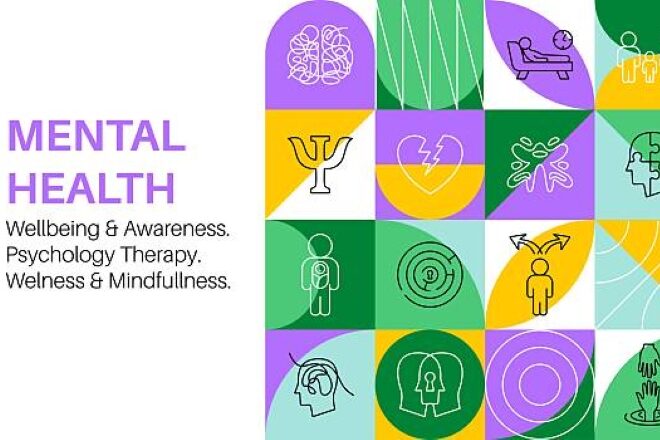
Not long ago, mental health was something people kept to themselves, often hidden behind silence or misunderstanding. Then, gradually, those quiet struggles began to find words. More people started speaking openly, and in doing so, they made it easier for others to do the same.
You’ll often hear the phrase, “It’s okay to not be okay,” and while simple, it carries weight. It reflects a shift toward empathy and understanding, where people are encouraged to seek help without shame. Over time, this openness influenced schools, workplaces, and even friendships, making space for honest conversations. It didn’t erase the challenges, but it changed how they were faced. Today, the conversation continues to grow, reminding people that acknowledging how you feel is not weakness, but a step toward something steadier and more human.
When Diversity Became Part of Everyday Thinking
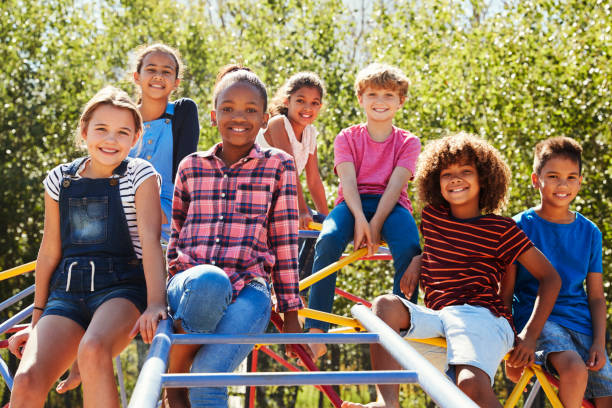
There was a time when diversity felt like a concept discussed in formal settings rather than lived out daily. Slowly, that began to change as communities grew more connected and aware. People started recognizing the value of different perspectives, not just as an idea, but as something that strengthens everyday life.
As one saying goes, “Our diversity is our strength,” and over time, that moved from a slogan to something people tried to practice. It showed up in classrooms, workplaces, and neighborhoods, shaping how people interacted and learned from each other. This shift encouraged curiosity, sometimes discomfort, but often growth. It didn’t mean everything became easy, but it opened the door for deeper understanding. Looking around now, it’s clear that this change continues to unfold, shaping conversations and choices in ways that feel both subtle and lasting.
When Individual Voices Found Collective Power
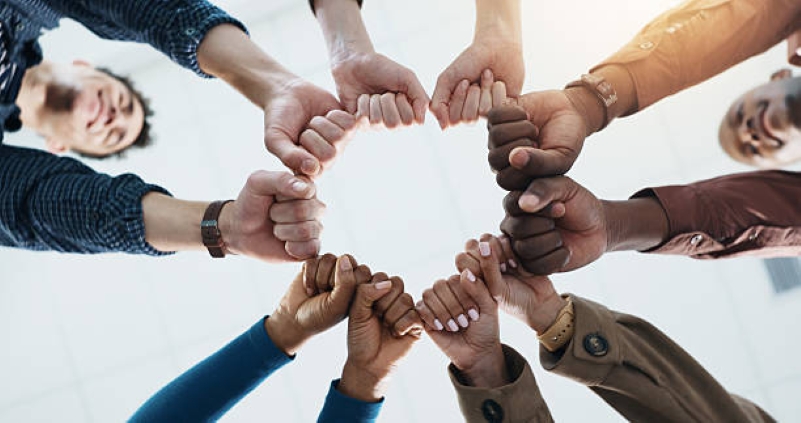
At some point, people began to realize that their voices carried more weight when joined with others. What once felt like isolated opinions started turning into shared movements, often sparked by everyday experiences. This shift wasn’t always loud, but it was steady, building momentum through connection and common purpose.
You might hear it in the idea that “one voice can start a movement,” and over time, that has proven true in many ways. Social platforms, community groups, and public spaces all became places where ideas could grow and spread. It changed how people saw their role in shaping the world around them, making participation feel more immediate and accessible. As this continues, it becomes clear that cultural change doesn’t belong to a few, it belongs to many and often begins with something as simple as speaking up and being heard.
When Privacy Became a Public Question
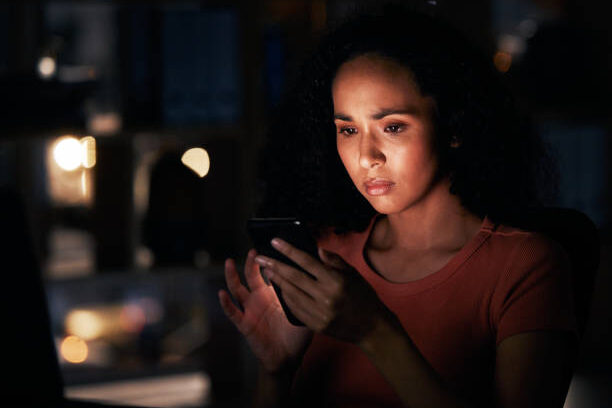
There was a time when privacy felt like a given, something people didn’t have to think about too deeply. Then, as technology grew, that sense of certainty began to shift. Personal moments started living online, and information moved in ways that weren’t always visible or understood.
You’ll often hear people say, “If it’s free, you’re the product,” and that thought has stayed with many. It reflects a growing awareness that convenience can come with trade-offs. Over time, people began asking more questions about what they share and who sees it. This shift didn’t lead to one clear answer, but it changed the conversation. Privacy is no longer just personal, it’s something discussed collectively, shaping how people navigate a world where the line between public and private keeps moving.
When Education Expanded Beyond the Classroom
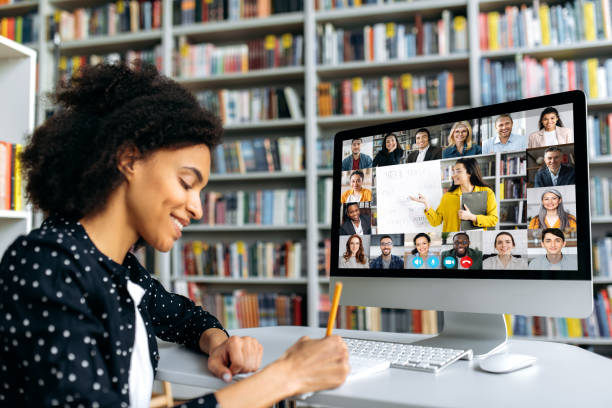
Not too long ago, learning had a clear place and structure. Classrooms, textbooks, and schedules defined how knowledge was shared. Then, gradually, that idea began to open up. Information became more accessible, and learning started happening in places people didn’t expect.
A common idea now is that “learning never stops,” and it feels more real than ever. Online platforms, shared resources, and everyday experiences all became part of the process. People began teaching themselves new skills, often outside traditional systems. This didn’t replace formal education, but it reshaped how people valued knowledge. It made learning feel more personal and continuous, something you carry with you rather than leave behind. Looking at it now, it’s clear that education has become less about location and more about curiosity.
When Identity Became More Self-Defined

There was a time when identity felt assigned, shaped by expectations that didn’t leave much room for questioning. Over time, that began to change as people started exploring who they were on their own terms. This shift didn’t happen all at once, but it grew through conversations, visibility, and personal courage.
You’ll often hear the phrase, “Be yourself,” and while it sounds simple, it carries depth. It reflects a growing belief that identity is something lived, not just labeled. People began expressing themselves in ways that felt true to them, whether through style, voice, or community. This shift encouraged acceptance, but also reflection, asking people to listen more closely to experiences different from their own. It continues to evolve, shaping how individuals connect with themselves and with others in ways that feel more honest and open.


