
Why Crowdfunding Success Stories Matter
In the digital age, the traditional gatekeepers of innovation and art have often been bypassed by a far more democratic force: the collective power of ordinary people. Crowdfunding has fundamentally shifted how we bring ideas to life, allowing a gardener in Kent or a student in London to have a direct say in which gadgets get made or which stories get told. It is no longer just about the money, but rather about the community and the shared belief that a single, brilliant spark deserves to catch fire. This movement has turned daydreamers into CEOs and provided a lifeline for niche projects that would have otherwise gathered dust in a drawer.
Understanding these record-breaking campaigns is essential because they offer a window into our collective desires and the future of consumer culture. When thousands of people open their wallets for a revolutionary 3D printer or a series of fantasy novels, they are sending a clear signal to the global market about what truly matters to them. These stories are a testament to human curiosity and the enduring appeal of the underdog, proving that when we come together, we can out-fund the biggest corporations. From the genuinely life-changing to the delightfully bizarre, these campaigns remind us that the next big thing is often just one “pledge” button away.
EufyMake Personal Texture Printer ($46 Million)
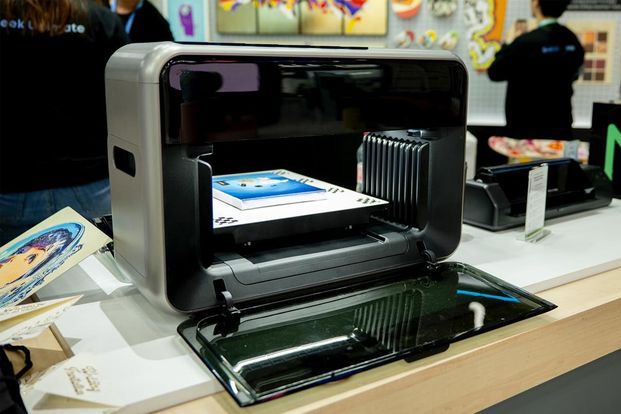
In a stunning display of what modern technology can achieve when paired with a hungry market, the eufyMake E1 3D-texture UV printer recently rewrote the history books. Launched in early 2025, this clever bit of kit managed to rake in a staggering $46.7 million from over 17,000 backers, making it the most funded Kickstarter project to date. It seems the world was more than ready for an industrial-grade UV flatbed that could actually fit on a home desk without costing the earth. People were particularly drawn to its ability to print vibrant, tactile textures onto almost anything from glass to leather, and the built-in AI tools made the whole process feel remarkably simple for the average creative soul.
The sheer scale of this success highlights a growing trend where individuals want to move away from mass-produced items toward bespoke, professional-quality creations made in their own spare rooms. By miniaturising a machine that was once the size of a small car and 90% larger than this new model, eufy tapped into the booming “maker” economy that has flourished recently. The campaign offered early birds a chance to secure the tech for a fraction of the usual industrial price, and the response was nothing short of a frenzy. It is a perfect example of how providing high-end tools to the masses can create a financial whirlwind that leaves traditional manufacturers scratching their heads.
Ubuntu Edge Superphone Ambition ($32 Million)
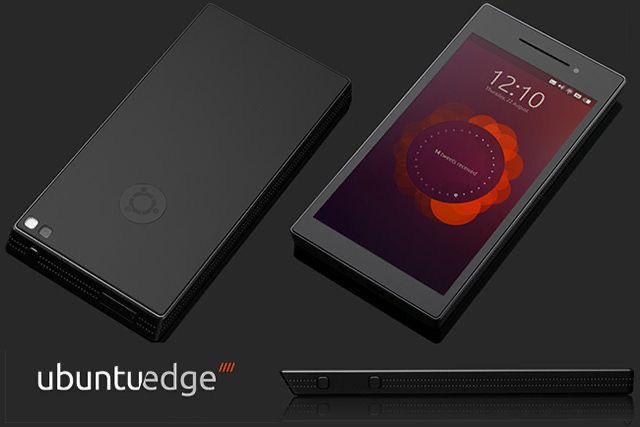
The story of the Ubuntu Edge is a fascinating tale of “what might have been,” as it remains one of the most ambitious and highest-funded failures in crowdfunding history. Launched by Canonical in 2013, the goal was to raise a staggering $32 million to create a “superphone” that could dual-boot into a full desktop PC when docked. While it fell short of its massive target, it still managed to raise over $12.8 million from fans who were desperate for a genuine alternative to the Apple and Android duopoly. It was a bold attempt to push the boundaries of what a mobile device could be and do.
Even though the phone was never actually built, the campaign itself was far from a waste of time as it demonstrated a clear hunger for innovation in the mobile space. It sparked a global conversation about the convergence of mobile and desktop computing that continues to this day. The backers, who were eventually refunded, showed that there is a significant audience willing to support experimental technology if it promises to break the mould. The Ubuntu Edge serves as a reminder that in the world of crowdfunding, the vision is sometimes just as important as the final product, and even a “failed” campaign can leave a lasting mark on the industry.
Sanderson’s Secret Novel Collection ($20 Million)
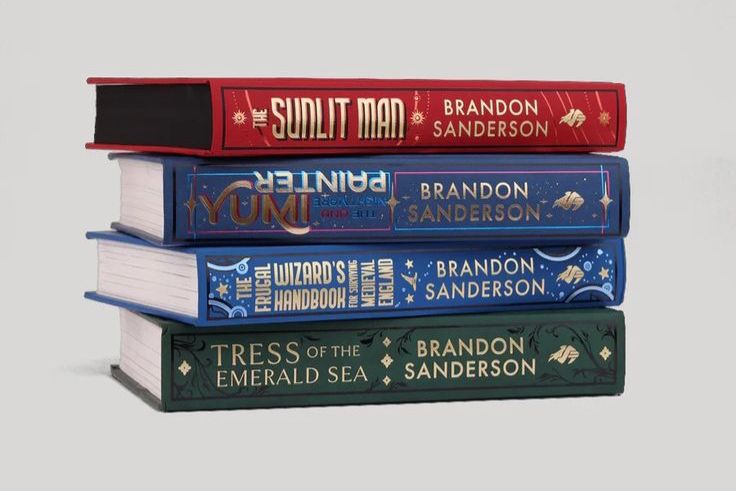
When Brandon Sanderson took to Kickstarter in March 2022, he didn’t just ask for a bit of help; he inadvertently started a revolution in the publishing world. The prolific fantasy author had spent his pandemic lockdowns quietly penning four entire novels in secret, and he offered them up to his fans with a modest goal of one million dollars. Within a mere three days, that figure had ballooned to over $20 million, eventually finishing at an eye-watering $41.7 million from 185,000 supporters. It was a clear message to the big publishing houses that readers are perfectly happy to bypass the middleman and support their favourite creators directly if the reward is right.
This “Year of Sanderson” became a cultural phenomenon, as backers eagerly awaited their quarterly delivery of premium hardcovers and digital goodies throughout 2023. The campaign was so successful that it actually caused a temporary technical hiccup on the Kickstarter platform due to the sheer volume of traffic and transactions. Beyond the numbers, it proved that a loyal community is the most valuable asset any artist can possess in the modern era. By offering a direct connection and a sense of shared discovery, Sanderson showed that the bond between a writer and their audience is stronger than any traditional marketing campaign could ever hope to be.
Pebble Time Smartwatch Revolution ($20 Million)
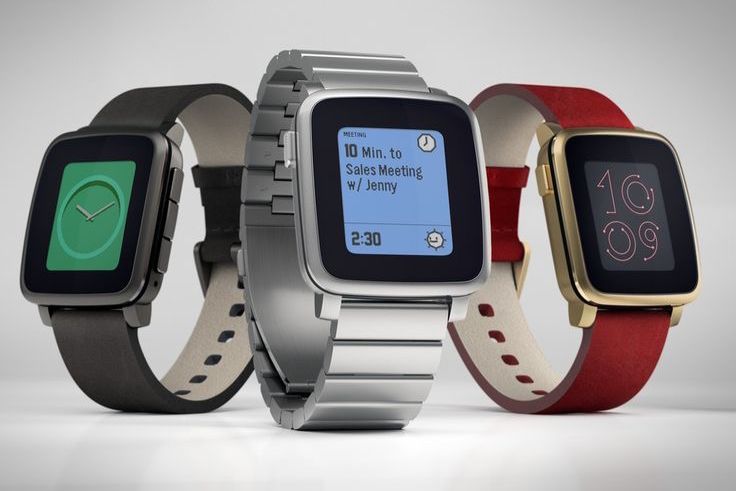
Long before the giants of Silicon Valley dominated our wrists, a small startup called Pebble proved that the world was desperate for a truly smart watch. Their 2015 campaign for the Pebble Time was a masterclass in building anticipation, raising $1 million in just 49 minutes and eventually closing at over $20.4 million. This was the watch that introduced the world to the colour e-paper display and a battery life that put its future competitors to shame. For many, it represented the underdog taking on the establishment, and for seven years, it held the crown as the most funded project in the history of the platform.
The passion behind the Pebble community was truly something to behold, as nearly 80,000 people pledged their hard-earned cash to see this vision come to life. Even though the company was eventually acquired and the hardware discontinued, the impact it had on the wearable tech industry is still felt today. It forced larger companies to rethink their designs and proved that there was a massive market for devices that prioritised utility and open-source flexibility over flashy, power-hungry screens. Looking back, the Pebble Time wasn’t just a gadget; it was a symbol of a time when a small team with a great idea could genuinely change the world.
Mate X Foldable Electric Bike ($17 Million)
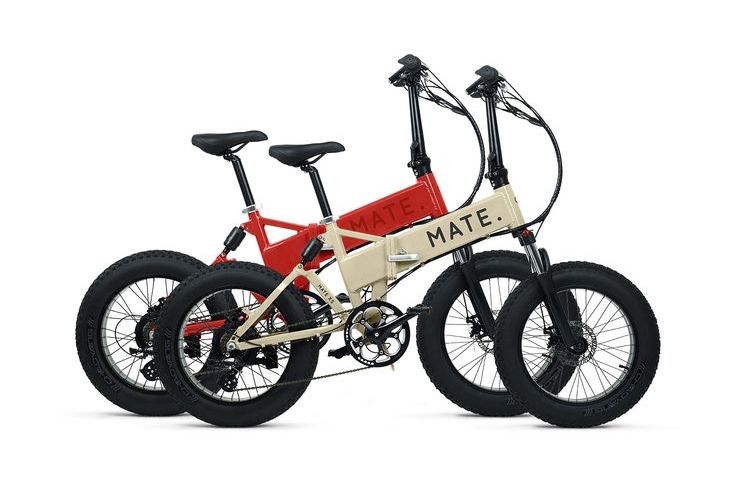
The Mate X campaign on Indiegogo serves as a powerful reminder that the way we move around our cities is ripe for a radical overhaul. This chunky, foldable electric bike captured the imagination of urban commuters and weekend adventurers alike, raising over $17 million from people tired of cramped trains and traffic jams. With its fat tyres and futuristic frame, it looked like something out of a sci-fi film but promised the very practical benefit of making the morning commute actually enjoyable. The Danish creators tapped into a global desire for greener, more versatile transport that didn’t require a garage for storage.
What made this campaign particularly impressive was how it managed to build a global community of “riders” before a single bike had even rolled off the assembly line. People from all corners of the globe were sharing their excitement and customisation ideas, creating a buzz that sustained the funding for months. Despite the challenges often faced by hardware startups, the Mate X became a common sight in major cities, proving that crowdfunding can successfully launch a physical product into the mainstream. It showed that if you give people a stylish, eco-friendly alternative to the status quo, they will back it with a level of enthusiasm that traditional car companies can only dream of.
Coolest Cooler Party Disaster ($13 Million)
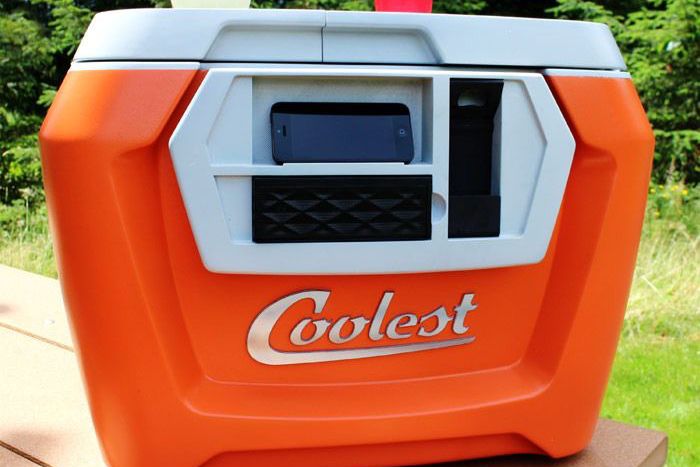
No list of crowdfunding giants would be complete without the cautionary tale of the Coolest Cooler, a project that promised the ultimate “portable party” but ended in a legal and financial mess. In 2014, it raised over $13 million by promising a cooler with a built-in blender, Bluetooth speaker, and USB charger. It seemed like the perfect summer accessory, and tens of thousands of people couldn’t wait to get their hands on one. However, the project was plagued by manufacturing delays, rising costs, and a controversial decision to sell units on Amazon while original backers were still waiting.
The fallout was spectacular, with the company eventually shutting down and leaving thousands of supporters with nothing but a bitter taste in their mouths. It became the poster child for the risks inherent in crowdfunding, where a great idea and a lot of money don’t always guarantee a finished product. The “disaster” served as a wake-up call for both creators and backers, leading to more stringent rules on many platforms and a more sceptical approach from the public. While it started with high hopes and a lot of ice, the Coolest Cooler ultimately proved that even the most successful campaign can melt away if the business side isn’t handled with care.
Flow Hive Beekeeping Simplified ($12 Million)
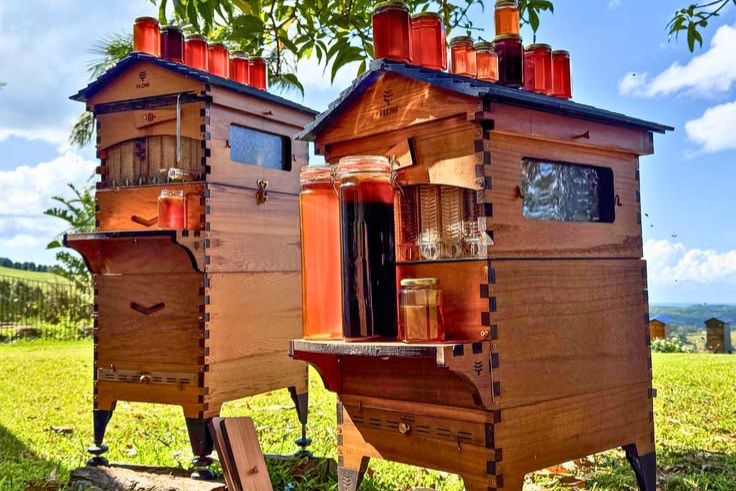
Every so often, a project comes along that is so elegantly simple and obviously brilliant that you wonder why it wasn’t invented centuries ago. The Flow Hive, created by an Australian father-and-son duo, was exactly that, raising over $12 million by promising “honey on tap” without disturbing the bees. Traditional beekeeping is a sticky, laborious process that involves smoke and heavy lifting, but this invention allowed anyone to harvest honey with the simple turn of a lever. It resonated deeply with a public increasingly concerned about the decline of bee populations and a growing desire for sustainable, home-grown food.
The campaign’s success was fuelled by mesmerising videos of golden honey flowing directly from the hive into jars, a sight that proved irresistible to gardeners and environmentalists. It wasn’t just about the convenience; it was about making beekeeping more accessible to the average person and fostering a deeper connection with nature. By removing the barriers to entry, the Andersons didn’t just sell a product; they inspired a new generation of hobbyist beekeepers to take up the veil. This project remains one of the most beloved examples of how crowdfunding can support innovations that are as good for the planet as they are for the soul.
Frosthaven Tabletop Gaming Epic ($12 Million)
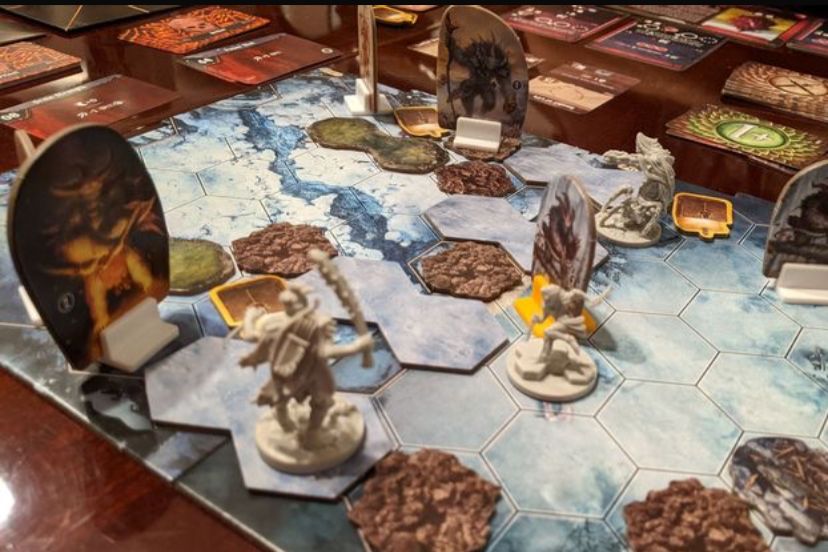
In the world of board games, bigger is often better, and Frosthaven took that mantra to a whole new level during its 2020 campaign. As the sequel to the legendary Gloomhaven, expectations were sky-high, but nobody quite predicted it would raise nearly $13 million from over 83,000 eager players. Despite the world being in the middle of a global pandemic, people were clearly looking for a way to escape into a rich, complex fantasy world from the safety of their dining room tables. The sheer weight of the box alone was a testament to the amount of content Isaac Childres and his team had packed inside.
The success of Frosthaven was a watershed moment for the tabletop industry, proving that niche hobbies could generate mainstream-level funding. It showed that gamers were willing to pay a premium for high-quality components and hundreds of hours of gameplay, often pledging hundreds of pounds for the full experience. The community engagement during the campaign was intense, with stretch goals and daily updates keeping the momentum going for the full month. It solidified the idea that Kickstarter is the heartbeat of the modern board gaming world, allowing creators to take massive risks on epic projects that no traditional publisher would dare to touch.
Kingdom Death Nightmare Horror ($12 Million)
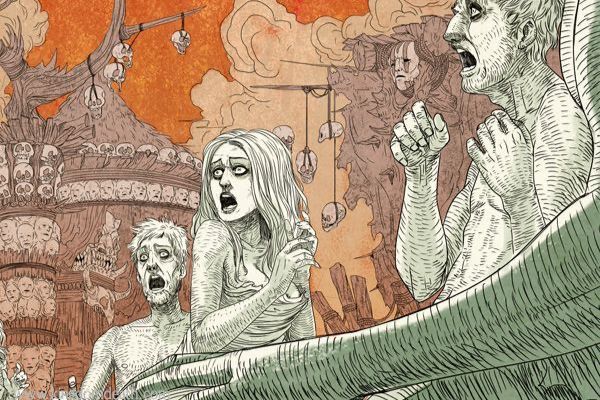
Kingdom Death: Monster 1.5 is a project that truly leans into the dark and the macabre, proving that there is a massive market for high-end, boutique horror gaming. This cooperative “nightmare horror” experience raised over $12.3 million, largely thanks to its incredibly detailed miniatures and a gameplay loop that is famously brutal and unforgiving. It is a game that demands a lot from its players, both in terms of the cost of entry and the time required to master its systems, yet it has cultivated a fanatical following. The creator, Adam Poots, has built a world that is as beautiful as it is terrifying.
The campaign was a masterclass in building a premium brand, with limited edition “pinups” and expansions that sold out almost instantly. For many backers, it wasn’t just about the game itself, but about being part of an exclusive club of collectors who appreciated the craftsmanship and the unique artistic vision. It proved that if you create something truly unique and uncompromising, you don’t need to appeal to everyone to be a massive success. The sheer scale of the funding allowed the team to expand the game’s universe in ways that would have been impossible through traditional retail channels, ensuring its place in gaming history.
Peak Design Travel Tripod ($12 Million)

Photographers are notoriously picky about their gear, so when Peak Design set out to reinvent the humble tripod, the industry took notice. Their Travel Tripod campaign in 2020 raised over $12 million by addressing the age-old problem of tripods being either too flimsy or too bulky to actually carry anywhere. By redesigning the legs to nest together more tightly, they created a professional-grade support that was no thicker than a water bottle. It was a triumph of engineering and design that resonated with everyone from professional landscape photographers to casual travellers who just wanted a better family photo.
The success of this campaign was built on years of trust, as Peak Design had already established themselves as masters of crowdfunding with several previous hits. They understood exactly what their audience wanted and delivered it with a level of polish and transparency that is rare in the startup world. The campaign even included a carbon fibre version for those who wanted the ultimate in lightweight gear, showing that they knew their market inside and out. It stands as a perfect example of how an established brand can use crowdfunding to launch a major new product line while keeping their most loyal customers involved in the process.
The Most Unusual Ones
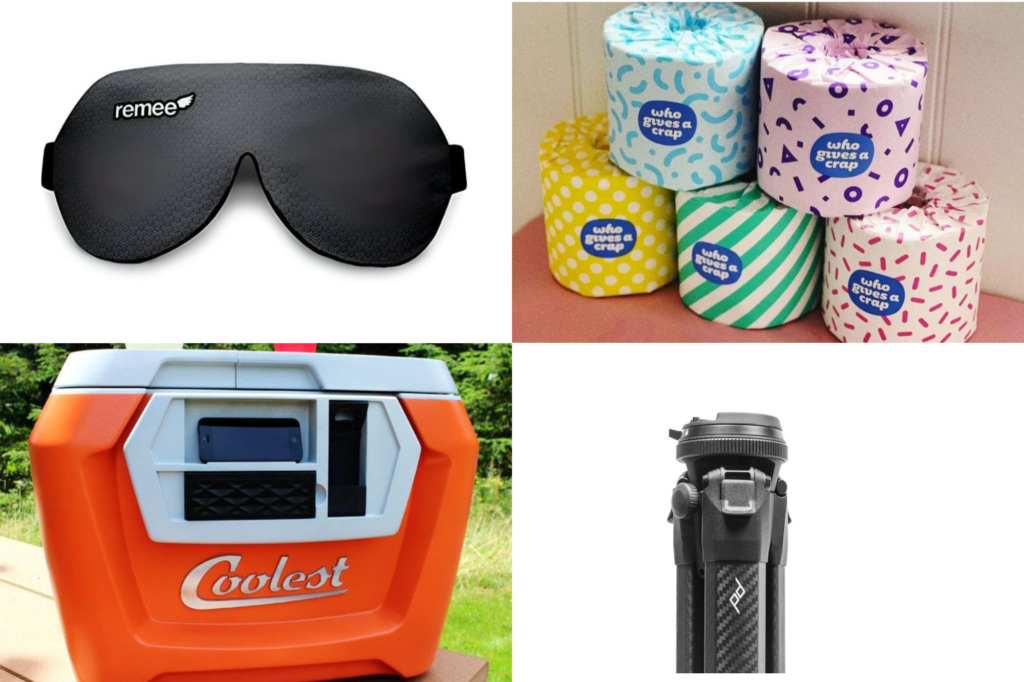
While the record-breaking tech giants and literary epics prove the financial might of the masses, this second collection explores the projects that perhaps shouldn’t have worked on paper, yet somehow captured the global imagination through wit, audacity, or just plain weirdness.
Zack’s Infamous Potato Salad

In the summer of 2014, a man named Zack Brown from Ohio posted a simple, unassuming request on Kickstarter that would eventually become the ultimate symbol of internet irony. He asked for a modest ten dollars to help him make his very first potato salad, but the digital world had other plans. What started as a joke between friends quickly snowballed into a global phenomenon, with over 6,900 backers pledging more than $55,000 to see this culinary experiment through to the end. It was a bizarre, brilliant moment that proved people are often more than happy to pay for the sheer entertainment value of a project rather than a tangible, high-tech product.
As the money poured in, Zack had to get creative with his “stretch goals,” promising everything from live-streaming the cooking process to reading the names of his backers aloud while he peeled the potatoes. He eventually turned the massive windfall into “PotatoStock,” a large charity concert in his hometown that raised money to combat homelessness and hunger. This light-hearted campaign served as a fascinating social experiment, showing how a low-stakes, humorous idea can resonate more deeply than many serious business pitches. It remains the quintessential example of how the internet can take a tiny spark of silliness and turn it into a roaring, charitable fire that leaves everyone with a smile.
The Giant Inflatable Lionel
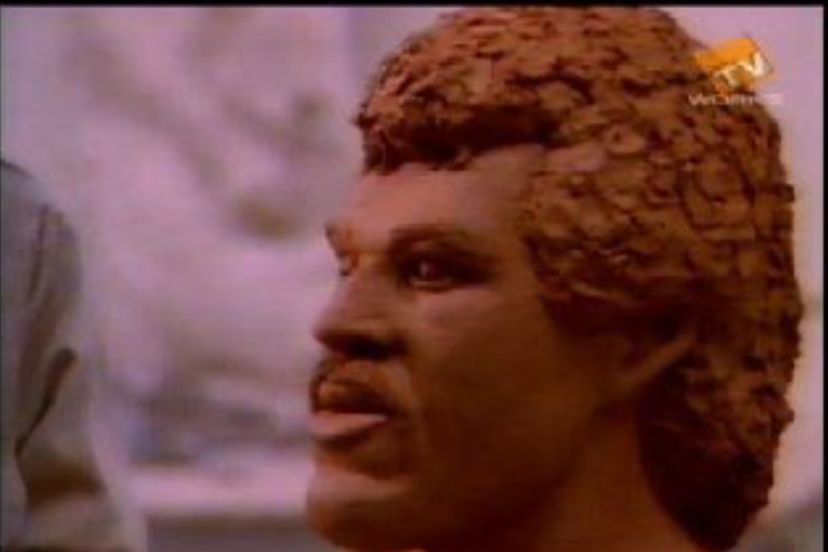
If you ever found yourself wandering through the Bestival music festival on the Isle of Wight in 2013, you might have been greeted by the sight of a massive, inflatable bust of Lionel Richie. This surreal piece of public art was the brainchild of a Spanish creative collective called Hungry Castle, who managed to raise over £8,000 from 211 backers to bring the Motown legend’s likeness to life. The project was inspired by the famous clay head from the “Hello” music video, but this version allowed festival-goers to actually step inside the singer’s cranium. It was the kind of gloriously unnecessary project that crowdfunding was seemingly made for, blending pop culture nostalgia with high-concept performance art.
Once inside the giant head, visitors were greeted by a ringing telephone that, when answered, played the iconic chorus of the song that started it all. The campaign perfectly tapped into the whimsical, slightly eccentric spirit of the British festival scene, proving that there is a significant market for experiences that are both interactive and inherently ridiculous. While it might not have changed the course of human history, the “Lionel” project provided thousands of people with a story they would tell for years. It showed that if you can offer a crowd a truly unique, “Instagrammable” moment before Instagram was even at its peak, they will rally behind your vision with genuine enthusiasm.
Who Gives A Crap
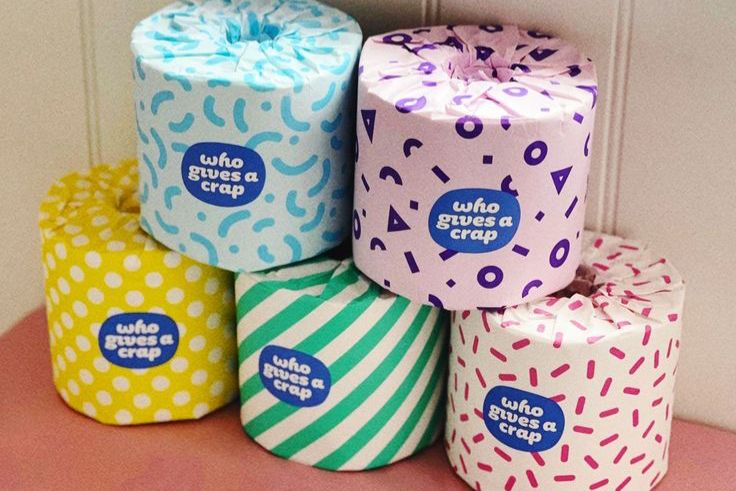
Sometimes, a project is so unusual not just because of what it is selling, but because of the lengths the creators will go to in order to get noticed. Simon Griffiths, the co-founder of the eco-friendly toilet paper brand Who Gives a Crap, famously sat on a toilet in a drafty warehouse for 50 hours straight to reach his funding goal. He refused to get up until he had pre-sold $50,000 worth of toilet paper on Indiegogo, and the entire ordeal was live-streamed to a captivated and slightly bewildered global audience. This “sit-in” was a masterclass in commitment and quirky marketing, turning a mundane household product into a cause that people felt truly passionate about supporting.
The campaign worked because it combined a very serious mission—donating 50% of profits to build toilets in the developing world—with a light-hearted, human approach that felt incredibly authentic. By the end of the 50-hour marathon, Simon had not only hit his target but had built a loyal community of “crap-givers” who were eager to see the brand succeed. It proved that in the crowded world of ethical consumerism, a bit of humour and a willingness to look slightly ridiculous can be your greatest assets. Today, the company is a global success story, showing that a seat on a toilet can occasionally be the best place to launch a multi-million-pound business.
The World’s Largest Jockstrap
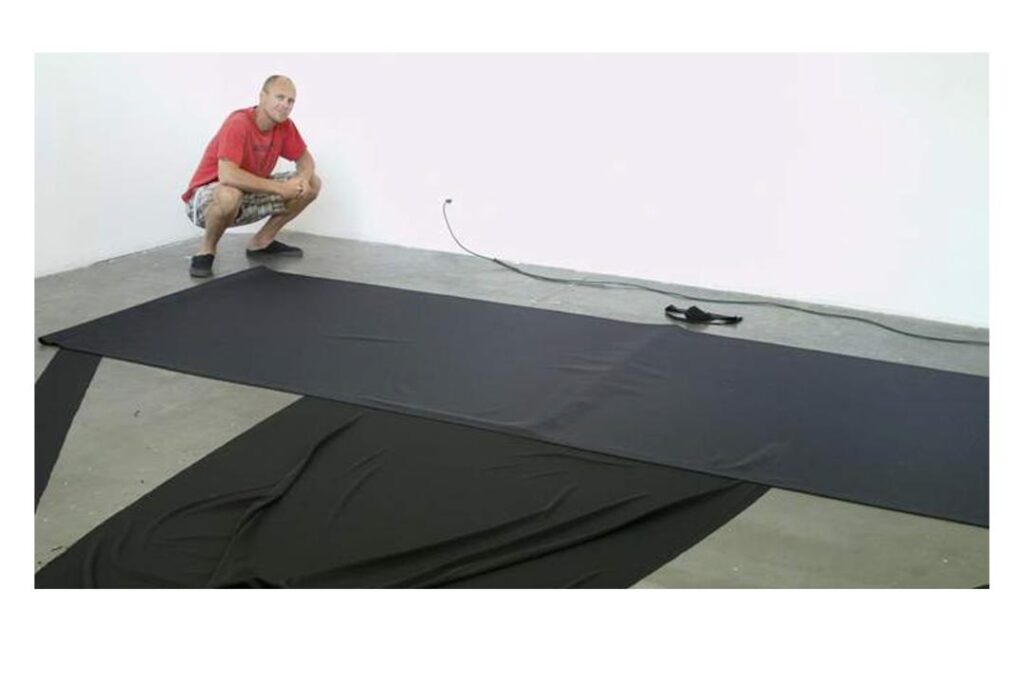
In 2011, a former U.S. Marine named Michael Barrett decided that the world was missing one very specific thing: a record-breakingly large piece of protective athletic gear. He took to Kickstarter with the goal of raising $850 to create a jockstrap that would measure a staggering 3.7 by 4 metres, a feat that would surely secure him a place in the Guinness World Records. To the surprise of many, eleven backers stepped up to provide the funds, perhaps intrigued by the sheer oddity of the request or the creator’s earnest desire for a bit of niche fame. It remains one of the most delightfully niche and bizarrely specific successful projects in the platform’s history.
The rewards for backers were just as peculiar as the project itself, with those who pledged over $100 receiving a hand-sewn, much smaller commemorative version of the garment. While it certainly didn’t have the broad appeal of a smartwatch or a fantasy novel, the campaign highlighted the “long tail” of crowdfunding where even the most obscure hobbies can find a home. It served as a reminder that the platforms are a place for everyone, from tech moguls to people who just want to sew a massive piece of underwear. Barrett eventually completed his gargantuan task, proving that with a small amount of money and a very strange dream, anything is possible in the world of the crowd.
Remee Lucid Dreaming Mask
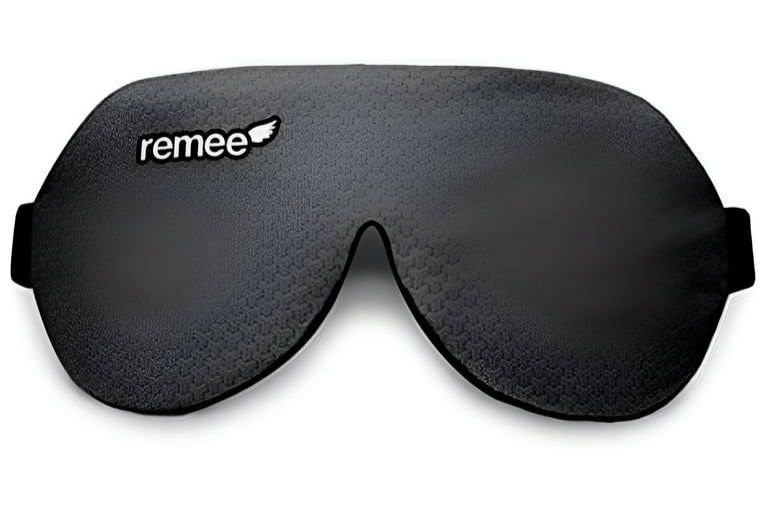
The idea of being able to control your dreams has been a staple of science fiction for decades, so when a project promised to make it a reality, the internet responded with a resounding “yes.” The Remee was a sleep mask that used subtle light patterns to alert your brain that you were dreaming without waking you up, theoretically allowing for “lucid dreaming” on demand. Despite the shaky scientific ground, the campaign was an astronomical success, raising over $572,000 from more than 6,500 people who were desperate to explore their own subconscious. It tapped into a deep-seated human desire for self-improvement and adventure in the most literal of dreamscapes.
What made this project so unusual was how it managed to market a purely internal experience as a must-have tech gadget. People were less concerned with the technical specifications of the LEDs and more enamoured with the promise of flying through space or meeting historical figures in their sleep. While the actual results for users were famously mixed, the campaign remains a fascinating case study in how to sell a vision that is almost entirely based on hope and curiosity. It showed that when a project promises to unlock a new frontier of the human experience, backers are willing to take a leap of faith, even if the “science” feels a bit more like magic.
The Squirrel Census Project
Most people walk through a park without giving a second thought to the number of bushy-tailed inhabitants, but Jamie Allen saw a data-driven opportunity in Atlanta’s Inman Park. He launched a Kickstarter campaign to fund a comprehensive “Squirrel Census,” promising to track every single squirrel in the area and produce a high-quality, scientifically minded report. To the surprise of many, he raised over $8,900 from people who were strangely charmed by the idea of meticulous rodent tracking. It was a project that perfectly balanced the line between serious academic endeavour and a delightfully eccentric neighbourhood passion project that only the internet could love.
The resulting data was presented in beautiful, professionally designed posters and maps, turning what could have been a dry exercise into a work of art. The project even included a “Squirrel Census” jingle and a field guide for aspiring trackers, showing a level of dedication that was as impressive as it was unusual. It resonated because it was local, tactile, and completely different from the usual deluge of digital products. By focusing on something as small and ubiquitous as a common squirrel, Allen proved that there is a wealth of interesting stories to be found in our own backyards if we are just willing to look closely enough.
The Real Life Photo Filter

Long before we all had sophisticated AI editing tools on our phones, a company called Tens decided that the world needed a way to see life through a “permanent Instagram filter.” They launched an Indiegogo campaign for sunglasses that used a specific lens tint to make the real world look warmer and more vibrant, much like a classic photo filter. The idea was simple but incredibly effective, raising over £330,000 from backers who wanted to improve their everyday reality without staring at a screen. It was a low-tech solution to a high-tech trend, and the public absolutely loved the “warm glow” it promised.
The campaign’s success was driven by stunning photography that showed the “before and after” of looking through the lenses, creating a desire for a lifestyle that felt constantly sun-drenched and nostalgic. It was an unusual project because it took a digital aesthetic and physically manifested it in a piece of fashion, showing how much our online lives had begun to influence our offline preferences. By focusing on the feeling a product gives you rather than just its function, Tens managed to build a brand that felt both trendy and timeless. It stands as a testament to the power of a strong visual identity and a clear understanding of the “mood” that people are currently chasing.
Pi Shaped Pie Pans
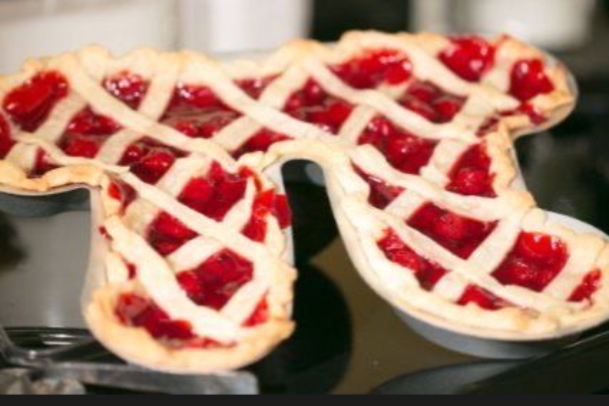
For those who enjoy a bit of mathematical puns with their dessert, the Pi Pie Pan was a dream come true that took three long years of prototyping to perfect. The creator, a man named Garrett from Texas, wanted a baking dish that was literally shaped like the mathematical constant pi, allowing geeks and bakers alike to celebrate “Pi Day” in style. He sought a modest amount of funding but ended up with over $17,000 from nearly 800 supporters who couldn’t resist the temptation of “yummy mathematics.” It was a project that knew exactly who its audience was and spoke to them in a language of crusts and constants.
This project is a classic example of how crowdfunding can solve the most specific of “problems”—in this case, the lack of a non-circular pie dish for math enthusiasts. The level of detail in the design was surprisingly high, ensuring that the pie would bake evenly despite its irregular, symbolic shape. It’s the kind of item that you didn’t know you needed until you saw it, and the success of the campaign showed that there is a thriving market for gifts that are both practical and incredibly nerdy. It reminds us that sometimes, the best ideas are the ones that simply make a small group of people very, very happy on a specific day of the year.
Meat Scented Bacon Soap
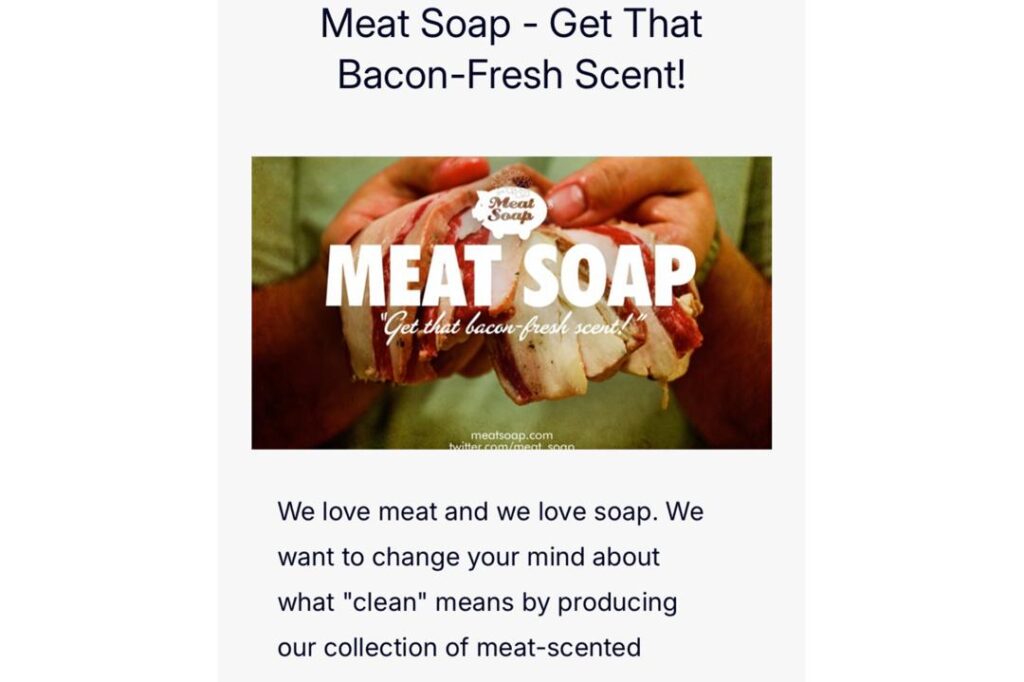
The internet’s obsession with bacon reached a fever pitch in 2011, and the “Meat Soap” Kickstarter was right there to capitalise on the craze with a product that promised to make you smell like breakfast. The creators were remarkably upfront about their motivations, stating simply, “We love meat and we love soap,” a sentiment that was apparently shared by enough people to more than double their funding goal. They used the money to create custom molds in the shape of a pig, ensuring that the visual experience was just as “porky” as the olfactory one. It remains one of the more bizarrely aromatic successes in the history of the site.
While the idea of lathering up with the scent of cured pork might turn some stomachs, the campaign was a huge hit among those who appreciated its subversive, slightly gross charm. It was a project that didn’t take itself seriously for a second, which is often the key to winning over the more cynical corners of the web. By offering something that was both a functional product and a hilarious gag gift, the Meat Soap team managed to carve out a niche for themselves in the competitive world of artisanal toiletries. It serves as a pungent reminder that as long as there is a trend to tap into, someone will find a way to turn it into a crowdfunded reality.
The Inflatable Trump Baby

In a more politically charged example of the “unusual,” a group of protesters in 2018 used crowdfunding to create a six-metre-tall inflatable balloon depicting a world leader as a giant baby in a nappy. The “Trump Baby” campaign raised over £16,000 in a matter of days, with the funds used to fly the massive orange blimp over London during a high-profile state visit. It was a bold, highly visible form of satirical protest that used the power of the crowd to amplify a political message in a way that was impossible to ignore. This wasn’t about a consumer product; it was about buying a piece of the sky for a few hours.
The campaign sparked a massive global debate about the nature of free speech and the boundaries of political satire, with the balloon eventually being acquired by the Museum of London for its permanent collection. It was unusual because it demonstrated how crowdfunding could be used as a tool for rapid-response activism, allowing individuals to contribute small amounts to a large-scale, symbolic act of defiance. The “Trump Baby” showed that the same platforms used to fund smartwatches and board games could also be used to facilitate international headlines and political statements. It proved that when people are angry or inspired, they can quickly pool their resources to create something that literally looms over the status quo.
The incredible success of these campaigns shows that while we are no longer reliant on a single factory or a handful of traditional investors to bring our dreams to life, the responsibility of delivery now rests squarely on the shoulders of the creators we choose to trust.
Like this story? Add your thoughts in the comments, thank you.


