
1. Polar Bears on Thinning Ice
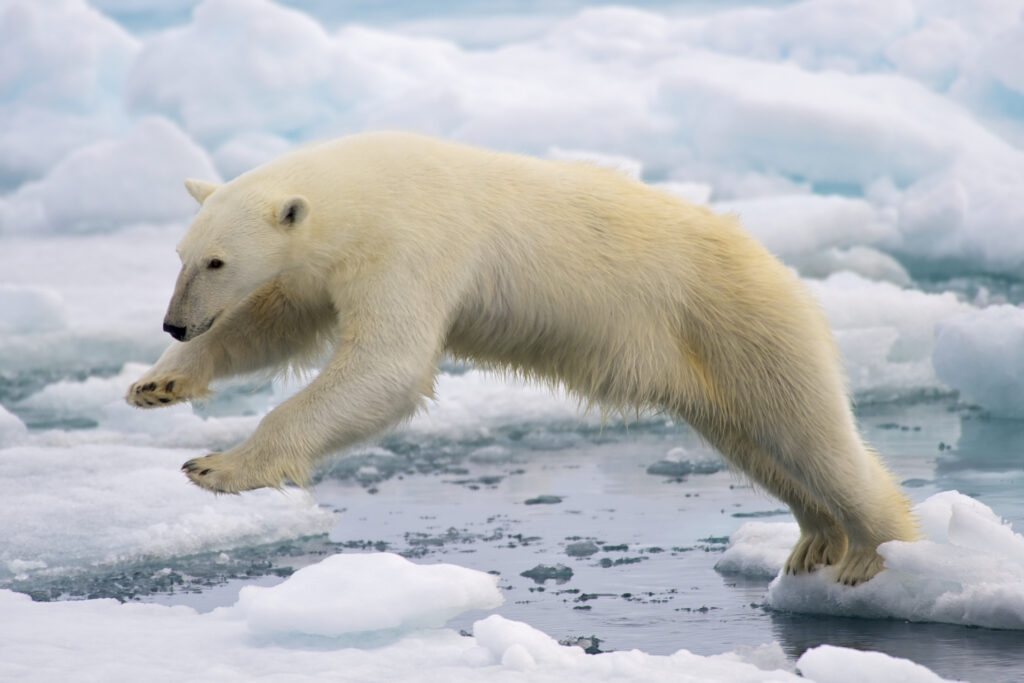
The story of the Polar bear has become closely tied to the fate of Arctic sea ice. Researchers track their body weight, cub survival rates, and hunting patterns because these bears rely on stable sea ice to catch seals. As ice forms later and melts earlier, many bears are spending longer periods on land, where food is scarce. According to the World Wildlife Fund, polar bears are “increasingly at risk as climate change shrinks their sea ice habitat,” a statement that echoes what field scientists have been reporting for years.
In places like Hudson Bay, scientists have observed bears coming ashore earlier than they once did, sometimes thinner and more stressed. Researchers aren’t just counting bears; they are studying how adaptable they can be in a warming Arctic. The bear has quietly become a living measure of climate change. Watching them helps experts understand how fast the Arctic is transforming, and what that might mean for countless other species, including us.
2. African Elephants Under Pressure
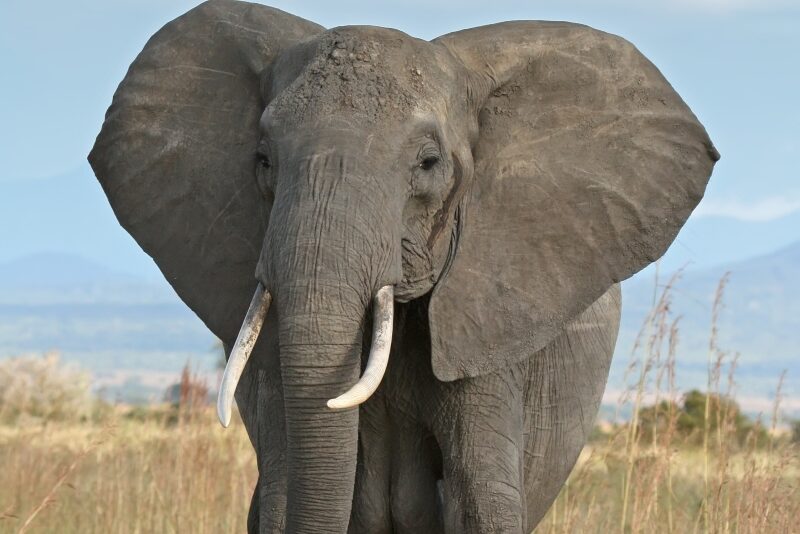
The African elephant is being closely monitored not only because of poaching but also because of shifting climates and land use. In regions across Sub-Saharan Africa, elephants are navigating shrinking habitats as farms, roads, and towns expand. Conservation groups like the International Union for Conservation of Nature have classified certain elephant populations as endangered, noting significant declines over recent decades.
Scientists are using GPS collars to follow elephant herds and understand how they respond to drought and human activity. Their movements reveal how ecosystems are changing. When elephants alter migration routes, it often signals deeper environmental stress. As one wildlife researcher shared in a field report, elephants are “ecosystem engineers,” meaning their survival influences forests, grasslands, and water access for other species. Watching them closely is not just about saving a single iconic animal. It is about safeguarding entire landscapes that depend on their presence and movement.
3. Honeybees and the Pollination Puzzle
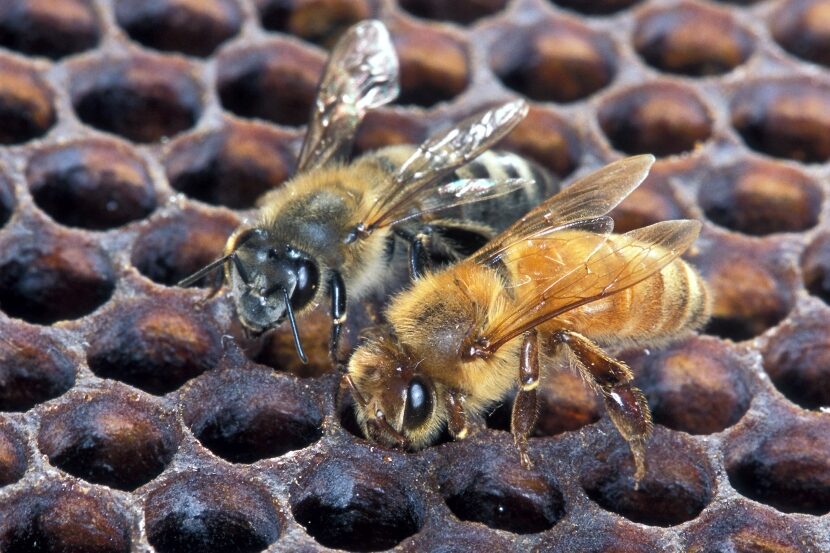
The humble Western honey bee has become one of the most studied insects in the world. In recent years, beekeepers across United States and Europe have reported significant colony losses. Scientists are investigating a mix of causes, including pesticides, habitat loss, parasites, and climate stress. The United States Department of Agriculture has described pollinators as “vital to agriculture and food production,” a reminder that their health affects what ends up on our plates.
Researchers are monitoring hive health, queen fertility, and foraging patterns to understand why colonies sometimes collapse unexpectedly. Honeybees pollinate crops ranging from almonds to apples, making them essential to global food systems. When bee populations dip, farmers feel it first, but eventually everyone does. By watching honeybees carefully, scientists hope to protect not just an insect, but the intricate web of crops and wild plants that rely on their quiet, steady work.
4. Pangolins in the Spotlight
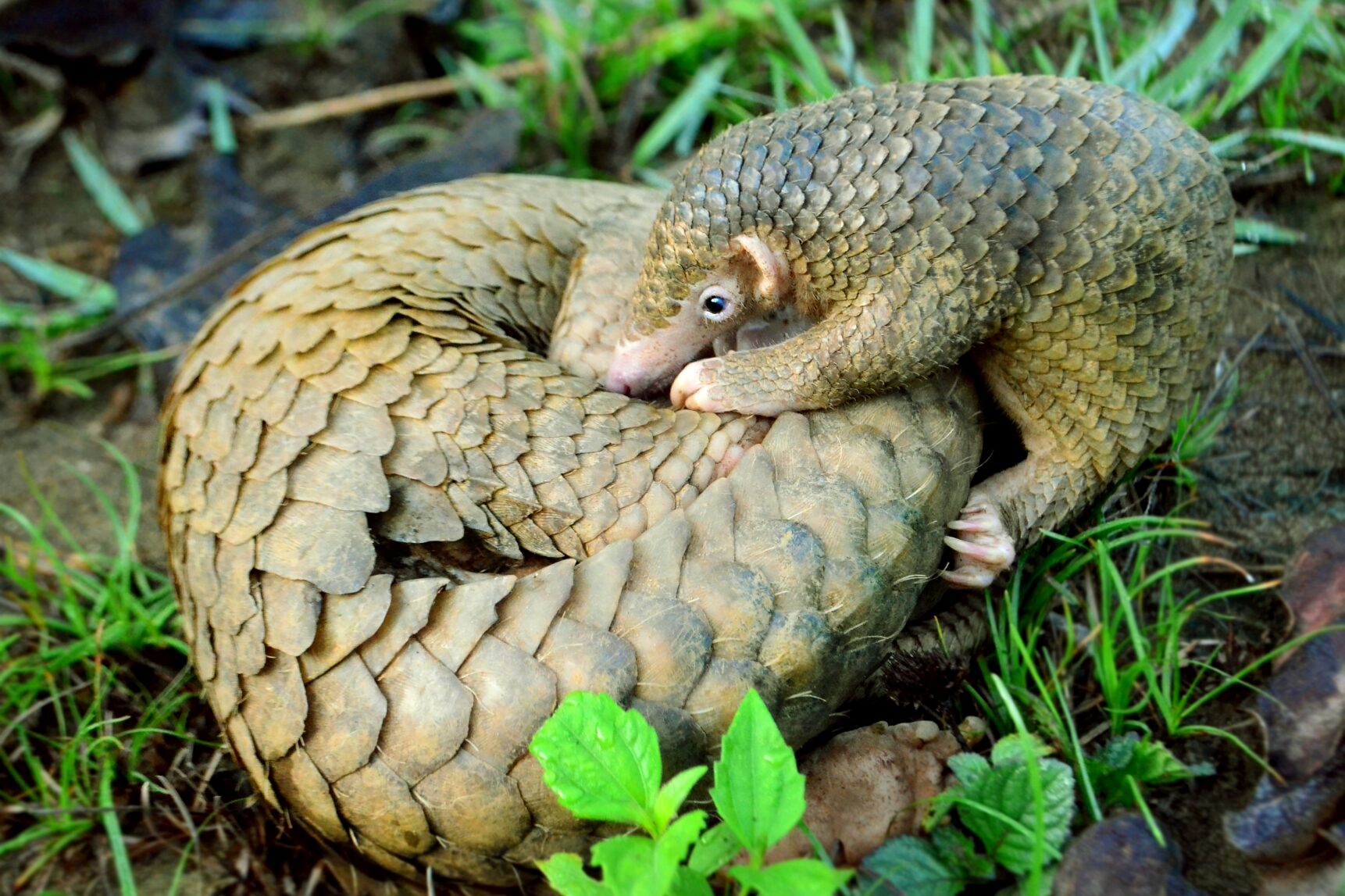
The Pangolin is often called the world’s most trafficked mammal. Found in parts of Africa and Asia, these shy, scale-covered animals are heavily hunted for their meat and scales. The World Wildlife Fund warns that illegal wildlife trade has pushed several pangolin species to the brink, and international protections have tightened in recent years.
Scientists are studying pangolin populations to better understand their reproduction rates and habitat needs. Because they are nocturnal and secretive, gathering reliable data has been challenging. Yet their survival tells a broader story about wildlife trafficking and global demand. Monitoring pangolins also helps researchers track the health of forest ecosystems where they control insect populations. Their quiet disappearance would ripple outward in ways we might not immediately see, which is why scientists are paying much closer attention now.
5. Bats and Emerging Diseases
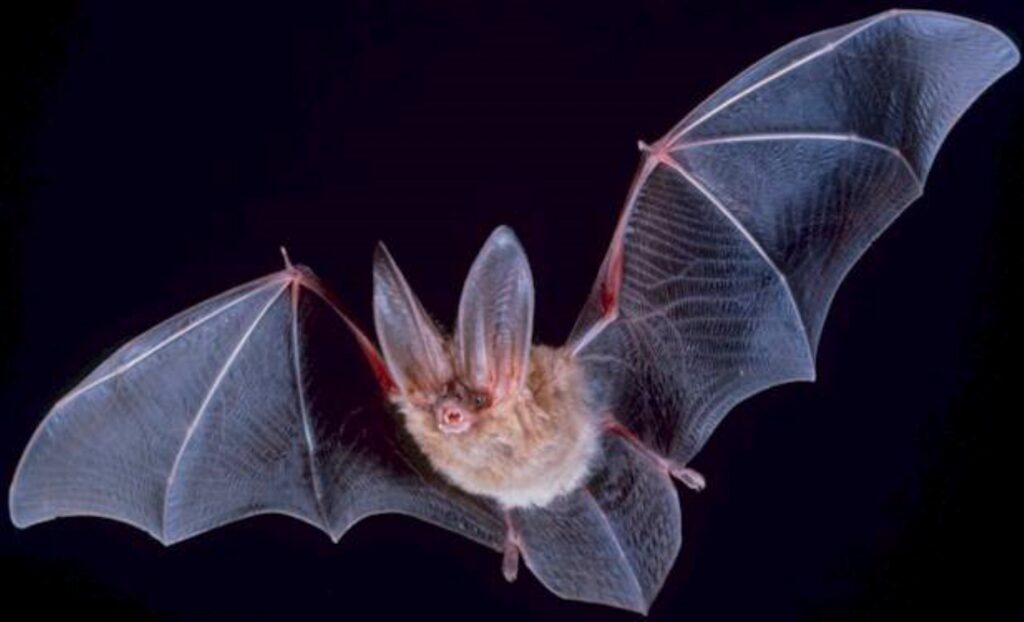
Bats, including species like the Greater horseshoe bat, are under careful scientific observation for reasons that go beyond conservation. These mammals play important roles in pollination and insect control, yet they are also studied for their connection to emerging infectious diseases. Organizations such as the World Health Organization emphasize that understanding wildlife disease dynamics is crucial for preventing future outbreaks.
Researchers are examining bat immune systems, migration patterns, and habitats to learn how viruses circulate in nature. Importantly, many scientists stress that habitat destruction and human encroachment increase contact between wildlife and people. Bats themselves are not villains in this story. Instead, they are indicators of how closely human health is tied to environmental stability. By watching bat populations carefully, scientists aim to reduce disease risk while protecting animals that quietly benefit ecosystems every night.
6. Coral Reefs and Bleaching Events
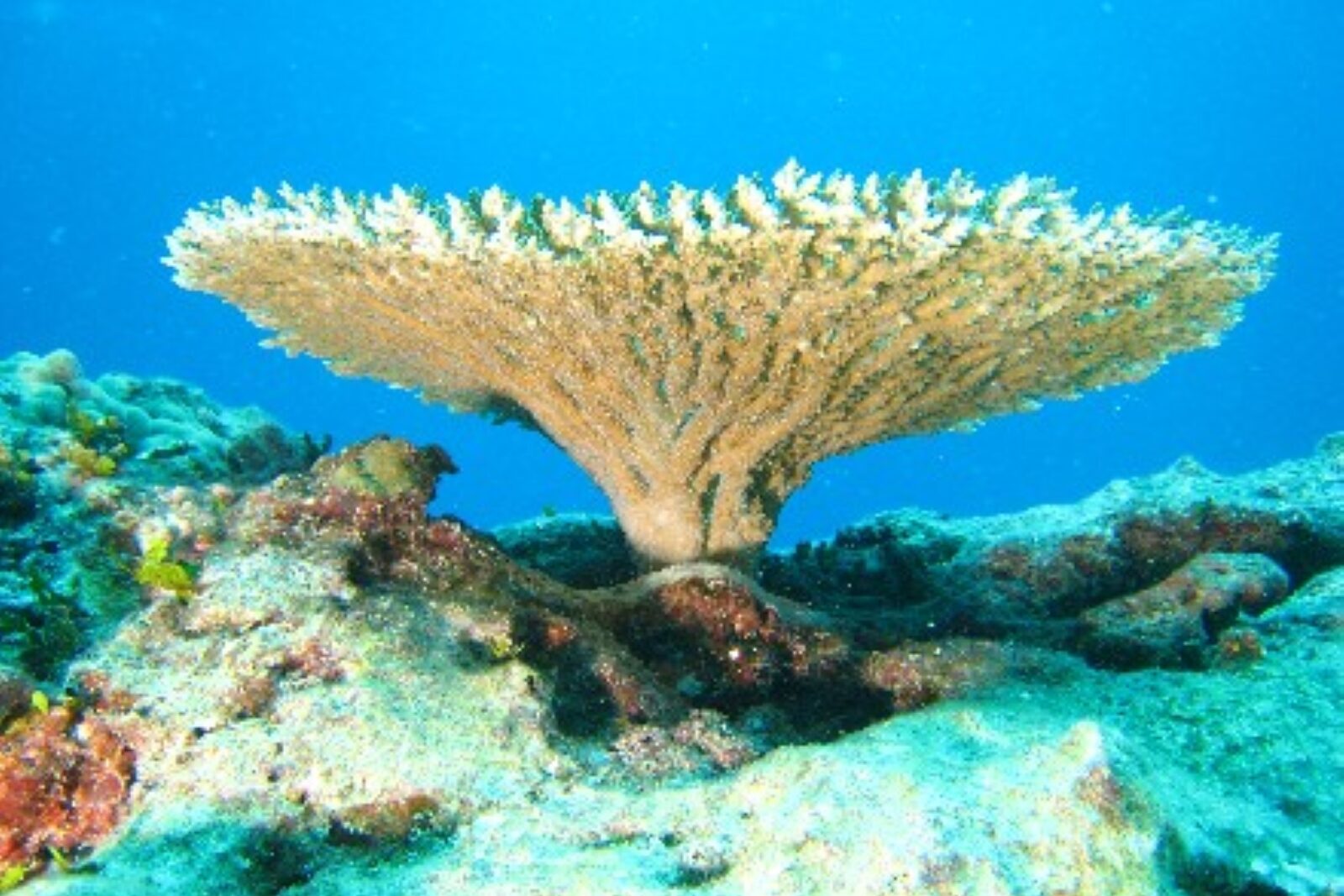
Coral species like Staghorn coral are being closely tracked as ocean temperatures rise. In reef systems such as the Great Barrier Reef, scientists have documented repeated mass bleaching events. The National Oceanic and Atmospheric Administration explains that bleaching occurs when corals expel the algae that give them color and energy, often due to heat stress.
Researchers conduct underwater surveys to measure coral cover, recovery rates, and species diversity. Coral reefs support a quarter of all marine life, so their decline affects fish, coastal economies, and food security. Watching corals is like checking the pulse of the ocean. Their condition reflects water temperature, pollution levels, and broader climate patterns. Scientists hope that by monitoring reefs closely, they can guide conservation efforts and reduce further damage before fragile underwater cities fade beyond repair.
7. Arctic Caribou and Migration Shifts
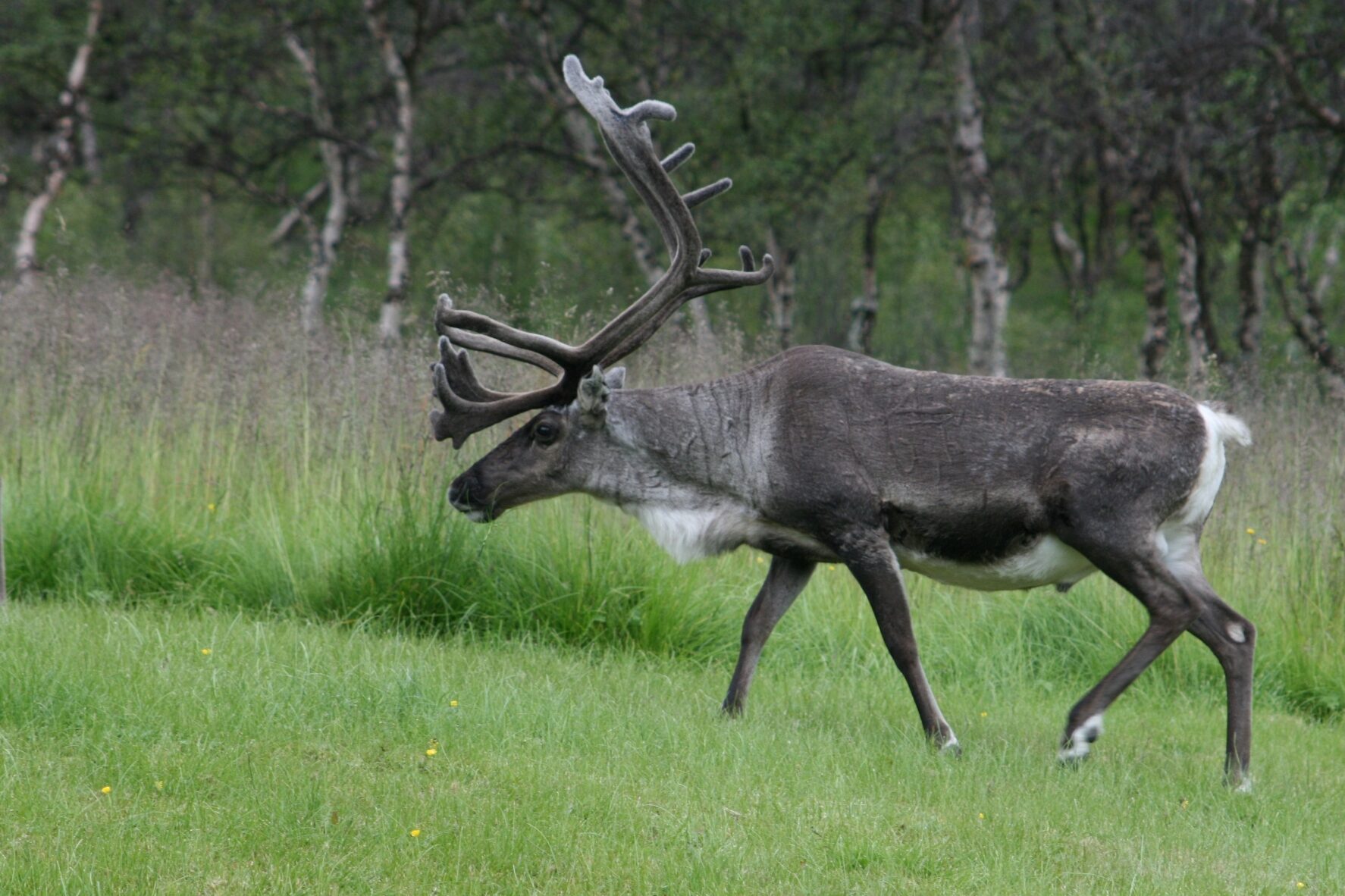
The Caribou, known as reindeer in some regions, is being studied for changes in migration timing and herd size. In parts of Alaska and northern Canada, some herds have declined sharply. Researchers from the U.S. Geological Survey have linked certain population changes to warming temperatures, altered vegetation, and increased insect harassment during hotter summers.
Scientists use satellite collars to track migration routes that have existed for generations. When snow melts earlier or plant growth shifts, caribou must adjust their movements to find food. These adjustments can affect calf survival and overall herd health. Because Indigenous communities also rely on caribou, their monitoring carries cultural significance as well. Watching these herds closely helps scientists understand how climate shifts reshape not only wildlife patterns but human traditions tied to the Arctic landscape.
8. Sea Turtles Navigating Warmer Seas
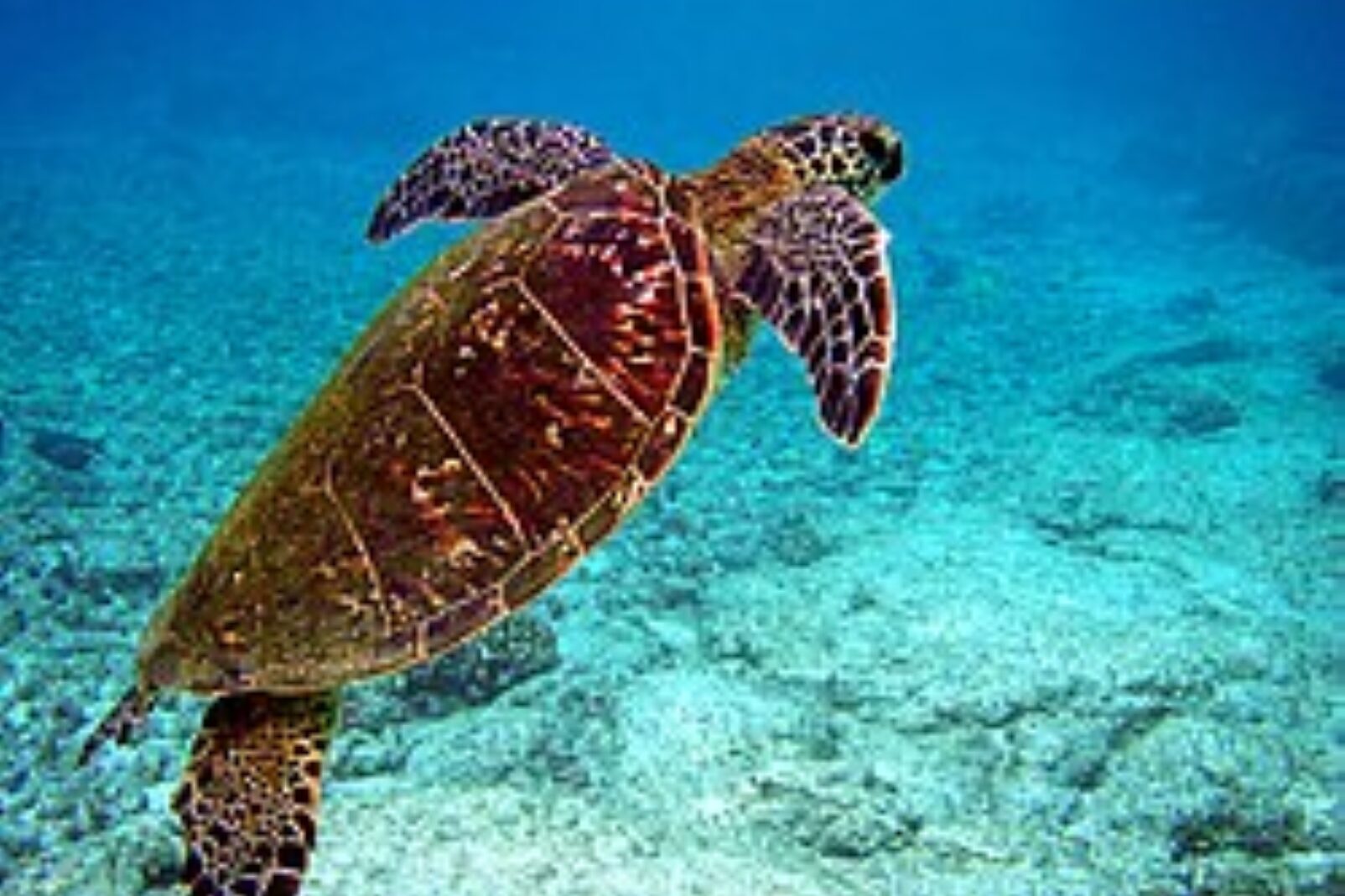
Species like the Loggerhead sea turtle are drawing attention because rising sand temperatures affect hatchling sex ratios. In nesting areas such as Florida, warmer sands have produced disproportionately high numbers of female turtles. The National Geographic Society has reported that temperature-dependent sex determination makes sea turtles especially vulnerable to climate change.
Scientists monitor nesting beaches, tag adult females, and track hatchling survival rates. Sea turtles also face threats from plastic pollution and fishing nets. Their long lifespans mean changes may take decades to fully understand. By studying them carefully, researchers gain insight into ocean health, coastal development pressures, and long-term climate trends. Each nest counted and each turtle tagged adds another piece to a larger environmental picture unfolding beneath the waves.
9. Snow Leopards in Fragile Mountains
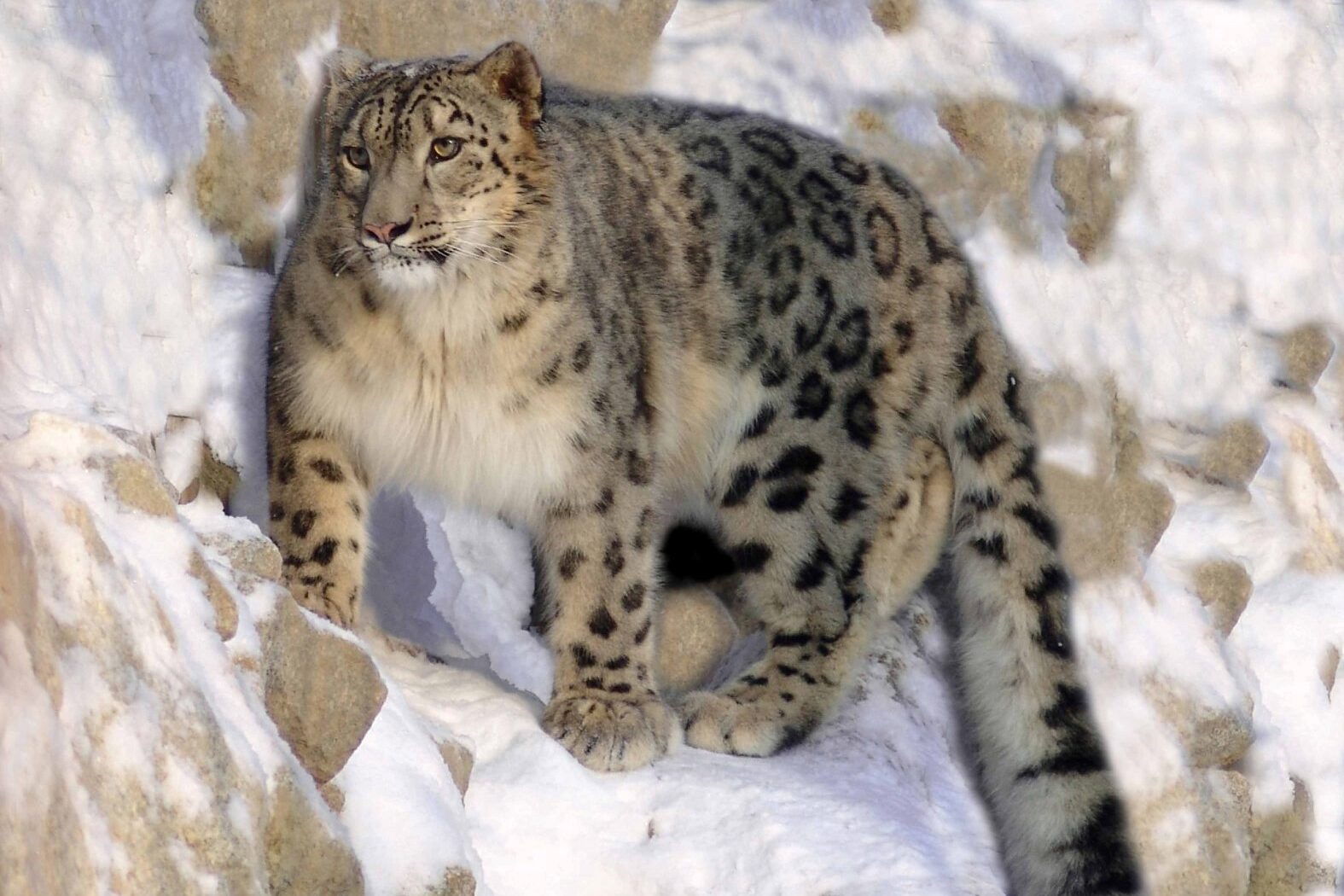
The elusive Snow leopard roams high-altitude regions across Central Asia. In countries like Nepal, scientists use camera traps and genetic sampling to estimate population numbers. The Snow Leopard Trust notes that habitat fragmentation and climate change are pushing these big cats into closer contact with livestock and people.
Monitoring snow leopards helps researchers understand how mountain ecosystems are shifting as glaciers recede and temperatures rise. These predators sit at the top of their food chain, so changes in their numbers can signal deeper ecological imbalance. Conservation teams often work directly with local communities to reduce conflict and support sustainable livelihoods. Watching snow leopards is as much about preserving fragile mountain systems as it is about protecting a single, striking species.
10. Right Whales on a Narrow Path
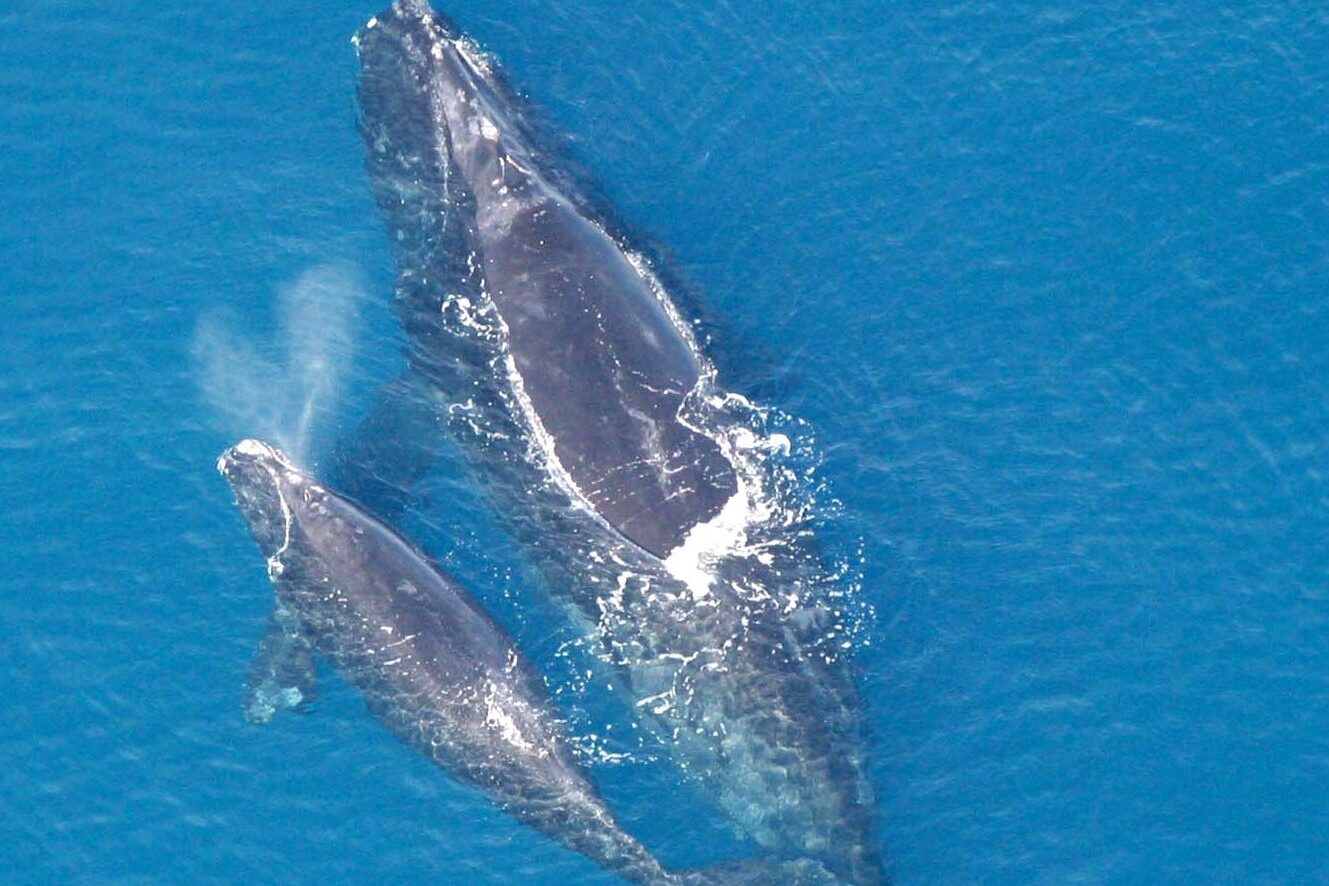
The North Atlantic right whale is one of the most endangered large whales in the world. Found along the eastern coast of Canada and the United States, its population numbers only in the hundreds. The National Oceanic and Atmospheric Administration has warned that ship strikes and fishing gear entanglement remain major threats.
Scientists track individual whales using aerial surveys and acoustic monitoring. Changes in ocean temperatures are also shifting where their plankton prey gathers, altering migration routes. Each calf born is closely documented, and each loss deeply felt within the research community. Watching right whales closely is a reminder that recovery is possible, but never guaranteed. Their fragile comeback mirrors the broader question facing conservation today: how much space are we willing to leave for the rest of life on Earth. If these stories move you even a little, share them, talk about them, and stay curious. Sometimes awareness is where protection begins.


