
1. Dairy Cows
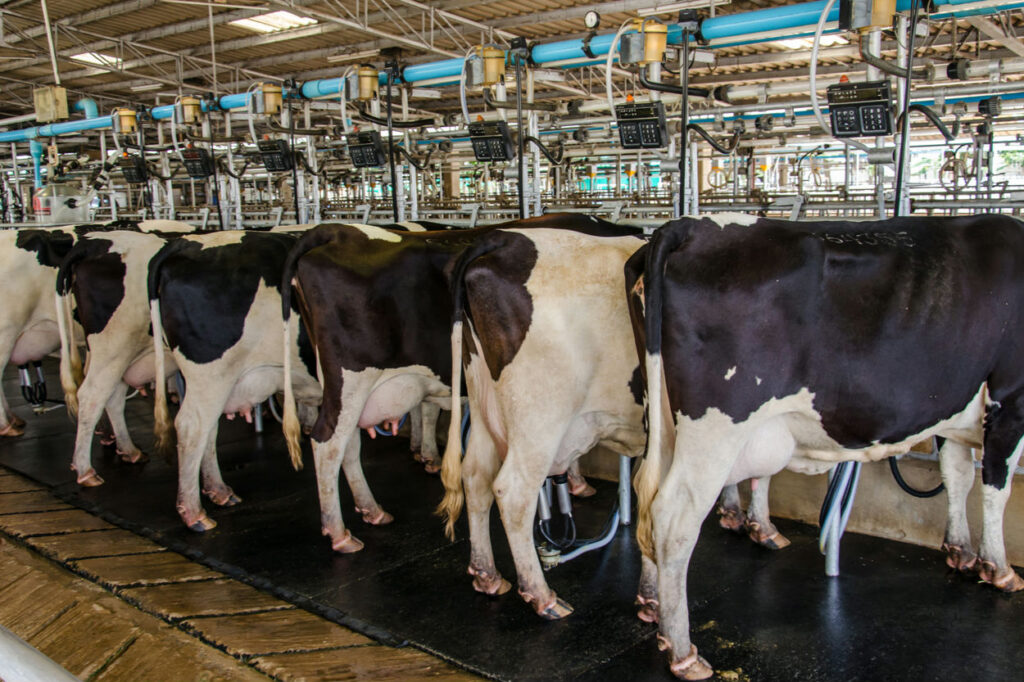
As public awareness, scientific research, and environmental pressures grow, 2026 is shaping up to be a pivotal year for how animals are treated. Dairy cows are increasingly at the center of animal welfare reforms, especially concerning housing and mobility. Several countries and regions have already restricted or phased out continuous tethering and overcrowded indoor systems, citing research linking movement to better health outcomes. By 2026, more jurisdictions are expected to require pasture access, improved stall dimensions, and limits on prolonged confinement. Consumer pressure has also pushed major dairy brands to adopt welfare audits and transparent sourcing labels. These protections are often supported by veterinary associations that emphasize reduced lameness, lower stress levels, and longer productive lifespans when cows can move freely. Visuals commonly show cows grazing outdoors, symbolizing the shift away from fully enclosed industrial systems.
2. Egg-Laying Hens

Egg-laying hens have been a major focus of welfare legislation for over a decade, particularly around the use of battery cages. Scientific studies have consistently shown that cramped cages restrict natural behaviors such as nesting, perching, and wing stretching. Many regions have already banned conventional battery cages, and 2026 may bring tighter enforcement or the elimination of enriched cages as well. Retailers and food service companies continue to commit to cage-free sourcing, accelerating legislative momentum. Animal welfare agencies often point to lower injury rates and improved bone strength in non-cage systems. Images typically show hens roaming open barns or outdoor areas, reflecting the growing expectation of humane egg production.
3. Pigs
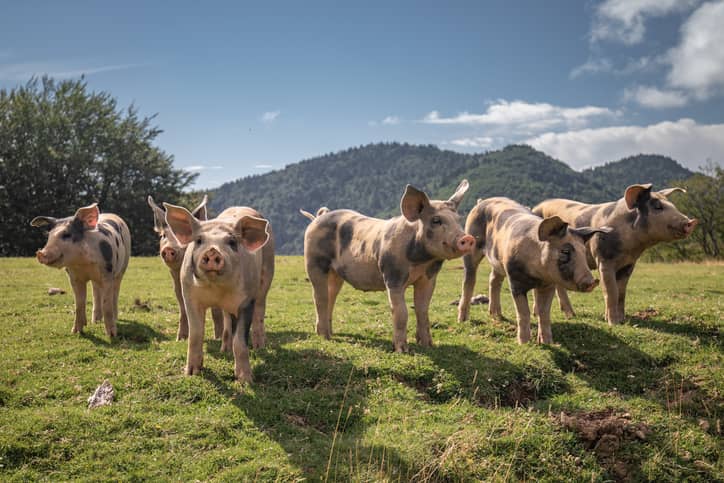
Pigs are among the most intelligent farm animals, a fact increasingly recognized in animal welfare policy. Gestation crates, which severely limit movement for pregnant sows, have been restricted or banned in multiple countries and U.S. states. By 2026, broader adoption of group housing systems is expected, supported by research showing improved physical health and reduced stress-related behaviors. Some proposed regulations also address tail docking and environmental enrichment, such as providing straw or rooting materials. Agricultural reforms are often driven by both ethical concerns and productivity data showing healthier pigs yield better long-term outcomes. Images of pigs in open pens or pasture-based systems are commonly used to illustrate these evolving standards.
4. Beef Cattle
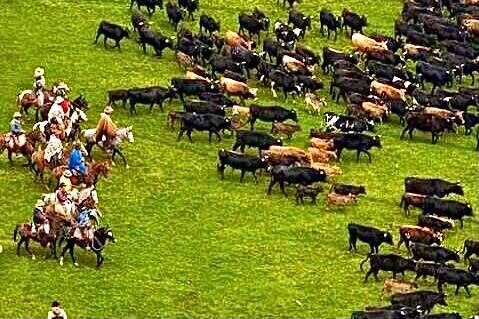
Beef cattle protections are expanding beyond on-farm care to include transport and slaughter practices. Long-distance transport without adequate rest, water, or temperature control has drawn criticism from veterinarians and welfare groups. Several governments are reviewing stricter journey time limits and improved vehicle standards by 2026. On farms, welfare guidelines increasingly promote low-stress handling techniques and better shade and water access. These changes are often framed as both ethical improvements and food safety measures, since stress can negatively affect meat quality. Images frequently show cattle grazing on open land or being calmly herded, reinforcing the idea of reduced stress throughout their lives.
5. Sheep
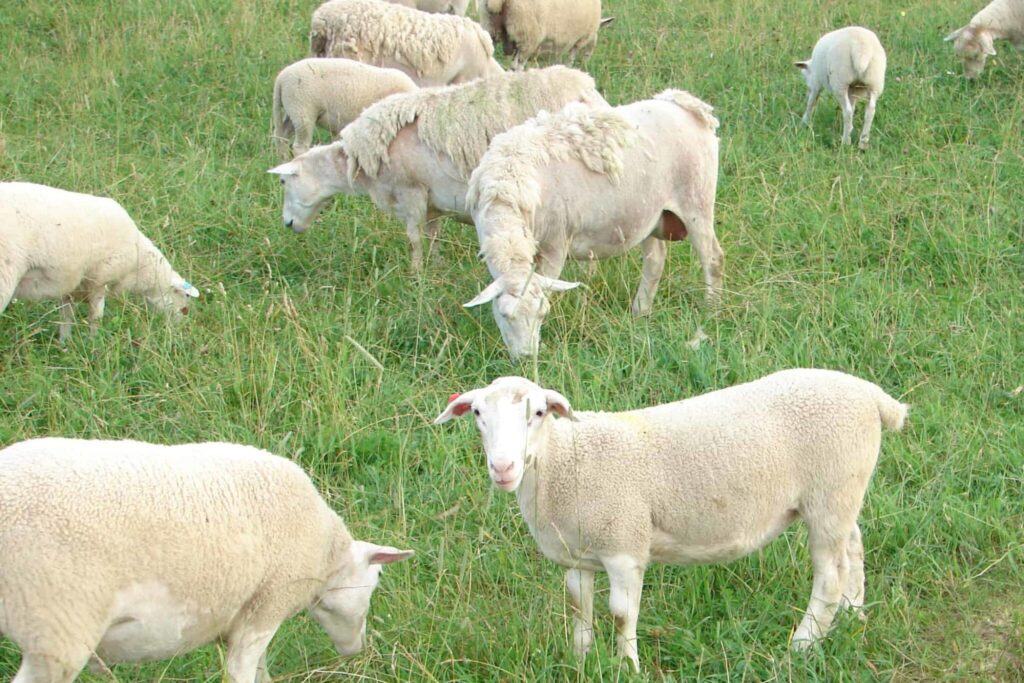
Sheep welfare reforms are gaining attention, particularly around live export, shearing practices, and transport conditions. Investigations and footage shared widely online have intensified calls for tighter regulations or outright bans on long-distance live exports in extreme heat. By 2026, more countries may adopt stricter seasonal export limits or require higher welfare standards during transit. On farms, improved shearing guidelines aim to reduce injury and stress, emphasizing trained handlers and weather-appropriate timing. Animal science research has influenced these shifts, highlighting pain reduction and survival outcomes. Images often feature flocks in open fields or carefully managed shearing scenes, reflecting best-practice care.
6. Broiler Chickens
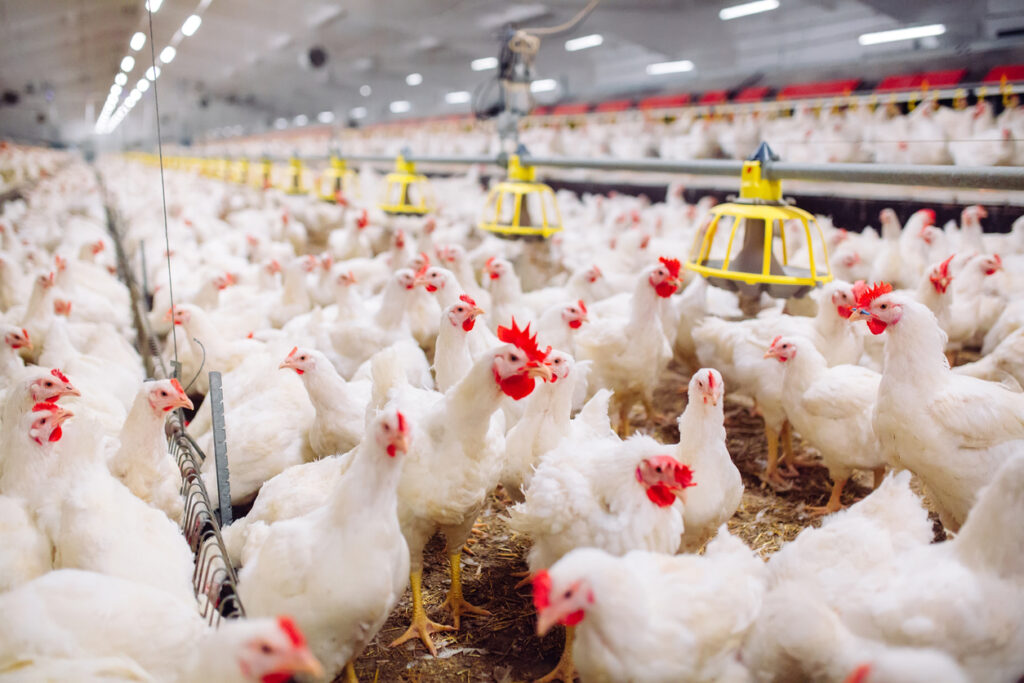
Broiler chickens raised for meat are increasingly protected through reforms targeting overcrowding and rapid growth rates. Fast-growing breeds have been linked to leg disorders and heart issues, prompting calls for slower-growing alternatives. Welfare frameworks gaining traction before 2026 often set maximum stocking densities and require environmental enrichment like perches or natural light. Several international food companies have already pledged to meet higher welfare standards, influencing regulatory discussions. Scientists and animal welfare groups emphasize that these measures significantly reduce mortality and injury. Images typically contrast densely packed barns with more spacious, well-lit housing to show the difference reforms aim to achieve.
7. Laboratory Mice
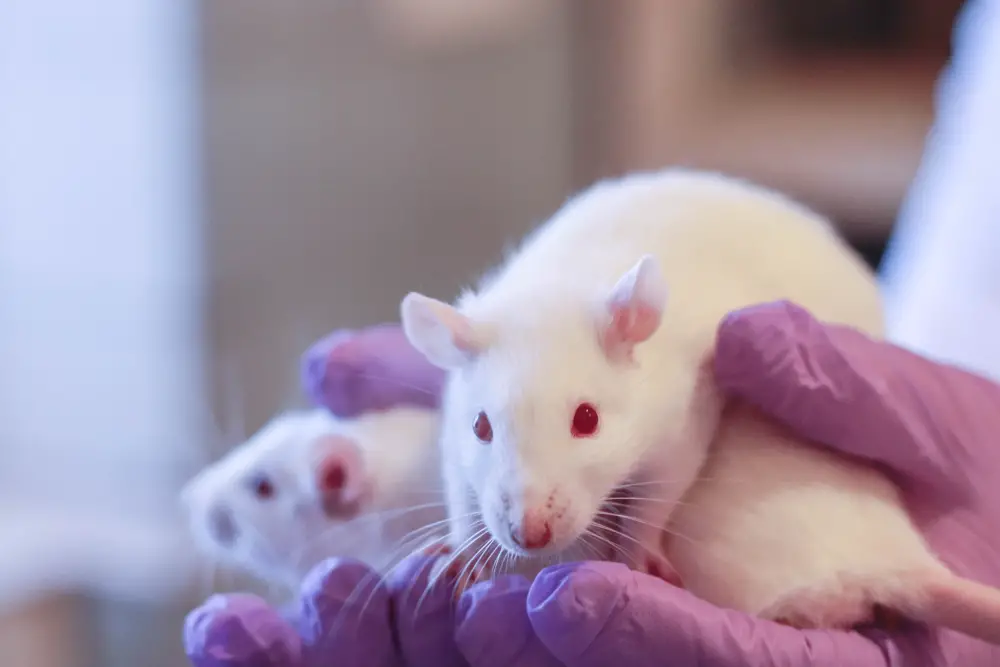
Laboratory mice are the most commonly used animals in scientific research, making their welfare a growing regulatory priority. By 2026, expanded requirements for enriched housing, social grouping, and pain management are expected in many research jurisdictions. Advances in alternative testing methods, such as computer modeling and cell cultures, are also reducing reliance on live animals. Oversight committees increasingly require justification for animal use and evidence that suffering is minimized. These changes reflect both ethical considerations and data showing that less-stressed animals produce more reliable research results. Images often depict clean laboratory environments with improved housing systems rather than outdated testing setups.
8. Zoo Elephants
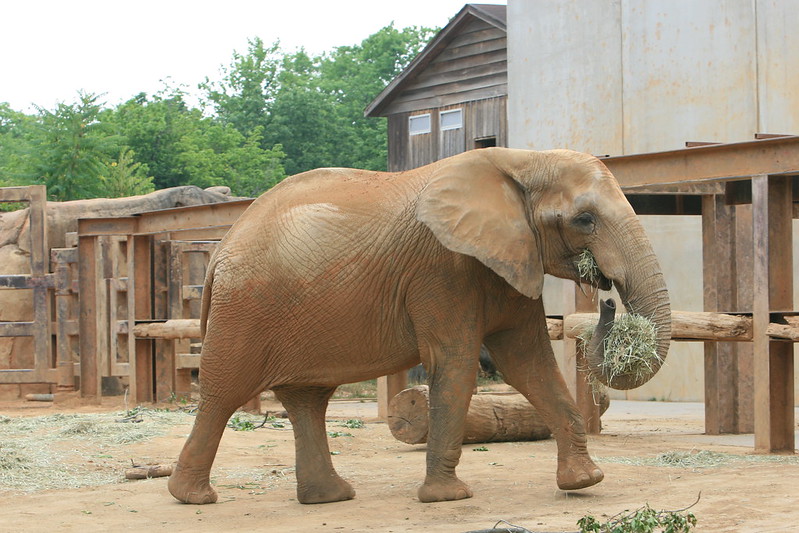
Elephants in zoos have become a focal point for welfare debates due to their complex social and physical needs. Research has shown that limited space and isolation can contribute to chronic health issues and abnormal behaviors. As a result, 2026 may see stricter enclosure size requirements, social grouping mandates, or the relocation of elephants to sanctuaries. Some countries and cities have already restricted elephant captivity altogether. These policies are often informed by decades of behavioral studies and public concern. Images frequently show elephants in expansive habitats or sanctuary settings, highlighting the contrast with older, restrictive zoo environments.
9. Circus Animals
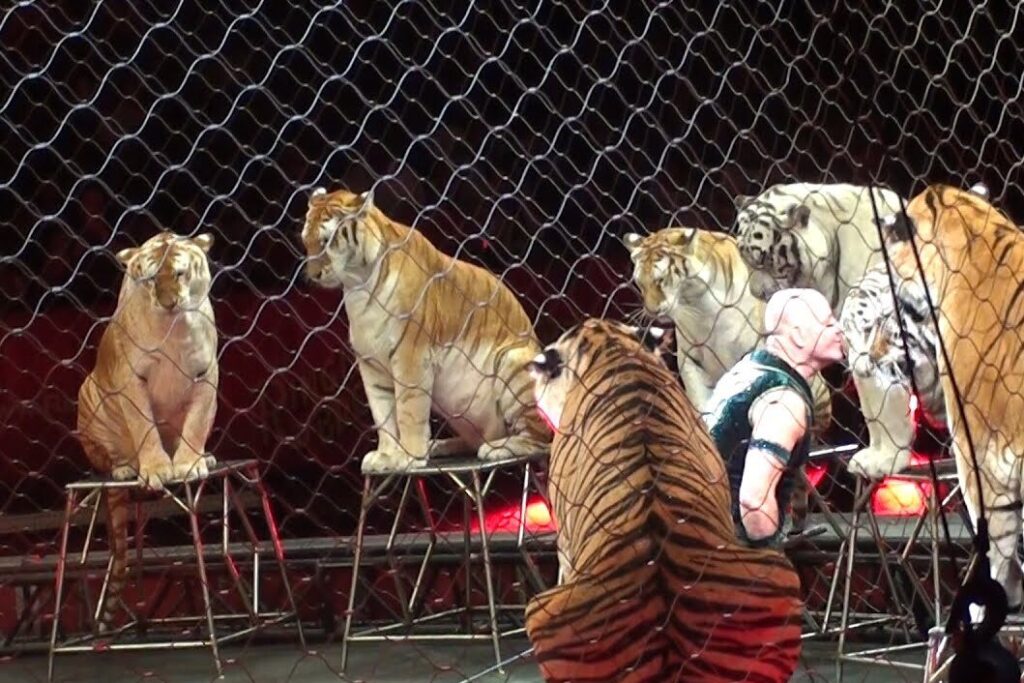
Circus animals have seen sweeping legal changes in recent years, with many countries banning or restricting the use of wild animals in entertainment. By 2026, additional regions are expected to follow suit, citing welfare concerns and shifting public attitudes. Investigations have documented stress, confinement, and training practices incompatible with animal well-being. Modern circuses increasingly rely on human performers and digital effects, reducing economic arguments against bans. These protections are widely supported across political lines and age groups. Images often show empty cages or modern animal-free performances, symbolizing the cultural shift away from traditional animal acts.
10. Companion Dogs

Companion dogs are benefiting from stronger protections aimed at breeding, sales, and ownership standards. Puppy mills have been a major target, with proposed 2026 regulations focusing on licensing, inspections, and minimum care requirements. Some regions are also restricting pet store sales in favor of shelters and responsible breeders. Animal welfare groups emphasize that these measures reduce abandonment, inherited health problems, and behavioral issues. Public education campaigns and social media exposure have played a major role in driving reform. Images commonly feature rescued dogs, adoption centers, or healthy dogs in home environments, reinforcing the goal of responsible companionship.
11. Captive Dolphins
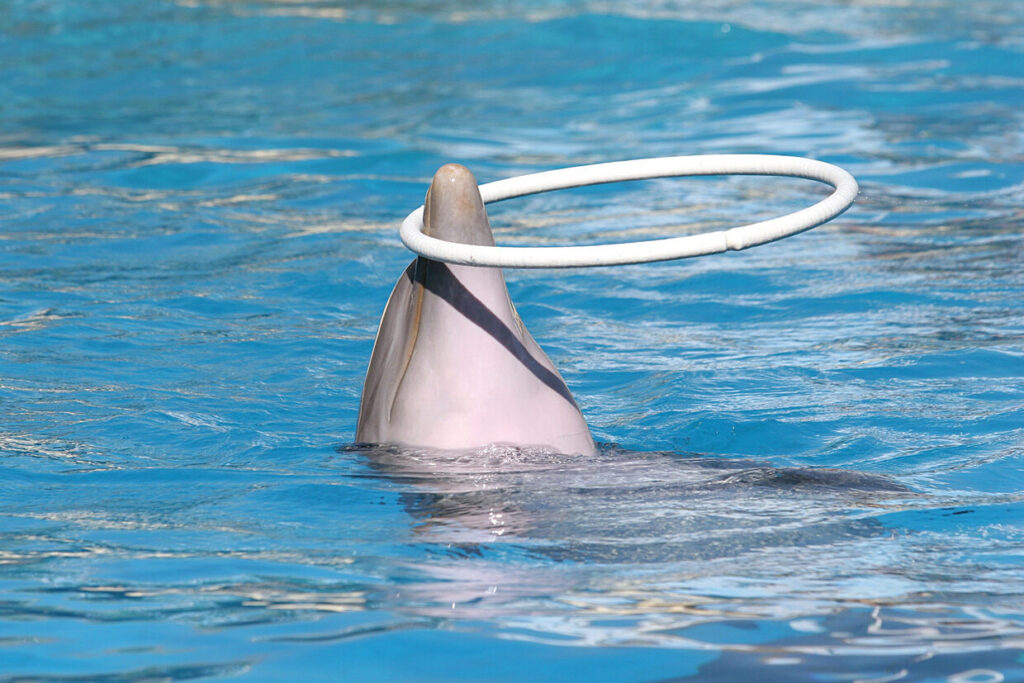
Captive dolphins are increasingly protected by laws questioning the ethics of keeping highly intelligent marine mammals in confined tanks. Scientific studies have long shown that dolphins possess advanced cognition, social bonds, and spatial needs that are difficult to meet in traditional aquariums. By 2026, more countries may restrict breeding programs, ban live captures, or require the transition of dolphins to seaside sanctuaries. Several nations have already moved in this direction following public backlash and documentaries highlighting welfare concerns. Regulatory shifts often focus on space requirements, enrichment standards, and veterinary oversight. Images usually depict dolphins in small tanks contrasted with open-water sanctuaries, illustrating why protections are expanding.
12. Orcas
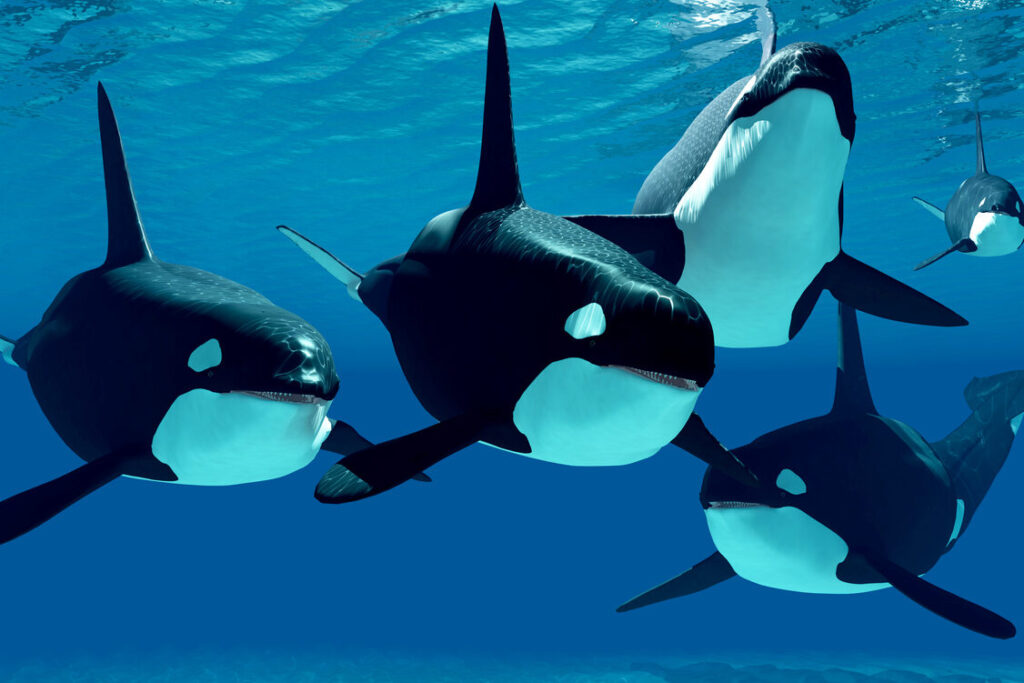
Orcas have become one of the most visible symbols of changing animal welfare laws. Research into their long lifespans, family structures, and acoustic communication has fueled criticism of captivity, especially for entertainment. Several governments have already banned orca breeding and performances, and by 2026 similar restrictions may spread further. Welfare policies increasingly prioritize retirement plans for captive orcas rather than continued exhibition. These decisions are often driven by both scientific findings and sustained public pressure. Images commonly show orcas in performance tanks versus wide coastal waters, reinforcing the argument that traditional facilities cannot meet their biological needs.
13. Wild-Caught Fish
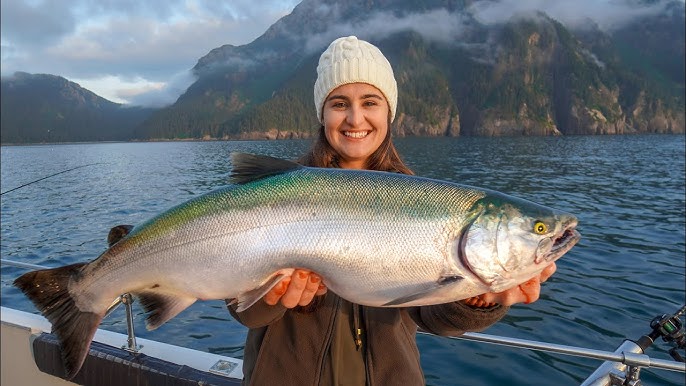
Wild-caught fish are beginning to receive legal recognition as sentient animals capable of experiencing pain. This shift has led to proposed regulations around capture methods, handling, and slaughter practices. By 2026, more fisheries may be required to use quicker, less stressful killing techniques and reduce bycatch through improved gear design. Animal welfare scientists and fisheries experts increasingly agree that humane practices also improve product quality. While enforcement remains complex, momentum is growing across Europe and parts of Asia. Images often show fishing vessels, nets, or fish handling procedures that visually support discussions about welfare improvements at sea.
14. Farmed Salmon
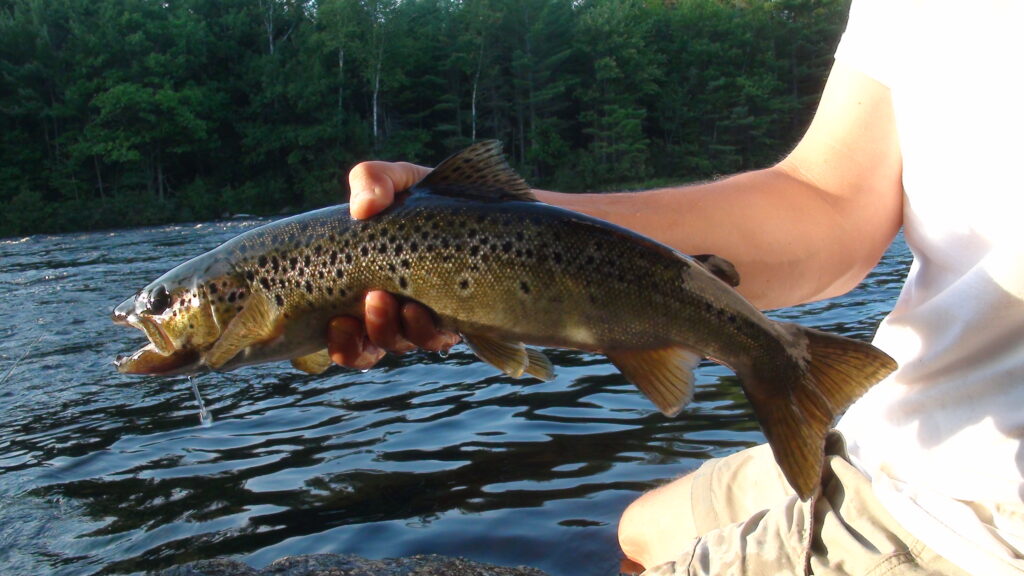
Farmed salmon protections are expanding as aquaculture becomes a dominant source of global seafood. Welfare concerns include overcrowding, parasite infestations, and oxygen deprivation in open-net pens. By 2026, stricter stocking density limits, water quality monitoring, and humane slaughter standards are expected in leading salmon-producing regions. Scientific studies have shown that better welfare conditions reduce disease outbreaks and environmental harm. Regulatory agencies increasingly view fish welfare as integral to sustainable aquaculture. Images typically show large sea cages or monitored aquaculture facilities, helping readers visualize how these protections are applied in practice.
15. Horses
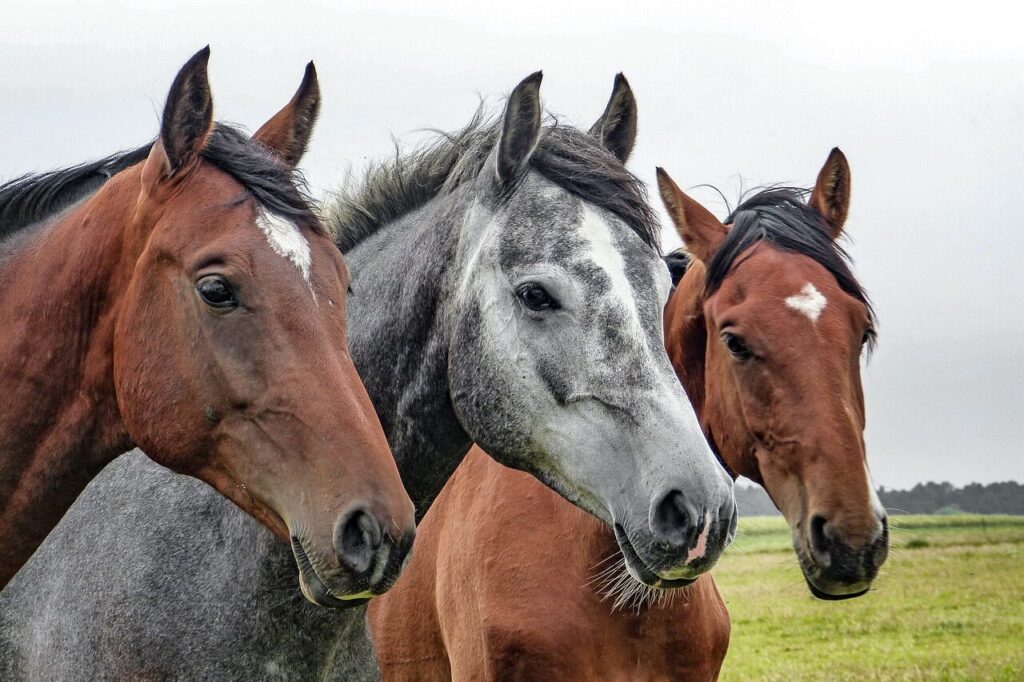
Horses occupy a unique position as working animals, athletes, and companions, which has prompted targeted welfare reforms. Transport conditions, training methods, and slaughter practices have all come under scrutiny. By 2026, more regions may enforce stricter travel time limits, veterinary checks, and bans on certain equipment deemed harmful. Racing and sport industries are also responding to public concern by adopting enhanced welfare codes. These measures are often informed by veterinary research on injury prevention and stress reduction. Images commonly feature horses in transport, competition, or pasture, reflecting the diverse environments where protections apply.
16. Donkeys
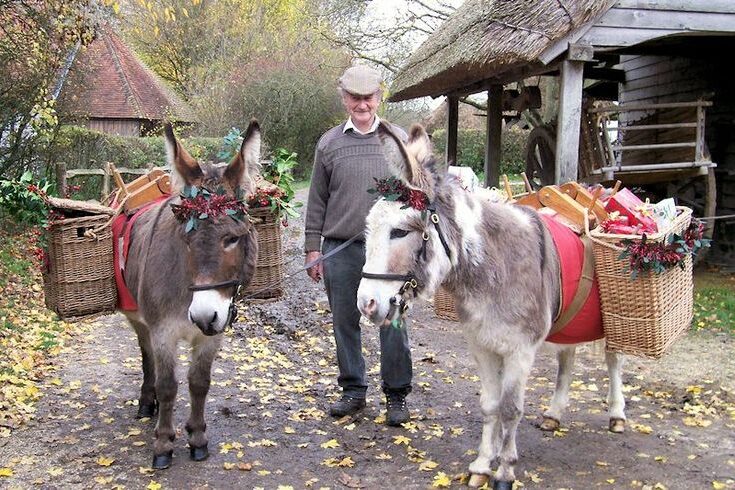
Donkeys are increasingly protected due to rising concern over overwork, neglect, and the global trade in donkey skins. In many developing regions, donkeys are essential for transport and farming, yet welfare standards have historically lagged. By 2026, expanded protections may include workload limits, access to veterinary care, and tighter controls on skin exports. International organizations and governments have highlighted the economic and ethical consequences of donkey population declines. Images often show working donkeys in rural settings, making the need for humane treatment immediately visible to audiences.
17. Stray Cats
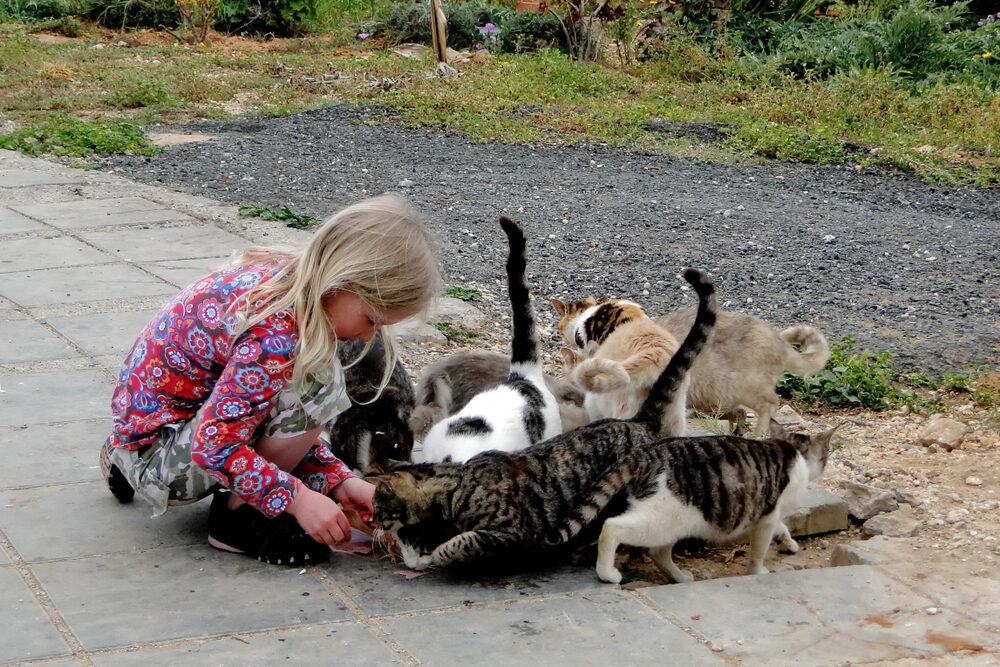
Stray and community cats are increasingly addressed through welfare-focused population control rather than eradication. Trap-neuter-return programs have gained widespread support for reducing suffering and stabilizing urban cat populations. By 2026, more municipalities may formally recognize and fund these initiatives, offering legal protection to caregivers. Research shows these programs reduce nuisance complaints and improve overall animal health. Shifting attitudes toward humane management have driven policy updates worldwide. Images typically show street cats being cared for or safely released, visually reinforcing the effectiveness of non-lethal approaches.
18. Urban Wildlife
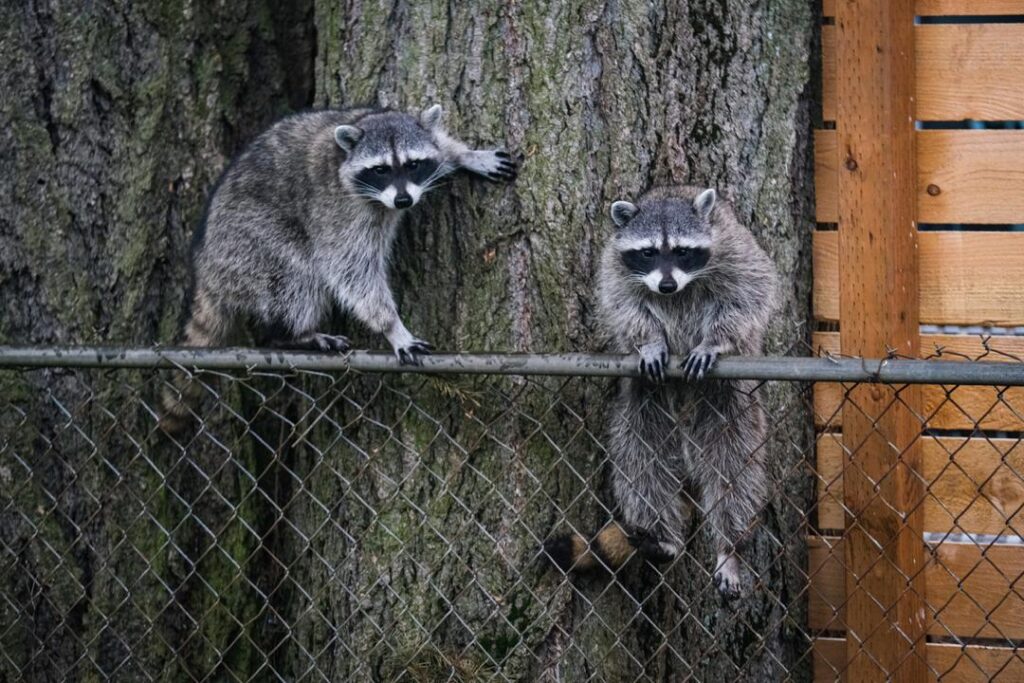
Urban wildlife protections are expanding as cities recognize their role in biodiversity conservation. Animals such as foxes, raccoons, birds, and small mammals increasingly interact with human infrastructure. By 2026, more cities may adopt wildlife-friendly building designs, green corridors, and restrictions on harmful pest control methods. Studies show that coexistence strategies reduce conflicts while supporting ecosystem balance. Public education campaigns often accompany these policies. Images frequently depict animals navigating city landscapes, helping readers understand why urban planning now includes animal welfare considerations.
19. Migratory Birds
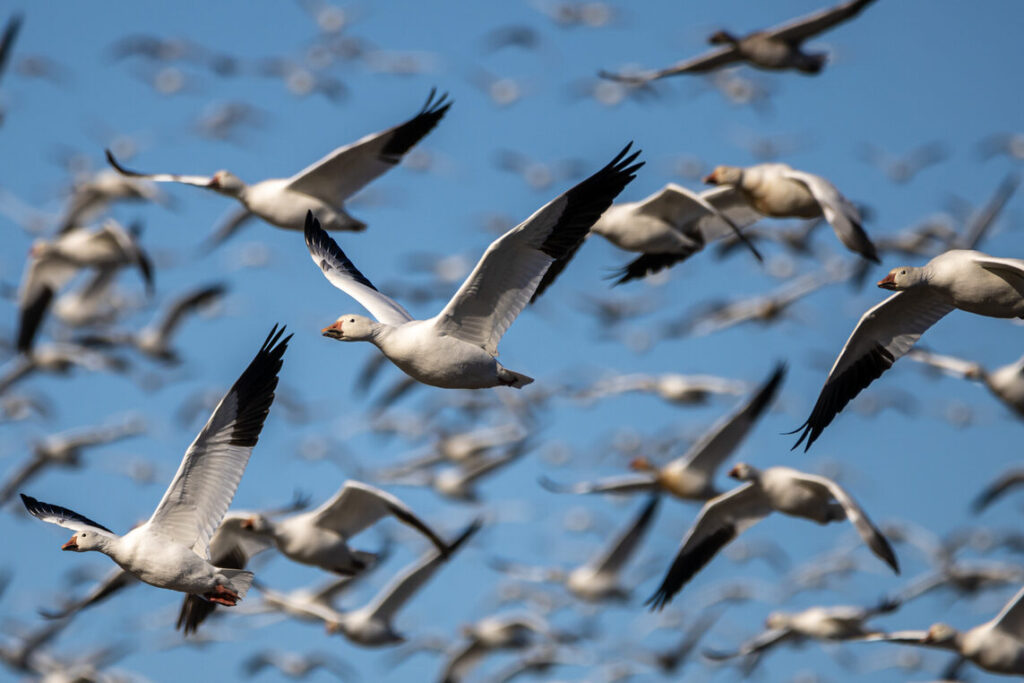
Migratory birds face growing threats from habitat loss, light pollution, and building collisions. Expanded protections by 2026 may include bird-safe building regulations, seasonal hunting restrictions, and international flyway agreements. Scientific monitoring has highlighted sharp population declines, prompting coordinated policy responses. Many cities are already adopting lights-out programs during migration seasons. These measures are often supported by conservation groups and researchers alike. Images usually show birds in flight or resting along migration routes, clearly illustrating the global scale of their journeys.
20. Sea Turtles
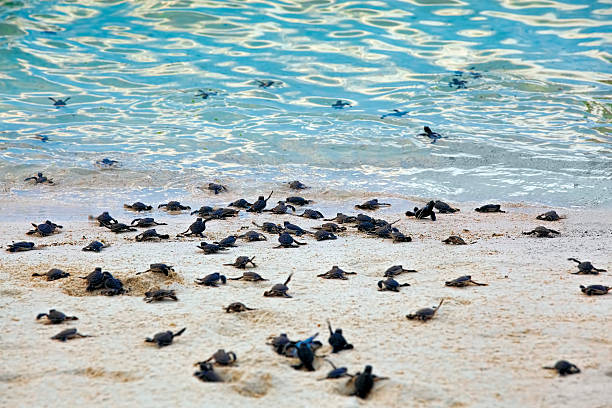
Sea turtle protections are likely to strengthen as climate change and pollution threaten nesting sites worldwide. By 2026, more coastal regions may restrict beachfront development, artificial lighting, and fishing practices that harm turtles. Conservation programs increasingly focus on protecting nests and reducing plastic waste. International treaties already safeguard many species, but enforcement continues to improve. Scientific data linking conservation efforts to population recovery has reinforced political will. Images commonly show turtles nesting or swimming in clear waters, underscoring why expanded protections matter.
21. Bees
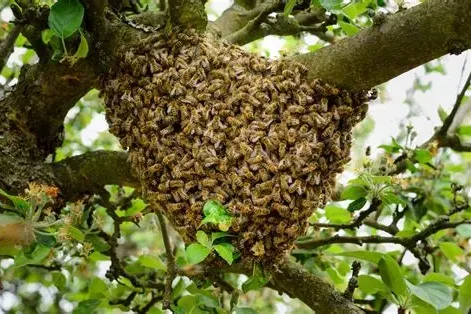
Bees are increasingly protected due to their essential role in pollination and food security. Scientific research has linked pesticide exposure, habitat loss, and disease to alarming population declines worldwide. By 2026, more countries may tighten restrictions on harmful agrochemicals, expand pollinator-friendly land use policies, and support habitat restoration. Urban beekeeping initiatives and wildflower corridor programs are also gaining formal recognition. These protections are often framed as both environmental and economic safeguards, since bees directly support global crop production. Images typically show bees pollinating flowers or hives placed in natural or urban green spaces, visually reinforcing their ecological importance.
22. Butterflies
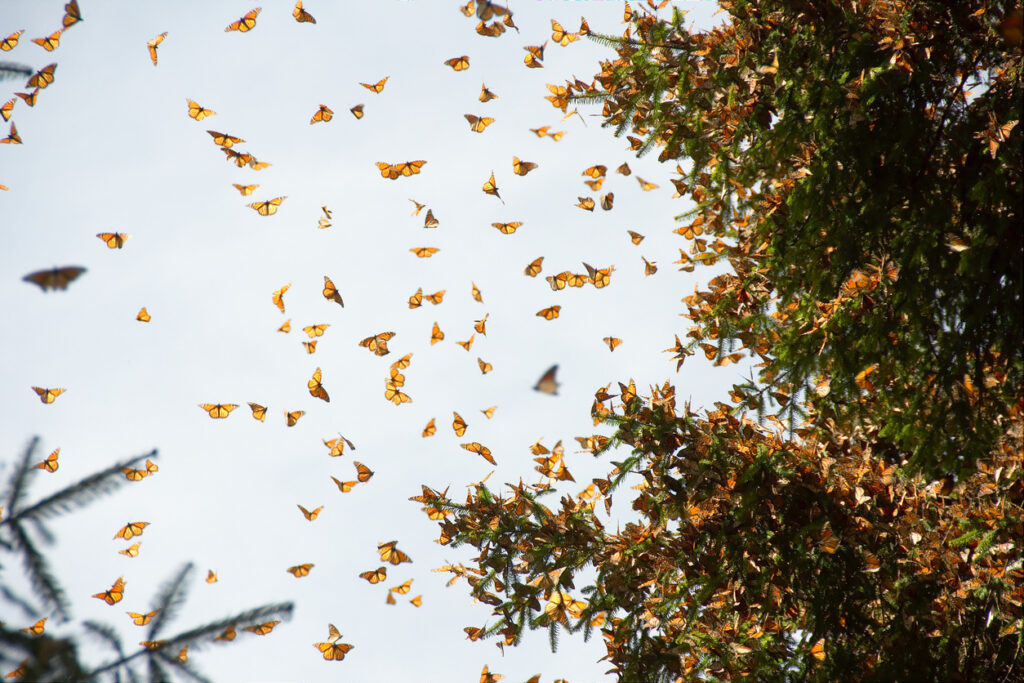
Butterflies are increasingly seen as indicators of ecosystem health, making their protection a growing conservation priority. Habitat destruction and climate shifts have disrupted migration patterns, particularly for species like monarch butterflies. By 2026, expanded protections may include conservation of milkweed habitats, limits on land development, and pesticide controls. Governments and nonprofits often collaborate on breeding and release programs to stabilize populations. Scientific monitoring continues to show that targeted habitat restoration can reverse declines. Images commonly feature butterflies in meadows or migration clusters, making the need for habitat protection immediately understandable.
23. Frogs
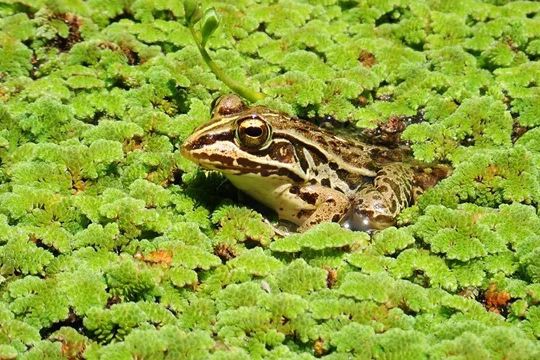
Frogs are among the most threatened animal groups due to pollution, disease, and wetland loss. Their permeable skin makes them especially vulnerable to environmental changes, prompting scientists to call for stronger protections. By 2026, more regions may expand wetland conservation laws and regulate chemicals linked to amphibian declines. Disease monitoring programs targeting fungal infections are also becoming part of official wildlife strategies. These measures aim to preserve frogs’ role in controlling insect populations and maintaining ecological balance. Images typically show frogs in clean freshwater habitats, visually emphasizing the importance of unpolluted ecosystems.
24. Snakes
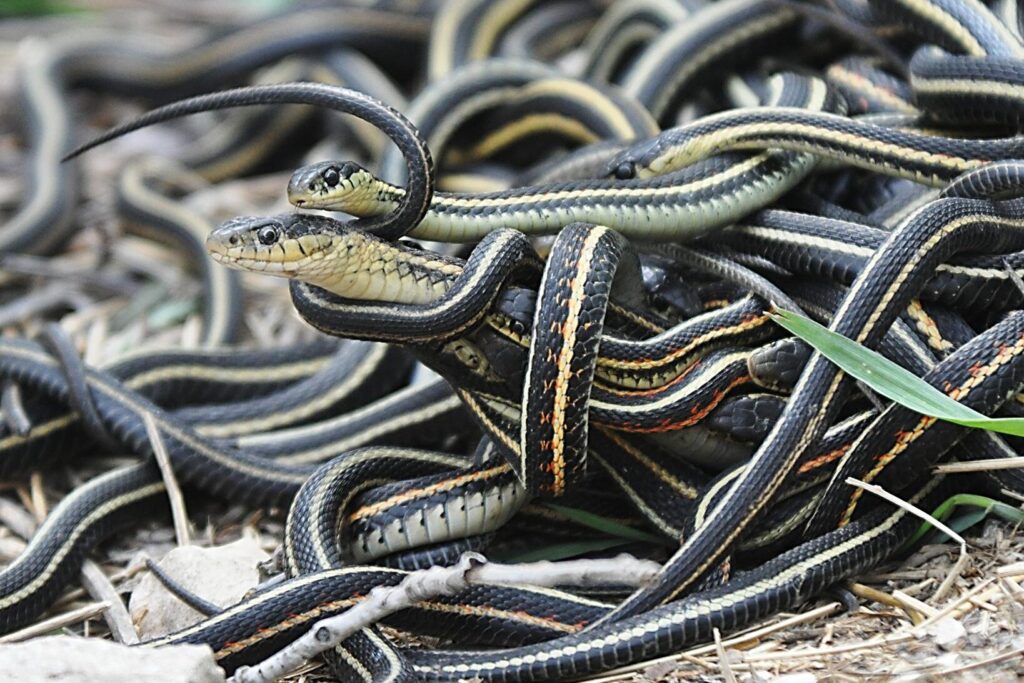
Snakes are increasingly included in wildlife protection laws as attitudes shift away from fear-driven eradication. Research has highlighted their critical role in controlling rodent populations and supporting agricultural balance. By 2026, expanded protections may include restrictions on indiscriminate killing and encouragement of humane relocation programs. Public education initiatives often accompany these laws to reduce conflict between humans and snakes. Conservationists argue that protecting snake habitats also benefits broader biodiversity. Images often show snakes in natural environments, helping normalize their presence and ecological value.
25. Lizards
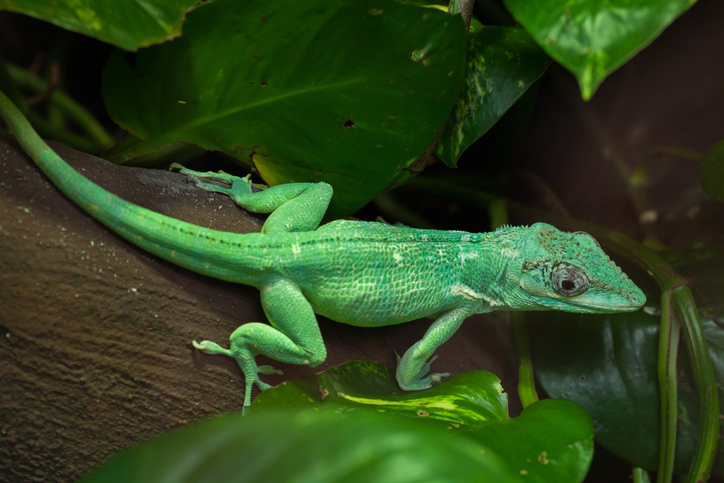
Lizards are gaining attention as habitat fragmentation increasingly threatens reptile species worldwide. Urban expansion and climate change have reduced suitable environments, prompting calls for stronger habitat protections. By 2026, conservation policies may include safeguarding rocky outcrops, forest edges, and desert ecosystems. Some regions are also tightening regulations on the exotic pet trade to prevent population declines. Scientific studies emphasize reptiles’ role in insect control and food webs. Images commonly show lizards basking in natural habitats, visually linking land protection to species survival.
26. Octopuses
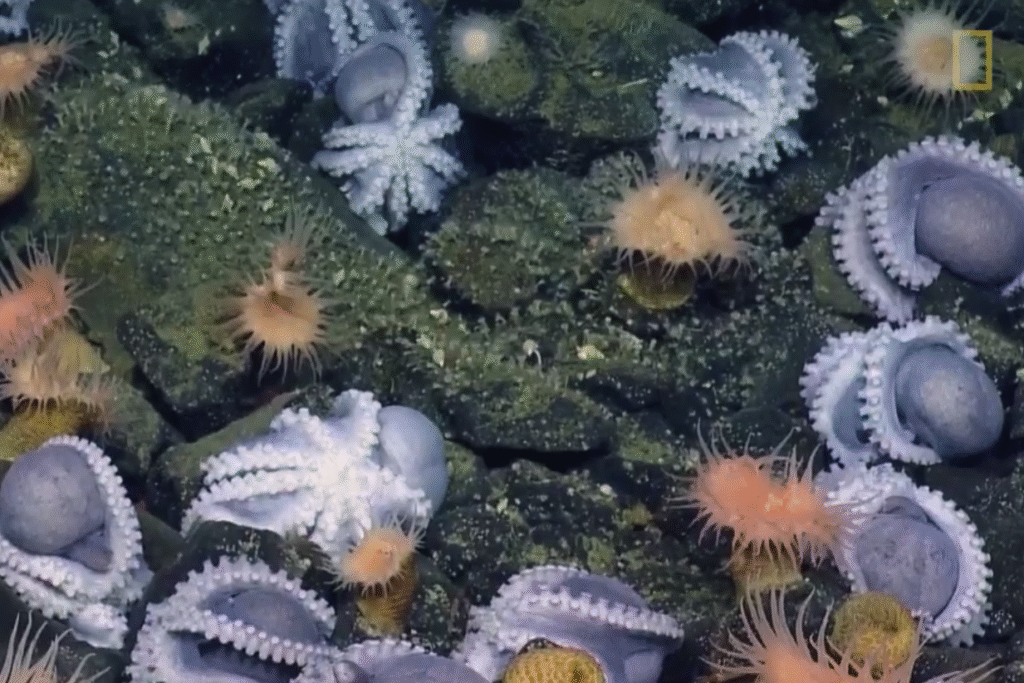
Octopuses are increasingly recognized for their intelligence and problem-solving abilities, influencing welfare discussions. Scientific research has documented their capacity for learning, memory, and environmental interaction. By 2026, more countries may formally include octopuses in animal welfare laws governing research and farming. Some jurisdictions already require ethical review and humane handling standards. These protections reflect a broader shift toward recognizing invertebrate sentience. Images often show octopuses interacting with their surroundings, reinforcing why their treatment is under renewed scrutiny.
27. Crabs
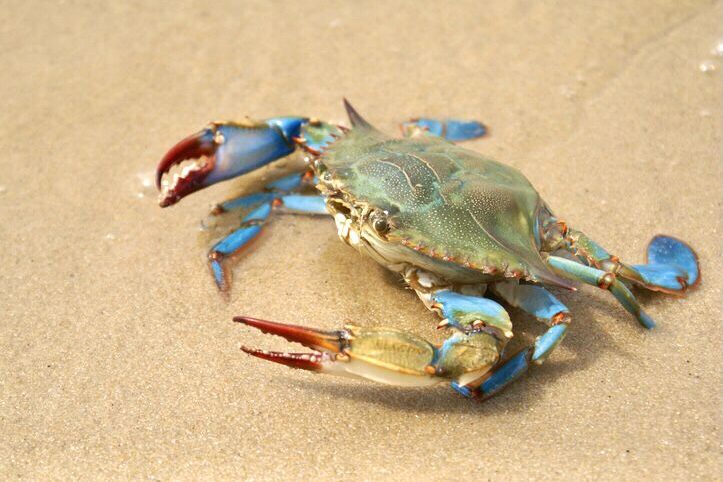
Crabs are increasingly covered by animal welfare legislation following studies suggesting they can experience pain. This has led to growing support for humane handling and slaughter practices in food preparation. By 2026, more regions may regulate boiling practices and require stunning methods. These reforms are often informed by veterinary and neurological research. Public awareness has grown through media coverage and advocacy campaigns. Images typically show live crabs in seafood markets or natural coastal settings, helping readers visualize why welfare standards are evolving.
28. Lobsters
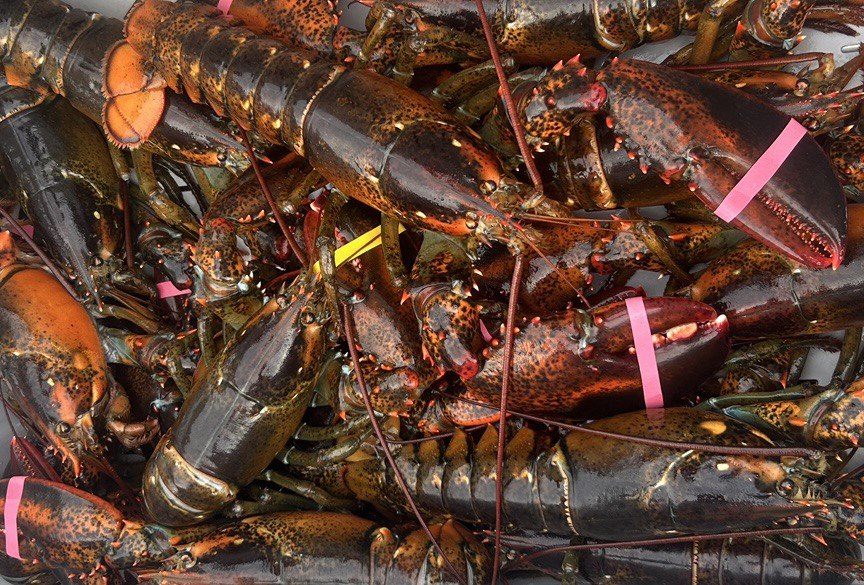
Lobsters have become central to debates about invertebrate welfare, particularly in food industries. Research indicating stress responses has prompted legislative action in some countries. By 2026, expanded protections may regulate transport, storage, and cooking methods. These changes often aim to balance tradition with emerging scientific understanding. Seafood industries are gradually adapting to new standards. Images usually depict lobsters in tanks or coastal waters, illustrating the environments affected by welfare reforms.
29. Deer
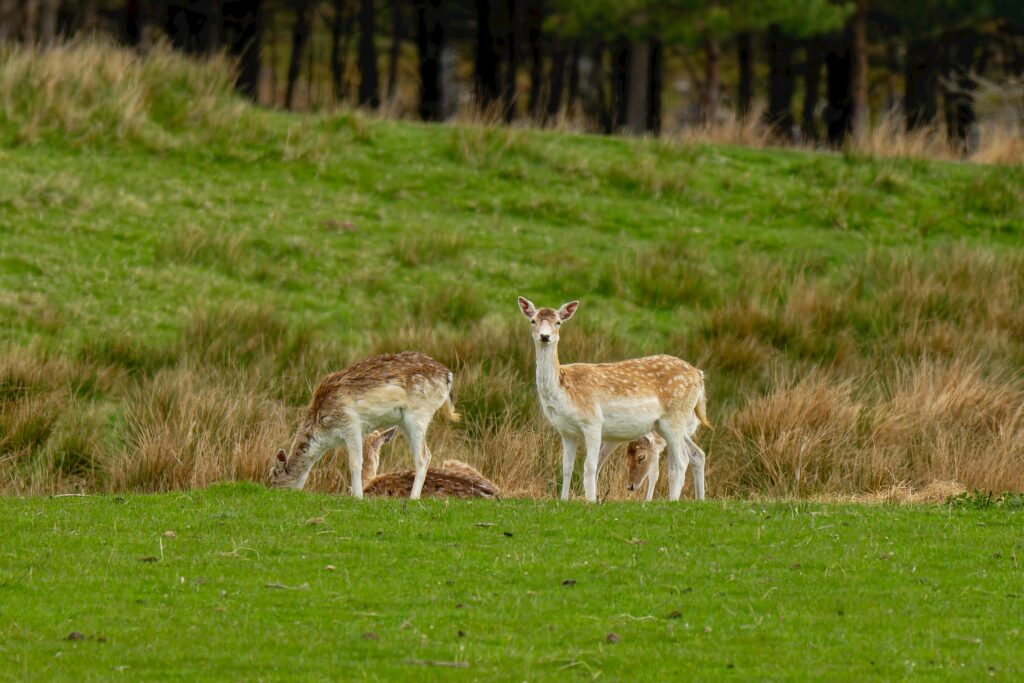
Deer protections are evolving as human development increasingly overlaps with their habitats. By 2026, wildlife agencies may expand non-lethal management strategies, such as wildlife corridors and crossing structures. Hunting regulations are also periodically reviewed to ensure population balance and humane practices. Scientific data supports habitat connectivity as a way to reduce vehicle collisions and stress. Images often show deer near forest edges or road crossings, visually highlighting the need for coexistence strategies.
30. Whales

Whales are among the most internationally protected animals, yet emerging threats continue to drive policy updates. Noise pollution, ship strikes, and climate-driven prey changes have intensified calls for stronger safeguards. By 2026, expanded shipping regulations, protected marine areas, and fishing gear modifications may gain wider adoption. International cooperation remains central to whale conservation efforts. Scientific monitoring has shown that targeted protections can support population recovery. Images typically show whales breaching or migrating, reinforcing their global significance.
As scientific understanding deepens and public awareness grows, animal protections are steadily expanding across species and environments.
Like this story? Add your thoughts in the comments, thank you.


