
1. Early Domestic Life and Household Rituals
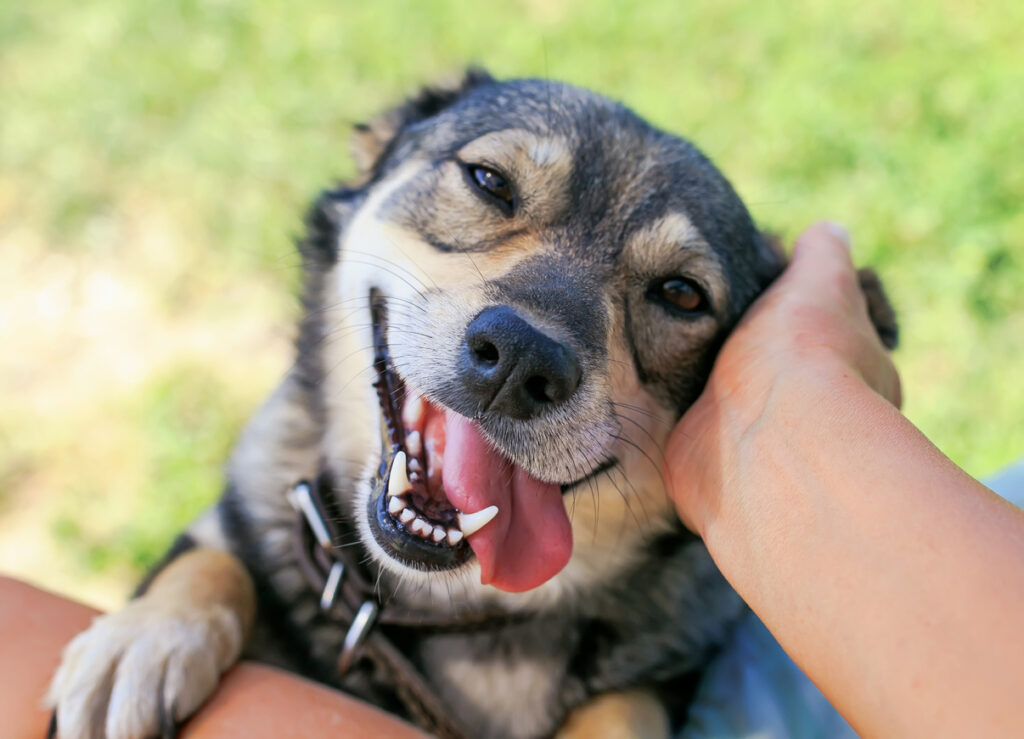
For thousands of years, the simple act of scratching behind a dog’s ear has been more than a sweet gesture. As dogs became permanent fixtures in human homes, daily routines naturally involved calming and affectionate gestures. Families relied on dogs for protection, companionship, and early warning of danger, so keeping them comfortable was important. Scratching behind the ears became an everyday ritual because it required no tools, worked quickly, and reassured the dog in tight living spaces. This habit spread across households in many cultures, quietly reinforcing the bond between people and their pets. Over time, it grew into a universal gesture that signaled trust and affection in even the simplest homes
2. A Key Spot Packed With Nerve Endings

Veterinary science confirms that the area behind a dog’s ears contains clusters of sensory nerves connected to the brain’s pleasure pathways. When rubbed, these nerves trigger the release of oxytocin and endorphins, creating feelings of calm and connection. Ancient humans would not have known the biology, but they clearly recognized the reaction: relaxed posture, slow blinking, and visible contentment. That rewarding feedback loop encouraged people to keep scratching there, reinforcing the habit long before modern research explained it. In many early societies, this sensitive spot likely became the go-to place for reassuring working dogs before hunts or travel, simply because it worked so reliably.
3. Ancient Hunter–Gatherer Companionship

Studies of early burial sites show that prehistoric humans did not just use dogs, they cared for them. A famous example is the 14,000-year-old Bonn-Oberkassel dog found buried beside humans in Germany, evidence of deep emotional bonds. This suggests daily interactions involved comfort and gentle touch, including petting and ear scratching. Hunter–gatherers depended on dogs for tracking, protection, and warmth, so maintaining a calm, trusting partnership was essential. Ritual touch may have been especially important after long hunts or stressful encounters, offering dogs a moment of reassurance. By the time organized hunting cultures formed, this kind of tactile bonding was already a longstanding tradition.
4. Early Pastoral Cultures and Working Dogs

As humans shifted toward herding and pastoral life, dogs became crucial for guarding livestock and navigating rugged terrain. Ancient pastoralists in regions like Central Asia, the Middle East, and Northern Europe relied on stable, well-trained dogs, so small gestures that reinforced loyalty mattered. Behind-the-ear scratching served as an easy way to reward dogs without interrupting work, especially during long drives of sheep or cattle. Shepherding traditions across centuries show that simple physical cues were essential for communication before verbal commands developed fully. These touches helped maintain trust with animals that worked long hours in unpredictable conditions, strengthening a bond vital for survival.
5. Touch-Based Communication in Early Civilizations

By the time early civilizations emerged in Mesopotamia, Egypt, and the Indus Valley, dogs were already household companions and working partners. Artifacts, carvings, and mural scenes often depict humans touching dogs affectionately, suggesting that petting rituals were culturally recognized. While ear scratching isn’t depicted explicitly, the posture of hands near the head appears frequently in artistic scenes. Ancient Egyptian households kept dogs for companionship and protection, and veterinarians of the time practiced massage-like handling to soothe animals. These early medical practices likely reinforced habits such as rubbing sensitive areas around the ears to calm dogs during grooming or treatment sessions.
6. The Calming Reflex Observed in Antiquity

Ancient people noticed that dogs often leaned into touch, especially when rubbed around the ears. This reaction is now understood as a calming reflex linked to pressure points in the head and neck, which activate the parasympathetic nervous system. While early societies had no formal anatomy knowledge, daily observation made the pattern clear: dogs relaxed when touched in that spot. This practical understanding made behind-the-ear scratching a natural tool for soothing anxious dogs during storms, hunts, or travel. Over generations, the behavior became an instinctive part of interacting with companion animals, passed down like any other practical skill.
7. Dogs in Ancient Mesopotamia
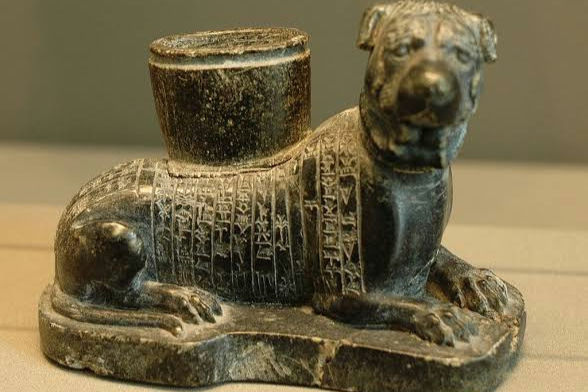
In Mesopotamia, dogs were respected for their loyalty and often connected to healing deities like Gula. Clay tablets show that early animal caretakers used hands-on techniques to diagnose and comfort dogs, especially during grooming or medical rituals. Scratching or rubbing the head and ears was likely common, as it allowed healers to calm the animal before applying treatments. Because dogs served as guardians and companions in bustling cities, moments of gentle touch were essential to keep them steady in crowded environments. The trust built through small gestures such as ear scratching helped integrate dogs into daily life and religious symbolism.
8. Early Asian Traditions of Animal Care

Across ancient China and East Asia, dogs were valued for protection, hunting, and companionship. Early writings from the Zhou and Han periods mention calming techniques used to soothe working animals, including repetitive hand motions along the head and neck. Pressure-point knowledge in traditional Chinese medicine also influenced how people handled dogs, as certain areas were thought to relieve tension. While not recorded as a formal ritual, rubbing behind the ears fit naturally into these practices, offering a simple way to signal trust and reassurance. This blend of observation and tradition helped anchor tactile communication in early Asian dog culture.
9. Dogs in Mesoamerican Cultures

In Mesoamerica, particularly among the Maya and Aztec, dogs like the Xoloitzcuintli held spiritual and practical roles. They were believed to guide souls in the afterlife and served as guardians in the physical world. Archaeological findings show careful dog burials that reflect respect and companionship. Daily interaction with these animals would have involved calm, controlled touch to keep them steady during ceremonies, travel, or domestic tasks. Since sensitive spots around the head help ease tension, behind-the-ear scratching likely became a natural part of bonding and care. These tactile habits supported a relationship built
10. Roman Families and Working Dogs

In ancient Rome, dogs served as household protectors, hunting partners, and cherished pets. Writers like Varro and Columella described the importance of keeping working dogs calm and responsive, especially during patrols or hunts. Roman families often kept lapdogs as companions, and mosaics show a leashed dog or owners touching dogs around the head in familiar, affectionate ways. Because this region behind the ears is naturally soothing, it would have been one of the easiest ways to relax a dog living in busy Roman streets or crowded villas. These interactions helped strengthen loyalty in a society where dogs played both practical and emotional roles.
11. Touch as a Training Tool
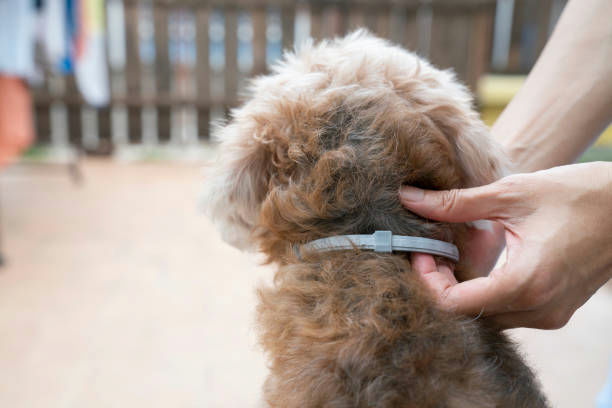
Long before formal training methods were written down, handlers relied on simple physical signals to communicate with dogs. Touch around the ears and neck became a reliable way to steady a dog before giving commands or redirecting its focus. Even without scientific understanding, people knew this gesture worked consistently because dogs responded with immediate relaxation. Over time, this made behind-the-ear scratching an informal training aid, especially in cultures where dogs guarded livestock, protected property, or accompanied hunters. The gesture offered both comfort and guidance, reinforcing cooperation long before modern obedience techniques emerged.
12. Medieval Europe and Companion Animals
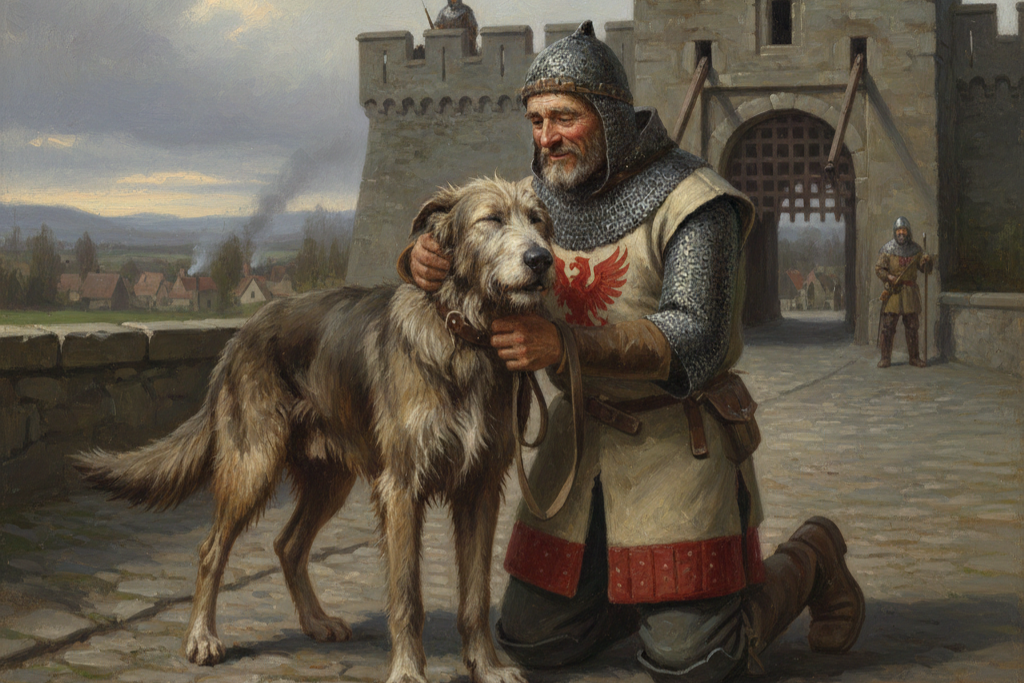
During the Middle Ages, dogs were common in castles, farms, and villages, serving as guards, herders, and companions. Written accounts and artwork from the period show people frequently handling their dogs, especially around the head. This was partly practical, dogs needed grooming, checking for pests, and reassurance in noisy medieval environments. Since the area behind the ears was already known to be a calming spot, people likely used this touch to help dogs settle during long travels or stressful work. These daily moments of affection helped maintain trust in an era when animals were essential partners in survival.
13. The Rise of Canine Healing Practices
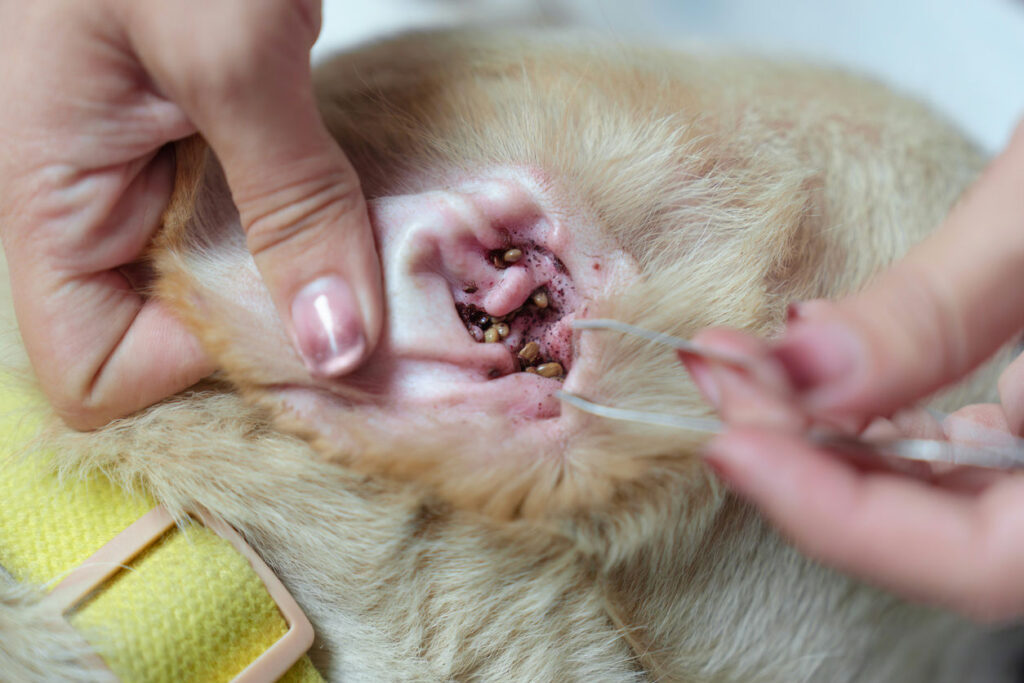
As early veterinary traditions developed in Europe, the Middle East, and Asia, healers learned which touches calmed animals before treatment. The region behind the ears was particularly useful because it relaxed the dog without requiring restraint. Practitioners used this to examine injuries, clean wounds, remove ticks from the ear, or apply herbal remedies. Historical notes from early veterinary texts mention gentle handling around the head and neck as a way to prepare the animal for care. These practices reinforced the idea that ear scratching was more than affection, it was a practical tool that benefited both dog and handler in stressful situations.
14. Working Dogs in Early Exploration

When explorers and traders traveled across continents, dogs accompanied them as guards and helpers. Journeys were often harsh, with unpredictable weather and unfamiliar territories. Touch became an essential communication method, especially at night or during high stress. Scratching behind the ears helped calm dogs after long treks and reassured them before moving into new environments. This simple gesture was especially important for sled dogs, caravan guardians, and port-side watch dogs who worked in demanding conditions. Generations of travelers leaned on the same instinctive method, one ancient touch that continued to comfort dogs across new frontiers.
15. Early Wolves and Human Bonding
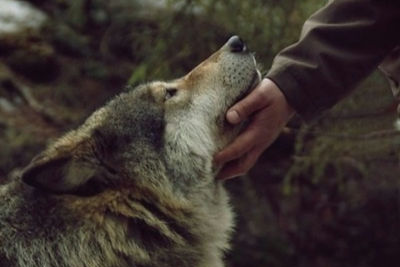
Archaeological research shows that humans began forming close relationships with proto-dogs at least 15,000 to 30,000 years ago, and physical touch played a major role in building trust. Early wolves that tolerated human contact were more likely to form cooperative partnerships, especially around campsites where food sharing occurred. Anthropologists suggest that gentle touches, similar to today’s behind-the-ear scratch, helped reduce fear and reinforced friendly behavior. Dogs have sensitive nerve endings around the ears, so this spot would have provided calming reassurance, making it a natural place for early humans to touch. Over generations, this comforting gesture became embedded in human–dog interaction as domestication accelerated.
16. The Psychology of Mutual Comfort
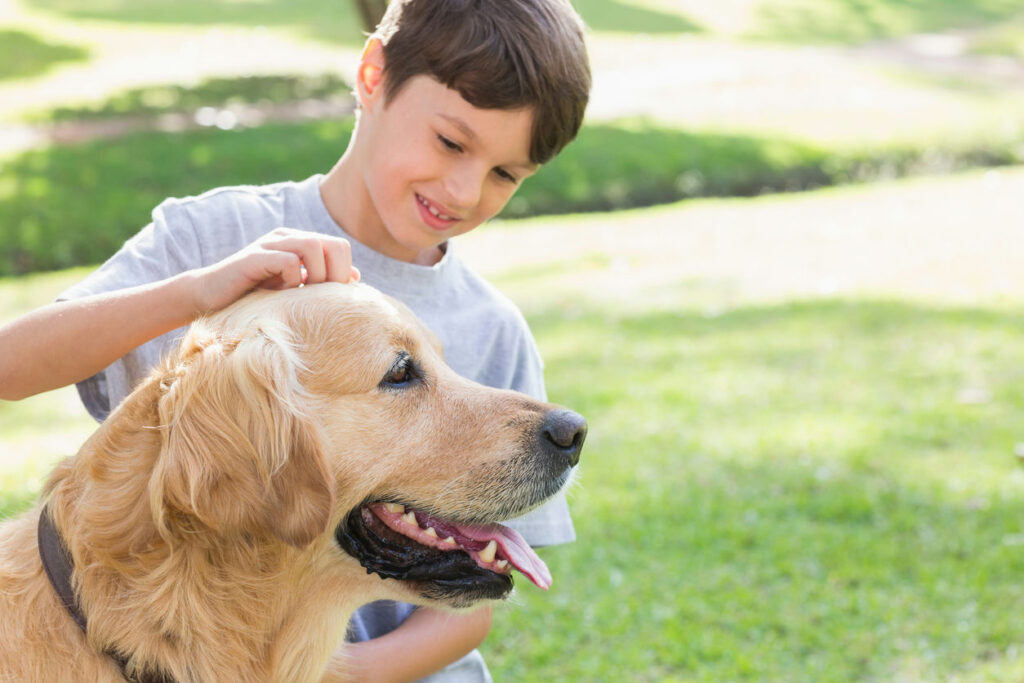
Researchers today know that physical touch between humans and dogs releases oxytocin on both sides, strengthening emotional bonds. Although ancient societies had no scientific framework for this, they clearly recognized the comfort it brought. Scratching a dog’s ears may have served as a shared moment of relief after long days of hunting, farming, or traveling. People instinctively gravitated to the spot that made dogs melt into relaxation, reinforcing calm behavior in environments that could be stressful or chaotic. This mutual benefit helped embed the practice deep into human–dog relationships across cultures and centuries.
17. Dogs in Religious and Mythological Roles

Many ancient religions assigned spiritual meaning to dogs, seeing them as protectors, guides, or loyal companions to deities. In such ceremonial or sacred settings, handlers needed to keep dogs calm during rituals or public gatherings. Gentle ear scratching was a natural way to relax an animal without distracting from the ceremony. This was especially true in cultures where dogs guarded temples, accompanied priests, or acted as symbolic animals during processions. These roles required steadiness and quiet behavior, making small, soothing touches an important part of managing sacred animals.
18. Traditional Grooming and Pest Checks
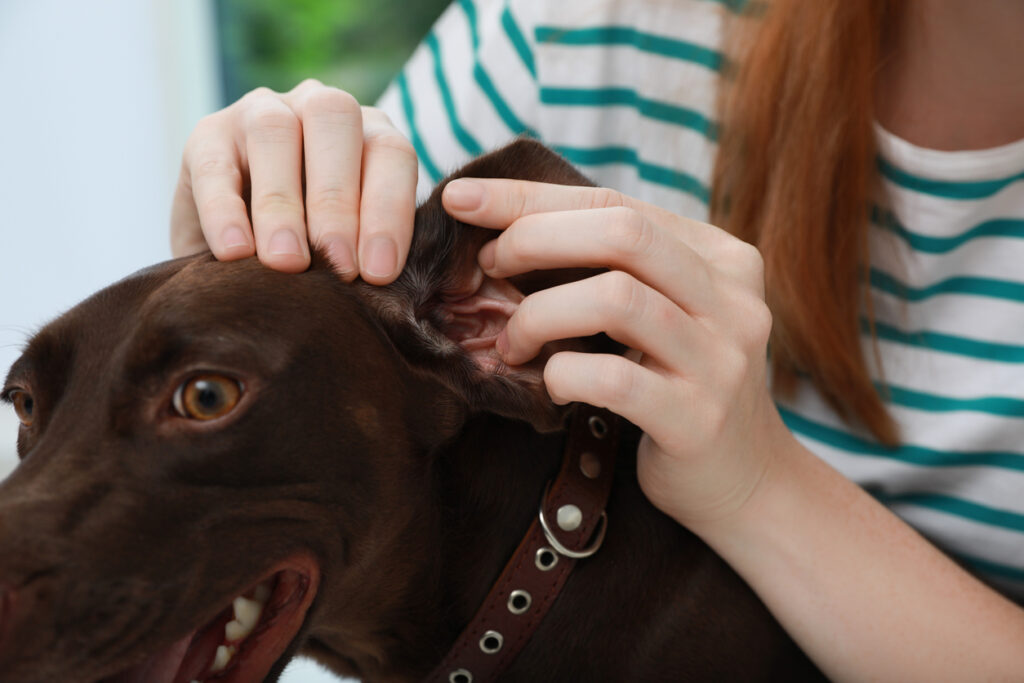
Throughout history, people often checked dogs for ticks, fleas, and skin irritation using their hands. The area behind the ears was a common hotspot for pests, meaning it was inspected frequently. Over time, these practical checks blended with moments of affection, especially when the dog reacted positively. Because the skin and nerves around the ears are sensitive, dogs often leaned in or relaxed under the touch, encouraging caretakers to scratch or rub the area. This blend of utility and comfort is part of what helped the gesture become an everyday habit in many households long before modern groomers existed.
19. Early Understanding of Canine Stress Signals

People living closely with dogs became skilled at reading their behavior long before formal animal science existed. They noticed signs of stress, such as pacing, scratching behind their ears with legs, whining, or pinned ears, and learned which gestures soothed them most effectively. Scratching behind the ears proved reliable because it helped relax the muscles around the head and neck, where dogs carry a lot of tension. This made the gesture a practical calming method during storms, hunts, travel, and crowded gatherings. Over generations, humans continued using this touch because it consistently helped dogs feel grounded in unpredictable conditions.
20. Bonding Through Shared Routines

As human societies developed more structured daily routines, dogs became part of those rhythms, walking to fields, guarding homes at night, or resting by cooking spaces. Simple gestures like scratching behind the ears fit naturally into these shared activities. The gesture reinforced predictability and trust, signaling to the dog that it belonged within the human group. These routines created a strong emotional foundation that helped dogs adapt to changing environments, from growing settlements to early urban centers. The familiarity of this touch made it a lasting part of human–dog connection.
21. Parent Dogs and Puppy Behavior

Observing canine families also shaped how humans interacted with dogs. Mother dogs often nuzzle, lick, and stimulate their puppies around the head and ears, helping them stay calm and socially connected. Early people watched these behaviors and likely copied them, using similar forms of gentle touch to reassure young or anxious dogs. Scratching behind the ears mirrored natural canine bonding patterns, making it one of the easiest ways for humans to communicate care in a language dogs already understood. This instinctive mimicry strengthened trust from puppyhood into adulthood.
22. The Spread of Pet Culture

As pet-keeping became more common across Europe, Asia, and later the Americas, affectionate behaviors toward animals grew more intentional. Literature, art, and household manuals encouraged gentleness toward pets, especially dogs, which were prized for loyalty and temperament. With dogs living indoors more frequently, owners spent more time petting and calming them, and the behind-the-ear scratch continued as a familiar, soothing gesture. This habit blended affection with routine care, helping reinforce the evolving idea of dogs as true members of the family rather than strictly working animals.
23. Modern Science Confirms the Benefits

Contemporary research supports what ancient people observed intuitively. Studies show that petting a dog, especially around sensitive areas like the ears, reduces heart rate, lowers cortisol, and increases oxytocin in both the dog and the human. This shared physiological response mirrors the bond-building mechanisms humans practiced for millennia. Modern veterinarians also note that touching the ears can help detect infections or irritation early, continuing a long tradition of combining affection with practical care. The science simply confirms why this ancient habit remains universally loved.
24. A Universal Gesture Across Cultures

Today, scratching behind a dog’s ear is one of the most recognizable ways humans show affection to their pets. Whether in cities, villages, or on farms, the gesture transcends language and culture, echoing thousands of years of shared history. It reflects everything from early domestication to practical grooming habits and emotional bonding. Even people meeting a dog for the first time often instinctively reach for this spot because it communicates safety, warmth, and friendliness. It’s a small action with a long lineage, connecting the modern world to ancient human–animal relationships.
The simple act of scratching behind a dog’s ear has traveled through thousands of years of shared history. Like this story? Add your thoughts in the comments, thank you.
This story The Ancient History of Scratching Behind a Dog’s Ear was first published on Daily FETCH


