
1. Mark Hamill
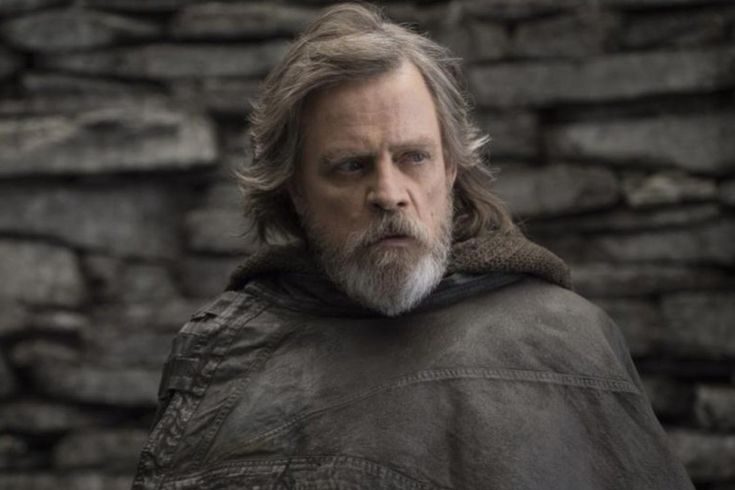
When people first sat down to watch Star Wars, they did not enter through politics or space battles. They entered through Luke Skywalker, and Mark Hamill played him like a restless young man staring at a life that felt too small. That small human feeling made the giant story easy to step into. Luke complains, dreams, hesitates, and slowly grows brave, which felt familiar to anyone who ever wanted something bigger. Hamill kept the performance soft and sincere, never rushing the emotional beats, letting viewers feel every unsure step along the way. That grounded beginning quietly became the emotional doorway into the entire saga for generations.
As the years passed and Luke returned older, Hamill allowed the character to feel tired, thoughtful, and shaped by experience instead of frozen as a perfect hero. That choice helped the story mature alongside its audience and kept the character believable across decades of new films and series. Even in small appearances, his calm delivery still carries the same hopeful spirit that defined the original journey. Looking back now, it is hard to imagine the franchise beginning any other way, because Hamill did not just introduce Luke Skywalker. He introduced the emotional language that Star Wars would keep speaking for years.
2. Harrison Ford The Smuggler Who Made Space Feel Real
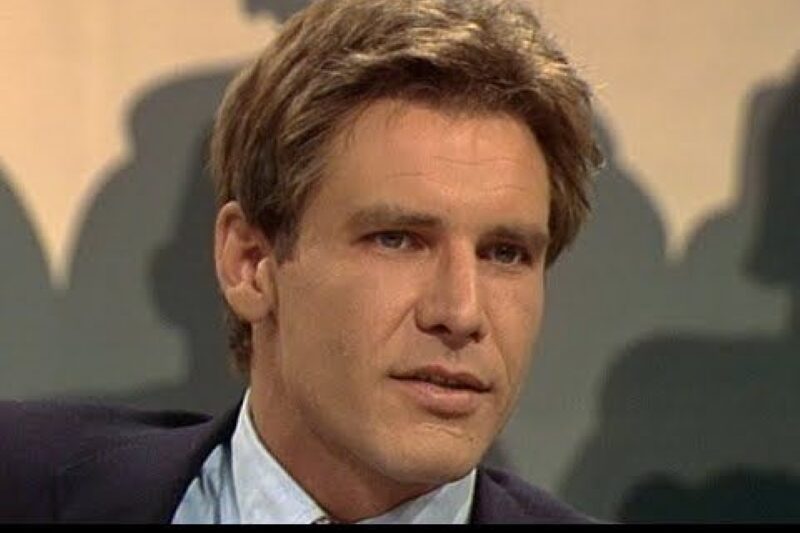
Harrison Ford stepped into Star Wars with the energy of someone who sounded like he came from a completely different movie, and that difference is exactly what made Han Solo work. While others spoke about destiny and the Force, Ford delivered lines like a practical pilot worried about fuel, money, and survival. That grounded rhythm made conversations feel natural instead of theatrical and gave audiences someone who reacted to the strange galaxy the same way they might. His pauses, quick sarcasm, and relaxed confidence helped scenes breathe and kept the story from drifting too far into fantasy seriousness during tense moments.
As the films continued, Ford let Han age like a real person shaped by consequences, friendships, and losses rather than keeping him stuck as a charming rogue. The older version carries more quiet reflection and a sense of history, which made his later appearances feel meaningful instead of nostalgic. That willingness to show time passing helped Star Wars feel like a living world where choices matter long after the adventure ends. Through Ford’s steady, human performance, Han Solo became more than comic relief. He became the reminder that ordinary flawed people can still stand at the center of legendary stories.
3. Carrie Fisher The Princess Who Led Without Trying
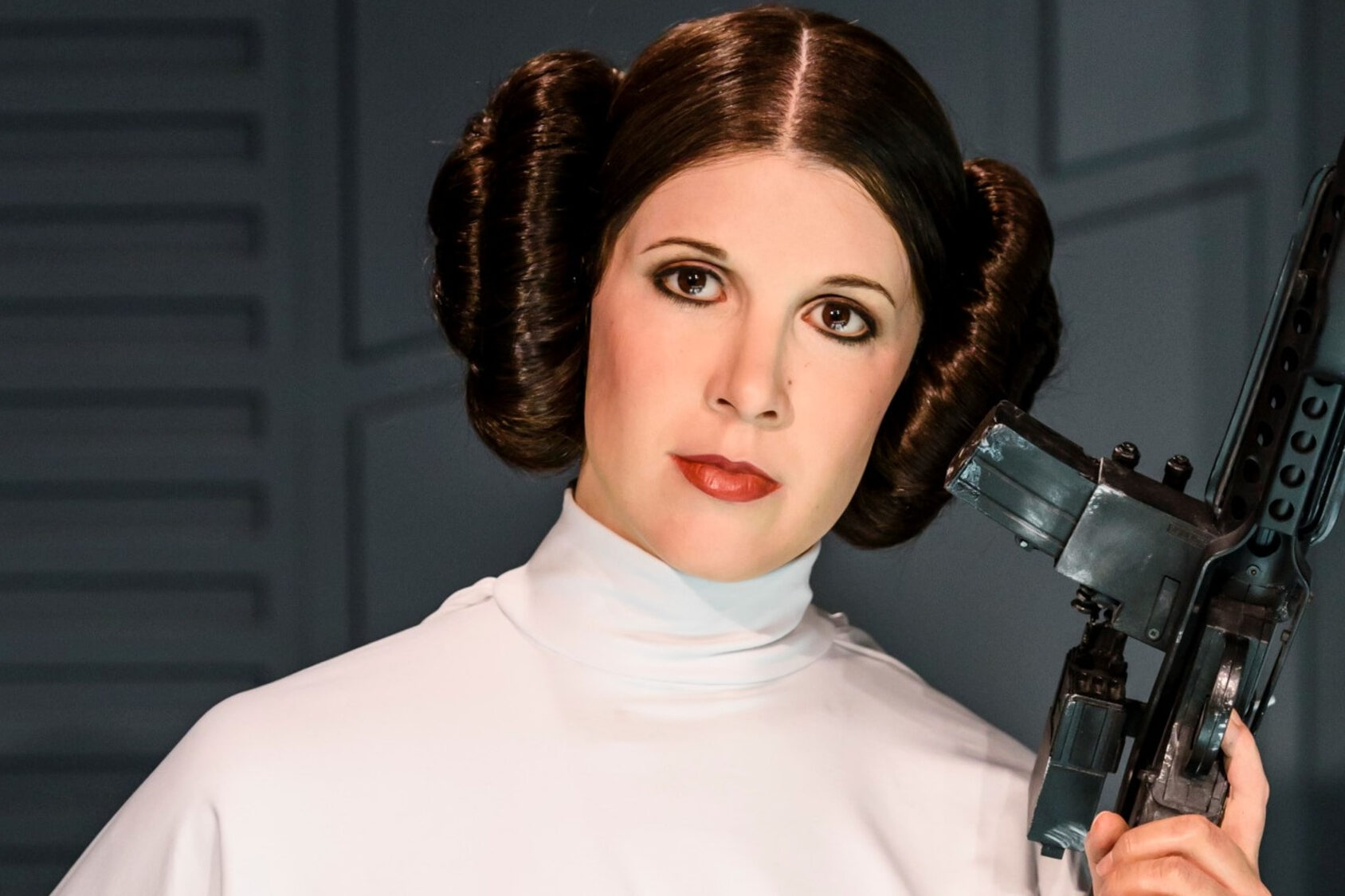
Carrie Fisher played Leia Organa with the kind of natural authority that never looked forced or rehearsed, which immediately set her apart in a genre that often treated female characters as background figures. Leia speaks quickly, thinks strategically, and rarely waits for permission, and Fisher delivered that confidence with an ease that made leadership feel like second nature. Instead of announcing strength through dramatic speeches, she showed it through practical decisions, sharp reactions, and an ability to stay focused while everyone else argued. That calm control helped balance the emotional energy of the group and made Leia feel like the person quietly keeping everything moving forward.
When Fisher returned in later films as General Organa, she carried the same grounded presence but layered it with years of visible responsibility and experience. The performance feels like watching someone who has truly lived through wars, alliances, and personal loss while still holding the line for others. That sense of lived history made the newer stories feel connected to the old ones in a human way. Fisher’s Leia never needed dramatic reinvention because the original portrayal already contained strength, humor, and intelligence that could naturally grow with time.
4. James Earl Jones
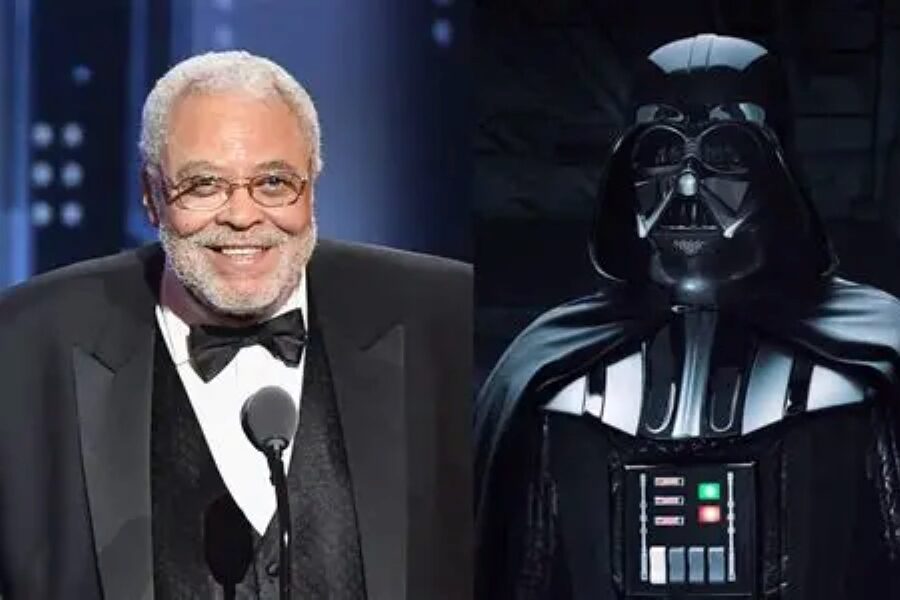
Darth Vader’s physical suit created the image, but it was James Earl Jones who supplied the sound that made the character unforgettable. Instead of shouting or exaggerating villainy, Jones spoke slowly and with complete control, allowing silence and pacing to carry the intimidation. That calm delivery made even simple sentences feel heavy, as though every word had already been decided long before it was spoken. The performance worked because it never sounded rushed or emotional. It sounded certain, and that certainty made the character feel powerful in a way audiences could immediately understand without needing explanation or dramatic movement.
Across later appearances in films, animation, and newer productions, the same steady vocal tone kept the character consistent for multiple generations of viewers. Even when technology changed or stories expanded, that familiar voice anchored the character in the same emotional space audiences remembered. It showed how one carefully measured performance choice can shape the identity of an entire fictional figure. Jones proved that acting does not always rely on physical presence. Sometimes the voice alone becomes the emotional architecture that holds a legendary character together for decades.
5. Ewan McGregor The Mentor Who Felt Warm And Human
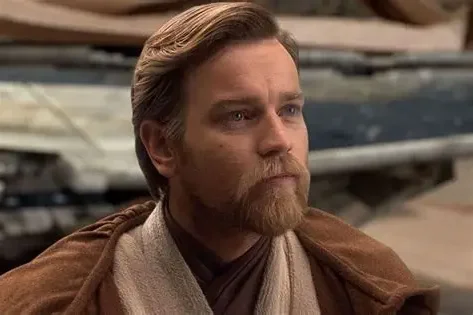
Taking on a younger version of an already beloved character could have easily felt stiff or overly careful, but Ewan McGregor approached Obi Wan Kenobi with warmth, humor, and a slightly tired kindness that made him instantly approachable. Instead of copying the earlier performance exactly, he focused on capturing the personality underneath, showing a thoughtful teacher trying to stay patient while events spiral beyond control. That approachable energy helped the prequel films feel emotionally anchored, because whenever chaos filled the screen, Obi Wan still felt like the person holding the story’s moral center steady for both characters and viewers.
Years later, when McGregor returned to the role, he allowed the character to carry visible regret, reflection, and emotional weight from everything that happened before. The quieter delivery, slower reactions, and more inward tone made the older Kenobi feel like a natural continuation rather than a nostalgic revisit. Watching that evolution unfold added depth to the timeline and strengthened the sense that these characters truly live through long complicated lives. McGregor’s performance quietly linked multiple eras of Star Wars into one continuous human journey.
6. Natalie Portman The Diplomat Who Grounded The Conflict
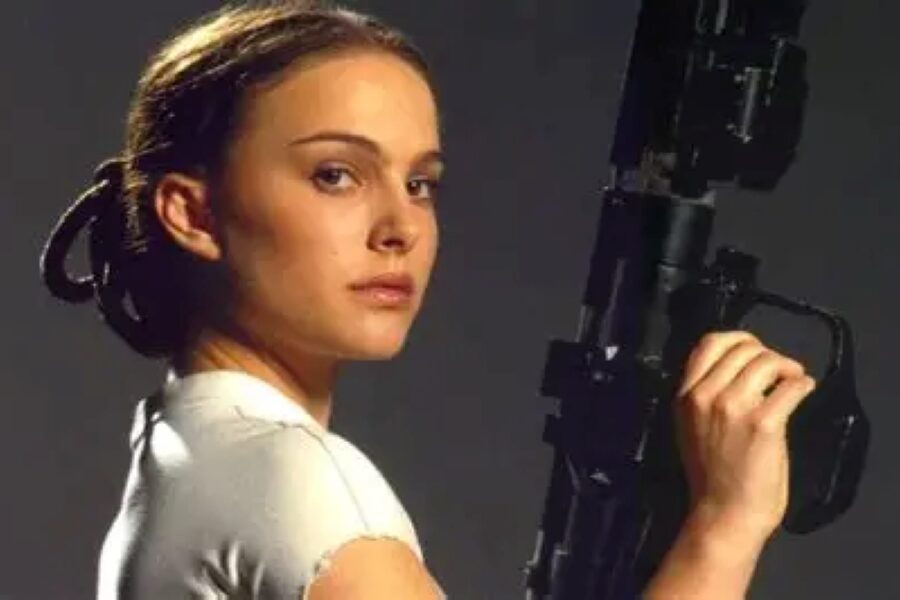
Natalie Portman’s portrayal of Padme brought a thoughtful stillness into a story often driven by action, prophecy, and large emotional swings. She played the character as someone deeply focused on responsibility, public service, and the difficult work of keeping peace during unstable times. That calm conviction made Padme feel like the emotional and political anchor of the prequel era, because her decisions were guided by long term consequences rather than immediate reactions. In scenes filled with loud arguments or urgent danger, her measured tone often reminded viewers what the larger struggle was truly about beyond individual battles.
Portman also balanced the character’s public leadership with a quieter personal vulnerability that helped the central relationship feel sincere instead of purely dramatic. By allowing moments of doubt, concern, and emotional honesty, she kept the performance grounded in recognizable human stakes. That balance ensured the wider tragedy unfolding around her never lost its personal dimension. Without that steady emotional realism, the larger story might have felt distant or abstract. Through Portman’s careful restraint, Padme became the human reminder that political choices and personal lives are always tightly connected.
7. Adam Driver
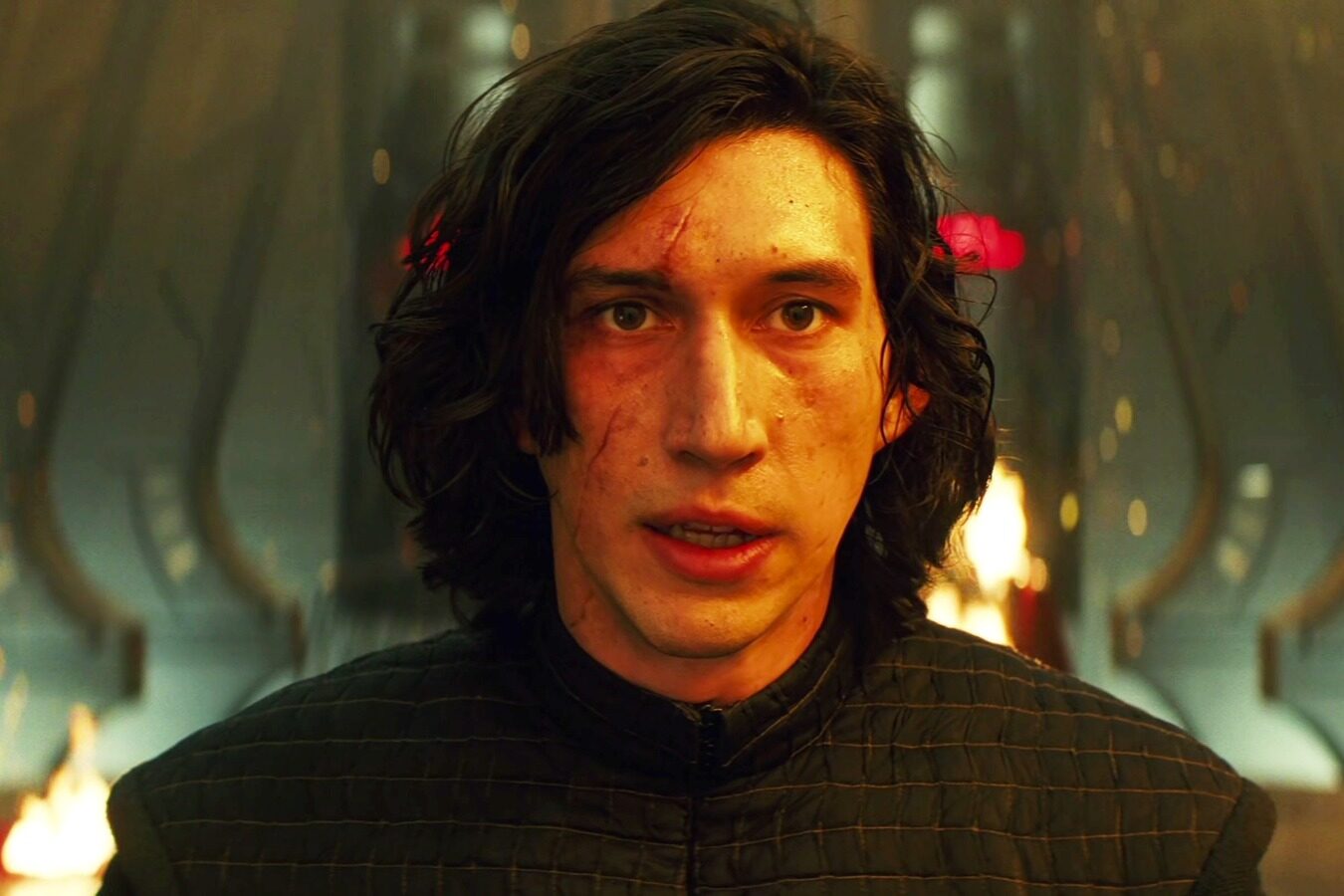
Adam Driver approached Kylo Ren as someone emotionally unfinished, and that choice made the character feel unpredictable from the very first scene. Instead of presenting a calm calculating villain, Driver showed visible conflict in posture, voice, and sudden shifts in reaction, allowing anger, fear, and uncertainty to exist at the same time. That layered instability created tension even in quiet conversations, because viewers could never fully predict whether the character would listen, hesitate, or explode. The performance turned internal struggle into the central dramatic engine of the sequel trilogy rather than treating darkness as something simple or distant.
As the story progressed, Driver carefully adjusted the character’s emotional weight, letting moments of reflection gradually replace some of the earlier volatility. That slow adjustment helped the larger arc feel earned because audiences could track the psychological movement step by step instead of being told it happened. The portrayal showed how legacy, expectation, and identity can pull a person in opposite directions for years. Driver’s interpretation gave Star Wars a modern emotional texture where the greatest battles often happen inside the character rather than only on the battlefield.
8. Daisy Ridley
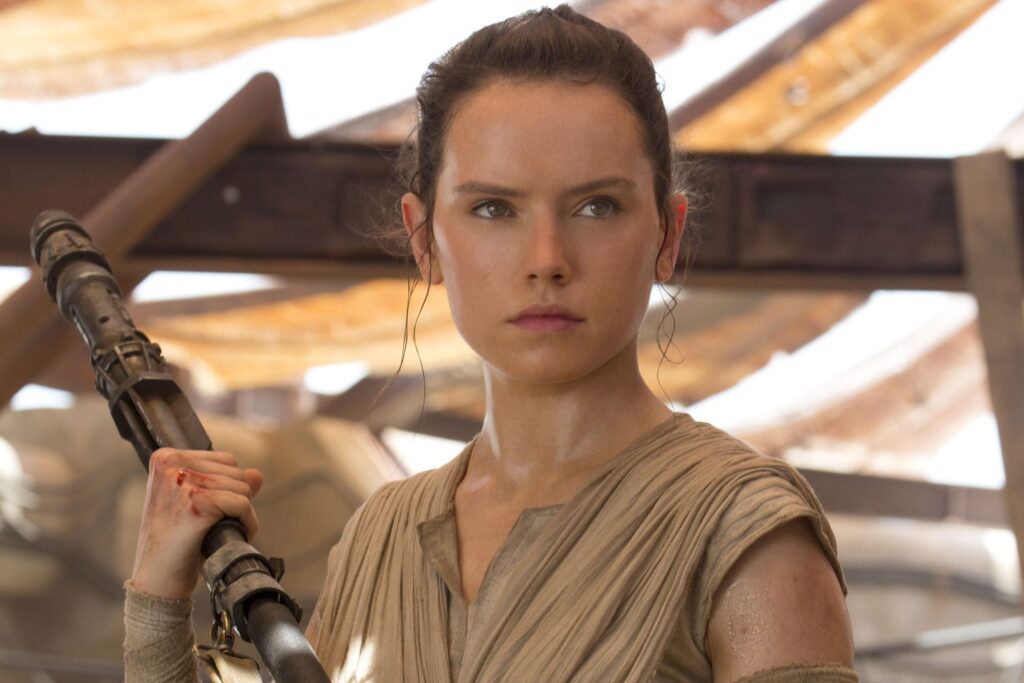
When Daisy Ridley appeared as Rey, she carried the important task of reopening the sense of discovery that first made the galaxy exciting for new audiences. She played Rey with alert curiosity, physical determination, and a quiet loneliness that made her strength feel earned rather than automatic. That emotional openness allowed viewers to learn about the expanding story alongside her, which recreated the welcoming entry point that earlier generations experienced with Luke. Her reactions often begin cautious, observant, and practical, making the larger adventure feel grounded in survival instincts instead of immediate heroic confidence.
As the trilogy continued, Ridley layered the performance with growing self belief while still keeping traces of that original searching uncertainty underneath. That balance helped the character remain relatable even as her responsibilities increased. The portrayal focused less on presenting an untouchable hero and more on showing someone steadily assembling their sense of belonging piece by piece. Through that gradual emotional build, Rey became the doorway for another generation to step into the Star Wars world and feel that the journey was beginning personally for them too.
9. Pedro Pascal
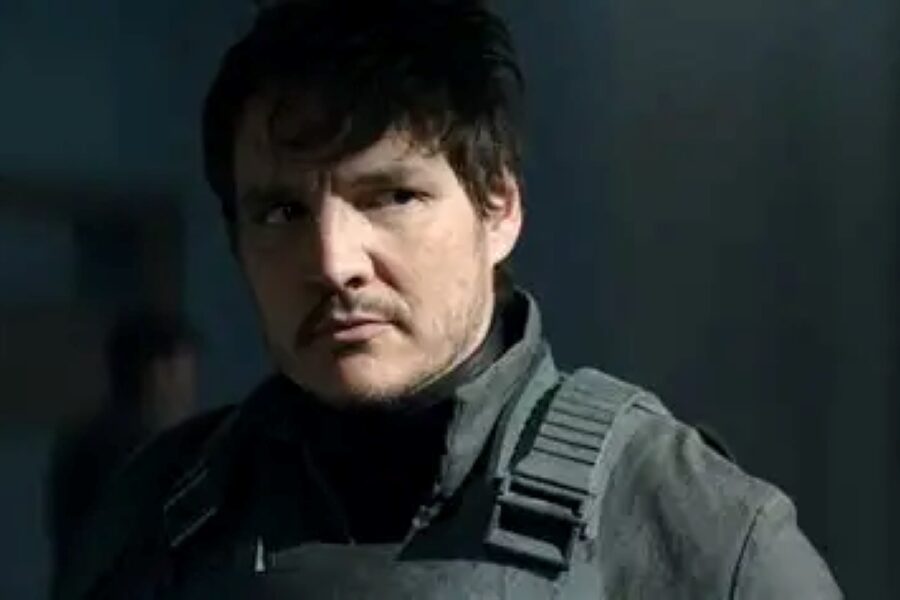
Pedro Pascal’s Mandalorian begins as a quiet professional defined mostly by routine, discipline, and emotional distance, and Pascal expresses that restraint through careful pacing and controlled speech rather than constant dialogue. The early episodes show a character who interacts with others mainly through obligation, which makes the rare moments of hesitation or curiosity stand out strongly. That subtle approach allowed viewers to sense the possibility of change long before the story openly confirmed it. The performance proves that stillness and minimal reaction can sometimes communicate more than long speeches in building audience investment.
As the journey unfolds, Pascal gradually softens the tone, allowing protectiveness, humor, and reluctant attachment to appear in small believable increments. That slow emotional opening turned the relationship at the center of the series into something audiences felt rather than simply observed. The character never transforms suddenly, which keeps the growth convincing and human. Through that steady evolution, the performance demonstrated that Star Wars stories can thrive not only on epic conflict but also on intimate personal bonds formed one careful step at a time.
10. Alec Guinness
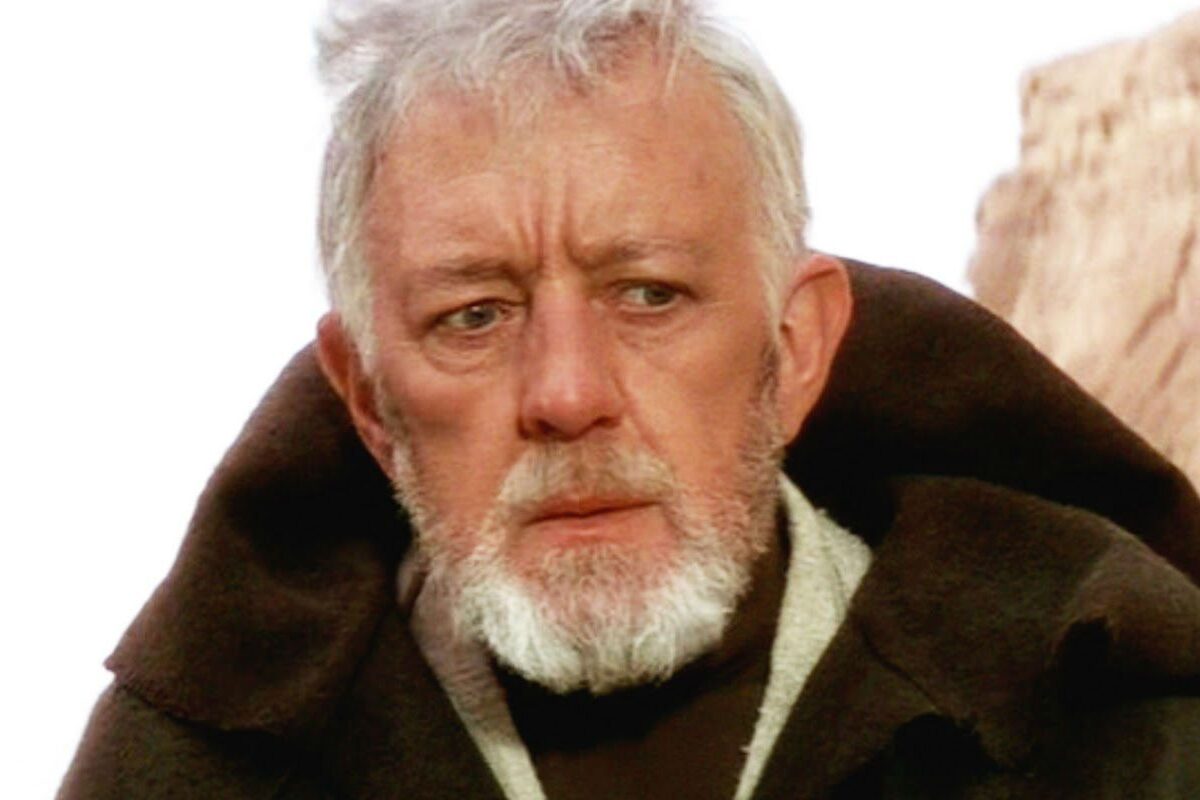
When Alec Guinness first appeared as Obi Wan Kenobi, he brought a calm theatrical presence that helped audiences accept the strange world immediately. He spoke with gentle patience and thoughtful pauses, as if the character carried years of unseen history before the story even started. That sense of lived experience made the fantasy feel grounded because someone on screen clearly understood the stakes long before the younger heroes did. His steady eye contact, relaxed posture, and measured voice quietly told viewers that this galaxy had rules, memory, and moral weight beyond explosions or spectacle.
As the saga expanded across decades, that original calm portrayal continued to influence every later version of Jedi mentors and teachers. The tone Guinness established made wisdom feel reflective instead of dramatic, shaping how guidance and legacy would sound throughout the franchise. Even brief later appearances still feel emotionally centered because they echo that same patient authority. Looking back, his performance feels less like one supporting role and more like the emotional foundation that allowed the larger story to feel believable enough for audiences to trust from the very beginning.
11. Samuel L Jackson
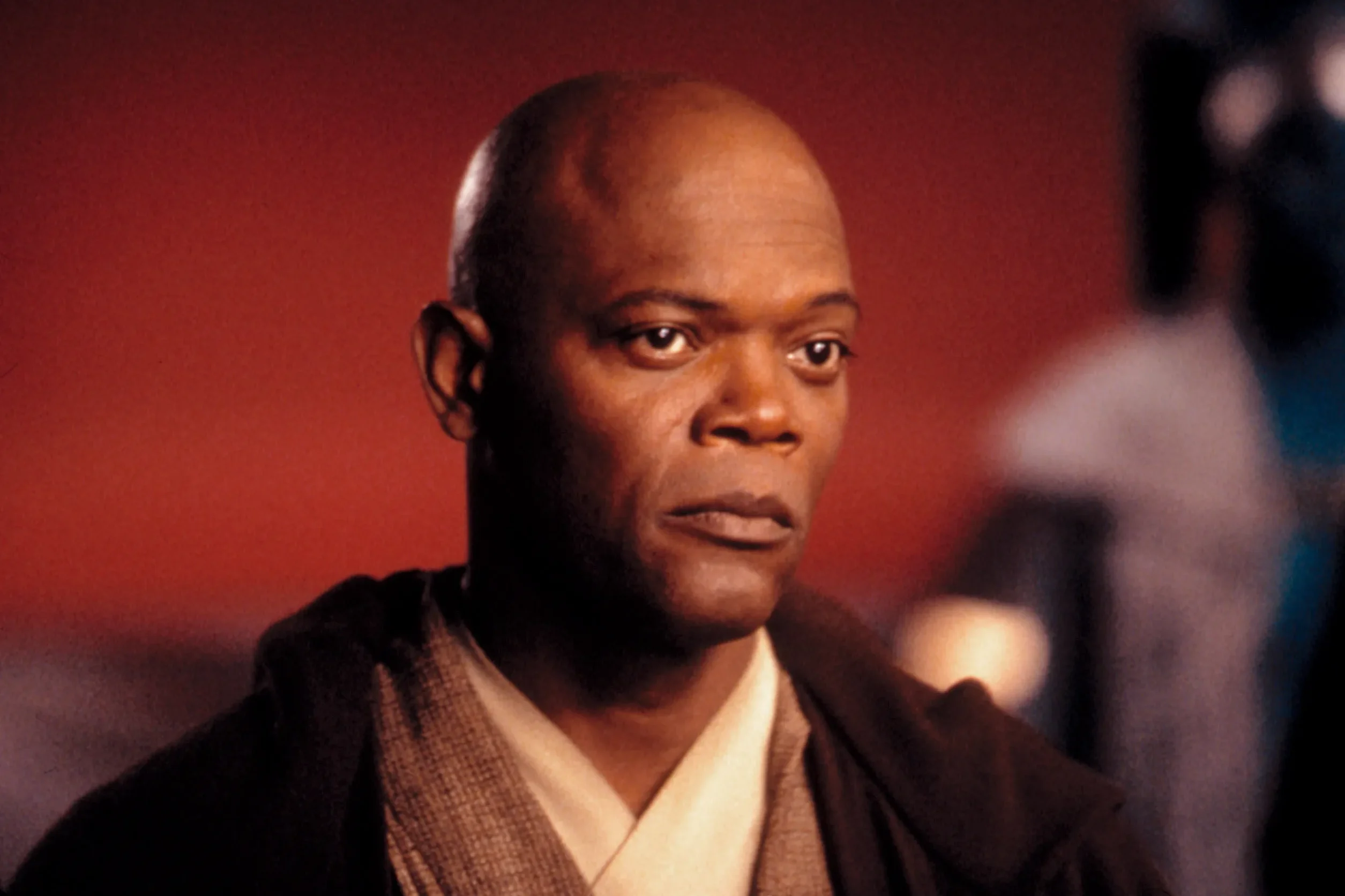
Samuel L Jackson entered the prequel era with a presence that instantly felt authoritative without needing long introductions or dramatic backstory. Playing Mace Windu, he stood, spoke, and reacted with the composed certainty of someone used to making final decisions during uncertain times. Jackson’s natural intensity helped the Jedi Council feel less like distant philosophers and more like leaders responsible for real consequences. His controlled delivery and steady gaze created the impression of a warrior who preferred discipline over theatrics, which balanced the more emotional characters surrounding him in several tense political and battlefield scenes.
Across the trilogy, Jackson maintained that same firm energy, allowing the character to feel consistent even as the larger conflict escalated rapidly. The portrayal suggested someone who had spent years holding fragile peace together, which gave his scenes a sense of accumulated responsibility. By keeping the performance grounded and direct, Jackson helped make the Jedi Order feel like an organized institution rather than just a collection of mystical individuals. His presence strengthened the sense that the galaxy’s fate often rested on leaders forced to stay calm while everything around them shifted.
12. Ian McDiarmid
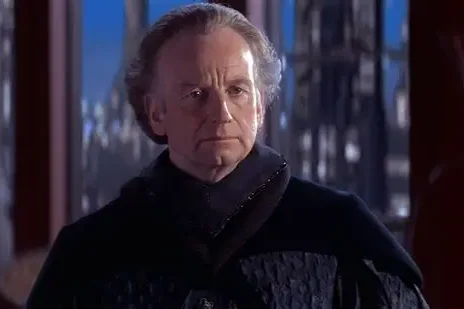
Ian McDiarmid’s performance as Palpatine works because he never rushes the transformation from quiet politician to open tyrant. Early scenes show a soft spoken leader who listens carefully, smiles politely, and rarely raises his voice, which makes the eventual reveal feel unsettling rather than sudden. McDiarmid plays the character as someone who understands patience better than power, allowing small gestures and restrained expressions to hint that something darker sits underneath the public surface. That controlled pacing helped the long political storyline feel like a deliberate chess match unfolding slowly rather than a quick villain twist.
When the character finally steps fully into open control, McDiarmid shifts the tone without losing that earlier composure, showing that the same calculating mind is still guiding every decision. The consistency keeps the performance believable across multiple films and timelines. By treating manipulation as calm strategy instead of loud menace, he helped Star Wars explore how systems collapse gradually through influence and persuasion. His portrayal reminds viewers that the most dangerous figures in large stories are often the ones who sound reasonable until the moment they no longer need to pretend.
13. Anthony Daniels
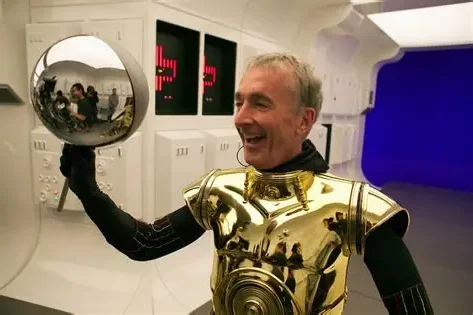
Anthony Daniels holds a unique place in Star Wars because his character C Threepio appears in nearly every era, quietly linking generations of heroes who otherwise never meet. Daniels plays the droid with nervous precision, polite panic, and a constant sense of being slightly overwhelmed, which brings a familiar everyday anxiety into extraordinary situations. That consistent personality gives audiences a stable emotional reference point as worlds change, wars begin, and new characters arrive. Even when surrounded by chaos, Threepio’s worried commentary keeps scenes grounded in small recognizable human reactions.
Because Daniels maintained the same vocal rhythm, physical stiffness, and anxious timing across decades, the character became a living thread connecting the entire timeline. Viewers can move from one trilogy to another and still feel anchored by that familiar presence. The performance shows how even comic supporting roles can quietly shape a franchise’s continuity by giving audiences something emotionally recognizable to hold onto. Through Daniels’ careful consistency, Star Wars kept one gentle reminder that history continues, memories carry forward, and even nervous observers can become part of legendary journeys.
14. Kenny Baker
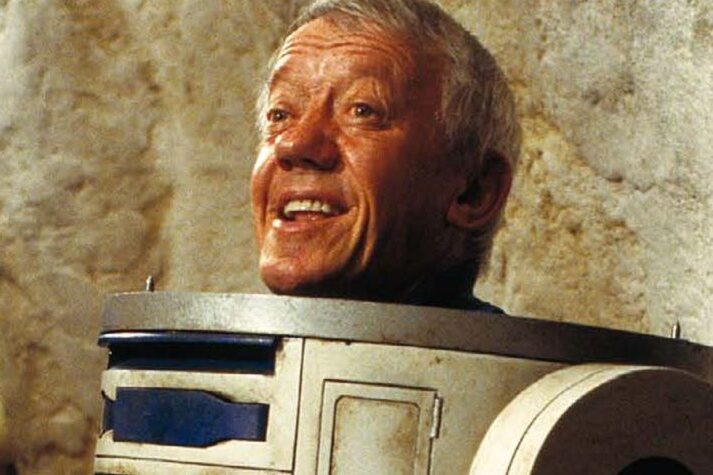
Kenny Baker’s work inside the R2 D2 unit required physical timing, patience, and expressive movement without the benefit of visible facial performance, yet his contribution helped create one of the saga’s most emotionally readable characters. Through controlled beeps, slight turns, and carefully timed pauses, Baker helped shape a droid that audiences understood almost instinctively. The character’s loyalty, curiosity, and occasional stubborn bravery come through in motion rather than speech, proving how much storytelling can happen through rhythm and physical presence alone. That subtle work made R2 feel alive instead of mechanical.
Because the droid appears across multiple timelines and adventures, Baker’s original movement style established the emotional vocabulary that later operators and digital teams continued following. The consistency ensured the character always reacted with the same dependable spirit no matter how technology evolved around the production. His performance reminds viewers that some of the most beloved figures in cinema rely not on dialogue but on recognizable behavior and heart. Through that quiet physical dedication, Baker helped give Star Wars one of its most constant symbols of loyalty and courage.
15. Liam Neeson
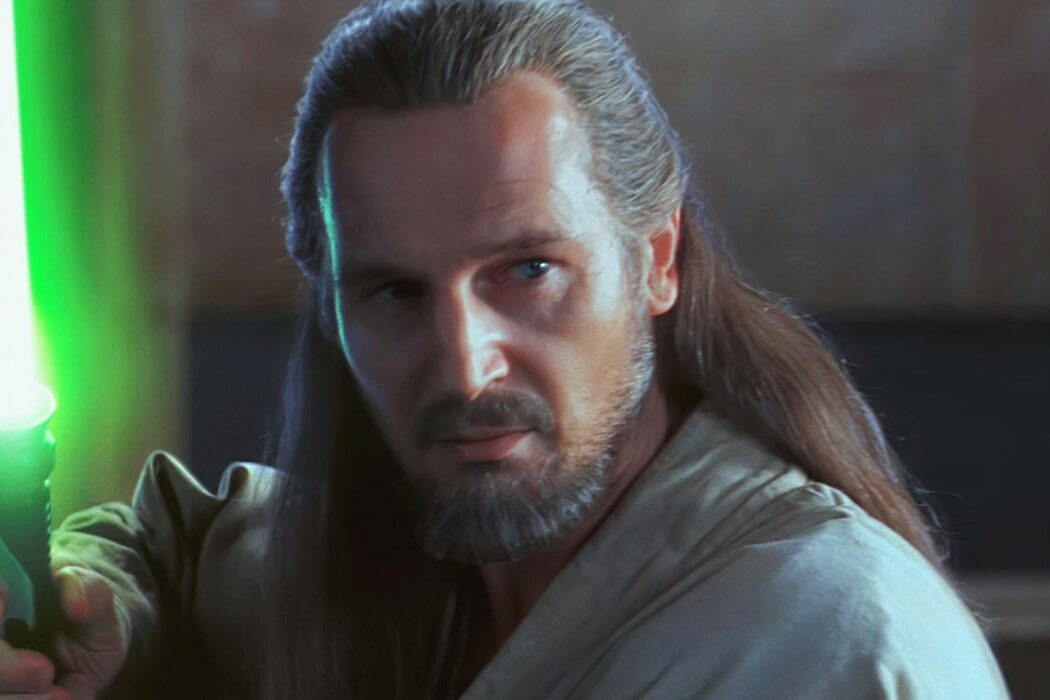
Liam Neeson’s portrayal of Qui Gon Jinn brought a calm independent wisdom into the early prequel story, presenting a Jedi who trusted intuition as much as official instruction. Neeson played the role with steady confidence and a reflective tone, suggesting someone comfortable standing slightly outside institutional rules when he believed the larger balance required it. That thoughtful independence shaped the emotional starting point for the entire Anakin storyline because Qui Gon treats the boy first as a person, not merely as a prophecy. The warmth in those early interactions gives later events a deeper sense of loss.
Even though the character appears only briefly compared to others, Neeson’s grounded delivery leaves a lasting impression that echoes throughout the saga’s future decisions and conflicts. The portrayal establishes the idea that guidance is not only about teaching skills but about seeing potential clearly and accepting responsibility for it. By anchoring the beginning of Anakin’s journey in calm mentorship rather than spectacle, Neeson helped frame the larger tragedy as something rooted in human relationships. That emotional foundation continues to influence how viewers interpret the story’s later turning points.
16. John Boyega The Soldier Who Asked Hard Questions
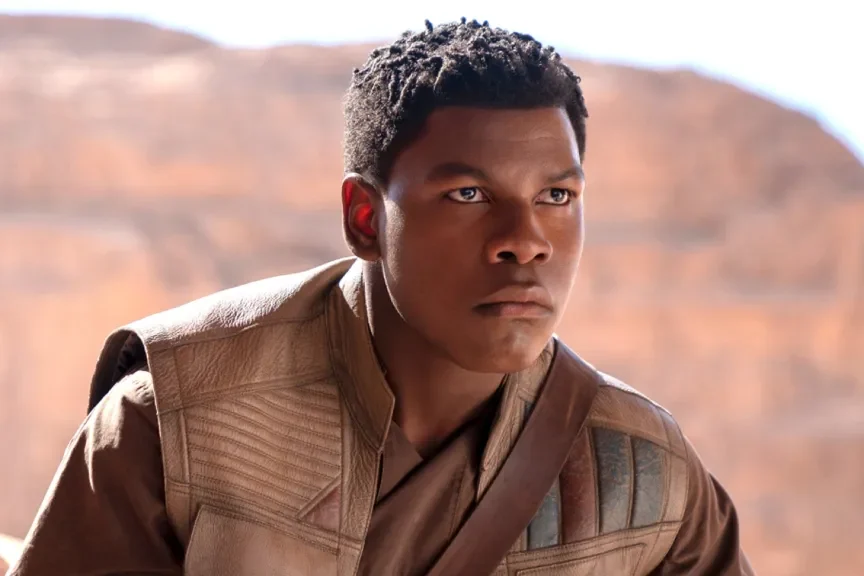
John Boyega’s introduction as Finn immediately added a different emotional perspective by showing the war through the eyes of someone raised inside the system he eventually questions. Boyega plays the character with nervous urgency, flashes of humor, and visible moral conflict, allowing viewers to experience the scale of the First Order from the inside rather than only from heroic opposition. That internal viewpoint makes the escape and later choices feel personal instead of purely adventurous. His quick reactions and honest fear also help ground large battle sequences in recognizable human survival instincts.
As the trilogy progresses, Boyega lets Finn grow gradually into confidence without losing the vulnerability that made him relatable at the start. The character never becomes perfectly fearless, which keeps the performance emotionally believable and warm. Through that steady development, Finn represents the idea that courage often begins with doubt rather than certainty. Boyega’s presence helped Star Wars widen its storytelling lens by reminding audiences that history changing decisions are sometimes made by ordinary individuals who simply decide they cannot keep following the wrong path any longer.
17. Oscar Isaac
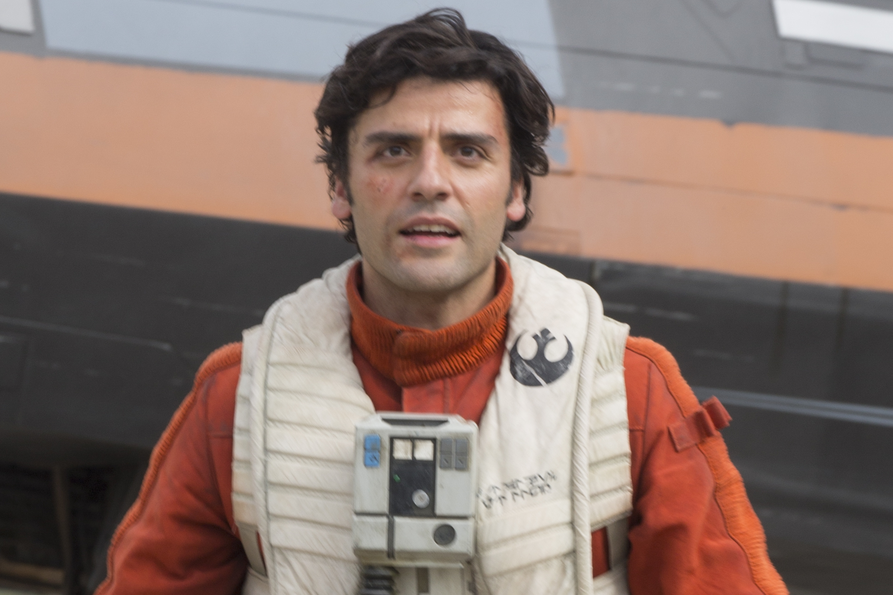
Oscar Isaac’s portrayal of Poe Dameron injects a relaxed natural charisma that helps balance the heavier emotional arcs surrounding him. Isaac plays Poe as someone highly skilled yet socially effortless, giving commands with confidence while still sounding like a teammate rather than a distant officer. That approachable leadership style helps group scenes feel collaborative and lived in, especially during high pressure missions where quick trust matters. His casual humor and fast conversational rhythm also keep tense sequences from feeling overly heavy, restoring the adventurous energy that has always been part of Star Wars storytelling.
As the character gains more responsibility, Isaac subtly adds moments of hesitation and reflection, showing how leadership involves learning from mistakes rather than simply charging forward. That added maturity deepens the performance without losing the character’s natural warmth. Poe’s journey highlights how confidence can evolve into responsibility over time, reinforcing the saga’s recurring theme that growth often happens through experience rather than destiny. Isaac’s grounded charm helped maintain the human friendship dynamic that keeps even galaxy wide conflicts feeling like stories about people first.
18. Rosario Dawson
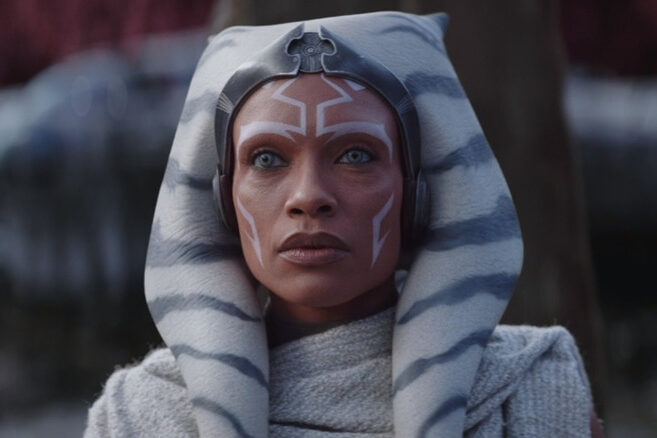
Rosario Dawson’s arrival as Ahsoka brought a performance already loved in animation into live action with careful restraint and emotional maturity. Dawson plays her as someone shaped by long experience, carrying both discipline and quiet empathy in how she speaks and moves. Instead of presenting constant intensity, she allows thoughtful pauses and measured responses to show a character who has learned patience through years of conflict and survival. That calm presence helps newer stories feel connected to earlier eras while still opening space for fresh journeys and perspectives within the expanding universe.
As her storyline continues, Dawson keeps the portrayal centered on mentorship, reflection, and the responsibility of guiding others without controlling their paths. That approach mirrors the broader direction Star Wars has taken as it grows beyond a single family narrative into a wider network of interconnected lives. Watching her move forward feels less like revisiting the past and more like seeing the saga quietly hand its wisdom to the next generation. In that way, her performance gently closes the long circle of actors who helped carry this galaxy forward.


