
1. The O.J. Simpson Murder Trial
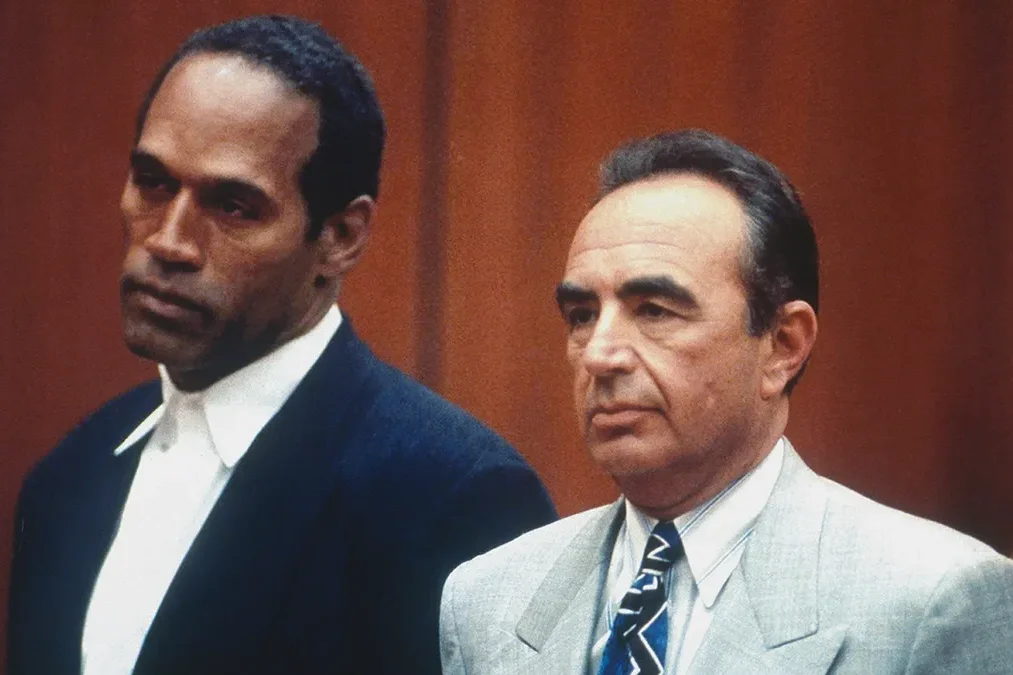
For many people, this was the story that made the whole decade feel different. In 1994, the killings of Nicole Brown Simpson and Ron Goldman pushed former football star O.J. Simpson into the center of a case that felt both shocking and strangely personal for viewers watching at home. The slow police chase on live television, the packed courtroom, and the endless daily updates made ordinary families feel like they were following a real life drama together after dinner each night. Conversations about evidence, lawyers, and courtroom strategy suddenly became normal talk at work and in barber shops across the country.
Inside the courtroom, prosecutors relied heavily on DNA evidence while the defense focused on police mistakes and the famous glove demonstration that jurors could not ignore. In 1995 Simpson was acquitted in criminal court, which stunned millions watching the verdict live. Years later, a civil jury found him responsible for the deaths and ordered financial damages. Much later still, Simpson went to prison for an unrelated robbery case before eventually being released, leaving the trial remembered as the moment televised justice truly became national daily viewing.
2. The Oklahoma City Bombing
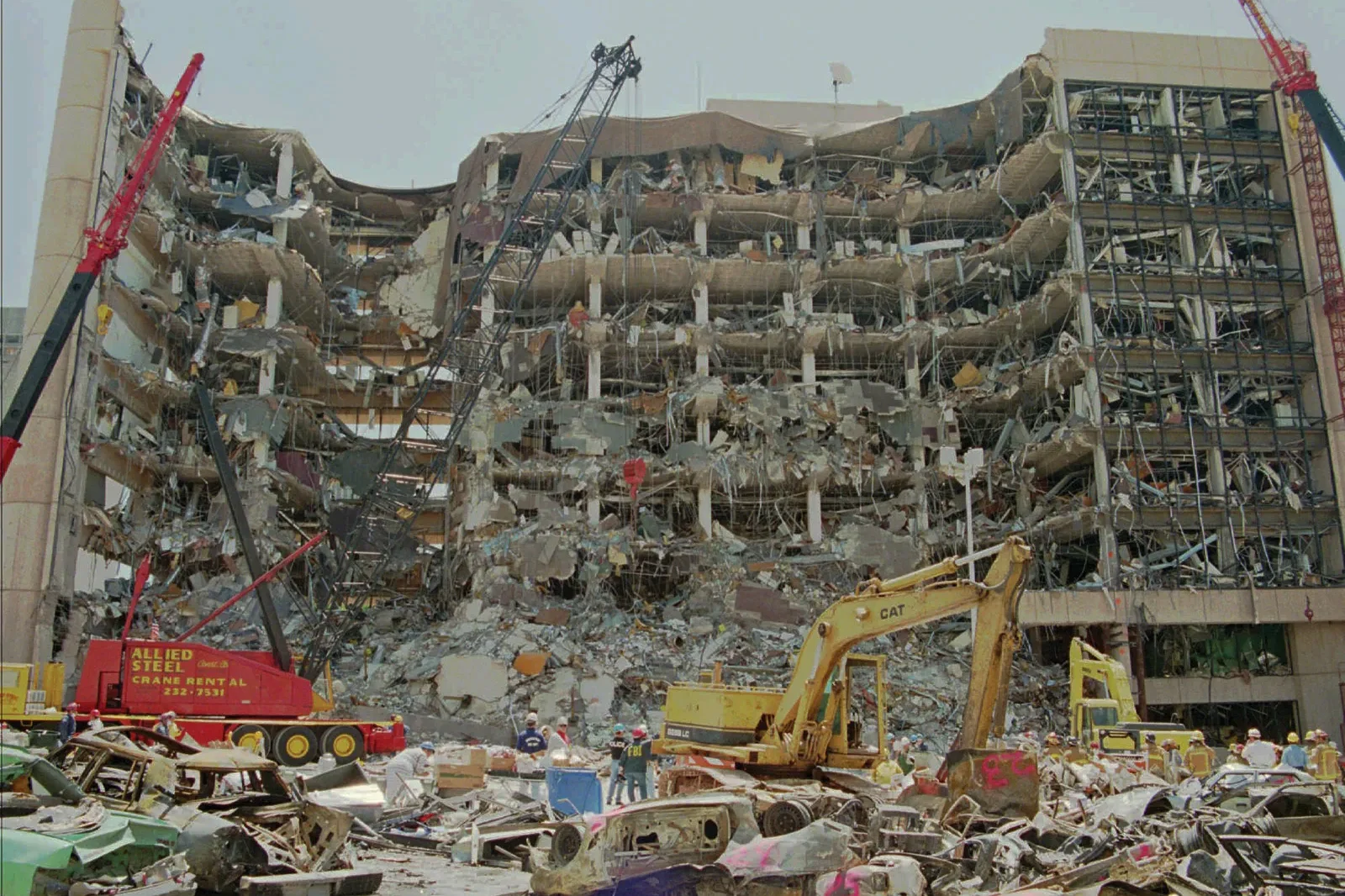
Some tragedies arrive without warning and leave a silence that people remember for decades. On April 19, 1995, a truck bomb exploded outside the Murrah Federal Building in Oklahoma City, killing 168 people including many children inside a daycare center. News spread quickly, and what hurt most for many Americans was learning the attacker was not from overseas but a former U.S. soldier named Timothy McVeigh who held extreme anti government views. The scale of destruction felt deeply personal to families far beyond Oklahoma as rescue workers searched the rubble for survivors.
Police actually stopped McVeigh shortly after the bombing for a traffic violation, which later helped investigators connect him to the attack. His associate Terry Nichols was also arrested as evidence of the plot came together piece by piece. McVeigh was convicted and executed in 2001, while Nichols received life in prison. Afterward, security around federal buildings increased sharply and new counterterror programs expanded, with many officials later saying the attack forced the country to rethink how domestic extremism could grow quietly within its own borders.
3. The Menendez Brothers Case
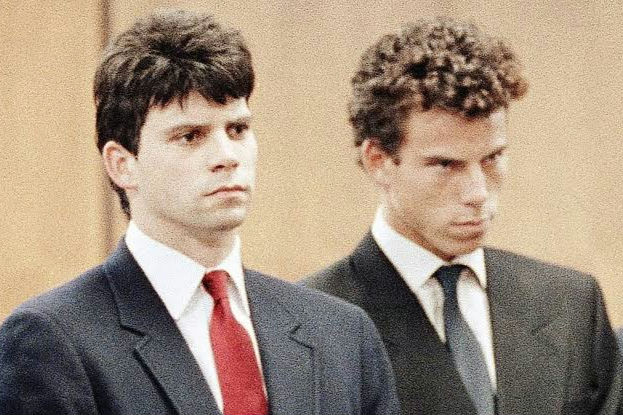
This case kept returning to headlines through the early and mid 1990s because it mixed family tragedy with courtroom drama in a way people could not easily forget. Lyle and Erik Menendez admitted they shot their parents in their Beverly Hills home, yet their explanation divided the public from the start. They said years of hidden abuse pushed them into fear and desperation, while prosecutors insisted the real motive was access to the family fortune. The emotional testimony and recordings of their private therapy sessions made viewers feel like they were listening in on painful family secrets.
The first trials ended with juries unable to reach agreement, which only made public curiosity grow stronger. In the second trial during 1996, the judge limited how much abuse testimony could be presented, and both brothers were convicted of first degree murder. They received life sentences without parole and remain in prison today. Decades later, the case still resurfaces whenever people debate how trauma, wealth, and public sympathy can shape the outcome of high profile criminal trials in complicated and uncomfortable ways.
4. The Unabomber Arrest
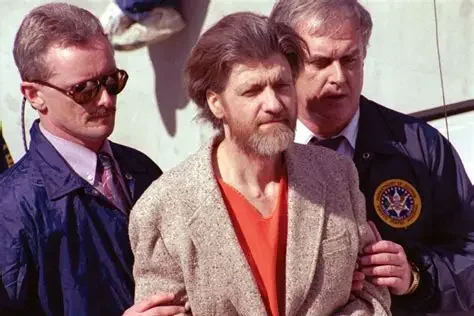
For years, the Unabomber seemed like a shadow no one could catch. Bomb packages arrived at universities and airline related offices, spreading fear that felt random and impossible to predict. Investigators spent nearly two decades following fragments of evidence while the attacker stayed hidden in isolation. The break finally came in 1996 after newspapers published the bomber’s long manifesto, hoping someone might recognize the writing. That gamble worked when Ted Kaczynski’s own brother noticed familiar phrases and contacted authorities, setting off the final stage of the investigation.
Federal agents traced Kaczynski to a remote Montana cabin where he lived alone with handwritten journals, bomb materials, and detailed plans. He was arrested peacefully and later pleaded guilty in 1998 to avoid a death sentence, receiving life imprisonment instead. Many investigators later reflected that the turning point was not advanced technology but a family member choosing to speak up. The case remains one of the strongest reminders that even the most complex national investigations sometimes end because of one quiet human decision.
5. The World Trade Center Bombing Of 1993
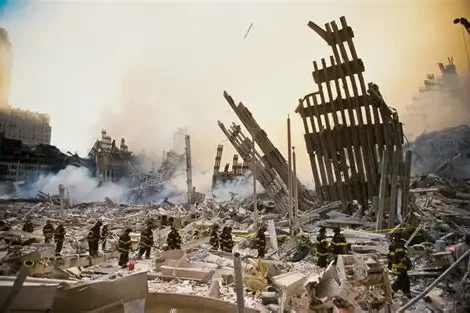
Long before later events reshaped history, the World Trade Center faced a major attack in February 1993 when a truck bomb exploded in the underground garage beneath the North Tower. The blast killed six people, injured more than a thousand, and filled the towers with smoke as thousands struggled to evacuate dark stairwells. At first many workers thought it was an electrical accident, but investigators quickly realized the explosion was deliberate and part of a larger extremist plot meant to cause catastrophic structural collapse.
Detectives followed chemical traces, rental records, and witness reports that gradually revealed a network of conspirators. Several suspects were arrested within weeks, while the main planner Ramzi Yousef fled overseas before being captured in 1995. He later received multiple life sentences in federal prison. Security experts would later say the attack served as a serious early warning that international terror networks were already targeting symbolic American landmarks, prompting stronger intelligence cooperation and tighter building security measures across major financial centers.
6. The Columbine High School Shooting
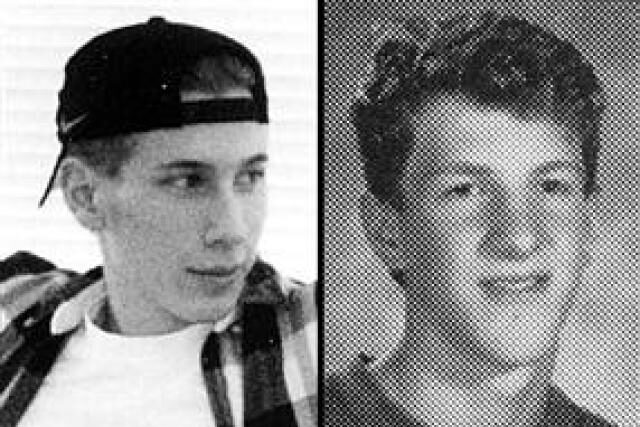
By April 20, 1999, the school year in Littleton, Colorado felt almost finished, which made the violence that morning even harder for communities to process. Two students, Eric Harris and Dylan Klebold, carried out a planned shooting inside Columbine High School, killing 13 people before taking their own lives. Parents across the country watched television coverage in disbelief as students escaped through windows and emergency vehicles filled the streets. For many families, this was the first time school safety suddenly felt like a personal concern instead of a distant news topic.
Investigators later uncovered journals, recorded videos, and evidence showing the attack had been planned for months along with homemade explosives that mostly failed to detonate. The tragedy forced major changes in how police respond to active shootings, shifting toward immediate entry rather than waiting for backup. Schools nationwide introduced lockdown drills, security officers, and student threat reporting systems. Even decades later, many educators still describe Columbine as the turning point that permanently changed how communities think about school protection and early warning signs.
7. The JonBenet Ramsey Murder

The day after Christmas in 1996 should have been quiet for the Ramsey family in Boulder, Colorado, but instead it became the start of one of the most discussed child murder cases in modern American history. Six year old JonBenet Ramsey was reported missing after a ransom note appeared in the home, yet later that same day her body was discovered in the basement. The strange circumstances, combined with intense media coverage of the young pageant contestant, quickly turned the investigation into a national obsession filled with speculation.
Early police focus on the family created years of public suspicion, though no charges were ever filed against her parents. Investigative mistakes at the crime scene complicated the case from the beginning, and later DNA testing excluded several early suspects. Authorities eventually publicly cleared the Ramsey family, but the case officially remains unsolved. Documentaries, books, and renewed forensic testing efforts continue to revisit the mystery, while investigators often cite the case as a painful lesson in how early procedural errors can haunt even the most high profile investigations for generations.
8. The Polly Klaas Kidnapping

When 12 year old Polly Klaas was taken from her bedroom during a sleepover in Petaluma, California in 1993, the fear spread almost instantly among parents nationwide. The idea that a stranger could enter a home while children were laughing just down the hallway felt deeply unsettling. Police launched one of the largest search efforts in state history, with volunteers distributing flyers and searching fields while the story dominated nightly news coverage. Families across the country began rechecking door locks and discussing safety plans with their children.
Investigators eventually identified repeat offender Richard Allen Davis through forensic evidence and witness accounts. He later confessed to killing Polly shortly after the abduction. Davis was convicted in 1996 and sentenced to death, though he remains on death row during continuing appeals. Polly’s father later created a national child safety foundation that helped influence missing child response programs. Many law enforcement officials still describe the case as one that permanently reshaped public awareness about repeat violent offenders and community involvement in child protection efforts.
9. The Susan Smith Drowning Case
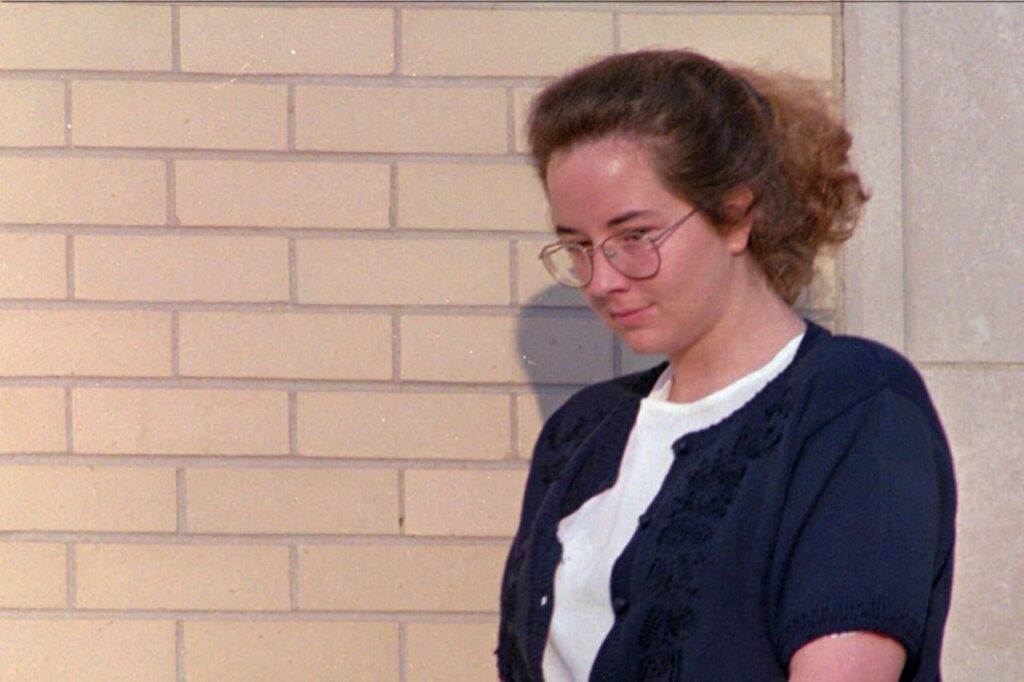
At first, the story sounded like every parent’s nightmare. In 1994, South Carolina mother Susan Smith told police a stranger had carjacked her vehicle with her two young sons still inside. Her emotional pleas during televised interviews drew national sympathy, and search teams worked nonstop while the country hoped for a miracle. For nine days, people followed updates, donated money, and prayed for the children’s safe return, believing the case was a random violent crime committed by an unknown suspect.
Then investigators confronted Smith with inconsistencies in her timeline, and she confessed that she had driven her car into a lake with the boys strapped into their seats. Prosecutors later argued she feared the children would prevent a romantic relationship she wanted to pursue. Smith was convicted of murder in 1995 and sentenced to life in prison. The case left many Americans shaken because the danger came from inside the family itself, and it remains one of the most emotionally difficult criminal confessions ever broadcast nationally.
10. The Amy Fisher Shooting
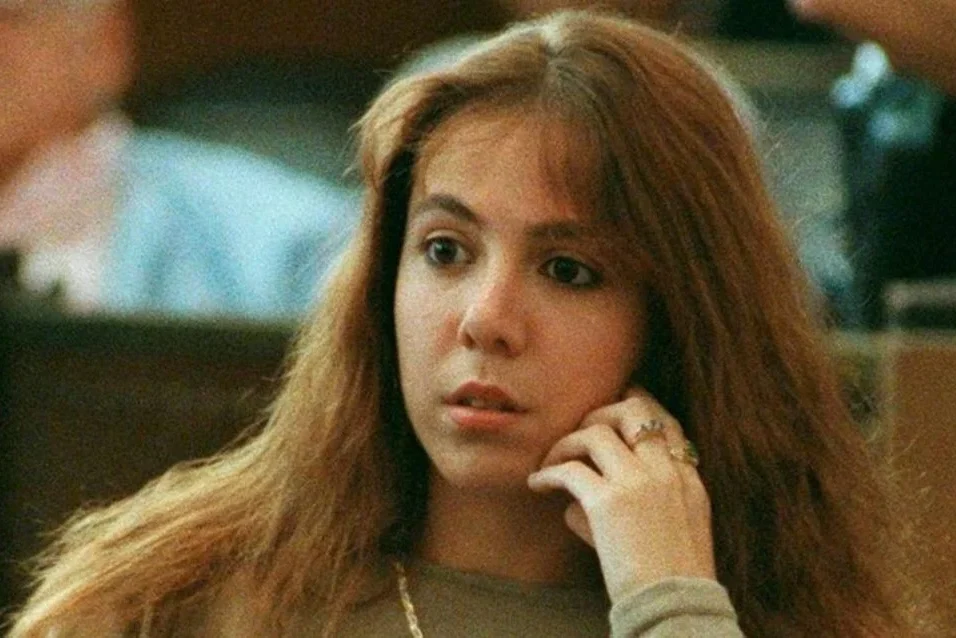
In 1992, what began as a secret relationship quickly turned into one of the most talked about tabloid crimes of the decade. Teenager Amy Fisher went to the home of Mary Jo Buttafuoco, the wife of her older lover Joey Buttafuoco, and shot her at the front door. Mary Jo survived after serious injuries, but the scandal surrounding the affair exploded across television talk shows, newspapers, and endless commentary about youth, obsession, and media sensationalism. The story felt less like a local crime and more like a national soap opera unfolding in real time.
Fisher eventually pleaded guilty to assault and served several years in prison before being released on parole. Joey Buttafuoco later served jail time for statutory rape connected to the relationship. Media analysts would later point to the case as one of the earliest moments when nonstop cable coverage turned a criminal case into full scale pop culture entertainment. For many viewers, it marked the beginning of the era when crime reporting blended openly with celebrity style tabloid storytelling.
11. The Central Park Jogger Case Aftermath
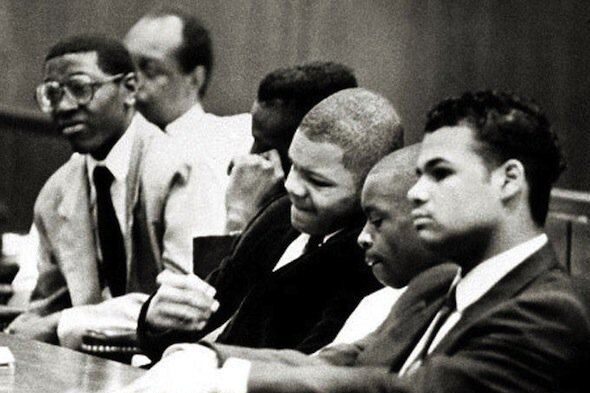
Although the brutal assault on a New York jogger happened in 1989, the court battles and legal fallout dominated the early 1990s and left a lasting mark on the justice system. Five teenagers were convicted largely based on videotaped confessions after long interrogations, and the case became widely cited as an example of violent youth crime in the city. For years, the convictions stood while the injured victim slowly rebuilt her life and the young men served lengthy prison sentences.
Then in 2002, imprisoned serial offender Matias Reyes confessed to the attack, and DNA testing confirmed his involvement alone. Courts vacated the convictions of the five men, who later received a financial settlement from the city. Legal scholars now often reference the case when discussing false confessions, interrogation pressure, and the need for recorded questioning safeguards. The story remains one of the most powerful reminders that justice outcomes can change dramatically when new forensic science finally catches up with older investigations.
12. The Branch Davidian Siege In Waco
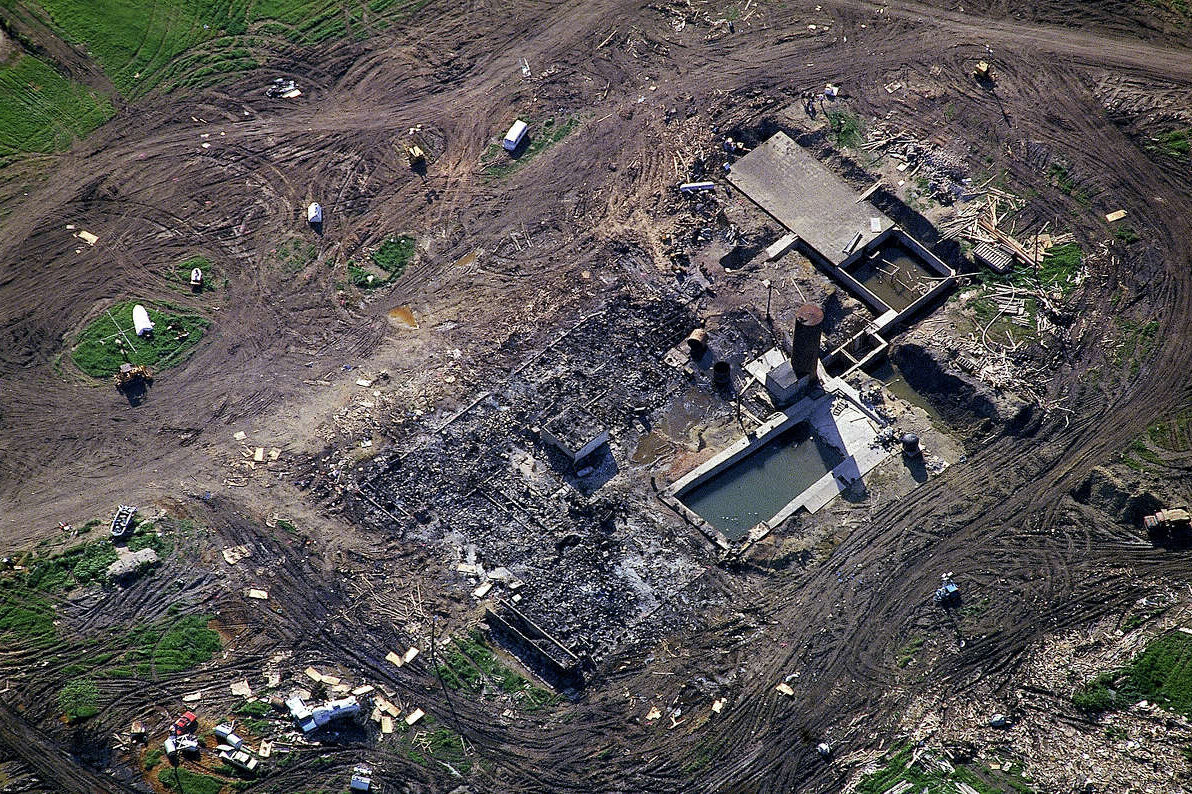
In 1993, a planned federal raid on the Branch Davidian religious compound near Waco, Texas turned into a prolonged national crisis. Authorities suspected illegal weapons storage and possible abuse inside the isolated community led by David Koresh. The initial attempt to enter the compound resulted in a gun battle that left agents and followers dead, after which a tense 51 day standoff began. Television viewers watched daily updates as negotiators tried to persuade members inside to surrender peacefully while armored vehicles surrounded the property.
The siege ended when federal forces launched a final operation using tear gas to force evacuation. A fire broke out during the confrontation, and more than 70 people inside the compound died, including Koresh. Investigations afterward debated exactly how the fire began and whether different negotiation strategies could have saved lives. The event left deep public mistrust in some communities and continues to be studied by law enforcement trainers as one of the most complex and controversial domestic standoff operations in modern history.
13. The Matthew Shepard Murder

In October 1998, Matthew Shepard, a 21 year old college student in Wyoming, accepted what he thought was a simple ride home from two men he had met earlier that night. Instead, they drove him to a remote area, robbed him, and brutally assaulted him before leaving him tied to a fence. He was discovered hours later by a passing cyclist who first thought he was a scarecrow. Shepard never regained full consciousness and died several days later, and the quiet college town suddenly found itself at the center of national grief and outrage.
The two attackers were arrested quickly and later received life sentences in prison. The case drew intense public attention because prosecutors confirmed the attack was motivated by hatred toward Shepard’s sexual orientation. Vigils were held across the country, and his parents became strong advocates for stronger hate crime legislation. Years later, federal law expanded protections against bias motivated violence, and many people still remember the case as one that forced difficult but necessary national conversations about safety, dignity, and how communities respond when prejudice turns deadly.
14. The Atlanta Day Trading Murders
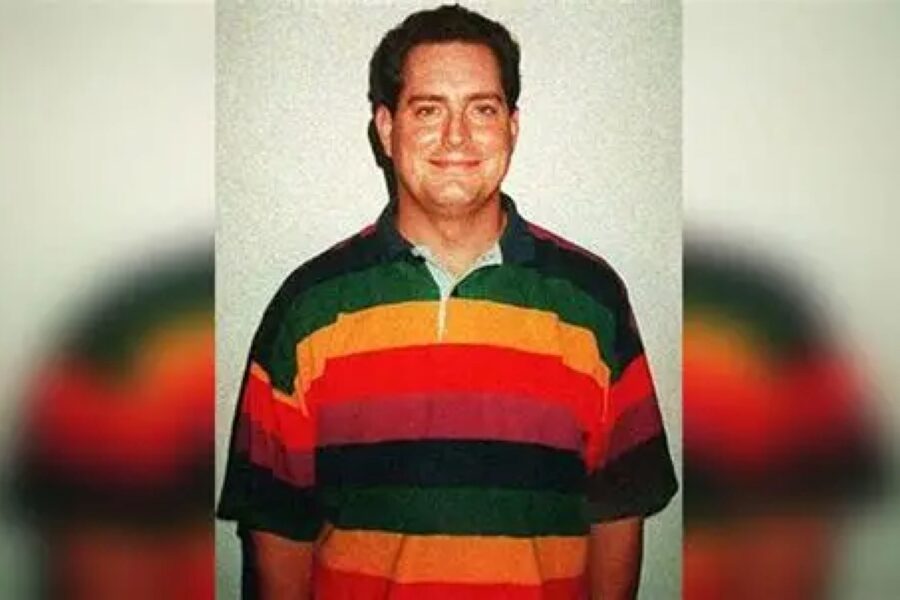
In the summer of 1999, Atlanta workers began an ordinary trading day before gunfire suddenly shattered the calm inside two financial offices. Mark Barton, a day trader who had suffered severe financial losses, entered brokerage firms and opened fire on employees, killing nine people and injuring many others. Panic spread through downtown as police searched for him, while investigators soon uncovered a troubling personal history that included earlier suspicions surrounding the deaths of his own family members years before.
Barton fled after the shootings but was located at a motel a few days later, where he took his own life as officers closed in. The tragedy shocked corporate America because it showed how workplace violence could erupt without clear warning signs visible to coworkers. Afterward, many companies strengthened internal threat reporting systems, employee counseling access, and emergency response training. Security experts often point to the case as one that pushed businesses to treat behavioral warning signals more seriously instead of assuming serious violence could never happen inside a normal office environment.
15. The Abduction Of Carlie Brucia’s Precursor Cases
Throughout the 1990s, several heartbreaking child abduction cases began shaping how police and media handled missing child emergencies, even before some of the better known alert systems fully expanded nationwide. Families watched stories unfold where the first hours after a disappearance proved critical, yet communication between law enforcement agencies and broadcasters often moved slowly. Each case added pressure from parents and advocacy groups who wanted faster warnings and clearer public involvement when a child vanished.
These mounting concerns helped strengthen the Amber Alert concept that began after the earlier murder of Amber Hagerman and spread more widely by the late decade. The system allowed police to quickly interrupt radio and television programming with vehicle descriptions and suspect information. Officials later credited these rapid alerts with saving numerous children who were located within hours instead of days. Many investigators now see the 1990s as the turning point when public participation became a formal part of emergency child recovery strategy rather than an informal volunteer effort.
16. The DC Mansion Murders Of 1994
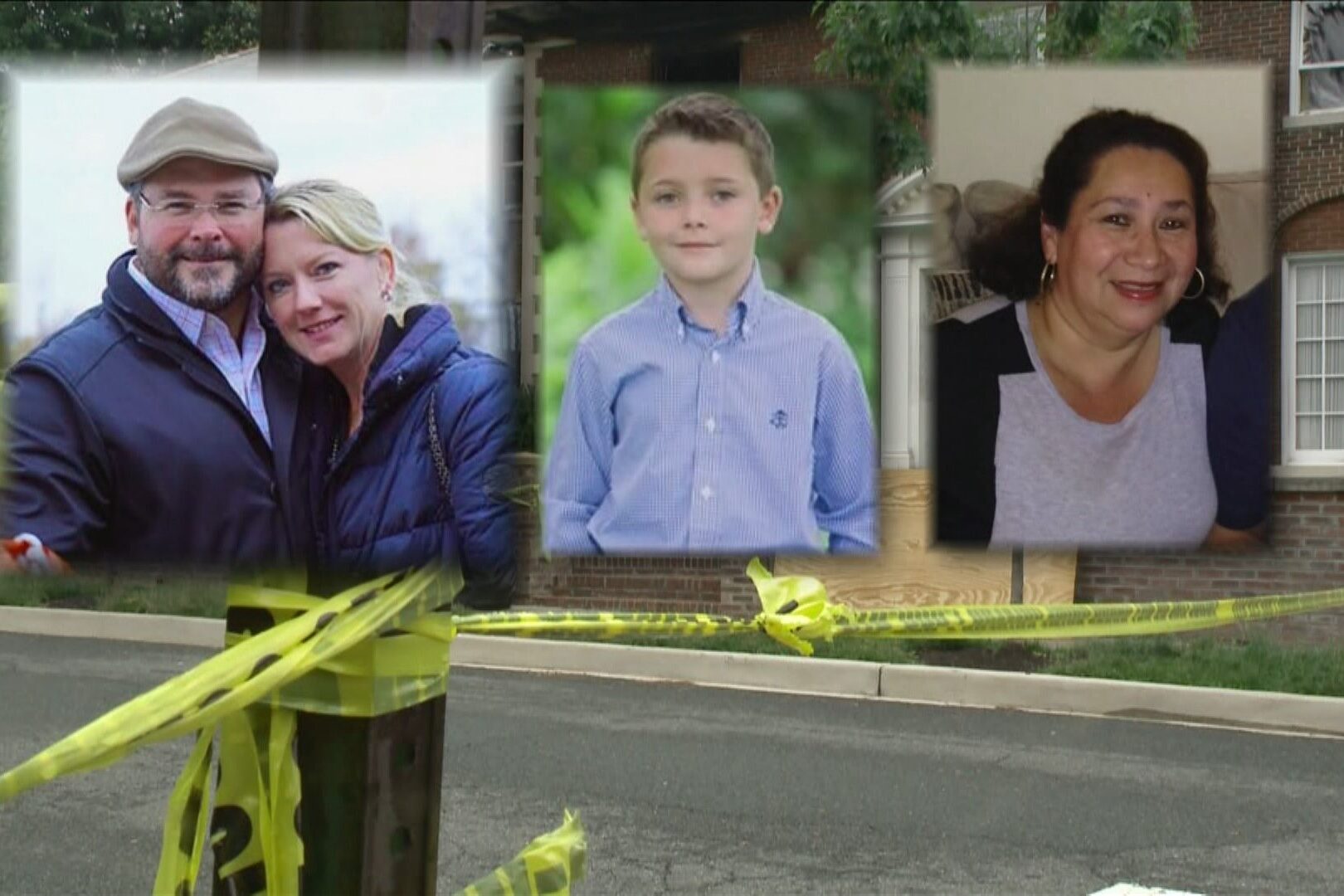
In 1994, a wealthy Washington DC neighborhood known for quiet streets and diplomatic residences was shaken when three people inside a large home were found murdered. The victims included a prominent businessman, his spouse, and a household employee, and the brutality of the crime stunned residents who believed the area was insulated from such violence. Detectives began piecing together financial motives, personal relationships, and possible robbery angles while the case drew heavy local media attention.
Investigators eventually followed evidence linking the crime to individuals connected through financial dealings and access to the property. Arrests followed, and prosecutors secured convictions that brought long prison sentences. The case left a lasting psychological impact on affluent neighborhoods that had rarely considered personal security a daily concern. Law enforcement later noted that the investigation showed how financial records, phone logs, and routine background checks were becoming increasingly central tools in solving complex homicide cases during the 1990s as forensic methods steadily modernized.
17. The Railroad Killer Capture
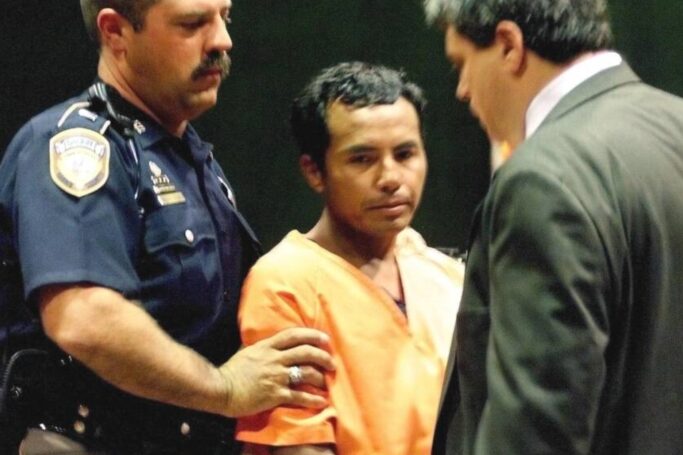
Throughout the late 1990s, authorities across several southern states struggled to track a violent suspect later nicknamed the Railroad Killer because many of his crimes occurred near train routes. Angel Maturino Resendiz moved frequently using rail travel, which made traditional police tracking extremely difficult. Multiple murders were eventually linked to him, and the growing pattern caused widespread public fear as investigators from different states began sharing information to understand how the attacks connected.
The manhunt ended in 1999 when Resendiz surrendered after negotiations involving his sister and a Texas Ranger who promised a peaceful arrest. He was later convicted of capital murder and sentenced to death, eventually executed in 2006. Investigators later said the case exposed how easily violent offenders could cross state lines before integrated national databases became fully effective. The pursuit helped accelerate improvements in interstate law enforcement coordination and shared suspect information systems that later became standard tools for tracking serial offenders.
18. The Yosemite Sightseer Murders
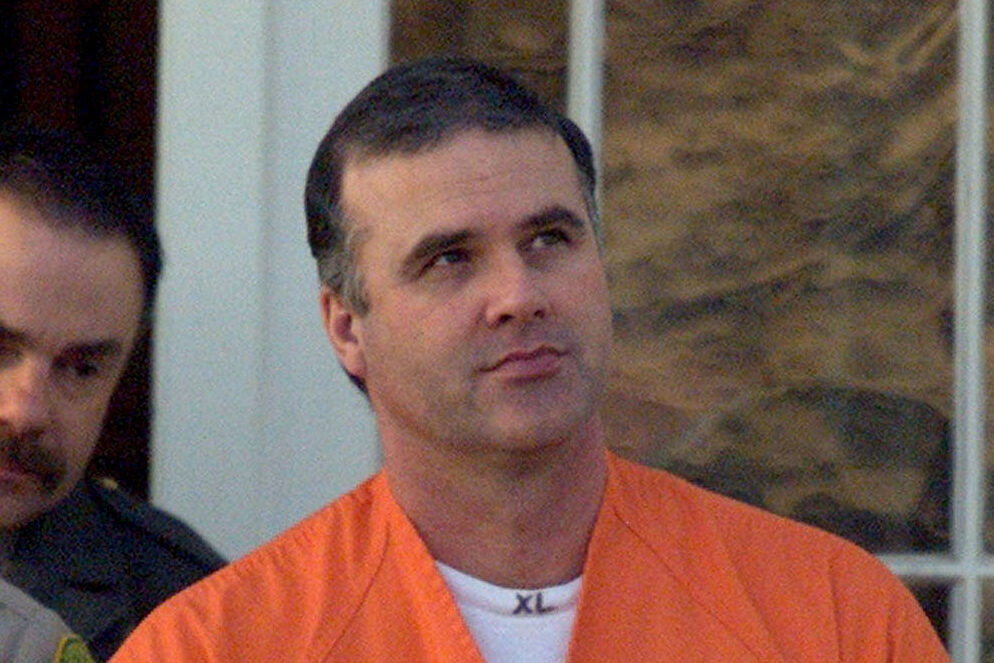
In 1999, visitors traveling near Yosemite National Park expected scenic views and quiet hiking trails, not the discovery that a park handyman named Cary Stayner had murdered several women connected to the area. His victims included a park employee and later tourists staying near the region, and the revelation deeply unsettled both local residents and the millions who considered national parks among the safest travel destinations in the country.
Stayner was arrested after investigators connected physical evidence and timelines placing him near the crime scenes. During questioning, he confessed to multiple killings and was later sentenced to death in California. What made the case especially shocking was that his own brother had once been a nationally known kidnapping victim years earlier, giving the story an eerie sense of tragic history repeating itself in a very different way. Park authorities later strengthened employee screening procedures and visitor safety messaging, recognizing that even remote tourist areas required modern investigative awareness and protective planning.
19. The Texas Dragging Murder Of James Byrd Jr.
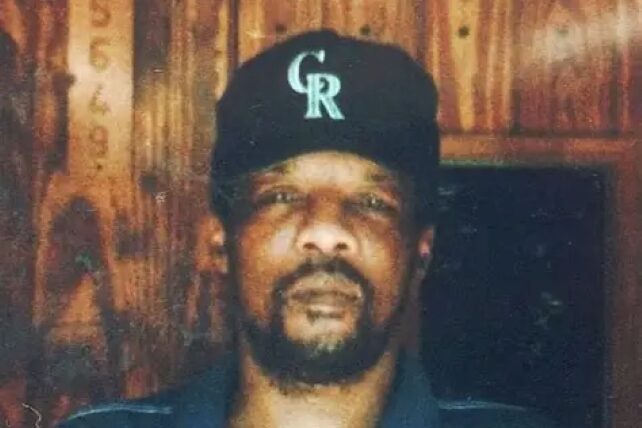
In 1998, the small town of Jasper, Texas became the focus of national horror after James Byrd Jr. was murdered in an attack driven by racial hatred. Byrd accepted a ride from three men he knew casually, but instead of taking him home, they assaulted him and carried out a brutal killing that shocked the conscience of the country. News coverage spread rapidly, and civil rights leaders traveled to the town as communities across the nation held memorial gatherings and demanded stronger legal protections.
Police arrested the suspects quickly, and the trial resulted in two death sentences and one life imprisonment. The crime pushed lawmakers to revisit gaps in federal hate crime enforcement and helped build support for broader legislation addressing bias motivated violence. Years later, Byrd’s name became part of a major federal hate crime law, symbolizing how one tragic event forced the country to confront painful realities about racial violence and the responsibility of the justice system to respond firmly when crimes are fueled by organized prejudice.
20. The Brooklyn Subway Shooting
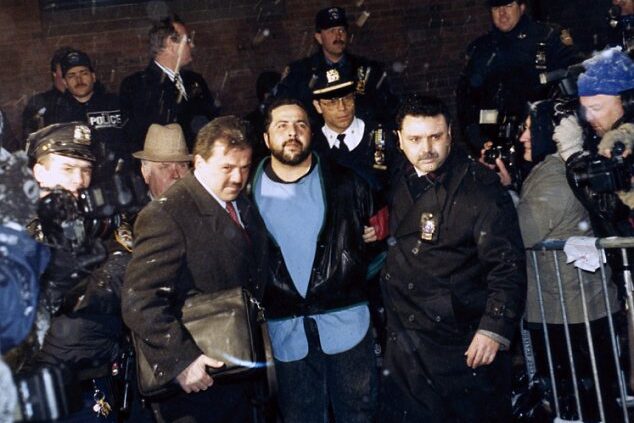
In 1994, a routine subway ride across the Brooklyn Bridge turned deadly when Rashid Baz opened fire on a group of teenage students traveling home. One student was killed and several others were injured, sending shockwaves through New York City’s already tense transit system. Riders who depended on the subway daily suddenly faced renewed fear about random violence in crowded public spaces, and police quickly launched a citywide search for the shooter.
Baz was arrested soon afterward, and prosecutors argued the attack was fueled by extremist anger connected to international political tensions and personal radicalization. He was convicted of murder and sentenced to a lengthy prison term. Transit authorities responded by increasing undercover patrol presence, improving emergency communication systems, and expanding surveillance in key stations. Security experts later described the shooting as one of the early cases that highlighted how ideological lone actors could target everyday transportation systems, prompting long term changes in urban transit policing strategies.
21. The Chicago Tylenol Copycat Scares

While the original Tylenol poisonings happened earlier, the 1990s saw repeated scares involving tampered medication bottles and consumer products in several cities including Chicago. Even when later tests showed many threats were hoaxes or isolated incidents, each report caused immediate panic because the public still remembered how dangerous product tampering could be. Pharmacies pulled items from shelves, and health officials issued urgent safety bulletins whenever suspicious packaging appeared.
These repeated scares pushed regulators and manufacturers to standardize tamper resistant seals, foil barriers, and multi layer packaging that customers now recognize instantly when opening medicine bottles. Public education campaigns also encouraged shoppers to check seals carefully before purchase. By the end of the decade, these packaging protections had become normal across nearly all over the counter medications. Consumer safety officials often say the 1990s were when tamper proof packaging stopped being optional and became a permanent nationwide requirement designed to protect everyday buyers.
22. The Long Island Serial Killer Early Cases

During the late 1990s, several disappearances of women along Long Island highways were initially treated as separate missing persons cases, with little public sense that they might be connected. Families reported loved ones missing, and investigations moved slowly because evidence was scattered across different jurisdictions and record systems that were not yet fully linked. At the time, the pattern remained unclear, and many cases faded quietly from headlines as leads ran cold.
Years later, advances in forensic databases, digital mapping, and coordinated investigative review suggested that several of those early disappearances may have been part of a larger serial pattern now widely discussed in modern criminal investigations. Detectives reviewing the older files often point out how limited technology slowed early connections that might today be spotted within weeks. The long delay became a powerful lesson in how modern data sharing, centralized DNA systems, and cross county cooperation dramatically improved the chances of linking crimes that once seemed unrelated.
23. The Phoenix Buddhist Temple Murders
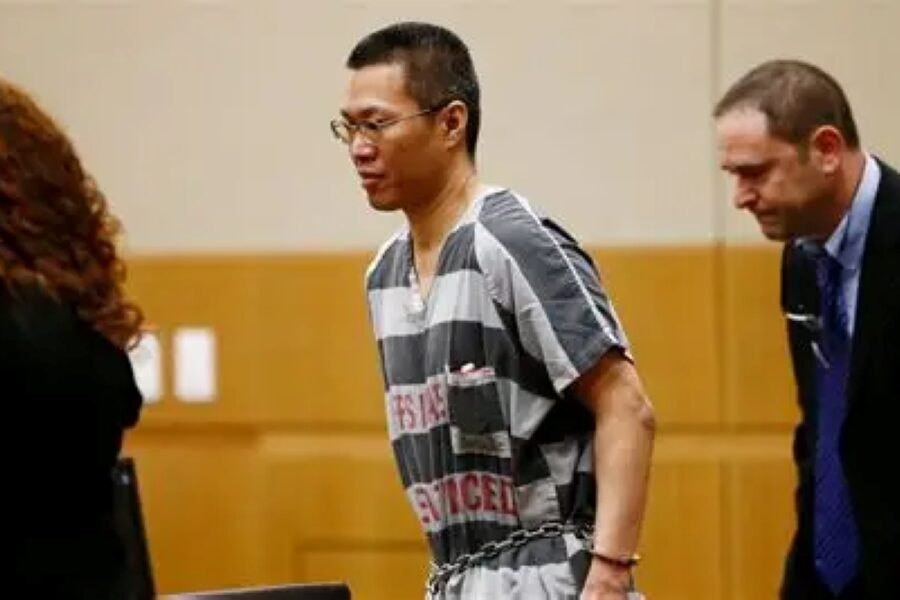
In 1991, a peaceful Buddhist temple in Phoenix, Arizona became the scene of one of the deadliest mass killings in the state’s history when nine people were murdered during a robbery. The victims included monks and temple helpers, and the brutality stunned the local community, especially because the temple had long been considered a quiet spiritual refuge. Early investigation proved difficult as language barriers and community fear initially slowed witness cooperation.
Police eventually traced the crime to a group of young men seeking money, and arrests followed once informants and physical evidence connected them to the scene. Several received life prison sentences. Afterward, law enforcement agencies across the region began expanding multilingual outreach programs and cultural liaison roles to build stronger trust with immigrant communities. Investigators later reflected that solving the case required not just forensic work but also patient relationship building, showing how community cooperation often becomes the deciding factor in complex violent crime investigations.
24. The Gainesville Student Murders Trial Fallout
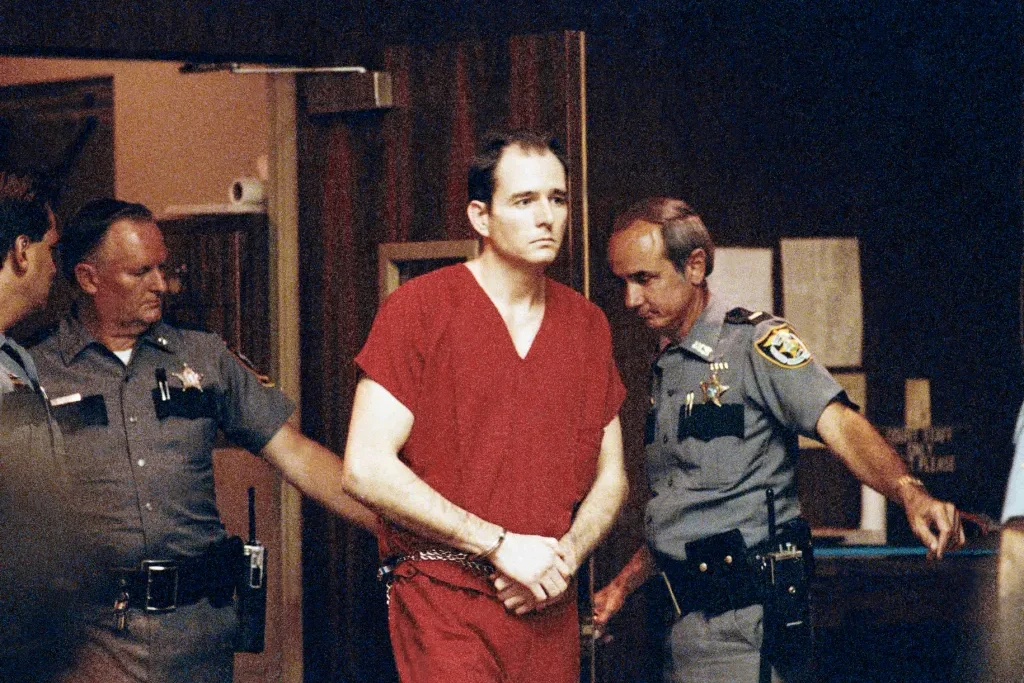
In 1990, a series of murders targeting college students in Gainesville, Florida terrified campuses across the state and beyond. The killer, Danny Rolling, broke into student apartments and murdered five young people, leaving behind scenes that deeply disturbed investigators and residents alike. The fear spread quickly, with many universities tightening dorm access and urging students not to walk alone at night while the manhunt unfolded.
Rolling was eventually captured after evidence connected him to nearby burglaries and recordings describing the crimes. He later pleaded guilty in 1994 and received a death sentence, bringing legal closure though the emotional impact lingered for years. Universities nationwide expanded campus escort services, security card entry systems, and emergency alert programs partly influenced by the anxiety created during the case. Many campus safety administrators still refer to the Gainesville murders as one of the early events that reshaped how colleges approach student protection planning.
25. The Laci Peterson Precursor Case Of Scott Peterson’s Earlier Crimes
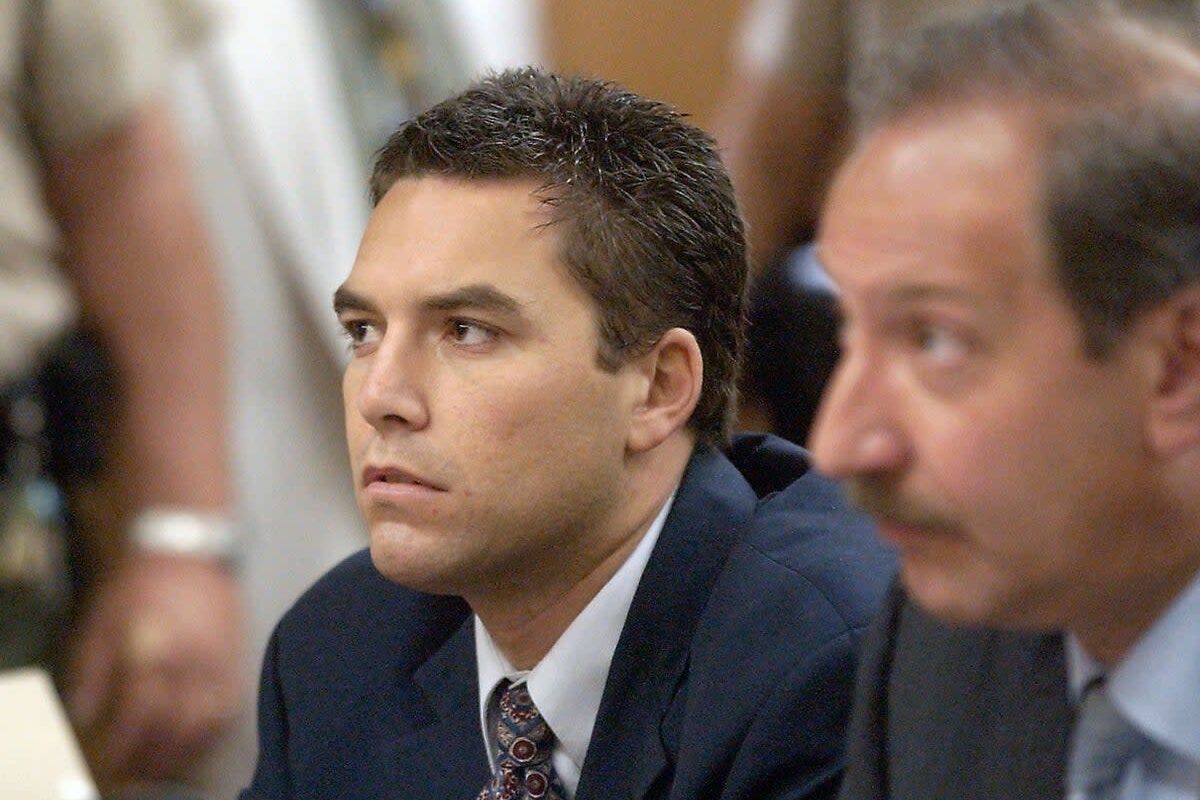
In the late 1990s, investigators in California handled several smaller fraud complaints involving Scott Peterson years before the disappearance that would later make his name nationally known. At the time, these earlier issues involved financial deception and personal lies rather than violent crime, and they did not attract major public attention. Friends and acquaintances later recalled patterns of secret relationships, hidden debts, and carefully maintained double lives that only seemed suspicious once authorities began reexamining his past. Looking back, some investigators said these early behaviors revealed how easily personal warning signs can remain unnoticed when they appear unrelated or minor on the surface.
Although the major criminal case tied to Peterson unfolded in the early 2000s, many analysts reviewing the timeline point out that his documented history of manipulation and financial dishonesty was already established during the 1990s. This retrospective view became part of broader law enforcement training discussions about behavioral escalation and risk assessment. The story is often mentioned today not as the decade’s most famous crime, but as a reminder that some of the most widely known criminal cases later began with quieter patterns that authorities only fully understood after tragedy forced a deeper investigation.


