
A side-by-side look at where Americans struggle most, and thrive.
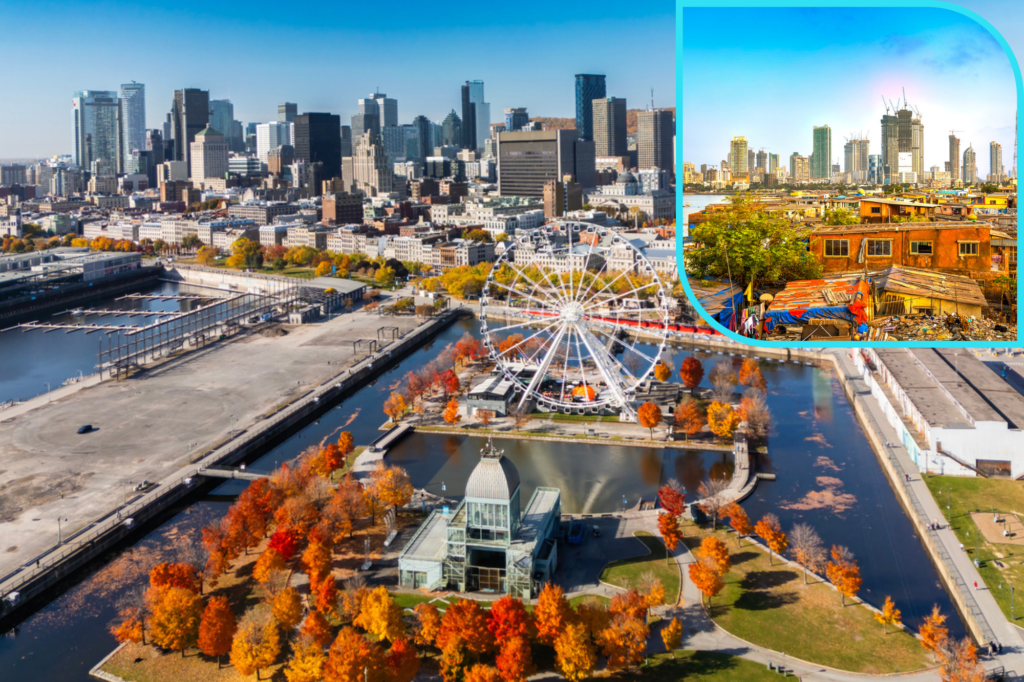
The economic landscape of the United States remains a fascinating study of contrasts, where staggering wealth often sits just a few hundred miles away from profound systemic hardship. Understanding these disparities is about far more than just looking at balance sheets or tax revenue statistics because the data actually represents the lived experiences of millions of families across the nation. When we examine the gulf between the wealthiest and the poorest states, we begin to see how geography shapes everything from educational opportunities to life expectancy and even the basic cost of keeping a roof over one’s head.
In our modern interconnected world, it is vital to reflect on why certain regions continue to flourish while others remain trapped in cycles of generational poverty despite national growth. This exploration allows us to appreciate the resilience of communities facing economic headwinds while also acknowledging the complex factors like industrial shifts and policy decisions that dictate prosperity. By looking at these thirty states through a reflective lens, we can better understand the diverse American dream and the various obstacles that often stand in the way of achieving financial stability for so many households today.
Mississippi Faces Steep Challenges
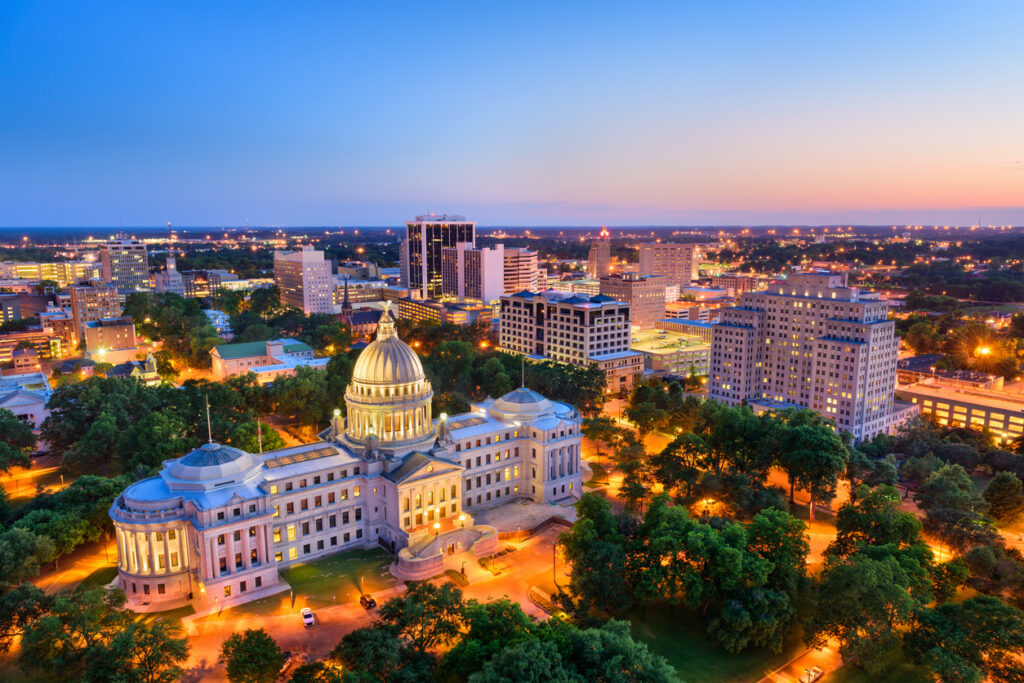
Mississippi consistently ranks as the state with the highest poverty rate in the country and this reality shapes almost every aspect of life for its residents who often struggle with limited access to high-paying jobs. The local economy has historically relied on agriculture and manufacturing but these sectors have seen significant shifts that haven’t always benefited the average worker over the last few decades. Families here often have to make difficult choices between healthcare and basic necessities because the median household income remains stubbornly lower than the national average while the infrastructure in rural areas requires urgent attention to help stimulate new growth.
Despite these significant economic hurdles, the people of Mississippi maintain a remarkably strong sense of community and a rich cultural heritage that continues to influence American music and literature in profound ways. There are ongoing efforts to diversify the economy by attracting technology firms and expanding the service sector yet the journey toward widespread financial security remains a long and difficult road for many. Education remains a critical focal point for improvement because bridging the achievement gap is seen as the primary way to lift future generations out of the cycle of poverty that has persisted for so long.
West Virginia Navigates Transition
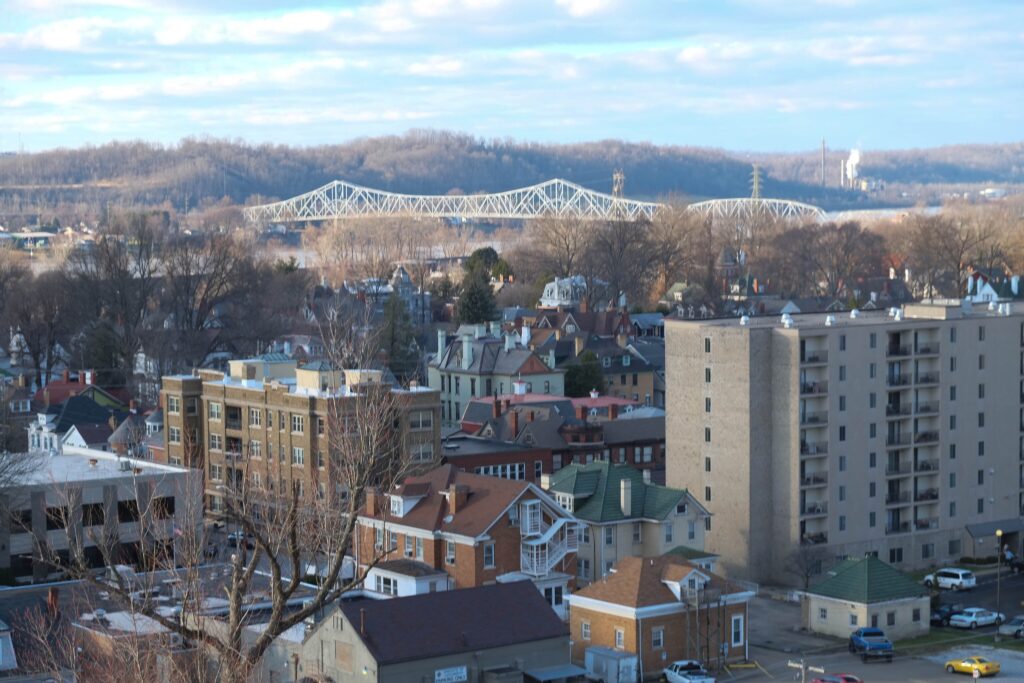
West Virginia finds itself in a period of intense economic transition as the coal industry which once served as the backbone of its entire economy continues to decline in the face of global energy shifts. This reliance on a single primary industry has left many communities vulnerable and searching for a new identity while they deal with some of the lowest median incomes in the United States today. The rugged terrain of the Appalachian Mountains provides stunning natural beauty but it also presents unique challenges for infrastructure development and the expansion of high-speed internet which is so vital for modern remote work opportunities.
The state is currently working hard to pivot toward tourism and outdoor recreation as a means of generating new revenue streams and providing sustainable employment for its resilient population who have endured many hardships. Efforts to retrain former miners for jobs in renewable energy or technology are underway although the pace of change can often feel frustratingly slow for those who are struggling to make ends meet right now. It is a place of deep pride and history where the hope for a brighter economic future rests on the ability to innovate while still honouring the hardworking spirit of the people.
Louisiana Struggles With Disparity
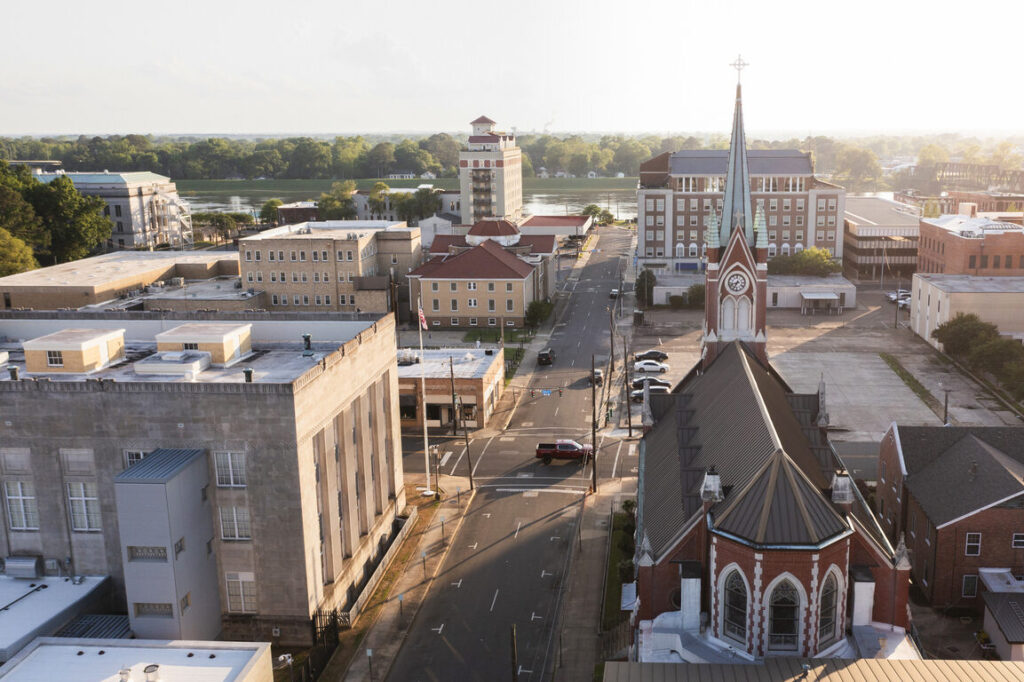
Louisiana presents a complex economic picture where the wealth generated by the massive oil and gas industry often fails to reach the pockets of the most vulnerable citizens who live in impoverished rural parishes. The state frequently deals with high rates of income inequality and its coastal communities are increasingly threatened by environmental factors that can lead to devastating financial losses for families and small businesses alike. While the vibrant culture of New Orleans draws millions of tourists and their dollars every year, many other parts of the state face significant challenges regarding literacy rates and access to quality affordable healthcare.
The historical dependence on volatile energy markets means that the state budget often fluctuates wildly and this makes it difficult to maintain consistent funding for vital social programmes and public schools throughout the region. There is a growing movement to invest more heavily in green energy initiatives and film production to help broaden the economic base and provide more stable careers for the younger generation. For now, many residents continue to demonstrate incredible fortitude as they navigate a landscape where the cost of living is rising faster than the wages available to the average working-class person.
Arkansas Pursues New Growth
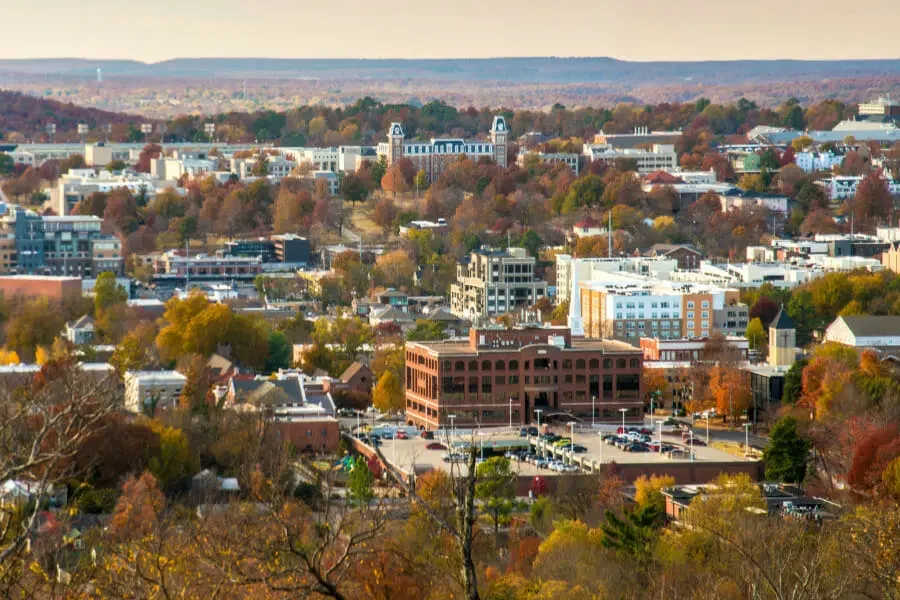
Arkansas is a land of great natural beauty and a low cost of living but it also contends with a poverty rate that remains significantly higher than the majority of the northern and western states. The economy is heavily influenced by a few massive corporate giants headquartered in the northwest corner yet this concentrated wealth does not always translate into prosperity for the rural communities in the Delta region. Many families in these agricultural areas face barriers to upward mobility such as a lack of vocational training and limited transportation options which prevents them from reaching better-paying jobs in urban centres.
In recent years, the state has seen some success in developing its aerospace and food processing industries as a way to create a more diverse and resilient job market for its citizens. Local leaders are focusing on improving early childhood education and expanding broadband access to ensure that children in every zip code have a fair shot at success in the digital age. While the path to economic equality is fraught with obstacles, there is a palpable sense of optimism among those who are working to build a more inclusive economy that benefits everyone regardless of their background.
New Mexico Seeks Stability
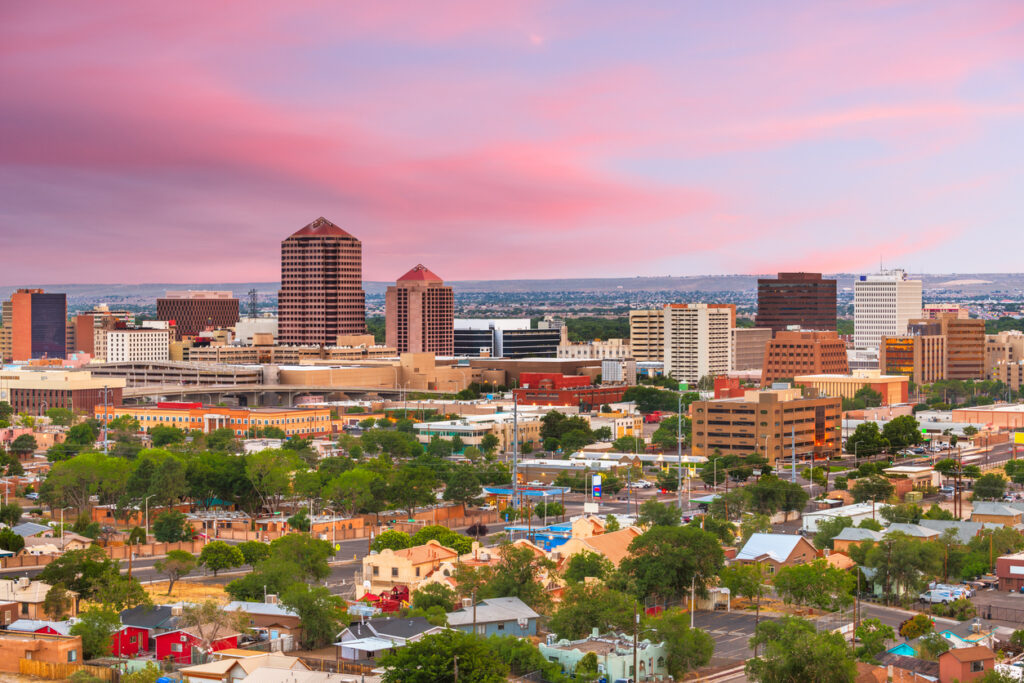
New Mexico offers a unique blend of cultural richness and scientific innovation but it also faces persistent economic struggles that leave many of its residents living below the poverty line. The state budget is heavily reliant on federal spending and the volatile oil industry which can create a sense of financial instability for public services and community development projects across the region. Despite being home to prestigious national laboratories and a growing film industry, many rural and tribal communities continue to lack the basic resources and infrastructure needed to foster long-term economic growth and stability.
The state government has taken bold steps to address these issues by offering universal childcare and tuition-free college to help its citizens gain the skills necessary for the modern workforce. These initiatives are designed to break the cycle of poverty by removing the financial barriers that often prevent talented individuals from pursuing higher education or staying in the workforce after having children. It is a long-term investment in the human capital of New Mexico and while the results may take years to fully manifest, the commitment to social progress is a beacon of hope for many.
Alabama Builds Modern Industry
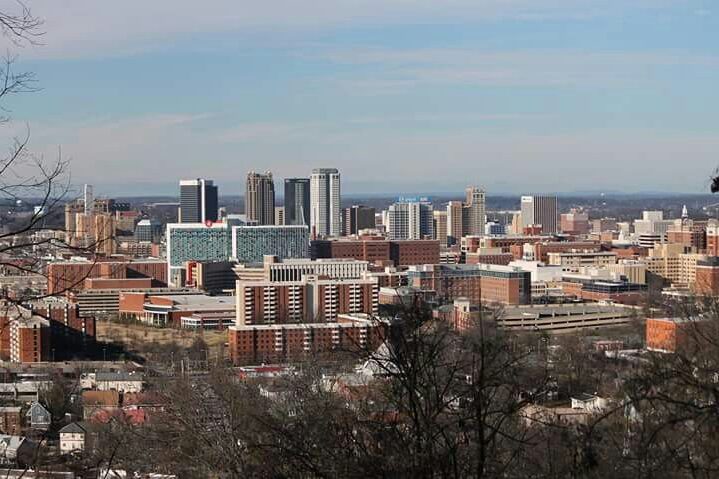
Alabama has made significant strides in attracting major automotive and aerospace manufacturers over the last two decades yet large portions of the state still grapple with deep-seated economic hardship and low wages. The arrival of these high-tech factories has provided a boost to the suburbs of Birmingham and Huntsville but the rural Black Belt region remains one of the most impoverished areas in the entire country. This stark divide between the growing urban industrial hubs and the struggling agricultural heartland highlights the need for more comprehensive economic development strategies that reach every corner of the state.
To combat these challenges, there is an increased focus on workforce development and technical education to ensure that Alabamians are qualified for the high-skilled jobs being created by international corporations. There is also a concerted effort to improve public health outcomes which are often linked to economic status and can hinder the productivity and well-being of the local workforce over time. The state is at a crossroads where its ability to bridge the gap between its prosperous new industries and its historically underserved communities will define its economic legacy for the next generation.
Kentucky Navigates Economic Shifts
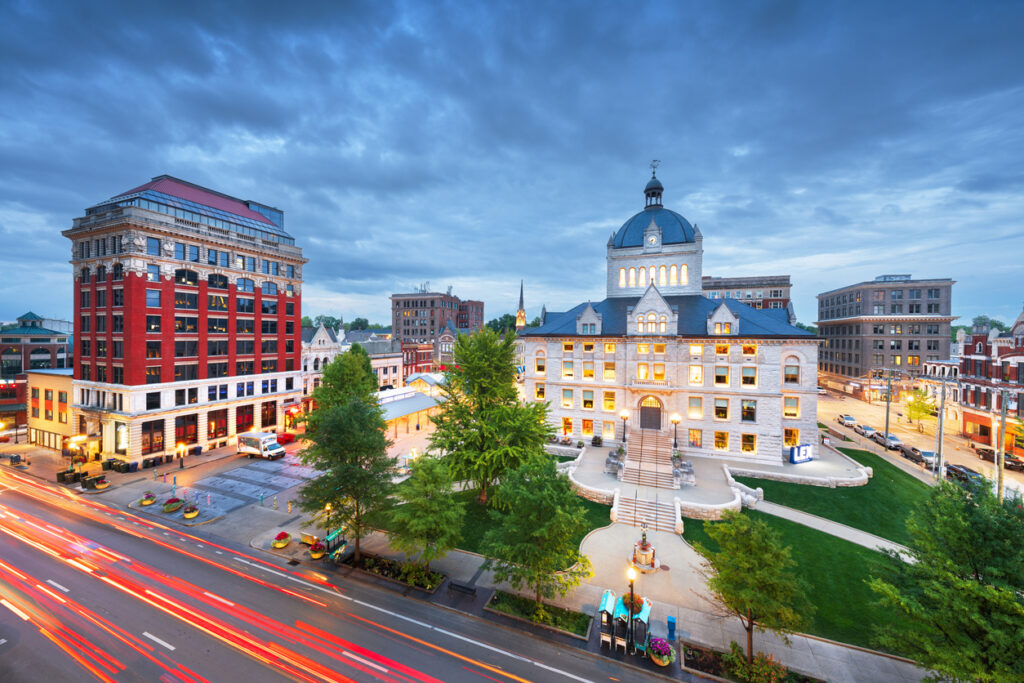
Kentucky is a state known for its rolling blue grass hills and world-class horse racing but it also faces significant economic hurdles particularly in the eastern mountain regions where the decline of coal has hit hard. Many communities are searching for new ways to sustain themselves as traditional industrial jobs disappear and leave behind a void that is difficult to fill with lower-paying service sector positions. The state has seen some growth in manufacturing and logistics due to its central location but the benefits of this expansion are not always felt by those living in the most isolated areas.
The opioid crisis has also taken a heavy toll on the workforce and the economy in Kentucky and this has prompted leaders to invest more in recovery programmes and social services to help people return to productive lives. There is a strong emphasis on revitalising small-town main streets and promoting local entrepreneurship as a way to build a more diverse and stable economy from the ground up. By focusing on the unique strengths of each region, Kentucky aims to create a more resilient future where prosperity is shared more broadly among all its hardworking and dedicated citizens.
Oklahoma Diversifies Its Economy
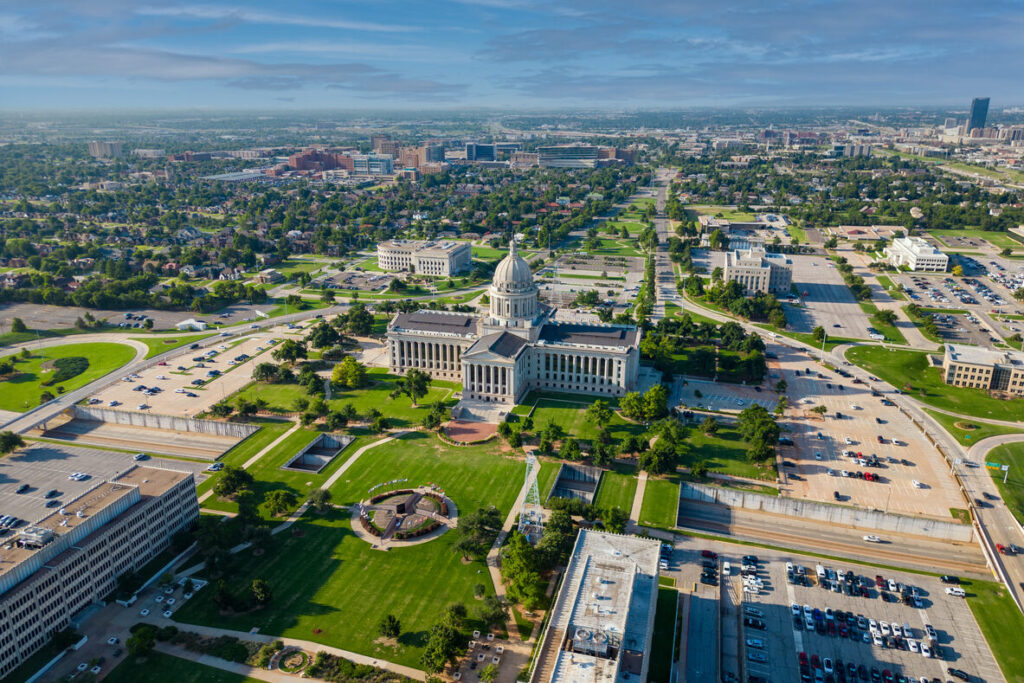
Oklahoma has long been defined by its ties to the energy and agriculture sectors but the volatility of these markets has often led to periods of economic uncertainty for its many residents. While the state boasts a relatively low cost of living which appeals to many families, the average wages have frequently lagged behind the national average and this makes it hard to build significant savings. The urban centres of Oklahoma City and Tulsa are currently experiencing a period of revitalisation with new tech startups and creative industries beginning to take root and provide fresh opportunities for young professionals.
However, the rural parts of the state still face challenges such as a shortage of healthcare professionals and a need for better funding for public education to help students compete in a global market. There are ongoing efforts to leverage the state’s central location for logistics and distribution hubs which could provide a steady stream of jobs for those with various skill levels. As Oklahoma continues to navigate the complexities of a changing global economy, the focus remains on creating a balanced environment where traditional industries can coexist with new and innovative businesses to ensure long-term growth.
South Carolina Encourages Investment
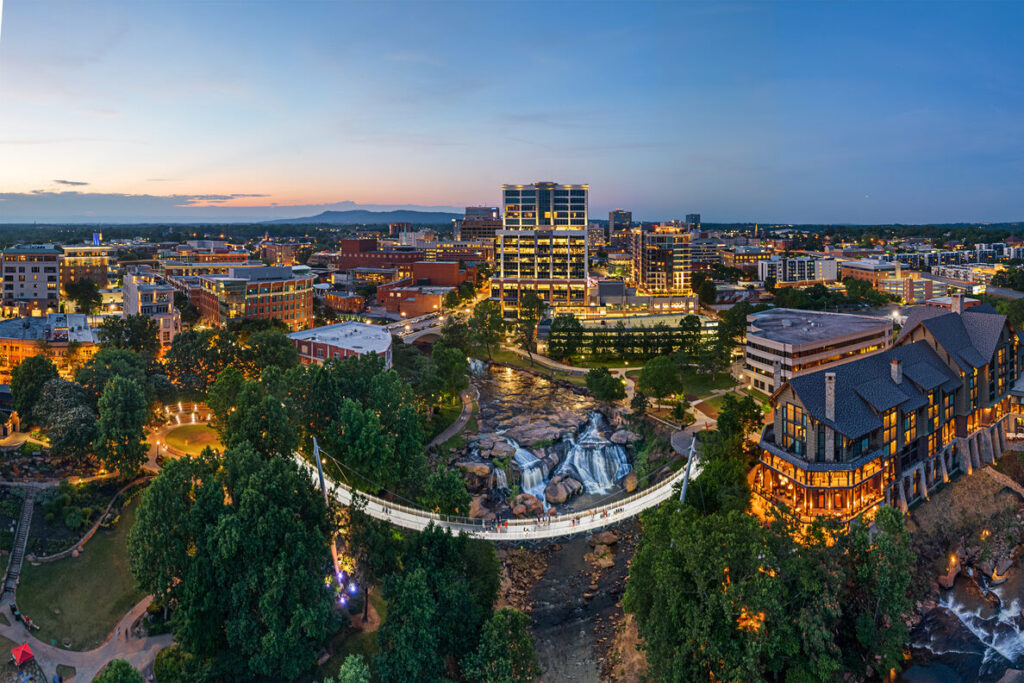
South Carolina has become a major destination for international investment with companies like BMW and Boeing establishing massive operations that have transformed the local manufacturing landscape over the years. This influx of corporate capital has created thousands of jobs and helped to boost the state’s profile as a competitive place for business but many residents in the rural corridors still experience high levels of poverty. The tourism industry along the coast also provides a significant economic engine although these jobs are often seasonal and may not provide the stability or benefits needed to support a family year-round.
There is a pressing need to improve the educational system and infrastructure in the less developed parts of the state to ensure that all citizens can take advantage of the new economic opportunities. Local initiatives are working to connect students with vocational training and apprenticeships that lead directly to careers in the growing advanced manufacturing sector which is a promising step forward. By addressing these disparities, South Carolina hopes to build a more equitable economy where the success of its major industries translates into a better quality of life for every person living within its borders.
Georgia Balances Growth And Need
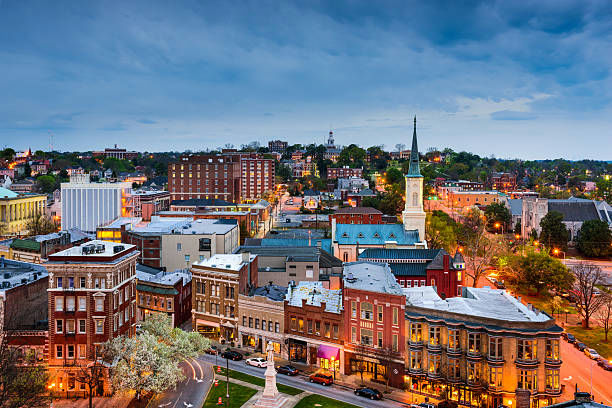
Georgia is often celebrated as a top state for doing business due to its busy international airport and its thriving film and technology sectors centred mostly around the vibrant Atlanta metropolitan area. However, this image of prosperity masks the deep poverty that exists in many of its rural counties where access to high-paying jobs and quality healthcare remains a significant daily struggle. The state is home to a growing number of Fortune 500 companies but the wealth they generate is often concentrated in specific regions and this leaves other areas feeling left behind and overlooked.
To address these imbalances, there is a push to expand the high-speed internet network to rural communities so that residents can access remote work and online educational resources more easily. There are also efforts to support small-scale agriculture and local businesses which are the lifeblood of many smaller towns across the state and provide essential services to the community. Georgia’s future economic success will likely depend on its ability to foster a more inclusive environment where the benefits of its rapid urban growth are shared more effectively with its rural and underserved populations.
Tennessee Navigates A Growing Divide
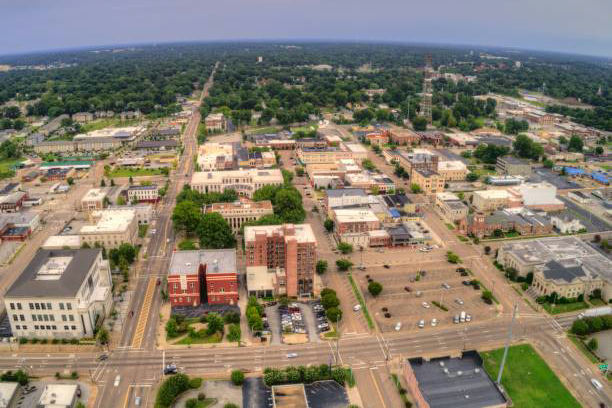
Tennessee has become a magnet for major corporate relocations and a booming music tourism industry that brings billions into the Nashville area, yet this rapid growth often overlooks the struggles of those in the rural corners of the state. While the lack of a state income tax is a massive draw for the wealthy and the middle class, the reliance on sales tax can place a disproportionate burden on lower-income families who spend a higher percentage of their earnings on basic goods. The state has seen a significant rise in logistics and healthcare jobs, but the wages in these sectors do not always keep pace with the skyrocketing cost of housing in the urban centres.
In the eastern mountainous regions and the western agricultural plains, many communities are still dealing with the long-term effects of lost manufacturing plants and a lack of investment in modern infrastructure like high-speed internet. There is a concerted effort through the “Tennessee Promise” programme to provide high school graduates with two years of tuition-free community or technical college to help them transition into the modern workforce. This investment in human capital is vital because it addresses the skills gap that often prevents local workers from securing the high-paying roles created by the state’s recent economic expansion and industrial developments.
North Carolina Bridges The Tech Gap
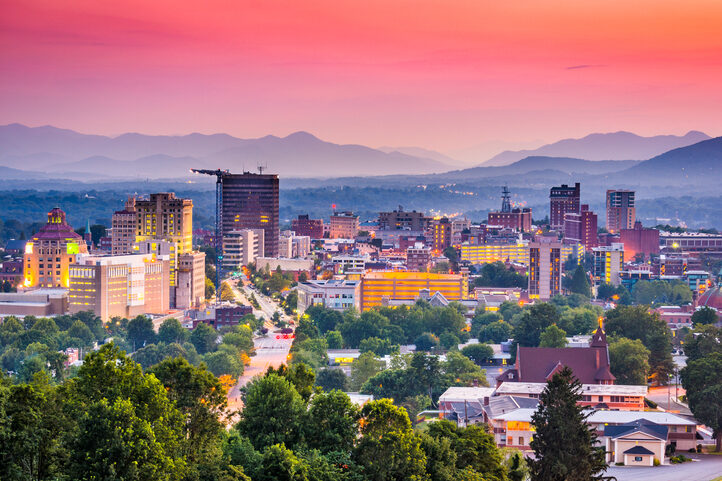
North Carolina is a state of two distinct economic realities where the thriving Research Triangle Park and the financial hub of Charlotte stand in stark contrast to the struggling textile and tobacco towns of the past. The state has successfully reinvented itself as a leader in biotechnology and banking, yet the prosperity of these sectors has not always trickled down to the rural counties that once relied on traditional manufacturing. Many families in these outlying areas face a high cost of living relative to their stagnant wages, and the lack of public transport often makes it difficult for them to reach the more affluent job markets.
To combat these disparities, the state is investing heavily in its university system and community colleges to ensure that the next generation of workers is prepared for a more technical and digital economy. There is also a significant push to revitalise small-town downtowns by encouraging entrepreneurship and small-business growth, which helps to create a more stable and diverse local economy that is less dependent on a single large employer. The goal is to ensure that the “North Carolina Miracle” of economic growth becomes a reality for every resident, regardless of whether they live in a gleaming city or a quiet rural village.
Arizona Manages Rapid Expansion
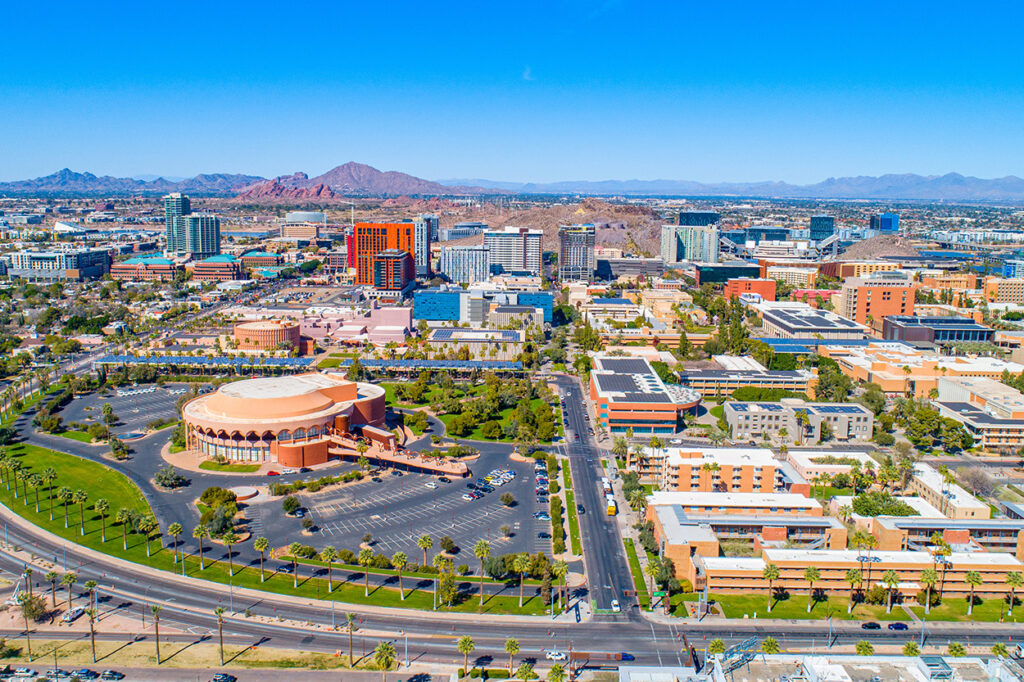
Arizona is currently one of the fastest-growing states in the country, attracting thousands of new residents every month with its sunshine and a relatively lower cost of living compared to coastal California. However, this rapid expansion has brought its own set of economic challenges, including a housing market that is becoming increasingly unaffordable for the service workers and teachers who keep the state running. While the “Silicon Desert” is attracting major semiconductor and electric vehicle manufacturers, many people in the southern and tribal regions of the state continue to experience high rates of poverty and food insecurity.
The state’s economy is also uniquely vulnerable to environmental factors like water scarcity and extreme heat, which can have a direct impact on the agricultural sector and the long-term viability of certain industries. Efforts are being made to diversify the energy grid and invest in sustainable infrastructure to protect the state’s future economic health while also providing new jobs in the green energy sector. For many Arizonans, the dream of homeownership and financial stability feels more distant than ever as the state works to balance its record-breaking growth with the needs of its most vulnerable and long-term citizens.
Georgia Faces Persistent Poverty Pockets
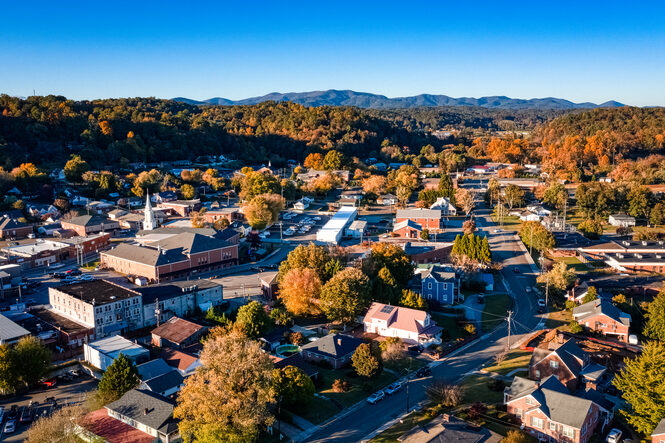
Georgia is often lauded for its business-friendly climate and its status as a global hub for the film industry, but beneath the surface, many residents are struggling with systemic poverty that spans generations. The prosperity found in the northern suburbs of Atlanta is rarely mirrored in the rural southern parts of the state, where the decline of traditional agriculture has left a void in the job market. These areas often suffer from a lack of access to quality healthcare and educational resources, which creates a cycle of disadvantage that is difficult for young people to break without moving away from home.
Local leaders are working to address these issues by incentivising companies to build facilities in underserved counties and by expanding vocational training programmes that focus on the skills needed for modern manufacturing. There is also a growing movement to support minority-owned businesses and to improve the infrastructure in historically neglected urban neighbourhoods to ensure that growth is more equitable. Georgia stands as a testament to the idea that a state can be both a titan of industry and a place where many still struggle, highlighting the need for policies that bridge the wealth gap effectively.
Florida Struggles With Affordability
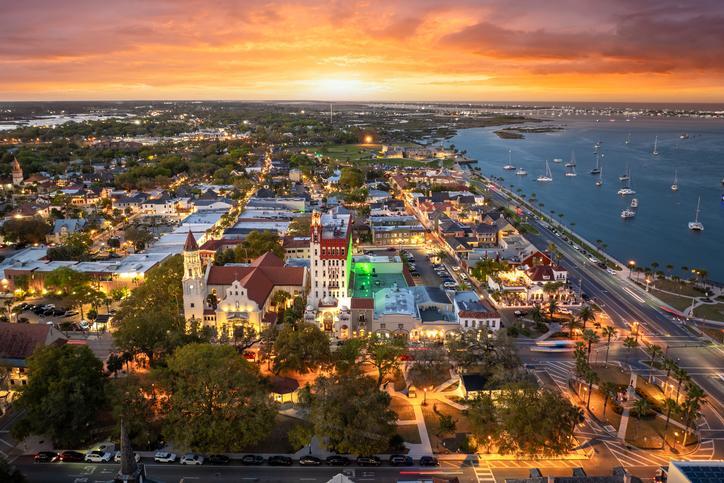
Florida is a state that many associate with retirement dreams and world-class theme parks, but for the millions of people who work in its service-driven economy, the reality is often one of financial hardship. The tourism and hospitality industries provide the bulk of the jobs in the Sunshine State, yet these positions often come with low wages and few benefits, making it nearly impossible to keep up with rising rents. The state’s lack of an income tax is balanced by higher property and sales taxes, which can be a heavy lift for those living paycheck to paycheck in the major metropolitan areas.
Beyond the glitz of Miami and Orlando, there are rural inland communities that rely on agriculture and are frequently battered by hurricanes, leading to significant economic setbacks and rising insurance costs. The state is currently trying to attract more high-tech and financial firms to diversify its economy and provide better-paying opportunities for its college graduates. However, the pressing issue of climate change and its impact on property values and infrastructure remains a major concern that could potentially derail the state’s economic progress if not managed with careful planning and significant investment in the years ahead.
Ohio Reimagines Its Industrial Roots
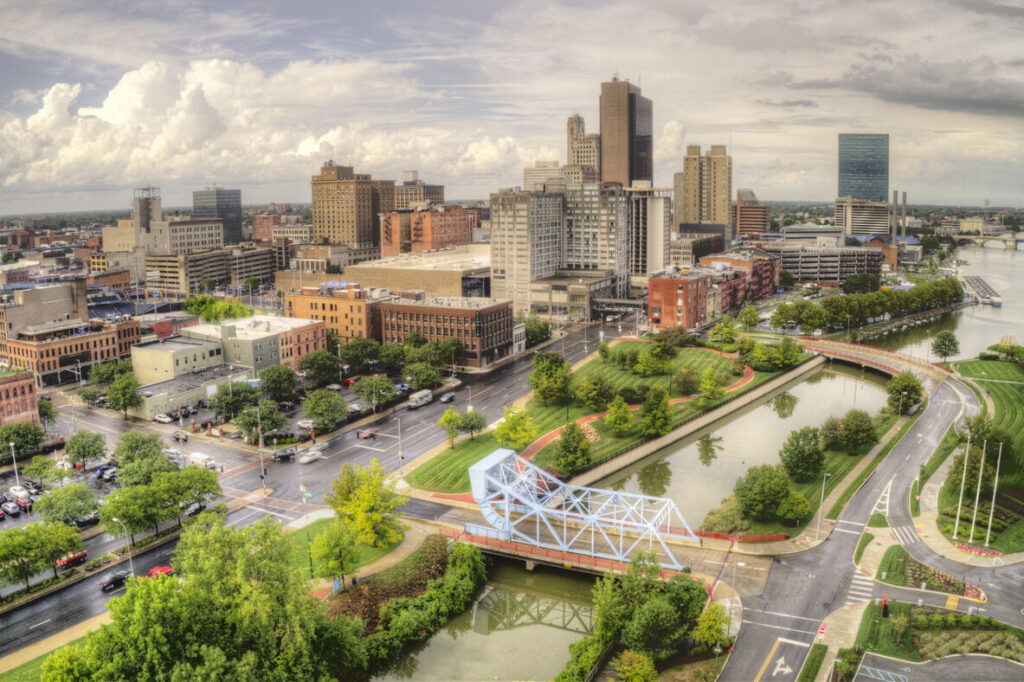
Ohio is a quintessential “Rust Belt” state that has spent the last several decades trying to find its footing after the decline of the traditional steel and automotive manufacturing sectors that once provided a middle-class life. While cities like Columbus are seeing a tech-fuelled boom, other areas like the Mahoning Valley continue to face high unemployment and the social challenges that often accompany economic stagnation. The state is making a massive bet on the future of technology, with multi-billion dollar investments in new semiconductor plants that promise to bring thousands of high-paying jobs back to the region.
Despite these promising developments, the transition is far from complete, and many older workers find themselves without the skills needed for these new high-tech roles, leading to a sense of being left behind. There is a strong emphasis on retraining the workforce through community colleges and technical schools, as well as a push to revitalise the small towns that were once the heart of the state’s industrial might. Ohio’s journey is a reflection of the broader American struggle to move from a manufacturing-based economy to one driven by information and technology while ensuring that no community is forgotten in the process.
Michigan Pursues A Technical Future
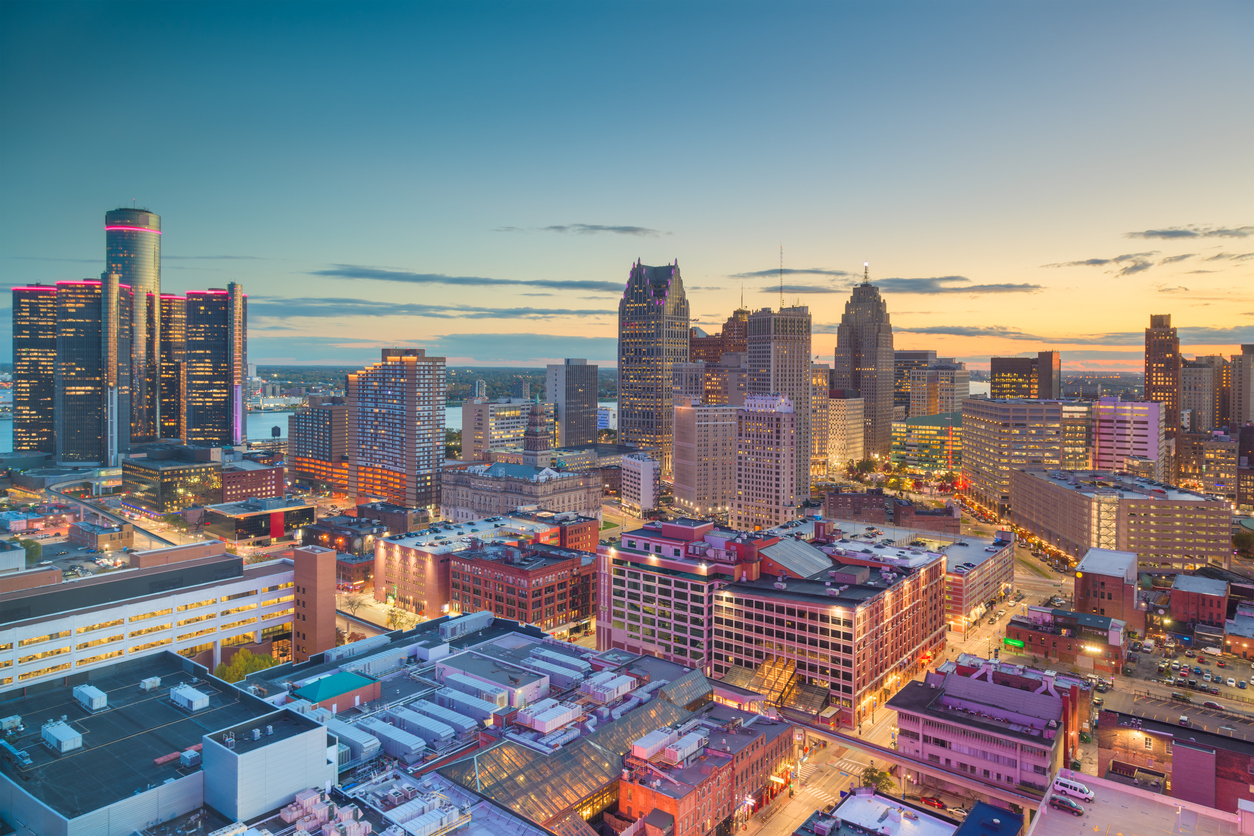
Michigan’s identity is forever linked to the automotive industry, and while that sector is currently undergoing a massive transformation toward electric vehicles, the state still deals with significant pockets of poverty and urban decay. The city of Detroit has seen a remarkable resurgence in its downtown core, but many of the surrounding neighbourhoods and smaller industrial towns across the state are still fighting to recover from years of disinvestment. The cost of living is relatively low, which helps some families, but the lack of high-paying jobs in rural areas remains a persistent obstacle to achieving widespread financial security.
The state government is focusing on making Michigan a leader in the green energy transition, hoping to leverage its existing manufacturing expertise to build the batteries and vehicles of the future. There is also a significant investment being made in the state’s natural resources to boost tourism and attract young professionals who are looking for a high quality of life outside of the traditional tech hubs. Michigan’s success will ultimately depend on its ability to evolve its industrial heritage into a sustainable and inclusive economic model that provides stability for all its citizens in a rapidly changing global market.
Missouri Navigates Industrial Change
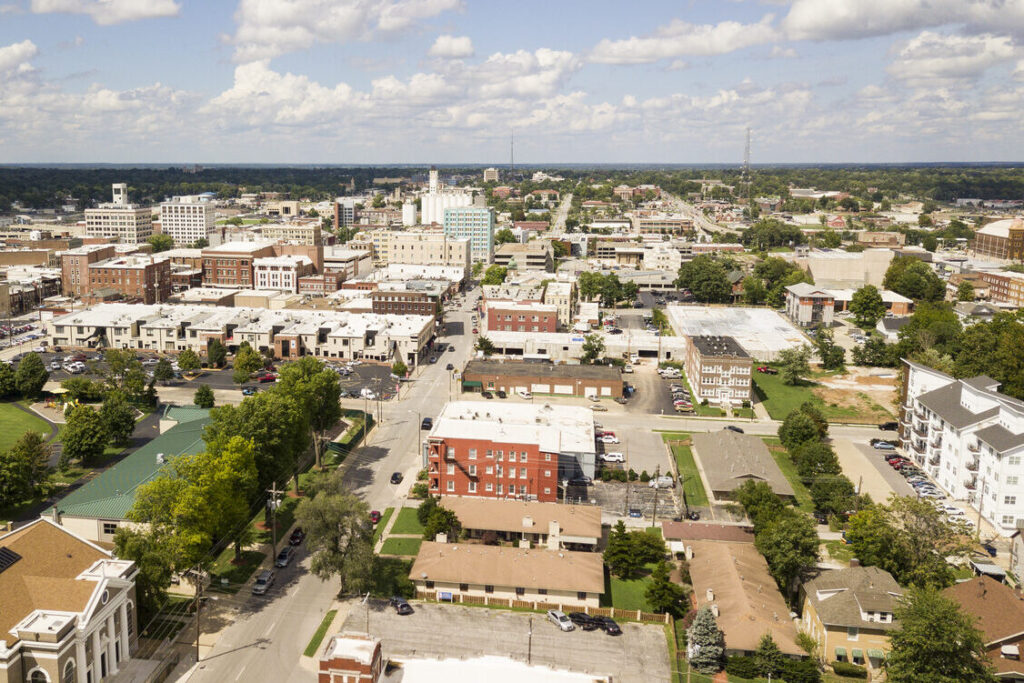
Missouri serves as a vital crossroads for the American economy, blending a rich agricultural history with a growing presence in the aerospace, financial services, and biotechnology sectors. While the urban hubs of St. Louis and Kansas City have seen significant revitalization through tech startups and medical research, many of the state’s rural communities continue to face economic stagnation. These regions often struggle with a lack of high-speed internet and limited access to specialized healthcare, which can hinder the ability of local families to thrive in a digital-first world where remote work and education are increasingly essential.
The state government is focused on leveraging Missouri’s central location to expand its logistics and transportation industries, hoping to create a steady stream of stable jobs for workers of all skill levels. There is also a concerted effort to support the state’s small-scale farmers and independent business owners who form the backbone of the local economy in the Ozarks and the northern plains. By balancing the growth of its major cities with strategic investments in rural infrastructure, Missouri aims to build a more resilient future where prosperity is not just confined to the metropolitan corridors but shared by all.
Texas Manages Modern Prosperity
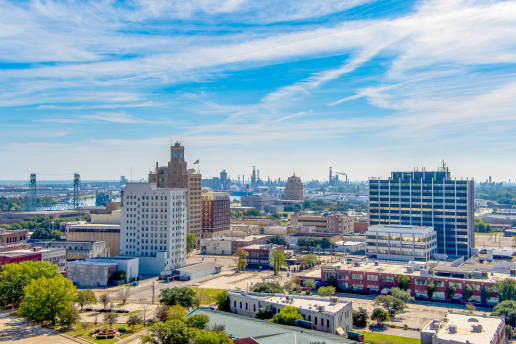
Texas is often seen as an economic powerhouse with a massive energy sector and a rapidly growing tech industry that has drawn thousands of companies away from more expensive states like California and New York. However, this success is not evenly distributed, and the state has some of the highest rates of uninsured residents and significant poverty in the border regions and rural communities. The sheer size of Texas means that the economic reality in a wealthy suburb of Austin is worlds away from the struggles faced by families in the Rio Grande Valley or the Panhandle.
The state’s reliance on the oil and gas industry makes the budget sensitive to global price fluctuations, although the recent expansion into wind and solar energy has provided a helpful buffer and created new jobs. Rapid population growth has also strained the state’s infrastructure and led to a sharp increase in housing costs, which is beginning to squeeze the very workers who moved there for a better life. As Texas continues to grow, its leaders face the challenge of ensuring that the state’s legendary economic freedom also translates into better health, education, and financial outcomes for its most vulnerable and hardworking populations.
Nevada Navigates A Service Economy

Nevada’s economy is uniquely tied to the gaming, tourism, and hospitality sectors, which means that its fortunes are often at the mercy of national discretionary spending and travel trends. This became painfully clear during recent global downturns when the state saw some of the highest unemployment rates in the country as the lights dimmed on the Las Vegas Strip. While the state has no income tax, the reliance on a narrow range of industries has left many residents in a precarious financial position, often working multiple service-level jobs just to afford the rising cost of living.
To address this vulnerability, Nevada is working hard to diversify its economic base by attracting major tech companies and investing in large-scale renewable energy projects in its vast desert landscapes. The arrival of massive battery factories and data centres is starting to provide more stable, high-paying career paths for residents who previously felt stuck in the service sector. There is also a renewed focus on improving the state’s education system, which has historically ranked low, to ensure that Nevada’s youth are prepared for the diverse range of jobs that the state hopes to attract in the coming decade.
Washington Leads The Way

Now, let’s look at the richest. Washington State has established itself as a premier economic engine in the Pacific Northwest, primarily driven by the massive success of global giants like Amazon and Microsoft which have transformed the Seattle area into a global tech hub. This concentration of high-paying jobs in software development and cloud computing has resulted in one of the highest median household incomes in the entire country, providing a robust tax base for the state. Beyond the digital world, the state also benefits from a thriving aerospace sector led by Boeing and a diverse agricultural industry that exports apples and cherries to markets all across the globe.
However, this immense wealth has created a significant divide, as the cost of living in the Puget Sound region has soared to levels that make housing unaffordable for many essential workers. While the state boasts no income tax, its reliance on sales and property taxes means that the fiscal burden often shifts toward those who are not participating in the tech boom. There is a continuous effort to expand the reach of this prosperity to the more rural, eastern parts of the state by investing in clean energy and maritime industries. Washington’s journey reflects the challenge of managing a high-growth economy while ensuring that the infrastructure and social services can keep pace with a rapidly expanding population.
Maryland Benefits From Proximity
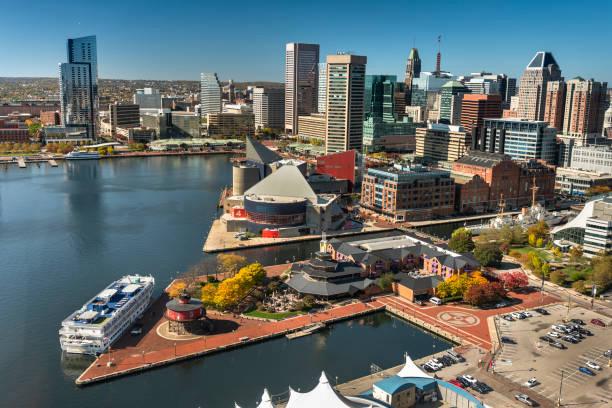
Maryland consistently ranks as one of the wealthiest states in the union, largely due to its strategic proximity to the federal capital and the high concentration of professional jobs that come with it. The state is home to a vast number of government contractors, researchers, and public sector employees who enjoy stable careers and competitive salaries that bolster the local economy. Beyond the influence of Washington D.C., Maryland has developed its own thriving sectors in biotechnology and cybersecurity, particularly around the I-270 corridor and the historic port city of Baltimore, which is undergoing a long-term transformation.
Despite the high average income, the state deals with pockets of significant poverty, particularly in parts of Baltimore and the rural Eastern Shore, where traditional industries have seen a steady decline. The high cost of real estate and childcare in the suburbs of the capital can place a strain on families who are not at the top of the pay scale, highlighting a persistent wealth gap. Maryland continues to invest heavily in its public education system, which is often ranked among the best in the nation, as a way to maintain its competitive edge. The state’s economic story is one of stability and professional success, tempered by the ongoing work of ensuring that every resident has a path to financial security.
Massachusetts Drives Global Innovation

Massachusetts has leveraged its world-class educational institutions like Harvard and MIT to become a global leader in life sciences, robotics, and artificial intelligence. The state’s economy is powered by a highly educated workforce that attracts venture capital from around the world, making the Boston metropolitan area one of the most vibrant innovation hubs on the planet. This focus on the “knowledge economy” has resulted in exceptional wage growth and low unemployment rates, as companies compete fiercely for the top-tier talent graduating from the state’s many prestigious universities and colleges.
Yet, this success comes with a high price tag, as Massachusetts is frequently cited as one of the most expensive states to live in, with housing costs in the greater Boston area reaching historic highs. Many residents find themselves commuting long distances from more affordable towns, putting a strain on the state’s aging transportation infrastructure. Local leaders are currently focused on expanding the life sciences boom to other cities like Worcester and Springfield to create a more balanced economic landscape across the Commonwealth. The state remains a beacon of intellectual and financial prosperity, though it faces the constant challenge of making that success accessible to those who do not work in the high-tech or medical sectors.
New Jersey Connects The Coast
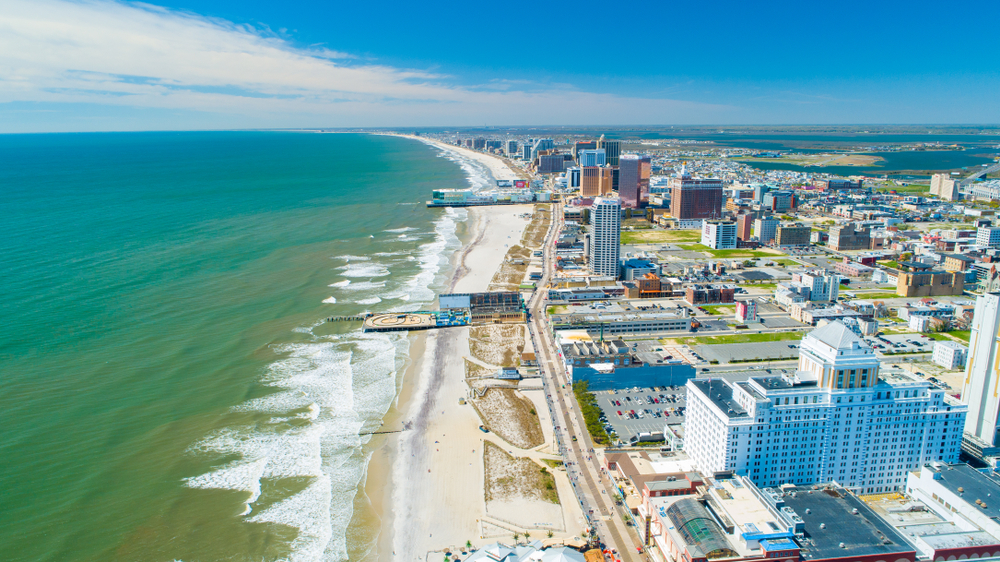
New Jersey serves as a vital economic bridge between the massive markets of New York City and Philadelphia, boasting a diverse economy that ranges from pharmaceuticals to telecommunications and logistics. The state is home to more scientists and engineers per square mile than anywhere else in the world, which has made it a preferred location for major research and development facilities. This concentration of professional talent has resulted in high median incomes, particularly in the northern and central counties that serve as affluent suburbs for professionals working in Manhattan’s financial and legal districts.
However, the “Garden State” also faces the challenge of maintaining an aging infrastructure and some of the highest property tax rates in the nation, which can be a heavy burden for retirees and middle-class families. While the pharmaceutical industry remains a cornerstone of the economy, there are ongoing efforts to revitalise the historic coastal cities and diversify the state’s industrial base through offshore wind energy projects. New Jersey’s economic resilience is tied to its density and its ability to adapt to the needs of the surrounding metropolitan regions. It remains a place of high opportunity, provided that the state can continue to balance its high cost of living with the quality of life and services it provides to its citizens.
Colorado Peaks With Growth

Colorado has experienced a dramatic economic transformation over the last decade, shifting from a traditional resource-based economy to a modern hub for technology, aerospace, and renewable energy. The state’s incredible natural beauty and outdoor lifestyle have served as a powerful recruitment tool, drawing in thousands of young professionals and entrepreneurs who have fuelled a boom in the Denver and Boulder areas. This influx of human capital has led to one of the most diversified economies in the Mountain West, with a strong focus on innovation and environmental sustainability that appeals to the modern global workforce.
Despite this upward trajectory, the rapid growth has led to a sharp increase in the cost of living, particularly in the housing sector where prices have outpaced wage growth for many local residents. Rural mountain communities are also struggling with the “resort gap,” where the service workers who support the tourism industry can no longer afford to live in the towns where they work. State officials are working to address these issues by investing in affordable housing initiatives and expanding transit options to connect the Front Range with outlying communities. Colorado represents a modern success story of a state that has successfully marketed its environment to build a high-wealth economy, while now facing the growing pains that come with such rapid success.
New Hampshire Offers Unique Value
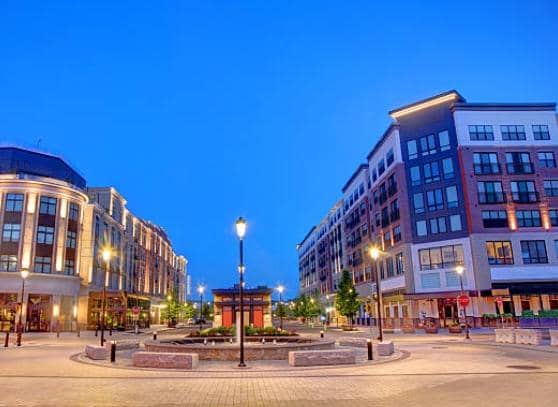
New Hampshire stands out in the New England region for its lack of both a general sales tax and a personal income tax, a fiscal policy that has attracted many residents and businesses seeking a lower tax burden. This approach has helped the state maintain a high median household income and a consistently low poverty rate, as it benefits from its proximity to the Massachusetts tech corridor while offering a different lifestyle. The state’s economy is a blend of high-tech manufacturing, healthcare, and a robust tourism sector that draws visitors to its stunning White Mountains and scenic seacoast all year round.
However, the reliance on property taxes to fund local services and schools means that the cost of homeownership can be surprisingly high, even without an income tax. The state also faces a demographic challenge with an aging population, which has led to a tightening of the labour market and a need for more young workers to sustain its growing industries. Efforts are being made to expand vocational training and to encourage more diverse housing options to attract the next generation of Granite Staters. New Hampshire’s economic model is one of independence and fiscal conservatism, proving that a small state can maintain high levels of prosperity by carving out a unique niche in a highly competitive region.
Connecticut Balances High Wealth
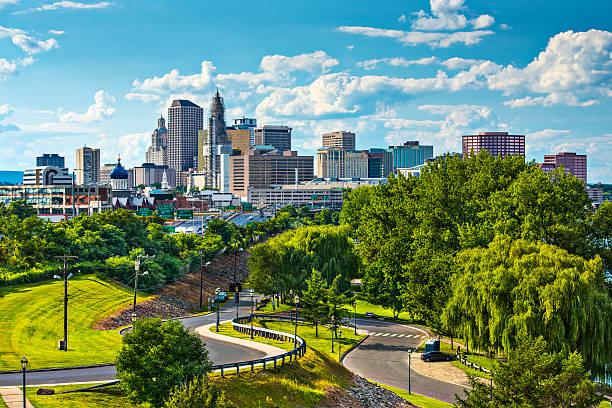
Connecticut has long been known as a centre for the insurance and financial services industries, particularly in the “Insurance Capital” of Hartford and the wealthy enclaves of Fairfield County near New York. This has resulted in the state having one of the highest per capita incomes in the country, supported by a workforce that is among the most highly educated in the nation. The state also maintains a strong tradition in advanced manufacturing, particularly in the defence sector with companies building submarines and jet engines that are vital to national security and global trade.
Nevertheless, Connecticut has struggled with a persistent wealth gap, where affluent coastal towns sit in sharp contrast to urban centres that have faced years of industrial decline and fiscal challenges. The state is currently working to revitalise its cities and modernise its rail and road networks to better connect its residents with the broader tri-state job market. There is a renewed focus on fostering a startup culture and supporting small businesses to complement the large corporations that have historically anchored the state’s economy. Connecticut’s goal is to maintain its status as a high-wealth state while creating a more inclusive environment where economic growth reaches every neighbourhood and every community across the region.
California Manages Massive Contrasts

California is an economic superpower in its own right, with a GDP that would rank it among the largest national economies in the world due to its dominance in technology, entertainment, and agriculture. The state is home to Silicon Valley, the epicentre of global innovation, and Hollywood, the heart of the world’s cultural exports, which together generate staggering amounts of wealth and tax revenue. This economic diversity allows the state to invest heavily in public services, environmental protections, and a world-class university system that continues to produce the leaders and innovators of the future.
Yet, California also faces some of the most profound economic challenges in the country, including a severe housing shortage that has led to a high cost of living and a significant homelessness crisis. The state has some of the highest income tax rates in the nation, which helps fund its ambitious social programmes but also prompts some businesses and residents to seek more affordable locations. The central valley, while being one of the most productive agricultural regions on earth, often experiences higher rates of poverty and unemployment than the affluent coastal cities. California remains a state of immense opportunity and creativity, constantly working to balance its role as a global economic leader with the local needs of its diverse and growing population.
Virginia Leverages Diverse Sectors
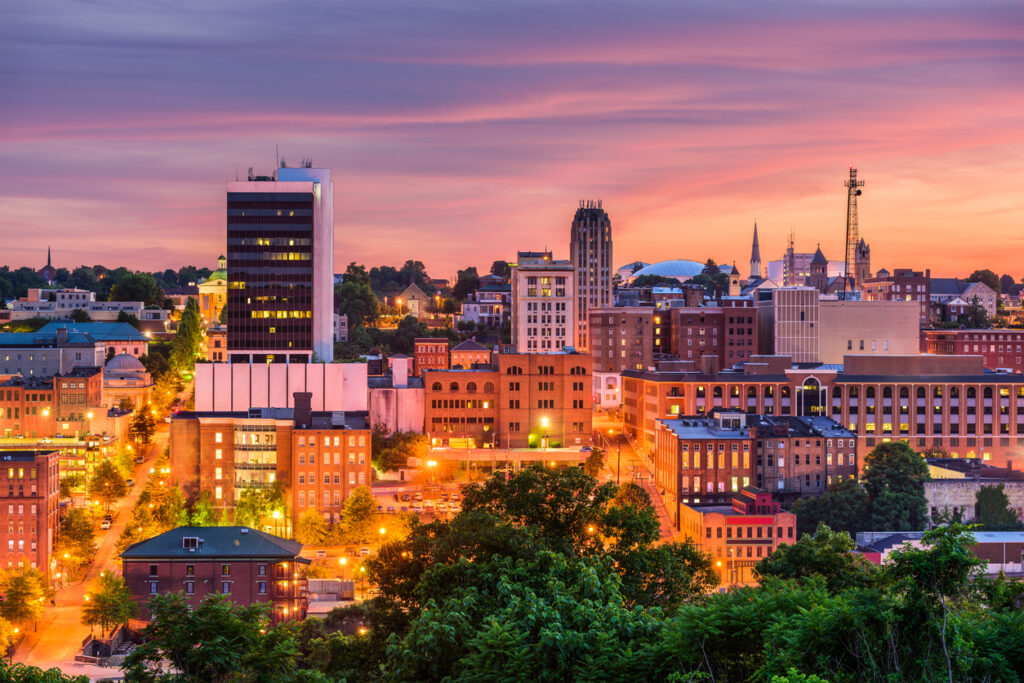
Virginia benefits from a unique economic landscape that blends the high-tech and government-focused economy of Northern Virginia with the maritime and industrial strengths of the Hampton Roads area. The state is a leader in data centres, hosting a massive percentage of the world’s internet traffic, and it remains a top destination for federal spending due to the presence of the Pentagon and numerous military bases. This provides a level of economic stability that few other states can match, resulting in high median incomes and a robust market for professional and technical services throughout the northern region.
In the southern and western parts of the state, the economy is more traditional, focusing on agriculture and manufacturing, which has led to a noticeable geographic wealth gap that the state is working to bridge. Recent investments in the Port of Virginia and the development of a burgeoning offshore wind industry are seen as key drivers for future growth in these coastal and rural areas. The state is also known for its business-friendly climate and highly ranked public universities, which help to ensure a steady pipeline of talent for its diverse range of industries. Virginia’s success lies in its ability to integrate its historic heritage with its role as a modern gateway for technology and international commerce.
New York Remains A Global Hub

New York is home to the world’s most important financial centre, Wall Street, which serves as the heart of global capitalism and generates immense wealth for the state and the nation. The state’s economy is further bolstered by a massive media and advertising sector, a world-class tourism industry, and a growing tech presence in what has become known as “Silicon Alley” in Manhattan. This concentration of high-value industries has created a powerhouse economy that provides the resources necessary for a vast network of public infrastructure and cultural institutions that are famous all over the world.
However, the economic reality of New York is also one of sharp geographic divides, as the wealth of the city contrasts with the challenges faced by many upstate communities that have seen the decline of traditional manufacturing. The cost of living in the metropolitan area is among the highest in the world, putting a significant strain on the working and middle classes who are essential to the city’s daily operations. The state is actively working to revitalise the upstate economy by investing in high-tech research hubs and renewable energy projects in cities like Buffalo and Albany. New York continues to be a symbol of global prosperity and ambition, constantly evolving to meet the challenges of the 21st century while striving to ensure that its economic engine benefits all its residents.
The stark reality of these economic rankings serves as a powerful reminder that when a region relies too heavily on a single factory or industry, the entire community becomes vulnerable to the unpredictable shifts of the global market.
Like this story? Add your thoughts in the comments, thank you.


