
Where Pollen Seasons Are Getting Harder to Escape
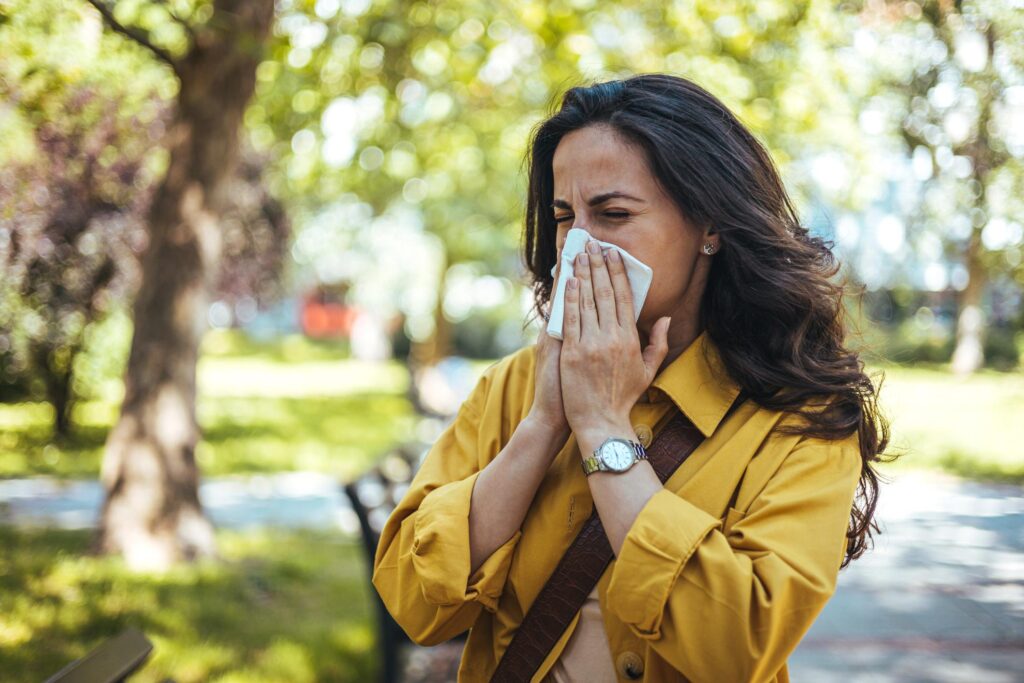
Spring used to be the time of year we all looked forward to, but lately, it feels more like a marathon of sneezing and itchy eyes. If you feel like your allergies are getting worse, you aren’t imagining it. According to the Asthma and Allergy Foundation of America’s 2025 report, over 100 million people in the U.S. now deal with seasonal allergies. The reality is that our “gentle” spring has turned into a high-pollen surge that hits harder and stays longer than it did just a few decades ago.
Experts point to a mix of warmer temperatures and extra moisture as the main culprits. These shifts are essentially giving plants a “green light” to produce more pollen for longer periods. Because of these changing patterns, certain parts of the South and Midwest have become real hotspots for allergy sufferers. It’s not just about a few weeks of sniffles anymore; for many Americans, the seasonal shift has become a significant health challenge that requires better planning and more than just a box of tissues.
Wichita Struggles Most
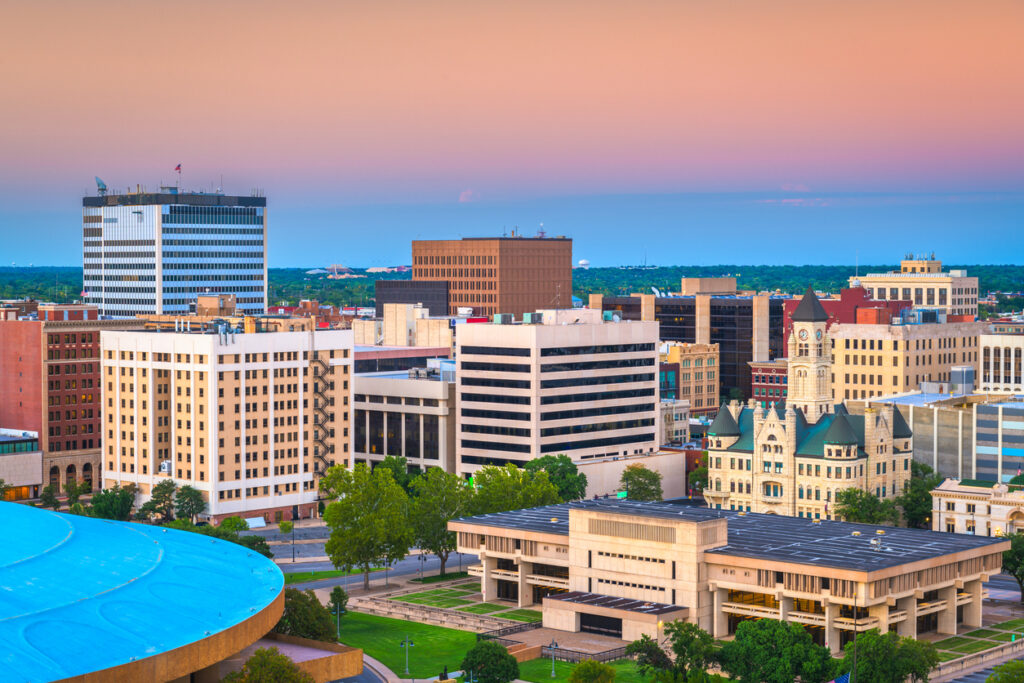
If you live in Wichita, you probably already know that your city is a tough place to be when the flowers start blooming. For three years running, including the most recent 2025 rankings, Wichita has claimed the title of the most challenging U.S. city for allergy sufferers. It’s a “perfect storm” of high pollen counts across every major category, from trees in the early spring to grasses and weeds later on. Residents here often find themselves reaching for over-the-counter meds just to get through a basic outdoor walk.
The situation in Wichita is made even trickier because of a supply-and-demand issue with medical care. While pollen counts are through the roof, there aren’t always enough allergy specialists available to help everyone who needs a long-term treatment plan. This means many people end up self-treating symptoms that start earlier and linger much longer than expected. In this part of Kansas, spring doesn’t just arrive; it moves in and stays, making it a constant battle for anyone prone to the dreaded seasonal sneeze.
New Orleans Climbs Fast

New Orleans is famous for its vibrant charm, but it’s recently gained a much less welcome reputation for its skyrocketing allergy levels. The city has shot up the rankings lately, largely because the local environment has become a breeding ground for allergens. With the increase in major storm activity and heavy rainfall seen throughout 2023 and 2024, the moisture levels have caused weed pollen to explode. Combine that with the famous Louisiana heat, and you get a growing season that seemingly never ends.
While the Big Easy actually has a decent number of allergy doctors, the sheer amount of pollen in the air can be overwhelming. The lush, beautiful greenery that makes the city so iconic is exactly what makes the air so thick with irritants. Residents often find that their symptoms kick in incredibly fast and don’t let up for months. It’s a tough trade-off: the humid, tropical climate that keeps the city looking like a garden also creates the absolute ideal conditions for pollen to thrive and circulate.
Oklahoma City Peaks
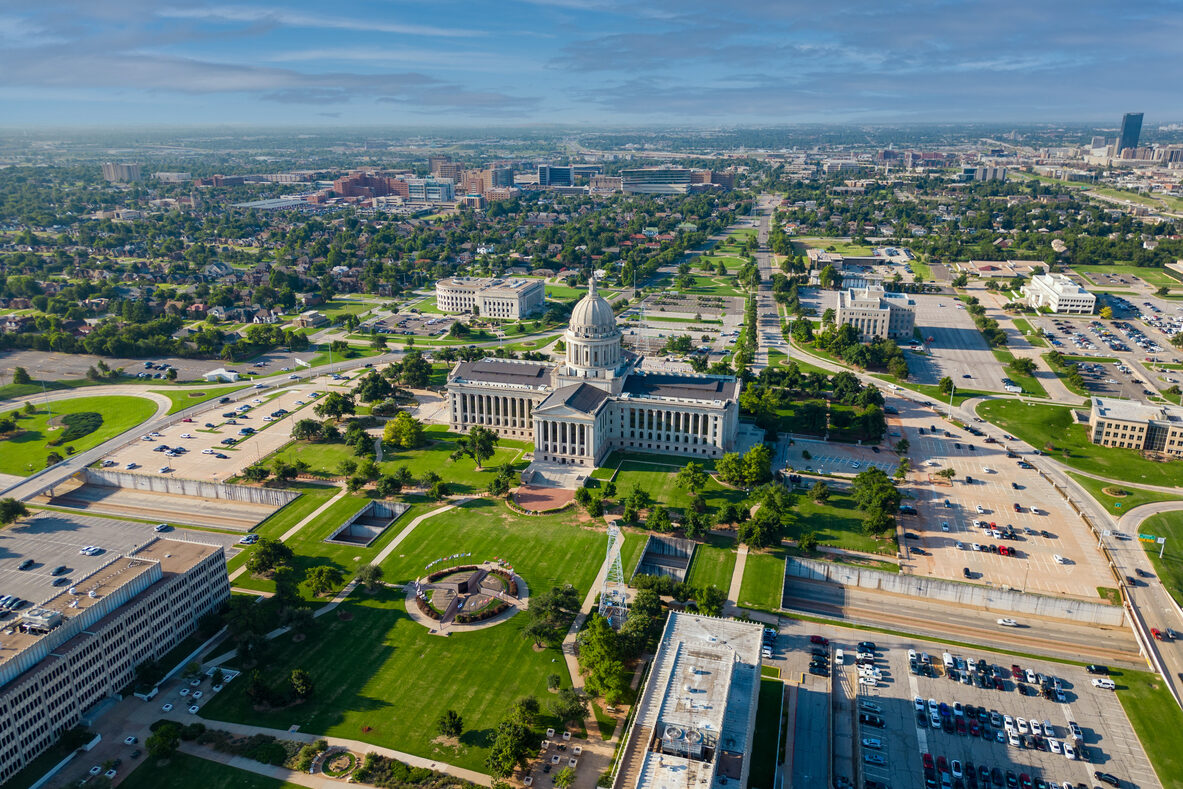
Oklahoma City remains a heavy hitter on the list of toughest places for allergy sufferers, mostly thanks to intense levels of tree and grass pollen. Even though weed pollen isn’t quite as bad here as in other spots, the overall “pollen load” is enough to make springtime feel pretty rough for local residents. When the wind picks up across the plains, it carries those microscopic irritants everywhere, making it hard to find a safe haven even on those beautiful, mild days we all love.
Data shows that people in Oklahoma City rely heavily on allergy medications, which is a clear sign of how much the community is struggling. With only an average number of specialists available to provide shots or advanced care, many folks are left managing their watery eyes and congestion on their own. As weather patterns continue to shift, the windy conditions typical of the region ensure that pollen doesn’t just sit still, it spreads fast, making relief a moving target for anyone living in the metro area.
Tulsa Faces Overload
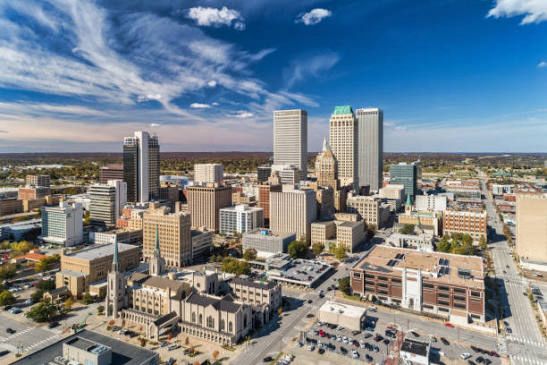
Tulsa deals with many of the same issues as its neighbor to the west, but it often feels the “pollen pinch” even more acutely. The city consistently sees high levels across the board, trees, grasses, and weeds all hit residents at the same time. This “triple threat” creates a layered effect where your body doesn’t get a break from one trigger before the next one starts. It’s a exhausting cycle that makes the local spring feel more like a seasonal endurance test.
The climate in Tulsa really works against you if you’re prone to sneezing. Steady winds and warm temperatures help circulate pollen throughout every neighborhood, and the transition into spring often happens so fast that your body doesn’t have time to adjust. Even with a standard number of doctors in town, the sheer volume of people feeling under the weather means many Tulsans spend their spring months in a bit of a fog. It’s a beautiful place to live, but the air quality definitely keeps residents on their toes.
Memphis Feels The Weight

In Memphis, the allergy struggle is real, but it looks a little different than in other Southern hubs. While tree pollen is definitely present, it’s the grass and weed pollen that really do the heavy lifting here. Because Memphis enjoys such a long, warm season, these allergens have plenty of time to hang around. Instead of a quick “pollen pop” in April, residents often find themselves dealing with symptoms that stretch way into the summer months, making the relief of autumn feel a long way off.
You can really see the impact by looking at how many people in the city are buying allergy meds, it’s significantly higher than in many other regions. This shows that even on those gorgeous, sunny Tennessee days, the air is packed with enough irritants to trigger a reaction. Even if you aren’t usually sensitive, the constant exposure can eventually wear you down. It’s a persistent issue that has turned managing allergies into a regular part of the daily routine for families living along the Mississippi.
Little Rock Lingers

Little Rock has carved out a permanent spot on the list of toughest allergy cities, and it’s mostly due to a stubborn combination of high pollen and high medication use. Even though the city actually has better access to allergy specialists than many of its neighbors, the sheer intensity of the “pollen dump” each spring is hard to beat. When the Arkansas landscape wakes up, it does so with a bang, sending clouds of allergens into the air that can make a simple trip to the park feel like a mistake.
The real problem in Little Rock is how long the pollen sticks around. Instead of peaking and then fading away, the levels tend to stay elevated for a long stretch of the season. This means that if you’re sensitive to multiple types of plants, you’re getting hit with wave after wave of triggers without any downtime. For many locals, the spring bloom is a bit of a love-hate relationship: the city looks stunning, but the constant congestion makes it hard to truly enjoy the view.
Raleigh Runs Long
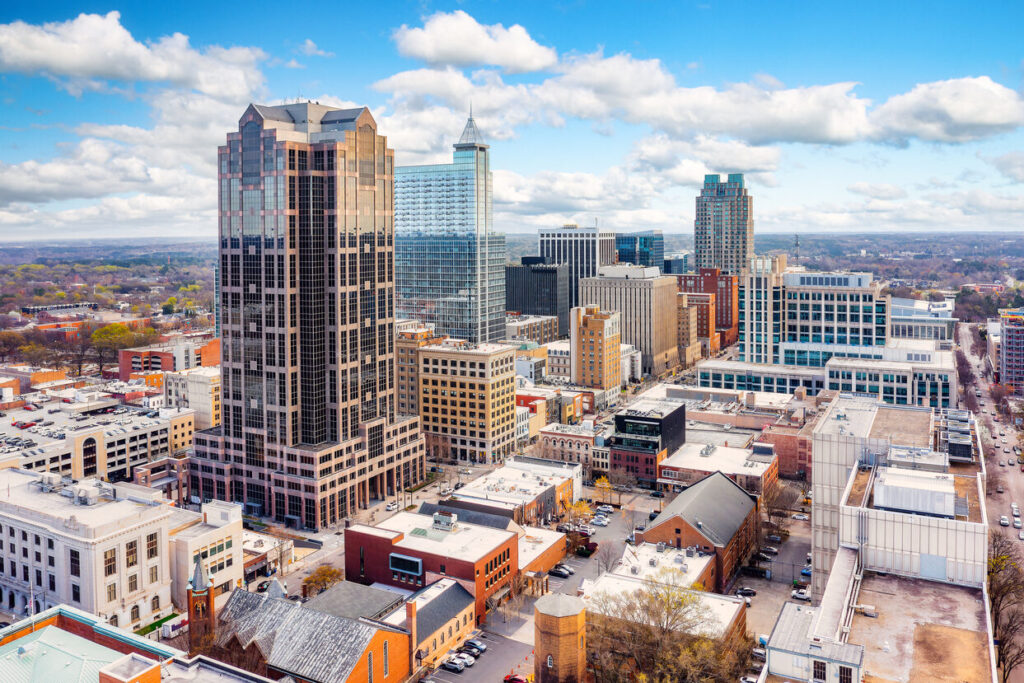
If you feel like the sneezing starts earlier every year in Raleigh, you’re right on the money. The North Carolina climate has shifted so that pollen production often kicks off in late winter, sometimes as early as February, and doesn’t quit until well into the spring. This creates a massive “window of misery” for residents who are sensitive to tree and grass pollen. By the time the rest of the country is just starting to see buds on the trees, Raleigh is already covered in that familiar yellow dust.
The challenge is topped off by a local shortage of allergy specialists. With so many people moving to the Research Triangle, the demand for professional care has outpaced the number of doctors available to treat them. This leaves a lot of folks relying on drugstore remedies to manage their symptoms. Between the early start to the season and the lack of specialized help, Raleigh’s allergy season can feel like a marathon that residents have to run without much of a break or a clear finish line.
Richmond Stays High
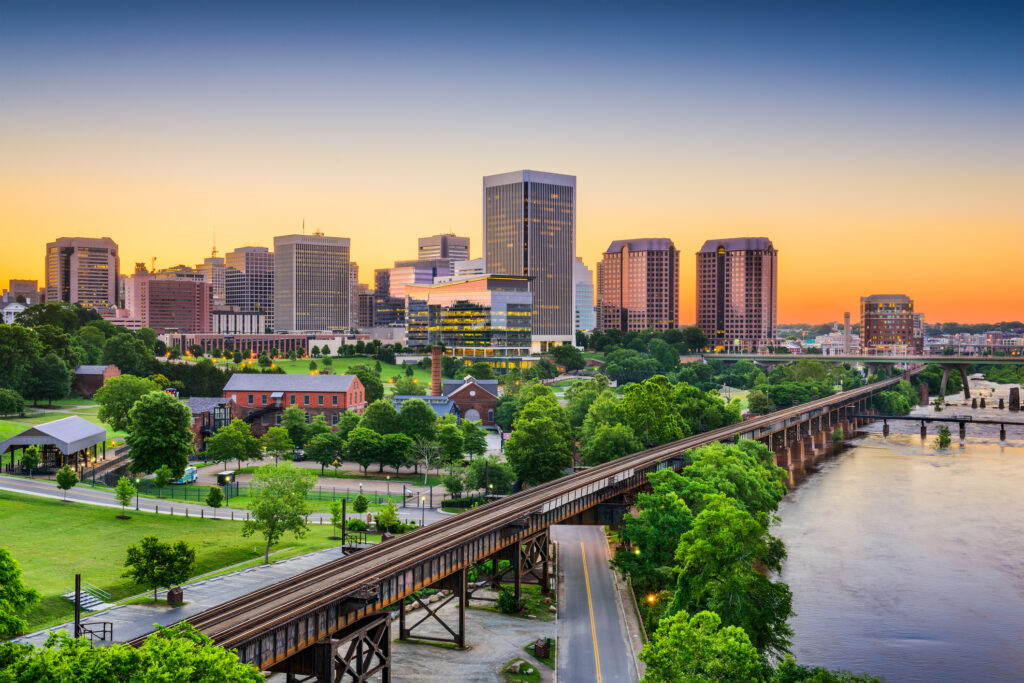
Richmond has a reputation for being one of the most difficult cities for grass allergies in the entire country. In fact, the city often sees hundreds of days a year where grass pollen levels are considered elevated. This isn’t just a springtime problem; it’s a near-constant reality that keeps local residents on high alert. While spring brings the most famous “pollen explosion,” the underlying levels stay high enough to keep people reaching for their tissues for a huge chunk of the year.
Even though Richmond has a solid network of doctors and specialists, the persistent nature of the pollen makes it a tough nut to crack. Many residents find that they experience multiple “peaks” throughout the seasons, meaning that just when they think they’ve found relief, another wave of allergens hits. This ongoing cycle is why Richmond consistently ranks near the top of the list for allergy severity. It’s a beautiful, historic city, but for those with sensitive sinuses, the air can feel pretty unforgiving.
Greenville Keeps Rising
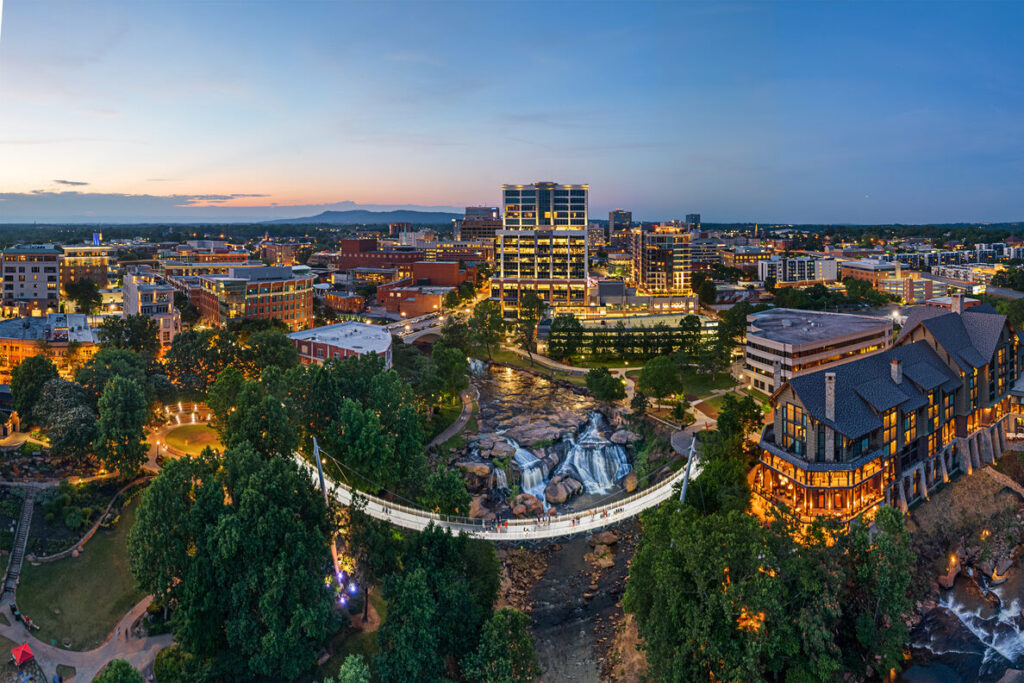
Greenville is a city on the move, and unfortunately, its allergy rankings are moving right along with its population. In the last few years, pollen levels have intensified, making life much harder for the local community. More people are reporting severe symptoms, and medication use is climbing as residents try to keep up with the changing environment. It’s a trend that’s being noticed across South Carolina, but Greenville seems to be feeling the brunt of it lately.
While the city has a decent amount of medical support, the increasing severity of the seasons means the clinics are busier than ever. When spring arrives in the Upstate, it brings a very visible change to the air quality as pollen becomes widespread. For many families in Greenville, checking the daily pollen count has become as routine as checking the morning weather forecast. It’s all about staying one step ahead of the symptoms in a city where the “green” in Greenville definitely comes with a side of sneezing.
Greensboro Peaks Early
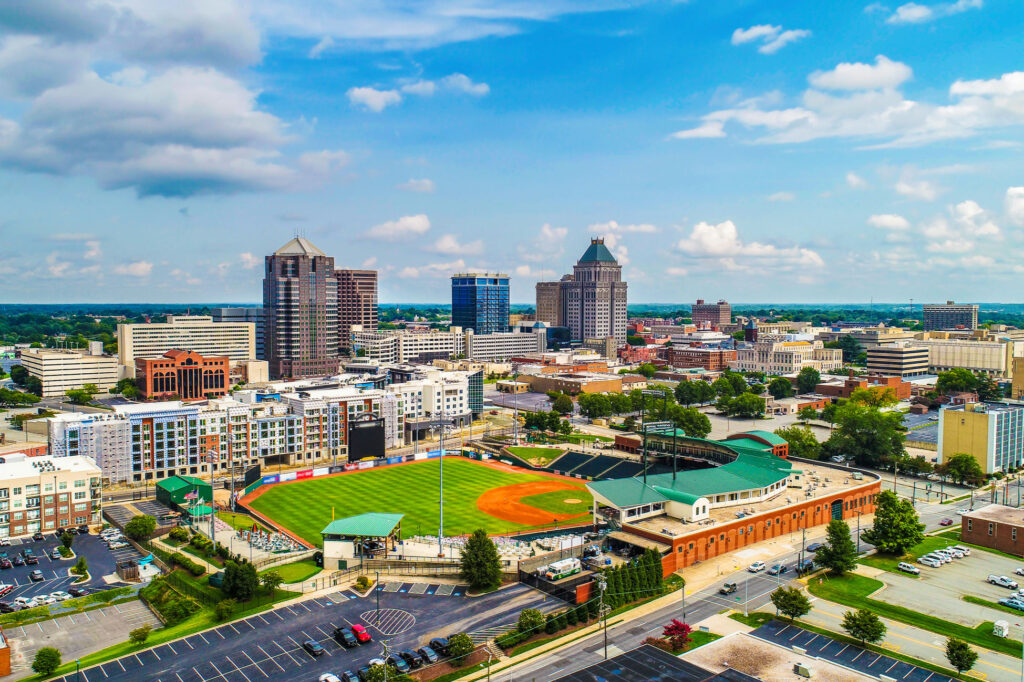
If you feel like your “spring” allergies start while it’s still technically winter, you aren’t imagining things. Greensboro is famous for having one of the earliest starts to the allergy season in the entire country. High pollen counts can show up as early as February, which really drags out the period of time residents have to deal with sneezing and congestion. Instead of a quick seasonal shift, folks in this part of North Carolina face a long-distance endurance test that lasts for months.
Because the season starts so early and stays so intense, Greensboro residents are among the highest users of allergy medications in the U.S. While there is a standard number of specialists in the area, the sheer volume of people needing help during the peak can make it hard to get an appointment. This means most people are stuck managing their symptoms with over-the-counter fixes while waiting for the pollen to finally settle. It’s a beautiful place to live, but that early bloom definitely comes with a heavy price for your sinuses.
Virginia Beach Persists
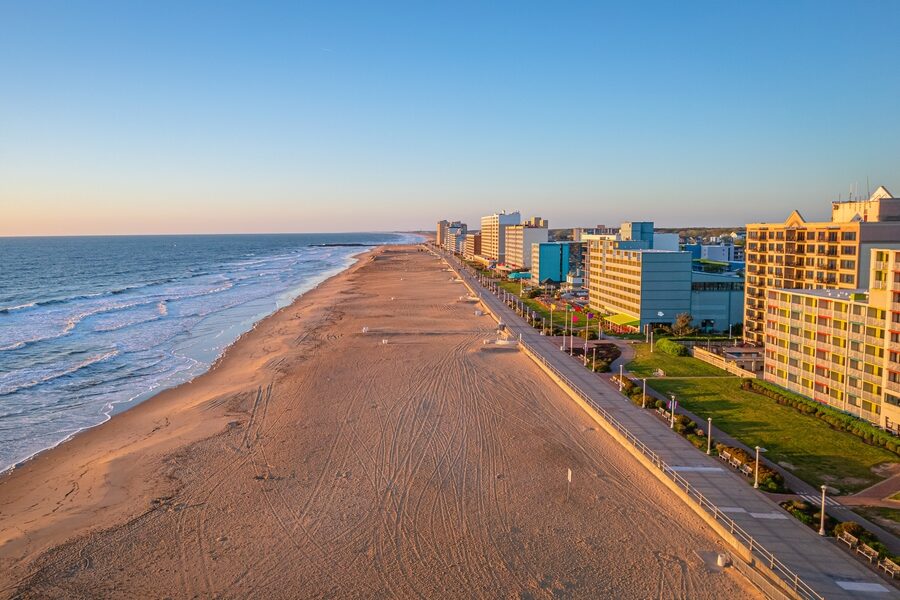
Virginia Beach is a beautiful coastal getaway, but the salt air doesn’t always provide the relief you’d expect. The city consistently ranks as a tough spot for allergy sufferers because of high pollen levels and a high demand for medication. You might think the ocean breeze would blow the allergens away, but the local winds often trap inland tree and grass pollen right along the coast. This creates a persistent “pollen pocket” that keeps residents reaching for their tissues all through the spring.
While the city has a decent number of doctors, the sheer amount of airborne triggers can be a lot to handle. Starting in March and April, the tree and grass pollen levels build up and then just stay there, rather than peaking and dropping off. This leads to a “plateau” of symptoms where you never really feel like you’re getting a break. For locals and visitors alike, enjoying the boardwalk often requires a backup plan for itchy eyes and a runny nose as the coastal vegetation hits its peak.
Boise Surges Ahead
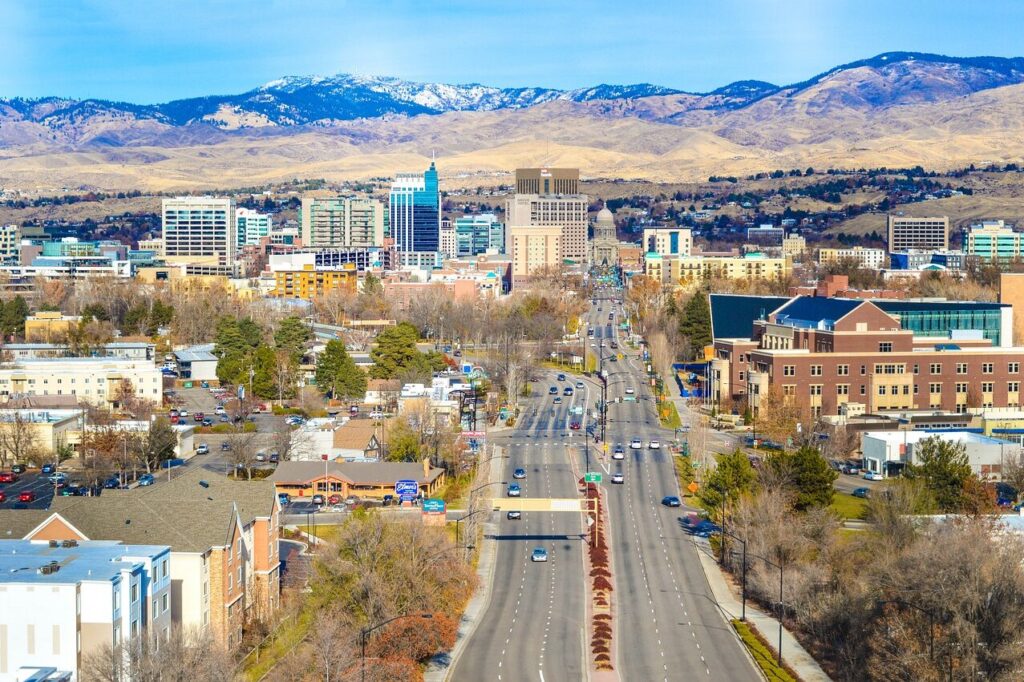
Boise has recently climbed the charts as one of the most surprising allergy hotspots in the American West. A lot of this is due to wetter winters over the last few years, which have led to explosive plant growth once the weather warms up. When you combine those damp winters with Boise’s rapid spring warm-up, you get a massive surge in tree pollen that hits the community all at once. It’s a sharp, intense transition that can catch even long-time residents off guard.
As the season moves forward, the tree pollen is quickly followed by grass and weed allergens, creating a “layered” effect of misery. This means as soon as you think you’ve recovered from one trigger, the next one is already in the air. Because the environment has shifted so quickly, the local infrastructure for allergy care is often stretched thin. For many in the Treasure Valley, managing these new, more intense seasons has become a major part of their springtime routine as they try to enjoy the great outdoors.
San Diego Surprises
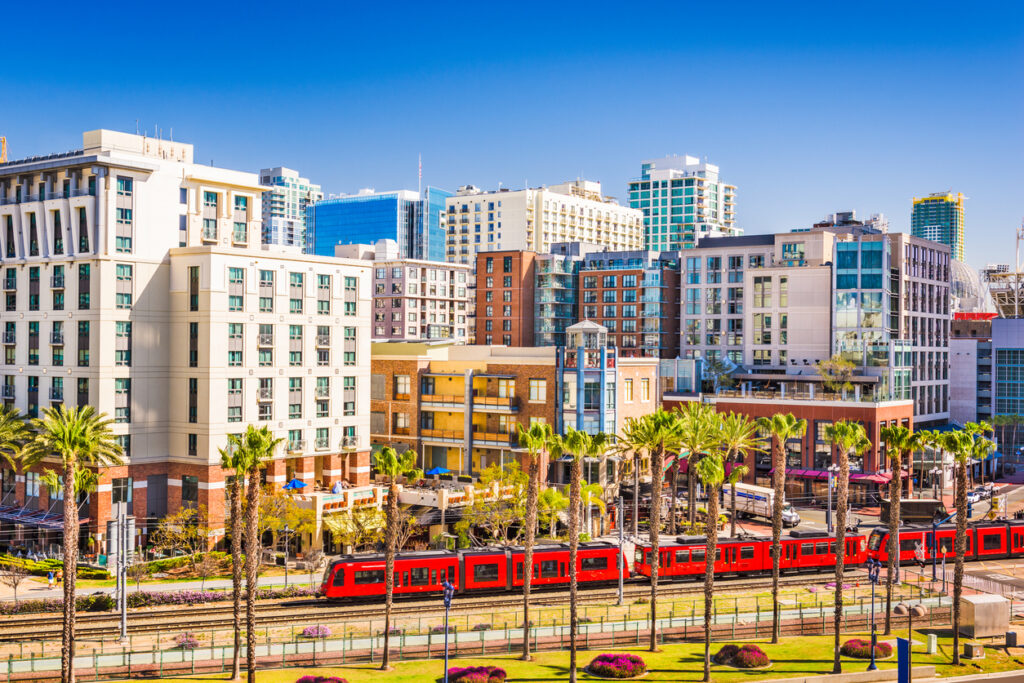
San Diego is usually associated with perfect weather, but for allergy sufferers, it’s becoming a bit of a challenge. Recent data from 2024 and 2025 shows that changing rainfall patterns and warmer-than-average temperatures have caused grass and weed pollen to spike. Because the climate is so mild year-round, plants don’t always go dormant like they do in the North. This results in a “perpetual” allergy season where something is almost always in bloom, leaving very little time for your immune system to rest.
What makes San Diego particularly tricky is that many people move there expecting relief from seasonal issues, only to find new triggers. The city’s famous lush landscaping and coastal sage scrub produce a constant stream of allergens that circulate in the warm air. Instead of a heavy “pollen dump” that lasts a month, residents often deal with low-to-moderate symptoms that stick around for the entire year. It’s a reminder that even in paradise, the local flora can still keep you reaching for the antihistamines.
Provo Builds Pressure
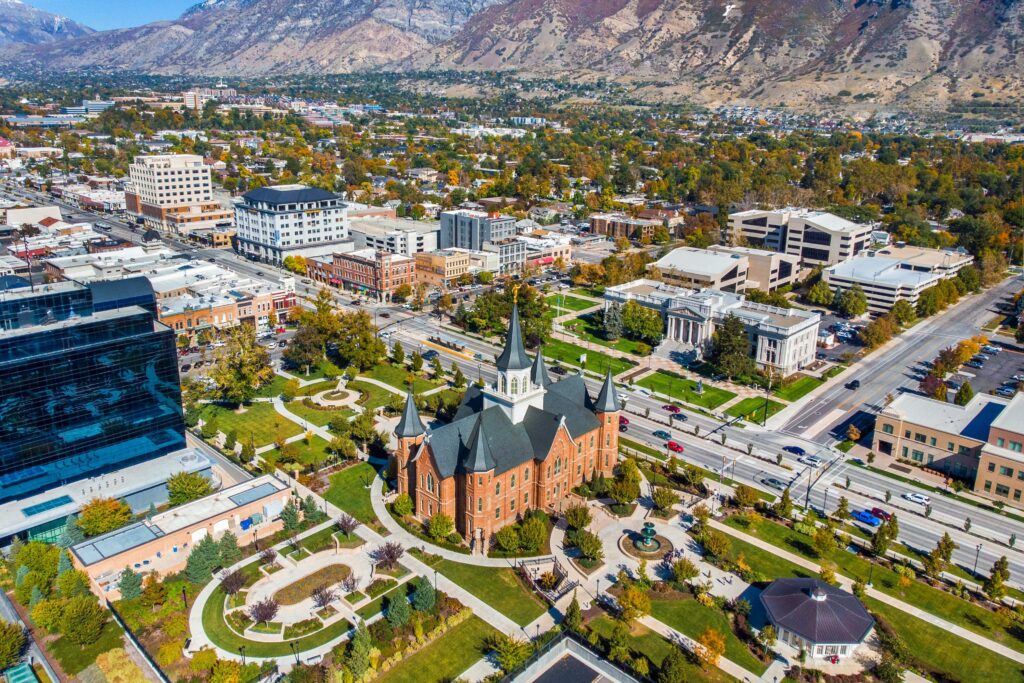
Provo deals with a unique set of challenges that make it a consistent top contender for allergy severity. The city is tucked into a valley where the geography can actually trap pollen and other irritants, especially when the wind picks up. Drier conditions in recent years have caused plants to release more concentrated pollen, and the local wind patterns do a great job of spreading it across the entire metro area. It’s a high-pressure environment for anyone who struggles with seasonal breathing issues.
Residents here often deal with sudden “spikes” in pollen counts that can make it impossible to plan outdoor activities. One day the air might be clear, and the next, a shift in the breeze brings in a wall of tree or grass allergens. This unpredictability is one of the hardest parts of living in Provo during the spring. Even with local medical resources, the “boom and bust” cycle of the pollen counts means many people are constantly playing catch-up with their symptoms as the mountain air fills with irritants.
Rochester Holds Firm
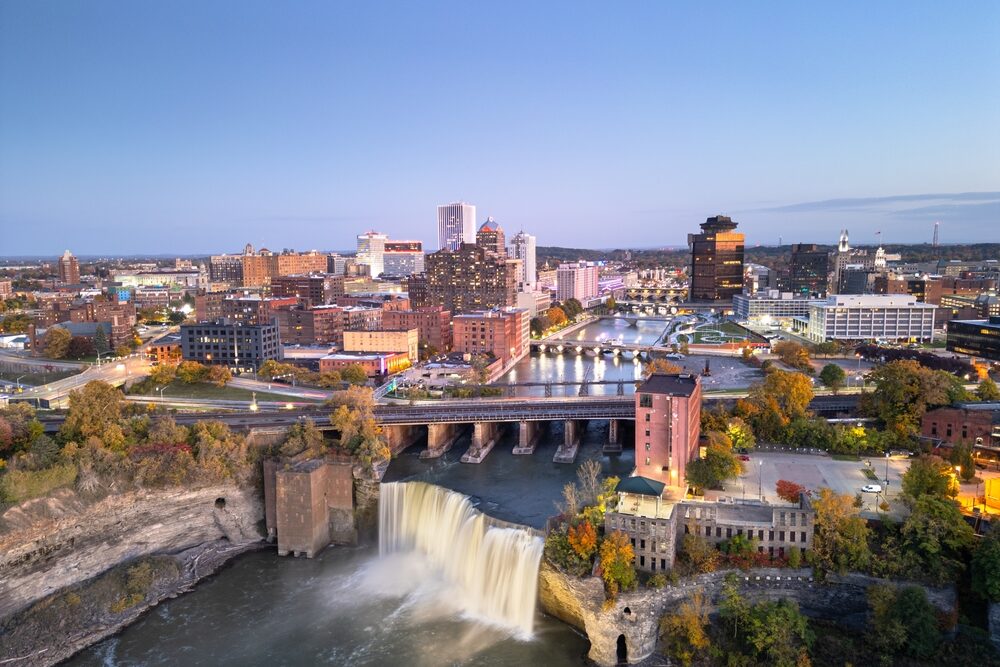
Rochester rounds out our list as a city where the allergy struggle is incredibly consistent. While it might not see the same tropical pollen levels as the Deep South, its defined seasonal cycles create a very intense window of exposure. Tree pollen usually kicks things off in the early spring, followed closely by a heavy grass pollen season as the New York landscape turns green. It’s a predictable but very powerful cycle that affects a huge portion of the local population every single year.
Because the seasons are so distinct, the “pollen load” tends to be very concentrated. You might have several weeks where the air is thick with allergens before things finally calm down in the summer. Rochester actually has a pretty good network of specialists, but the sheer number of people feeling the “spring sting” means the demand for care is always high. For those living in the Northeast, Rochester serves as a prime example of how even a traditional four-season climate can be a major hurdle for anyone dealing with chronic allergies.


