
1. Pan’s Labyrinth at the 2006 Cannes Film Festival
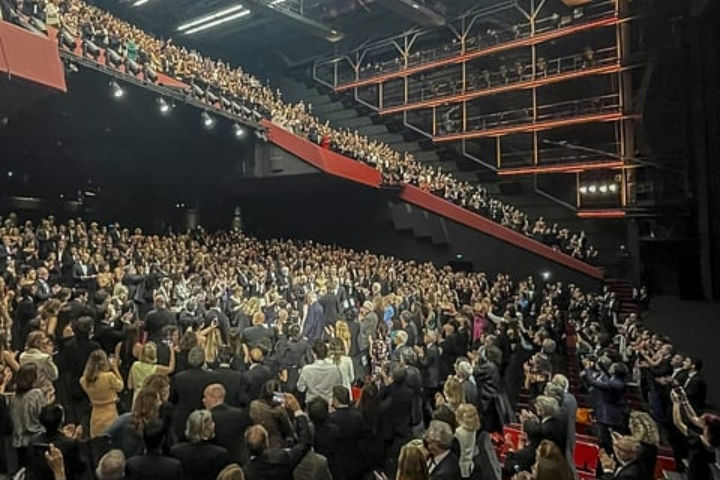
A standing ovation is one of the purest expressions of collective admiration. Pan’s Labyrinth received a reported 22-minute standing ovation at the Cannes Film Festival, placing it among the longest in the event’s history. Directed by Guillermo del Toro, the dark fantasy blended historical trauma with mythic storytelling in a way that stunned audiences. The applause erupted immediately after the final scene and continued relentlessly, with attendees refusing to sit down. Cannes audiences are known for being discerning, which made the reaction even more notable. The ovation signaled early recognition of the film’s artistic importance, long before its multiple Academy Award wins. It remains a defining Cannes moment of the 2000s.
2. Charlie Chaplin at the 1972 Academy Awards
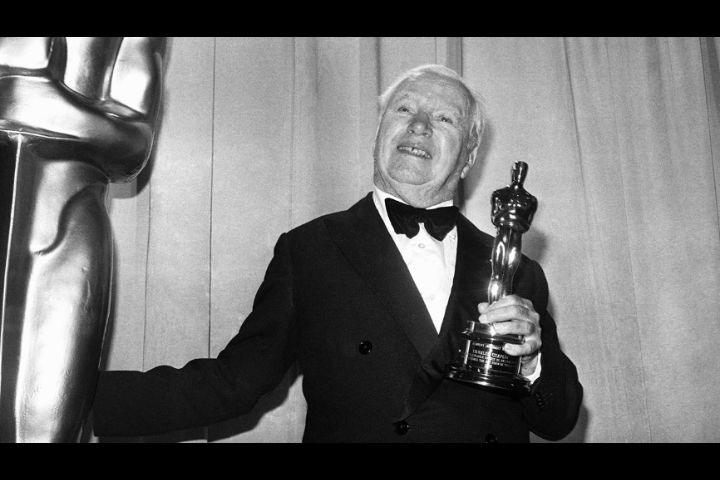
When Charlie Chaplin returned to the United States after decades of exile, the moment carried enormous emotional weight. At the 44th Academy Awards in 1972, Chaplin accepted an honorary Oscar recognizing his immeasurable impact on cinema. As he stepped onto the stage, the audience rose in unison, applauding continuously for approximately 12 minutes, the longest standing ovation in Oscar history. Many attendees, including seasoned actors and filmmakers, were visibly moved. Chaplin, known for his composure, appeared overwhelmed. The ovation symbolized reconciliation, respect, and gratitude for a man who shaped modern film language. It remains one of the most emotionally charged moments ever captured on a live broadcast.
3. Pina at the 2011 Berlinale
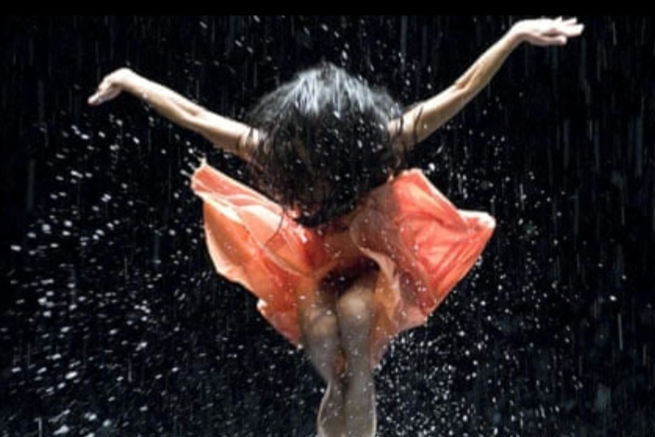
The documentary Pina, directed by Wim Wenders, received an estimated 15-minute standing ovation at the Berlin International Film Festival. The film honored the late choreographer Pina Bausch and was filmed using innovative 3D techniques to capture dance in new depth. Audience members described the applause as deeply emotional rather than celebratory. Many felt the ovation served as a farewell tribute to Bausch herself. The sustained applause reflected how profoundly the film resonated with both dance lovers and cinema professionals, marking it as one of Berlinale’s most heartfelt responses.
4. Return of the King at the 2003 Wellington Premiere
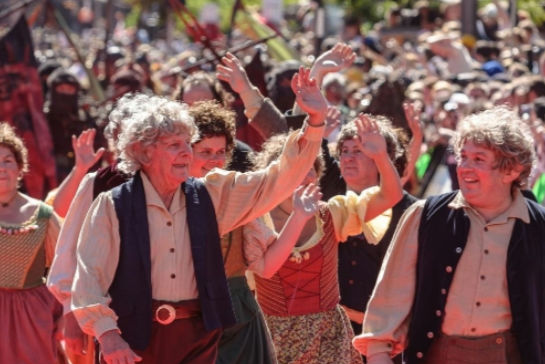
At its New Zealand premiere, The Lord of the Rings: The Return of the King reportedly received a standing ovation lasting over 20 minutes. Held in Wellington, the event felt more like a national celebration than a movie screening. Director Peter Jackson and the cast were applauded not only for the final installment, but for completing an unprecedented filmmaking achievement. The applause reflected years of audience investment and cultural pride. This ovation became symbolic of how deeply the trilogy embedded itself into global popular culture and New Zealand’s national identity.
5. Elvis Presley on The Ed Sullivan Show (1956)
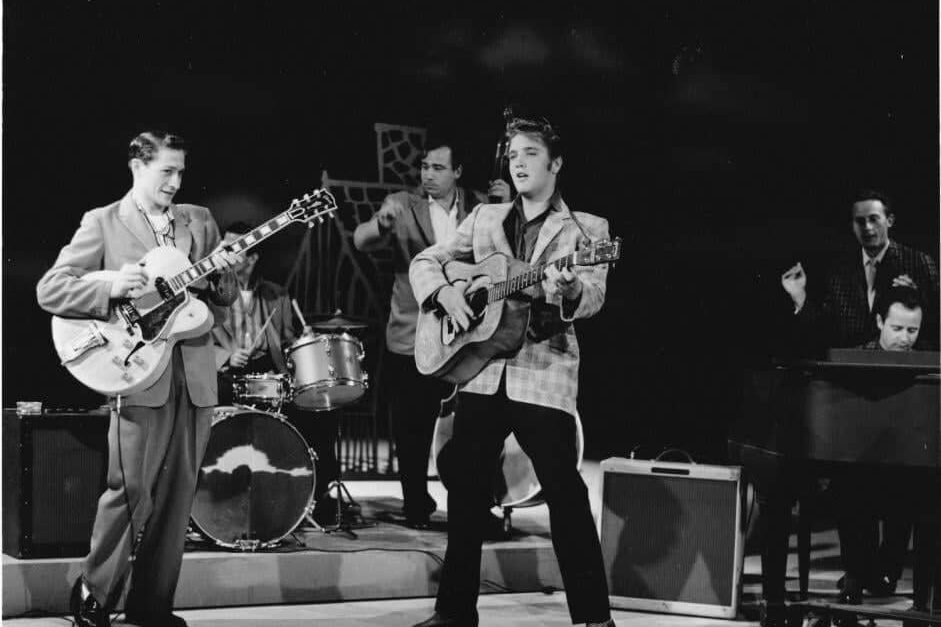
When Elvis Presley appeared on The Ed Sullivan Show in 1956, audience reaction was immediate and overwhelming. Though early broadcasts limited camera angles, the studio audience erupted into sustained applause and cheers that extended well beyond typical television etiquette. This ovation wasn’t just for a performance, it marked a cultural shift. Elvis represented a new sound, a new attitude, and a generational change in popular music. The prolonged audience response highlighted how powerfully he connected with young viewers, making this one of television history’s most influential and longest applause moments.
6. Les Misérables Final Broadway Performance (2003)
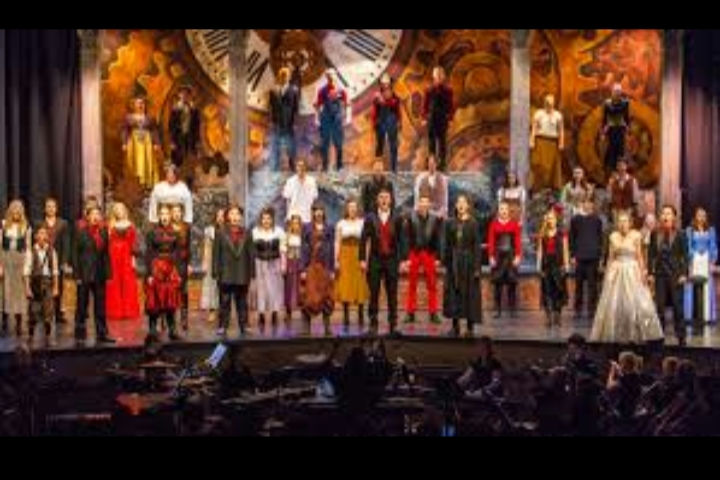
When the original Broadway production of Les Misérables closed in 2003 after 16 years, the final curtain call triggered a standing ovation lasting nearly 15 minutes. Audience members included longtime fans, cast alumni, and theater professionals who understood the show’s historic impact. The applause honored not just the night’s performers, but a production that redefined modern musical theater. Many spectators described the ovation as communal and emotional, with applause continuing through multiple bows. It remains one of Broadway’s most memorable send-offs.
7. Michael Jackson’s 1995 MTV Video Music Awards Appearance
Michael Jackson’s appearance at the 1995 MTV Video Music Awards generated an unusually long standing ovation before he even began performing. The audience applauded continuously for over two minutes as he stood silently on stage, allowing the moment to unfold. The ovation reflected Jackson’s unmatched influence during the peak of his career. Television audiences witnessed a rare pause where applause itself became the spectacle. It remains one of the clearest examples of audience reverence transforming into a historic broadcast moment.
8. The Pianist at Cannes 2002
The Pianist received a reported 12-minute standing ovation at Cannes, despite its harrowing subject matter. Directed by Roman Polanski, the film’s restrained storytelling left audiences stunned rather than celebratory. The applause emerged slowly, growing in intensity as viewers processed what they had witnessed. Critics noted the ovation’s unusual tone, somber, respectful, and deeply emotional. It signaled the film’s immediate critical impact and foreshadowed its success during awards season.
9. Luciano Pavarotti at the Metropolitan Opera
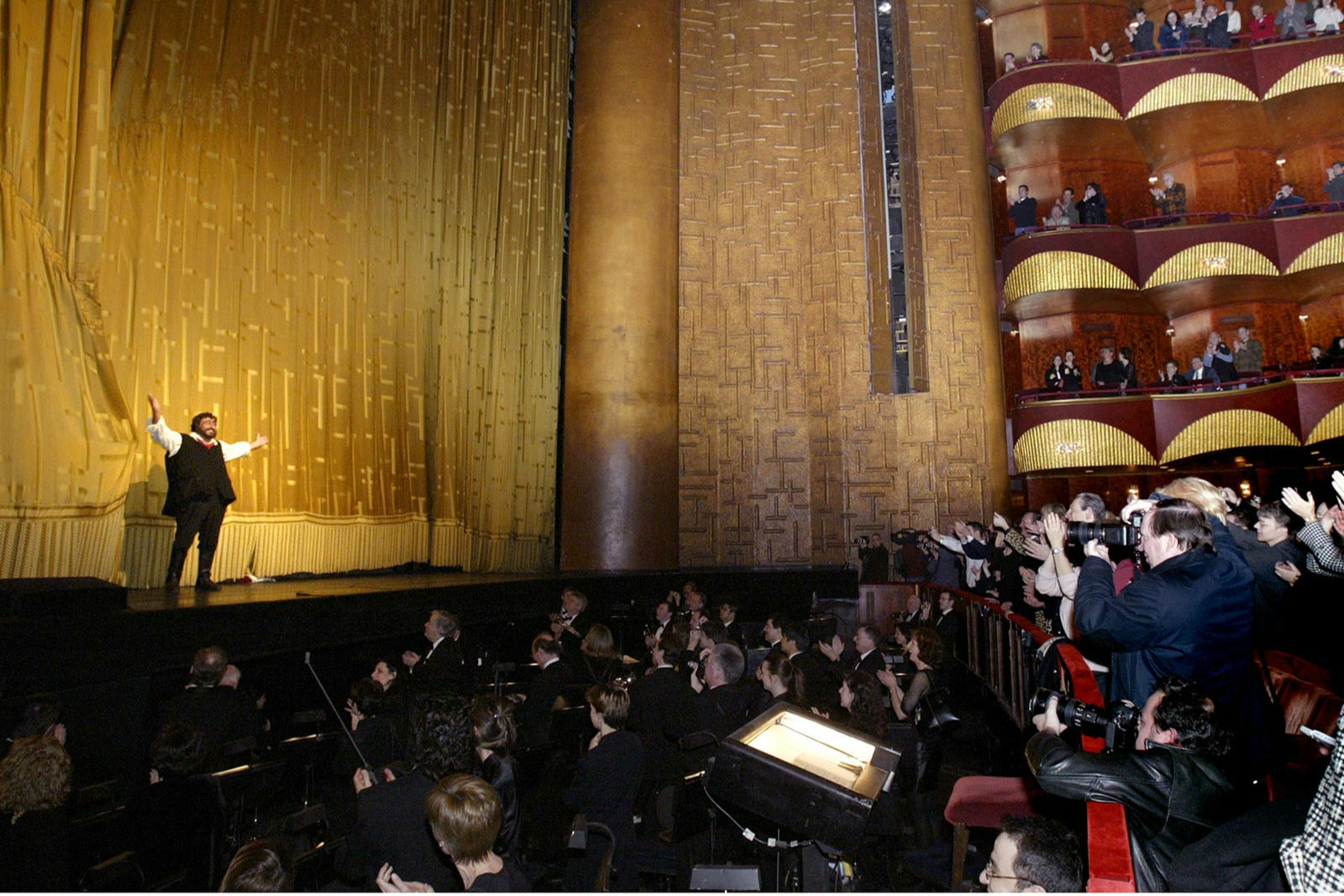
Opera legend Luciano Pavarotti received multiple ovations exceeding 10 minutes during peak performances at the Metropolitan Opera. One particularly famous instance followed his rendition of “Nessun Dorma,” where applause and repeated curtain calls stretched far beyond tradition. Opera audiences are known for their discipline, making such extended ovations especially meaningful. The applause acknowledged not only vocal mastery, but Pavarotti’s rare ability to make classical music accessible to wider audiences. These moments became benchmarks for operatic excellence.
10. Beyoncé at Coachella 2018
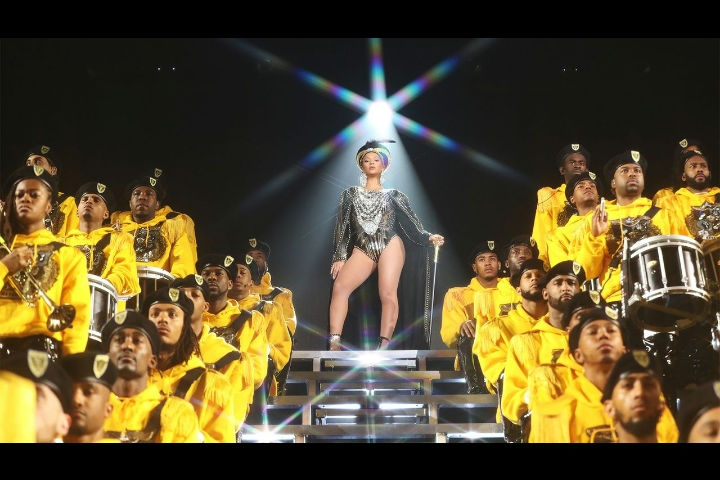
Beyoncé’s 2018 Coachella performance concluded with prolonged applause and cheers that continued well after she left the stage. Widely referred to as “Beychella,” the performance blended musical precision, cultural storytelling, and historical references to Black colleges and marching bands. Audience members remained standing, applauding and chanting in a rare festival-wide ovation. The moment quickly became a cultural reference point, with critics describing the response as unprecedented for a festival setting. It cemented the performance as one of live music’s defining moments.
11. Queen at Live Aid, Wembley (1985)
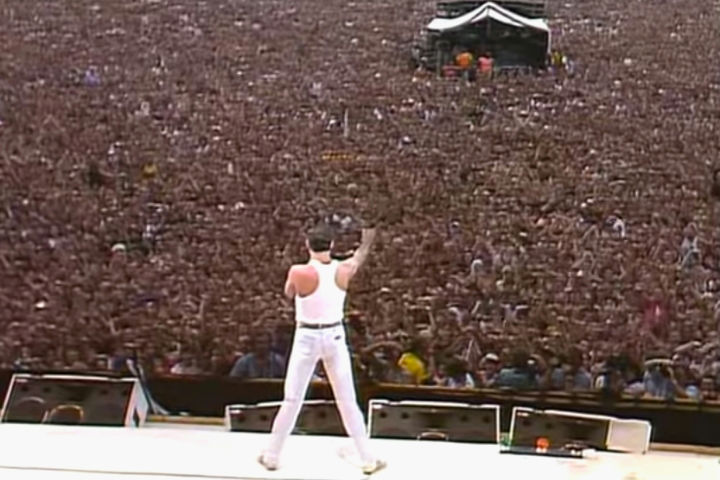
Queen’s 21-minute set at Live Aid became an instant legend: Freddie Mercury and the band seized control of Wembley Stadium with a tight, high-energy performance that flattened expectations and generated one of rock’s most sustained audience reactions. The crowd of some 72,000, plus a global TV audience in the hundreds of millions, responded with near-constant cheering and applause as Queen moved through “Bohemian Rhapsody,” “Radio Ga Ga,” and “We Are the Champions,” with the noise continuing as the band took their bows; the set is widely cited as among the single greatest live-appearance reactions in rock history.
12. Nelson Mandela Release Speech, Cape Town (1990)
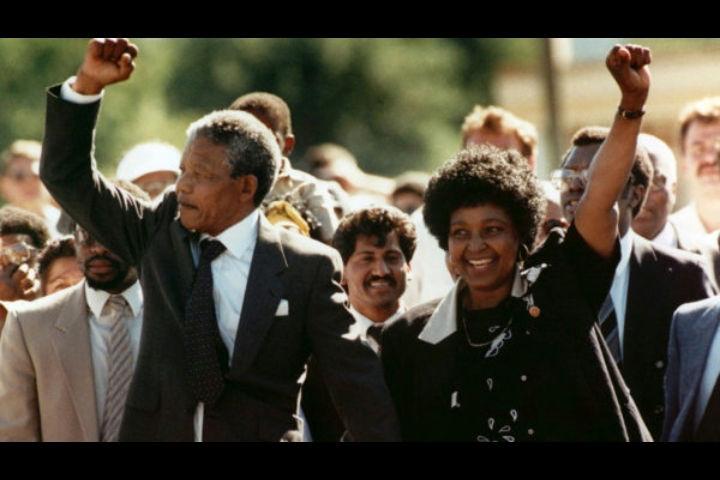
When Nelson Mandela walked free on 11 February 1990 and addressed the crowd in Cape Town, the reception went beyond applause into a prolonged, emotional ovation: thousands cheered, waved, and stood as the symbol of the anti-apartheid struggle spoke of peace, democracy, and reconciliation. The prolonged standing response reflected decades of sacrifice and immediate public relief, turning the moment into an international emblem of political triumph and popular embrace; contemporary reports and archival footage show a jubilant crowd that greeted him not merely with polite applause but with sustained, heartfelt recognition.
13. Susan Boyle Britain’s Got Talent Audition (2009)
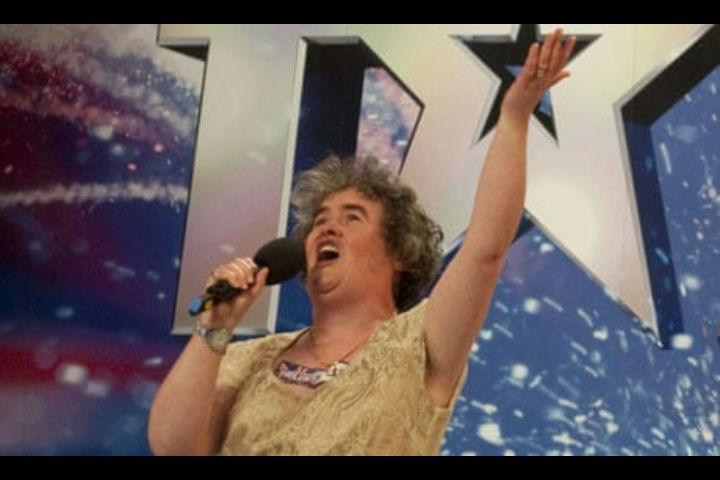
Susan Boyle’s 2009 audition stunned a packed studio and the TV audience: after she began singing “I Dreamed a Dream,” the room went from skeptical whispers to complete silence and then erupted into a standing ovation that felt both surprise and deep admiration. The reaction became a global viral moment, signaling the emotional power of an unexpected, world-class voice emerging from an ordinary life; media coverage at the time highlighted the immediate standing response as key to why Boyle’s performance circulated widely and launched her career, with viewers and fellow contestants visibly moved and applauding for an extended period.
14. Barack Obama Acceptance Speech at the DNC (2008)
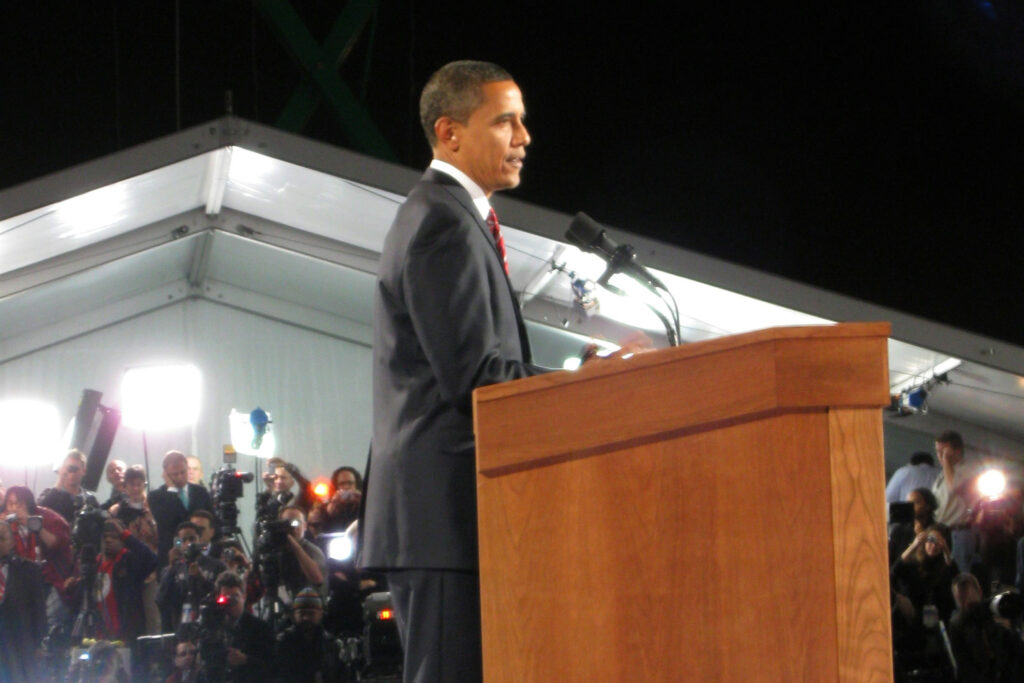
When Barack Obama accepted the Democratic nomination in Denver in August 2008, the stadium reaction was extraordinary: hundreds of delegates and thousands in the arena rose repeatedly, applauding his message of hope and change with long, sustained ovations that punctuated key lines and sometimes continued between paragraphs. The standing response captured the moment’s historic weight, a candidate who energized young voters and reshaped political expectations, and was widely replayed as evidence of the emotional bond between his rhetoric and supporters, marking the convention as a defining live-event reception.
15. Meryl Streep Oscars Standing Ovation (2017)
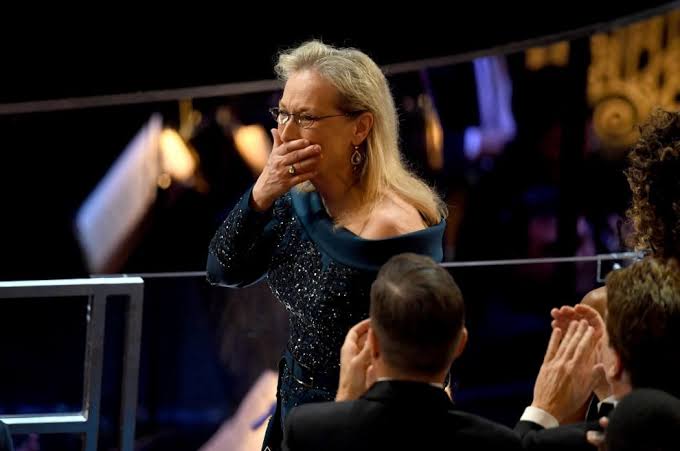
At the 2017 Academy Awards, Meryl Streep received a prominent standing ovation during the show’s opening segment after host Jimmy Kimmel cheekily asked the audience to acknowledge her, a response that echoed beyond the ceremony because it came amid public debate over her career and recent political commentary. The applause was warm, sustained, and visibly emotional for many attendees, reflecting both respect for Streep’s long, influential body of work and the moment’s broader cultural context; press coverage noted the ovation’s length and prominence as part of the evening’s most-discussed moments.


