
The Sitcom Break That Quietly Changed Her Life
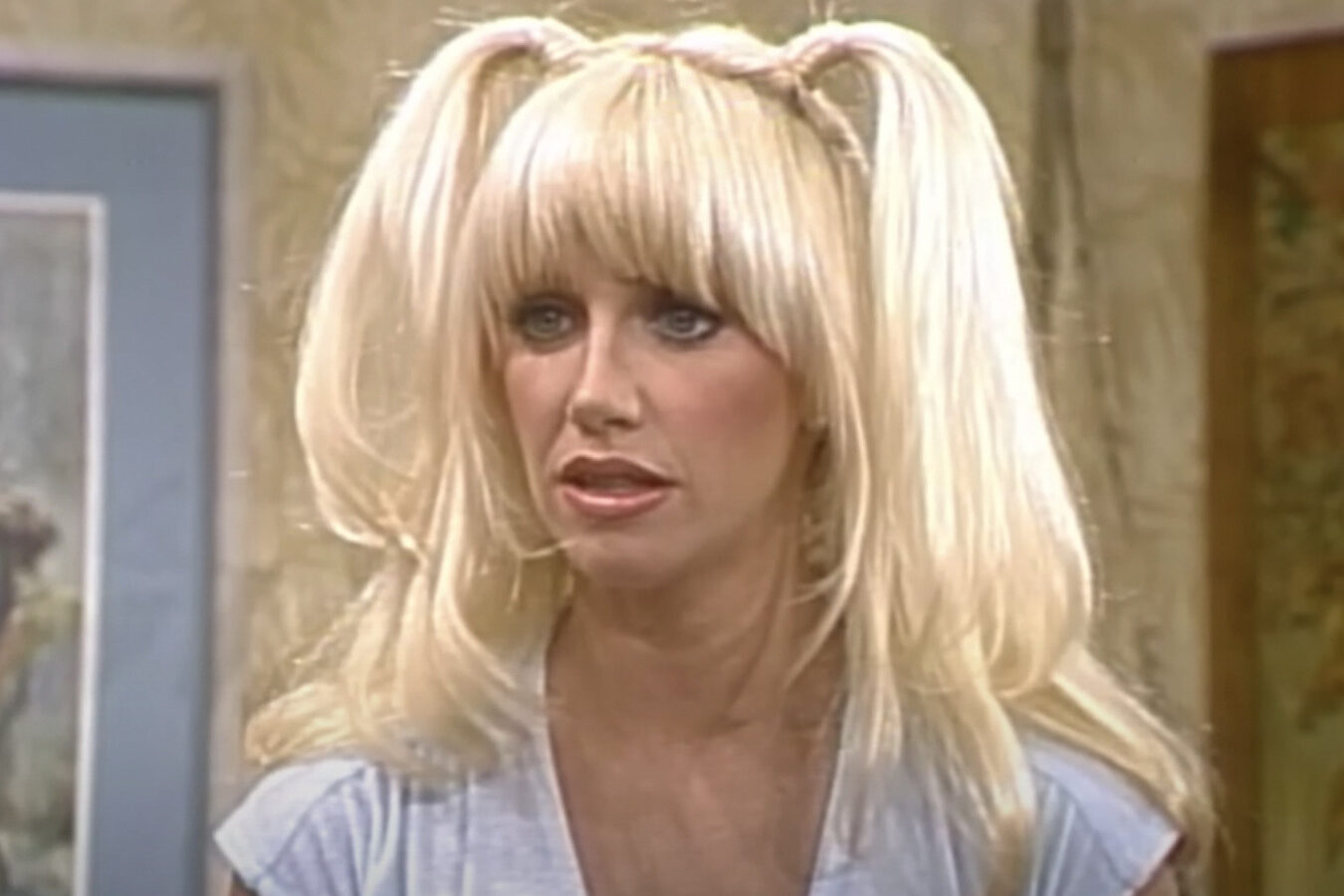
When Suzanne Somers first appeared as Chrissy on Three’s Company, viewers did not feel they were watching a distant Hollywood creation. She came across like someone cheerful, slightly clumsy, and warmly familiar, the kind of personality audiences instantly relax around. The show became one of the biggest sitcoms of its time, and very quickly her face was everywhere, from magazine covers to late night interviews. At that stage, most young actors would simply celebrate the success and trust the system to take care of the future. Somers, however, was already thinking further ahead about financial security, respect in the workplace, and what would happen once early fame settled into long term employment reality.
Those thoughts slowly turned into real contract conversations, and suddenly the dream job felt less simple than it once had. She found herself weighing something deeply relatable, whether to stay comfortable or speak up for what felt fair. That private professional tension became the first quiet turning point, because once that question enters your career, nothing ever feels entirely automatic again.
The Pay Dispute That Put Her Career At Risk
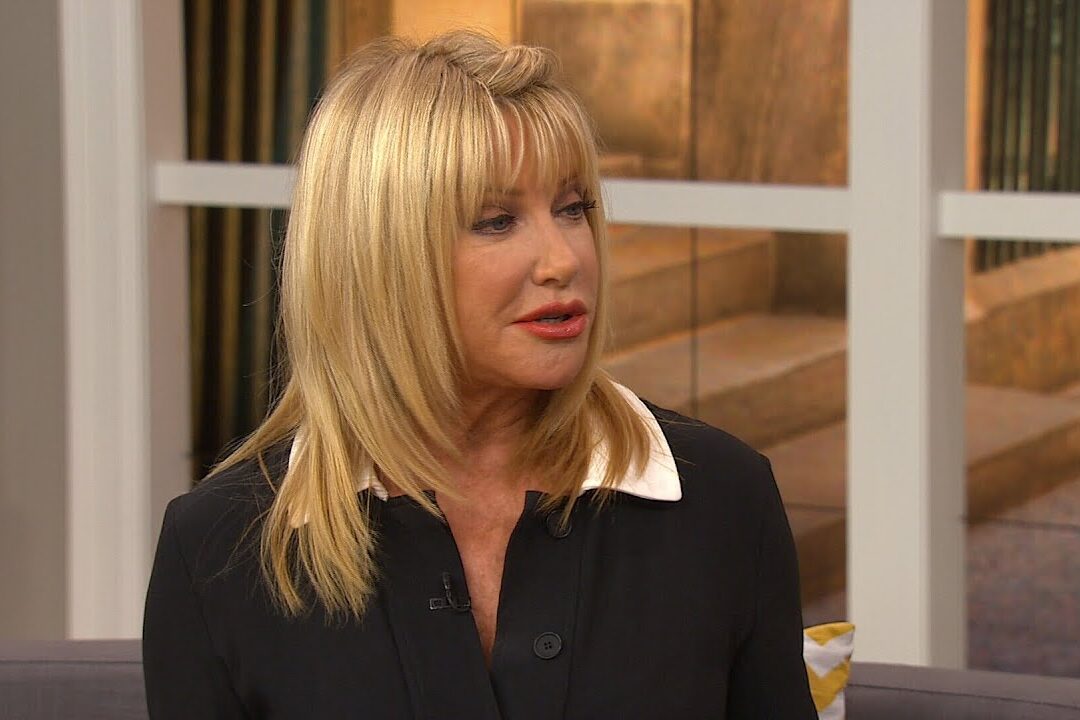
Once negotiations became public, the tone around Somers shifted faster than anyone expected. The same industry that had celebrated her success now framed the situation as a problem, and headlines often simplified a complicated workplace disagreement into a personality issue. Offers slowed, relationships cooled, and the sense of security that comes with a hit television role began slipping away. For any performer, that kind of sudden uncertainty can feel like the ground moving under your feet, especially when the public conversation grows louder than your own voice.
In later reflections, Somers often described this period not as the end of her momentum but as the beginning of her independence training. Without the steady protection of a network contract, she had to learn how income really works when you are responsible for creating it yourself. That shift from employee thinking to self directed thinking did not feel empowering at first. It felt frightening. Yet it slowly built the resilience that later allowed her to make unconventional decisions without waiting for approval.
The Years She Rebuilt Outside The Hollywood Spotlight
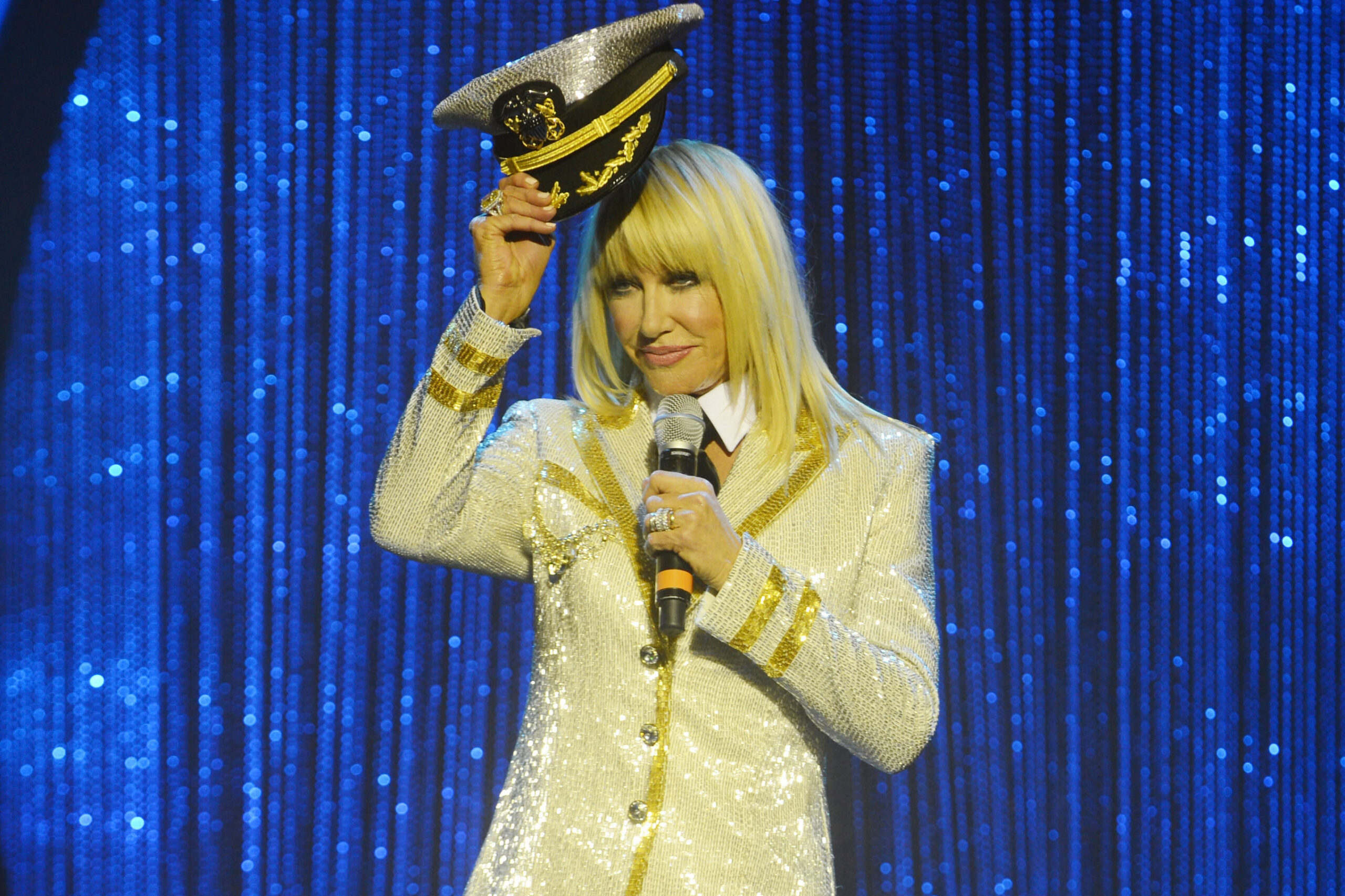
After the television door narrowed, Somers did something many stars quietly do but rarely highlight publicly. She worked wherever real audiences still welcomed her. Touring shows, stage appearances, and especially long Las Vegas performance runs became her new professional classroom. In those venues, there is no editing and no protective script structure. You stand in front of a live audience and either connect or you do not, and that honesty can sharpen a performer very quickly.
Night after night, she developed a different rhythm from her sitcom years. Instead of playing a character, she learned how to hold attention simply by being herself, telling stories, reacting naturally, and letting humor come from personality rather than scripted timing. That experience slowly reshaped her confidence. More importantly, it taught her that her real long term strength was not tied to one television role. It lived in her ability to build genuine audience connection wherever she showed up.
The Moment She Decided To Stop Waiting
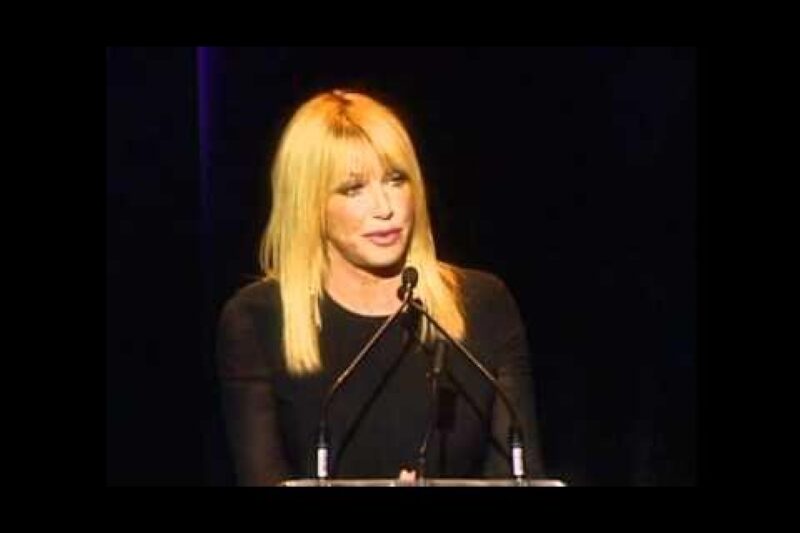
Some career shifts come with a dramatic announcement, but Somers’ real turning point happened more quietly in her daily choices. After enough unpredictable seasons, she stopped structuring her life around the hope that Hollywood casting decisions would rescue her timeline. Instead, she began exploring writing opportunities, speaking engagements, and partnerships that allowed her to remain visible while controlling her own schedule and creative direction.
This mental shift changed everything about how she evaluated success. The goal stopped being a return to the exact sitcom path she once had. The goal became building a broader professional identity that could survive industry changes. That mindset made her more open to opportunities that might previously have seemed too unconventional for a television actress protecting a traditional image. Ironically, that openness prepared her perfectly for the unexpected offer that would soon place her back into millions of living rooms in a completely different format.
The Fitness Opportunity Everyone Else Questioned
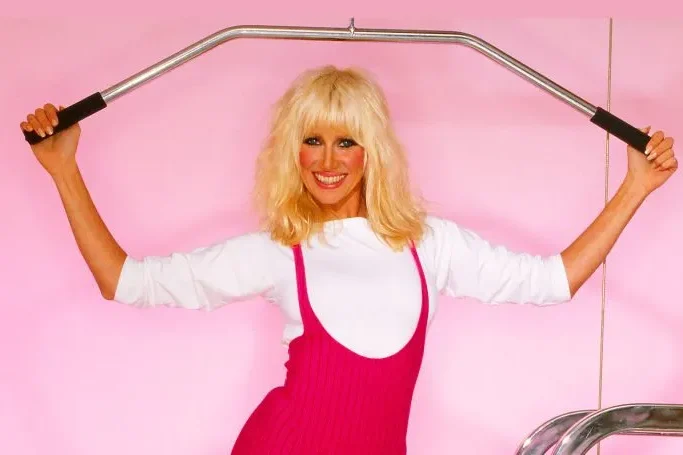
When the fitness product proposal first reached her, it did not look like the glamorous comeback script many people imagine for television stars. Infomercials at the time carried a reputation for being the final stop for fading celebrity visibility, and several advisors reportedly warned her to protect her legacy by declining. Somers, however, approached the idea from a practical audience perspective rather than a prestige perspective. She thought about the everyday viewers at home and whether she could genuinely speak to them about health, body confidence, and realistic routines that fit normal schedules.
During filming, she leaned fully into a friendly conversational delivery, speaking as if she were talking to one person instead of broadcasting to millions. That authenticity made the campaign feel personal rather than promotional. Viewers responded immediately, sales surged, and the product became one of the most recognizable home fitness successes of its era. More importantly, it proved she could rebuild public trust simply by sounding like herself.
The Moment Audience Trust Became Her Real Currency
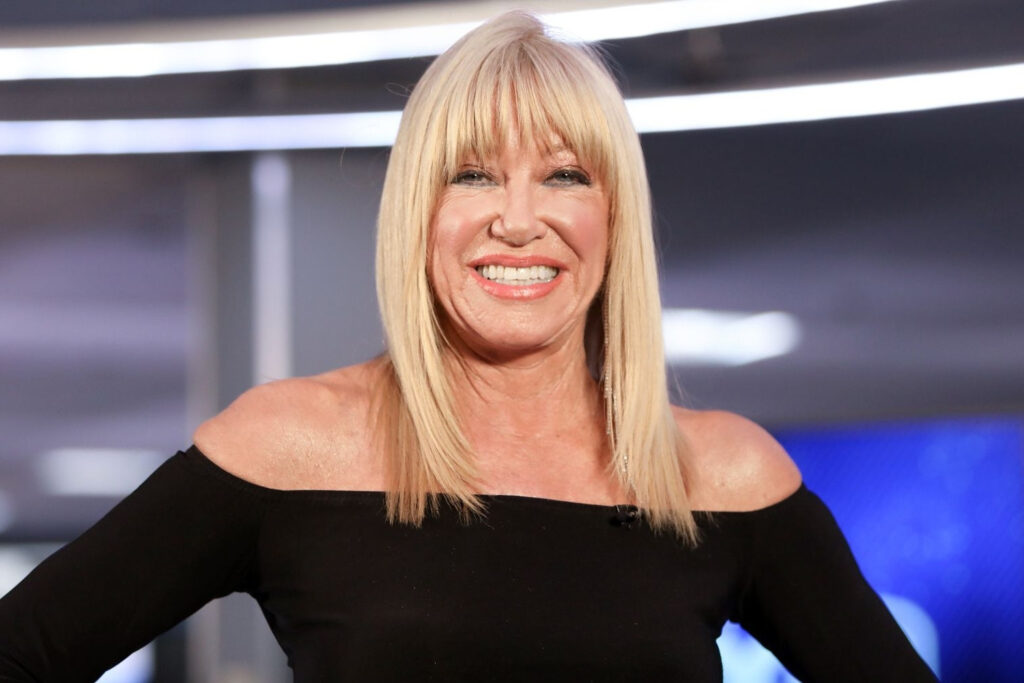
After the fitness campaign succeeded, something deeper than sales numbers began to change. Viewers were no longer seeing Suzanne Somers only as a sitcom actress from the past. They were beginning to trust her voice as Suzanne the person. Letters arrived from women who felt encouraged by her openness and by how naturally she spoke about everyday concerns like staying active, feeling confident, and managing real life responsibilities. That kind of connection is difficult to manufacture because it grows from consistency rather than performance.
Somers recognized that this trust was more valuable than any single acting role. Instead of chasing quick publicity, she began focusing on maintaining that honest tone wherever she appeared. Interviews became more conversational, public appearances felt more relaxed, and her messaging centered on practical encouragement rather than celebrity polish. Without making a dramatic announcement, she had quietly moved into a new phase of her career where audience relationship, not studio approval, became the strongest foundation supporting everything she chose to do next.
The Natural Shift Toward Writing And Sharing Her Story
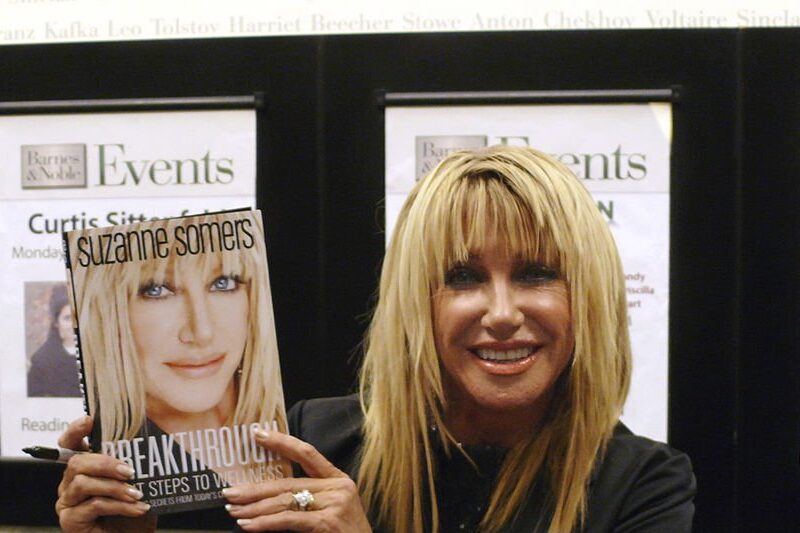
Once audiences trusted her voice, writing books became a very natural next step. Publishing allowed her to explain ideas in full sentences, share personal experiences, and speak directly to readers without television time limits. Her topics focused on wellness, aging, lifestyle balance, and the everyday questions many people quietly carry but rarely see discussed honestly by public figures. The tone felt conversational and personal, which made readers feel like they were listening to someone who had actually lived through the situations she described.
Book tours strengthened that bond even more. Readers attended events not just for signatures but to talk, ask questions, and share their own journeys. That exchange reinforced something Somers already sensed, which was that her career strength now lived in direct communication rather than scripted performance. By this stage, her professional life no longer depended on casting calls. It depended on maintaining an ongoing conversation with an audience that genuinely wanted to hear what she would say next.
The Talk Show Appearances That Kept Her Familiar
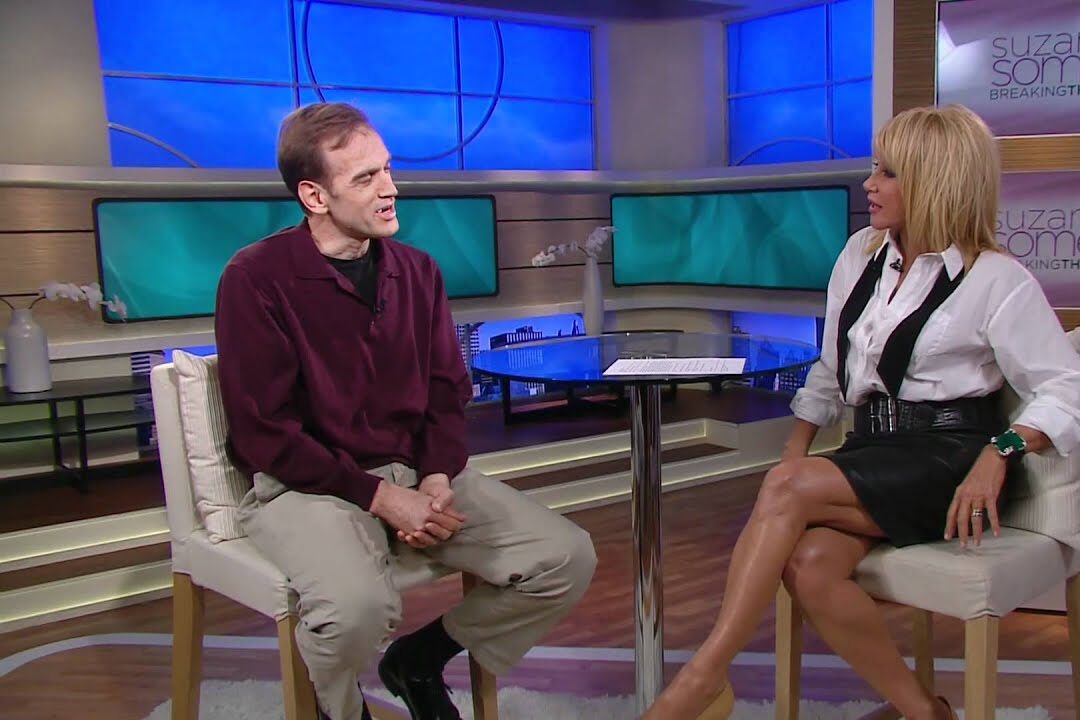
Regular talk show invitations played an important role in keeping Somers visible during years when acting was no longer her main professional focus. Producers liked booking her because she spoke comfortably, answered questions openly, and brought an approachable warmth that balanced serious topics with humor. Viewers at home often felt they were watching someone genuine rather than someone delivering carefully rehearsed promotional lines. That sense of ease made her segments memorable even among crowded guest schedules.
These appearances also allowed her to explain her projects in her own words and respond directly to public curiosity or criticism. Instead of disappearing between ventures, she remained part of the everyday television conversation. Over time, this steady presence helped normalize her transition from sitcom performer into lifestyle personality. For audiences, the change did not feel sudden. It felt like watching someone gradually grow into a broader public role while staying recognizably herself.
The Business Thinking That Stabilized Her Career
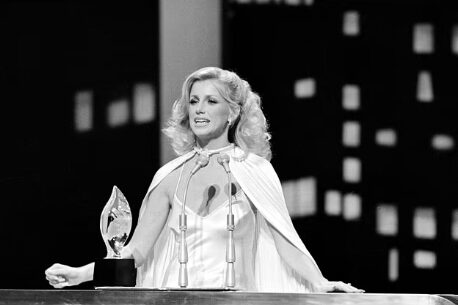
By the time her brand expanded across television, books, and endorsements, Somers had fully adopted a business focused mindset. She evaluated opportunities not only by immediate income but by whether they strengthened her long term connection with the audience that supported her work. This practical approach reduced the unpredictability that often affects entertainment careers built only on short contracts and seasonal roles.
That awareness shaped how she scheduled projects, chose collaborations, and paced public appearances. Instead of accepting every offer for visibility, she selected opportunities that fit the supportive and conversational image she had spent years building. The strategy required patience, but it created a steadier professional rhythm that did not depend on sudden hits or lucky casting decisions. At this point, she was no longer reacting to industry shifts. She was managing her career like an ongoing enterprise with clear direction.
The Personal Health Conversations That Deepened Connection
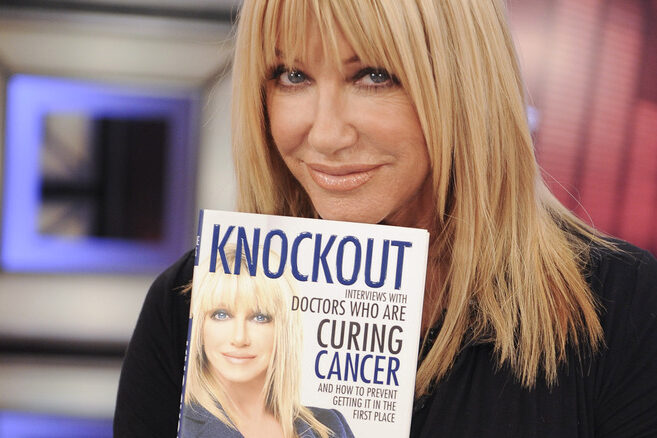
As her public voice grew stronger, Somers began speaking more openly about her own health experiences and aging journey. Rather than presenting an untouched celebrity image, she discussed the adjustments, fears, and learning curves that naturally come with getting older. Many viewers found comfort in hearing someone public admit to the same uncertainties they faced privately, which made her message feel grounded rather than aspirational.
Sharing those experiences transformed personal vulnerability into shared conversation. Audiences felt she was walking alongside them rather than instructing from above. This openness expanded her influence beyond entertainment into broader lifestyle discussion, where her role felt closer to a familiar guide than a performer promoting a project. By this stage of her life, her presence in public culture rested less on past television fame and more on the steady relationship she had built through honesty, relatability, and ongoing dialogue.
The Family Focus That Made Her Feel Relatable

As Suzanne Somers’ career expanded beyond acting, one thing that consistently grounded her public image was how openly she spoke about her home life and long marriage. Instead of presenting a distant celebrity lifestyle, she often framed success through everyday routines, shared responsibilities, and the small habits that keep relationships steady over time. Fans frequently responded to this because it felt recognizable. Many public figures talk about achievements, but Somers talked about maintaining a life, which made her advice feel rooted in real experience rather than publicity messaging.
This emphasis on stability quietly strengthened audience trust. Viewers felt they were listening to someone who valued the same daily priorities they did, from family dinners to long term partnership effort. That emotional familiarity helped her transition from television personality into a broader lifestyle voice without resistance. By consistently showing the personal side of her life, she reinforced the sense that her journey was not about chasing fame endlessly but about building something durable both professionally and privately.


