
1. The STD/STI Surge in Retirement Hotspots

Beneath the relaxed pace and postcard views, some unexpected realities quietly unfold. Popular retirement destinations such as The Villages in Florida have drawn attention from public health researchers for unusually high rates of sexually transmitted diseases among older adults. Studies from the U.S. Centers for Disease Control and Prevention show that STD rates among people aged 55 and older have risen steadily since the early 2000s. Experts link this trend to longer life expectancy, limited condom use after menopause, and active social scenes that include dancing clubs and dating networks. Many seniors grew up before widespread sex education or HIV awareness, making prevention less familiar. The issue challenges stereotypes about ageing and highlights a real public health concern unfolding in places often viewed as quiet, wholesome havens for retirement living.
2. Tourist Islands as Disease Gateways

Tropical islands with heavy tourist traffic have historically played roles in the rapid spread of infectious diseases. During outbreaks such as Zika, dengue fever, and COVID-19, destinations like Hawaii, the Caribbean, and Southeast Asian resort hubs saw early case introductions through international travellers. Warm climates allow mosquitoes that carry viruses to thrive year-round, while crowded resorts make transmission easier. Health authorities have repeatedly documented how tourism accelerates exposure before symptoms appear. While these locations remain safe for most visitors, researchers stress that paradise-like settings can unintentionally act as global entry points for illness, especially when surveillance and healthcare resources are stretched during peak travel seasons.
3. Cult Movements Drawn to Utopian Settings

Remote beaches, rural communes, and sunny retreat-style locations have long attracted cult leaders promising spiritual renewal and escape from modern pressures. Historical examples include groups establishing communities in California, Hawaii, and parts of the Caribbean during the 1960s and 1970s counterculture era. Sociologists note that isolation, idealised nature, and a desire for reinvention make such settings appealing for recruitment. These movements often begin peacefully before becoming controlling or harmful. While most spiritual retreats are harmless, documented cases show that paradise-like environments can lower scepticism, allowing charismatic leaders to gain influence away from outside oversight or accountability.
4. Crime Behind the Vacation Glow

Resort towns often appear tranquil, but crime statistics sometimes tell a more complex story. Areas with seasonal tourism can experience spikes in theft, fraud, and assault during peak travel months. Research from criminology studies shows that crowded destinations provide anonymity for offenders and distractions for visitors. Pickpocketing, rental scams, and identity theft are commonly reported in beach cities across Europe, the Americas, and Southeast Asia. Local economies may depend heavily on tourism, discouraging open discussion of these issues. While violent crime rates are often low, experts emphasise that visitors should remain aware, as paradise settings can create a false sense of security.
5. Environmental Damage Hidden by Beauty
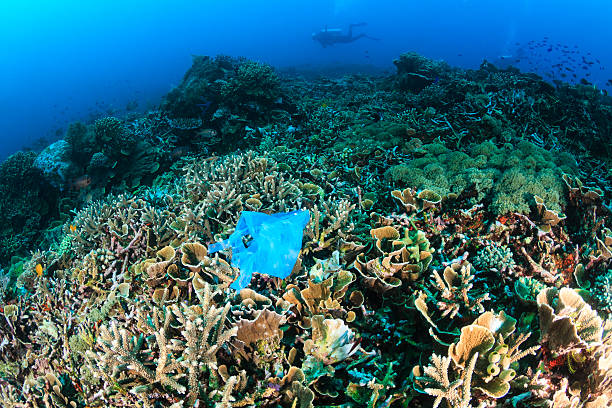
Many of the world’s most beautiful destinations face severe environmental stress caused by over-tourism. Coral reefs in places like Thailand, Australia, and Mexico have suffered bleaching and physical damage from boat traffic, sunscreen chemicals, and overcrowding. National parks and islands have been temporarily closed by governments after scientists documented ecosystem collapse. These impacts are well-documented by conservation organisations and environmental researchers. While visitors may see crystal-clear water and lush landscapes, the long-term effects include wildlife loss, water shortages, and erosion. Paradise often survives on a fragile balance, one that mass tourism can quietly disrupt if left unmanaged.
6. Party Culture and Public Health Blind Spots

Beach destinations known for nightlife, such as Ibiza, Cancun, and parts of Thailand, have been repeatedly flagged in public health studies for increased risks of alcohol-related harm and unprotected sex. Research shows that holiday environments lower inhibitions, leading to behaviour people might avoid at home. Temporary visitors often skip routine health precautions, while local clinics report seasonal spikes in injuries and infections. Authorities have introduced awareness campaigns and mobile clinics in some hotspots, but enforcement remains difficult. The relaxed atmosphere that attracts tourists can also reduce perceived consequences, allowing preventable health risks to quietly flourish beneath the music, sunshine, and celebration that define these destinations.
7. Swinger Communities in Unexpected Places

Several well-documented swinger and open-relationship communities have emerged in suburban and resort-style areas rather than major cities. Sociological research points to retirement hubs and planned communities, especially in the United States, where active social calendars and privacy intersect. These communities often operate discreetly through clubs, private events, or online forums. While consensual and legal, health experts note higher-than-average STD transmission risks when safe practices are not consistently followed. The phenomenon challenges assumptions about conservative lifestyles in quiet, sunny regions and highlights how social freedom can coexist with environments often marketed as wholesome and traditional.
8. Drug Trafficking Through Paradise Ports

Major tourist ports and island airports have historically been exploited as transit points for international drug trafficking. Law enforcement agencies have documented cases in the Caribbean, Mediterranean, and Pacific islands where high passenger volumes make detection harder. Smugglers often blend into tourist crowds or use private boats and yachts common in resort areas. While most visitors never encounter these activities, seizures reported by customs authorities reveal a hidden criminal layer operating alongside tourism. These findings underscore how global crime networks sometimes exploit the same features that make destinations attractive to travellers: accessibility, constant movement, and relaxed atmospheres.
9. Missing Persons Cases That Go Unnoticed
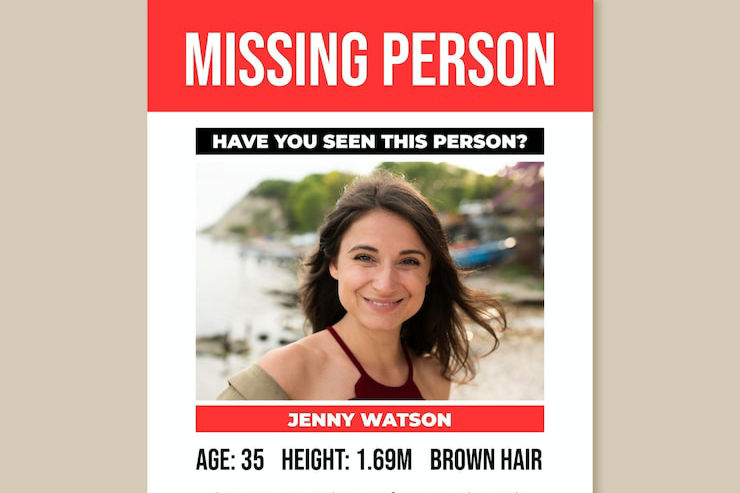
Tourist-heavy locations occasionally record higher numbers of missing persons cases involving visitors. Studies show that temporary travellers are harder to track due to limited local ties and short stays. In places like national parks, islands, and festival towns, disappearances may initially be mistaken for extended travel or early departures. Law enforcement reports indicate that delayed investigations can reduce recovery chances. While most cases are eventually resolved, some remain unsolved for years. The issue highlights how transient populations, language barriers, and limited coordination between countries can allow serious incidents to fade quietly into the background.
10. Health Systems Strained by Seasonal Surges

Small paradise destinations often struggle with healthcare capacity during peak tourist seasons. Hospitals and clinics designed for local populations can become overwhelmed when visitor numbers multiply. Academic studies from island nations show increased wait times, staff shortages, and resource strain during holidays. Emergencies involving tourists may divert care from residents, creating tension within communities. Governments have experimented with tourist health levies and temporary medical staffing, but challenges persist. Behind the relaxed image of paradise, essential services can operate under constant pressure, revealing vulnerabilities that are rarely visible in promotional travel material.
11. Wildlife Risks Tourists Underestimate

Many scenic destinations are home to wildlife that poses genuine risks when approached without caution. Documented incidents include monkey bites in Southeast Asia, jellyfish stings in Australia, and shark encounters in popular swimming areas. Wildlife experts consistently warn that animals accustomed to human presence may behave unpredictably. Tourists seeking close-up photos often ignore posted guidelines, leading to injuries and disease transmission. Rabies, for example, remains a concern in regions where animal contact is common. These risks do not negate the beauty of such places, but they underline the importance of respecting natural boundaries even in seemingly gentle environments.
12. Informal Settlements Behind Luxury Resorts
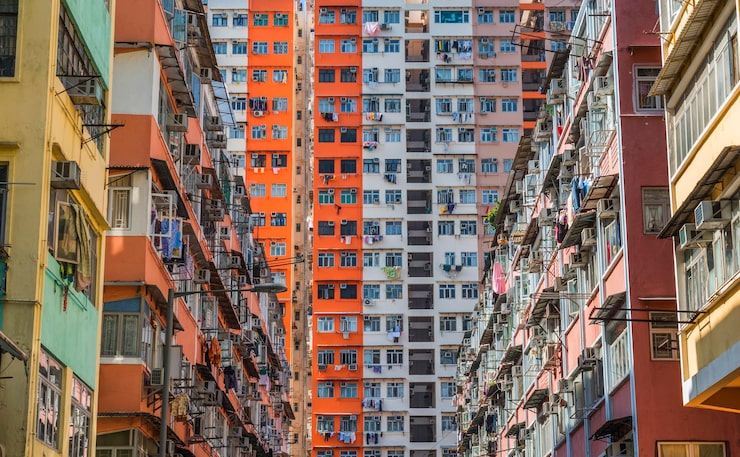
In several global resort destinations, luxury developments exist alongside informal or impoverished communities. Urban studies document this pattern in parts of the Caribbean, Brazil, and Southeast Asia. Workers who support the tourism industry often live in overcrowded conditions with limited access to sanitation and healthcare. These inequalities can contribute to higher disease transmission and social tension. While tourists experience comfort and exclusivity, nearby residents face daily challenges that remain largely invisible. Researchers argue that sustainable tourism must address these disparities to prevent long-term public health and social consequences hidden just beyond resort walls.
13. Alcohol-Fuelled Accidents in Holiday Zones

Emergency room data from tourist regions consistently show spikes in alcohol-related accidents during peak seasons. Falls, drownings, traffic crashes, and boating incidents are commonly reported. Studies link unfamiliar environments, heat, and excessive drinking to impaired judgement. In coastal areas, strong currents and night swimming increase drowning risks. Local authorities often launch safety campaigns, but short-term visitors may not absorb warnings. These incidents highlight how relaxation and celebration, when unchecked, can turn dangerous. Paradise settings can amplify risk when environmental hazards combine with lowered personal caution.
14. Cultural Exploitation Framed as Entertainment

Some destinations have faced criticism for turning local culture into performative attractions stripped of context. Anthropologists note that traditional ceremonies, clothing, and rituals are sometimes altered to suit tourist expectations. While tourism can support cultural preservation, poorly managed practices may exploit communities or misrepresent heritage. This dynamic has been documented in island nations and indigenous regions worldwide. The result is often economic gain paired with cultural loss. Beneath the colourful shows and smiling photographs, deeper conversations continue about respect, authenticity, and who truly benefits from cultural exposure in paradise locations.
15. Natural Disaster Vulnerability in Dream Locations
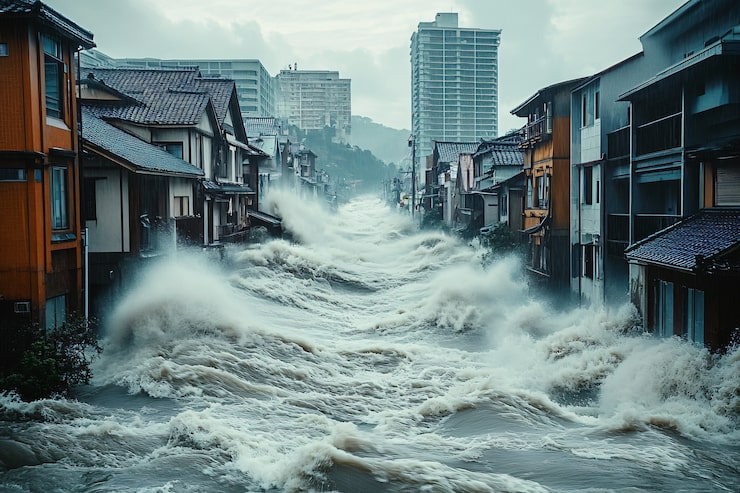
Many paradise destinations sit in regions prone to hurricanes, earthquakes, volcanic eruptions, or tsunamis. Scientific records show that tropical islands and coastal resorts face disproportionate climate risks. Tourists may be unaware of evacuation routes or emergency systems, increasing danger during sudden events. Local infrastructure, often designed for beauty rather than resilience, can suffer severe damage. While these places rebuild quickly to sustain tourism, residents face lasting impacts. The idyllic image of paradise often overlooks the constant preparedness required to live safely in environments shaped by powerful natural forces.
16. Infectious Diseases Linked to Climate Conditions
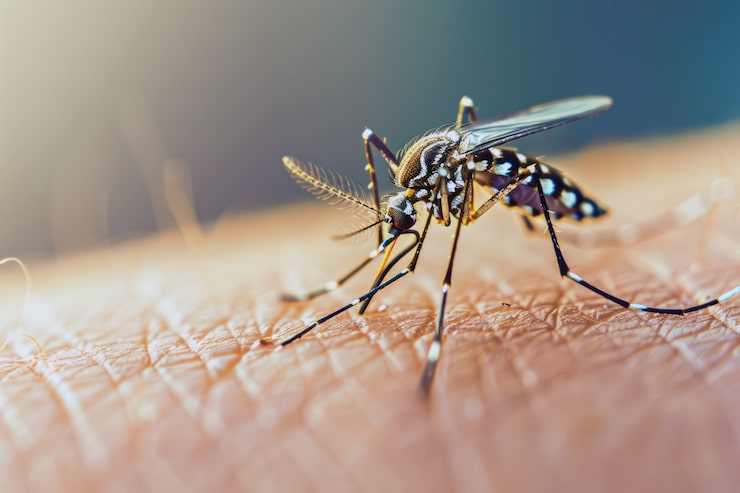
Warm, humid climates common to tropical destinations support the spread of mosquito-borne illnesses such as malaria, dengue, and chikungunya. Public health research shows that climate change has expanded mosquito habitats, increasing exposure risk in areas once considered low-threat. Tourists may lack immunity or awareness, leading to imported cases abroad. Local health systems must balance visitor safety with ongoing prevention efforts. These diseases rarely dominate travel advertising, yet they represent a persistent reality in many paradise regions where environmental conditions favour silent transmission.
17. Human Trafficking Along Tourist Corridors

International organisations have documented how tourist hubs can overlap with human trafficking routes. High demand for hospitality labour and anonymity among visitors create opportunities for exploitation. Cases have been reported in coastal cities and island destinations worldwide. Victims may be hidden in plain sight, working in hotels, bars, or private residences. While tourism itself is not the cause, researchers stress that increased vigilance and ethical travel practices are essential. This darker reality contrasts sharply with postcard imagery but remains an issue authorities and advocates continue to confront.
18. Water Shortages Despite Ocean Views
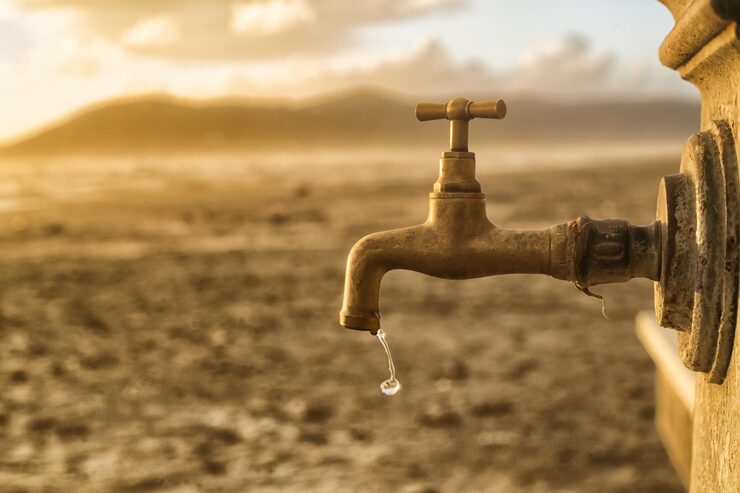
Several island and resort communities face severe freshwater shortages despite being surrounded by water. Studies from places like Cape Town, Bali, and parts of the Mediterranean show that tourism significantly increases water demand. Swimming pools, golf courses, and hotels consume resources faster than local supplies can replenish. Desalination and water importation are costly solutions with environmental trade-offs. Residents may face restrictions while tourists remain unaffected. This imbalance reveals how paradise aesthetics can mask serious sustainability challenges beneath the surface.
19. Sun Exposure and Rising Skin Cancer Rates

Dermatology research consistently links high sun exposure in tropical and coastal areas to increased skin cancer risk. Tourist destinations report elevated cases among residents and frequent visitors alike. The combination of strong ultraviolet radiation, outdoor activities, and inconsistent sunscreen use contributes to long-term damage. Public health campaigns promote protective clothing and shade, but behaviour change remains slow. The appeal of sunshine, central to paradise imagery, carries health consequences that often appear decades later, quietly challenging the notion of carefree outdoor living.
20. The Mental Health Toll of Seasonal Economies

Behind the cheerful atmosphere of resort towns, workers often face unstable employment tied to tourist seasons. Economic studies show higher stress, anxiety, and burnout among hospitality workers during peak periods, followed by financial insecurity in off-seasons. Long hours, customer pressure, and housing shortages add strain. While visitors experience relaxation, locals may endure cycles of exhaustion and uncertainty. This hidden cost reminds us that paradise is not experienced equally by everyone and that the human effort sustaining it often goes unnoticed.
21. Cruise Ships as Floating Disease Hubs

Cruise ships visiting tropical and coastal destinations have been extensively studied as environments where infectious diseases can spread rapidly. Norovirus outbreaks, in particular, are well-documented by public health agencies due to shared dining spaces, recycled air, and close living quarters. While sanitation protocols have improved, research shows that even a single infected passenger can trigger widespread exposure before symptoms appear. These ships often dock at paradise ports, potentially introducing illnesses to local communities. The issue highlights how luxury travel and global mobility can unintentionally transform idyllic destinations into temporary public health pressure points.
22. Coral Reef Injuries and Marine Hazards
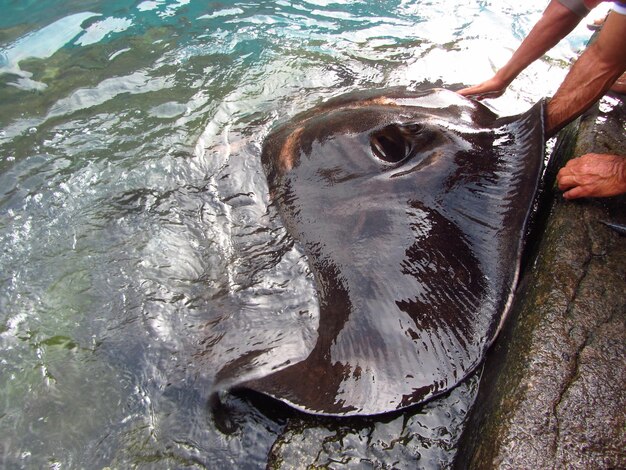
Snorkelling and diving accidents are more common than many tourists realise. Medical journals report frequent injuries from sharp coral, sea urchins, stingrays, and jellyfish in popular reef areas. Cuts sustained underwater can easily become infected due to marine bacteria. Many travellers underestimate these risks, assuming calm waters equate to safety. Local clinics in reef destinations often treat preventable injuries caused by poor footwear or lack of awareness. These incidents show that even serene, crystal-clear seas require respect and preparation.
23. Illegal Fishing Hidden in Tourist Waters

Behind scenic coastlines, illegal and unregulated fishing has been documented in waters near popular resorts. Environmental monitoring organisations report that poaching often occurs at night or offshore, out of sight of tourists. This practice threatens marine ecosystems and local fishing livelihoods. In some regions, coral damage and declining fish populations have been directly linked to illegal activity. While visitors enjoy fresh seafood and ocean views, enforcement agencies continue a quiet struggle to protect fragile environments from exploitation occurring just beyond the horizon.
24. Overcrowding That Pushes Locals Out

As paradise destinations gain global attention, rising property prices and short-term rentals can displace local residents. Housing studies from cities like Barcelona, Honolulu, and Bali show that tourism-driven demand reduces long-term housing availability. Workers essential to the tourism industry are often forced to live farther away or in overcrowded conditions. While visitors experience charm and convenience, communities face gradual erosion. This hidden cost of popularity reshapes neighbourhoods and challenges the sustainability of destinations marketed as welcoming and authentic.
25. Emergency Response Delays in Remote Havens

Remote islands and secluded resorts often lack rapid emergency response capabilities. Medical evacuations may depend on weather conditions, boat availability, or limited air transport. Studies in travel medicine highlight increased risks for heart attacks, severe injuries, or allergic reactions in isolated destinations. While most trips remain uneventful, delayed care can have serious consequences. These realities contrast with the sense of total escape marketed by secluded paradises, reminding travellers that remoteness carries practical trade-offs.
26. Mosquito Resistance to Control Measures

Public health research has shown that mosquitoes in some tropical regions have developed resistance to commonly used insecticides. This makes controlling disease outbreaks more difficult despite regular spraying. Destinations reliant on tourism may hesitate to publicise these challenges to avoid alarm. As a result, prevention often falls on individual behaviour, such as repellents and protective clothing. The quiet evolution of resistant mosquito populations adds another layer to the health risks present in warm, sunny environments.
27. The Rise of Fake “Wellness” Retreats
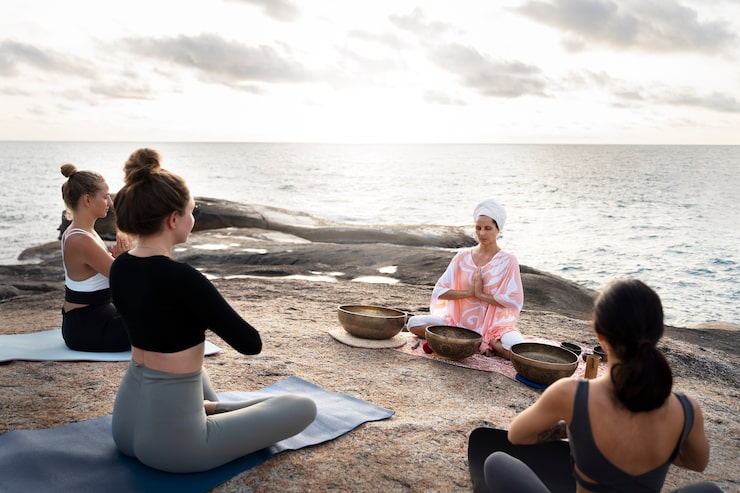
Wellness tourism has grown rapidly in paradise locations, but investigations have revealed that some retreats operate without medical oversight or proper credentials. Reports from regulatory bodies show cases of unlicensed detox programmes, unsafe fasting practices, and misleading health claims. Visitors seeking healing may unknowingly expose themselves to harm. While many retreats are legitimate, the lack of standard regulation in some regions allows questionable operations to thrive. This trend illustrates how the promise of renewal can sometimes mask real physical risks.
28. Underreported Workplace Injuries in Tourism Jobs

Hospitality and tourism workers experience high rates of repetitive strain injuries, heat exhaustion, and accidents, according to labour studies. However, underreporting is common due to temporary contracts and fear of job loss. In hot climates, long hours compound physical stress. Tourists rarely see these conditions, yet they underpin the smooth operation of paradise experiences. The gap between visitor comfort and worker safety remains a largely invisible issue within the tourism economy.
29. Waste Management Struggles on Small Islands
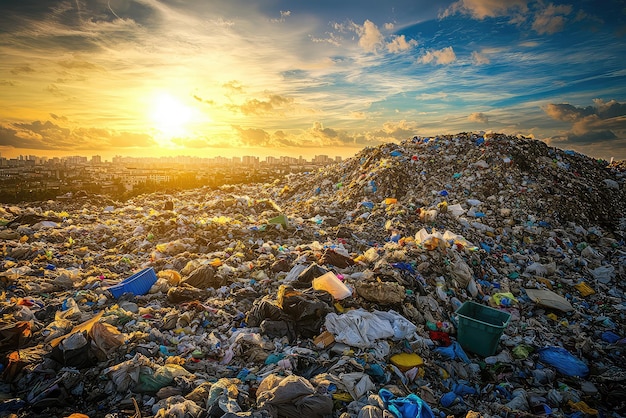
Small islands often lack infrastructure to manage the waste generated by tourism. Environmental studies document growing landfills, ocean dumping, and plastic pollution in popular destinations. Imported goods increase waste volume beyond what local systems were designed to handle. While beaches may appear clean near resorts, waste is often relocated rather than eliminated. This ongoing challenge threatens ecosystems and public health, revealing how paradise aesthetics can hide complex environmental problems.
30. The Illusion of Escape From Global Problems

Perhaps the most subtle reality is the belief that paradise exists outside global challenges. Research shows that issues such as climate change, pandemics, inequality, and crime do not stop at scenic borders. Destinations marketed as escapes are deeply connected to global systems through travel, trade, and labour. This interconnectedness means that no place is entirely insulated. Paradise may feel timeless, but it remains part of a changing world, shaped by the same forces affecting everywhere else.
Paradise destinations offer beauty, relaxation, and unforgettable experiences, but they are not untouched by reality. Beneath the sunshine and charm lie complex social, environmental, and health challenges that deserve attention.


