
Watermelon Snow Appears Pink
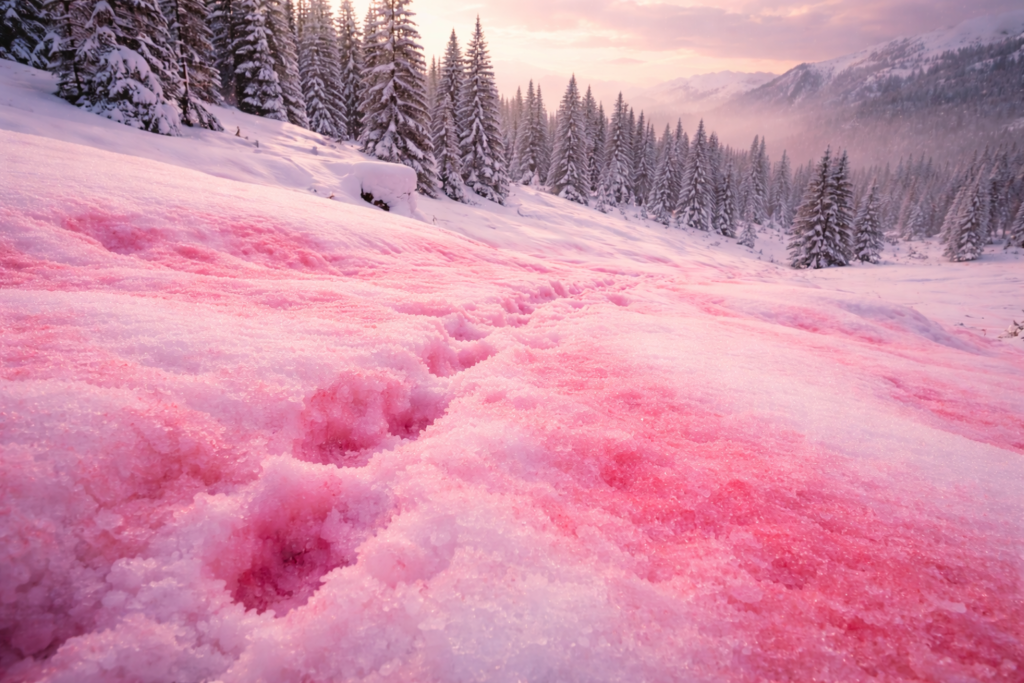
Winter has always held a certain magic that transforms our landscapes into crystalline wonderlands, yet there is something particularly enchanting about the phenomenon known as watermelon snow which actually smells like fresh fruit. This peculiar pink hue is not the result of a chemical spill or some strange sunset reflection but is instead caused by a species of green algae called Chlamydomonas nivalis which thrives in freezing temperatures. While the algae itself is green, it produces a bright red pigment to protect itself from intense ultraviolet radiation found at high altitudes and polar regions during the spring and summer months. This natural sunscreen helps the organism survive while turning the snow into a beautiful shade of rose or magenta, making the mountains of the Sierra Nevada or the Arctic look like a scene from a dream. It is a vital reminder of how life adapts to the most extreme environments on our planet through clever biological mechanisms that we are still working to fully understand.
Although the sight of pink snow is undeniably beautiful, it comes with a rather fascinating and slightly dangerous catch because the pigment causes the snow to absorb more heat than usual. Because dark colours retain heat better than pure white surfaces, the watermelon snow melts much faster than the surrounding drifts which creates a bit of an environmental challenge in delicate glacial ecosystems. Hikers often report that the snow smells exactly like a freshly sliced watermelon, yet experts strongly advise against tasting it because the concentrated algae can cause quite a bit of digestive upset if consumed in large quantities. This phenomenon has been documented for centuries, with even Aristotle mentioning the existence of red snow in his writings thousands of years ago. It serves as a brilliant example of how even the coldest parts of our world are teeming with unexpected biological activity that continues to surprise scientists and explorers alike as they trek across the frozen reaches of our beautiful earth.
Snowflakes Are Not Always White
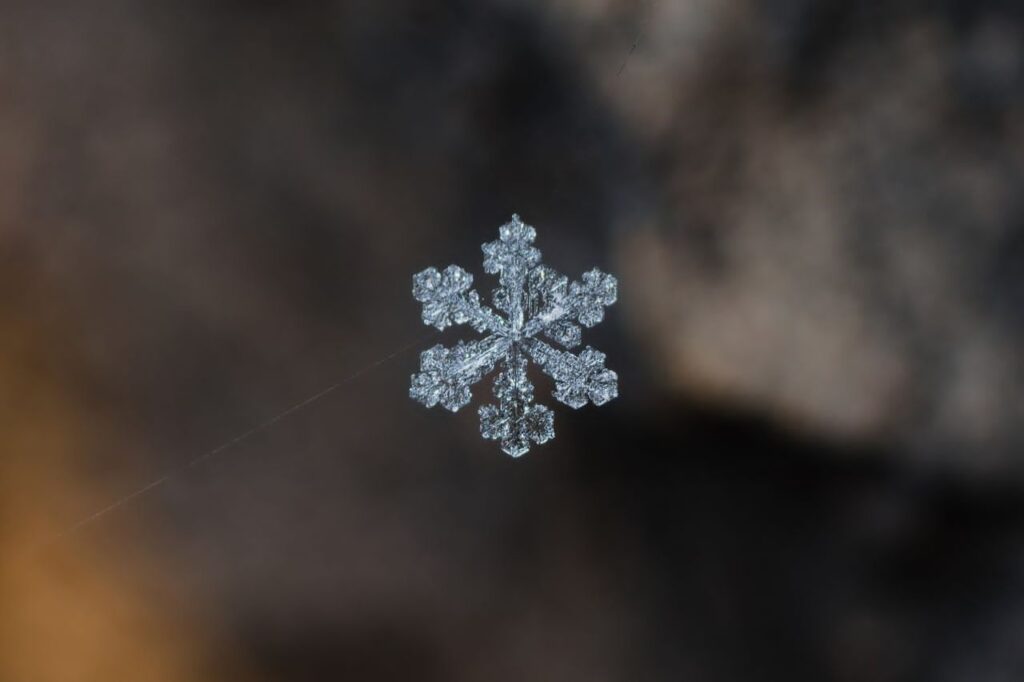
While we often grow up picturing snow as a pure white blanket covering the world, the reality is that snow is actually translucent because it is composed of tiny ice crystals. When light hits these clear crystals, it bounces off the many different facets and surfaces which causes the light to scatter across the entire visible spectrum. Because our eyes perceive all these scattered colours combined together, we see the snow as white even though it does not actually possess any pigment of its own. This optical illusion is one of nature’s most effective tricks and it depends entirely on the way sunlight interacts with the complex geometry of the ice. If you were to look at a single snowflake under a powerful microscope without any surrounding light interference, you would see that it is as clear as a window pane or a glass of water. It is only when they pile up in billions that they create that iconic winter aesthetic we know so well.
In certain conditions, you might notice that deep snow or thick glaciers appear to have a stunning blue tint which occurs because the ice absorbs longer wavelengths of light. As the snow becomes compacted over time, the air bubbles are squeezed out and the ice becomes much denser which allows the blue light to be reflected back to our eyes while the reds and yellows are absorbed. This creates a deep and moody azure glow that is often seen in the crevasses of ancient glaciers or deep holes in a fresh snowbank. There have also been rare occasions where snow appears black or yellow due to the presence of soot, dust, or even pollen floating in the atmosphere as the flakes fall to the ground. These variations show that the colour of our winter landscape is a delicate dance between physics and the environment rather than a fixed rule of the natural world.
Giant Snowflakes Are Real
We are usually accustomed to small and delicate flakes drifting from the sky, but history has recorded some truly monstrous examples of snow that defy our common expectations of winter weather. The largest snowflake ever recorded was documented in January 1887 at Fort Keogh in Montana where witnesses claimed to see flakes that were wider than milk pans. According to the Guinness World Records, these massive specimens measured a staggering fifteen inches across and were nearly eight inches thick which sounds more like a flying saucer than a typical piece of winter precipitation. Scientists believe that these giant flakes are actually clusters of hundreds of smaller individual snow crystals that have collided and stuck together as they fall through moist and slightly warmer air. This process of aggregation happens when the flakes are a bit sticky, allowing them to hook onto one another to form a singular and massive falling object.
Witnessing such a rare event would be a once-in-a-lifetime experience because the weather conditions must be incredibly specific for these giants to survive the journey to the ground. Most of the time, wind or dry air will break these large clusters apart long before they reach us, but on a calm day with high humidity, they can remain intact. These “mega-flakes” provide a spectacular visual display that reminds us of the sheer power and unpredictability of the atmosphere when the right variables align. While the Montana record remains the most famous, similar reports have come from places like Berlin in 1915 where flakes reached four inches in diameter. These stories add a layer of wonder to every snowstorm as we wonder if the next flake to land on our sleeve might be a record-breaker. It is a testament to the variety of the natural world that something so small can occasionally grow to such an impressive and imposing size.
Snow Is Not Frozen Rain
There is a common misconception that snow is simply rain that has frozen on its way down to the ground, but the two are actually formed through completely different atmospheric processes. Sleet is what happens when raindrops freeze as they fall, whereas snow is created when water vapour in the clouds turns directly into ice without ever becoming a liquid. This process is known as sublimation and it requires the temperature in the clouds to be at or below the freezing point for the crystals to grow. Each snowflake begins as a tiny speck of dust or pollen which acts as a nucleus for the water vapour to cling to and crystallize. As more vapour attaches to the nucleus, the intricate six-sided structure of the snowflake begins to emerge, influenced by the temperature and humidity levels of the air around it. This means that every single flake is a unique record of its journey through the sky.
Understanding this distinction is important because it explains why snow has such a soft and airy texture compared to the hard pellets of sleet or the dangerous sheets of freezing rain. Because snow is formed from vapour, it traps a significant amount of air within its structure which makes it an incredible insulator for the earth below. This layer of trapped air helps to protect plants and hibernating animals from the biting cold of the winter wind by keeping the ground temperature relatively stable. Farmers often refer to a heavy snowfall as a “poor man’s mulch” because it provides this vital protection for their crops throughout the harshest months of the year. This delicate balance of physics and chemistry ensures that the arrival of snow is not just a change in the weather but a protective blanket for the ecosystem. It is a beautiful irony that something so cold can be used to keep the living world warm and safe until the spring.
Most Snow Is Mostly Air
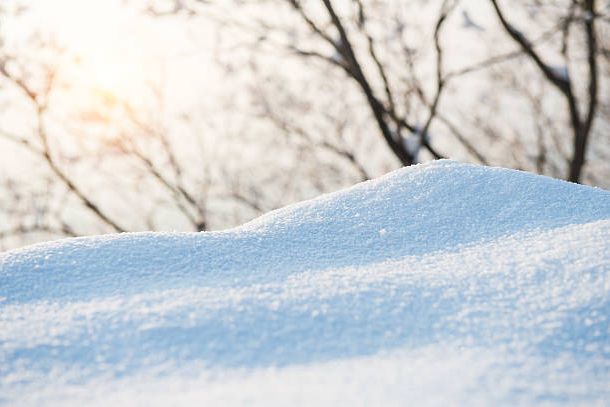
When you look at a fresh pile of snow, you are actually looking at a structure that is composed of about ninety per cent trapped air and only ten per cent frozen water. This high air content is the reason why snow feels so light and fluffy when it first falls and why it is so effective at muffling the sounds of the world around us. Have you ever noticed how remarkably quiet it becomes after a heavy snowfall as if the entire neighbourhood has been wrapped in cotton wool? This happens because the gaps between the ice crystals absorb sound waves rather than reflecting them, effectively acting as a natural soundproofing material for the outdoors. However, as the snow begins to melt or becomes compacted by its own weight, the air is pushed out and the sound-absorbing qualities begin to fade away. This transition from a silent wonderland to a crisp and crunchy landscape is part of the evolving sensory experience of winter.
This incredible ratio of air to water also explains why a relatively small amount of rain can translate into a massive amount of snow on the ground. On average, ten inches of snow will melt down into just one inch of liquid water, although this can vary significantly depending on how “wet” or “dry” the snow is. Dry snow is formed in very cold air and contains even more air, making it the perfect powder for skiers and snowboarders who want to glide effortlessly across the surface. Wet snow has a higher water content and acts more like a glue, which is why it is the superior choice for building snowmen or engaging in a spirited snowball fight. This versatility makes snow one of the most interactive elements of nature, providing different textures and possibilities based on the subtle shifts in the thermostat. It is a fascinating material that changes its character and its physical properties based on the invisible molecules of air trapped within its icy arms.
Snowflakes Are Always Six-Sided
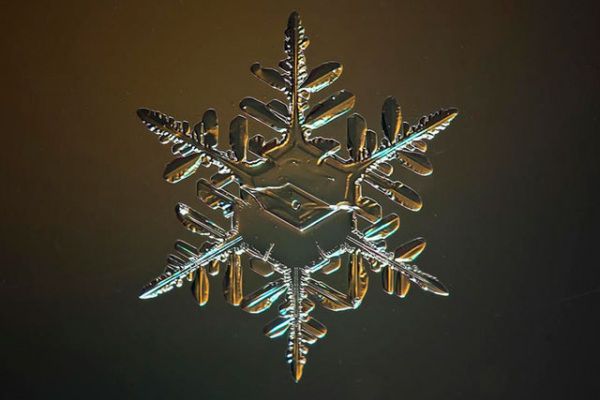
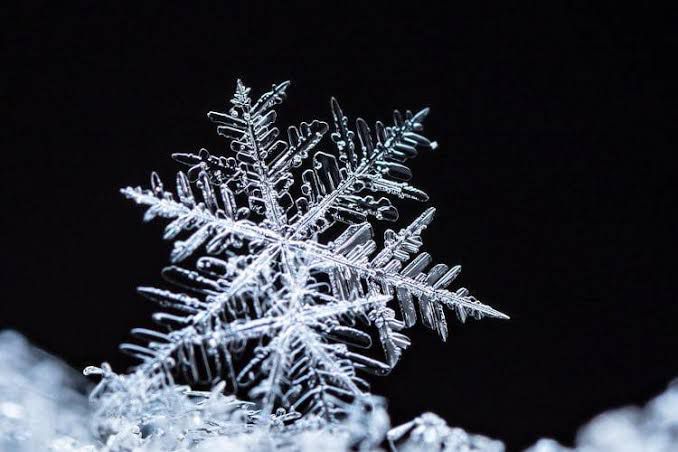
The geometry of a snowflake is one of the most consistent rules in nature because the molecular structure of water dictates a hexagonal shape every single time. When water molecules bond together to form ice crystals, they naturally arrange themselves into a six-sided pattern due to the way hydrogen and oxygen atoms interact. This means that while no two snowflakes are ever exactly identical in their intricate patterns, they all share the same basic six-sided symmetry. You will never find a naturally occurring snowflake with five or eight sides because the laws of chemistry simply do not allow it under normal atmospheric conditions. This mathematical precision hidden within a chaotic snowstorm is a source of constant fascination for scientists who study crystallography and the way complex patterns emerge from simple building blocks. It is a reminder that even in the middle of a wild blizzard, there is an underlying order to the universe.
The specific shape and “arms” of a snowflake are determined by the exact temperature and humidity the crystal encounters as it tumbles through the atmosphere. For instance, flat plate-like crystals tend to form in slightly warmer conditions, while long needle-like structures appear when the air is much colder. If the humidity is high, the flakes will grow more complex and branched arms, creating the classic “dendrite” shape that we typically associate with winter decorations. Because every flake takes a slightly different path to the ground, each one experiences a unique sequence of environmental changes which is why their final designs are so incredibly varied. This means that a single snowstorm can produce trillions of tiny, unique masterpieces that are all following the same six-sided blueprint. It is a staggering thought to consider the sheer amount of individual artistry happening in every cubic inch of falling snow, all dictated by the simple movement of water molecules in the cold.
Monkeys Love A Snowball Fight
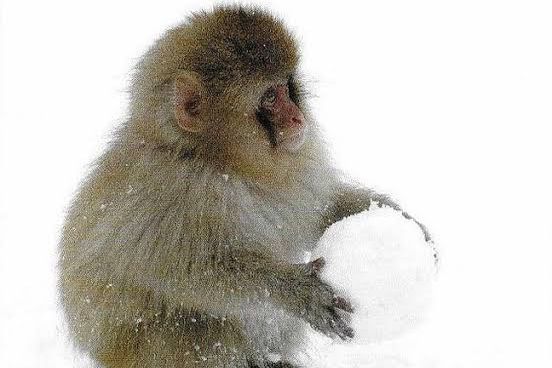
It turns out that humans are not the only primates who enjoy playing in the winter weather as Japanese Macaques have been observed engaging in some very familiar activities. These clever animals, also known as “snow monkeys,” live in some of the coldest parts of Japan and have developed a variety of ways to cope with the freezing temperatures. While they are famous for soaking in natural hot springs to stay warm, researchers have also caught them making snowballs for no apparent reason other than pure entertainment. They have been seen rolling balls of snow along the ground and even carrying them around, showing a level of playful behaviour that was once thought to be unique to humans. It seems that the joy of interacting with the cold, white stuff is something that transcends species and brings a bit of fun to the harsh survival of the winter months.
What makes this even more interesting is that the younger monkeys are often the ones who initiate the play, showing their peers how to roll and manipulate the snow. While they don’t necessarily throw them at each other in a structured game with rules, the act of creating and playing with snowballs suggests a high level of cognitive function and a desire for sensory stimulation. These interactions are a heartwarming reminder of the connections we share with the animal kingdom and how play is a universal language. It also highlights the incredible adaptability of the macaques who have found ways to not only survive in the snow but to actually thrive and find enjoyment in it. Watching these furry creatures navigate their icy homes with such personality and spirit adds a touch of whimsy to our understanding of the natural world. It proves that even in the most unforgiving climates, there is always room for a bit of mischief and a good old-fashioned roll in the snow.
Snow Can Warm You Up

It might sound completely counter-intuitive to think that frozen water can keep you warm, but snow is actually one of nature’s most effective insulators because of all the air it contains. This is the primary reason why indigenous people in the Arctic, such as the Inuit, have traditionally built igloos as temporary shelters during hunting trips. Inside a well-constructed igloo, the temperature can be as much as forty degrees warmer than the biting winds outside, purely because the snow blocks the wind and traps the body heat of the occupants. The compacted snow bricks act like a thermal blanket, preventing the warmth from escaping while keeping the freezing external environment at bay. This survival technique has been used for generations and relies entirely on the physical properties of snow to create a life-saving microclimate in some of the most hostile places on our planet.
This insulating property is also vital for the survival of many plants and animals that live in regions with harsh winters. A thick layer of snow acts like a protective duvet for the soil, preventing the ground from freezing solid and protecting the root systems of trees and flowers. Small mammals like voles and shrews actually live in the “subnivian zone,” which is the small space between the snow and the ground, where they can stay relatively warm and hidden from predators. Without this snowy shield, many of these creatures would not survive the plummeting temperatures of the mid-winter months. It is a remarkable paradox that the very substance we associate with the cold is actually a key component in maintaining warmth and supporting life. This hidden function of snow reminds us that every element of the natural world serves multiple purposes, often acting as both a challenge and a solution for the life that inhabits it.
Chionophobia Is Fear Of Snow
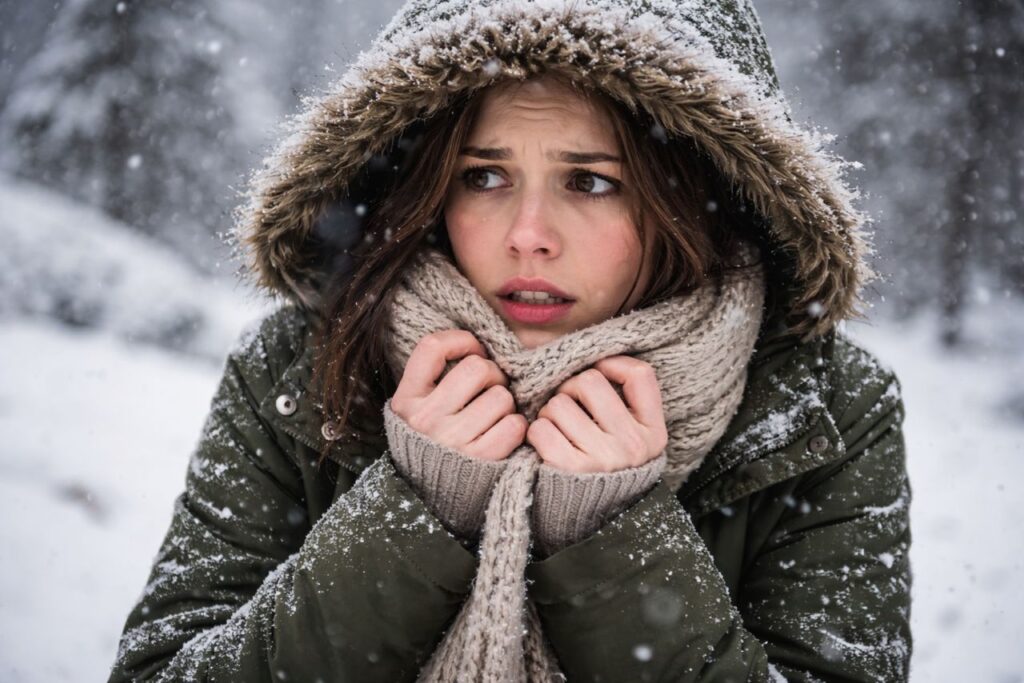
While many of us look forward to the first snowfall of the season with a sense of excitement and nostalgia, there are some people for whom the sight of a snowflake brings a genuine sense of dread. Chionophobia is the clinical term for an extreme and irrational fear of snow, often stemming from a traumatic event or a deep-seated fear of being trapped or injured. People with this condition might experience cold sweats, panic attacks, or an overwhelming urge to flee when they see a forecast for winter weather. It is a reminder that the environment can have a profound impact on our psychological well-being and that not everyone experiences the beauty of the seasons in the same way. For a chionophobe, the quiet and stillness of a snowstorm is not peaceful but rather a source of intense anxiety and potential danger that must be avoided at all costs.
The fear is often linked to other phobias such as the fear of being cold or the fear of getting into a car accident on icy roads, which are very real concerns that become magnified in the mind. Treatment for this condition often involves cognitive behavioural therapy to help individuals manage their reactions and reframe their thoughts about the winter landscape. It is an interesting look into the human psyche and how our brains can interpret the same natural event in such vastly different ways. While most of us see a chance for skiing or building snowmen, others see a threat to their safety and comfort. Understanding these different perspectives helps us to be more empathetic toward those who might struggle during the winter months. It also highlights how much our personal histories and perceptions shape the way we interact with the world around us, even something as simple as a falling flake of ice.
Snow Affects Your Mental Health

The arrival of the snowy season can have a significant impact on our moods and mental state, often leading to a phenomenon known as Seasonal Affective Disorder or SAD. Because the days are shorter and the world is often covered in a bright but cold white blanket, the lack of sunlight can disrupt our internal clocks and lead to feelings of lethargy or sadness. However, snow itself can also provide a unique mental health boost for many people because it encourages us to slow down and appreciate the present moment. The way snow transforms a familiar street into something new and magical can spark a sense of child-like wonder and curiosity that is often lost in the hustle of daily life. This “snow day” mentality allows us to take a break from our routines and find joy in the simple acts of walking through a quiet park or watching the flakes fall from the comfort of a warm room.
Furthermore, the physical activity associated with snow, such as shovelling the driveway or walking through deep drifts, can release endorphins that help to combat the winter blues. There is also something deeply meditative about the repetitive nature of falling snow and the way it hushes the noise of the modern world, providing a rare opportunity for reflection and calm. Many people find that the crisp, fresh air of a snowy day helps to clear their heads and improve their focus, even if they only spend a few minutes outdoors. While the cold can be a challenge, the aesthetic beauty and the change of pace that snow brings can be a powerful tool for mental rejuvenation if we embrace it. It is all about finding the balance between staying warm and allowing ourselves to be inspired by the seasonal shift. By acknowledging the impact of the weather on our minds, we can better appreciate the quiet beauty that winter offers us each year.
Snow Is Not All The Same
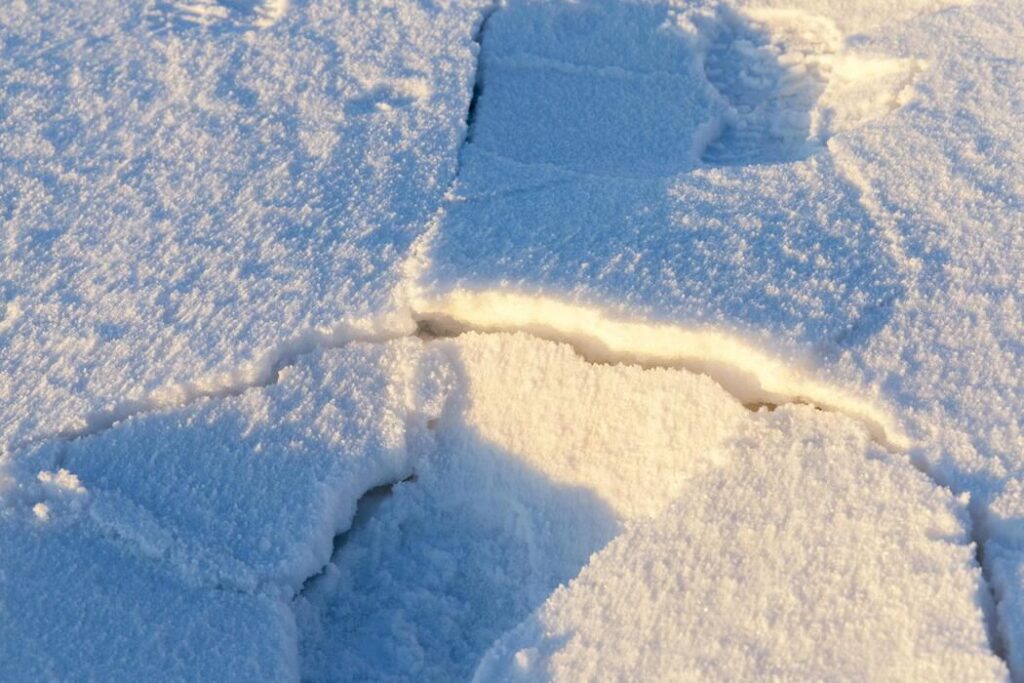
To the untrained eye, all snow might look like the same white powder, but anyone who lives in a cold climate or enjoys winter sports knows that there are many different types of snow. Meteorologists and outdoor enthusiasts have a whole vocabulary to describe the various textures and consistencies that snow can take depending on the atmospheric conditions. There is “powder,” which is the light and airy snow that hasn’t been compacted, and then there is “crud,” which is snow that has been partially melted and refrozen into a messy and difficult surface. We also have “crust,” where the top layer of snow has frozen into a hard sheet while the underneath remains soft, making for a very unpredictable walking experience. These variations are not just about aesthetics because they determine how the snow behaves, how it moves, and how safe it is for travel or recreation.
In fact, some cultures that live in constant contact with snow have dozens of different words to describe these subtle variations, showing just how important it is to their daily lives. For instance, the Sámi people of Northern Europe have hundreds of words for snow and ice, each describing a specific state that could affect reindeer herding or travel safety. This level of detail shows a deep and intimate relationship with the environment that most of us can only imagine. Even for those of us in more temperate climates, learning to recognize the difference between “wet” snow that makes great snowballs and “dry” snow that blows away in the wind can enhance our appreciation for the season. It turns a monolithic white landscape into a complex and ever-changing environment that requires our attention and respect. Snow is a dynamic material that is constantly shifting its form, reminding us that nature is never truly static even when it appears to be frozen in time.
One Factory Makes All Snowflakes
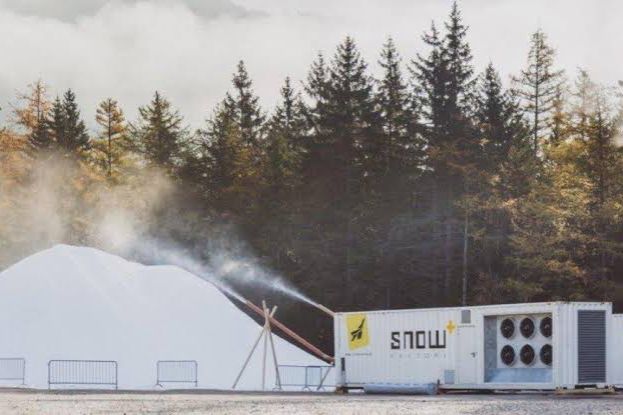
While we have spent much of our time discussing the natural wonder of the skies, it is a quirky fact of the modern world that a huge portion of the artificial snow we see in films and at theme parks comes from a very limited source. When nature doesn’t provide the real thing, humans have stepped in to create their own versions of winter, and for many years, a single company in the UK was responsible for the majority of the “fake” snow used in Hollywood blockbusters. This reliance on a specific source for cinematic magic highlights how much we value the aesthetic of snow, even when it isn’t actually cold or made of water. From paper-based flakes to sophisticated chemical polymers, the technology of artificial snow has become an industry of its own, ensuring that the magic of Christmas and the drama of an arctic expedition can be recreated on a soundstage in the middle of a scorching summer. It is a testament to our enduring love for the winter season that we go to such great lengths to simulate its beauty whenever the real thing is out of reach.
This fascinating intersection of nature and technology shows just how much snow has become a symbol of atmosphere and emotion in our culture. The fact that so much of our visual media relies on the output of a specific production process is a reminder of the global nature of the entertainment industry and the specialized skills required to mimic the natural world. As we look at the implications of our reliance on these manufactured environments, we start to see how important it is to preserve the real thing. While a factory can give us the look of a blizzard, it can never replicate the intricate six-sided physics or the life-sustaining insulation of a true mountain snowfall. Our dependence on these specialized sources for our cultural stories reminds us that the genuine cycles of our planet are irreplaceable and far more complex than anything we can build. We must continue to cherish and protect our natural winters because no amount of artificial ingenuity can truly replace the soul of a real, falling snowflake.
Like this story? Add your thoughts in the comments, thank you.


