
1. Amelia Earhart’s Final Flight

The mystery of Amelia Earhart remains the ultimate aviation enigma. In July 1937, the world-renowned pilot was nearing the end of her ambitious 29,000-mile flight around the globe. Alongside her navigator, Fred Noonan, she departed from Lae, New Guinea, on July 2, 1937, aiming for the tiny Howland Island in the vast Pacific. As they neared their destination, radio operators on the U.S. Coast Guard cutter Itasca picked up frantic, fading transmissions. Earhart reported she was flying at 1,000 feet but could not see the land. Shortly after, the signals cut out forever, sparking one of the largest sea and air searches in history.
President Franklin D. Roosevelt authorized a multi-million dollar rescue mission, but despite scouring 250,000 square miles of ocean, not a single confirmed piece of her Lockheed Electra 10E was found. Earhart was officially declared dead on January 5, 1939. While many experts believe she simply ran out of fuel and crashed into the sea, other theories suggest she lived as a castaway on Nikumaroro Island. To this day, her disappearance is a haunting reminder that even the most famous pioneers can be swallowed by the horizon, leaving behind a legacy of bravery and unanswered questions.
2. Jimmy Hoffa’s Last Meeting
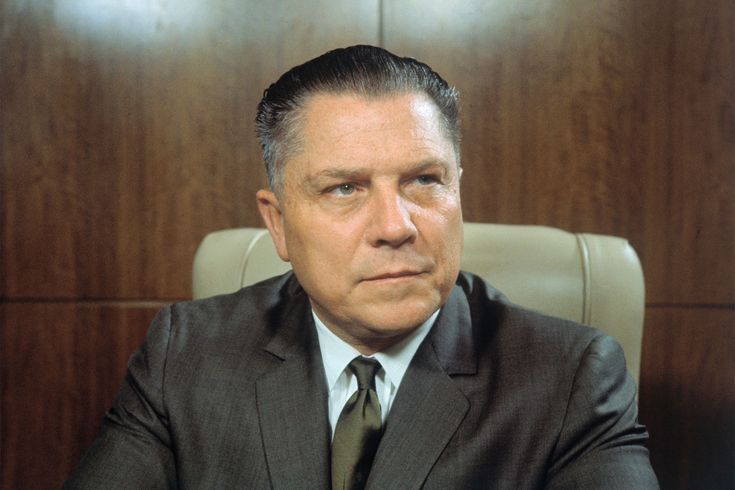
Jimmy Hoffa was one of the most powerful and polarizing figures in mid-century America. As the president of the International Brotherhood of Teamsters from 1957 to 1971, he wielded immense influence over the nation’s labor force and economy. However, his career was shadowed by alleged ties to organized crime. On the afternoon of July 30, 1975, Hoffa vanished from the parking lot of the Machus Red Fox restaurant in Bloomfield Township, Michigan. He had told his family he was meeting two high-ranking mob figures to settle a dispute. By that evening, his car was found unlocked in the lot, but Hoffa was nowhere to be seen.
The FBI launched a massive investigation that lasted decades, following leads that spanned the entire country. Rumors suggested his body was buried under the old Giants Stadium in New Jersey or processed in a sanitation plant, yet no physical evidence was ever discovered. Despite the questioning of numerous suspects, no one was ever charged with his abduction. Hoffa was legally declared dead in 1982, seven years after he walked into that Michigan parking lot. His disappearance remains a defining cultural mystery, symbolizing the dark and dangerous intersection of labor unions and the American underworld during the twentieth century.
3. Richey Edwards’ Vanishing

Richey Edwards was the creative heart and lyricist for the influential Welsh rock band, Manic Street Preachers. Known for his intense and often troubled persona, Edwards became a cultural icon for a generation of fans. On February 1, 1995, the day he was scheduled to fly to the United States for a promotional tour, he checked out of the Embassy Hotel in London. He drove to his apartment in Cardiff, Wales, and simply disappeared. Two weeks later, his silver Vauxhall Cavalier was found abandoned near the Severn Bridge, a location sadly known as a site for those in deep despair.
Because his body was never recovered from the treacherous waters of the River Severn, fans clung to the hope that he had staged a disappearance to find peace away from the spotlight. Over the years, there were unconfirmed sightings of him in places as far away as Goa, India, and the Canary Islands. However, none of these leads ever resulted in a breakthrough. After thirteen years of uncertainty, his family finally had him legally declared “presumed dead” in November 2008. His absence left a permanent void in the music world, and his lyrics are still studied by many looking for clues he might have left behind.
4. Ambrose Bierce In Mexico
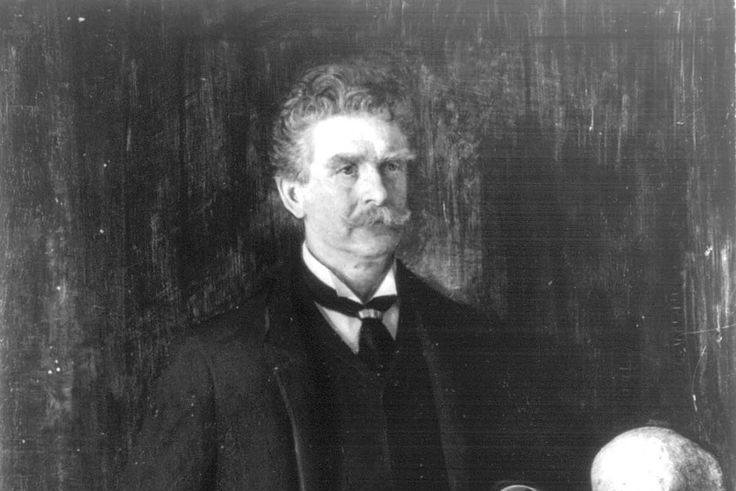
Ambrose Bierce was a giant of American literature, famous for his cynical wit and his chilling Civil War stories. At the age of 71, feeling he had nothing left to accomplish in the United States, he set off for Mexico in late 1913. The country was in the midst of a violent revolution, and Bierce intended to witness the conflict firsthand. He reportedly traveled with the rebel army of Pancho Villa, acting as an observer. In his final known letter, dated December 26, 1913, he wrote to a friend about the “good, kind” Mexican sun and his plans to head further south.
After that letter, the trail went cold. No one knows exactly where or how the great writer met his end. Some historians believe he was executed during the Battle of Ojinaga in early 1914, while others speculate he may have been shot by soldiers after a personal dispute. There is even a theory that he grew weary of life and took his own fate into his own hands in the desert. Despite numerous investigations over the last century, no grave or official record has ever been identified. Bierce’s vanishing was a dramatic final act for a man who spent his life writing about the macabre.
5. Glenn Miller’s Missing Plane

Glenn Miller was the most popular bandleader of the swing era, providing the soundtrack for the Allied effort during World War II. In 1944, at the height of his fame, he was serving as a major in the U.S. Army Air Forces, leading the Army Air Forces Training Command Orchestra. On December 15, 1944, Miller boarded a small Noorduyn Norseman aircraft at an airfield in Bedfordshire, England. He was headed to Paris to make arrangements for a special Christmas concert for the troops who had recently liberated the city. The plane took off into a thick, freezing fog and never arrived.
The aircraft disappeared over the English Channel, and despite extensive efforts, no wreckage or remains were ever found. The most widely accepted theory is that the plane’s carburetor iced over, causing it to crash into the sea. Another theory suggests the plane was accidentally struck by bombs jettisoned by returning Allied planes. Regardless of the cause, the loss of Miller was a devastating blow to the morale of both soldiers and civilians. His disappearance remains one of the greatest mysteries of the war years, leaving the world to wonder what musical masterpieces he might have created had he landed safely.
6. Michael Rockefeller’s Expedition
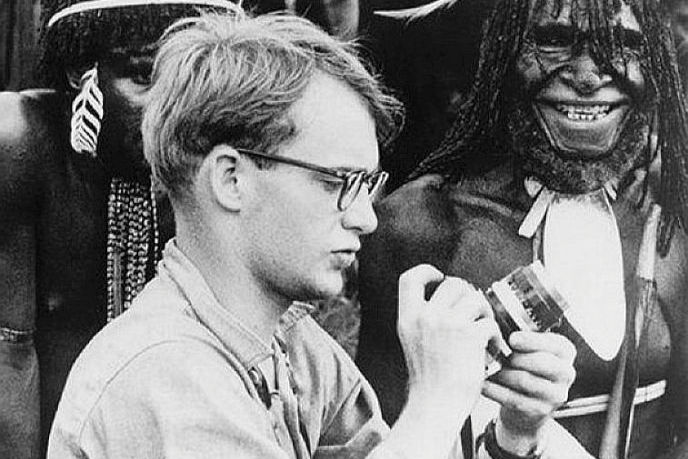
Michael Rockefeller was a member of one of the wealthiest and most influential families in American history. The son of New York Governor Nelson Rockefeller, Michael was an aspiring anthropologist with a passion for indigenous art. In November 1961, he was on an expedition in the Netherlands New Guinea (now part of Indonesia) to collect wood carvings from the Asmat people. While traveling along the coast in a dugout canoe, the vessel was swamped by heavy waves and its engine failed. After drifting for two days, Michael told his companion he thought he could make it to shore and jumped into the water.
He was last seen swimming toward the coastline, which was roughly three to ten miles away. Despite an unprecedented search effort involving thousands of local residents, ships, and planes, he was never found. While official reports suggested he likely drowned or was taken by sharks, dark rumors persisted for decades. Some investigators claimed he reached the shore only to be encountered by locals seeking retribution for a previous colonial conflict. He was declared legally dead in 1964. The mystery of his fate continues to haunt the Rockefeller legacy, serving as a tragic example of the risks inherent in exploring the world’s most remote regions.
7. Harold Holt’s Swim
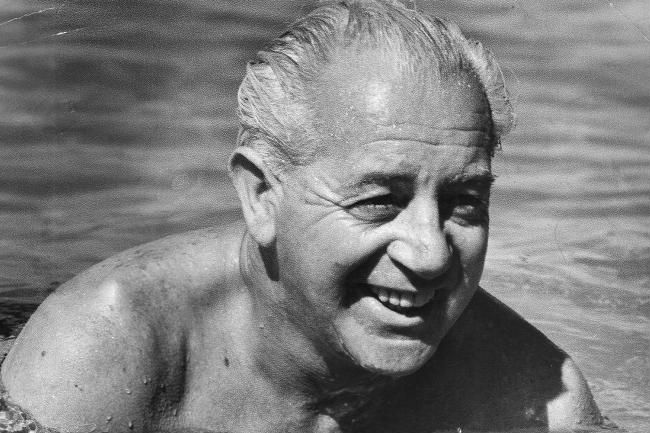
Harold Holt became the Prime Minister of Australia in 1966, but his time in office was cut short by a bizarre and tragic event. On the morning of December 17, 1967, Holt went for a swim at Cheviot Beach, near Portsea, Victoria. Despite being an experienced swimmer, the conditions that day were notoriously dangerous, with high tides and powerful undertows. Witnesses on the shore watched as Holt swam further out into the churning surf. Suddenly, he was pulled under by a large wave and disappeared from view. He was never seen again.
The disappearance triggered one of the largest search operations in Australian history, involving police, the Royal Australian Navy, and local volunteers. Despite days of scouring the coastline and the seabed, not a single trace of the Prime Minister was ever recovered. This lack of evidence led to a flurry of wild conspiracy theories, ranging from kidnapping by a foreign submarine to a staged disappearance. However, a 2005 coroner’s report concluded that he had simply drowned in a tragic accident. The event changed Australian politics forever and remains a somber mystery, as Holt is one of the few world leaders to vanish while still in office.
8. Sean Flynn In Cambodia
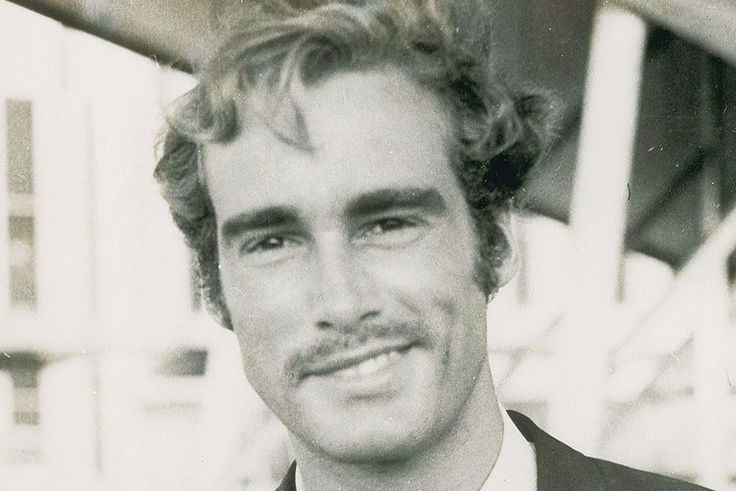
Sean Flynn was the dashing son of legendary Hollywood actor Errol Flynn, but he sought to make his own mark as a photojournalist. By 1970, he was a seasoned war correspondent covering the Vietnam War and the spreading conflict in neighboring Cambodia. On April 6, 1970, Flynn and his colleague Dana Stone left the city of Phnom Penh on rented motorbikes. They were heading toward a front-line checkpoint in the Svay Rieng province when they were stopped by Khmer Rouge guerrillas. Witnesses reported seeing the two men being led away into the jungle, and they were never seen again.
For years, Flynn’s mother, Lili Damita, spent a fortune searching for her son, following leads across Southeast Asia. Various reports emerged over the decades, with some suggesting the pair had been held in captivity for over a year before being executed. Despite several excavations of suspected grave sites in the Cambodian countryside, DNA testing never provided a match. Flynn was officially declared dead in 1984. His disappearance highlights the extreme dangers faced by journalists who risk their lives to tell the stories of war. He remains a symbol of the “lost generation” of reporters who vanished during the brutal conflicts of the 1970s.
9. Barbara Newhall Follett
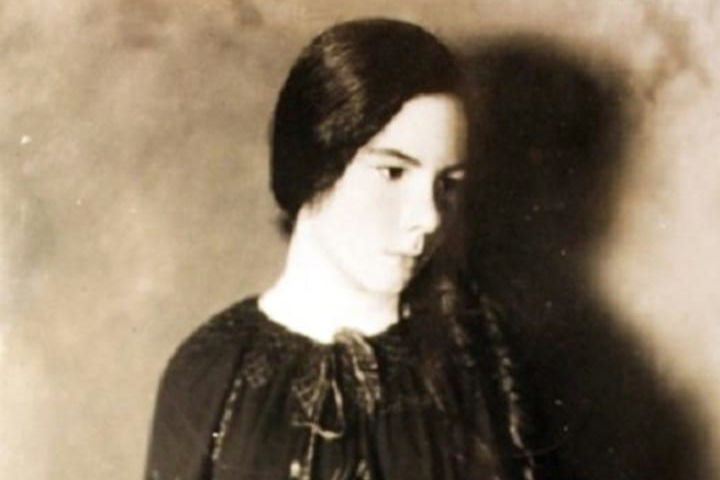
Barbara Newhall Follett was a child prodigy who stunned the literary world in the 1920s. At just 12 years old, she published her first novel, The House Without Windows, which received glowing reviews from major critics. She was hailed as a genius with a bright future. However, as she entered adulthood, her life became increasingly difficult. The Great Depression took a toll on her family’s finances, and her marriage began to crumble. On the evening of December 7, 1939, after a heated argument with her husband in Brookline, Massachusetts, the 25-year-old author walked out of her home with just $30 in her pocket.
She never returned. Bizarrely, her husband did not report her missing to the police for two weeks, claiming he hoped she would return on her own. By the time the authorities were involved, the trail had grown cold. There were no sightings, no bank activity, and no letters ever sent to her mother. For decades, her disappearance went largely unnoticed by the public until her story was rediscovered by modern readers. Barbara Newhall Follett’s vanishing remains a poignant mystery of a brilliant light that flickered out far too soon, leaving behind only the books she wrote as a young girl.
10. Jean Spangler’s Cryptic Note
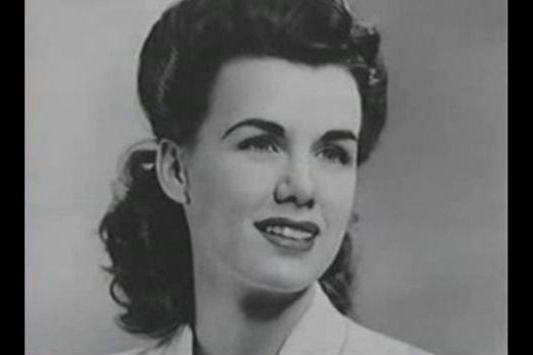
Jean Spangler was an aspiring young actress living in Los Angeles during the golden age of Hollywood. On the evening of October 7, 1949, the 23-year-old told her sister-in-law that she was going to meet her ex-husband to discuss child support before heading to a night shoot for a new film. Two days later, a park ranger found her purse in a remote area of Griffith Park. The strap was broken, suggesting a struggle, but even more chilling was a note found tucked inside. It was addressed to a person named “Kirk” and mentioned going to see a doctor.
The note sparked immediate speculation, especially since Spangler had recently worked as an extra on a film starring Kirk Douglas. The actor even called the police himself to clear his name, explaining he didn’t know the young woman personally. Police investigated every possible lead, from illegal medical procedures to organized crime, but they found no body and no suspects. Jean’s ex-husband also had a solid alibi for the night she vanished. She was legally declared dead in 1954, but her case remains one of the most famous “cold cases” in California history. Her story is a dark reminder of the shadows that often lurked behind the glamour of old Hollywood.
11. Connie Converse’s Quiet Exit

Connie Converse was a woman far ahead of her time, crafting intimate, soul-baring folk songs in her New York apartment during the 1950s. While her music was deeply respected by a small circle of friends, it never reached the commercial success it deserved during her active years. By 1961, disillusioned by the lack of professional progress, she left the music scene and moved to Ann Arbor, Michigan, where she worked as an editor for a scholarly journal. However, as she approached her 50th birthday in 1974, she began to feel a profound sense of burnout and a desire for a fresh start.
In August 1974, Converse wrote a series of farewell letters to her family and friends, packed her belongings into her Volkswagen Beetle, and drove away into the unknown. She vanished without a single trace; no body was ever found, and no social security or financial records were ever used again. It wasn’t until 2004, thirty years after her disappearance, that her music was finally released and hailed as a masterpiece of the “singer-songwriter” genre. While her voice finally found the audience she had always craved, her personal story remains a hauntingly unfinished symphony of a woman who chose to simply walk away.
12. Oscar Zeta Acosta Missing
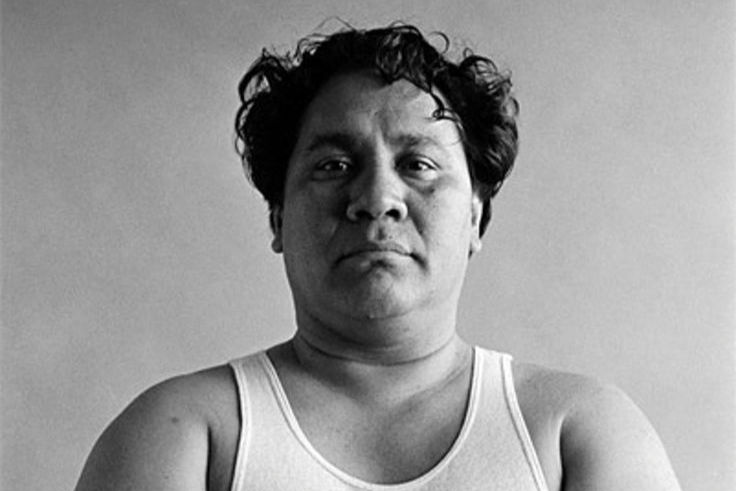
Oscar Zeta Acosta was a towering figure in the Chicano Rights Movement of the late 1960s, known for his fearless legal work and his larger-than-life personality. He gained additional fame as the inspiration for the character “Dr. Gonzo” in Hunter S. Thompson’s legendary book, Fear and Loathing in Las Vegas. In May 1974, the 39-year-old attorney and author traveled to Mazatlán, Mexico, seeking a break from his high-pressure life in California. During his trip, he placed a cryptic and somewhat frantic phone call to his son, Marco, mentioning that he was about to board a boat “full of white powder.”
That phone call would be the last time anyone ever heard from him. Because of his involvement in radical politics and his proximity to the drug trade, many believe he was the victim of foul play by either criminal elements or political enemies. Despite his family’s desperate efforts and Hunter S. Thompson’s own investigations, no physical evidence of his fate was ever discovered. Acosta was officially declared dead in 1974, but his disappearance remains a significant and unresolved chapter in the history of American civil rights activism. He left behind a legacy of rebellion that continues to inspire writers and activists today.
13. Percy Fawcett’s Lost Quest
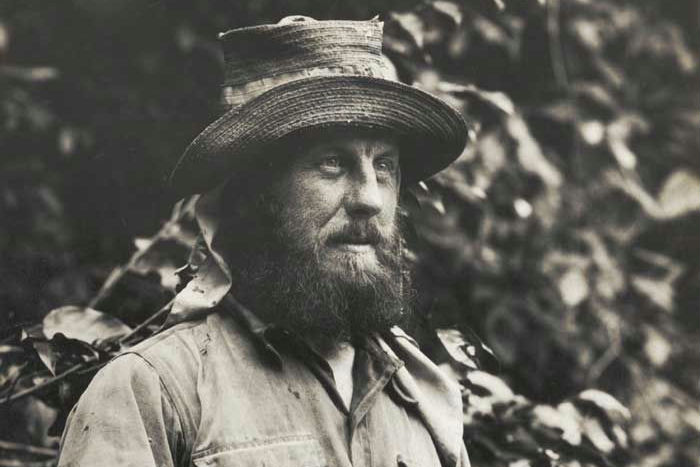
Colonel Percy Fawcett was a legendary British explorer whose adventures reportedly inspired the character of Indiana Jones. In April 1925, at the age of 57, he set out on his most ambitious journey yet: a mission to find the “Lost City of Z,” an ancient civilization he believed was hidden deep within the Mato Grosso region of Brazil. Accompanied by his eldest son, Jack, and Jack’s friend Raleigh Rimell, Fawcett ventured into the dense, uncharted rainforest. His final communication was a letter sent back to his wife via a native runner on May 29, 1925, stating they were entering “unexplored territory.”
The trio was never heard from again. In the decades following their disappearance, dozens of rescue expeditions were launched, some of which resulted in the deaths of the searchers themselves, adding to the “deadly” reputation of the quest. Theories about their fate range from being killed by hostile tribes to dying of tropical diseases or starvation. Some even speculated they had integrated into a local community. While modern satellite imagery has recently revealed ancient urban sites in the Amazon that support Fawcett’s theories, the actual fate of the man himself remains one of the greatest mysteries in the history of exploration.
14. Tammy Lynn Leppert Gone

Tammy Lynn Leppert was a stunning 18-year-old model and aspiring actress whose career was just beginning to take off in the early 1980s. She had recently earned small roles in major films like Scarface and Spring Break, but friends noticed she had become increasingly paranoid and fearful in the weeks leading up to her disappearance. On July 6, 1983, Tammy left her home in Rockledge, Florida, with a male friend. Following a reported argument during the drive, she was dropped off at a parking lot near Cocoa Beach. Witnesses say she was barefoot and appeared distressed as she stood by the road.
She was never seen again. Despite her high profile and a massive investigation by Florida authorities, no leads ever turned into a conviction. Her mother spent the rest of her life searching for answers, even appearing on national television to keep the case in the public eye. Various theories have emerged, including potential links to serial killers active in the area at the time, but without physical evidence or a body, the case remains cold. Tammy’s story is a heartbreaking reminder of a young life full of potential that vanished in an instant, leaving a void that still resonates in her community.
15. Dorothy Arnold’s Walk

The disappearance of Dorothy Arnold in December 1910 remains one of New York City’s oldest and most baffling “cold cases.” As a wealthy socialite and the daughter of a prominent perfume importer, Dorothy lived a life of luxury on Manhattan’s Upper East Side. On the morning of December 12, she told her mother she was going shopping for a dress. She was seen by several acquaintances as she walked along Fifth Avenue, where she purchased a box of chocolates and a book of essays. By all accounts, she appeared to be in good spirits as she waved to a friend near 27th Street.
However, Dorothy never returned home for dinner. Fearing a public scandal, her father initially hired private investigators rather than calling the police, which allowed crucial time to pass. When the story finally broke in early 1911, it became a national sensation. Despite a global search and thousands of reported sightings, no trace of the 25-year-old heiress was ever found. Theories ranged from a secret elopement to a tragic medical accident, but none were ever proven. Her father died in 1922, convinced his daughter had been murdered, but the truth of what happened on that winter afternoon in New York remains buried in the past.
Each of these disappearances has left a permanent mark on the public consciousness. While we may never know the final moments of people like Jimmy Hoffa or Richey Edwards, their legacies live on through their work and the mysteries they left behind.


