
1. European Winter of 1962–63
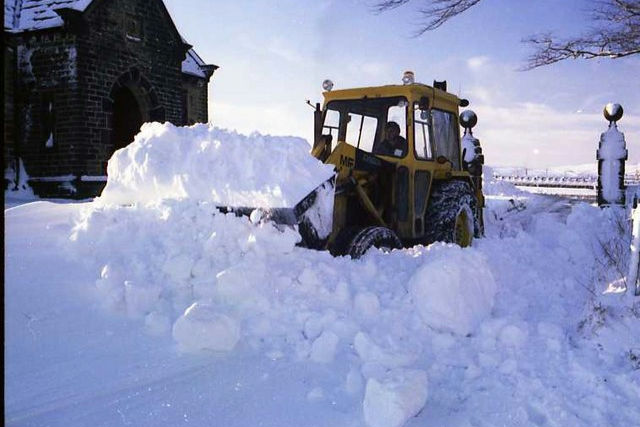
Snowstorms are often remembered for cancelled plans and dramatic photographs, but some have left far deeper scars. The winter of 1962–63 remains one of the coldest and harshest winters in modern European history. Beginning in December 1962 and lasting into March 1963, severe snowstorms and prolonged freezing temperatures affected the United Kingdom and much of mainland Europe. Rivers froze, ports were blocked by ice, and transport systems collapsed. Food deliveries were disrupted, and hundreds of deaths were attributed to cold exposure and related illnesses.
Unlike sudden blizzards, this winter caused damage through persistence. Heating shortages became common, particularly among elderly populations, and rural communities were isolated for weeks. In the UK, the winter became known simply as “the Big Freeze,” entering national memory through photographs of frozen coastlines and snowbound villages. The event highlighted how sustained cold can strain societies just as severely as short-lived extreme storms, especially when infrastructure is unprepared for long-term disruption.
2. Armistice Day Blizzard (1940)
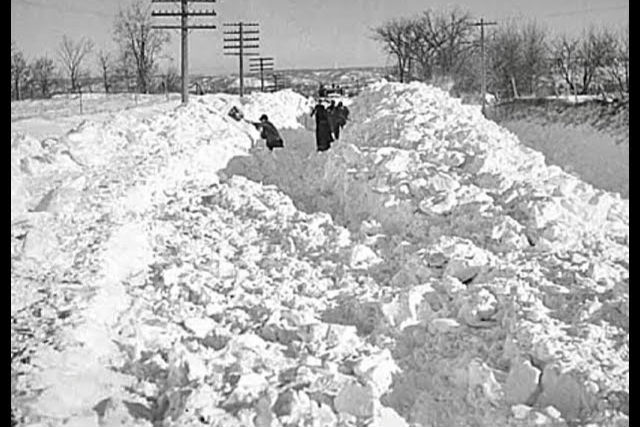
On 11 November 1940, a sudden and violent winter storm swept across the Upper Midwest of the United States during what had started as a mild autumn day. Known as the Armistice Day Blizzard, the storm struck Minnesota, Wisconsin, Iowa, and Illinois with little warning. Temperatures dropped sharply within hours, heavy snow followed rain, and winds reached gale force. Many people were caught outdoors wearing light clothing, particularly farmers finishing harvests and hunters celebrating the Armistice Day holiday. At least 150 deaths were recorded, making it one of the region’s deadliest weather events.
The shock of the storm deeply affected rural communities. Schools closed abruptly, roads vanished under snow and ice, and families struggled to locate missing relatives. Survivors later recalled rain freezing on contact and turning instantly into blinding snow. The tragedy exposed weaknesses in weather forecasting and communication at the time. As a result, the storm became a turning point for the US Weather Bureau, leading to improved forecasting techniques and emergency alert systems. It remains a powerful reminder of how quickly winter weather can turn deadly when warnings come too late.
3. Blizzard of 1978
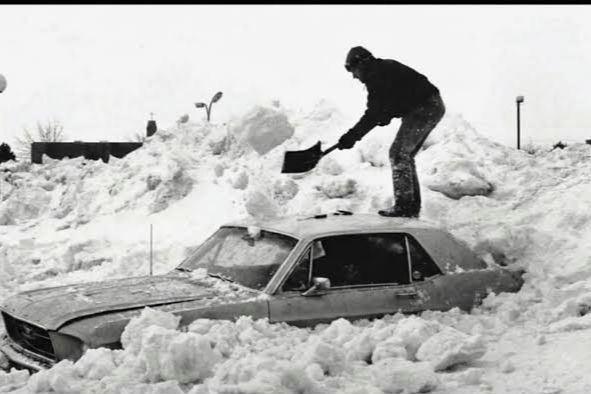
In January 1978, a powerful blizzard brought widespread disruption to the northeastern United States and parts of eastern Canada. Beginning on 26 January, the storm combined heavy snowfall with hurricane-force winds, producing whiteout conditions across states including Massachusetts, Rhode Island, New York, and Connecticut. Some areas recorded more than 30 inches of snow, while winds exceeding 70 miles per hour created enormous drifts. At least 100 people lost their lives, many due to exposure, heart attacks, or accidents. Power outages affected thousands of households for days.
The blizzard had a lasting social impact. Highways were closed, cars were abandoned mid-journey, and entire cities effectively shut down. In Boston, public transport was suspended, and residents were advised to stay indoors. Emergency services struggled to reach vulnerable individuals, highlighting the need for stronger disaster planning. In response, new snow emergency policies and travel bans were introduced across the region. Photographs of buried vehicles and silent city streets became iconic, symbolising how even modern infrastructure can be overwhelmed by extreme winter conditions.
4. Great Appalachian Storm (1950)
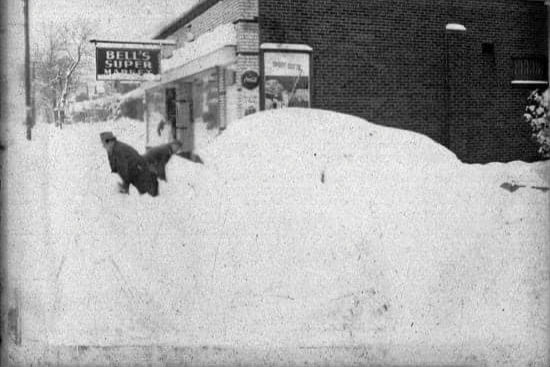
The Great Appalachian Storm of November 1950 was one of the most complex and destructive winter storms in US history. Affecting more than 20 states from the Southeast to New England between 24 and 30 November, the storm brought a dangerous mix of heavy snow, freezing rain, flooding, and severe cold. Some areas recorded record-breaking snowfall, while others experienced intense rainfall that caused rivers to overflow. More than 350 deaths were attributed to the storm, many caused by floods, exposure, and transport accidents.
What made the storm especially damaging was its size and duration. Communities faced repeated waves of harsh weather with little recovery time in between. Power failures were widespread, and food shortages became a serious concern, particularly in rural areas. The storm disrupted Thanksgiving travel and daily life for millions of Americans. Meteorologists later used the event as a case study in how combined weather systems can greatly increase risk. Decades later, the Great Appalachian Storm remains a benchmark for understanding large-scale winter disasters.
5. Storm of the Century (1993)
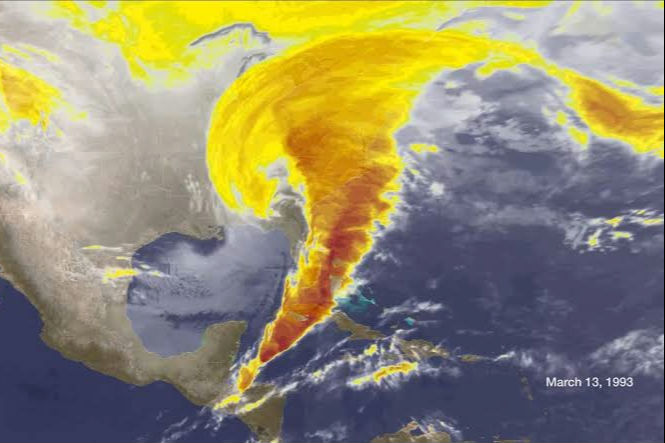
In March 1993, a massive winter storm swept across the eastern United States, earning the title “Storm of the Century.” From the Gulf of Mexico to eastern Canada, the storm affected more than 100 million people between 12 and 15 March. Snowfall exceeded 40 inches in some areas, while strong winds, freezing temperatures, and coastal storm surges caused widespread damage. Official reports linked more than 300 deaths to the storm, and economic losses were estimated in the tens of billions of dollars.
Despite advances in weather forecasting, the storm’s sheer scale overwhelmed infrastructure. Airports closed across multiple states, major highways became impassable, and millions lost electricity. For many households, daily life stopped entirely, with families relying on emergency supplies for days. The storm became a reference point for extreme winter events in the modern era. It is still cited by meteorologists when comparing large-scale snowstorms, highlighting how even well-predicted weather systems can have devastating consequences.
6. Buffalo Blizzard of 1977
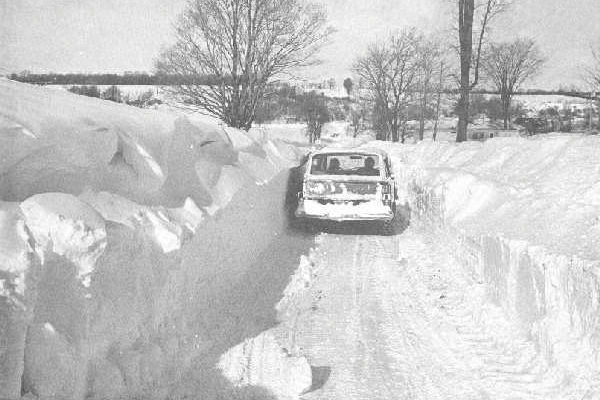
The Buffalo Blizzard of January 1977 stands out not for snowfall totals, but for its extreme winds and freezing temperatures. Between 28 and 31 January, strong winds swept across western New York, blowing existing snow into massive drifts that reached heights of up to 30 feet in some areas. Wind chills dropped well below zero, making conditions life-threatening. Nearly 30 people died, many trapped in cars or exposed to the cold while attempting to travel or seek help.
The storm left a deep psychological mark on residents. Entire neighbourhoods disappeared under snow, streets became unrecognisable, and movement was nearly impossible for days. Emergency crews struggled to reach those in need, while food and fuel shortages grew. The blizzard demonstrated how wind-driven snow can be just as dangerous as heavy snowfall. Decades later, images of buried homes and cars remain some of the most striking ever captured from a winter storm in North America.
7. North American Blizzard of 1996
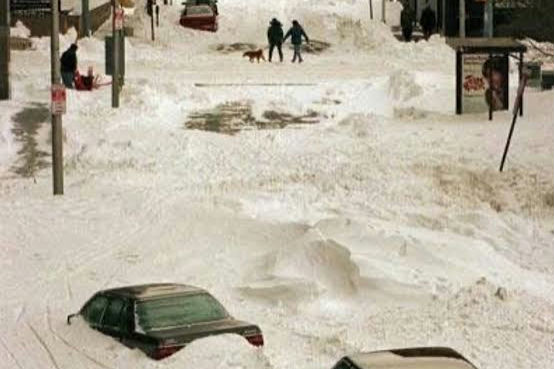
In January 1996, a severe blizzard affected large portions of the eastern United States, from Washington, D.C. to New England. The storm brought heavy snowfall, freezing rain, and strong winds between 6 and 9 January. Major cities recorded snow totals that overwhelmed local response systems. More than 150 deaths were linked to the storm, many caused by traffic accidents, exposure, and heart attacks during snow clearing.
For many households, the storm blurred the line between inconvenience and emergency. Schools closed for days, workplaces shut down, and public transport was disrupted across the region. Elderly residents and essential workers faced particular risks during prolonged clean-up efforts. The storm highlighted how indirect impacts, such as physical strain and delayed medical care, can significantly increase fatalities. It prompted renewed discussions about public safety messaging and the importance of community support during extended winter emergencies.
8. Great Blizzard of 1888
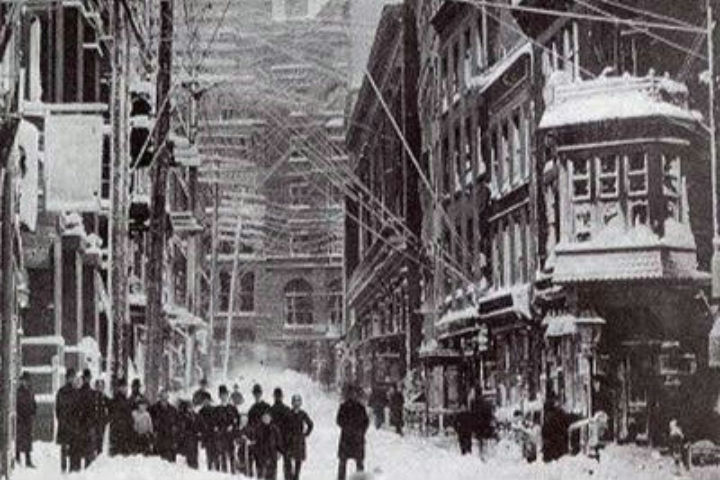
In March 1888, one of the deadliest snowstorms in United States history struck the northeastern region, later becoming known as the Great Blizzard of 1888. Between 11 and 14 March, powerful winds and freezing temperatures combined with intense snowfall to bury cities across New York, New Jersey, Connecticut, and Massachusetts. Some areas recorded up to 50 inches of snow, while winds exceeding 45 miles per hour created drifts taller than buildings. Railways, roads, and telegraph lines were destroyed, cutting off communication and transport for days. Official records estimate that more than 400 people died, many from exposure, drowning, or accidents caused by near-zero visibility.
Beyond the death toll, the storm exposed how fragile rapidly growing cities had become. Thousands of residents were trapped in homes, offices, and train stations with limited food and heating fuel. Horses froze in the streets, and emergency services were overwhelmed. In the aftermath, city planners began reconsidering above-ground infrastructure. The disaster directly influenced the expansion of underground railways and utility systems in cities such as New York. The blizzard remains a landmark event in weather history, often cited as the moment America began taking urban winter preparedness seriously.
9. Chicago Blizzard of 1967
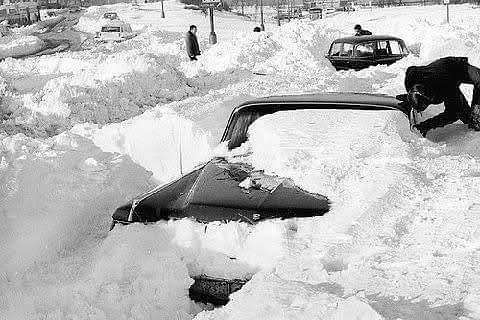
In January 1967, Chicago experienced one of the most severe snowstorms in its recorded history. Over a period of 26 to 27 January, nearly 24 inches of snow fell across the city, setting a long-standing record. Transport systems collapsed as roads, railways, and airports shut down. Thousands of vehicles were abandoned on major routes, and at least 60 deaths were linked to the storm, many involving exposure or medical emergencies.
The blizzard reshaped how Chicago prepared for winter weather. Residents later recalled digging out cars days after the snowfall and walking miles through snow-choked streets. Emergency services were stretched beyond capacity, revealing weaknesses in planning and response. In the years that followed, the city invested heavily in snow removal equipment and emergency coordination. Images of buses buried in snow became enduring symbols of how even major urban centres can be overwhelmed by extreme winter conditions.
10. Quebec Ice Storm (1998)
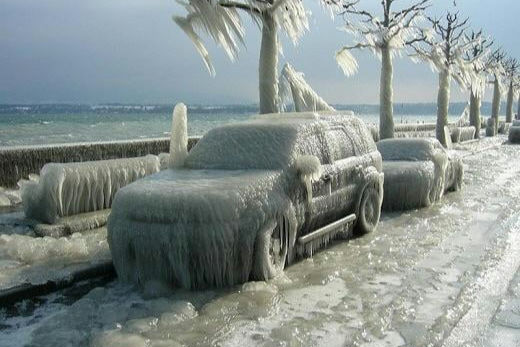
In January 1998, a devastating ice storm struck eastern Canada, particularly Quebec and parts of Ontario. Between 5 and 10 January, prolonged freezing rain coated power lines, trees, and buildings in thick layers of ice. The weight caused widespread structural collapse, leaving more than four million people without electricity, some for weeks. At least 25 deaths were officially recorded, and economic losses exceeded several billion dollars.
For affected communities, the storm became a test of endurance. Emergency shelters filled with families seeking warmth, while rural residents relied heavily on neighbours and volunteers. The event revealed how winter disasters are not limited to snow alone. Ice accumulation proved just as destructive, if not more so, than traditional blizzards. The sight of entire landscapes encased in ice left a lasting visual and emotional impact, making the Quebec Ice Storm one of the most memorable winter disasters in Canadian history.
11. European Snowstorms of 2006
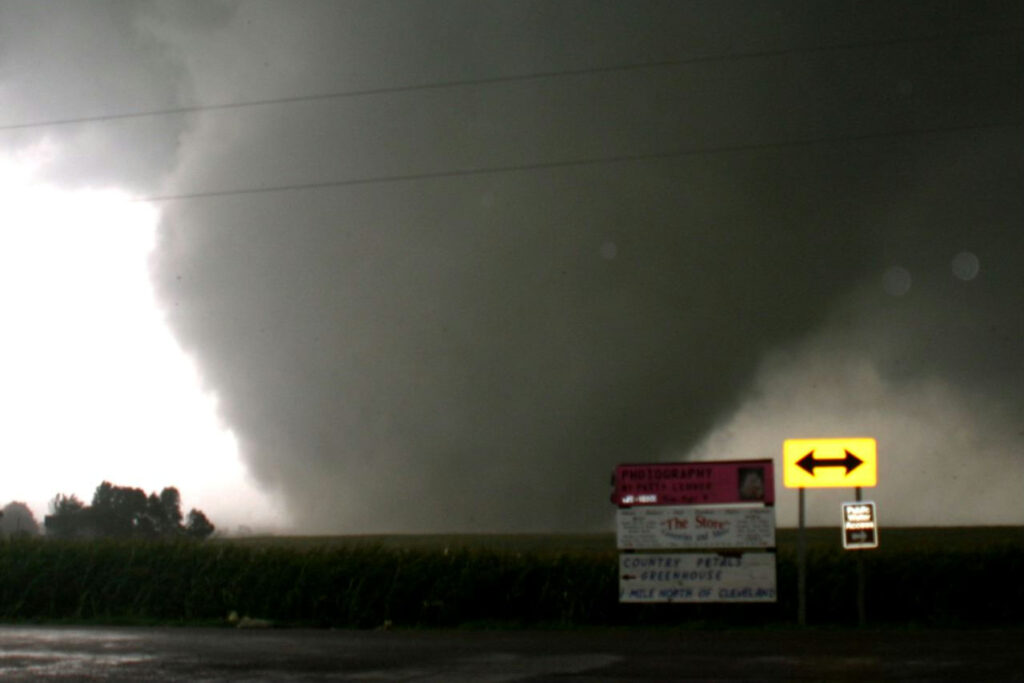
In early 2006, heavy snowstorms affected large parts of Europe, including Germany, Austria, Switzerland, and Eastern European countries. Prolonged snowfall and freezing temperatures caused transport disruption, roof collapses, and numerous traffic accidents. Airports closed, rail services were suspended, and rural areas struggled to maintain access to essential services. Dozens of deaths were reported, many involving exposure or accidents.
The storms revealed weaknesses in infrastructure and emergency coordination across borders. Supply chains slowed, commuters were stranded, and emergency services faced increased demand. For many countries, the winter served as a warning about changing weather patterns and the need for coordinated response planning. The events contributed to broader discussions about climate variability and preparedness, particularly in regions where extreme winter weather had become less predictable than in previous decades.
12. Moscow Blizzard of 2013
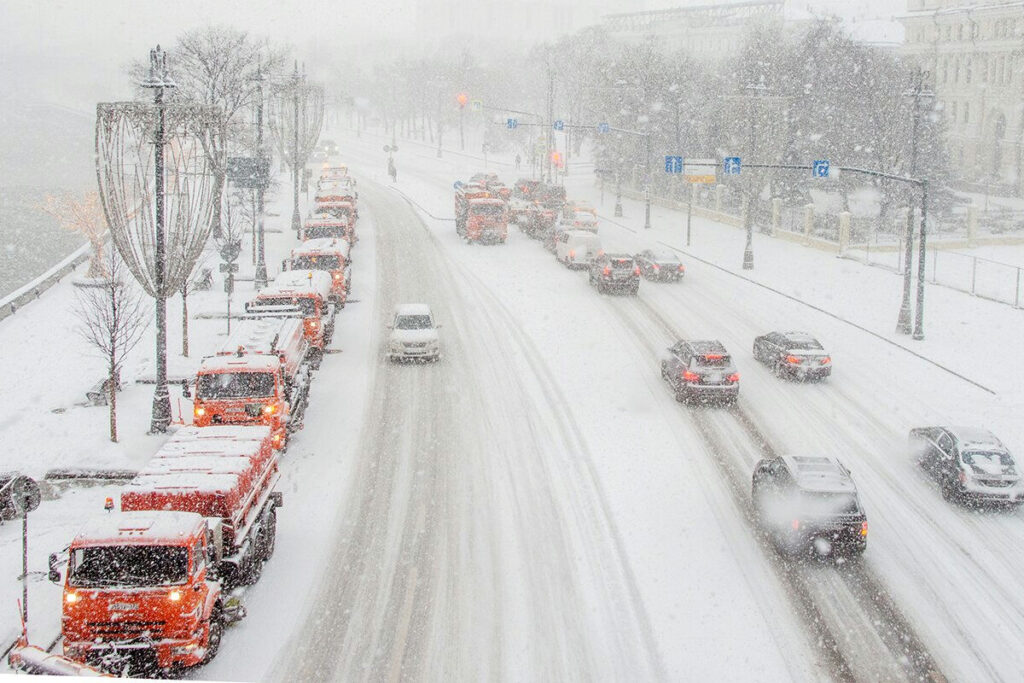
In March 2013, Moscow was hit by one of its heaviest snowstorms in decades, bringing winter chaos to Russia’s capital. Over a short period, more than half a metre of snow fell across the city, overwhelming road networks and public transport. Thousands of snowploughs and municipal workers were deployed, yet traffic jams stretched for miles and journeys that normally took minutes lasted hours. Airports experienced widespread delays, and many residents were caught off guard, having already prepared for the arrival of spring.
The storm placed enormous strain on daily life. Pedestrians struggled through deep snow, vehicles were buried overnight, and businesses faced delays and closures. Social media quickly filled with images of snow-covered landmarks, reflecting both frustration and resilience. Despite Moscow’s long experience with harsh winters, the storm showed how extreme snowfall can still push even well-equipped cities beyond their limits. It also renewed discussions about urban planning, snow management, and the increasing unpredictability of seasonal weather patterns.
13. Japan Snowstorms of 2014
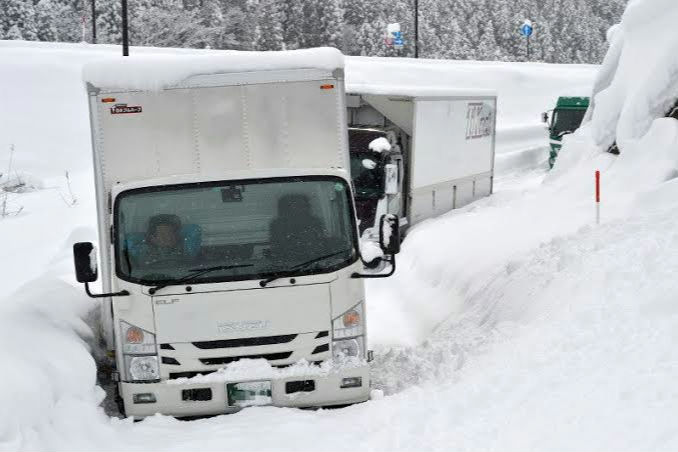
In February 2014, unusually heavy snowstorms struck central and eastern Japan, affecting regions not accustomed to severe winter weather. Areas including Tokyo’s surrounding prefectures experienced record snowfall, leading to transport shutdowns, power outages, and widespread disruption. Roof collapses were reported in rural areas where buildings were not designed to support heavy snow loads. More than 30 deaths were linked to the storms, many involving elderly residents and accidents during snow removal.
The impact was particularly severe in isolated communities. Roads became impassable, cutting off access to food, medical care, and emergency services. Volunteers and local authorities worked together to clear snow and check on vulnerable residents. The storms challenged long-held assumptions about Japan’s winter risk outside northern regions such as Hokkaido. In response, policymakers began reassessing preparedness measures for rare but severe weather events, recognising that even infrequent snowstorms can have serious consequences when infrastructure and experience are limited.
14. UK “Beast from the East” (2018)
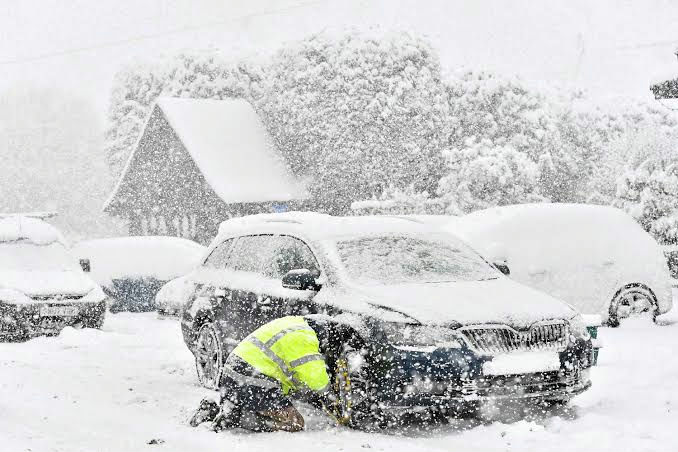
In late February and early March 2018, the United Kingdom experienced a severe cold wave and snowstorm popularly known as the “Beast from the East.” Freezing air from Siberia combined with moisture from the Atlantic, producing heavy snowfall, strong winds, and dangerously low temperatures. Roads, railways, and airports were closed across much of the country, and schools shut nationwide. At least 17 deaths were linked to the event, many involving exposure and travel-related incidents.
The storm quickly became a shared national experience. Supermarket shelves emptied, workplaces closed, and communities rallied to support elderly and vulnerable neighbours. Images of stranded vehicles on major motorways highlighted how unprepared parts of the transport network were for prolonged snow. While the UK rarely experiences such conditions, the event sparked renewed debate about winter resilience, emergency planning, and climate variability. It also showed how quickly everyday life can be disrupted when extreme weather meets dense populations and ageing infrastructure.
15. Texas Winter Storm (2021)
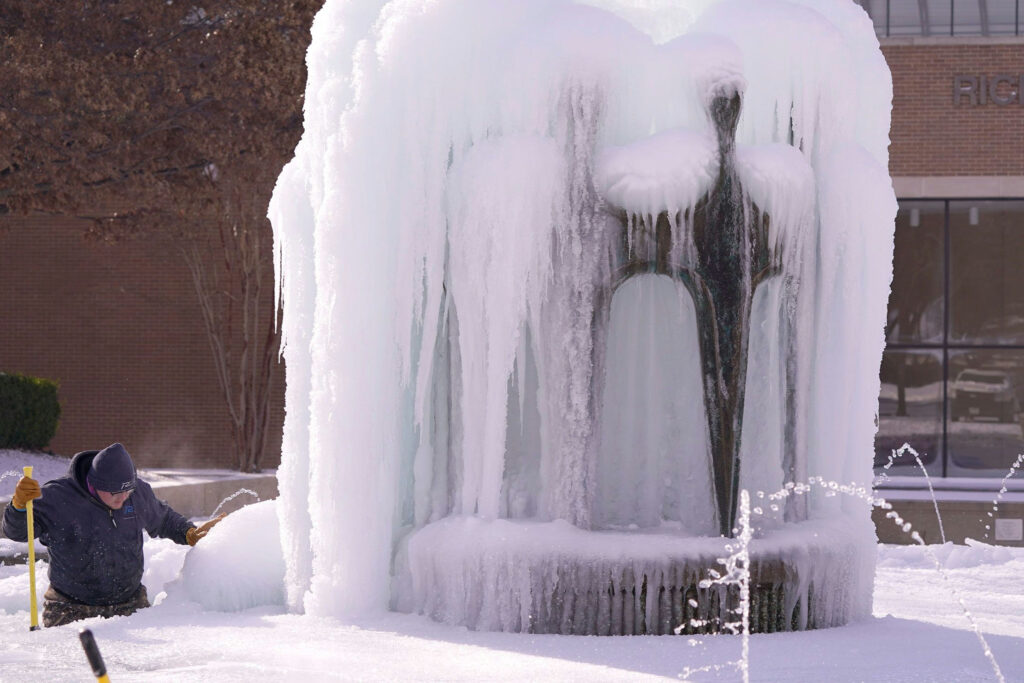
In February 2021, a rare and severe winter storm swept across Texas and neighbouring states, bringing snow, ice, and prolonged freezing temperatures. Power plants and gas infrastructure failed under the cold, triggering widespread electricity outages. Millions of residents were left without heat, water, or power for days. Official reviews later linked more than 200 deaths to the storm, many caused by hypothermia, carbon monoxide poisoning, and lack of medical care.
The crisis exposed deep structural weaknesses. Homes designed for heat rather than cold became unsafe, and residents relied on improvised solutions to stay warm. Long queues formed for food and water, while hospitals struggled to operate. The storm sparked national debate about energy regulation, climate preparedness, and infrastructure investment. It became a clear example of how rare weather events can have catastrophic effects when systems are not built for extremes, turning a natural disaster into a humanitarian emergency.
16. Bangladesh Cold Wave (2013)
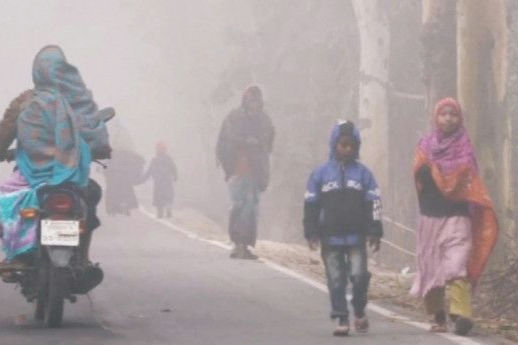
In January 2013, Bangladesh experienced one of its deadliest cold waves, despite the absence of snow. Night-time temperatures dropped sharply across northern regions, catching many residents unprepared. Over 80 deaths were reported, primarily among elderly people and children living in poverty. Dense fog disrupted road, rail, and air transport, while agricultural activity slowed significantly.
The cold wave highlighted how winter danger is not limited to traditionally cold countries. Many homes lacked adequate insulation or heating, leaving families exposed to conditions rarely associated with the region. Health services were stretched as cold-related illnesses increased. These events challenged assumptions about climate risk in tropical countries, showing that cold temperatures alone can be deadly when communities lack resources. The disaster prompted calls for better public awareness, emergency shelter provision, and targeted support for vulnerable populations during extreme weather.
17. Northeast Blizzard of 2015
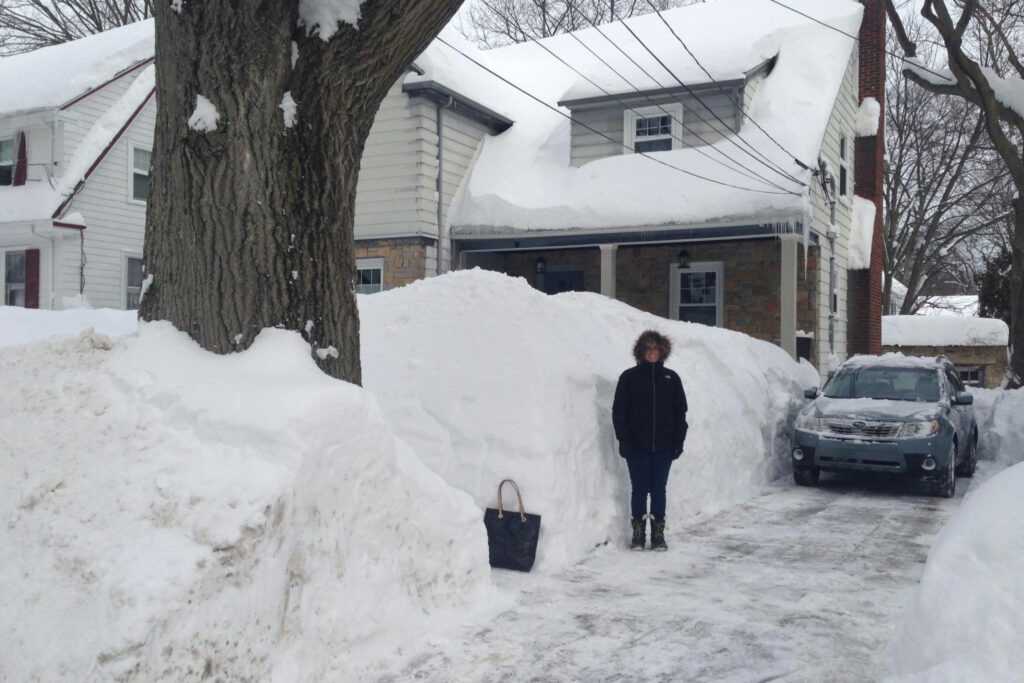
In late January 2015, a powerful blizzard struck the northeastern United States, affecting states from Pennsylvania to Maine. Beginning on 26 January, the storm brought intense snowfall, strong winds, and coastal flooding. Boston was among the hardest hit cities, recording more than 24 inches of snow in a single event, with additional storms following soon after. Flights were cancelled in large numbers, public transport systems were shut down, and major roads were closed as authorities issued travel bans. While the death toll was lower than that of historic blizzards, the economic cost ran into billions of dollars due to prolonged closures and damaged infrastructure.
What made the storm notable was how it was experienced. Continuous media coverage and detailed forecasts meant residents were warned well in advance. Supermarkets filled quickly, workplaces closed early, and streets emptied before the first flakes fell. This level of preparation helped reduce fatalities but also highlighted how dependent modern life is on infrastructure. The storm demonstrated that even with accurate forecasting, winter weather can still cause major disruption, especially in densely populated regions with ageing transport systems.
18. Snowstorm Jonas (2016)
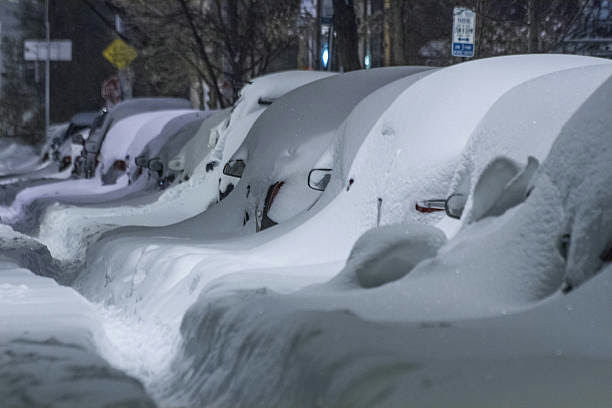
Snowstorm Jonas struck the eastern United States between 22 and 24 January 2016, becoming one of the most significant winter storms of the decade. Heavy snowfall blanketed the Mid-Atlantic and Northeast, with Washington, D.C. recording over 17 inches of snow and parts of West Virginia exceeding 40 inches. Travel bans were imposed, flights cancelled, and major cities shut down. At least 55 deaths were linked to the storm, along with billions of dollars in economic losses.
Despite clear advance warnings, the storm’s intensity still surprised many. Families prepared by stocking supplies and staying indoors, turning homes into temporary shelters. Emergency services responded more effectively than in earlier decades, yet the storm highlighted ongoing risks linked to dense populations and winter travel. Jonas became a modern reference point for large-scale snowstorms, demonstrating both the benefits of forecasting advances and the limits of preparedness in extreme conditions.


