
Mumbai’s Relentless Flow
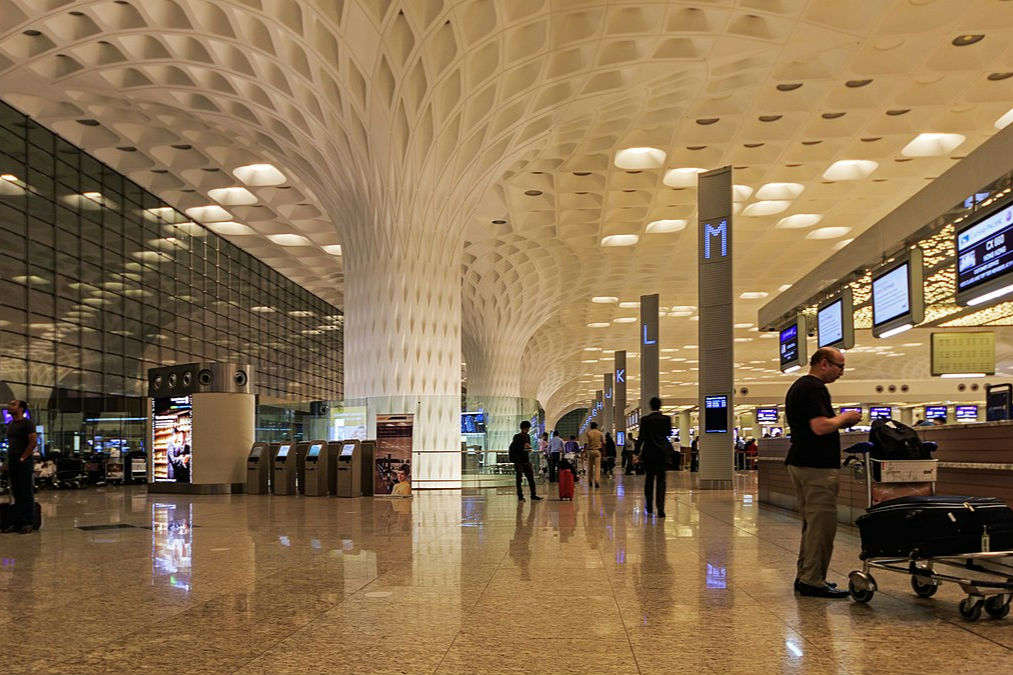
Chhatrapati Shivaji Maharaj International Airport in Mumbai is widely recognized as the busiest single-runway operation on the planet. While the airport actually has two runways that cross each other, their layout means only one can be used at any given time. This creates a functional single-runway environment that handles an incredible 50 to 54 million passengers annually. Even with the opening of the new Navi Mumbai Airport expected in 2025 to help ease the load, the main city hub remains a global gold standard for high-intensity aviation management.
The sheer volume of traffic handled here is staggering when you look at the daily numbers. Back in November 2018, the airport broke its own records by managing 1,004 aircraft movements in a single 24-hour window. Because the airport is hemmed in by the city’s dense urban sprawl, there is no physical way to add more runways. To keep things moving, the facility uses high-speed exit taxiways that allow planes to vacate the runway quickly, clearing the way for the next flight. It is a constant, high-stakes dance that keeps India’s financial capital connected to the rest of the world.
Gatwick’s Precision Rhythm
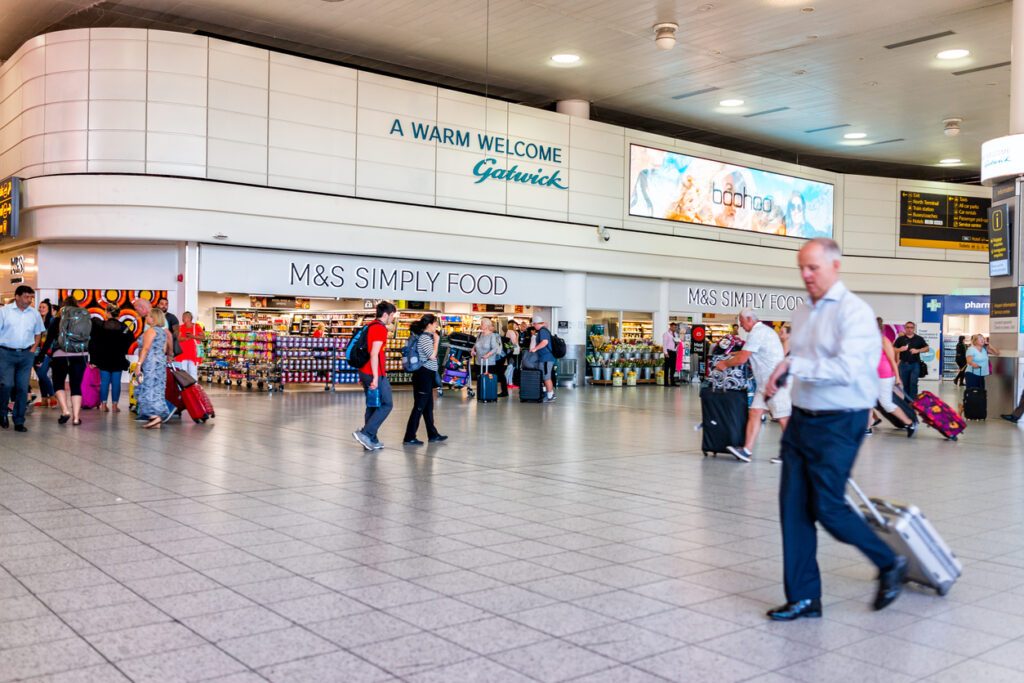
London Gatwick Airport is famous for being the busiest point-to-point airport in Europe that relies on just one runway for its daily operations. Although the site features a standby runway, it is positioned too close to the main one to be used at the same time, meaning it only comes into play during emergencies or maintenance. Despite this restriction, Gatwick successfully managed over 46 million passengers in 2019 before the global travel pause and has quickly climbed back toward those impressive figures. It serves as a vital secondary hub for London, supporting a massive network of both low-cost and long-haul carriers.
The secret to Gatwick’s success is a concept known as “peak-hour movements,” where the airport often handles up to 55 flights per hour. This requires every pilot and ground crew member to be perfectly synchronized, as a delay of just sixty seconds can ripple through the entire day’s schedule. While there have been ongoing legal and political debates for years regarding the construction of a second runway, the airport has thrived by maximizing its current footprint. It stands as a prime example of how smart technology and strict slot management can make a single runway perform like a multi-runway hub.
San Diego’s Urban Challenge
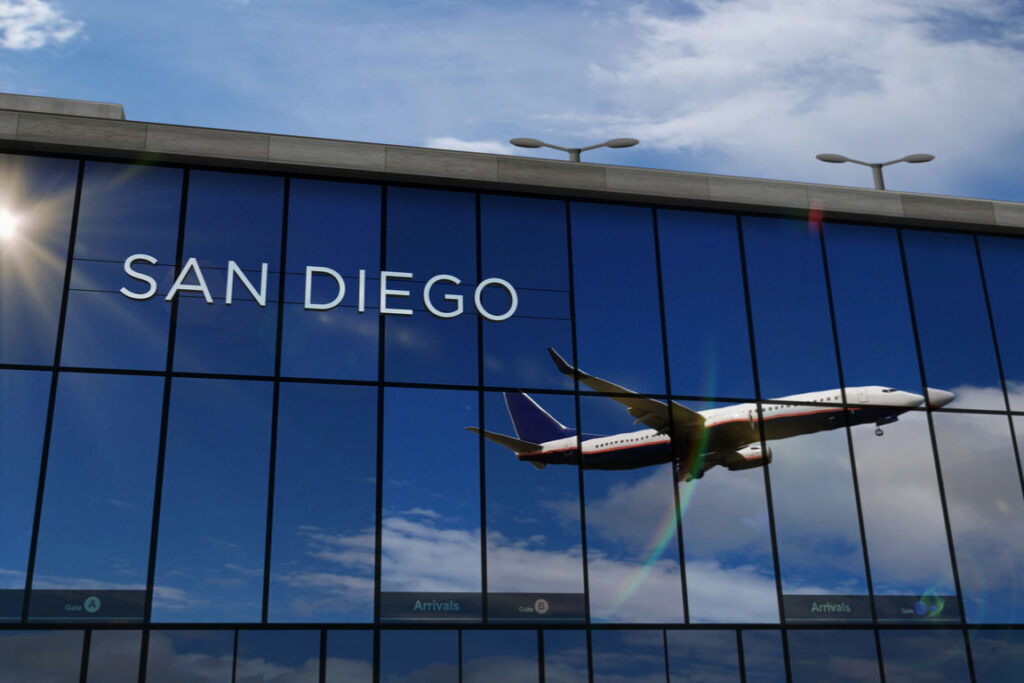
San Diego International Airport holds the title of the busiest single-runway commercial airport in the United States. Its lone runway measures approximately 9,400 feet and is famously located right next to the downtown area. Because it is boxed in by the San Diego Bay and Interstate 5, the airport has no room to expand outward. In 2019, the facility saw a record-breaking 25.2 million passengers, proving that even a compact site can handle massive crowds. The airport’s proximity to the city makes it convenient for travelers but creates a significant logistical puzzle for planners.
Landing in San Diego is often described as a thrilling experience because planes must fly low over the city’s skyscrapers before touching down. Due to the lack of space, the airport implemented a $3 billion “Terminal 1” redevelopment project, which began in 2021, to improve passenger flow without needing more land for runways. Since there is no “Plan B” runway, air traffic controllers must be extremely precise, especially during the morning and evening rush hours. This airport remains a critical gateway for Southern California, demonstrating that efficiency can overcome even the tightest geographic constraints.
Lisbon’s European Gateway
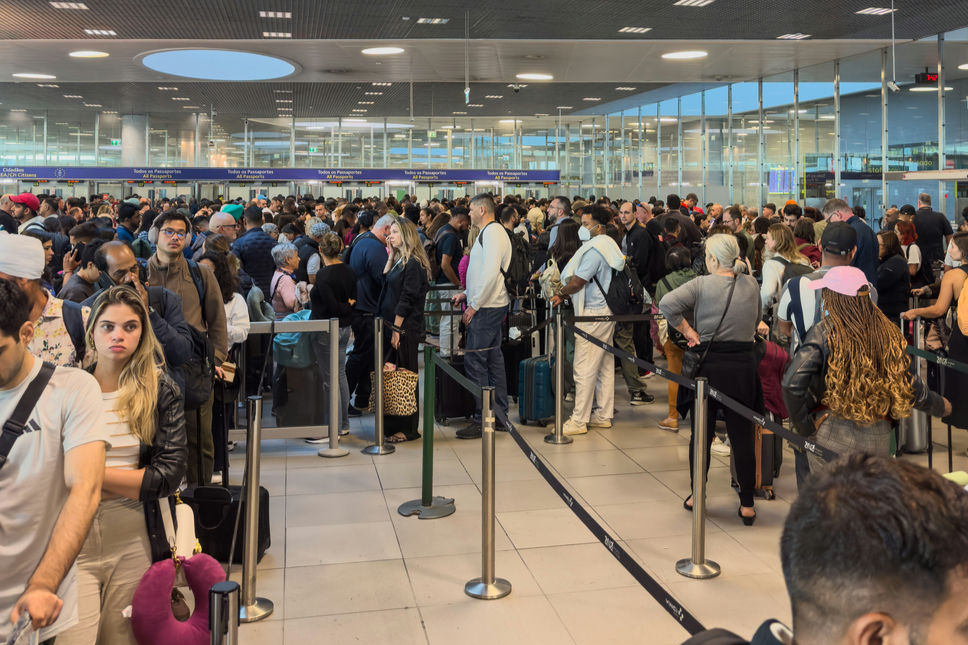
Humberto Delgado Airport is the primary international gateway to Portugal and ranks among the most stressed single-runway airports in the European Union. Located right in the heart of Lisbon, it handled over 33 million passengers in 2023, serving as a massive bridge between Europe, Africa, and South America. Because the airport is completely surrounded by residential neighborhoods and urban infrastructure, it faces some of the toughest expansion limits in the world. This has led to frequent discussions about building a brand-new airport in nearby Alcochete to handle the overflow by the mid-2030s.
For now, the airport relies on every bit of technical innovation available to maintain its schedule. Pilots must adhere to very specific noise-reduction procedures while ground teams work at lightning speeds to turn planes around. The demand for Lisbon as a top tourist destination has surged over the last decade, putting even more pressure on the lone runway. Every year, the airport sets new milestones for passenger numbers, proving that with enough coordination, a single runway can support the economic ambitions of an entire nation while waiting for future infrastructure to be built.
Fukuoka’s Efficient Hub
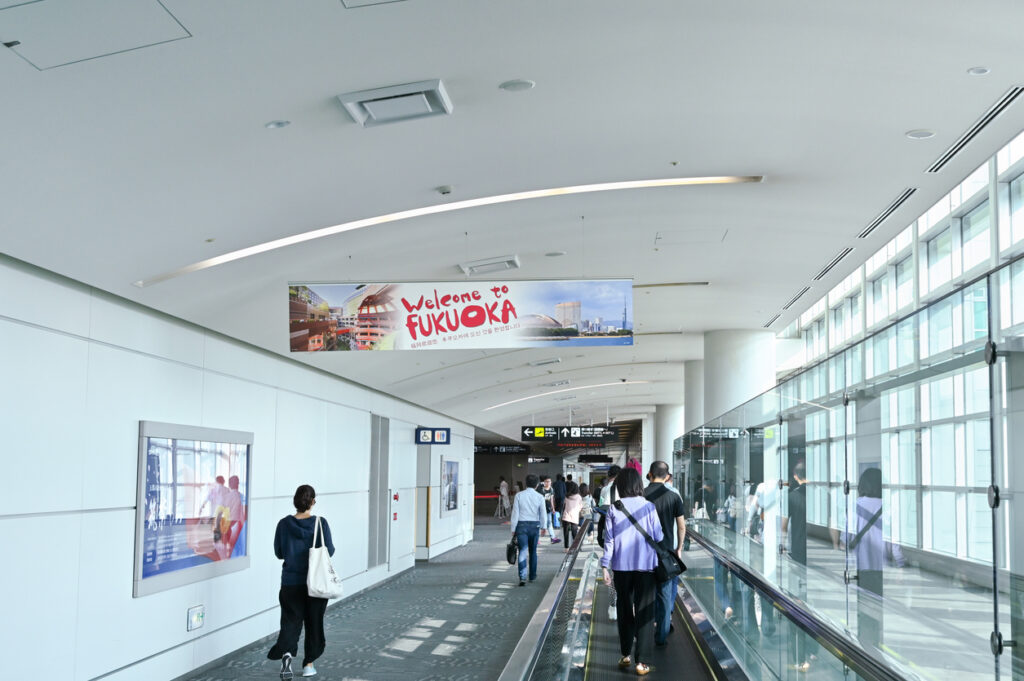
Fukuoka Airport in Japan is frequently cited as one of the most conveniently located airports in the world, sitting just a few minutes away from the city’s central business district by subway. This convenience comes at a price, as the airport operates with only one 9,186-foot runway to handle both domestic and international traffic. Despite this, it managed nearly 25 million passengers annually in the years leading up to 2020. It is a critical link for the island of Kyushu, connecting local residents to Tokyo, Osaka, and various major cities across East Asia.
To deal with the intense congestion, the Japanese government began a massive project to add a second parallel runway, which is expected to be fully operational by 2025. Until that project is finished, the airport continues to operate as a single-runway marvel, known for its incredible punctuality and orderly flow. The staff at Fukuoka are experts at “short-turning” aircraft, ensuring that planes spend as little time as possible on the ground. This disciplined approach allows the airport to maintain one of the highest flight-per-hour ratios in the region, proving that Japanese operational standards are second to none.
Phuket’s Tourism Pressure
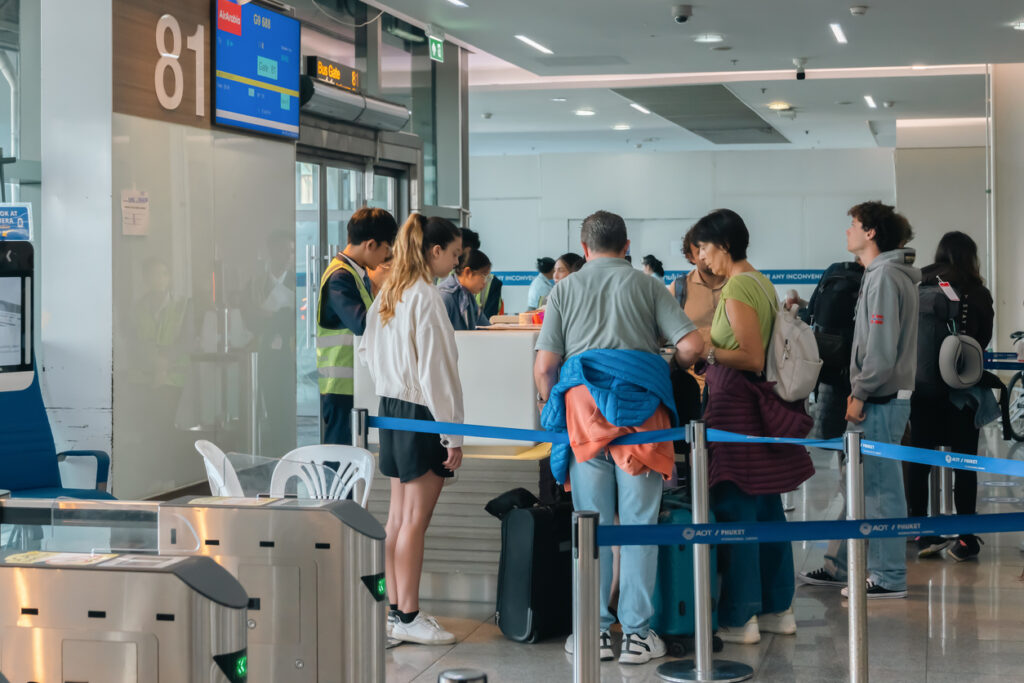
Phuket International Airport serves as the main entry point for Thailand’s most famous holiday island, and it does so with a single runway that faces immense seasonal pressure. As a massive hub for tourism, the airport must handle everything from small regional jets to massive wide-body planes like the Boeing 777 coming from Europe and the Middle East. During the peak “high season” between November and March, the runway is constantly active, supporting a tourism industry that brings in millions of visitors and billions of dollars to the local economy.
In 2016, the airport opened a new international terminal to help manage the growing crowds, but the runway remains the ultimate bottleneck. Because the airport is situated between the mountains and the Andaman Sea, there is no easy way to build a second landing strip. This means air traffic controllers must be experts at balancing slow-moving domestic flights with heavy international arrivals. The airport’s ability to keep the “Pearl of the Andaman” connected to the world is a testament to the resilience of its staff and the importance of precise scheduling in a high-demand vacation market.


