
Tail Tales
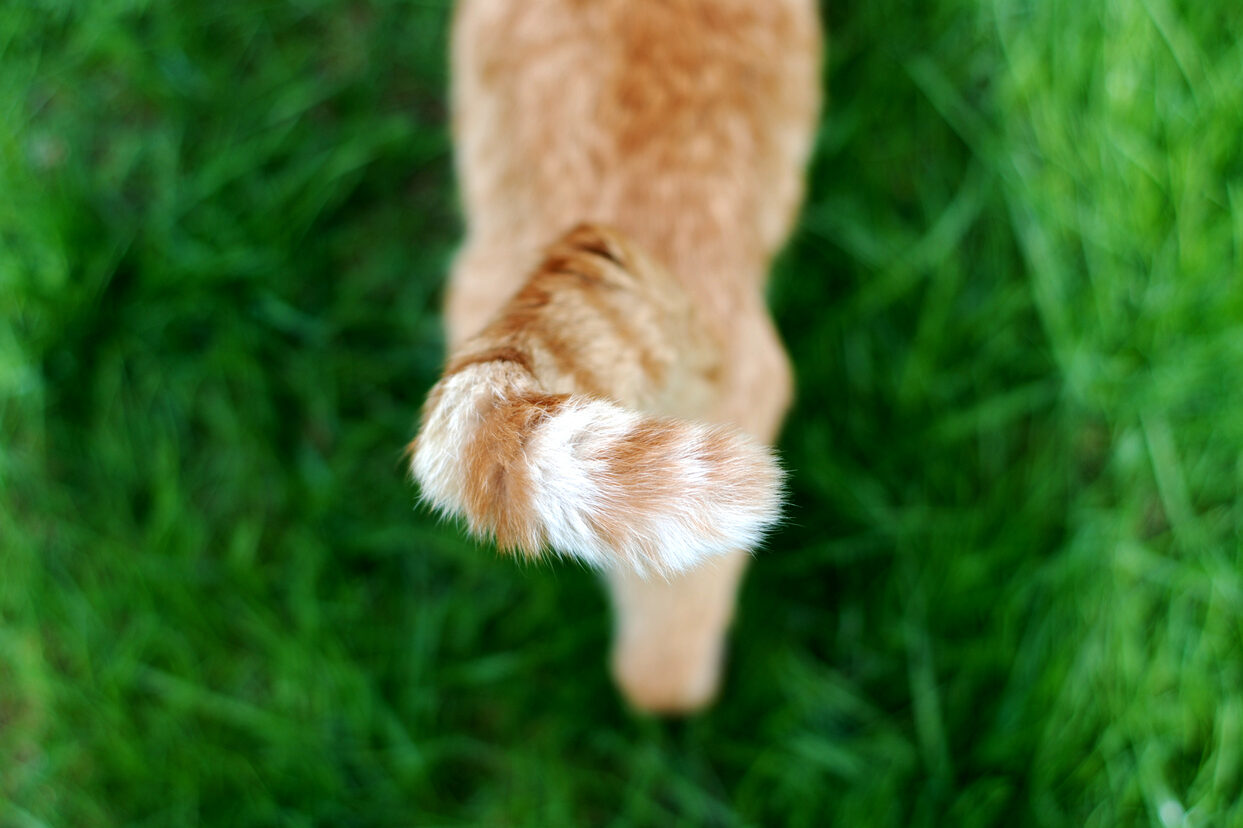
It helps to begin with something familiar since many people already read their cats without realizing it. The tail is usually the first part that reveals a message without using sound, and it speaks clearly through posture. A raised tail often shows confidence and welcome, like a greeting you did not request but are lucky to receive. A swaying tail can show curiosity, while a sharp flick might reveal frustration or impatience. By watching the tail, you enter a quiet dialogue that grows with attention, reminding you that cats do not need loud voices to express their feelings.
Slow Blink Bonds
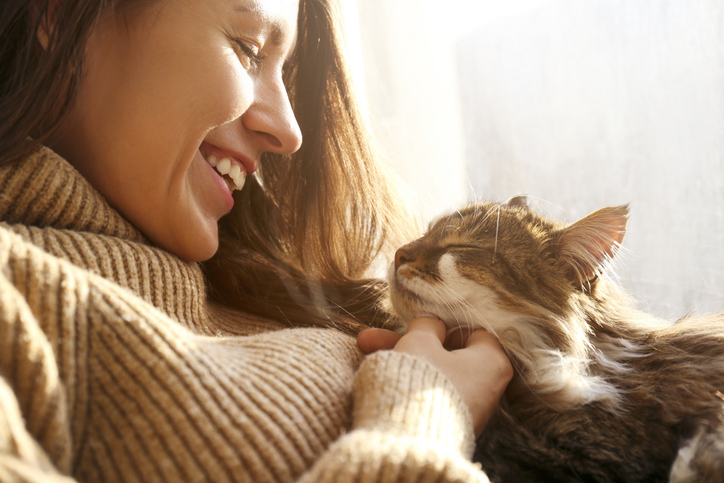
There are moments when your cat looks at you quietly, sending warmth through a simple slow blink that feels personal. When a cat narrows its eyes gently and closes them slowly, it is offering peace, safety and trust in a calm, silent way. You can blink back slowly to respond, creating a shared moment that does not need words or touch. The slow blink is often overlooked, yet it forms one of the strongest connections between people and their cats. One soft blink is enough to say you matter, and the gesture becomes friendship without noise or effort.
The Silent Meow
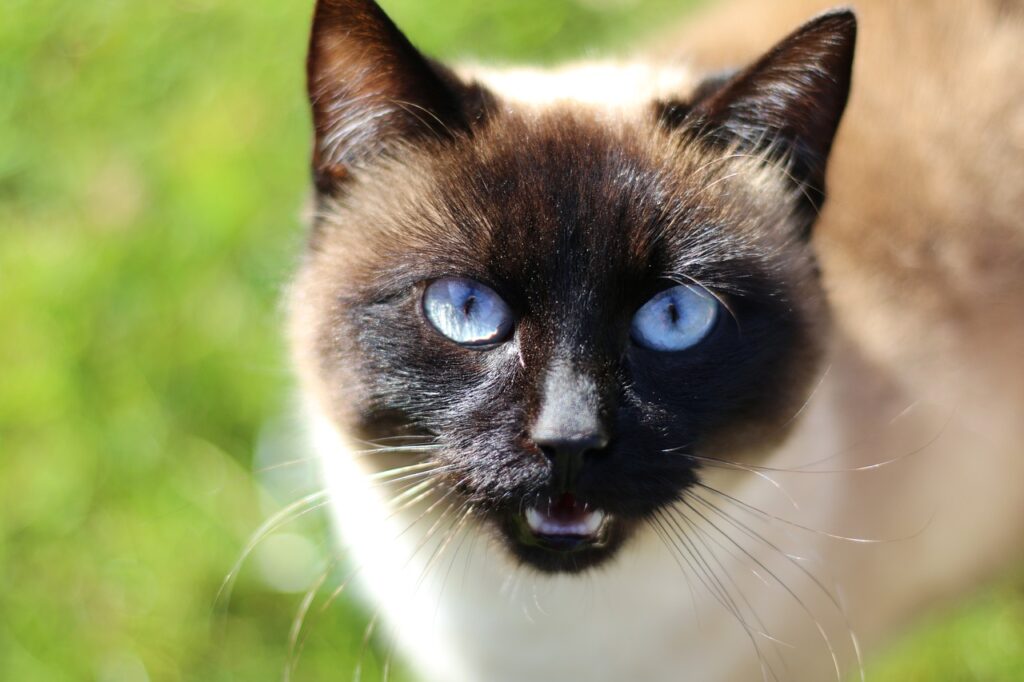
Sometimes a cat opens its mouth like it wants to speak, yet not a single sound reaches your ears. This silent meow often means hello, feed me or notice me, but the message is quieter than your hearing can process. Some cats intentionally keep the sound soft or silent, making it a private signal meant for attention, not volume. It reminds us that cats communicate through expression as much as voice. The silent meow invites you to pay attention to details, to look rather than listen, and to recognize affection or curiosity without expecting anything loud in return.
Head Rub Greetings
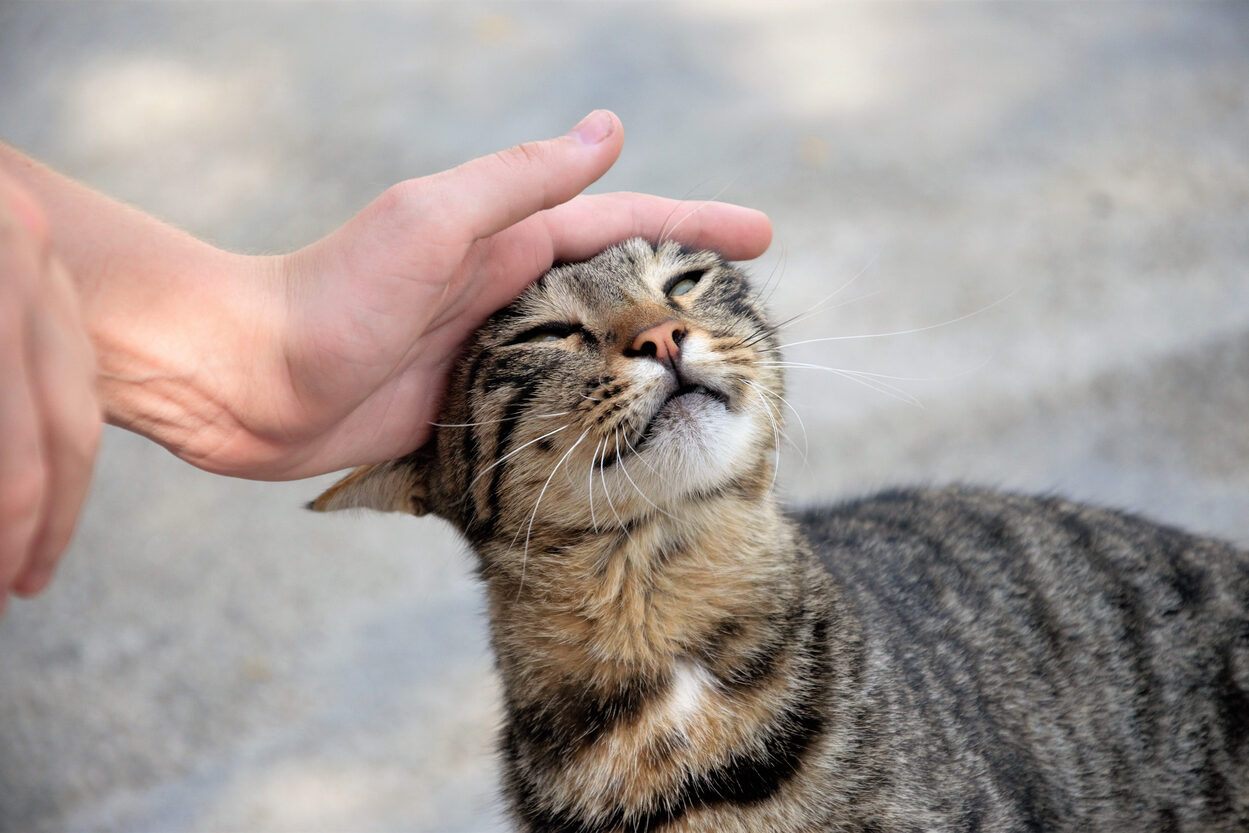
A cat does not need words to announce that you belong to their chosen circle. A simple head rub against your hand, leg or arm is a quiet way of saying you are part of their safe space. Cats carry scent glands in their cheeks and forehead, so when they rub you, they leave a bit of themselves behind while welcoming you at the same time. It is affection mixed with ownership, trust expressed through touch instead of sound. You do not need to react loudly, just let the rub happen. Accepting it is like returning a hello.
Ear Direction Clues
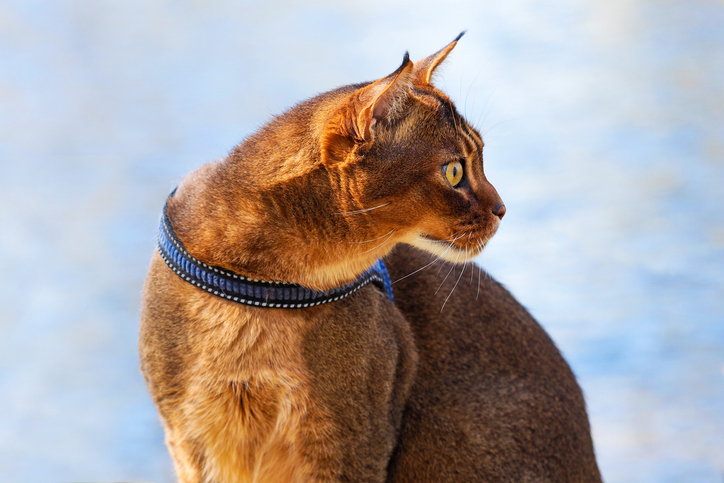
A cat’s ears reveal feelings without the slightest noise, offering emotional clues through different positions. Forward ears usually show curiosity and comfort, especially when something friendly has their attention. When ears shift backward, it might signal caution or annoyance. Flattened ears typically show discomfort or fear. These silent signals make conversation possible through observation instead of speech. If you take time to watch the ears closely, you begin to understand how cats experience their environment. The message becomes easy to read once you slow down and pay attention, and the ears become as meaningful as words.
Belly Trust Moments
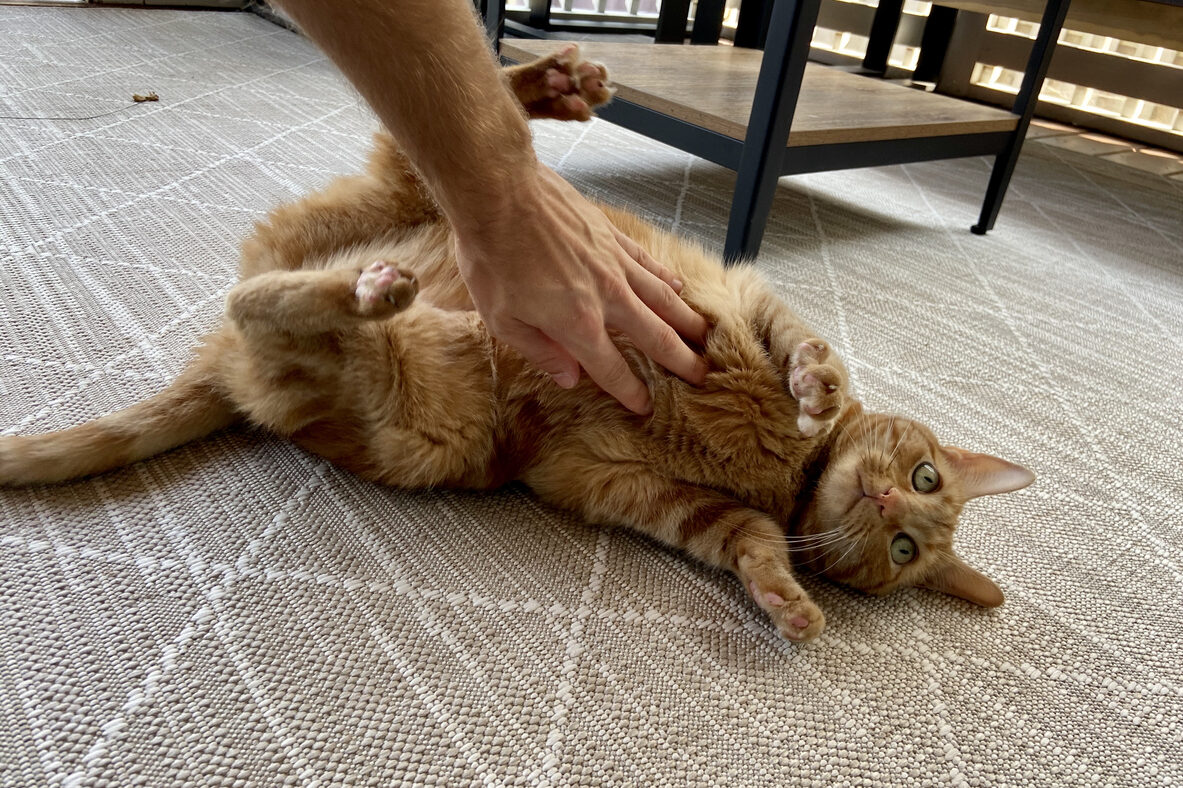
When a cat rolls over and shows its belly, the message is deeper than an invitation to pet. Exposed bellies reveal vulnerability and comfort, proof that they feel safe with you nearby. Sometimes they may allow a rub, but other times they simply want to reveal trust without being touched. Understanding this difference is important because the belly display is about security, not always affection. Respecting that moment strengthens your bond. A cat that shares trust quietly offers you something more valuable than sound. They are not asking for anything, just showing that they feel protected with you.
Purring in Context
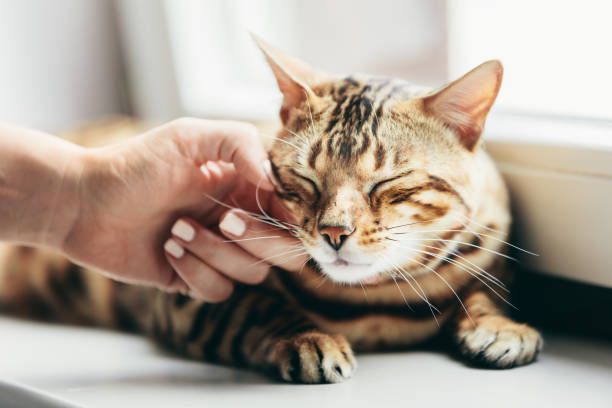
Purring is familiar, yet it is not always a direct sign of happiness. Cats purr when they are relaxed and content, but they may also purr to calm themselves when anxious or uncomfortable. Listening alone is not enough to understand the message. You need to observe body posture, facial expression and energy to know what the purr truly communicates. The sound itself is only a piece of the story. Silent behavior around the purr gives meaning to the vibration. When you notice those surrounding details, you begin to understand what your cat is feeling without relying solely on noise.
Tail Tip Flicks
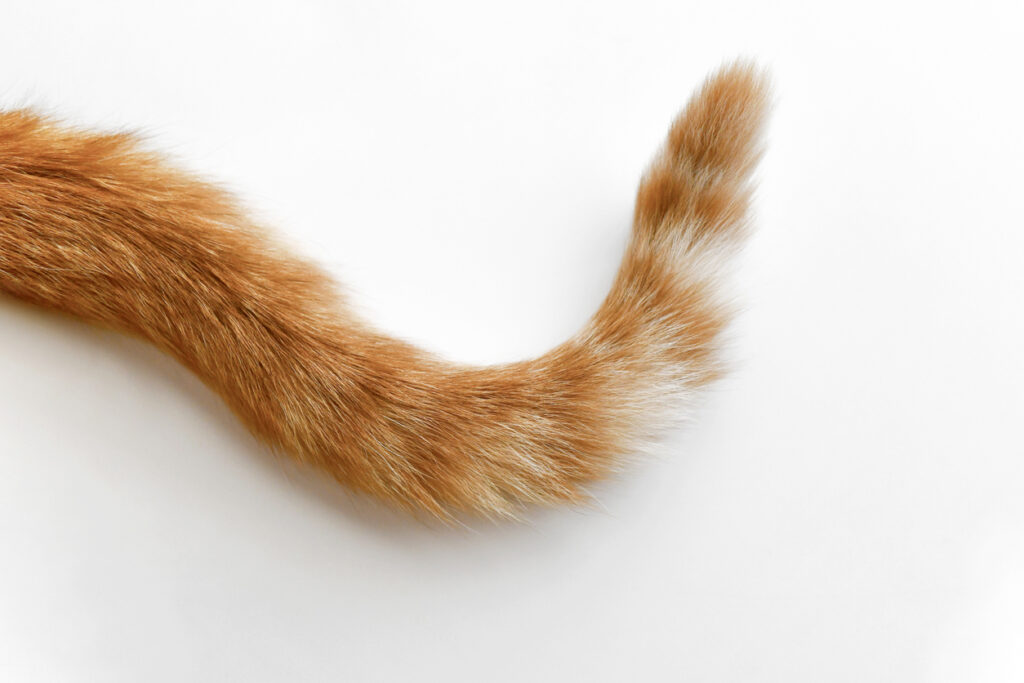
The tip of a cat’s tail can reveal quiet thoughts most people never notice. A small flick at the end of the tail may mean curiosity or alertness, showing that they are interested in something but not fully ready to react. This silent sign often appears when they are thinking, watching or deciding. It is like a subtle question expressed through movement instead of words. The flick is soft, yet full of meaning if you pay attention. A calm environment might keep the movement slow, while stimulation can make it quick. It is communication through tiny, thoughtful motion.
The Chirp and Trill
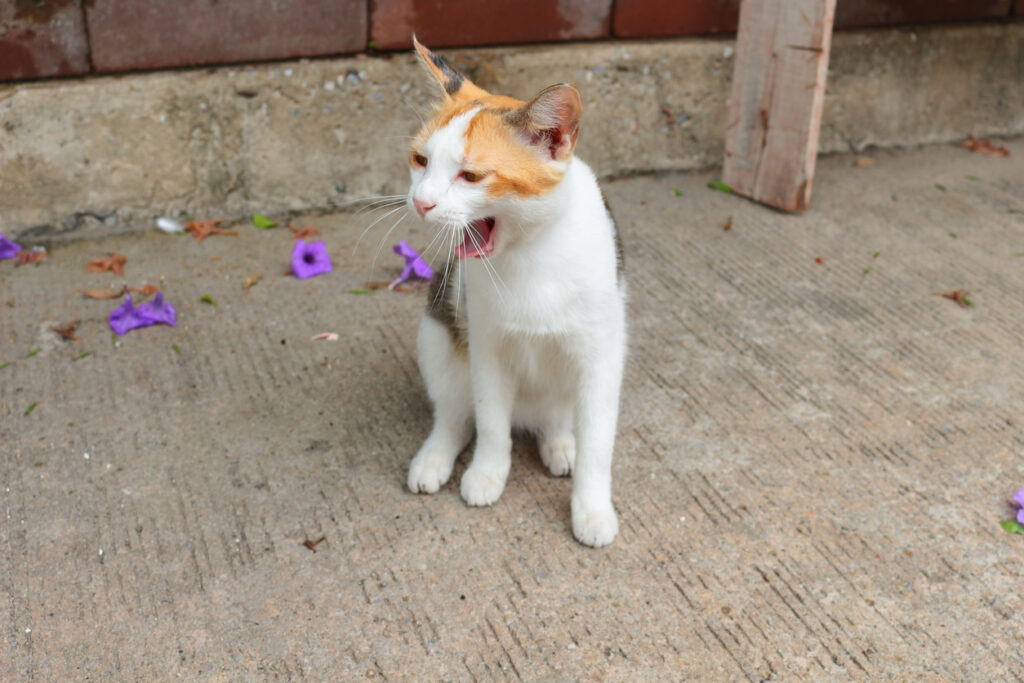
Some cats make soft chirps or trills that act like gentle greetings more than loud vocalizations. These delicate sounds blend with body movement, making them part of silent communication despite being audible. A chirp usually invites attention or encourages you to follow them, while a trill can express excitement or acknowledgement. They are like whispered conversations meant only for those close enough to understand them. The message is not about volume but connection. When cats use these subtle expressions, they show affection, curiosity or companionship in a way that feels private and sincere, without demanding attention forcefully.
Eye Shape Signals
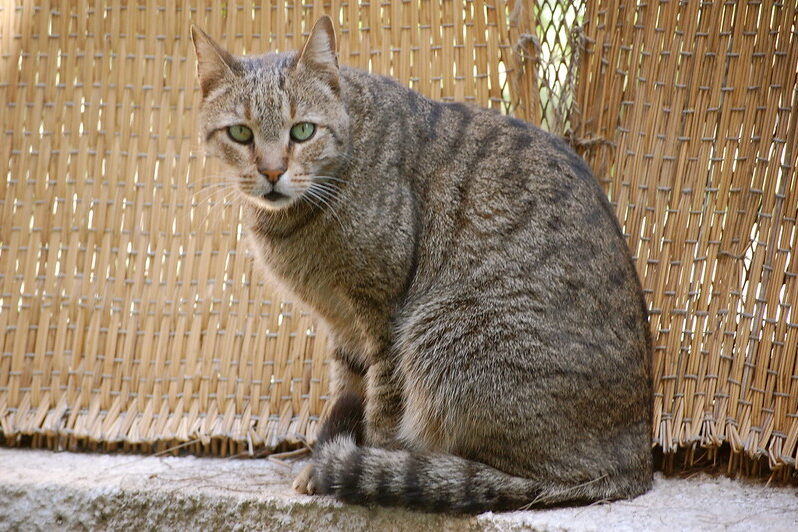
A cat’s eyes reveal how they feel without needing sound to explain it. Wide, rounded eyes show alertness or excitement, while gently narrowed eyes often express comfort, trust or peaceful interest. When a cat looks half asleep but keeps its eyes slightly open, it might simply feel secure enough to rest near you. Observing the shape and energy of their eyes helps you recognize moods more accurately. Watching their gaze becomes a quiet learning process. Without any noise, you can detect curiosity, caution, contentment or stress just by noticing how the eyes respond to the environment and you.
Whisker Position Messages
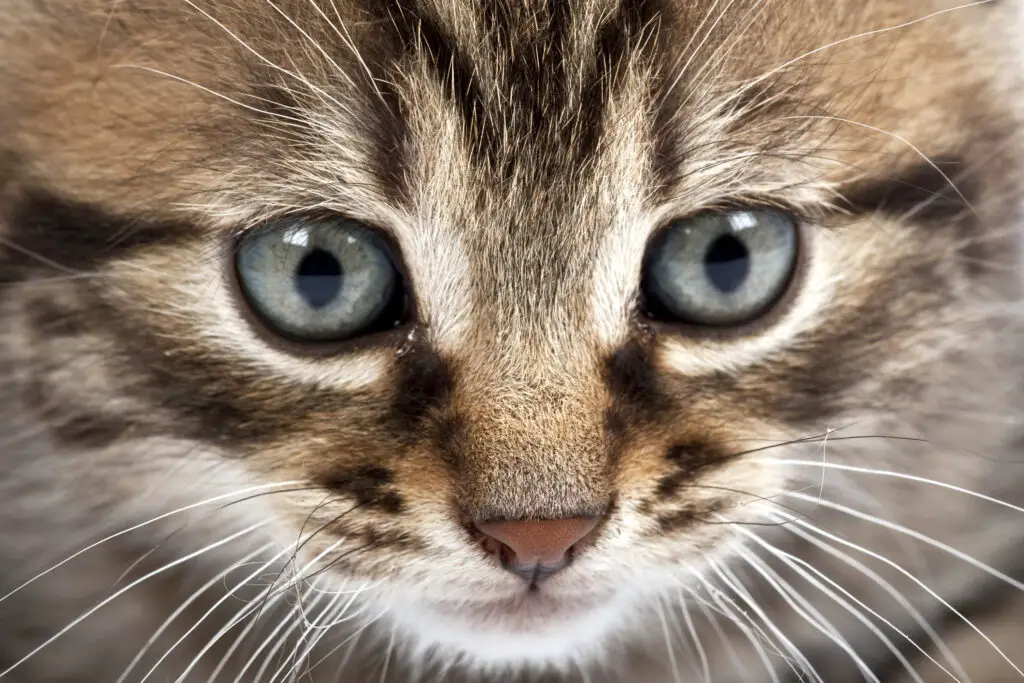
A cat’s whiskers communicate quietly through subtle position changes. When whiskers push forward, they show curiosity and interest in something new. When whiskers pull back tight against the face, they may indicate fear, discomfort or uncertainty. Neutral whiskers, relaxed and angled slightly to the side, often reflect calmness or confidence. These small shifts become a silent language, revealing feelings through presence instead of voice. If you pay attention to the whiskers, you learn to interpret emotional states that cats do not bother to express loudly. Observing whiskers is like reading emotions with your eyes rather than your ears.
The Slow Approach
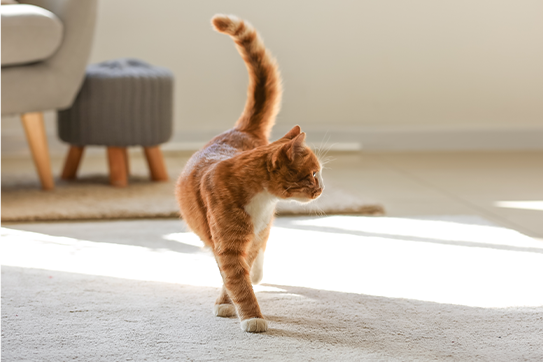
When a cat approaches slowly with relaxed posture and a gently raised tail, it is offering a quiet greeting without expecting immediate attention. Sometimes they rub your leg lightly, circle around you or simply sit near you without demanding touch. This behavior invites connection through presence rather than vocalization. You can respond with calm acknowledgment, maybe a soft blink or a slow gesture, showing that you understand. The slow approach is a polite conversation in movement form. It proves that shared space can build companionship, and silence can become comfort instead of emptiness.
Kneading With Paws
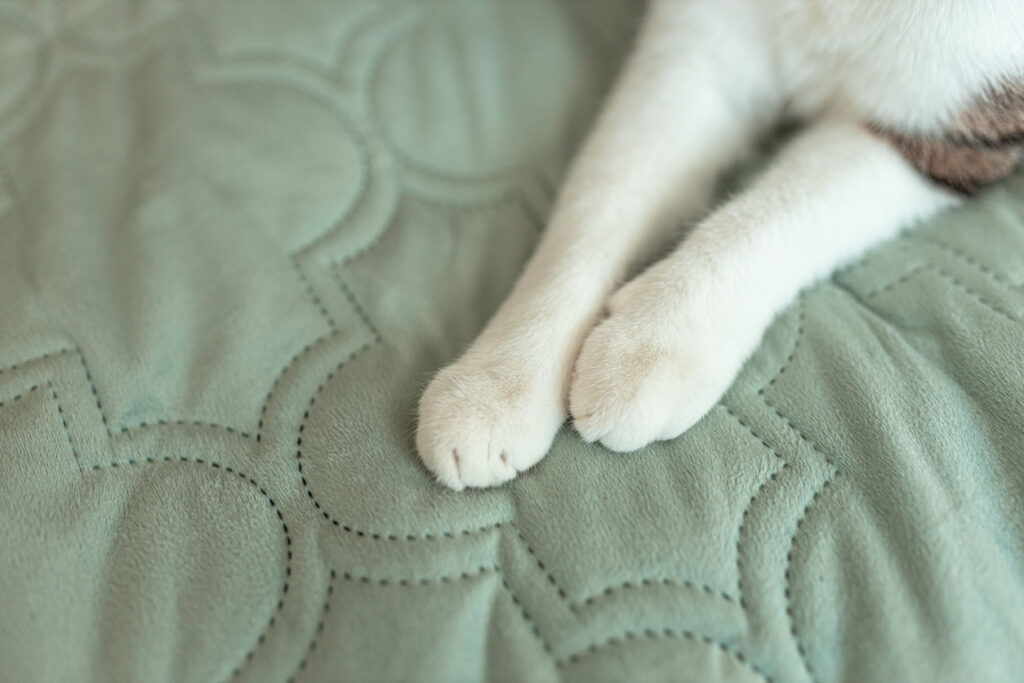
Kneading is a familiar behavior where cats press their paws into soft surfaces, almost like they are preparing dough. This action traces back to kittenhood when kneading helped them nurse. As adults, they perform it when they feel secure, joyful or deeply relaxed. Kneading near you is a chosen form of connection, like sharing comfort without asking for anything loud. Sometimes it comes with purring, half closed eyes or gentle drooling, deepening the emotional meaning. Kneading does not need sound to communicate affection. The message is simple and warm, a quiet reminder that they feel safe in your presence.
Fluffed Fur Signals
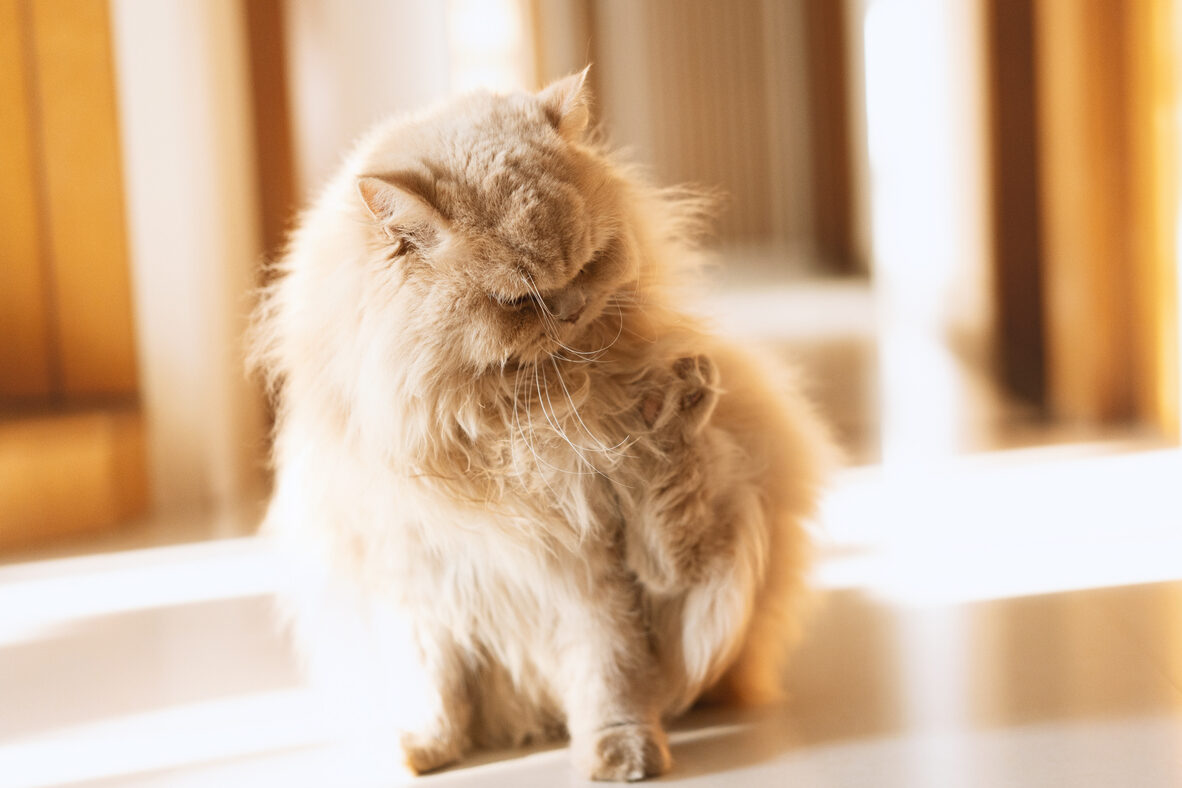
When a cat’s fur stands up, especially along the tail or back, the message is clear even without a hiss or growl. Raised fur signals fear, stress or defense, making the body appear larger as a protective reaction. This is not a moment to approach or comfort forcefully. Silence becomes respect here. The best response is to honor the signal and allow space. Loudness or sudden movement could increase tension. Understanding the quiet warning protects trust. When the fur returns to normal, the cat feels safer again. Their communication succeeded without words, and your patience becomes part of the conversation.
The Gentle Paw Tap
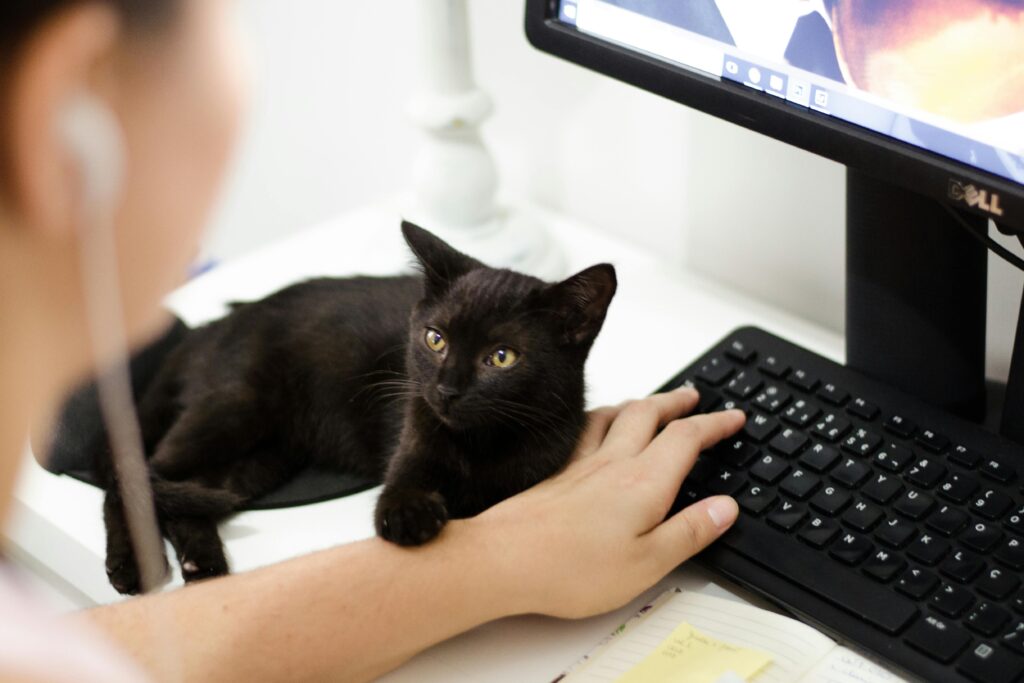
A soft tap from a cat’s paw may seem small, but it carries quiet purpose. Instead of meowing loudly for attention, some cats choose the lightest touch to communicate a request. It might mean they want food, affection or simply acknowledgment. The gentle tap shows patience, like a polite question instead of a demand. When you respond promptly, they learn that calm communication works. That tiny gesture becomes a peaceful system of asking and receiving. The paw tap teaches you to listen with awareness instead of volume, strengthening trust through quiet understanding and respectful reaction.
Shoulder Rubbing
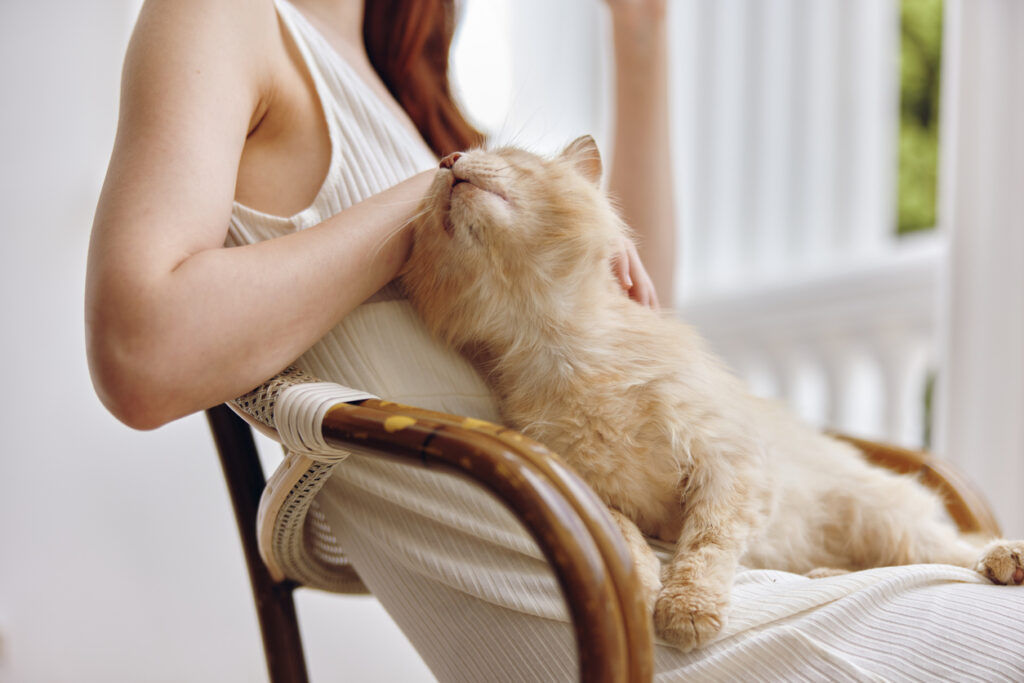
Cats often rub their shoulder or side against trusted people, combining scent sharing with affection in one silent action. This behavior marks you as part of their safe space while expressing social connection through contact rather than sound. It is casual but meaningful, a subtle sign that you belong within their circle. Some cats do it repeatedly to strengthen the bond, while others do it only when feeling secure enough to show closeness. Rubbing is tenderness without noise. Accepting it calmly allows the bond to grow naturally. In their world, trust is proven by sharing scent, not speaking.
Sitting Close Without Touch

A cat that sits close without leaning, rubbing or speaking still communicates affection. Choosing to rest near you is a quiet decision that reflects comfort and acceptance. They do not need to be held or petted constantly to show connection. Sitting together peacefully builds companionship through presence, not attention seeking. When a cat chooses your space voluntarily, it speaks of trust. Respecting that closeness without forcing touch helps deepen the bond. Silence becomes interaction, and togetherness becomes enough. The moment is simple, but the meaning is strong since affection is shown by staying near rather than asking loudly for attention.
Freeze Stance

A sudden freeze, where a cat stops moving with focused eyes and still posture, communicates intense attention. They might notice a sound, spot a small insect, sense movement or react to something unknown. The stillness is concentration, not fear. Interrupting breaks that focus, so the best response is observation rather than interference. Freeze stance expresses hunting instinct or cautious curiosity. Without making noise, a cat reveals how seriously it evaluates its surroundings. Watching without interrupting allows you to respect that natural instinct. Communication becomes learning through silence, where stillness means interest instead of calm.
Slow Tail Swing

A slow sweeping motion of the tail reflects thoughtfulness more than relaxation. The pace shows what a cat is feeling. A steady swing often means curiosity, focus or quiet analysis, while a faster swing may reveal irritation or impatience. The silent rhythm is a mood indicator for anyone willing to observe. You do not need words to follow their interpretation of the environment. By noticing the tempo of the tail, you understand the cat’s emotional state. The tail becomes a moving sentence, communicating silently through pace, showing you what they think without demanding your attention loudly.
Stretching Near You
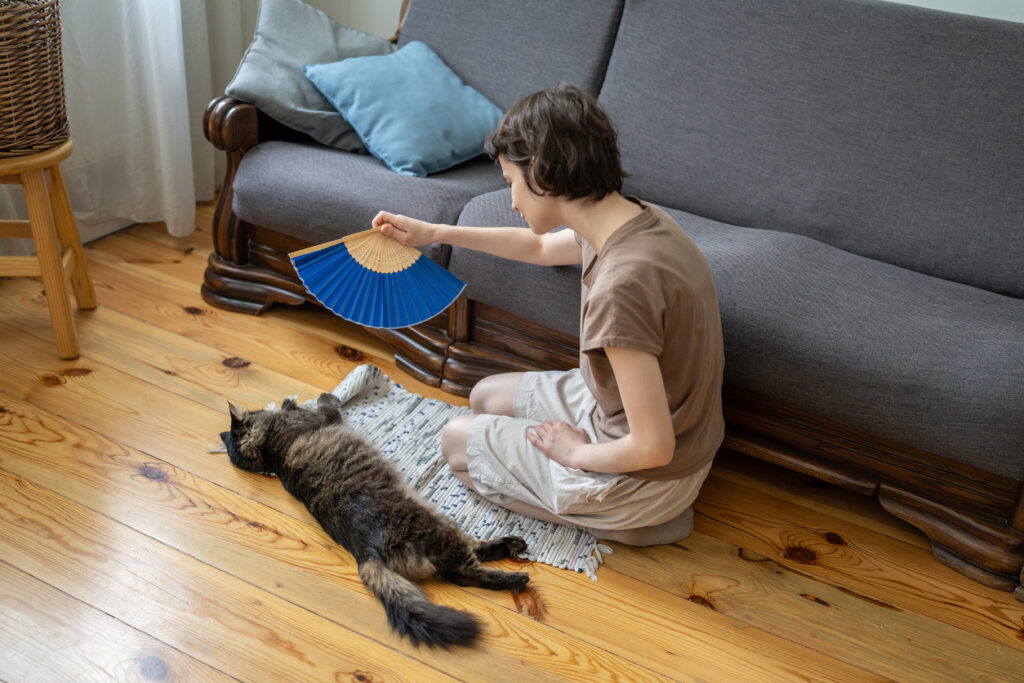
When a cat stretches in your presence, extending its body comfortably, it reveals trust through vulnerability. Stretching lowers their awareness briefly, so doing it near you suggests safety. They might yawn softly, extend their paws or roll slightly. This silent expression of comfort is like a relaxed hello that requires no effort from either side. You do not need to talk or touch them to acknowledge the moment. Allowing that peaceful stretch strengthens your relationship. Cats show ease through physical movement more than sound, and stretching near you becomes a quiet reminder that you make them feel protected.
Gentle Tail Wrap
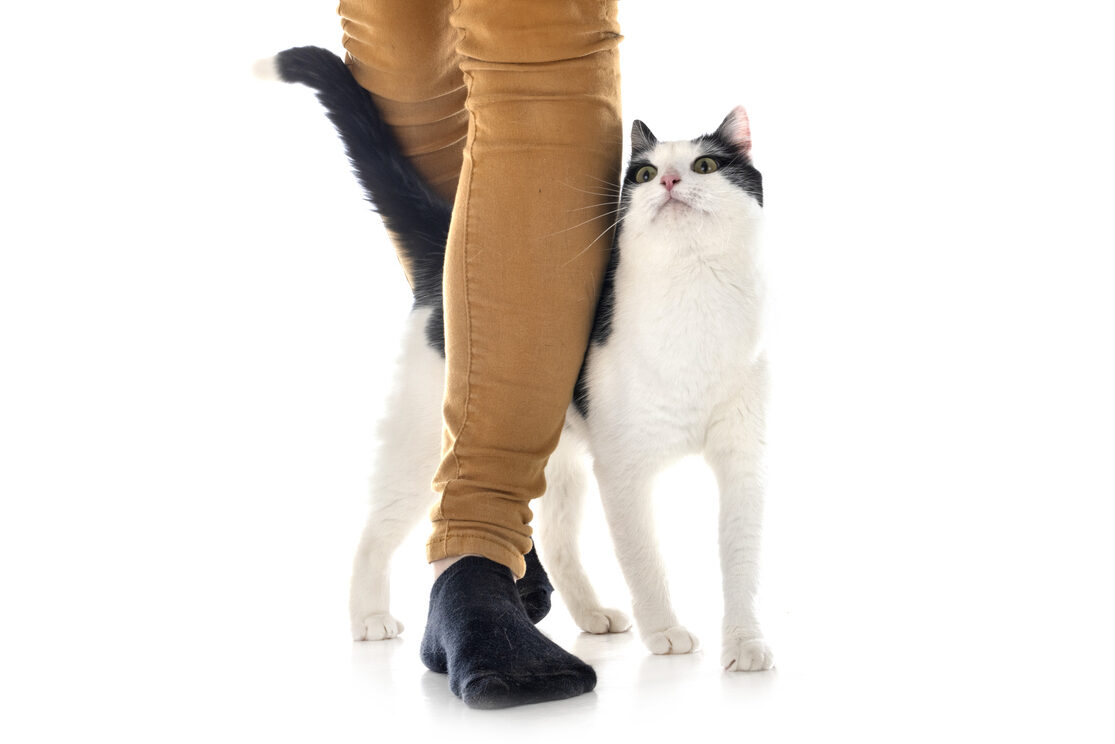
Sometimes a cat wraps its tail softly around your leg or another pet, similar to a delicate hug. This small motion reveals familiarity and calm companionship without noise or force. It is an affectionate gesture that marks closeness through touch. The tail becomes a quiet communicator, showing connection the same way humans hold hands or lean together. A tail wrap speaks gently, saying you are part of their circle. Even without meowing, it feels tender and thoughtful. When you receive that gesture without grabbing or startling them, you nurture silent affection respectfully.
Grooming as Affection
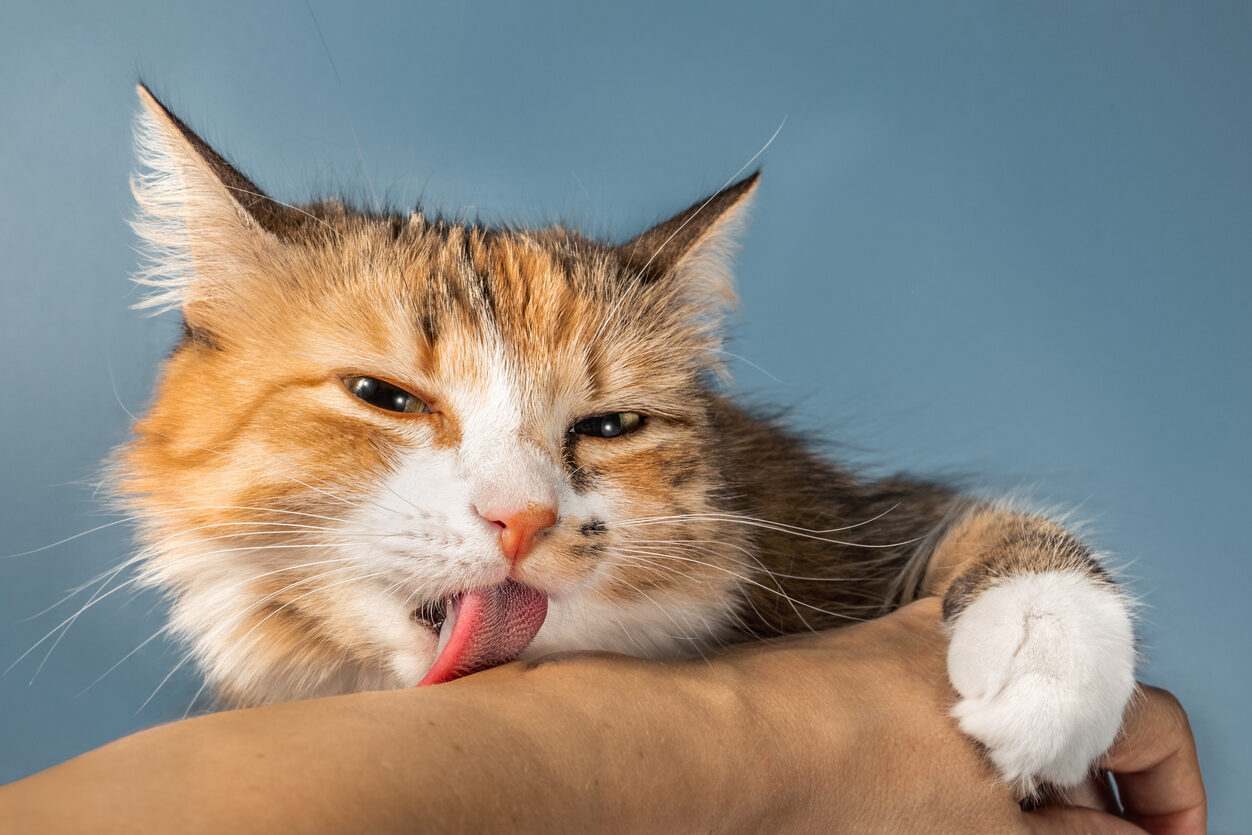
Grooming is often a personal task for cats, but when they choose to groom you or another pet, it becomes a social act of connection. Licking hair, nibbling lightly or cleaning your hand are ways they express trust and care without using sound. Grooming is a form of bonding rooted in family interaction, carrying deep meaning quietly. You do not need to respond verbally. Just accepting the gesture is enough. Sharing grooming moments builds emotional closeness. It is affection demonstrated through action instead of voice, reminding you that love does not always arrive loudly. Sometimes, it comes as gentle cleaning.
Hiding to Feel Safe
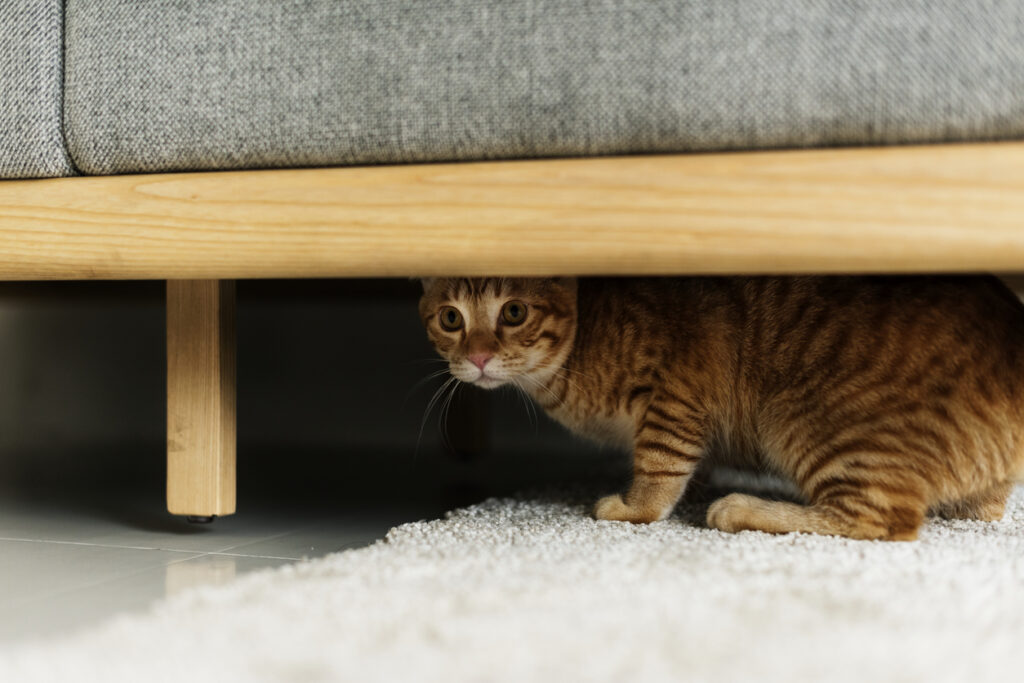
When a cat retreats to a quiet space under a bed, inside a box or behind furniture, it is not always fear or rejection. Sometimes hiding protects comfort and gives time for rest and emotional balance. Allowing that space respects their independence and personal boundaries. If you avoid forcing interaction, they eventually return feeling safer. Hiding becomes communication that says they need quiet, not distance. By honoring that choice, you support their emotional wellbeing without speaking. Silence becomes understanding, and patience becomes love. Their return later becomes trust earned through respecting their need for quiet privacy.
Quiet Following
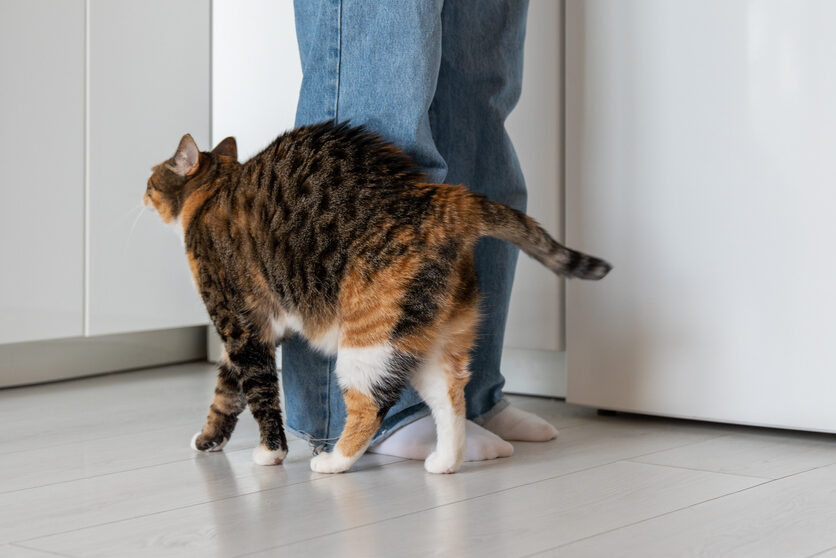
A cat may silently follow you from room to room, choosing to stay nearby without asking for touch or attention. This gentle companionship shows that they want to witness your world and share space with you. They are not demanding anything, just offering presence. Quiet following replaces noisy requests with loyalty. You can acknowledge it with a glance or a soft blink, but you do not need to speak or react dramatically. Their choice to walk alongside you reflects affection in movement form. Togetherness becomes conversation without noise, turning ordinary moments into shared connection.
Patient Waiting
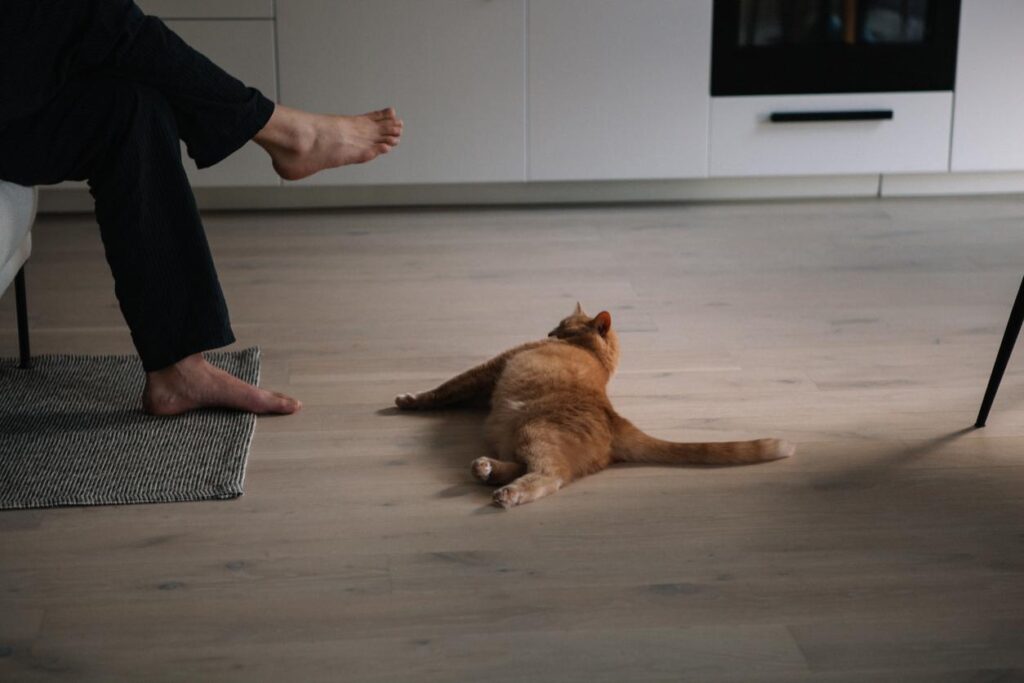
Some cats communicate by waiting calmly instead of insisting loudly. They may sit near their food bowl, door or favorite spot, watching you quietly with expectation. Patient waiting demonstrates trust that you understand their needs without requiring noise. It shows belief in routine and respect for your role in their world. When you respond to the silent request, you prove that communication can happen through presence, memory and observation. The more you recognize patient waiting, the more peaceful your interactions become. Needs are met through understanding, not demand, strengthening the relationship through gentle cooperation instead of volume.
Sleeping Near You
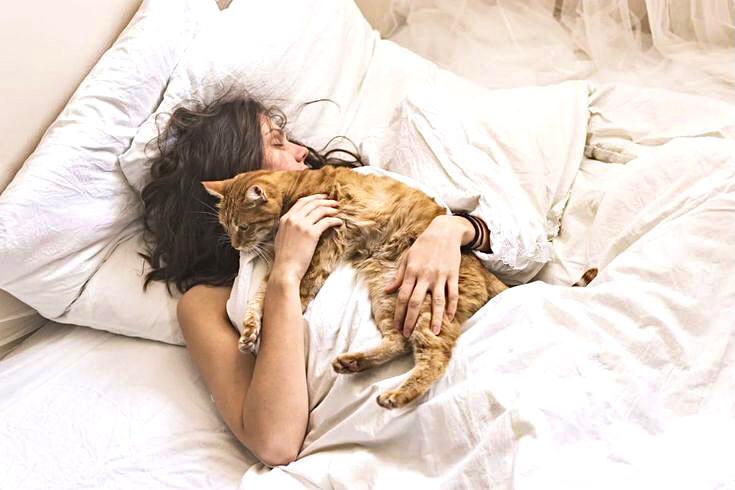
A cat that sleeps near you expresses deep trust through stillness. Sleep leaves them vulnerable, so choosing to rest close shows confidence in your presence. They might nap beside your feet, curl near your pillow or settle on the same couch. They do not require touch to communicate comfort. Silence becomes affection when a cat shares space during rest. Sleeping near you builds a relationship based on safety and peace rather than action or sound. Being chosen as a resting companion is one of the strongest signs of love in a cat’s world because they protect their sleep carefully.
Avoiding Touch Calmly
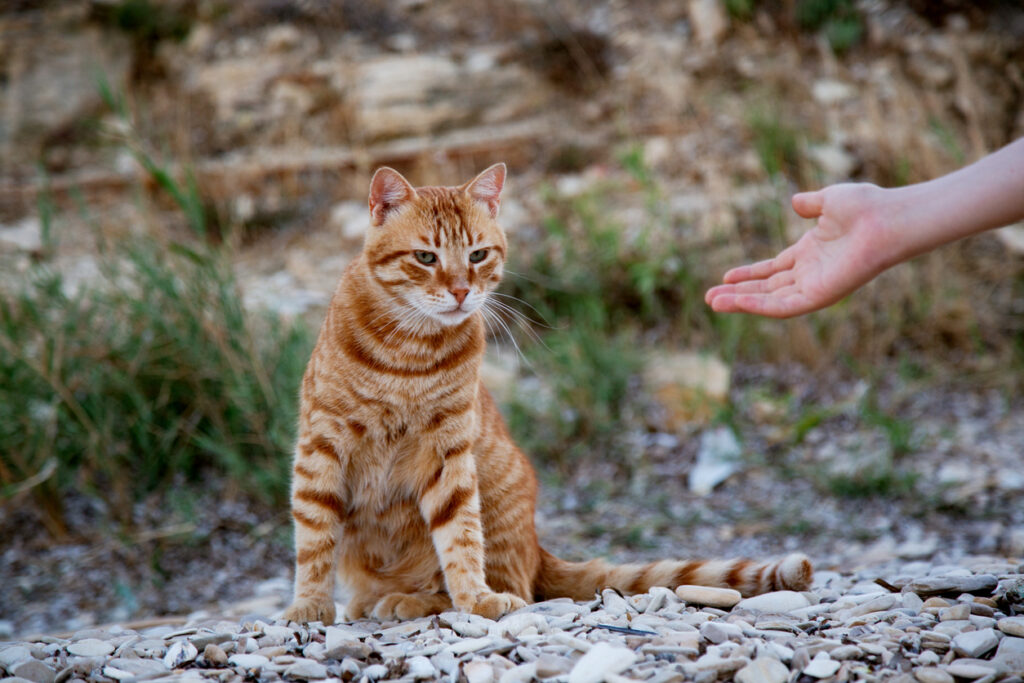
When a cat moves away quietly from physical contact, it is not rejection but boundary communication. They may not want petting at that moment, and walking away gently is a polite way of saying no. Respecting that space helps build trust. If you ignore the message and force touch, the relationship becomes stressful. Accepting silent boundaries shows that you understand their emotions without expecting them to react loudly. They are more likely to return for affection when they feel heard through calm acceptance. Quiet refusal becomes healthy communication that strengthens the bond through willingness, not pressure.
Greeting Without Sound
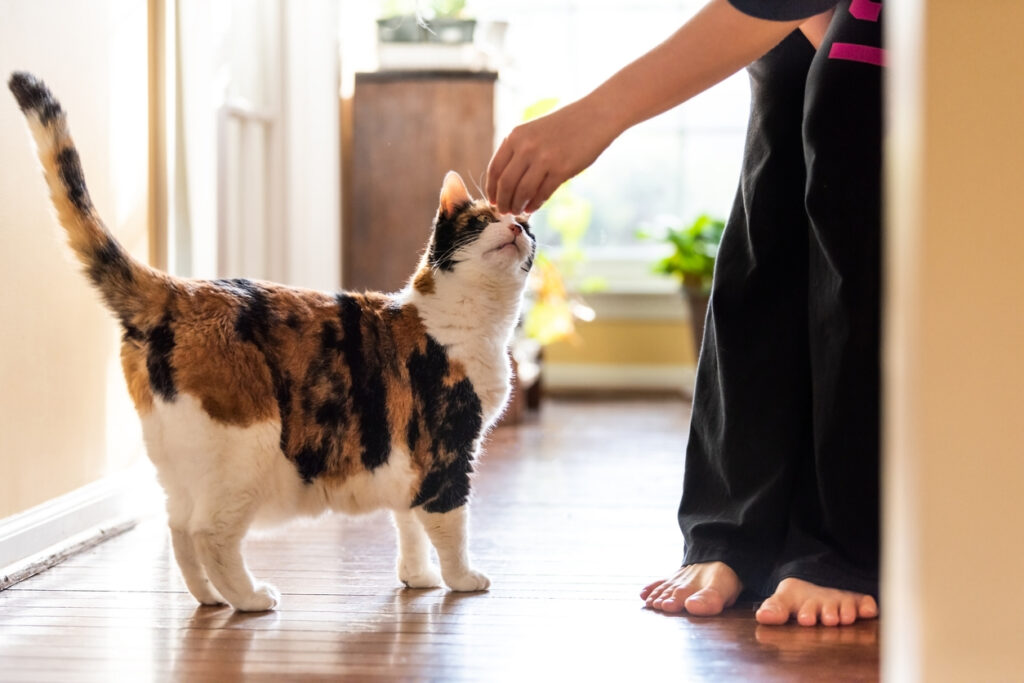
A cat can greet you without meowing at all. They may walk to the door, lift their tail, blink slowly or rub gently against your leg. These quiet actions form a calm welcome that carries warmth without conversation. The greeting feels personal because it is based on presence, not noise. By responding softly, maybe with stillness or a slow blink, you acknowledge the message. Greeting becomes a ritual built through gesture, not voice. This peaceful exchange turns coming home into a shared moment, reminding you that connection thrives without sound.
Sitting With Their Back to You
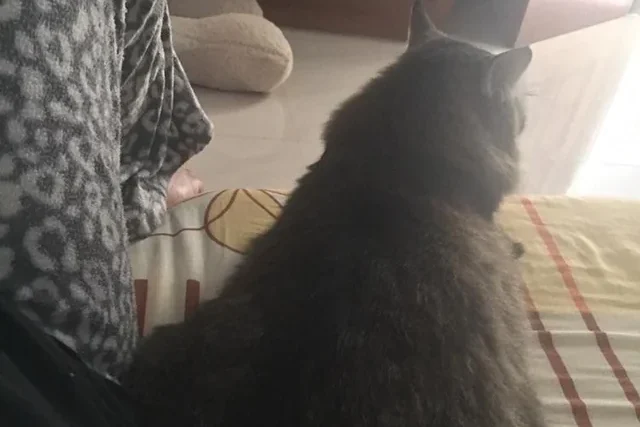
A cat that sits with its back turned toward you is showing trust rather than ignoring you. In nature, turning away from someone would leave them unprotected. Doing it near you means they feel safe enough to let their guard down. They are letting you watch over them without effort. You do not need to speak or touch them to honor that message. Quiet comfort becomes the communication. Sitting with their back toward you expresses confidence in your presence. It is a silent compliment that proves how much they rely on your calm, consistent companionship.
The Quiet Relationship
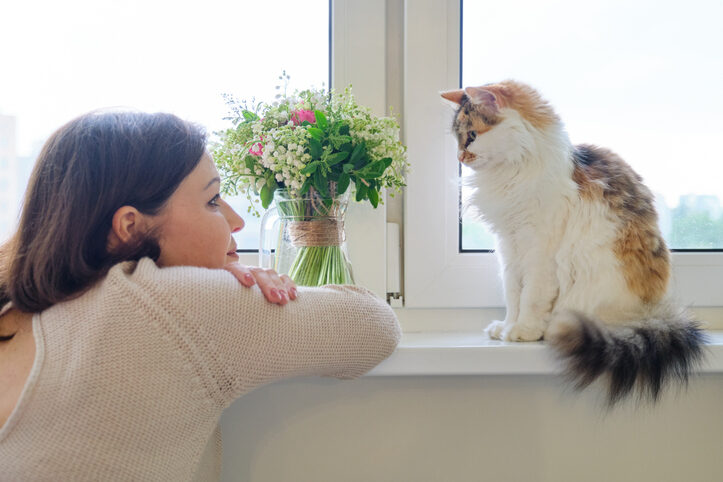
All these actions become pieces of a long, silent conversation between you and your cat. Observing tail movements, eye expressions, grooming gestures, sleeping choices and quiet companionship teaches you a new language made entirely of attention. You begin to understand personality, mood and needs without relying on meows. Your cat learns that you notice small signals, creating deeper trust without forcing interaction. The relationship becomes peaceful, thoughtful and meaningful because it grows from observation, not noise. If you keep listening with your eyes, you will meet your cat in their quiet world.
This story Scientists Study How Cats Communicate Without Sound was first published on Daily FETCH


