
Here are things to look out for during the show
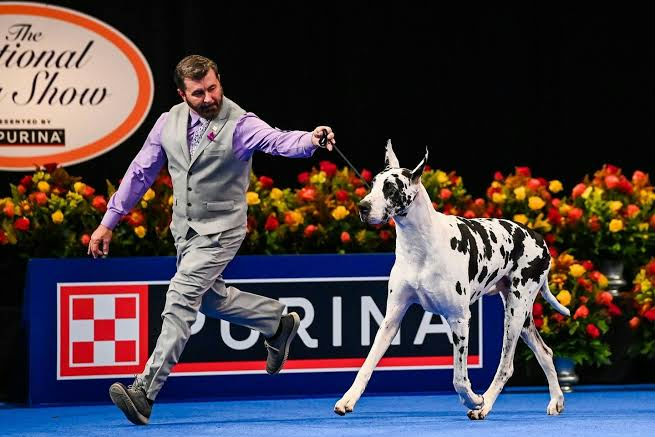
Every Thanksgiving, millions of viewers settle in after the Macy’s Parade to watch one of America’s most beloved holiday traditions: the National Dog Show. Broadcast by NBC and hosted by John O’Hurley and expert analyst David Frei, it’s a warm, family-friendly celebration of purebred dogs and the stories behind them. If you’re tuning in today, here’s everything worth watching, plus a look back at the past five standout Best in Show winners.
1. Herding Group Highlights
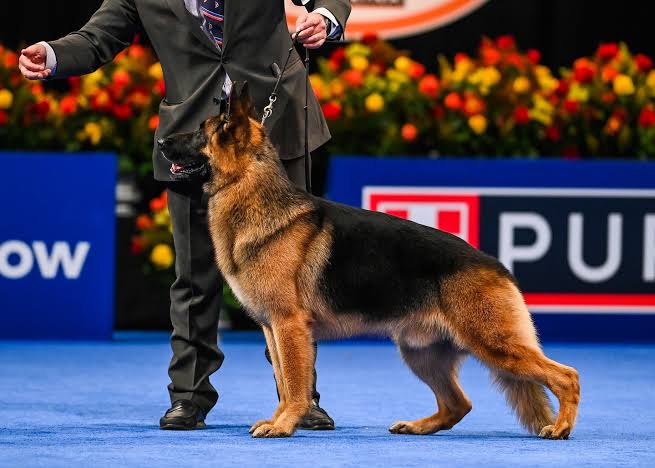
The Herding Group always kicks off strong because these breeds carry a long history of working alongside humans, from guiding livestock to performing complex field tasks. At today’s National Dog Show, you’ll see well-known herders like the German Shepherd Dog, Border Collie, and Australian Shepherd, each judged on their structure, movement, and historical purpose. The group often brings crowd-pleasers thanks to their athletic build and sharp intelligence. Judges evaluate how naturally and confidently each dog holds its stance and moves around the ring, something herding breeds tend to excel at because of their instinctive alertness. Past years have shown that dogs from this group often reach the final seven, making it a great category to watch closely.
2. Sporting Group Favorites
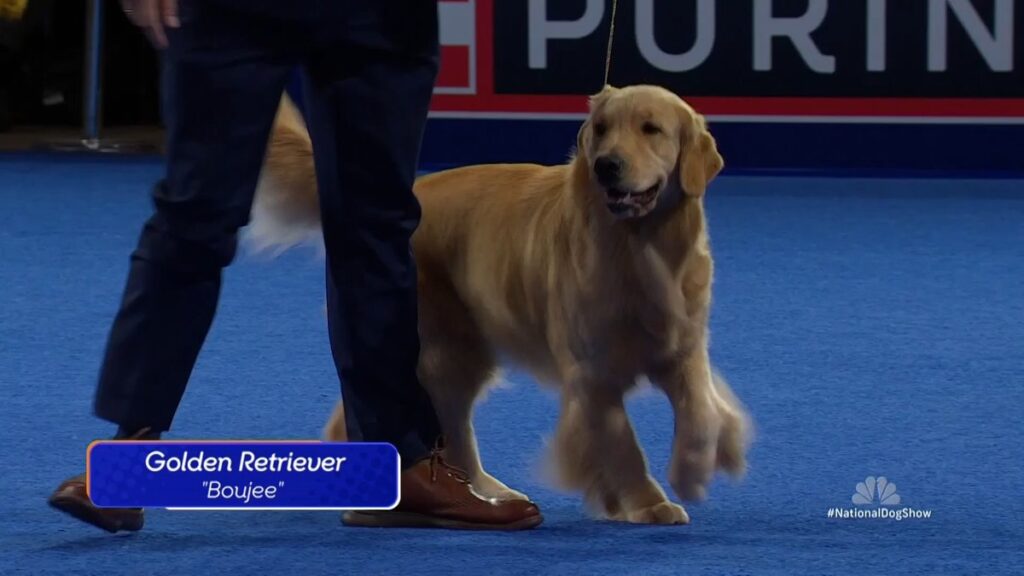
The Sporting Group is one of the most competitive categories every year because it includes some of America’s most popular dogs, such as the Golden Retriever, Labrador Retriever, and English Springer Spaniel. These dogs were originally bred for hunting alongside people, so judges look for qualities like smooth movement, endurance, and an enthusiastic, responsive personality. Goldens have never won Best in Show here, a fact that always surprises new viewers, while breeds like the Wirehaired Pointing Griffon have captured national attention. This year’s lineup continues that mix of familiar faces and rising contenders, and the group traditionally delivers some of the show’s most crowd-cheered moments.
3. Working Group Standouts
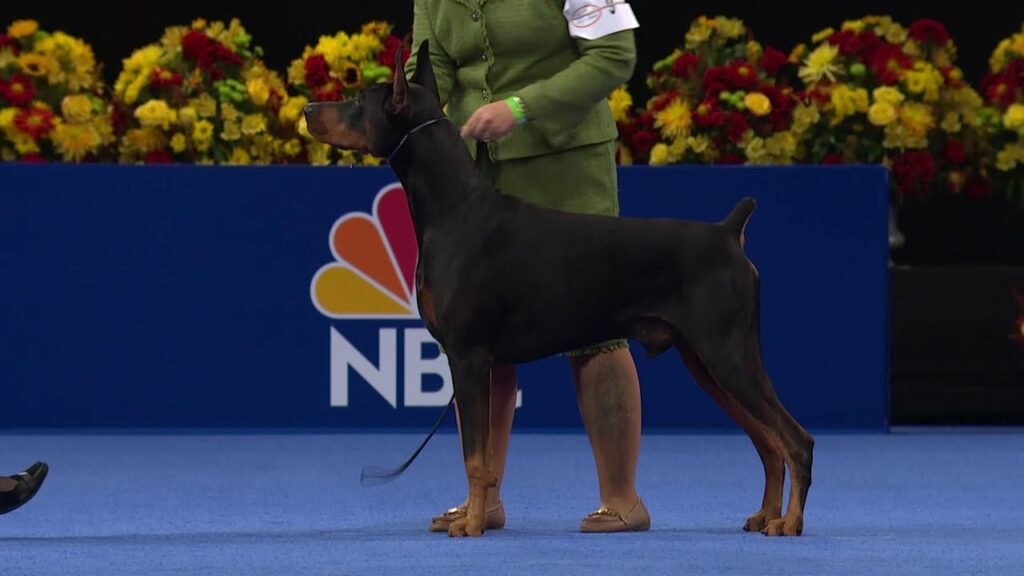
The Working Group brings the kind of commanding presence that makes this portion of the National Dog Show especially exciting. Breeds such as the Boxer, Great Dane, Doberman Pinscher, and Siberian Husky are judged for traits that reflect their original jobs, guarding, pulling, or performing demanding tasks, which means power, balance, and confidence matter. The Samoyed and Doberman have historically performed well at major competitions, and the Boxer remains one of the most decorated breeds in group placements. Because these dogs typically have strong ring presence and expressive posture, this category often produces finalists who go on to compete for the top prize.
4. Hound Group Contenders
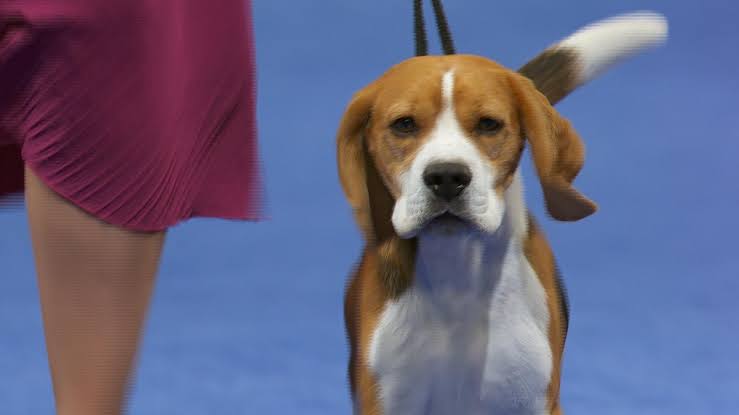
The Hound Group showcases some of the oldest dog breeds in history, and their appearance in the ring usually brings a mix of elegance and instinctive drive. This includes scent hounds like the Bloodhound and Beagle, as well as swift sight hounds like the Whippet, Greyhound, and Afghan Hound. Viewers often love this group for the dramatic contrast between the different hound types, from calm giants to sleek, fast sprinters. Beagles remain one of the most successful hound breeds in major competitions, earning multiple Best in Show titles at top events. The group is also known for producing surprise finalists, making it a particularly fun part of today’s broadcast.
5. Toy Group Crowd-Pleasers
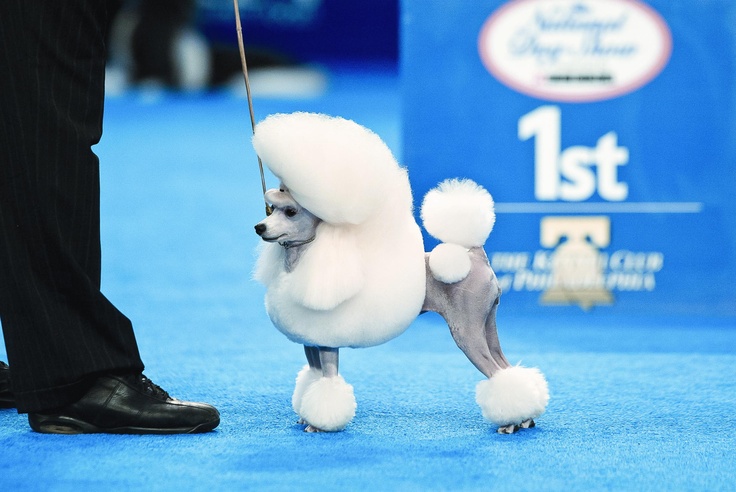
Toy breeds may be small, but they bring some of the biggest personalities to the arena. Expect to see breeds like the Pomeranian, Toy Poodle, Cavalier King Charles Spaniel, and Yorkshire Terrier showing off their confident gait and charming expression. Judges examine proportion, coat quality, and carriage, and because toy breeds were historically bred to be companions, their alert, affectionate temperament plays a major role. The National Dog Show has crowned several toy winners over the years, including the Brussels Griffon and the Toy Fox Terrier, proving how strong this group can be in the final round. Their elegance and showmanship make this segment especially fun to watch with family.
6. Non-Sporting Group Variety
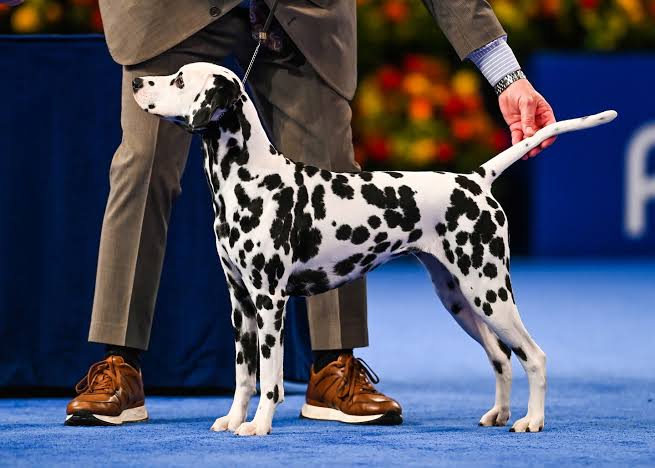
The Non-Sporting Group is always one of the most unpredictable parts of the National Dog Show because it includes such a wide range of breeds with very different histories and purposes. Here, you might see a Dalmatian, a Bulldog, a Bichon Frise, or a Standard Poodle all competing in the same class, judged solely on how well they reflect their individual breed standards. The group has produced multiple Best in Show winners over the years, most notably the elegant Standard Poodle, which remains one of the most successful dogs in the show’s history. This section is especially interesting for viewers because you never know which direction judges will lean, making it a major turning point in the competition.
7. Terrier Group Powerhouses
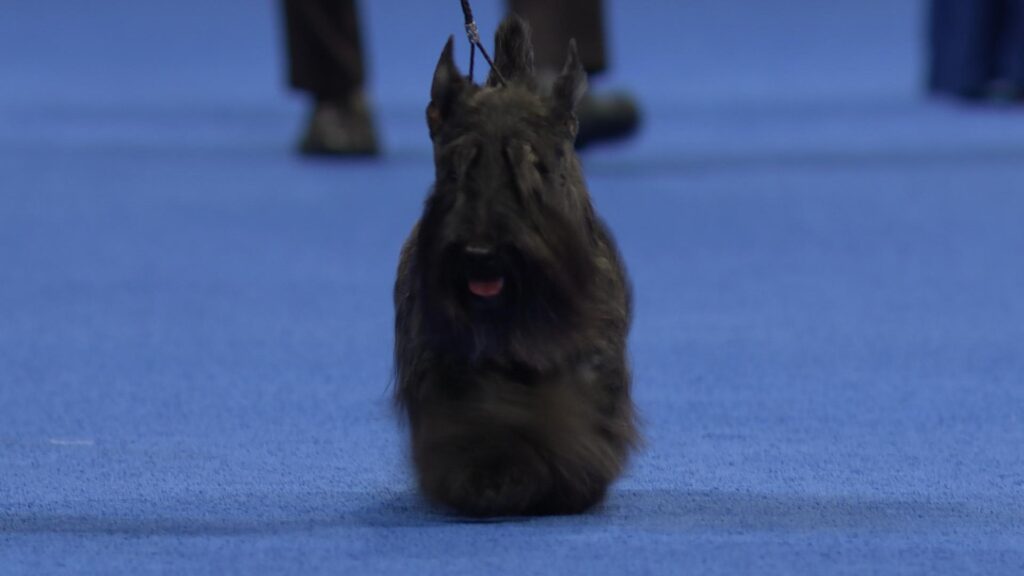
Terriers are known for their confidence and fiery energy, traits that often make this group one of the most entertaining of the day. Breeds like the West Highland White Terrier, Scottish Terrier, Wire Fox Terrier, and Staffordshire Bull Terrier demonstrate alertness, compact strength, and a driven attitude, all features tied to their origins as small-game hunters. Historically, the Terrier Group has dominated dog shows across the country, with the Wire Fox Terrier holding the record for the most Best in Show wins at major competitions. At the National Dog Show, terriers are often serious contenders thanks to their clean outlines and show-ready spirit. Expect sharp movement, bright expressions, and big reactions from the crowd.
8. Pastoral Breeds and Their Purpose
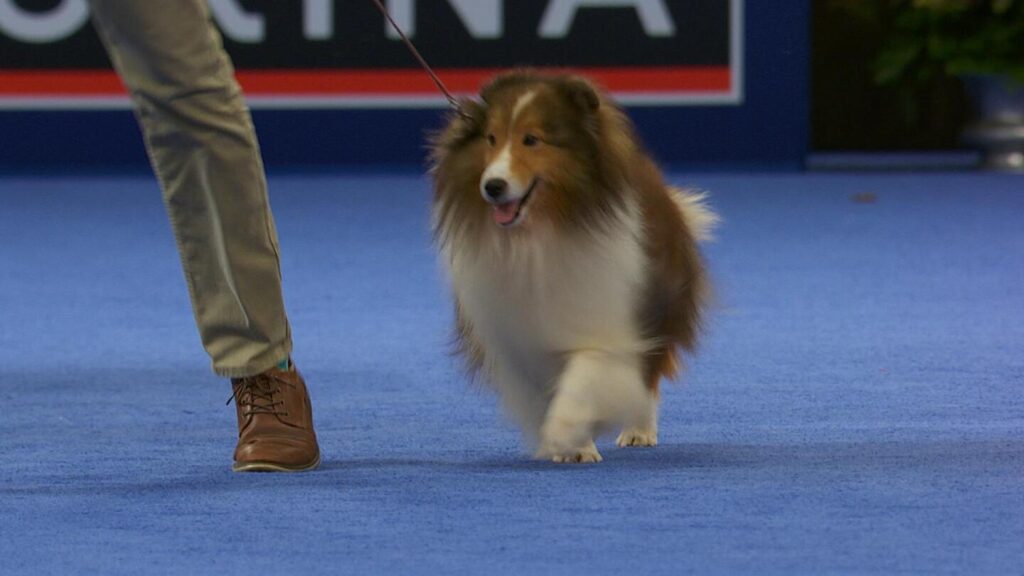
While the American show system groups herding dogs separately, many international breed standards classify them under a broader pastoral category, and these traits are fully on display at the National Dog Show. Breeds like the Old English Sheepdog, Collie, and Shetland Sheepdog consistently draw attention for their flowing coats, smooth movement, and natural attentiveness. Their judging focuses on balance, gait, and the ability to hold a composed stance that reflects their long history of guiding flocks in the field. Audiences tend to have a soft spot for these dogs because they blend hard-working heritage with gentle, family-friendly personalities. This makes their ring appearances both comforting and impressive to watch.
9. Junior Showmanship Spotlight
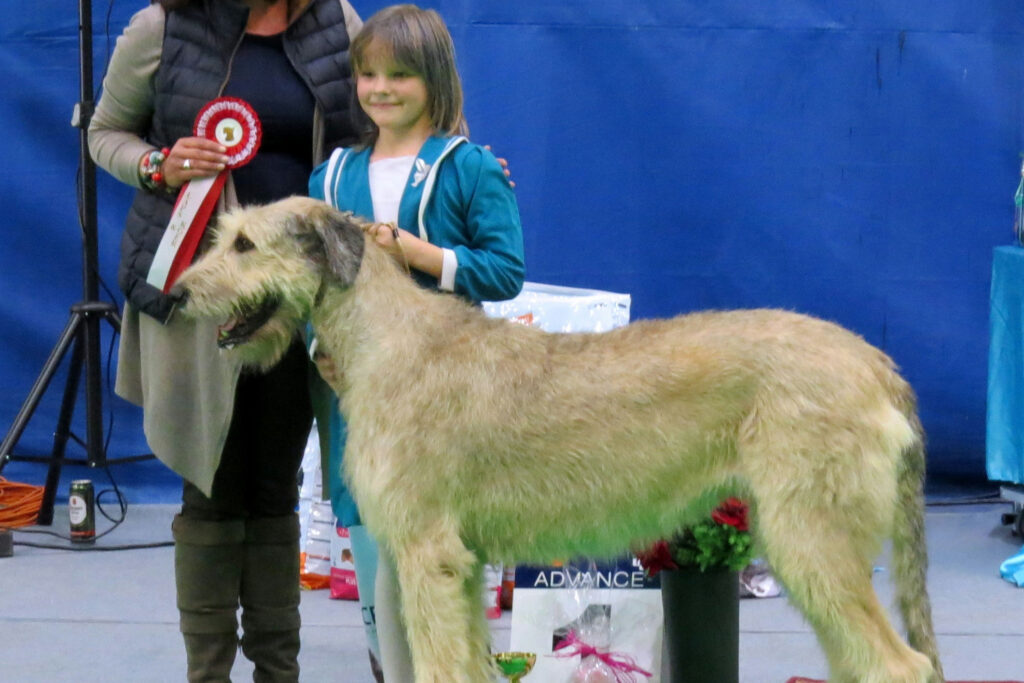
The National Dog Show also features Junior Showmanship, giving young handlers an opportunity to demonstrate their skills in the ring. Instead of judging the dogs themselves, this category focuses on handling technique, how well the junior competitor presents the dog, maintains control, and highlights the animal’s strengths. Participants range from beginners to seasoned teens who have trained for years, and many go on to compete at top national events. This segment adds a heartfelt layer to the broadcast because it shows the next generation of dog enthusiasts developing confidence, leadership, and sportsmanship. It’s a reminder that the world of dog shows is built on community, mentorship, and shared passion.
10. Behind-the-Scenes Grooming
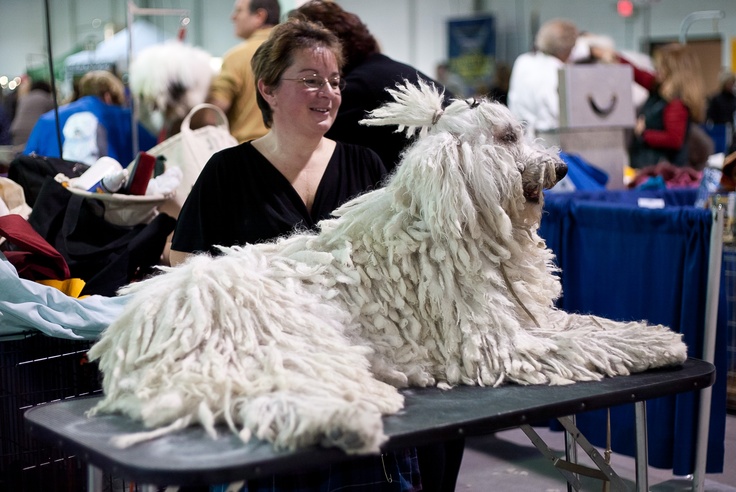
One of the most fascinating aspects of the National Dog Show happens backstage, where expert groomers prepare each dog to look its best. Breeds like the Afghan Hound, Poodle, and Shih Tzu require extensive coat work, from brushing and trimming to careful finishing sprays that help maintain shape without altering natural texture. Working and sporting breeds also undergo pre-ring checks to ensure they’re clean, properly brushed, and presented in top physical condition. Grooming isn’t just cosmetic, it reflects a dog’s overall health and showcases the handler’s understanding of breed-specific standards. For many viewers, seeing the amount of effort behind every perfect turn in the ring adds a new appreciation for what happens before the dogs ever step into the spotlight.
11. The Agility Exhibition
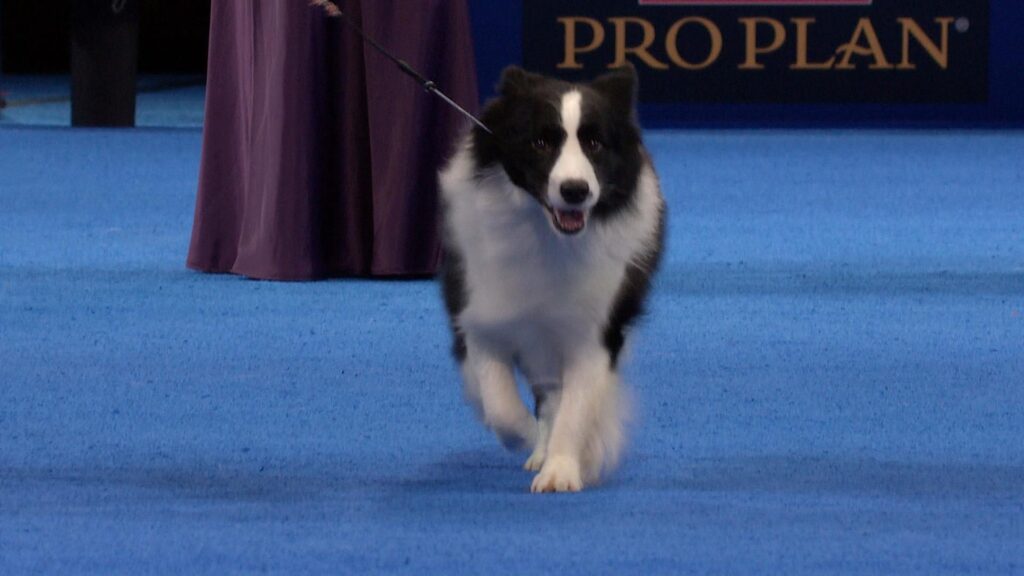
Although the National Dog Show’s main competition focuses on conformation, the broadcast often features agility demonstrations that showcase speed, teamwork, and athletic ability. Unlike the formal judging in the main ring, agility runs highlight how well a dog and handler navigate tunnels, jumps, weave poles, and tight turns. Breeds like Border Collies, Shetland Sheepdogs, and mixed breeds often dominate this sport due to their quick responses and strong drive to work. These fast-paced segments add excitement and show a different side of canine talent, giving viewers a taste of how dogs perform when precision and communication are essential. It’s a refreshing contrast that keeps families engaged while showing just how versatile well-trained dogs can be.
12. Meet the Breeds
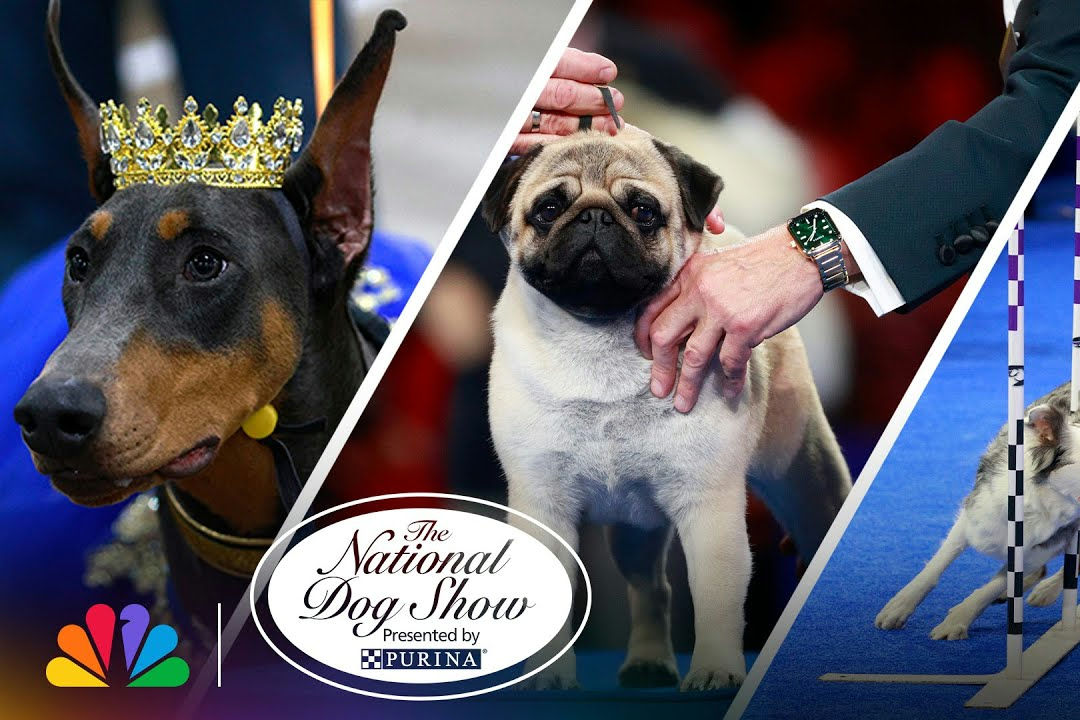
The Meet the Breeds portion of the event is a favorite for viewers who want to learn more about the dogs they see in the ring. This segment gives families a chance to see close-up shots of various breeds alongside helpful explanations of their origins, typical temperament, and care needs. Parents often appreciate this section because it offers practical insight for anyone considering a pet. The National Dog Show’s broadcast team highlights rare or newly recognized breeds, helping people understand what makes each one unique. It’s a simple but effective way to turn the competition into a learning experience and deepen appreciation for the diversity of the canine world.
13. Newly Recognized Breeds
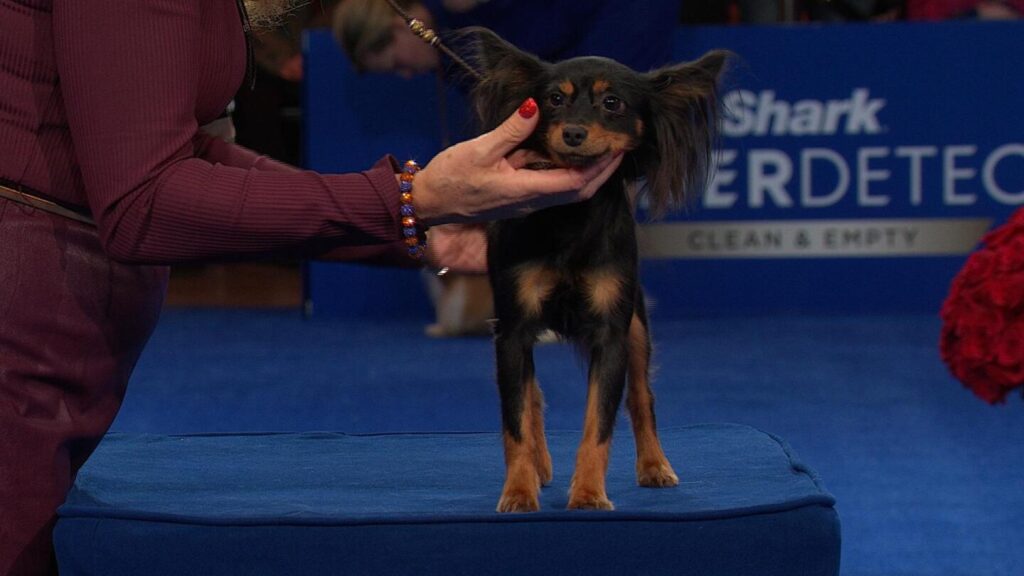
Every year, the American Kennel Club approves a small number of newly recognized breeds, and these dogs often appear in exhibition at the National Dog Show before they’re eligible for group competition. In recent years, breeds like the Russian Toy, Bracco Italiano, and Mudi have gained official recognition, giving viewers a fresh look at lesser-known dogs. These appearances help showcase the breed’s history, temperament, and structure while introducing them to a wider audience. Viewers often enjoy these moments because they highlight dogs they’ve never seen before, and the broadcast usually takes time to explain the breed’s journey to official status. It’s a reminder that the world of purebred dogs continues to grow and evolve.
14. The Group Finals
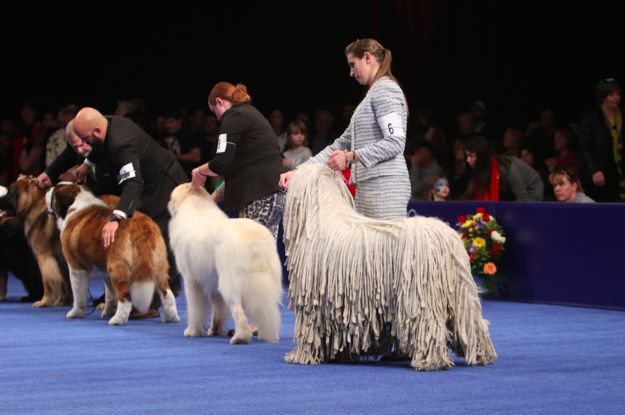
As the competition narrows, each group’s winner advances to the prestigious final round. This moment is one of the most anticipated parts of the broadcast because it brings together seven dogs representing the best of their categories: Sporting, Herding, Working, Hound, Terrier, Toy, and Non-Sporting. Judges evaluate these finalists with extreme precision, looking for ideal structure, movement, and expression according to their breed standards. Group finals are tense, exciting, and often emotional because handlers know this is the last step before Best in Show. Viewers appreciate the clear comparison between diverse dogs, making it easier to follow the judge’s reasoning even if they’re new to the world of dog shows.
15. Best in Show Judging
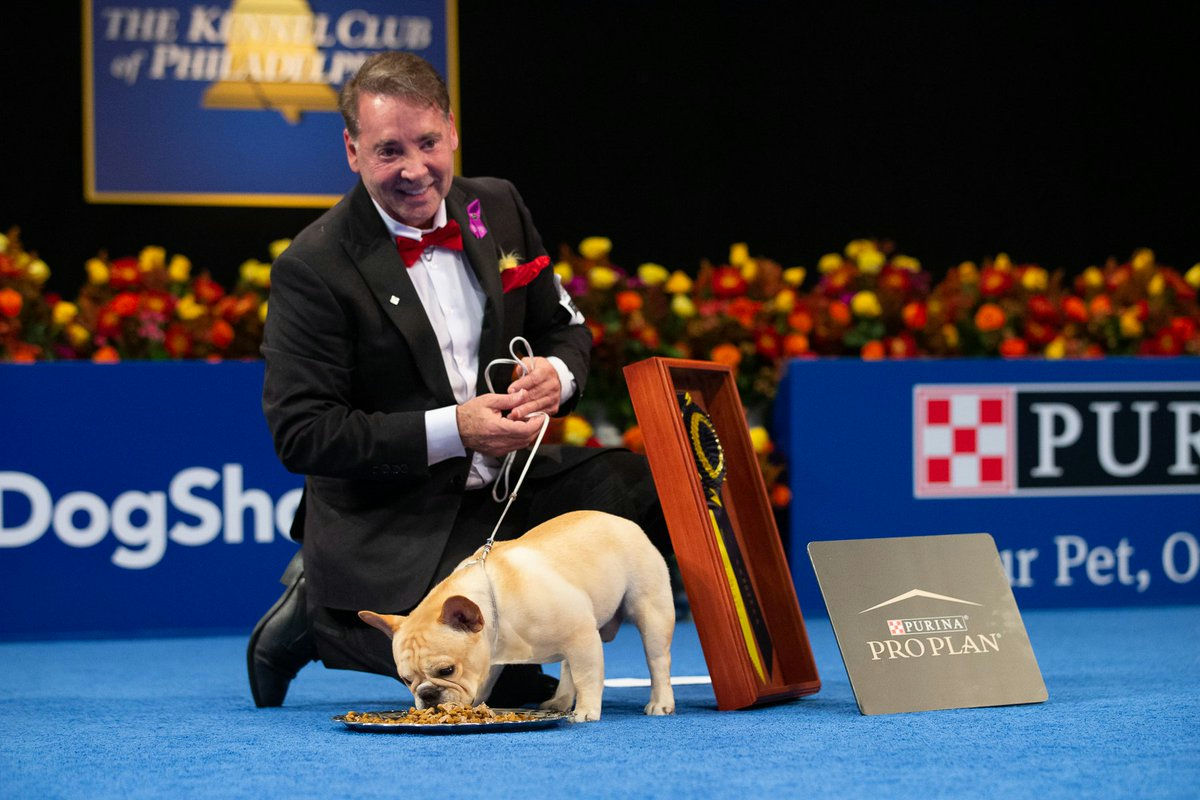
The final judging moment brings the entire National Dog Show to its climax. The seven group winners enter the ring one last time, each representing months or even years of training, conditioning, and preparation. The judge carefully examines each dog’s stance, gait, coat, and overall presence before making the ultimate decision. Best in Show winners often gain national recognition overnight, with many appearing on morning talk shows the next day. This part of the broadcast is known for its suspense, celebratory crowd reactions, and heartwarming handler–dog interactions. It’s the segment that families watch most closely, knowing that a single nod from the judge will crown the next canine star of the holiday season.
16. 2023 Best in Show: Sealyham Terrier
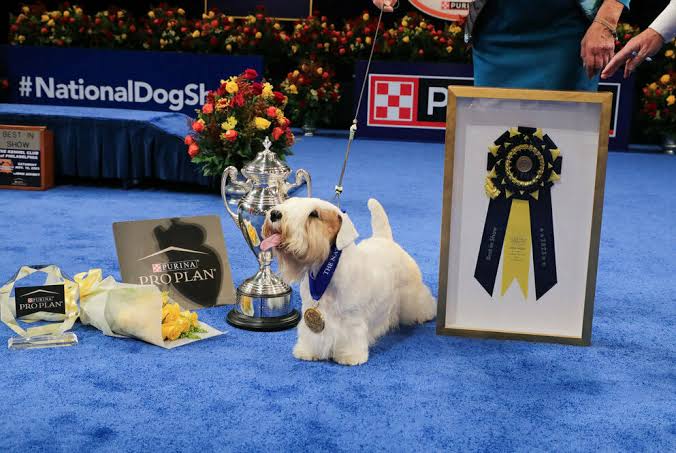
The 2023 National Dog Show crowned a Sealyham Terrier named Stache as Best in Show, marking a major victory for this small but confident breed. Sealyhams are known for their compact size, strong build, and expressive bearded faces, and Stache displayed all the qualities judges look for: clean movement, a balanced outline, and a lively yet controlled personality. His win brought fresh attention to a breed that has become relatively rare in modern times, giving viewers a chance to appreciate its unique charm and working-dog heritage. Stache’s performance highlighted how terriers continue to shine on the national stage, maintaining their long history of success in major competitions.
17. 2022 Best in Show: French Bulldog
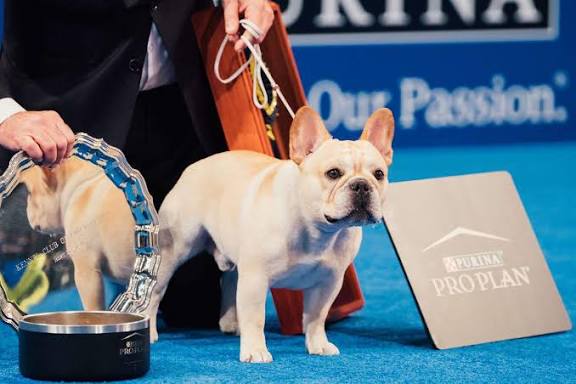
In 2022, the National Dog Show awarded Best in Show to Winston, a French Bulldog who had already become a fan favorite across the country. French Bulldogs are one of America’s most popular breeds, and Winston’s victory was especially noteworthy because it marked the first time a Frenchie had ever won this title at the event. Winston’s compact musculature, alert expression, and steady gait helped him stand out in a competitive final lineup that included top representatives from every group. His calm presence in the ring and near-perfect structure demonstrated why the breed has gained such strong recognition. The win also sparked public interest in understanding responsible breeding and health considerations for brachycephalic dogs.
18. 2021 Best in Show: Scottish Deerhound
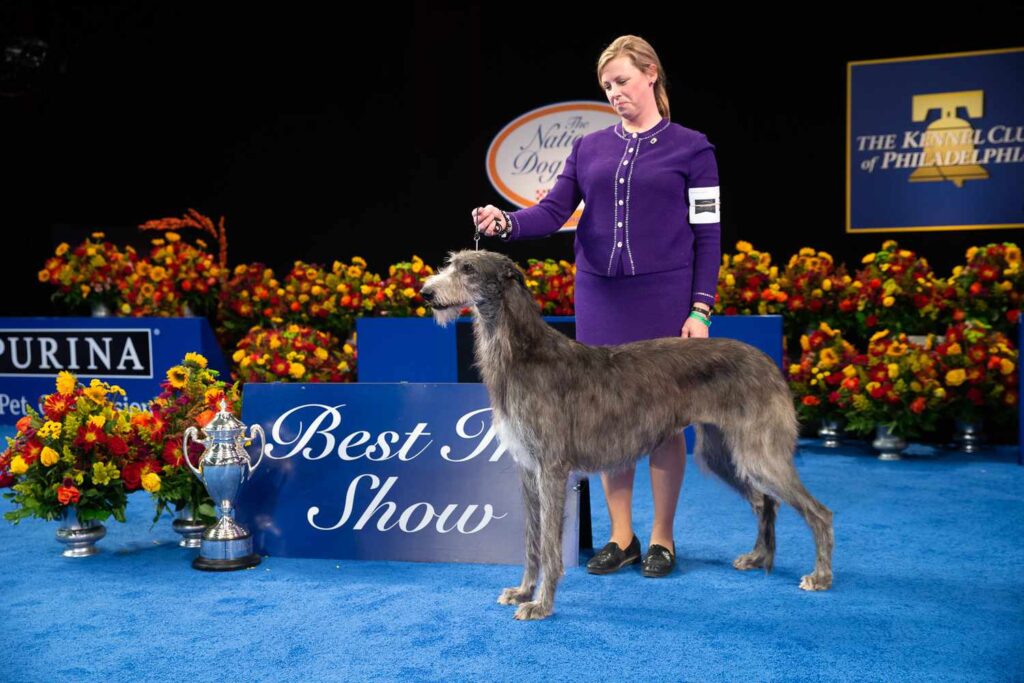
The 2021 title went to Claire, a Scottish Deerhound who made history as the first dog ever to win Best in Show at the National Dog Show two years in a row. Deerhounds are elegant, powerful sighthounds originally bred for hunting large game, and Claire embodied the breed’s trademark grace and smooth movement. Her confident yet gentle demeanor made her a standout, and her back-to-back wins earned widespread media coverage. Claire’s achievement also helped introduce many viewers to a breed they don’t often see in daily life, showcasing its long-legged athleticism and dignified presence. Her wins are still considered one of the show’s most memorable accomplishments.
19. 2020 Best in Show: Scottish Deerhound
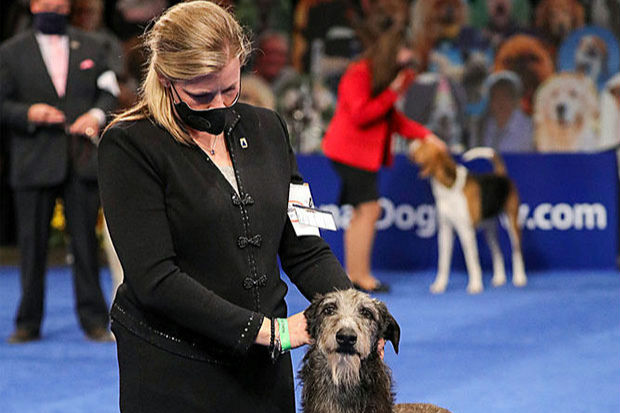
The 2020 winner, Claire the Scottish Deerhound, made an immediate impression with her long, powerful stride and calm, assured demeanor. Deerhounds are one of the tallest breeds recognized by the AKC, originally developed for coursing large game, and their movement must appear effortless and balanced. Claire displayed all of those qualities with clarity, earning praise from judges and spectators. Her structural soundness and quiet confidence set her apart in a strong field of finalists, and her win laid the groundwork for her record-breaking repeat victory the following year. Many viewers appreciated how she brought attention to a historic breed that isn’t commonly seen in everyday life, showcasing its gentle disposition and striking silhouette.
20. 2019 Best in Show: Bulldog
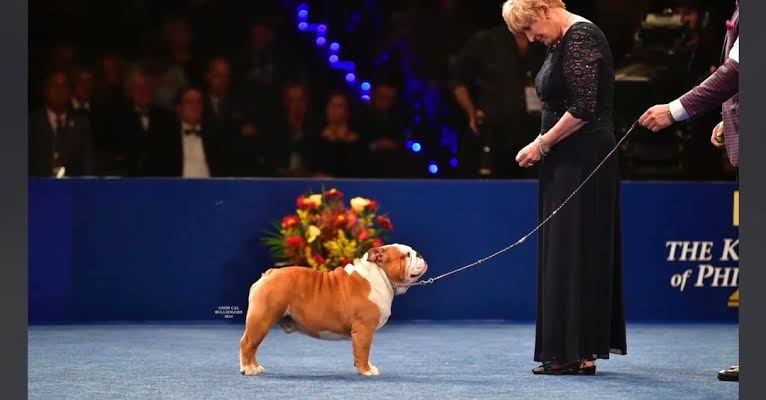
Thor the Bulldog captured the 2019 Best in Show title with a ring presence that won over the audience and judges alike. Bulldogs are known for their sturdy frame, distinctive face, and rolling, deliberate gait, and Thor exemplified the breed’s hallmark look. His strong outline, muscular build, and confident expression helped him stand out in a diverse lineup. Bulldogs rarely win major conformation events due to their unique structure, making Thor’s victory a widely celebrated moment among fans of the breed. His performance also encouraged viewers to learn more about the Bulldog’s history as a companion dog and the careful care required to keep the breed healthy. Thor’s win remains one of the most memorable finishes from the past decade.
The National Dog Show remains a Thanksgiving tradition because it offers more than competition, it brings together history, family moments, and the joy of watching dogs do what they were bred to do.
This story Right After the Parade: Everything to Watch at Today’s National Dog Show, Plus the Past 5 Best in Show Winners was first published on Daily FETCH


