
1. Alan Alda’s Lasting Impact
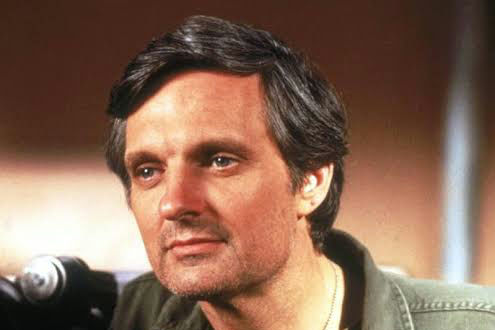
Alan Alda became the emotional center of MASH (M*A*S*H = Mobile Army Surgical Hospital) as Hawkeye Pierce, transforming what could have been a standard sitcom role into one of television’s most complex characters. Over 11 seasons, Alda balanced sharp wit with moral seriousness, often using Hawkeye to question war, authority, and human suffering. He later took on writing and directing duties, helping steer the show toward more thoughtful, dramatic storytelling. Alda’s influence extended beyond performance, shaping MASH into a series willing to challenge viewers while remaining deeply entertaining. His work on the show earned multiple Emmy Awards and cemented his reputation as one of television’s most respected creative voices.
2. Wayne Rogers’ Early Presence
Wayne Rogers played Trapper John McIntyre during the show’s early seasons, helping establish the playful, fast-talking rhythm that defined MASH at its start. His chemistry with Alan Alda created a believable friendship that grounded the show’s humor in genuine camaraderie. Rogers’ Trapper was skilled, confident, and often mischievous, serving as a counterbalance to the growing emotional weight of the series. Though he left after three seasons due to creative disagreements, his contribution was crucial in shaping the show’s identity. Rogers later found success in finance and media, but his role on MASH remains a defining part of his legacy.
3. McLean Stevenson’s Command
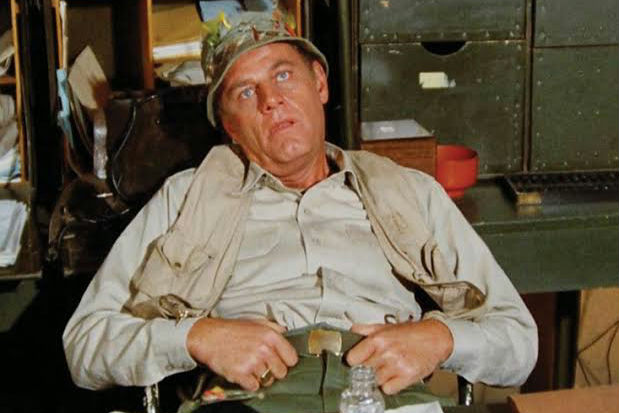
McLean Stevenson brought warmth and quiet authority to Lieutenant Colonel Henry Blake, the original commanding officer of the 4077th. His portrayal emphasized humanity over discipline, presenting a leader who cared deeply for his staff despite his occasional incompetence. Stevenson’s relaxed, approachable performance helped audiences connect emotionally with the unit early in the series. His unexpected departure and the character’s death became one of the most shocking moments in television history, signaling MASH’s willingness to confront the realities of war. Though Stevenson pursued other roles afterward, Henry Blake remains one of the show’s most beloved figures.
4. Loretta Swit’s Strength
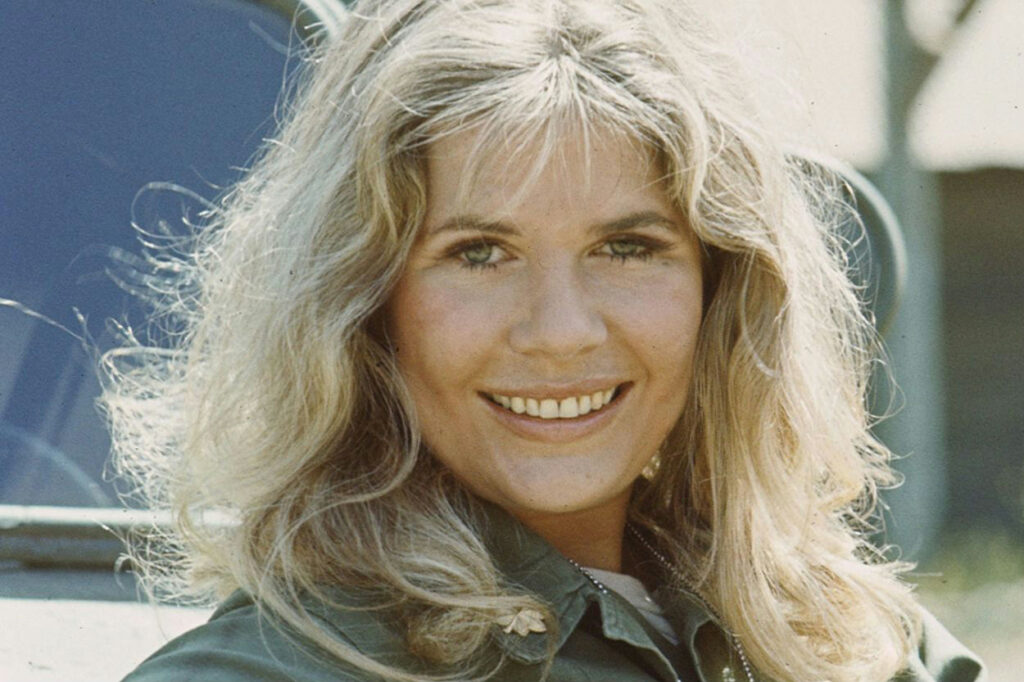
Loretta Swit portrayed Major Margaret Houlihan, evolving the character far beyond her initial stereotype. Swit worked closely with the writers to transform Margaret into a capable, emotionally layered officer who demanded respect in a male-dominated environment. Over time, Houlihan became a symbol of professionalism and resilience, reflecting broader changes in how women were portrayed on television. Swit’s performance earned two Emmy Awards and helped redefine the role of women in ensemble dramas. Her commitment to authenticity made Margaret Houlihan one of the most significant characters in MASH’s long run.
5. Larry Linville’s Complexity
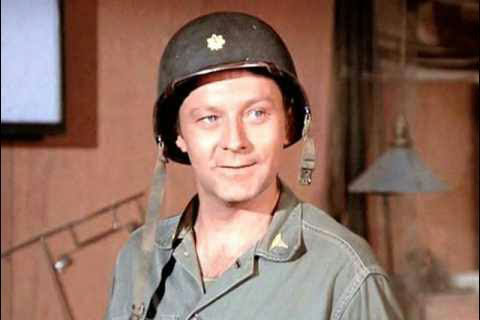
Larry Linville delivered one of television’s most memorable antagonists as Major Frank Burns. While often played for laughs, Linville infused the character with insecurity and contradiction, making Burns more than a simple caricature. His performance highlighted the absurdities of blind authority and moral hypocrisy, themes central to MASH’s message. Linville chose to leave the show after five seasons, feeling the character had reached a natural limit. Despite this, Frank Burns remains an essential part of the series’ early success and a key contrast to its more principled characters.
6. Gary Burghoff’s Quiet Heart
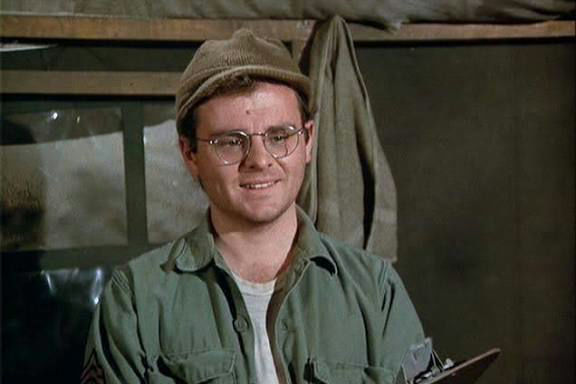
Gary Burghoff gave MASH its emotional compass through Corporal Walter “Radar” O’Reilly. Known for his innocence and uncanny intuition, Radar represented the cost of war on youth and sensitivity. Burghoff’s performance made Radar one of the show’s most recognizable and endearing figures. His gradual loss of innocence mirrored the series’ shift toward deeper emotional storytelling. Burghoff’s decision to leave reflected his own desire for change, but Radar’s presence continued to define the heart of the 4077th long after his departure.
7. Mike Farrell’s Moral Voice
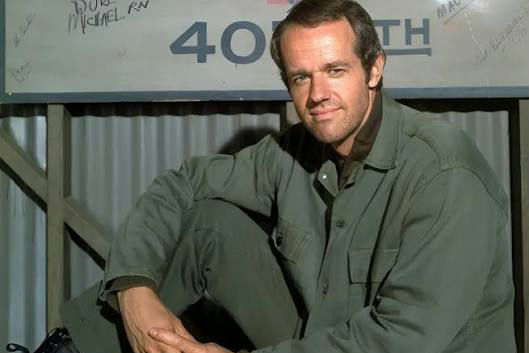
Mike Farrell joined the cast as Captain B.J. Hunnicutt, bringing a grounded, principled energy to the series. Unlike Trapper John, B.J. was openly devoted to his family, adding a new emotional dimension to the show. Farrell’s performance emphasized quiet integrity and moral conviction, often serving as a counterweight to Hawkeye’s cynicism. His arrival coincided with MASH’s transition into a more dramatic, reflective series. Farrell’s thoughtful portrayal helped sustain the show’s relevance during its later seasons and contributed to its enduring reputation.
8. Harry Morgan’s Authority
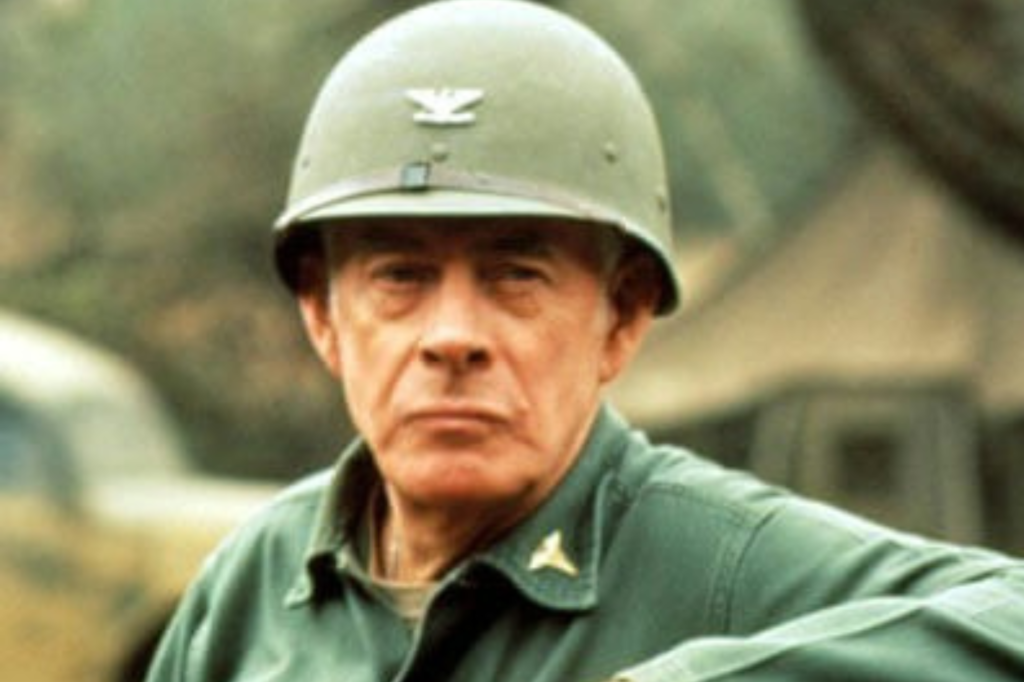
Harry Morgan redefined the series when he stepped in as Colonel Sherman T. Potter. Unlike Henry Blake, Potter was a career officer with firm discipline and deep compassion. Morgan balanced humor with wisdom, portraying a leader shaped by long service and personal loss. His steady presence allowed the show to mature without losing its warmth. Morgan’s portrayal earned widespread praise and helped anchor the series through its final seasons, making Colonel Potter one of MASH’s most respected and enduring characters.
9. David Ogden Stiers’ Precision
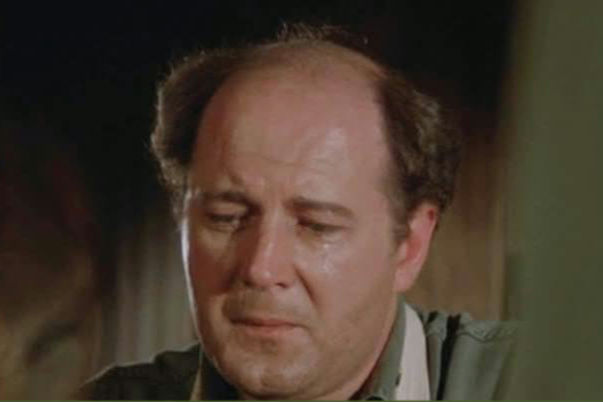
David Ogden Stiers brought sophistication and intellectual humor to Major Charles Winchester III. Unlike Frank Burns, Winchester was competent and cultured, creating a more nuanced foil for Hawkeye and B.J. Stiers’ performance allowed the character to shift between arrogance, vulnerability, and compassion. His presence enriched the show’s later seasons by adding moral complexity rather than simple conflict. Stiers’ nuanced portrayal made Winchester one of the most layered characters in MASH history.
10. Jamie Farr’s Warm Humor
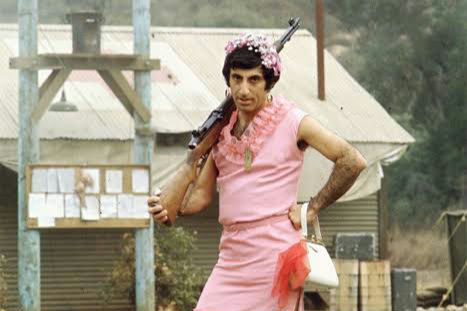
Jamie Farr became a fan favorite as Corporal Maxwell Klinger, blending comedy with heartfelt moments. What began as a running joke evolved into a surprisingly deep portrayal of loyalty, identity, and survival. Farr’s performance added cultural texture and emotional warmth, especially as Klinger took on greater responsibility later in the series. His long tenure reflected the show’s ability to let characters grow naturally. Klinger remains one of MASH’s most enduring symbols of humor mixed with humanity.
11. William Christopher’s Compassion
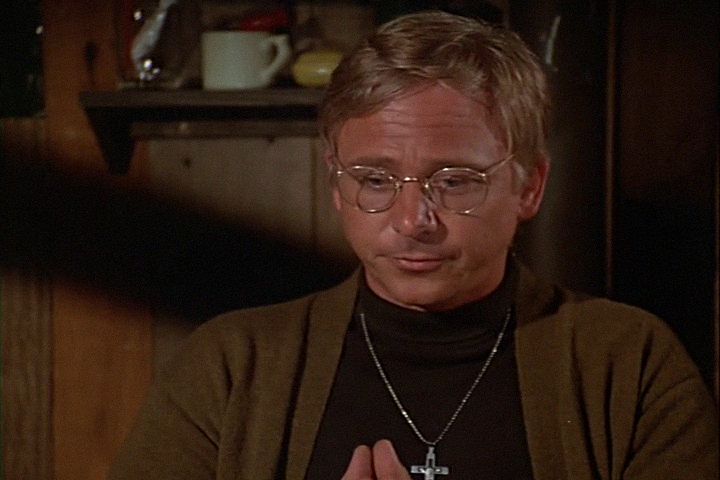
William Christopher portrayed Father Francis Mulcahy, the gentle chaplain whose quiet presence added moral depth to MASH. Rather than serving as comic relief alone, Mulcahy represented empathy, faith, and emotional resilience amid chaos. Christopher worked to expand the character beyond a background role, allowing Father Mulcahy moments of doubt, courage, and personal growth. His portrayal highlighted the often-overlooked role of spiritual care during wartime. Over time, Mulcahy became a symbol of kindness and moral steadiness, making Christopher’s performance one of the show’s most quietly powerful contributions.
12. Kellye Nakahara’s Quiet Realism
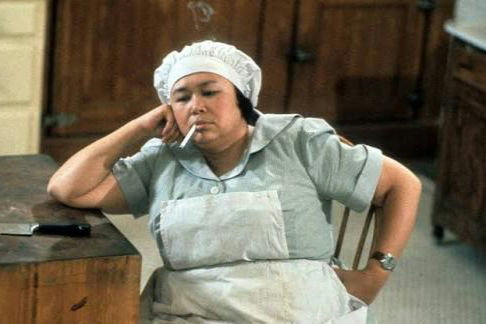
Kellye Nakahara played Lieutenant Kellye Yamato, one of the few recurring nurses whose character reflected everyday service rather than romanticized drama. Though often in the background, Nakahara’s consistent presence helped portray the hospital as a functioning medical unit rather than a stage for only lead characters. Her performance added authenticity and representation at a time when Asian American roles were limited on television. Nakahara remained part of the show for nearly its entire run, and her subtle, professional portrayal helped ground MASH in realism that audiences rarely noticed—but deeply felt.
13. G.W. Bailey’s Short Command
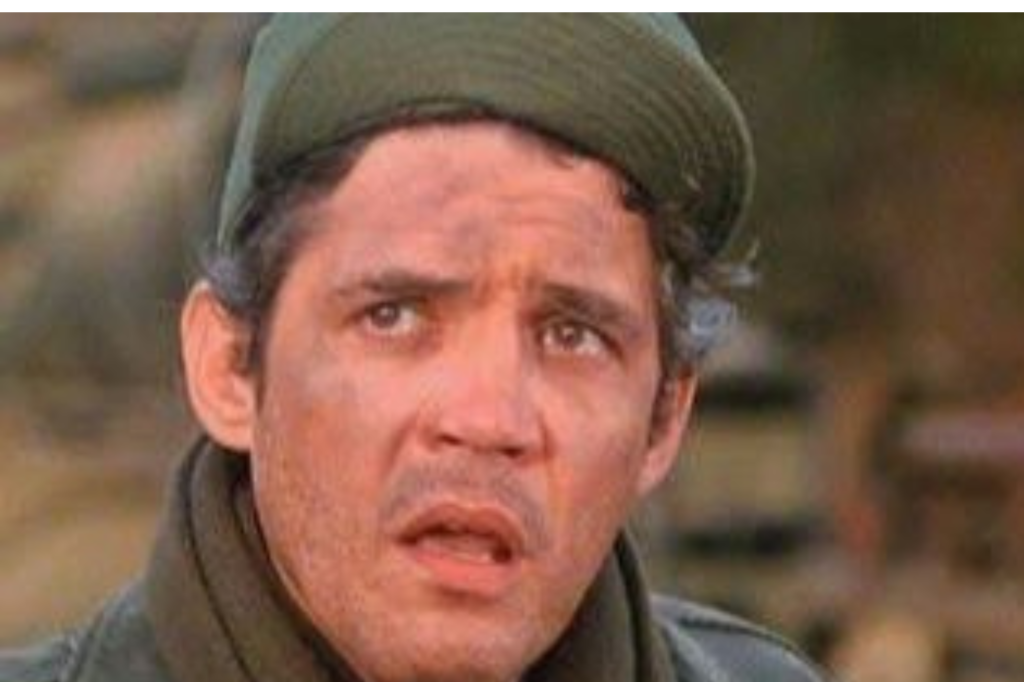
G. W. Bailey appeared as Staff Sergeant Luther Rizzo in later seasons, bringing a gruff but loyal enlisted perspective to the 4077th. His character reflected the seasoned noncommissioned officers who kept military units running smoothly behind the scenes. Bailey’s performance balanced sarcasm with reliability, adding texture to the camp’s daily operations. Though not a central figure, Rizzo’s presence reinforced the show’s commitment to portraying military life from multiple viewpoints. Bailey later gained broader recognition in film and television, but his time on MASH remains a notable part of his career.
14. Patrick Adiarte’s Youthful Loss
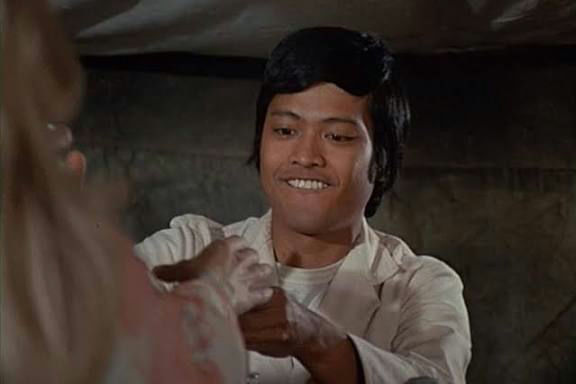
Patrick Adiarte appeared in a small but emotionally impactful role as Ho-Jon, the Korean houseboy cared for by Hawkeye and Trapper. His character represented the civilian cost of war and the moral dilemmas faced by occupying forces. Adiarte’s performance helped humanize the Korean setting, reminding viewers that the conflict extended beyond American soldiers. Though Ho-Jon did not remain a long-term character, his storyline left a lasting impression. Adiarte’s appearance remains one of the show’s early examples of socially conscious storytelling.
15. Soon-Tek Oh’s Cultural Weight
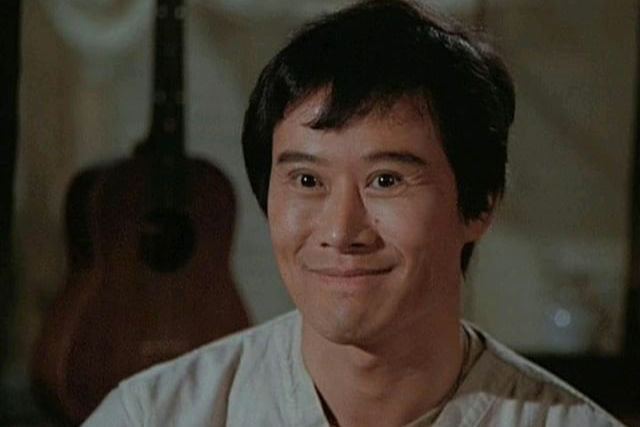
Soon-Tek Oh appeared in multiple guest roles on MASH, often portraying Korean civilians or authority figures. His performances added cultural authenticity during a period when Asian roles were frequently stereotyped or minimized. Oh brought dignity and nuance to each appearance, helping ground the series in its Korean War setting. His work contributed to the show’s credibility and respect for its subject matter. Across television and film, Oh became known for elevating supporting roles, and his contributions to MASH remain an important part of that legacy.
16. Rosalind Chao’s Memorable Turn
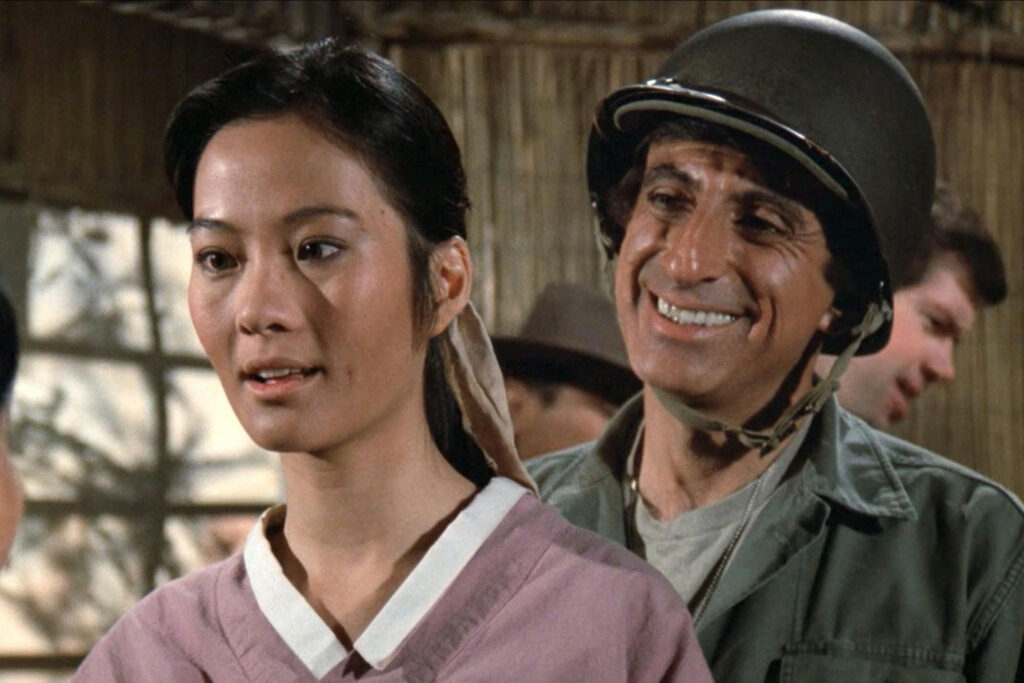
Rosalind Chao guest-starred in later seasons as Soon-Lee, a local woman whose relationship with Klinger marked a turning point for his character. Chao’s portrayal brought warmth and sincerity, shifting Klinger’s arc from comic avoidance to emotional commitment. Her performance helped humanize both characters and provided a meaningful conclusion to Klinger’s development. The storyline stood out for treating cross-cultural relationships with respect and sensitivity. Chao later became widely recognized for other television roles, but her appearance on MASH remains especially memorable to longtime fans.
17. Eileen Saki’s Familiar Face
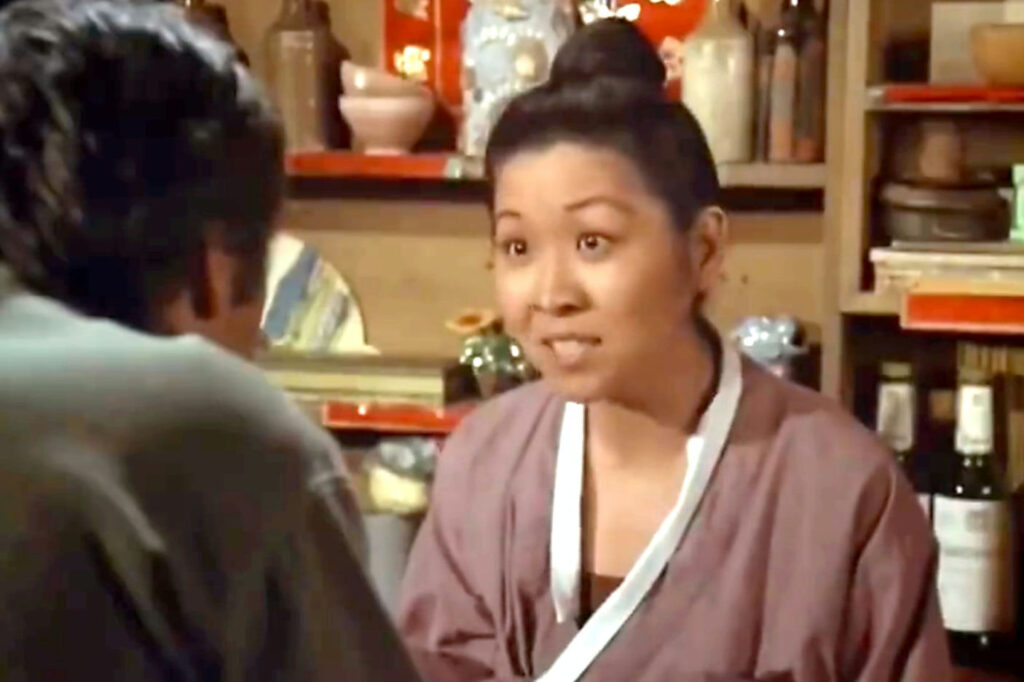
Eileen Saki was best known as Rosie, the no-nonsense owner of Rosie’s Bar, a recurring refuge for off-duty staff. Though not a military figure, Rosie represented stability and normalcy amid wartime disruption. Saki’s performance conveyed toughness, humor, and quiet empathy, making Rosie’s Bar feel like a real social hub rather than a set. Her character became a constant during cast changes, helping maintain continuity. Saki’s work demonstrated how supporting roles could leave a lasting impression without dominating the spotlight.
18. Loudon Wainwright’s Song
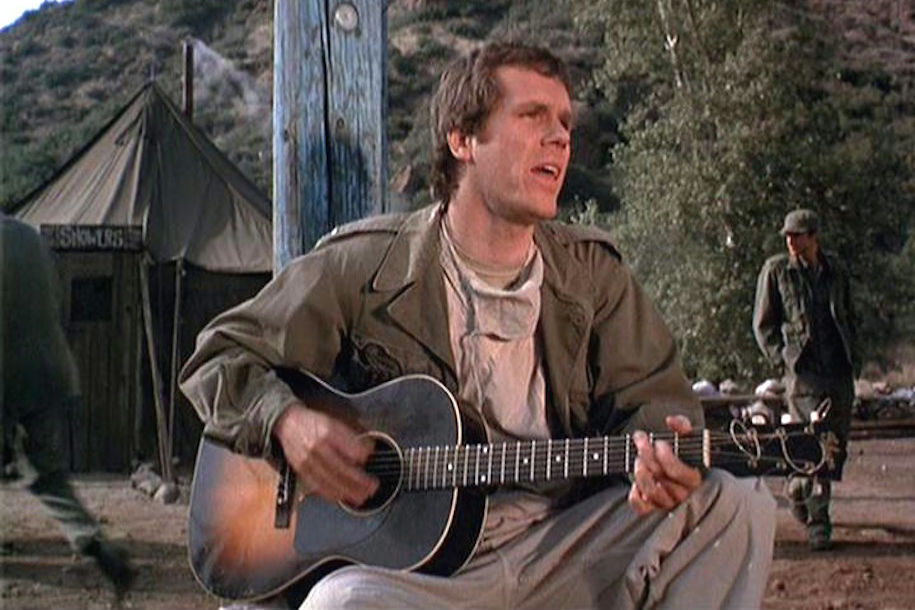
Loudon Wainwright III appeared briefly but memorably as Captain Calvin Spalding, a singing surgeon whose folksy music contrasted with the harshness of war. His appearance reinforced MASH’s tradition of blending art, humor, and reflection. Though his role was short-lived, Wainwright’s performance added texture to the camp’s cultural life. Already an accomplished musician, his presence highlighted the show’s openness to unconventional storytelling. The character remains a small but distinctive part of the series’ rich ensemble history.
19. Allan Arbus’ Inner Conflict
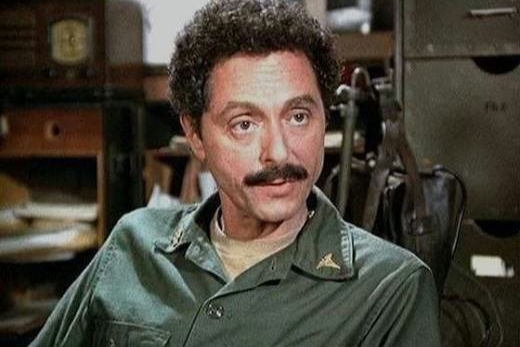
Allan Arbus portrayed psychiatrist Major Sidney Freedman, one of the show’s most insightful recurring characters. Freedman served as a mirror for the emotional toll of war, often guiding others while grappling with his own doubts. Arbus brought calm authority and emotional honesty to the role, helping normalize discussions of mental health long before it became common on television. His scenes added philosophical depth without slowing the show’s pace. Sidney Freedman remains one of MASH’s most respected supporting characters.
20. A Cast That Endured
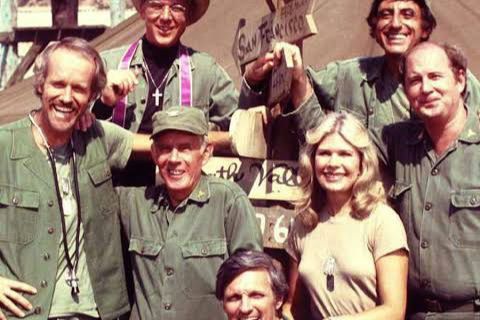
The collective strength of the MASH cast turned a television comedy into a lasting cultural landmark. Each performer, whether appearing for one season or eleven, contributed to a shared realism that made the series timeless. Their combined work allowed MASH to balance laughter with loss, satire with sincerity. The show’s enduring popularity is rooted not only in its writing, but in the humanity these actors brought to their roles. Together, they created characters that continue to resonate across generations.
Like this story? Add your thoughts in the comments, thank you.


