
1. Neodymium
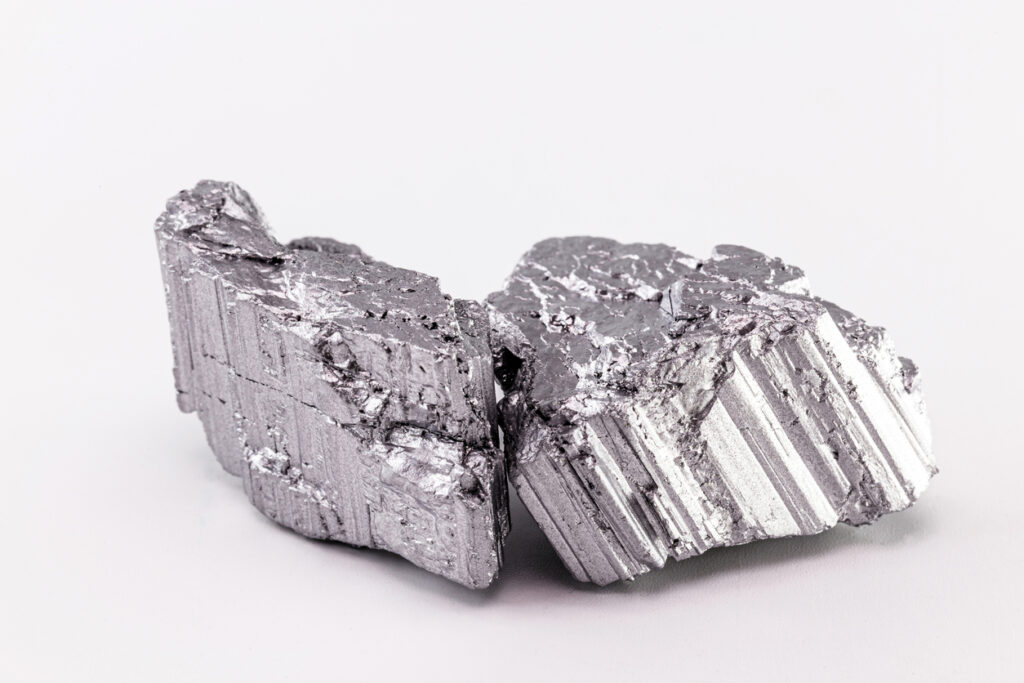
Most people do not realize that one of the most important rare earth minerals is already part of their daily routine. Neodymium quietly powers the small magnets inside smartphones, headphones, and even laptop speakers. These magnets are strong yet compact, which allows devices to stay lightweight without sacrificing performance. It is one of those things that feels invisible until you think about how much technology depends on sound, vibration, and compact motors. Neodymium helps make all of that possible. Without it, many of the devices we use daily would become bulkier and less efficient, and the convenience we take for granted would slowly disappear.
Once you start noticing neodymium, it becomes easier to see how deeply connected it is to everyday life. Electric cars also rely on neodymium magnets for efficient motors, and wind turbines use it to generate power more effectively. These uses make neodymium feel less like a technical material and more like a quiet foundation of modern living. Gold might symbolize value, but neodymium supports movement, sound, and energy. That simple shift from stored wealth to practical usefulness is part of why rare earth minerals like neodymium are becoming more important in the world we are gradually building.
2. Dysprosium
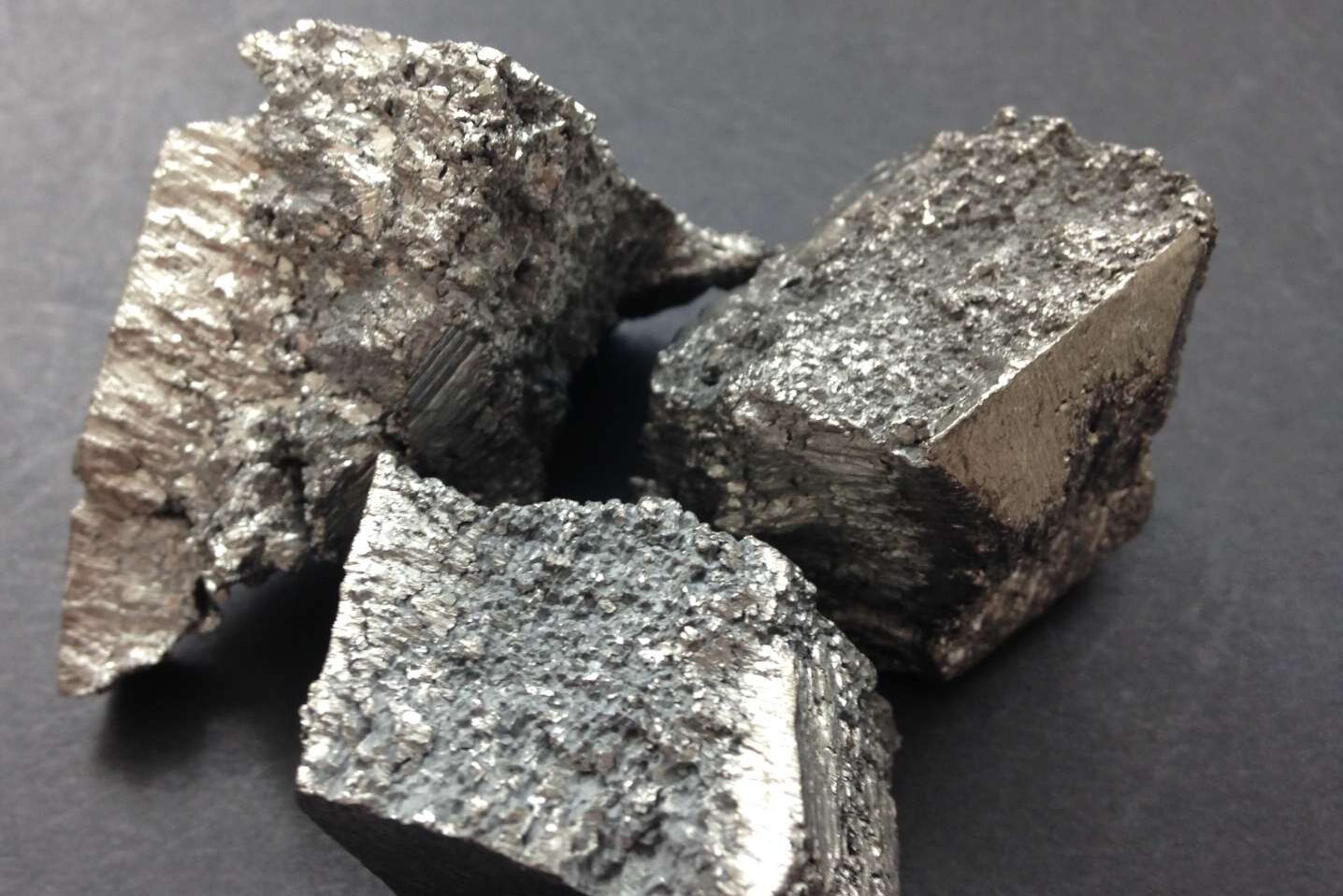
Dysprosium may not be a familiar name, yet it plays an important role in keeping modern technology reliable. This mineral is often added to neodymium magnets to help them withstand high temperatures. That matters more than it sounds, especially in electric vehicles and wind turbines where motors generate heat during operation. Dysprosium helps maintain performance even under demanding conditions. It is one of those quiet improvements that people rarely notice, but it allows technology to run smoothly for longer periods without losing efficiency.
You can think of dysprosium as a stabilizer working behind the scenes. Electric vehicles rely on consistent motor performance, and wind turbines must operate in changing weather conditions. Dysprosium helps ensure these systems remain dependable. As clean energy grows, demand for minerals like dysprosium increases steadily. Unlike gold, which often represents financial stability, dysprosium contributes to technological stability. That difference highlights how value is evolving. Materials that help systems run efficiently are becoming more important, especially as technology becomes more central to daily life and long term energy solutions.
3. Praseodymium
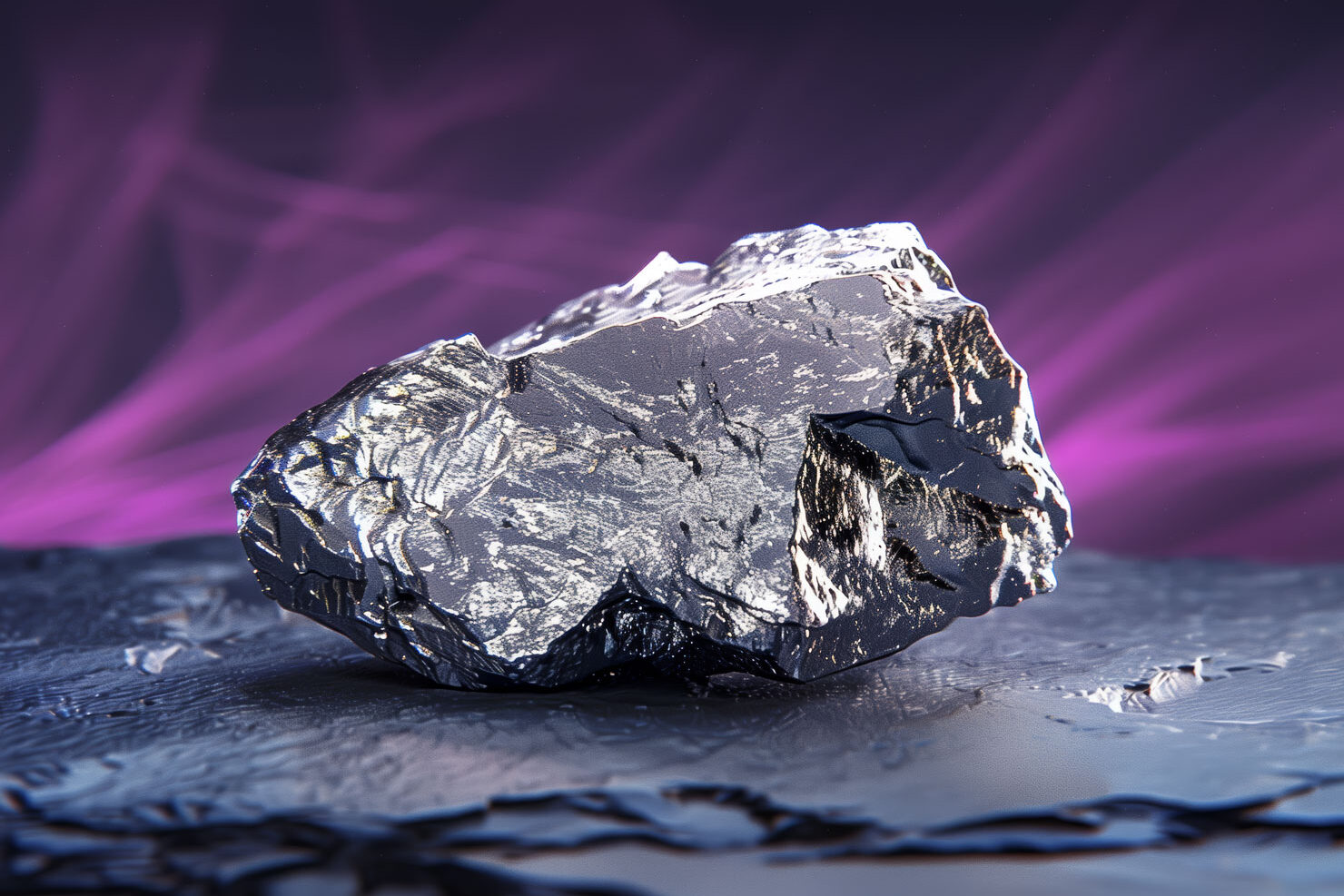
Praseodymium often works alongside neodymium, helping strengthen magnets used in electric motors and modern electronics. It is not always mentioned on its own, but its role is meaningful. This mineral helps improve durability and performance, making devices more efficient and long lasting. You might never see praseodymium listed on a product label, yet it quietly contributes to the reliability of technology people use every day. It is one of those subtle materials that supports progress without drawing attention to itself.
As electric vehicles and renewable energy systems expand, praseodymium becomes more important. Strong magnets improve efficiency, which helps reduce energy loss and enhance performance. These improvements may feel small individually, but together they shape how technology evolves. Praseodymium reflects how rare earth minerals support innovation quietly. Gold may hold traditional value, but praseodymium contributes to practical advancement. That steady role in improving everyday technology makes it part of the growing conversation around rare earth minerals and their place in the future.
4. Terbium
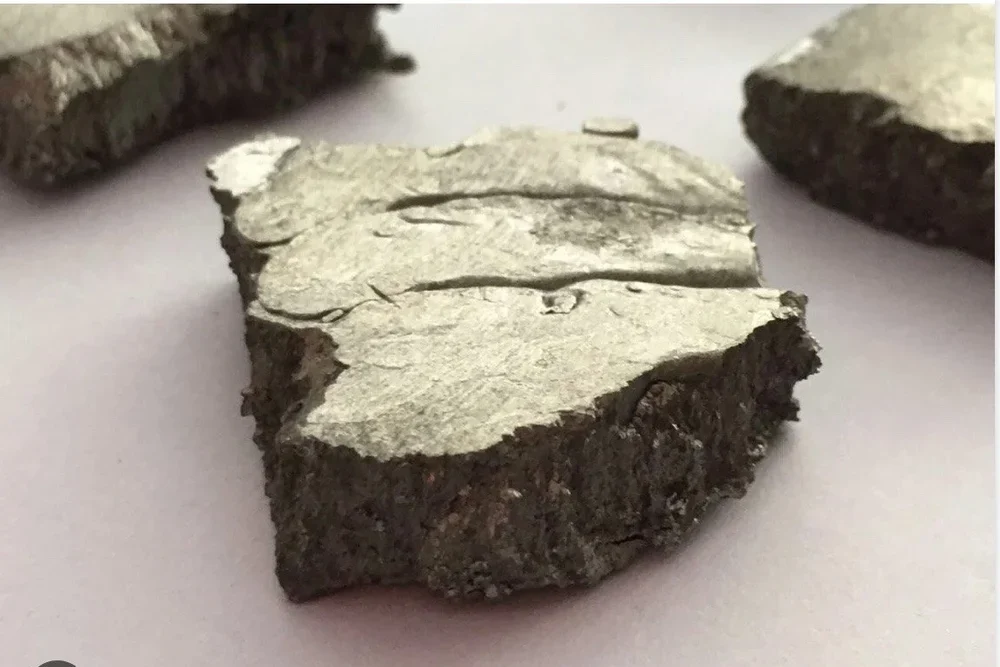
Terbium plays a quiet yet meaningful role in lighting and display technology. This rare earth mineral helps create bright, energy efficient screens in televisions, smartphones, and monitors. It is one of the reasons modern displays look clearer and more vibrant while using less power. Terbium contributes to the comfort and clarity people expect from modern devices. It is easy to overlook, but it shapes how we watch, read, and interact with digital content.
This role becomes more noticeable as screens become part of daily life. From working remotely to watching videos, displays are central to communication and entertainment. Terbium helps improve efficiency while maintaining brightness and color quality. These improvements support both convenience and energy savings. Gold may shine visually, but terbium helps create the glow we see on screens every day. That quiet influence highlights how rare earth minerals shape experiences in subtle ways, making technology feel smoother and more enjoyable without drawing attention to the materials behind it.
5. Lanthanum
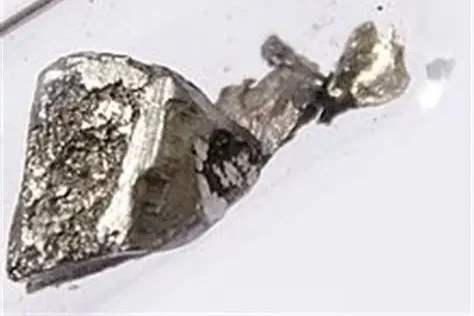
Lanthanum may not be widely discussed, but it plays an important role in camera lenses and optical equipment. This mineral helps improve clarity and precision in lenses used for smartphones, cameras, and scientific instruments. It contributes to sharper images and better light control. Many people appreciate high quality photos without realizing that lanthanum helps make that possible. It is one of those materials that quietly improves everyday experiences.
As photography becomes more central to communication, lanthanum grows in importance. Smartphones now double as cameras, and image quality continues to improve each year. Lanthanum helps support these advancements by enhancing lens performance. These small improvements shape how people capture memories and share experiences. Gold may hold emotional value in jewelry, but lanthanum helps preserve moments through clearer images. That connection between material and memory highlights how rare earth minerals influence daily life in subtle but meaningful ways.
6. Cerium
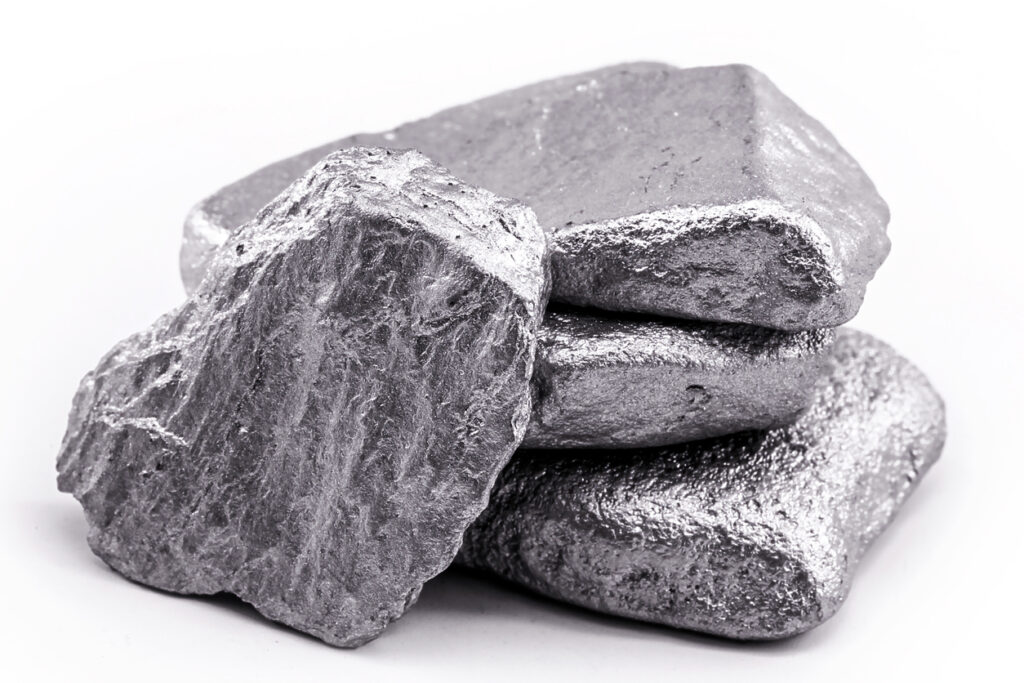
Cerium is one of the most widely used rare earth minerals, and its applications stretch across multiple industries. It is commonly used in catalytic converters, polishing powders, and glass manufacturing. Cerium helps reduce emissions in vehicles and improve surface finishes in electronics. These roles may not be visible, yet they contribute to cleaner air and smoother technology. It is one of those materials that quietly supports both environmental goals and modern manufacturing.
As industries focus more on sustainability and efficiency, cerium becomes increasingly valuable. Cleaner vehicles and refined electronics rely on materials that improve performance while reducing impact. Cerium fits naturally into that shift. Gold may represent lasting value, but cerium contributes to cleaner and more efficient systems. This practical usefulness reflects how rare earth minerals continue to grow in importance as technology and sustainability move forward together.
7. Europium
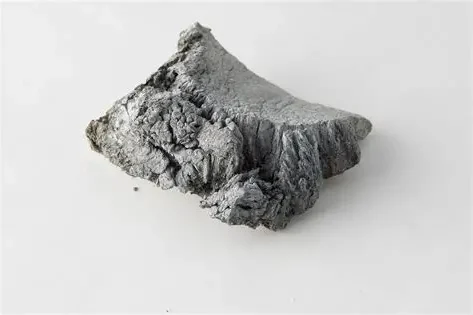
Europium may not be widely recognized, yet it quietly shapes how we see the world through modern screens. This rare earth mineral helps create the red and blue colors in televisions, smartphones, and computer monitors. It plays a key role in producing vibrant displays that feel sharp and comfortable to watch. Without europium, screens would appear duller and less vivid, and the visual experience people now expect would change noticeably. It is one of those materials that improves everyday life without drawing attention to itself, quietly working in the background.
As screens become more central to daily routines, europium grows in importance. People rely on displays for work, communication, and entertainment, often switching between devices throughout the day. Europium helps maintain color clarity and brightness while supporting energy efficiency. These small improvements make technology feel smoother and more natural. Gold may shine on its own, but europium helps create the glow we interact with every day. That subtle presence reflects how rare earth minerals continue shaping modern experiences in ways that feel simple, familiar, and increasingly essential.
8. Yttrium
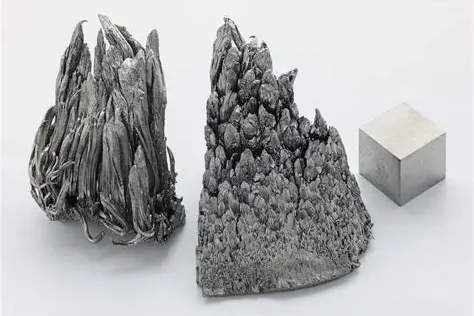
Yttrium plays a quiet but important role in both lighting and healthcare technology. This rare earth mineral is used in LED lights, display screens, and even some medical imaging systems. It helps improve brightness, efficiency, and clarity in devices people rely on daily. Yttrium supports performance without adding bulk, making it especially valuable in compact technology. It is another example of how rare earth minerals quietly improve everyday tools without being widely recognized.
As technology continues to evolve, yttrium becomes more significant. LED lighting has become common in homes, offices, and public spaces because of its efficiency and durability. Yttrium helps support that transition. In healthcare, it contributes to imaging technology that helps doctors see more clearly. These roles show how rare earth minerals connect comfort, innovation, and care. Gold may represent value, but yttrium contributes to visibility and efficiency. Its quiet presence reflects how these minerals support everyday life in ways that feel natural and dependable.
9. Samarium
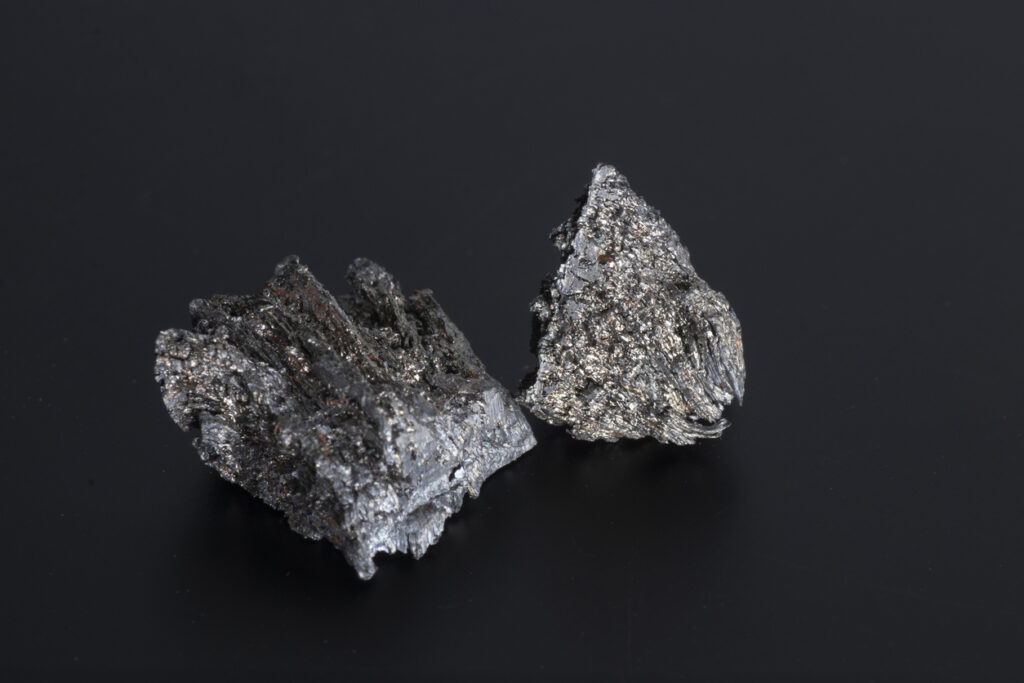
Samarium is another rare earth mineral that supports strong and reliable magnets. These magnets are often used in aerospace systems, defense equipment, and specialized electronics. Samarium magnets perform well in high temperature environments, which makes them valuable in demanding conditions. It is one of those materials that quietly supports advanced technology where reliability matters most. While not always discussed, samarium plays a meaningful role in keeping systems dependable.
As industries continue to advance, samarium becomes increasingly relevant. Aerospace technology, precision instruments, and communication systems all benefit from materials that maintain performance under pressure. Samarium contributes to that stability. This quiet reliability reflects how rare earth minerals support both everyday devices and complex infrastructure. Gold may hold traditional value, but samarium helps maintain performance where consistency matters. That steady contribution highlights how rare earth minerals continue shaping progress in subtle yet important ways.
10. Gadolinium
Gadolinium has an important role in modern healthcare, particularly in medical imaging. This rare earth mineral is used in MRI contrast agents that help improve image clarity. Doctors rely on these clearer images to detect conditions and guide treatment decisions. It is one of those connections that feels distant until you consider how much modern healthcare depends on accurate imaging. Gadolinium helps improve visibility and precision, supporting better outcomes.
As medical technology continues to improve, gadolinium becomes more significant. Healthcare systems rely on advanced imaging tools to provide early detection and accurate diagnoses. Gadolinium helps enhance these tools quietly. Patients may never think about the materials behind the machines, yet the impact is meaningful. Gold may hold symbolic value, but gadolinium supports healthcare in practical ways. Its quiet contribution reflects how rare earth minerals continue to shape everyday life, especially in areas that directly affect wellbeing and care.
11. Holmium
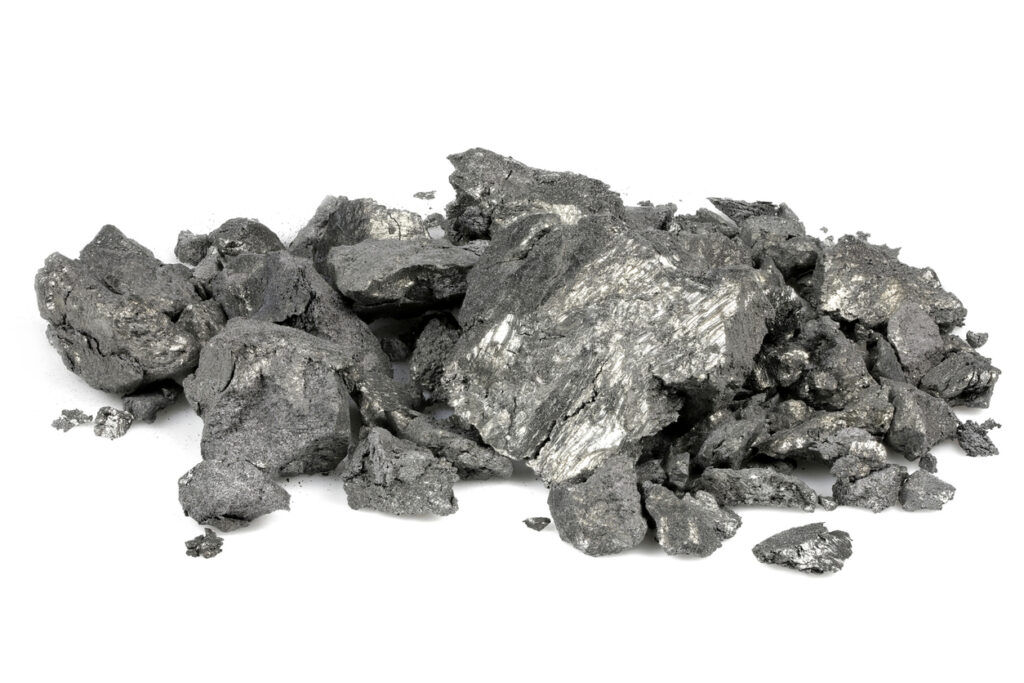
Holmium may not be widely known, but it plays a role in specialized lasers and medical technology. This rare earth mineral is used in certain surgical lasers that require precision and reliability. These lasers help support procedures that benefit from accuracy and control. Holmium quietly supports innovation in healthcare and scientific equipment. It is another example of how rare earth minerals contribute to technology in ways that feel subtle yet meaningful.
As precision technology continues to grow, holmium becomes more valuable. Medical tools, research equipment, and specialized devices rely on materials that perform consistently. Holmium helps support these needs. The role may seem technical, but the impact is practical. Rare earth minerals like holmium help improve outcomes and support innovation. Gold may symbolize tradition, but holmium contributes to modern advancement. This quiet shift reflects how rare earth minerals are becoming more central to the technologies shaping everyday life.
12. Lutetium
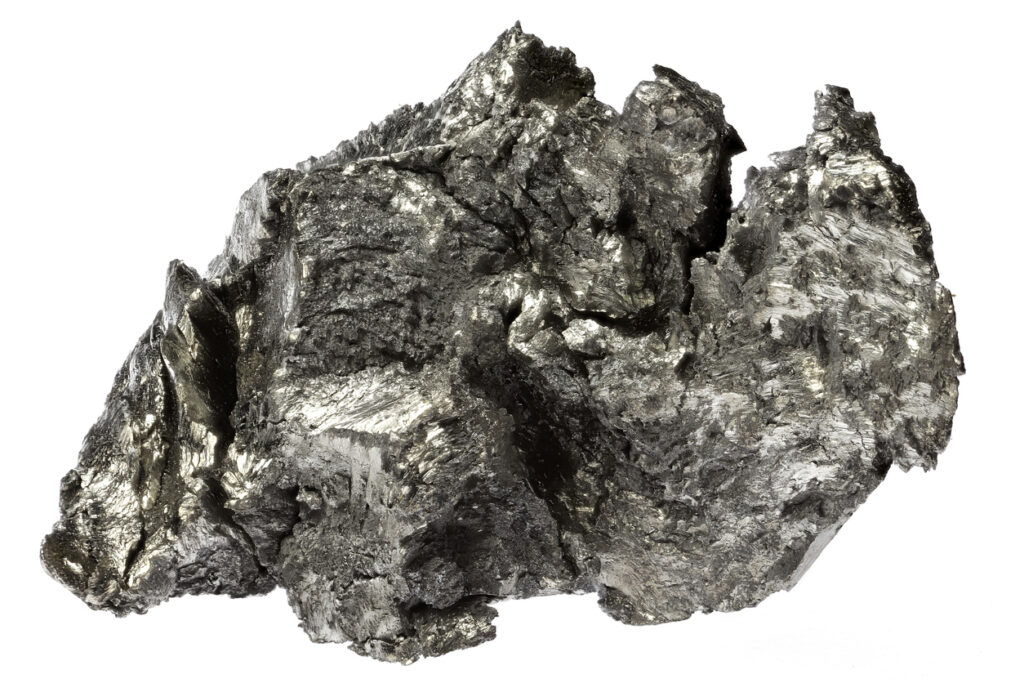
Lutetium is one of the lesser known rare earth minerals, yet it supports advanced imaging and research technologies. This mineral is used in certain medical imaging systems and scientific instruments that require precision. Lutetium helps improve sensitivity and performance, allowing technology to capture clearer data. It is one of those materials that quietly supports progress in both healthcare and research environments.
As innovation continues, lutetium becomes more relevant. Scientists and healthcare professionals rely on precise tools to improve understanding and treatment. Lutetium helps support that accuracy. While the mineral may not be widely discussed, its role reflects how rare earth elements contribute to progress behind the scenes. Gold may hold long standing value, but lutetium supports discovery and advancement. This quiet influence shows how rare earth minerals continue to shape the future through steady and practical contributions.
13. Scandium
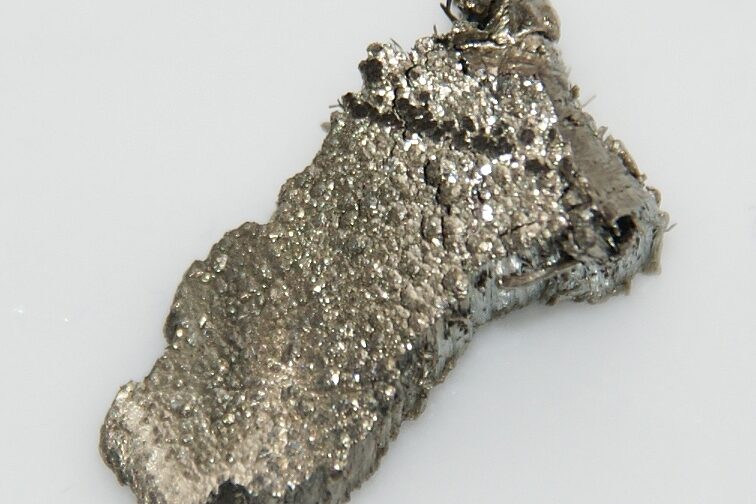
Scandium represents a quiet but meaningful shift toward lighter and stronger materials. This rare earth mineral is often used in aluminum alloys to improve strength while reducing weight. These improved materials are useful in aerospace, transportation, and emerging technologies. Scandium helps make structures lighter without sacrificing durability. It is one of those materials that supports efficiency in subtle ways.
As industries focus on performance and sustainability, scandium becomes more important. Lighter materials can reduce energy use and improve efficiency across transportation and manufacturing. Scandium supports this gradual transition. The shift reflects how rare earth minerals quietly shape innovation. Gold still holds traditional importance, but scandium contributes to modern solutions. Its steady role highlights how rare earth minerals are becoming part of everyday progress. Once you begin to notice their presence, it becomes easier to see how these materials are quietly shaping the future around us.


