
A Tiny Monkey Yields A Massive Response
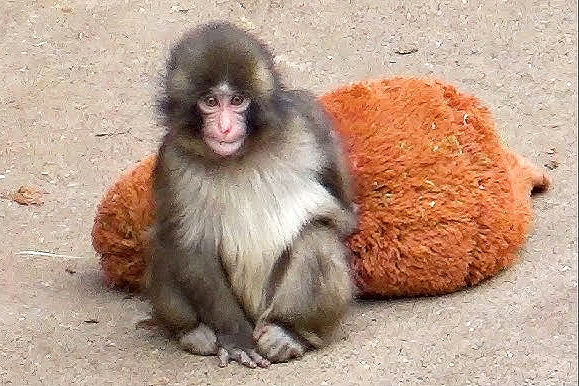
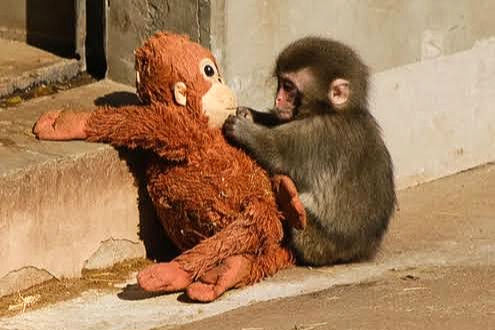
In the early months of 2026, an unlikely star emerged from the Ichikawa City Zoological and Botanical Gardens in Chiba Prefecture, Japan. Punch, a young Japanese macaque, captured global hearts not through dramatic feats, but through a quiet story of vulnerability. Born on July 26, 2025, Punch faced an immediate hardship when his mother abandoned him shortly after birth. To help the infant cope with the lack of maternal warmth, zoo keepers stepped in to hand-raise him. In a touching effort to provide security, they gave him a large, soft orangutan plush toy to cling to during his most vulnerable moments.
The response to Punch has been much more than a fleeting internet trend; it reflects deep themes that resonate with people everywhere. Since his story went viral in January 2026, audiences have been drawn to the raw image of a baby animal seeking comfort. His journey speaks to universal human experiences like loneliness and the search for a place to belong. As the #HangInTherePunch hashtag trended globally, it sparked important discussions regarding animal welfare and the power of social media to foster empathy. Punch became a symbol of resilience, showing the world that even the smallest creatures can overcome a difficult start in life.
Soft Toy Comfort
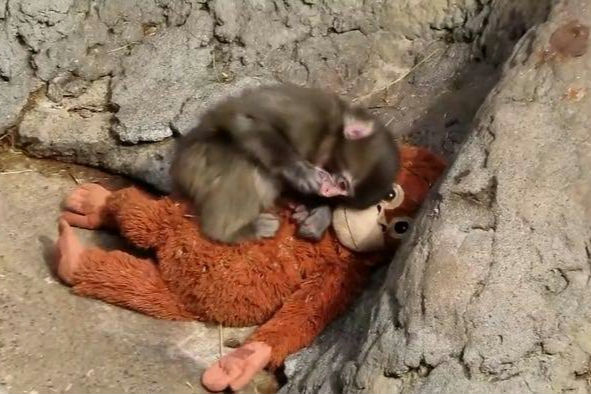
When Punch arrived at the Ichikawa City Zoo in mid-2025, his first hours were defined by rejection. Zookeepers noted that maternal abandonment can occur in primate colonies under stressful conditions, leaving the infant at risk. To bridge the emotional gap, the staff introduced various comfort items. Punch immediately chose a large, stuffed orangutan plush as his primary companion. This simple object became his “surrogate,” providing the physical reassurance and tactile comfort he needed to manage the stress of his mother’s absence during those crucial first months of development.
By late 2025, images of Punch tightly clutching his plush companion began to circulate widely. These clips struck a deep chord with viewers, who saw a tiny infant navigating life’s challenges without a natural support system. Seeing Punch hold onto his toy became a symbolic moment for many people, reminding them of their own need for comfort during hard times. The emotional reaction was almost instantaneous across platforms like Instagram. What began as a local animal care strategy transformed into a global phenomenon, turning the little macaque into a figure of international sympathy and affection.
Initial Social Struggles
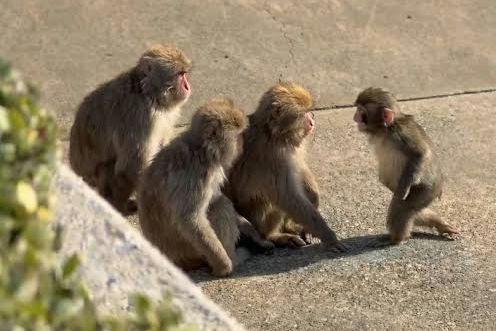
Social dynamics among Japanese macaques are notoriously complex and governed by strict hierarchies. After being hand-raised by humans for several months, Punch was reintroduced to the zoo’s “Monkey Mountain” in mid-January 2026. This enclosure houses dozens of macaques, and the transition was not easy for the youngster. Initial footage from the zoo showed older monkeys either ignoring or actively rebuffing Punch’s attempts to approach them. In the world of primates, acceptance is rarely immediate and is usually earned through a long process of social maneuvering and establishing dominance.
These early interactions highlighted just how vulnerable Punch was in his new environment. Many online observers watched these videos and felt a sense of “social anxiety” on his behalf, projecting human feelings of rejection and the awkwardness of trying to fit into a new group onto the young monkey. The Guardian and other outlets noted how these clips sparked a wave of protective comments from fans worldwide. While the older monkeys were simply following natural instincts, the human audience saw a lonely child trying to find a friend, which further deepened the global investment in Punch’s ultimate success and social integration.
Viral Sensation And Online Response
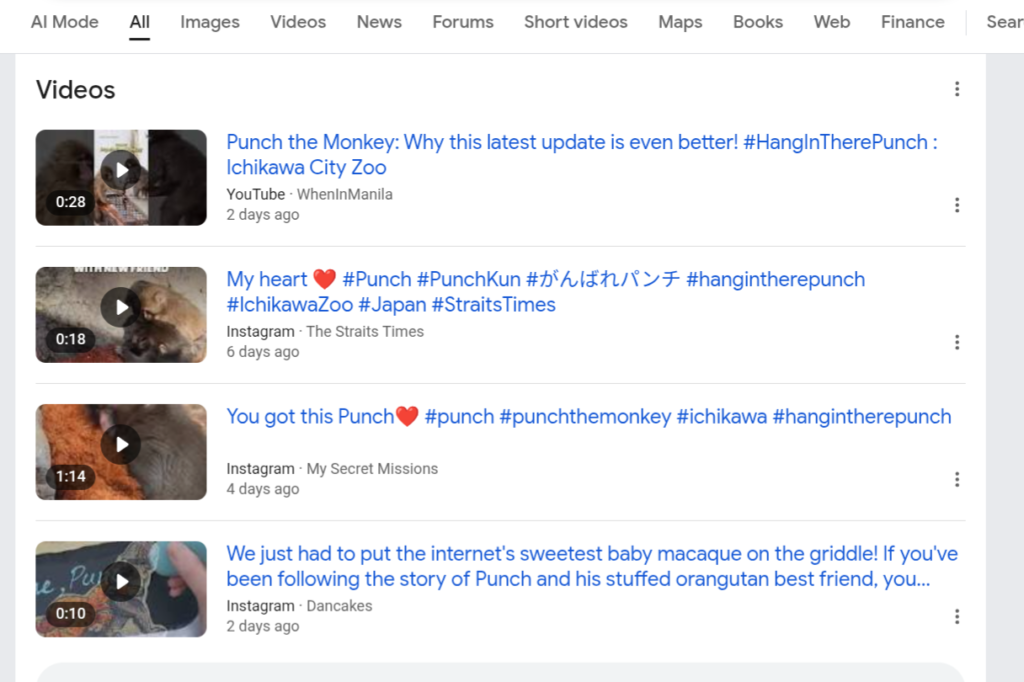
The explosion of interest in Punch began almost the moment the Ichikawa City Zoo shared his photos on their official social media accounts in early 2026. Within days, the hashtag #HangInTherePunch was being used by thousands of people to share messages of support and compassion. For many followers, Punch’s situation felt deeply relatable. The basic need for connection and a “safety blanket” is something almost every person has experienced. This shared humanity allowed the story to transcend the species barrier, making Punch a household name in Japan and far beyond its borders.
The online response moved quickly from simple “likes” to thoughtful discussions about animal emotions and the ethics of zoo management. Some fans viewed Punch’s progress as a metaphor for resilience, seeing his ability to keep moving forward despite early trauma as an inspiration. By February 2026, Punch had become more than just a zoo inhabitant; he was a cultural touchstone. This collective attention brought together strangers from different continents, all united by a shared concern for a tiny monkey’s well-being. It demonstrated how a single, heartfelt story can create a positive community in a digital world.
Visitor Surge At The Zoo
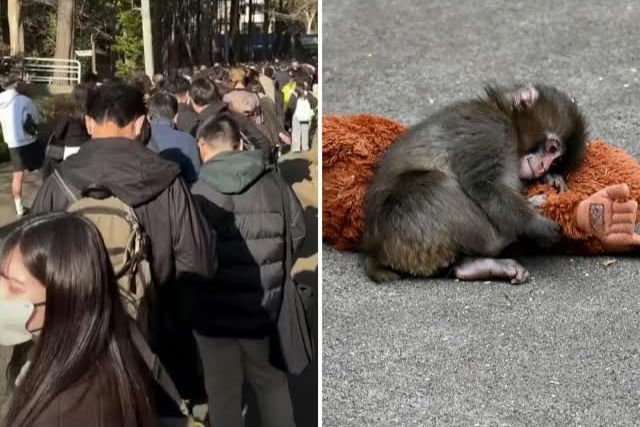
The digital fame of Punch soon translated into massive real-world crowds at the Ichikawa City Zoological and Botanical Gardens. Throughout February 2026, the zoo experienced an unprecedented spike in attendance, with thousands of visitors traveling to Chiba Prefecture specifically to see the famous macaque. Long queues often stretched from the entrance gates, leading the zoo to issue public apologies for the wait times. To ensure the safety of the animals and the comfort of the guests, the zoo had to implement strict viewing schedules and crowd control measures to prevent overstimulation of the troop.
While most visitors came for the “cuteness” factor, the zoo used this platform for a greater purpose. Staff took the opportunity to educate the public about Japanese macaques, their natural behaviors, and the broader goals of wildlife conservation. It turned a viral moment into a learning experience, highlighting the complexities of caring for primates in captivity. For Punch, this meant his daily life was now being observed by an international audience in person. The surge in ticket sales also provided the zoo with additional resources to improve animal enclosures and support their ongoing conservation programs.
Zoo Addressed Welfare Concerns
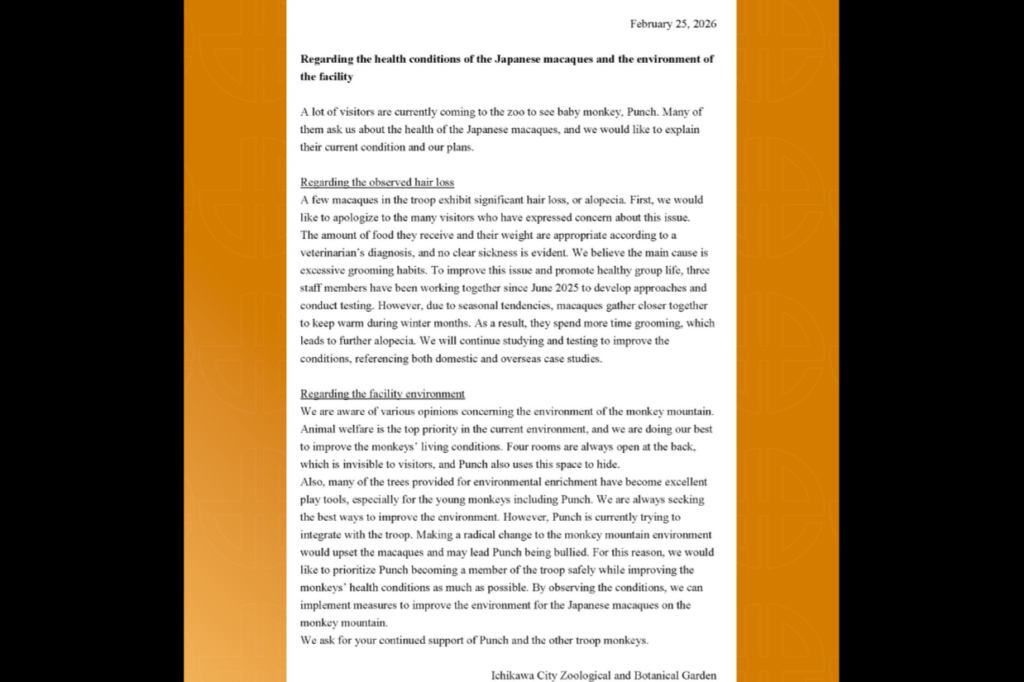
As Punch’s popularity grew, so did the scrutiny from the public regarding his health. By late February 2026, some visitors expressed concern over the appearance of the macaques, specifically noting patches of thinning fur. In a transparent effort to maintain public trust, the Ichikawa City Zoo released a detailed statement. They reassured fans that Punch and his companions were in excellent health. They explained that the fur changes were a result of seasonal “overgrooming,” a common social behavior among macaques during the colder winter months when they huddle together for warmth.
The zoo also used this opportunity to explain their careful strategy for Punch’s social integration. Rather than forcing him to live with the larger troop immediately, they have been facilitating slow, monitored interactions. This “step-by-step” approach allows Punch to learn the necessary social cues of his species at his own pace, reducing the risk of stress or injury. By being open about their veterinary and behavioral practices, the zoo staff managed to balance the public’s intense emotional investment with responsible, professional animal care, ensuring that Punch’s long-term health remained the top priority.
Emerging Social Bonds
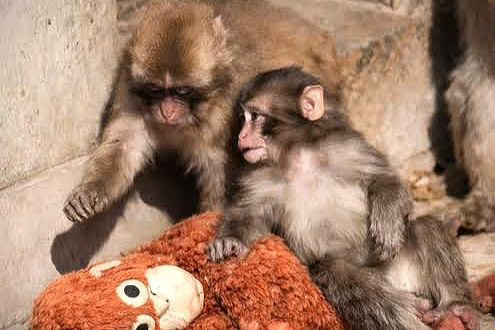
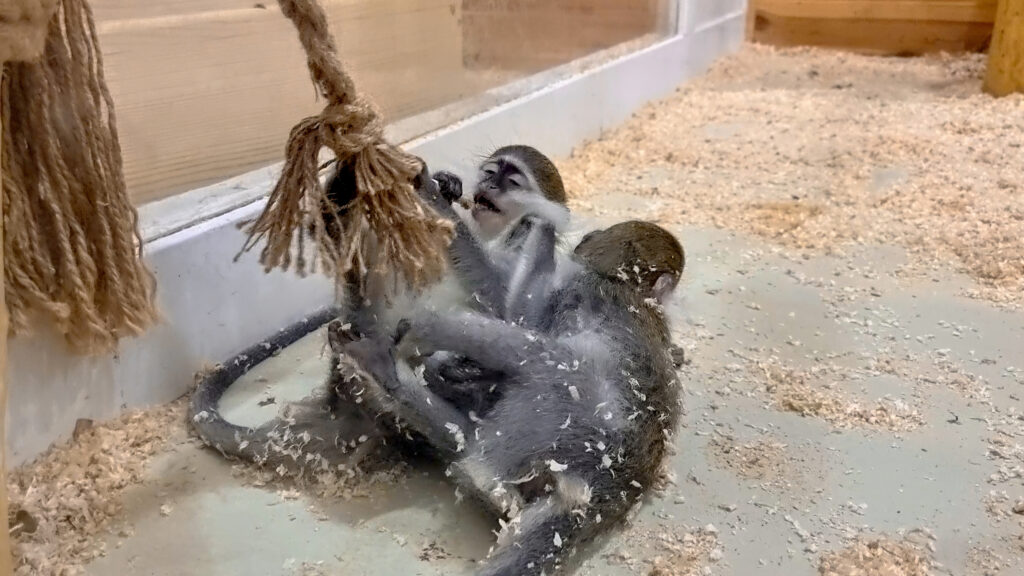
Recent reports from the zoo in March 2026 show heartening signs of progress in Punch’s social life. New videos captured by visitors show the young macaque interacting much more confidently with other juveniles in the troop. Instead of sitting alone with his plush toy, Punch has been seen participating in “play-wrestling” and grooming sessions. Behavioral experts who have watched these clips suggest that these are vital milestones. They indicate that Punch is successfully learning how to communicate with his own kind and is beginning to find his place within the hierarchy of Monkey Mountain.
These moments represent a major turning point in his development. While he still returns to his stuffed orangutan for comfort when he feels overwhelmed, those instances are becoming less frequent. His growing willingness to explore the enclosure and engage with other macaques shows a high level of emotional adaptability. For the millions of fans following his journey, these updates offer a sense of relief and hope. It proves that despite a rocky start and the loss of his mother, Punch is on his way to living a full and socially active life as a macaque.
Fans Continue To Share Clips
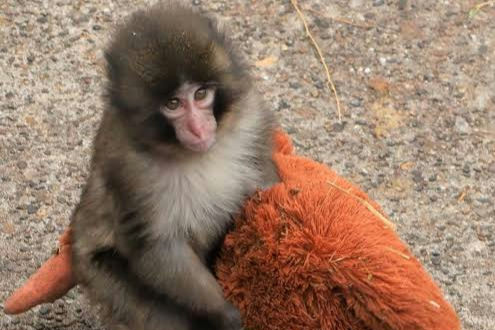
The global fascination with Punch shows no signs of slowing down as we move further into 2026. Social media feeds are constantly updated with “fan cams” and short clips of his daily activities, from his attempts to climb new structures to his naps in the sun. These posts attract a steady stream of encouragement and positive commentary. A digital community has formed around his well-being, where followers celebrate every small milestone he reaches. This constant stream of content keeps the story fresh and ensures that Punch remains a beloved figure in the public eye.
Each documented steps mean that, fans are doing more than just watching an animal; they are participating in a collective narrative about overcoming the odds. The ongoing attention serves as a reminder of the universal themes of growth and healing. Every time a new clip of Punch playing with a peer is shared, it reinforces the message that adversity can be managed with time and support. The “Punch community” has become a space for people to share their own stories of resilience, using the little monkey’s journey as a springboard for connection and mutual encouragement.
Punch’s Story Reflects Broader Themes
Ultimately, the story of Punch the macaque is a window into the emotional lives of animals and our own human nature. While his journey is unique to the Ichikawa City Zoo, it has ignited a worldwide conversation about the need for belonging and the importance of empathy. Commentators have noted that the public’s obsession with Punch is rooted in something fundamental: we all want to feel safe and accepted. In a world that can often feel divided, the simple image of a baby monkey finding his way has become a quiet symbol of shared hope and universal experience.
These themes have led many to reflect on the deep emotional bonds that exist between humans and the natural world. Punch’s story reminds us that the desire for comfort and social connection is not exclusive to people; it is a trait shared by many of our fellow primates. By following his growth, audiences are reminded of the beauty of resilience and the importance of kindness toward all living things. Punch may be a tiny monkey in Japan, but his journey has touched the hearts of millions, proving that a little bit of empathy can truly cross the globe.
The Future For Punch
As we look toward the remainder of 2026, experts are beginning to discuss what the long-term future holds for this famous macaque. While Punch has successfully integrated into a juvenile troop, his transition into adulthood will bring new challenges and milestones. Primates undergo complex hormonal and social shifts as they mature, meaning his caretakers will need to carefully manage his placement within larger, more established social hierarchies.
According to recent insights from animal behaviorists, Punch’s early bond with a plush toy has been entirely replaced by “alloparenting” from older macaques, a vital step for his emotional stability. Fans across the globe continue to follow his journey, hopeful that his story will lead to increased funding for primate conservation and stricter laws against the illegal pet trade.
No matter where he spends his adult years, Punch has already secured his legacy as a global ambassador for resilient wildlife.


