
Beneath The Roaring Water

Niagara Falls remains one of the most iconic natural landmarks on the planet, drawing millions of tourists to the border of New York and Ontario every year. Most visitors come to snap photos of the massive curtain of water or enjoy a misty boat ride. However, beneath this breathtaking postcard view lies a much darker history that park rangers and travel guides rarely discuss. For over 175 years, the falls have served as a magnet for thrill-seekers, people in deep distress, and those who simply made a fatal mistake near the slippery edge.
Since the mid-19th century, specifically starting around 1850, records indicate that thousands of individuals have lost their lives in these churning currents. While the site is famous for romantic honeymoons and family vacations, it also holds a somber reputation for hidden danger. Behind the sheer beauty of the falling water is a complex story of human risk and survival. By looking at the actual data and historical accounts, we can begin to understand the true scale of what happens when people go over the brink. It is a place where nature’s grandeur often collides with moments of intense personal drama and tragedy.
A Grim Historical Toll
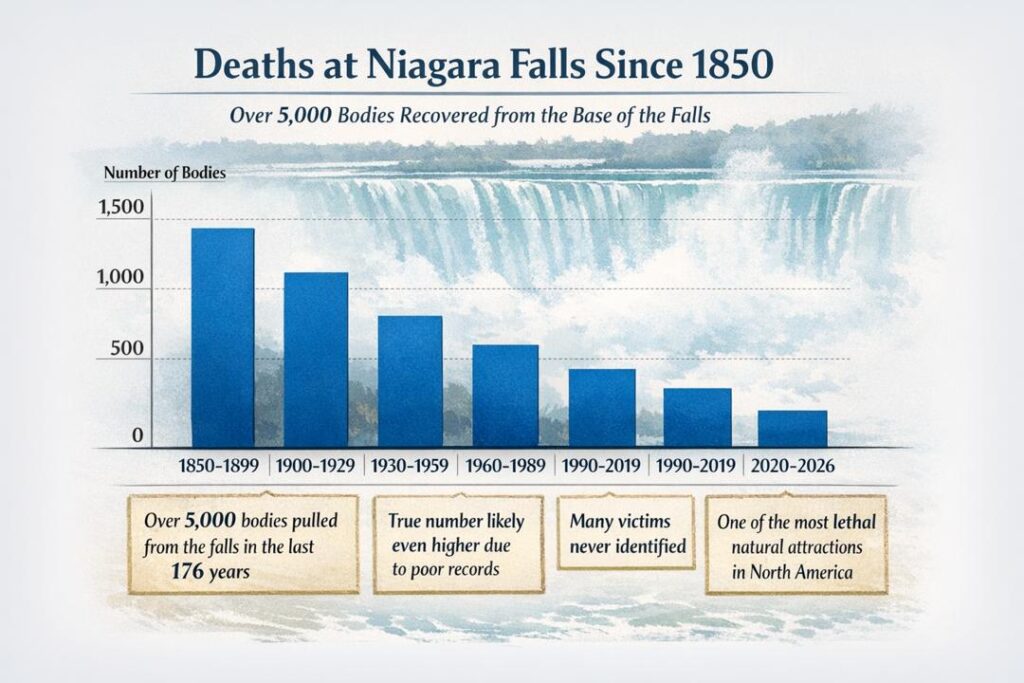
Since formal record-keeping began in the year 1850, Niagara Falls has seen a staggering number of fatalities. It is estimated by historians and local authorities that more than 5,000 bodies have been pulled from the base of the falls over the last 176 years. Because early 19th-century records were often disorganized or incomplete, the true number is likely even higher. Many of these individuals were never identified, leaving behind a mystery that still haunts the region’s history. This high number makes the falls one of the most lethal natural attractions in North America.
The rise in these statistics followed the expansion of the railroad in the mid-1800s, which brought massive crowds to the area for the first time. With more people visiting the wet, rocky cliffs, the frequency of accidents naturally increased. Some deaths involved early ferry boats losing power, while others were caused by people venturing too close to the rapids. Over the decades, these individual losses have created a heavy legacy that influences how the parks are managed today. While the falls are a marvel of geology, they also serve as a permanent memorial to the thousands of lives claimed by the river.
Annual Incidents Today
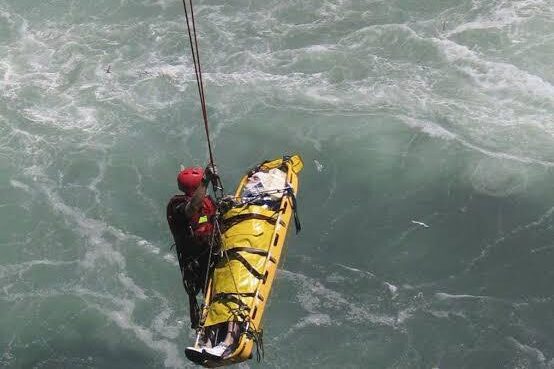
In the modern era, despite the installation of high steel railings and constant surveillance, Niagara Falls still sees a significant number of incidents every year. Most current reports from park officials suggest that between 20 and 40 people go over the edge annually. These numbers fluctuate depending on the year, but the consistency of the data is a cause for concern for local law enforcement. While many of these cases are handled with extreme privacy to respect the families involved, the sheer volume of incidents remains a challenge for emergency responders.
Surviving such a drop is almost impossible due to the physics of the waterfall. For example, the Horseshoe Falls stands roughly 167 feet tall and moves about 600,000 gallons of water every second. The impact at the bottom is similar to hitting solid concrete, and the powerful “deadman’s” undertow can trap a person underwater for weeks. This is why specialized dive teams and the Niagara Parks Police patrol the banks 24 hours a day. Even with 21st-century technology and rapid response times, the falls remain a place where the margin for error is zero, reminding everyone that nature’s power is truly unforgiving.
The Dominant Cause

When researchers and safety experts look at why people end up in the water, a clear and sad pattern emerges. The vast majority of incidents at the falls are not accidents or stunts, but intentional acts. It is estimated that roughly 80% to 90% of the annual deaths are related to mental health crises. Because of this, local authorities often choose not to publicize specific events. They follow a strict media protocol to prevent “copycat” incidents, which have been known to spike following intense news coverage of a tragedy at the world-famous landmark.
To combat this, significant changes have been made to the park grounds over the last few decades. Since the 1980s, mental health advocates have successfully pushed for the installation of crisis “blue phones” and increased signage offering help. Park staff and even gift shop employees now receive specialized training to spot individuals who may be in distress. These intervention efforts are designed to transform the falls from a place of tragedy back into a place of natural wonder. By focusing on prevention rather than publicity, the community hopes to reduce the somber statistics that have followed the river for nearly two centuries.
Horseshoe Falls Hotspot
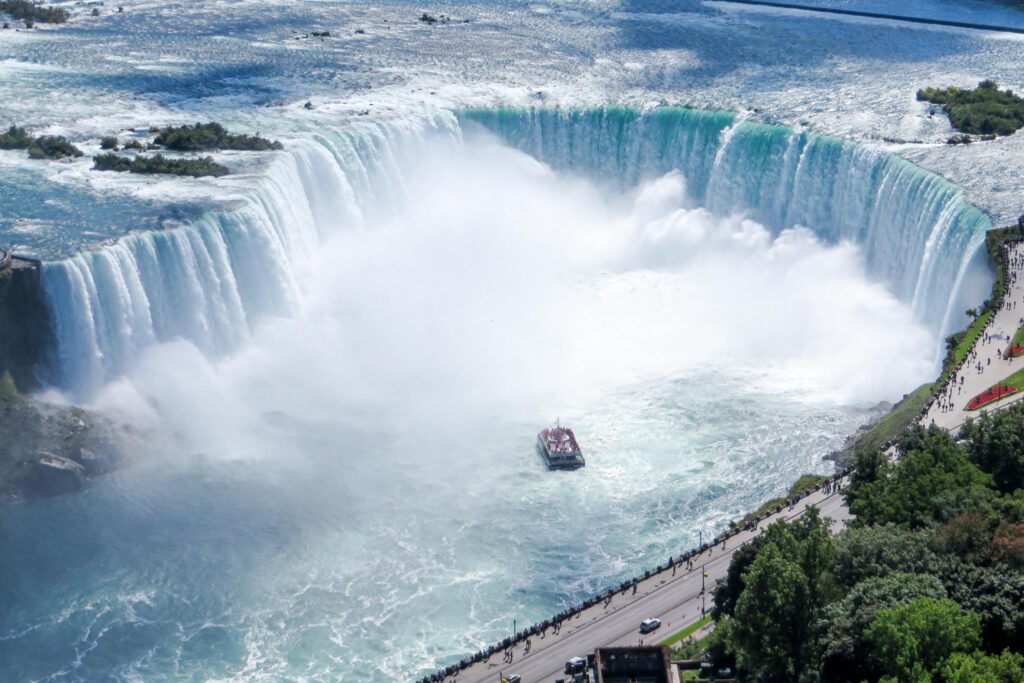
Niagara Falls is actually a collection of three distinct waterfalls: the American Falls, the Bridal Veil Falls, and the massive Horseshoe Falls. The vast majority of incidents occur at the Horseshoe Falls, which sits primarily on the Canadian side. This specific cataract handles about 90% of the Niagara River’s total volume. Because of its iconic curved shape and the sheer depth of the water flowing over it, it has become the primary site for both intentional jumps and the few daredevil attempts that have made headlines.
The geography of the Horseshoe Falls is particularly dangerous because the water is deep enough to create a deceptive “plunge pool” at the bottom. Historically, some people believed this depth might cushion a fall, unlike the American Falls, which features a treacherous field of massive boulders known as talus at its base. Falling onto those rocks is almost certainly fatal. Over time, this difference in terrain has dictated where people choose to test their luck. While tourists flock to the Horseshoe curve for the best views, the location remains the most dangerous point on the entire river due to the incredible hydraulic pressure and turbulence.
Rare Survivors

Going over the edge of Niagara Falls without a safety vessel is almost always fatal, but there are a few incredible exceptions. Since the first recorded survival in the mid-1900s, only about 17 people are known to have lived through the plunge without professional equipment. These individuals are often referred to as “unintentional daredevils.” Surviving the 167-foot drop is considered a statistical miracle, as the force of the water usually causes immediate and catastrophic physical trauma, including broken limbs, internal bleeding, or immediate unconsciousness upon hitting the river’s surface.
Those who do survive often describe a terrifying experience of being trapped in a “washing machine” of water and air. The air at the bottom of the falls is highly aerated, making it difficult to breathe even if a person stays afloat. Medical experts note that most survivors only lived because they landed in a specific pocket of water or were wearing a flotation device that kept them from sinking into the undertow. Despite these rare stories of luck, authorities emphasize that survival is never a result of skill. It is almost always a matter of pure, random chance that someone emerges from the misty basin alive.
Daredevils And Fame

Before the internet and social media, Niagara Falls was the ultimate stage for those seeking global fame. Starting in the late 1800s, a “daredevil era” began where people attempted to survive the plunge inside wooden barrels, rubber balls, or even metal containers. These stunts were often motivated by the hope of landing a lucrative touring contract or a headline in a major newspaper. Records show that roughly 20 people have made organized attempts to conquer the falls since 1901, with some achieving legendary status while others met a tragic end.
As these stunts became more frequent, they created a major headache for the government. Eventually, both the United States and Canada realized that these spectacles encouraged dangerous behavior. By the mid-20th century, strict laws were passed to ban all unauthorized stunts at the falls. Today, anyone attempting to go over the edge for “glory” faces massive fines—sometimes exceeding $10,000—and potential jail time. While the era of the barrel-riders has mostly ended, the stories of those who risked everything for a moment of fame continue to be a part of the local lore that fascinates tourists today.
Annie Edson Taylor

The most famous name in the history of Niagara daredevils is Annie Edson Taylor, a 63-year-old schoolteacher. On October 24, 1901, she became the first person to successfully go over the falls in a barrel. Taylor was not looking for a thrill; she was actually in deep financial trouble and hoped the stunt would make her wealthy enough to avoid the poorhouse. She used a custom-made barrel made of oak and iron, padded with a mattress, and was towed out into the main current of the river just above the brink.
Against all odds, Taylor survived the drop. When rescuers opened the barrel about 20 minutes later, she crawled out with only a small cut on her head. Her feat made her an instant international celebrity, but the wealth she dreamed of never materialized. Her manager eventually stole her famous barrel, and she spent her final years posing for photos with tourists for small tips. Before her death in 1921, she famously warned others never to try what she did, stating that she would rather walk up to a cannon’s mouth than repeat that terrifying journey over the Great Falls.
The Woodward Miracle

One of the most incredible stories of survival happened by pure accident on July 9, 1960. A seven-year-old boy named Roger Woodward was enjoying a boat ride with his sister and a family friend on the upper Niagara River. Suddenly, the boat’s engine failed, and the small vessel was capsized by the powerful rapids. While his sister was pulled to safety by bystanders near the edge, Roger was swept directly over the massive Horseshoe Falls. He was wearing nothing but a simple orange life jacket as he plunged 167 feet into the abyss.
In what is now known as the “Miracle at Niagara,” Roger was spotted bobbing in the water just moments after his fall. The crew of the Maid of the Mist tour boat acted quickly, throwing him a life ring and pulling him aboard. Remarkably, he suffered only a minor concussion and some bruises. He remains the first person to ever survive the fall with only a life jacket and no protective vessel. Sadly, the family friend who was piloting the boat did not survive. Roger’s story remains a legendary example of how unpredictable the falls can be, serving as both a miracle and a tragedy.
Fatal Daredevil Attempts
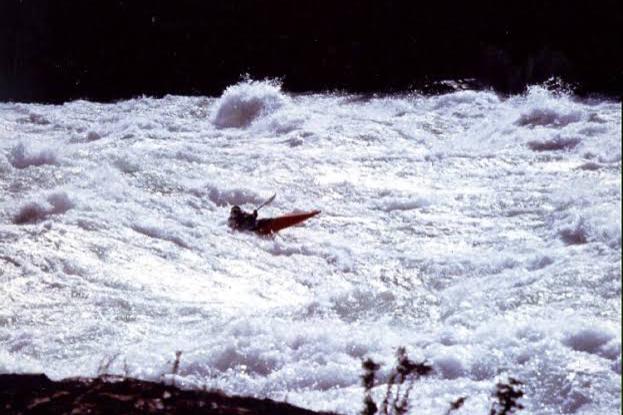
While a few people have survived their stunts, many others have not been so lucky. Over the decades, several individuals lost their lives trying to find fame in the waters of Niagara. One of the most famous and tragic cases occurred on July 5, 1990, when a man named Jesse Sharp attempted to paddle over the falls in a 12-foot plastic kayak. He was so confident in his plan that he didn’t wear a life jacket, believing it would interfere with his paddling. He even made dinner reservations downstream, fully expecting to arrive.
Unfortunately, Sharp never made it to dinner. His kayak was seen plunging over the edge, and neither he nor his boat were ever found. Another fatal incident took place years earlier when a stuntman’s barrel hit the rocks at the base, causing the device to break apart instantly. These deaths were a major reason why authorities eventually criminalized stunts. They prove that no matter how much a person prepares or how modern their equipment is, the river is more powerful than any human invention. These tragedies serve as a grim warning to anyone who thinks they can master the force of the falls.
Accidents And Missteps
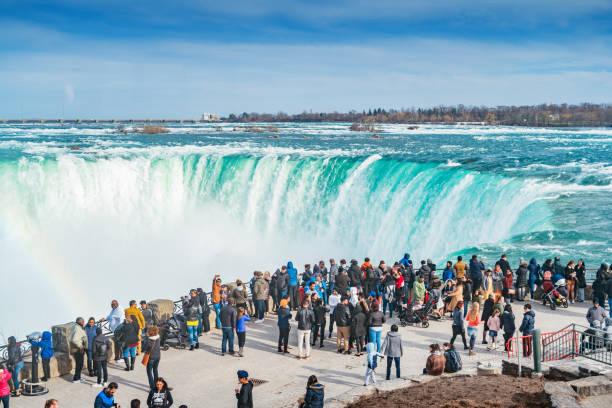
Not every tragic event at Niagara Falls is the result of a daredevil stunt or a deliberate jump. A significant number of incidents are actually caused by simple accidents, such as losing one’s footing on a wet rock or underestimated the speed of the water. Since the park became a major tourist destination in the 1800s, dozens of people have slipped over the edge while trying to get a better photo or by leaning too far over the safety walls. The mist from the falls makes the surrounding walkways incredibly slick, and in the winter, ice creates even more hazards for unsuspecting visitors.
One of the most dangerous aspects of the Niagara River is how quickly the current accelerates as it approaches the brink. By the time someone realizes they are in trouble, the water is often moving too fast to swim against. Historical records from the 1920s and 1930s mention several cases where small fishing boats experienced engine failure and were swept over the falls before help could arrive. Today, the Niagara Parks Commission uses high-tech sensors and constant patrols to prevent these accidents. However, the sheer power of the 3,160 tons of water flowing every second remains a constant threat to anyone who ignores the warning signs.
Laws And Deterrents

In the modern era, both the United States and Canadian governments have passed strict laws to prevent people from attempting to go over the falls. Since the mid-20th century, it has been illegal to perform any kind of stunt or “plunge” within the park boundaries. These regulations were strengthened after several high-profile fatalities in the 1980s and 1990s. Today, if a person survives an intentional trip over the edge, they are immediately met by law enforcement. They can face criminal charges, permanent bans from the park, and massive fines that often reach up to $10,000 to cover the cost of the rescue.
These deterrents are not just about punishing the individual, but also about protecting the first responders. Every time someone goes into the water, emergency teams have to risk their own lives using helicopters and specialized boats to perform a recovery. To help prevent these situations, the parks have installed miles of steel fencing and sophisticated thermal surveillance cameras that monitor the shoreline 24 hours a day. By combining strict legal penalties with modern technology, authorities have managed to decrease the number of “thrill-seekers” significantly. The goal is to ensure that the falls remain a safe place for families to enjoy the view without witnessing a preventable tragedy.
A Word for the Wise
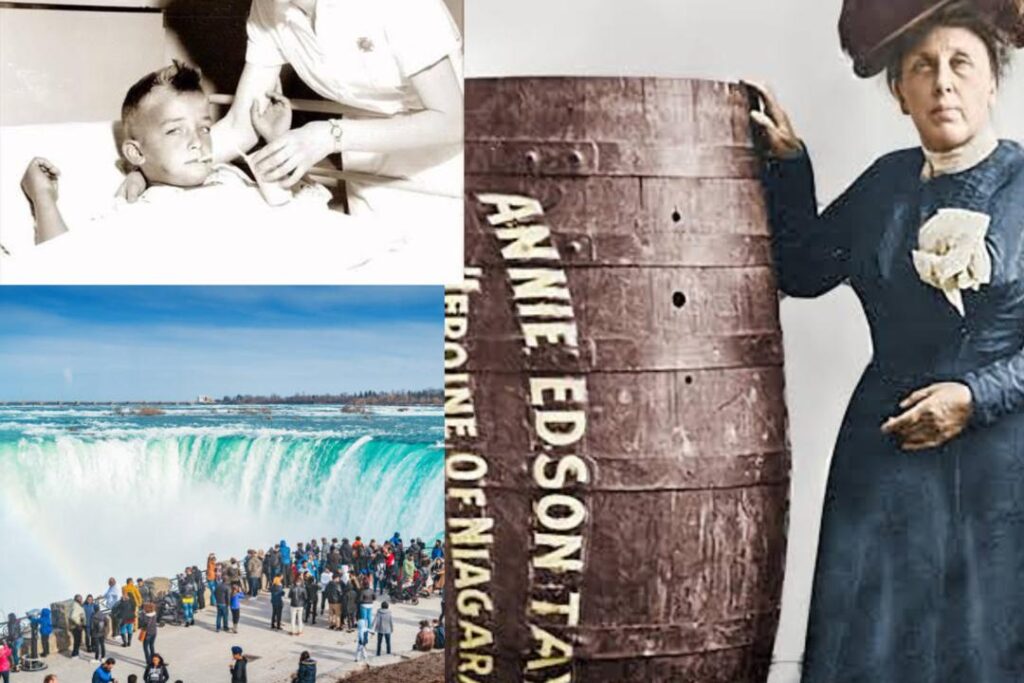
Niagara Falls will always be a place of deep contrast, where incredible natural beauty meets a very real sense of danger. Over the last two centuries, the site has transformed from a wild frontier into a highly managed global landmark, yet its power remains unchanged. From the early success of Annie Edson Taylor in 1901 to the miraculous survival of young Roger Woodward in 1960, the history of the falls is filled with stories that seem almost impossible. These events remind us that while humans have built cities and power plants around the water, we can never truly control the river itself.
The statistics and dates associated with the falls tell a somber story of the thousands of lives touched by this massive geological wonder. Whether it is a daredevil seeking a moment of fame or an accidental slip on a rainy afternoon, each incident becomes a part of the waterfall’s long and complicated legacy. Today, the focus remains on safety, education, and respect for the environment. By understanding the risks and the history behind the roaring water, visitors can appreciate the falls for what they truly are: a magnificent display of nature’s strength that deserves both our wonder and our caution.


